
Introduction
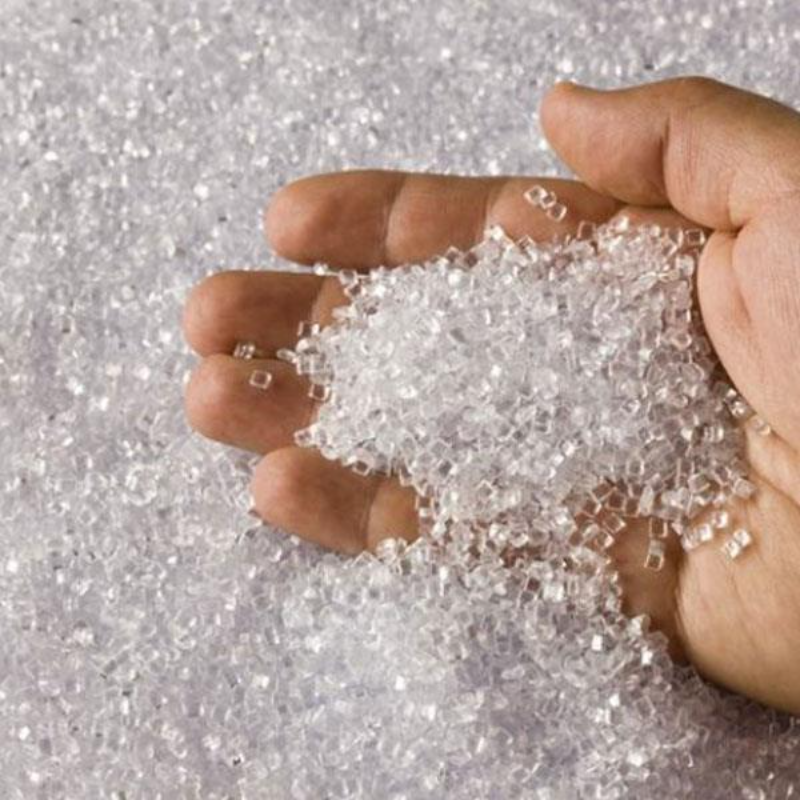
Additives are small-dose functional ingredients incorporated into plastics to modify processing behavior, protect the polymer during manufacture and service, and deliver targeted performance in the final article. In the plastics industry, the term covers a wide family of auxiliaries including stabilizers, plasticizers, lubricants, flame retardants, impact modifiers, antistatic agents, nucleating agents, pigments, fillers, and processing aids; their defining feature is that they are added in relatively low concentrations to achieve a specific technical effect without becoming the main structural material themselves.
In practical plastics formulation, additives are essential because base polymers are rarely optimal for processing or end use in their neat state. They can improve melt flow, reduce degradation, control crystallization, increase toughness, suppress flammability, enhance color and opacity, prevent sticking or static charge, and extend outdoor lifetime through UV and oxidative stabilization. The additive package is therefore often as important as the polymer resin grade in determining cost, conversion window, durability, regulatory compliance, and recyclability.

The field has evolved from simple “one-function” compounding toward highly engineered multi-additive systems designed for specific resin families, processing routes, and circularity requirements. At the same time, sustainability pressures have shifted attention toward low-migration formulations, PFAS-free processing aids, heavy-metal-free stabilizer systems, halogen-free flame retardants, and additives that maintain performance in recycled content and bio-based polymers. The future of plastics additives is thus shaped not only by performance demands, but also by restrictions on toxicology, emissions, and end-of-life compatibility.
History and Development
Early plastics additives emerged with the first commercial thermoplastics and thermosets, when manufacturers learned that polymers such as cellulose derivatives, phenolics, and early vinyl materials required plasticization, stabilization, or lubrication to become processable. As large-scale polymer production expanded after the mid-20th century, additive technology became increasingly specialized, with distinct chemistries developed for oxidation resistance, heat stability, weatherability, lubricity, impact modification, flame resistance, and pigment dispersion.
A major driver of development has been the growing complexity of polymer processing. High-throughput extrusion, injection molding, film casting, fiber spinning, and pipe production all impose different thermal, mechanical, and residence-time stresses, so additive packages are now tailored to the exact processing window. More recently, the growth of recycled plastics has accelerated innovation in odor control, melt filtration compatibility, chain extension, and stabilizer systems that compensate for prior thermal history and contamination.
Chemical Structure and Key Properties
Plastic additives are not a single chemical class but a functional category. Their properties are determined by molecular architecture, polarity, volatility, migration tendency, thermal stability, and compatibility with the host polymer.
Common additive families include:
- Antioxidants: hindered phenols and phosphites that interrupt radical oxidation chains and decompose hydroperoxides.
- UV stabilizers: UV absorbers and hindered amine light stabilizers that reduce photodegradation.
- Plasticizers: low-volatility esters that increase chain mobility, especially in PVC.
- Lubricants and processing aids: fatty acid derivatives, metal stearates, waxes, and fluoropolymer or non-fluorinated processing aids that reduce friction and die build-up.
- Flame retardants: halogenated, phosphorus-based, nitrogen-based, aluminum trihydrate, magnesium hydroxide, and synergist systems that suppress ignition or slow flame spread.
- Fillers and reinforcements: calcium carbonate, talc, glass, mica, and mineral extenders that alter stiffness, cost, shrinkage, or barrier behavior.
- Pigments and colorants: organic and inorganic colorants that provide opacity, color, and UV screening.
- Impact modifiers: elastomeric phases that dissipate crack energy and improve low-temperature toughness.
A useful way to understand additive design is to relate structure to function:
| Additive type | Typical structural feature | Main effect in plastics |
|---|---|---|
| Antioxidant | Hindered phenol or phosphite functionality | Slows thermal-oxidative chain scission |
| Plasticizer | Flexible, often ester-based molecule | Lowers glass transition temperature and increases flexibility |
| UV stabilizer | UV-absorbing aromatic structure or sterically hindered amine | Reduces light-induced degradation |
| Lubricant | Long-chain fatty or wax-like structure | Lowers internal and external friction |
| Flame retardant | Phosphorus, halogen, nitrogen, or mineral hydroxide chemistry | Reduces flammability and flame propagation |
A few technical limits are especially important:
- Migration/volatilization limit → low molecular weight or poor compatibility → use higher-MW, polymeric, or more compatible additive chemistries.
- Compatibility limit → additive phase separation in the host resin → use masterbatches, surface-treated solids, or tailored polarity matching.
- Thermal stability limit → additive decomposition at processing temperatures → use higher-stability chemistries and lower-barrier residence control.
For example, a hindered phenolic antioxidant is often paired with a phosphite secondary antioxidant in polyolefins: the phenol intercepts radicals, while the phosphite decomposes hydroperoxides, creating a more complete stabilization package than either component alone. Likewise, calcium stearate at low loading can function as both lubricant and acid scavenger, improving extrusion smoothness and reducing catalyst residue effects.
Production Processes and Raw Feedstocks
Additives are manufactured through fine-chemical routes, mineral processing, or polymer synthesis, depending on the class.
Typical feedstocks include:
- Petrochemical intermediates for antioxidants, plasticizers, and many specialty stabilizers.
- Fatty acids, alcohols, and natural oils for lubricants, release agents, and some bio-based plasticizers.
- Phosphorus, nitrogen, sulfur, bromine, chlorine, magnesium, and aluminum compounds for flame-retardant systems.
- Mineral ores and refined salts for fillers and certain inorganic pigments.
- Organometallic and silane chemistries for coupling agents, catalysts, and surface treatments.
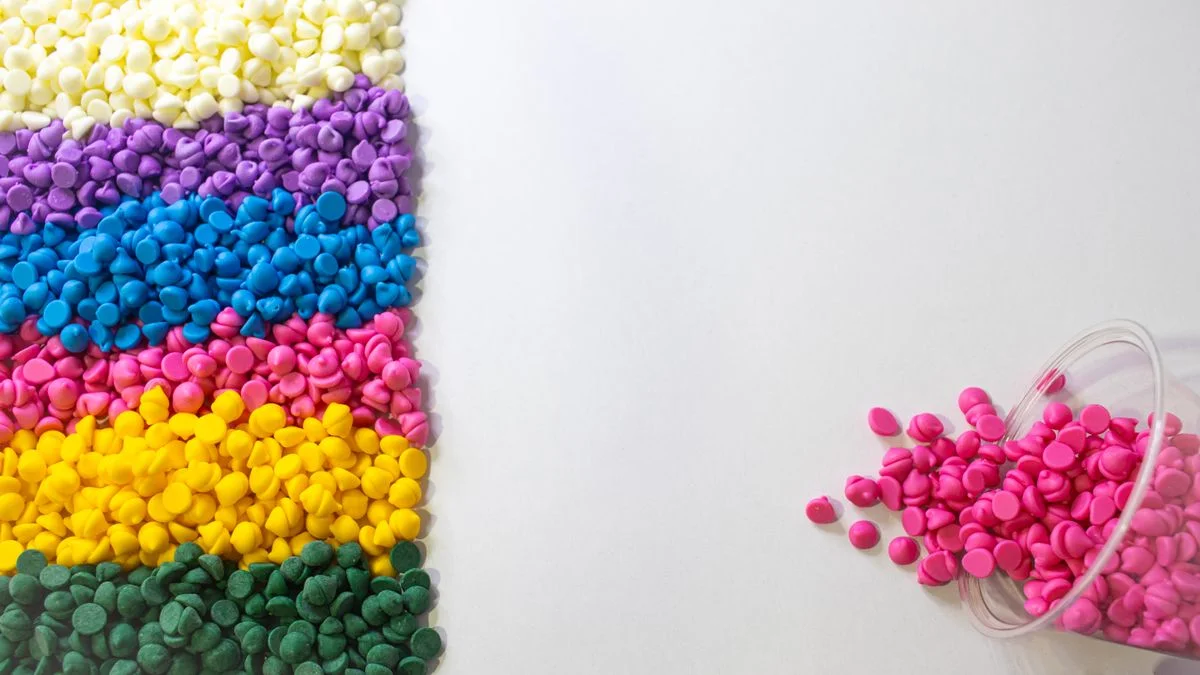
Commercial additive production usually includes reaction, purification, particle-size control, spray drying or granulation, and compounding into masterbatches or pre-dispersed concentrates. Masterbatching is especially important because it improves dosing accuracy, dispersion, dust handling, and line consistency. In many plastics plants, the additive is not fed as neat powder or liquid but as a concentrated carrier system that is diluted during extrusion or molding.
Applications and End-Use Markets
Additives are used across nearly every plastics segment, but the exact package depends on resin type and process.
- Polyethylene and polypropylene packaging
- Usual additives: antioxidants, slip agents, antiblock agents, antistatics, UV stabilizers, pigments.
- Usual process: film extrusion, blow molding, injection molding.
- Function: improve sealability, machinability, shelf life, and outdoor durability.
- PVC cable and profiles
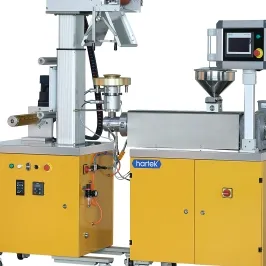
- Usual additives: plasticizers, heat stabilizers, lubricants, fillers, pigments, flame retardants.
- Usual process: extrusion and calendering.
- Function: control flexibility, thermal stability, electrical insulation, and fire performance.
- Engineering plastics
- Usual additives: glass fiber, impact modifiers, flame retardants, nucleating agents, lubricants.
- Usual process: compounding and injection molding.
- Function: raise stiffness, impact resistance, dimensional stability, and heat resistance.
- Polycarbonate, ABS, and blends
- Usual additives: flame retardants, anti-drip agents, UV stabilizers, pigments.
- Usual process: compounding, injection molding.
- Function: support electronics housings, appliance parts, and transportation interiors.
- Agricultural films and outdoor goods
- Usual additives: UV stabilizers, light stabilizers, antioxidants, slip and antiblock agents.
- Usual process: blown film extrusion.
- Function: extend service life under solar radiation and heat.
- Construction and infrastructure
- Usual additives: UV stabilizers, impact modifiers, fillers, smoke suppressants, flame retardants.
- Usual process: pipe extrusion, profile extrusion, sheet and membrane production.
- Function: improve pressure rating, weatherability, and fire behavior.
- Recycled plastics
- Usual additives: stabilizer re-packaging, odor scavengers, chain extenders, compatibilizers, melt strength improvers.
- Usual process: wash, re-extrusion, pelletizing, and second-use compounding.
- Function: restore processability and compensate for degradation.
One poor-fit use is high-purity medical or optical applications that require extremely low extractables, minimal haze, and very tight compositional control. In those cases, conventional additive packages may be unsuitable unless they are specially qualified and highly purified.
Environmental and Sustainability Aspects
Additives are central to sustainability debates because they can either extend plastic life or complicate recycling and toxicology management.
Key issues include:
- Recyclability
- Additives can improve recyclability when they protect polymer chains during reprocessing.
- They can also hinder recycling if they create odor, discoloration, incompatibility, or legacy hazard concerns.
- Bio-based and lower-carbon alternatives
- Bio-based plasticizers, bio-derived slip agents, and mineral or phosphorus-based replacements can reduce fossil dependence in some applications.
- However, bio-based origin does not automatically mean lower overall impact; performance, land use, and end-of-life behavior still matter.
- Migration and regulatory scrutiny
- Additives with low volatility and low migration are preferred in food-contact, medical, and sensitive consumer uses.
- Restrictions on certain flame retardants, plasticizers, pigments, and processing aids have accelerated reformulation.
- Carbon footprint
- The additive itself is usually a small mass fraction of the finished plastic, but its effect on service life can be large.
- A stabilizer package that doubles outdoor lifetime can reduce total material consumption by delaying replacement, which may outweigh the embodied carbon of the additive.
- Circular economy
- Formulations for mechanical recycling increasingly prioritize compatibility with repeated heat history, sorted-polymer streams, and contamination tolerance.
- Additives that preserve color, odor, melt strength, and impact performance are increasingly strategic in post-consumer resin markets.
Economic and Global Market Impact
The additives sector is a major enabling segment of the plastics value chain rather than a commodity afterthought. Its economics are driven by resin production volumes, packaging demand, automotive and construction cycles, regulatory change, and the expansion of recycled content requirements.
The global market is highly internationalized, with major supply chains in North America, Europe, China, Japan, India, and Southeast Asia. Leading producers typically include large specialty chemical groups and formulation-focused companies with strong positions in antioxidants, light stabilizers, flame retardants, processing aids, and masterbatch systems. Market structure tends to favor firms with integrated R&D, application labs, and local compounding capacity because additive performance is highly application-specific.
Current Challenges and Innovations
Current technical challenges include:
- replacing restricted chemistries without losing performance,
- maintaining additive efficiency in high-recycled-content formulations,
- reducing odor, VOC emissions, and fogging,
- achieving dispersion in increasingly demanding thin-wall and high-speed processing,
- ensuring that additives do not compromise food-contact or medical compliance.
Innovation is advancing in several directions:
- Non-halogen flame retardancy for electronics, transport, and construction.
- Low-migration and low-odor packages for packaging and consumer goods.
- Polymeric additives that reduce migration and improve permanence.
- Compatibilizers for mixed-waste recycling that improve phase adhesion between dissimilar polymers.
- Smart additive systems that combine stabilization, processing, and appearance functions in one formulation.
- Digital formulation tools that accelerate additive selection and predict synergy or antagonism among ingredients.
Future Outlook
The future of plastics additives will be defined by three converging priorities: higher performance, tighter regulation, and better circularity. Additives will increasingly be designed not just to optimize virgin resin processing, but to enable recycled and low-carbon polymer systems to meet the same standards of durability, appearance, and safety.
Growth is likely to be strongest in additive packages for recycling, barrier packaging, electrification-related plastics, infrastructure longevity, and lightweight transportation materials. At the same time, suppliers will need to prove lower hazard, better traceability, and more transparent lifecycle impact. The most successful additive technologies will be those that deliver measurable functional value while remaining compatible with evolving material stewardship requirements.
Summary
Additives are indispensable enablers of plastic performance, processing, and durability. They bridge the gap between base polymer chemistry and real-world application requirements, but they also sit at the center of sustainability, safety, and recycling debates. As plastics move toward more circular and regulated systems, additive design will become even more strategic, with increasing emphasis on permanence, compatibility, and lower environmental impact.
References
- •
Merriam-Webster. (2026, May 27). Additive. https://www.merriam-webster.com/dictionary/additiveLink
- •
Cambridge University Press. (2026). Additive. In Cambridge English dictionary. https://dictionary.cambridge.org/us/dictionary/english/additiveLink
- •
Dictionary.com. (n.d.). Additive. https://www.dictionary.com/browse/additiveLink
- •
European Food Safety Authority. (2025, April 2). Food additives. https://www.efsa.europa.eu/enIE/safe2eat/food-additivesLink
- •
World Health Organization. (2023, November 16). Food additives. https://www.who.int/news-room/fact-sheets/detail/food-additivesLink
- •
Harvard T.H. Chan School of Public Health. (2025, July 25). Food additives and health. https://nutritionsource.hsph.harvard.edu/food-additives/Link
- •
Environmental Working Group. (n.d.). Food additives state of the science. https://www.ewg.org/research/food-additive-scienceLink
- •
Purdue Extension. (n.d.). What are all those chemicals in my food? https://www.extension.purdue.edu/extmedia/he/he-625.htmlLink
- •
Cleveland Clinic. (2020, December 29). 5 food additives you should avoid. https://health.clevelandclinic.org/5-food-additives-you-should-avoidLink
- •
European Commission. (2026, January 28). Additives. https://food.ec.europa.eu/food-safety/campaign-2026/additives_enLink
- •
Healthline. (2018, April 23). 12 common food additives — should you avoid them? https://www.healthline.com/nutrition/common-food-additivesLink
- •
European Commission. (2020, December 15). Additives. https://food.ec.europa.eu/food-safety/food-improvement-agents/additives_enLink
- •
Dictionary.com. (n.d.). Additives. https://www.dictionary.com/browse/additivesLink
- •
U.S. Food and Drug Administration. (2024, December 9). Food additives and GRAS ingredients information for consumers. https://www.fda.gov/food/food-ingredients-packaging/food-additives-and-gras-ingredients-information-consumersLink
- •
Better Health Channel. (2000, June 8). Food additives. https://www.betterhealth.vic.gov.au/health/conditionsandtreatments/food-additivesLink
- •
IEEE. (n.d.). Additives. https://technav.ieee.org/topic/additives/Link
- •
European Food Safety Authority. (2026, April 13). Food additives. https://www.efsa.europa.eu/en/topics/topic/food-additivesLink
- •
U.S. Food and Drug Administration. (2024, June 9). Types of food ingredients. https://www.fda.gov/food/food-additives-and-gras-ingredients-information-consumers/types-food-ingredientsLink
- •
U.S. Food and Drug Administration. (n.d.). Food ingredients and colors. https://www.fda.gov/files/food/published/Food-Ingredients-and-Colors-(PDF).pdfLink
- •
GOV.UK. (2026, June 25). Food additives. https://www.gov.uk/government/publications/food-additives/food-additivesLink
- •
U.S. Food and Drug Administration. (n.d.). Ingredients & colors. https://www.fda.gov/media/73811/downloadLink
- •
Britannica. (n.d.). Food additive. https://www.britannica.com/topic/food-additiveLink
- •
Food Standards Australia New Zealand. (2025, November 26). Additives. https://www.foodstandards.gov.au/consumer/additives/additiveoverviewLink
- •
BTSA. (2019, January 24). Food additives: Types, functions and classification. https://www.btsa.com/en/classification-additives-food-industry/Link
- •
Academy of Nutrition and Dietetics. (2020, May 19). What are food additives? https://www.eatright.org/health/wellness/nutrition-panels-and-food-labels/what-are-food-additivesLink
- •
Almaany. (n.d.). Additives. https://www.almaany.com/en/dict/ar-en/additives/Link
- •
Royal Society of Chemistry. (2020, October 30). Chapter 1: Food additives and why they are used. https://books.rsc.org/books/edited-volume/895/chapter/679026/Food-Additives-and-Why-They-Are-UsedLink
- •
EBSCO. (2013, April 1). Food additive. https://www.ebsco.com/research-starters/applied-sciences/food-additiveLink
- •
VDict. (n.d.). Additive. https://vdict.com/additive,1,0,0.htmlLink
- •
Puratos. (n.d.). What are additives? https://www.puratos.us/en/knowledge-base/what-are-additivesLink
- •
Ministry for Primary Industries. (2023, June 6). Introduction to food additives and preservatives. https://www.mpi.govt.nz/food-safety-home/food-additives-preservatives/introduction-to-food-additives-and-preservativesLink
- •
BBC Bitesize. (2023, January 24). Types of food additives. https://www.bbc.co.uk/bitesize/guides/zmqth39/revision/4Link
- •
Cambridge University Press. (2025, January 1). Additive. https://dictionary.cambridge.org/dictionary/learner-english/additiveLink
- •
Britannica. (2025, July 1). Additive. https://www.britannica.com/dictionary/additiveLink
- •
Wiley. (n.d.). Introduction. https://catalogimages.wiley.com/images/db/pdf/0470850620.excerpt.pdfLink
- •
Cambridge University Press. (2026, January 1). Food additive. https://dictionary.cambridge.org/dictionary/english/food-additiveLink
- •
PCI Magazine. (n.d.). Additives handbook. https://www.pcimag.com/ext/resources/AdditivesHandbook/PCI-Additive-Definitions-2011-SECURED.pdfLink
- •
U.S. Department of Health and Human Services. (2015, February 9). What is a food additive? https://www.hhs.gov/answers/public-health-and-safety/what-is-a-food-addititve/index.htmlLink