
Introduction
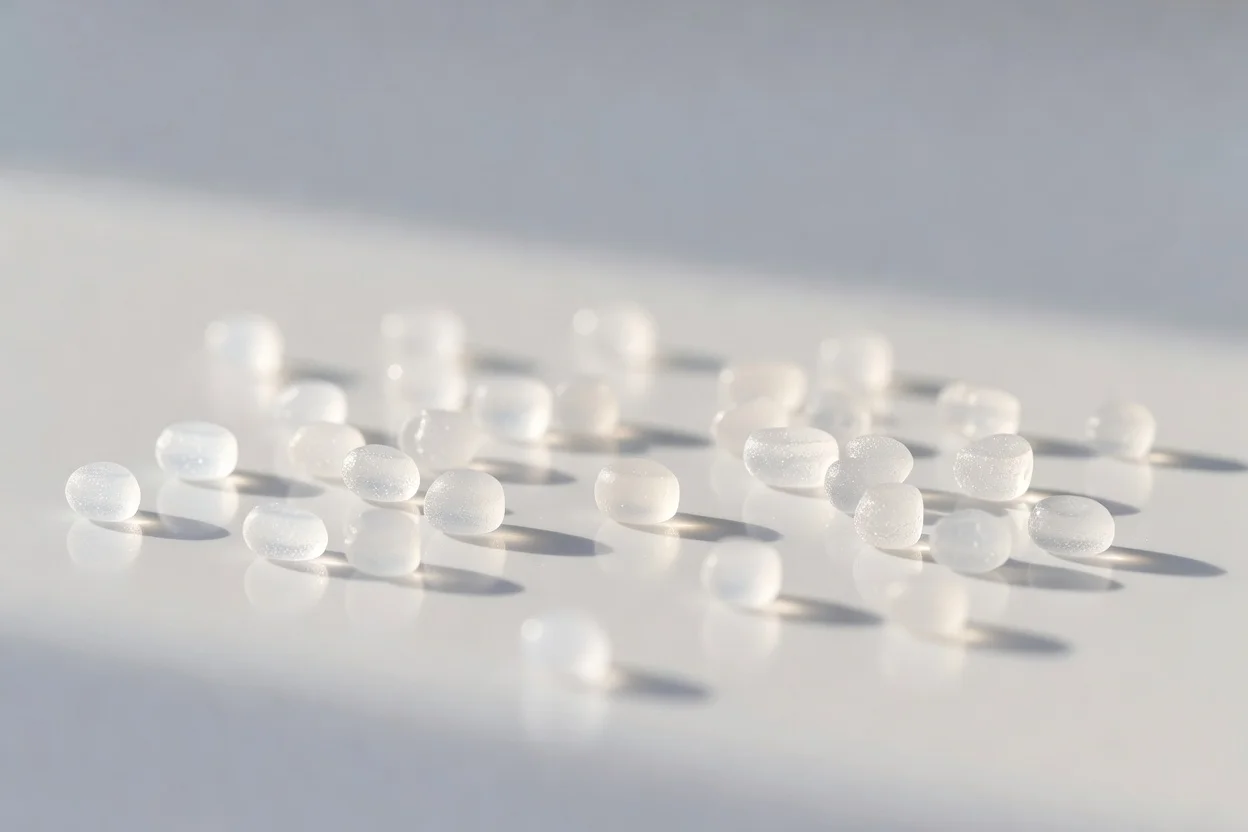
Polypropylene (PP) is one of the world’s most widely used thermoplastic resins, valued for its low density, good chemical resistance, fatigue resistance, and relatively high heat resistance among commodity plastics. It is a polyolefin produced by polymerizing propylene, and it is commonly supplied as homopolymer, random copolymer, or impact copolymer grades to balance stiffness, toughness, clarity, and processability for different end uses.
PP occupies a central position in the plastics value chain because it combines low cost, broad convertibility, and a property set that fits packaging, automotive, consumer goods, fibers, appliances, medical products, and industrial components. At the same time, its sustainability profile is shaped by fossil-based feedstocks, variable recyclability, and growing pressure to improve circularity through mechanical recycling, design for recycling, and lower-carbon feedstocks.
History and Development
Polypropylene emerged as an important commercial polymer after catalyst systems made stereospecific polymerization of propylene practical, enabling a semicrystalline material with useful strength and heat resistance. Its industrial rise was accelerated by the development of Ziegler-Natta catalysts and later metallocene catalysts, which improved control over molecular architecture, comonomer distribution, and property tuning.
Over time, PP evolved from a general-purpose molding resin into a highly engineered family of grades. Modern producers now tailor isotacticity, melt flow rate, impact modification, nucleation, and additive packages to target very different applications, from thin-wall packaging to automotive interior parts and medical disposables.
Chemical Structure and Key Properties
PP is a semicrystalline polyolefin built from propylene units arranged in a chain whose tacticity strongly influences crystallinity and performance. Highly isotactic PP crystallizes efficiently, giving the material its useful balance of stiffness, low density, and heat resistance.
Its core advantages include:
- Low density of roughly 0.895–0.93 g/cm3, which supports lightweighting.
- Melting point typically around 160–170 C for homopolymer grades, with copolymers lower depending on comonomer content.
- Good chemical resistance to many acids, bases, and solvents.
- Excellent fatigue resistance, which is why PP is widely used for living hinges.
- Good electrical insulation, making it useful in cable and electrical applications.
Typical limitations are important in practice:
- Poor oxygen barrier → caused by PP’s nonpolar hydrocarbon structure and relatively open permeation pathways → workaround: use barrier coatings, multilayer structures, EVOH layers, or metallization in packaging.
- Low surface energy before treatment → caused by the chemically inert, nonpolar surface → workaround: corona, flame, plasma, or primer treatment before printing, bonding, or coating.
- Low-temperature brittleness in some grades → caused by PP’s semicrystalline morphology and rising stiffness at lower temperatures → workaround: impact copolymer grades, elastomer modification, or copolymer blending.
Representative engineering values vary by grade, but homopolymer PP commonly shows tensile strength around the low-30 MPa range and tensile modulus near 1.0–1.4 GPa, while copolymers sacrifice some stiffness for improved toughness.
Production Processes and Raw Feedstocks
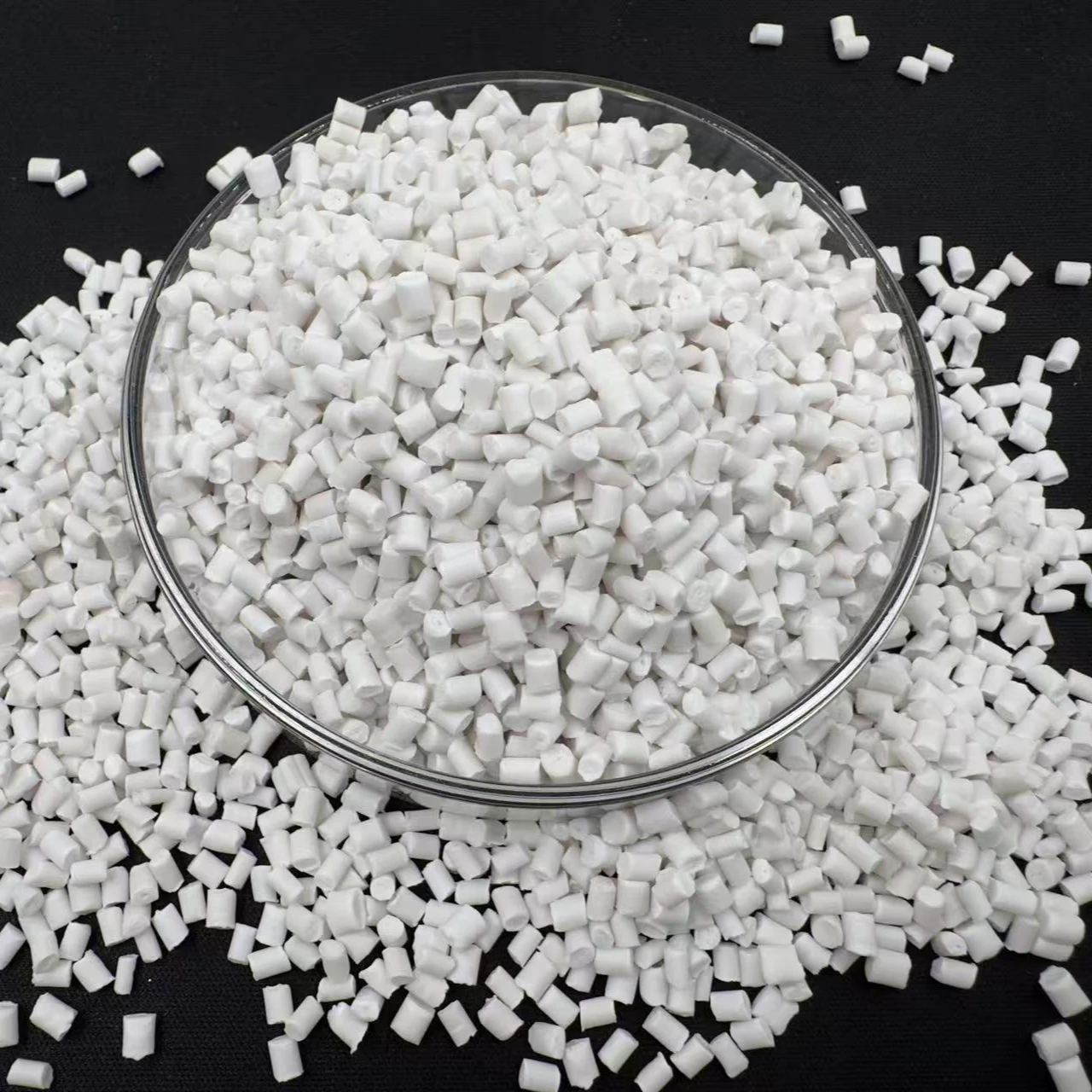
PP is produced by polymerizing propylene monomer, which is usually derived from petroleum refining and petrochemical cracking, or increasingly from propane dehydrogenation routes in some integrated sites. The industrial sequence typically includes feed purification, polymerization, monomer recovery, devolatilization, pelletizing, and compounding.
Common process technologies include:
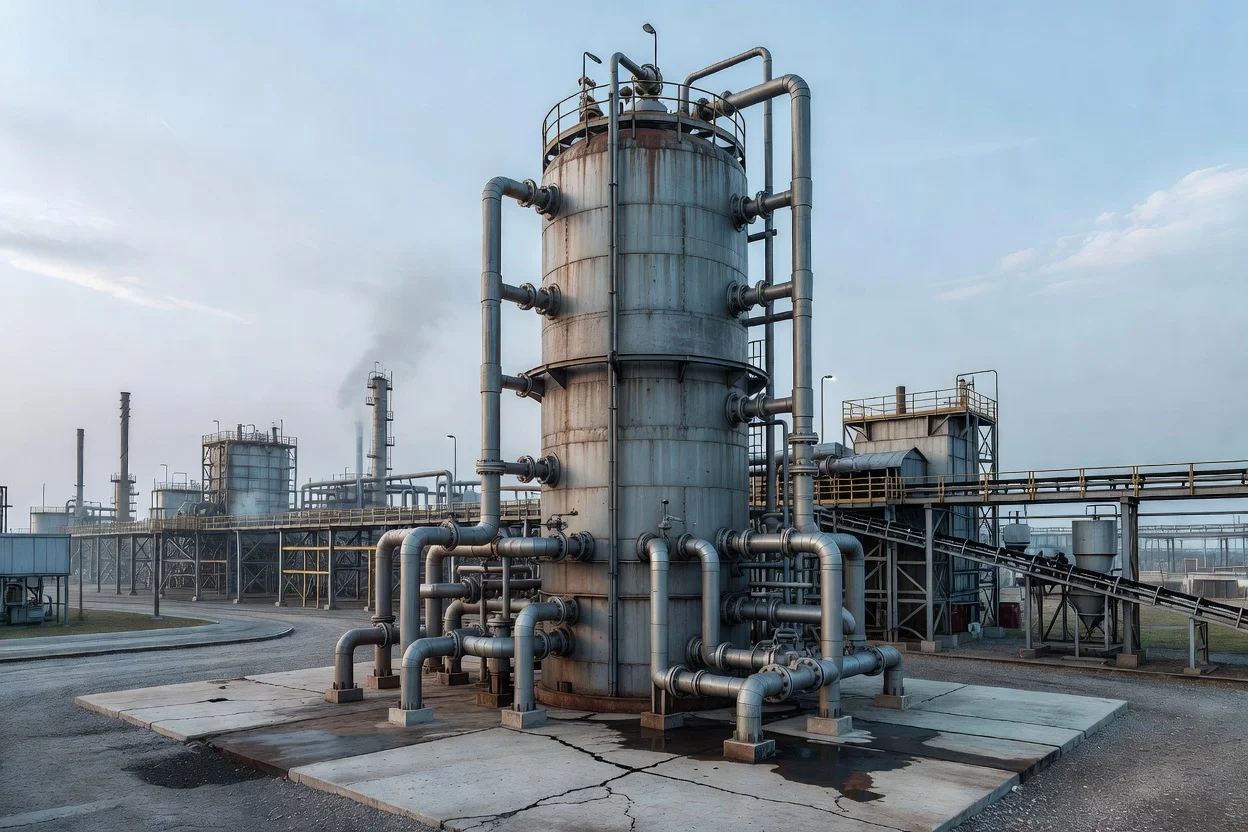
- Gas-phase polymerization in fluidized-bed reactors, widely used for efficient homopolymer and copolymer production.
- Bulk or slurry-phase polymerization, often used in integrated plant designs for certain grades.
- Solution polymerization, less common but used for specific product targets.
Catalyst choice is a major determinant of product quality. Ziegler-Natta catalysts remain dominant in large-scale production because they are robust and economical, while metallocene catalysts are used when tighter control of molecular weight distribution, comonomer incorporation, or clarity is required.
Leading global producers and technology licensors have included major polyolefin groups such as LyondellBasell, ExxonMobil, Borealis, Braskem, SABIC, INEOS, and Sinopec, each with significant capacity in one or more regional markets and strong influence on grade development and process technology.
Applications and End-Use Markets
PP’s application profile is broad because its grades can be optimized for flow, stiffness, impact resistance, clarity, or sterility.
| End-use sector | Typical PP grade | Usual process | Why PP fits |
|---|---|---|---|
| Flexible packaging | Homopolymer or random copolymer | Film extrusion, biaxial orientation | Low density, good sealability, good moisture resistance |
| Rigid packaging | Random copolymer, clarified PP | Injection molding, thermoforming | Stiffness, clarity, food-contact suitability |
| Caps and closures | Homopolymer, impact-tuned grades | Injection molding | Hinge performance, fatigue resistance, dimensional stability |
| Automotive interiors | Impact copolymer, filled compounds | Injection molding | Weight reduction, cost efficiency, chemical resistance |
| Fibers and nonwovens | Fiber-grade PP | Spunbond, meltblown | Low density, hydrophobicity, processability |
| Pipes and fittings | Specialized PP-R and PP-B grades | Extrusion | Chemical resistance and hot-water performance |
| Cable and electrical insulation | Homopolymer, compounded grades | Extrusion | Electrical insulation and heat resistance |
| Medical disposables | High-purity PP | Injection molding, extrusion | Sterilizability and low extractables |
| Agriculture and geotextiles | Stabilized PP fibers | Fiber extrusion, weaving | Weatherability, low density |
| Geomembranes and liners | Specialty PP compounds | Extrusion | Chemical resistance and durability |
| UHMWPE-like wear parts is not a good fit | N/A | N/A | PP is generally less suitable where extreme abrasion resistance is required |
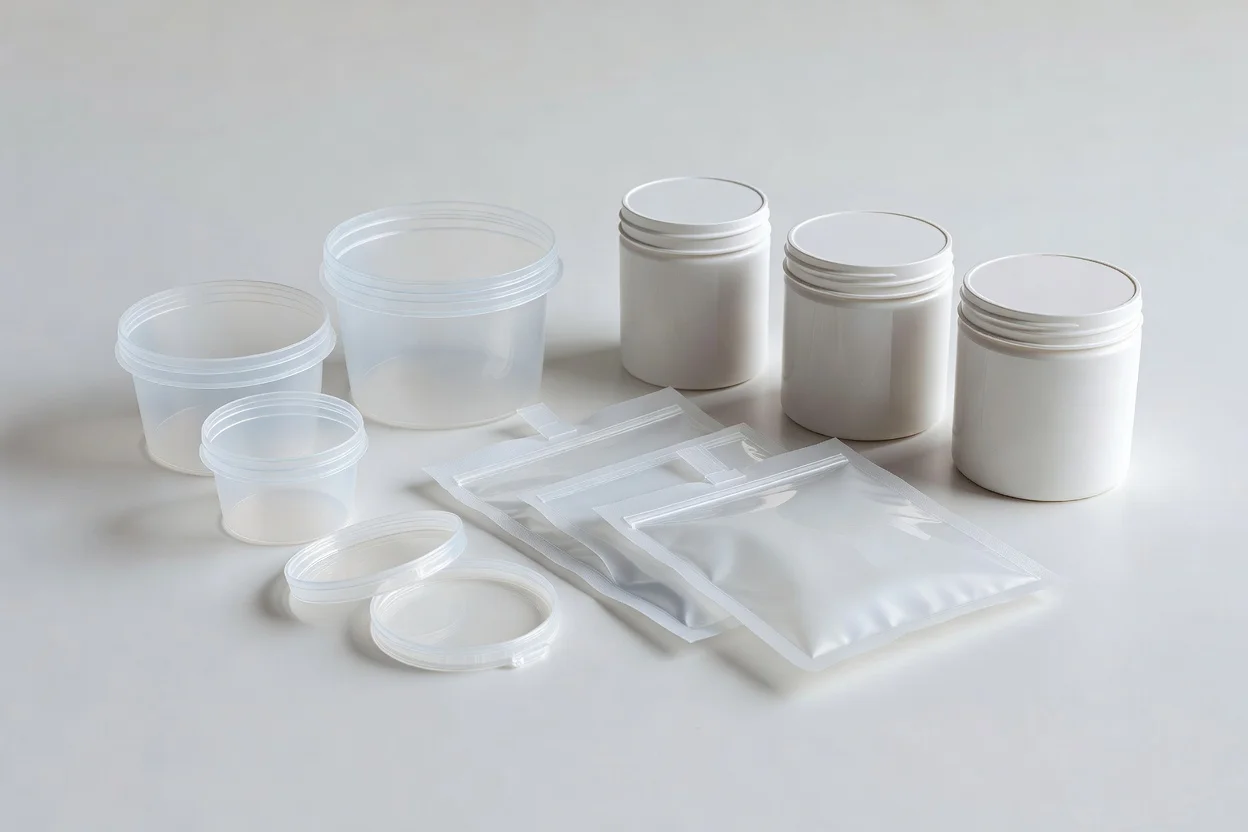
PP is especially strong in packaging, where it is used for films, containers, jars, caps, closures, and thin-wall tubs. In automotive, PP is widely used for interior trims, battery casings, under-hood parts, and selected fluid-handling components, primarily because it combines low mass with chemical resistance and moldability. In medical and laboratory uses, it is valued for disposables, centrifuge tubes, syringes, and sterilizable articles.
A notable poor-fit use is high-performance abrasion-bearing components, where materials such as engineering nylons, acetal, or UHMWPE often outperform PP because PP lacks comparable wear resistance and creep resistance under sustained load.
Environmental and Sustainability Aspects
PP is mechanically recyclable in principle, and it is widely collected in mixed post-consumer waste streams, but actual recycling outcomes depend on collection quality, sorting efficiency, contamination, and local market demand. In practice, food residues, pigments, multilayer structures, and additive packages can reduce recyclate quality and limit closed-loop reuse.
The carbon footprint of virgin PP is tied mainly to fossil propylene production and the energy intensity of polymerization and compounding. As a result, decarbonization strategies increasingly focus on:
- Lower-carbon propylene routes, including propane dehydrogenation and process-energy optimization.
- Mechanical recycling with better sorting and odor removal.
- Chemical recycling for mixed or contaminated streams, though economics and yield remain debated.
- Bio-attributed or renewable feedstock integration, where feasible in existing crackers and polymer plants.
PP is often promoted as an efficient material because its light weight reduces transport emissions in many applications, especially in packaging and automotive parts. However, that benefit does not eliminate end-of-life challenges, particularly for short-lived consumer packaging where leakage into the environment remains a major concern.
Economic and Global Market Impact
PP is commonly described as one of the largest-volume plastics globally, with demand supported by its broad utility in packaging, consumer goods, transport, and industrial products. Its economics are shaped by propylene supply, cracker and refinery integration, catalyst costs, energy prices, and regional capacity additions.
Demand tends to be resilient because PP serves both high-volume commodity markets and higher-value specialty segments. Packaging remains the largest and most visible end-use, but automotive lightweighting, hygiene nonwovens, and medical disposables have all supported diversification of demand.
Producers compete on several dimensions:
- Cost position, especially in integrated petrochemical complexes.
- Grade portfolio breadth, including clarified, impact, fiber, and reactor-blend grades.
- Process efficiency, with high monomer recovery and low off-spec rates.
- Sustainability claims, including recycled content, low-carbon feedstock, and mass-balance certification.
Current Challenges and Innovations
The main technical and commercial challenges for PP are performance limitations in barrier and low-temperature applications, recyclability constraints for complex articles, and the need to reduce life-cycle emissions.
Current innovation areas include:
- Clarified PP for improved transparency in packaging and housewares.
- Nucleated PP for higher stiffness, faster cycle times, and better heat distortion resistance.
- Impact-modified PP for tougher automotive and industrial parts.
- Compatibilizers and tie-layer systems to improve multilayer recycling or mixed-polyolefin performance.
- Advanced additives such as antioxidant packages, UV stabilizers, and antistatic agents, often used at low loading levels to extend service life and improve process stability. For example, 0.1–0.3% hindered phenolic antioxidant systems are commonly used to slow thermal-oxidative chain scission during extrusion, while phosphite co-stabilizers help decompose hydroperoxides formed during melt processing.
- Surface modification to improve printing, adhesion, and coating performance after extrusion or molding.
A major industrial direction is the development of PP grades designed specifically for circularity, including formulations that tolerate recycled content, maintain odor performance, and retain adequate mechanical properties after reprocessing.
Future Outlook
PP is likely to remain a core plastics material because it offers a rare combination of low density, robust processability, and broad property tunability. Growth opportunities are strongest where lightweighting, hygiene, and cost-sensitive performance matter, including packaging, nonwovens, automotive interiors, and consumer products.
The most important strategic shifts are expected in:
- Circular design, especially mono-material packaging systems that improve sortability and recyclability.
- Recycled PP quality improvement, including odor control and decontamination.
- Lower-carbon feedstock pathways, including renewable and mass-balance approaches.
- Higher-performance grades, especially where heat resistance, transparency, or impact strength must be improved without abandoning PP’s cost advantage.
PP’s long-term competitiveness will depend less on whether it remains useful, which is well established, and more on whether producers can align it with stricter carbon, recycling, and product stewardship requirements across major markets.
Summary
PP is a semicrystalline polyolefin whose low density, chemical resistance, fatigue performance, and processing versatility have made it indispensable across packaging, automotive, fibers, medical, and industrial markets. Its main limitations are barrier performance, surface treatment requirements, and recyclability challenges in complex product systems, but ongoing catalyst, compounding, recycling, and low-carbon feedstock innovations continue to expand its relevance.
References
- •
Polypropylene (PP). (n.d.). British Plastics Federation. https://www.bpf.co.uk/plastipedia/polymers/PP.aspxLink
- •
Polypropylene. (2003, March 26). In Wikipedia. https://en.wikipedia.org/wiki/PolypropyleneLink
- •
What is polypropylene: Properties, benefits, and key uses. (2023, March 12). NTO Tank. https://www.ntotank.com/blog/what-is-polypropyleneLink
- •
Polypropylene properties & polypropylene characteristics explained. (2025, April 1). Palmetto Industries. https://www.palmetto-industries.com/polypropylene-properties/Link
- •
Polypropylene (PP) - Structure, types, and key applications. (2026, April 30). SpecialChem. https://www.specialchem.com/plastics/guide/polypropylene-pp-plasticLink
- •
Polypropylene. (2009, July 23). In Encyclopædia Britannica. https://www.britannica.com/science/polypropyleneLink
- •
Research and application of polypropylene: A review. (2024, January 2). PMC. https://pmc.ncbi.nlm.nih.gov/articles/PMC10761633/Link
- •
What is polypropylene plastic & what is it used for? (2026, April 9). UBQ Materials. https://www.ubqmaterials.com/what-is-polypropylene-plastic/Link
- •
Polypropylene – properties, application and everything you need to know about it. (2021, July 29). PCC Group. https://www.products.pcc.eu/en/blog/polypropylene-properties-application-and-everything-you-need-to-know-about-it/Link
- •
How is polypropylene made? Polypropylene manufacturing process. (2025, May 28). Palmetto Industries. https://www.palmetto-industries.com/how-is-polypropylene-made/Link
- •
Polypropylene uses: Versatile applications in industry. (2022, August 15). Good Fish Group. https://www.goodfishgroup.com/polypropylene-usesLink
- •
What is polypropylene used for? 15 examples of PP plastic uses. (2025, May 13). Palmetto Industries. https://www.palmetto-industries.com/what-is-polypropylene-used-for/Link
- •
A closer look at how our polypropylene is made. (n.d.). Heartland Polymers. https://heartlandpolymers.com/news/a-closer-look-at-how-our-polypropylene-is-made/Link
- •
What is PP (polypropylene)? | Properties and applications. (2026, January 5). Langhe Industry. https://langhe-industry.com/what-is-pp-polypropylene/Link
- •
Polypropylene (PP): Understand the key benefits and applications. (n.d.). Protolabs. https://www.protolabs.com/materials/polypropylene/Link
- •
A deep dive into production: How is polypropylene manufactured? (2024, December 17). Plastic Practical. https://plasticpractical.com/a-deep-dive-into-production-how-is-polypropylene-manufactured/Link
- •
What are the common uses of polypropylene plastic? (2026, May 5). Adreco Plastics. https://adrecoplastics.co.uk/polypropylene-uses/Link
- •
What you need to know about UNIPOL® polypropylene. (2025, August 12). W. R. Grace & Co. https://grace.com/insights/unipol-polypropylene-technology-learn-more/Link
- •
Polypropylene (PP): Overview, properties and main uses. (2021, July 13). Weerg. https://www.weerg.com/guides/polypropylene-properties-advantages-and-disadvantagesLink
- •
Polypropylene: Production and applications. (2022, August 15). Scribd. https://www.scribd.com/doc/101222613/PolypropyleneLink
- •
Polypropylene: How does it get made? (2025, September 24). Infinita Lab. https://infinitalab.com/plastics/polypropylene-how-does-it-get-made/Link
- •
Polypropylene plastic: Uses, benefits, and applications. (2026, March 20). Codefine. https://codefine.com/blog/polypropylene-uses/Link
- •
Polypropylene - an overview. (n.d.). ScienceDirect. https://www.sciencedirect.com/topics/materials-science/polypropyleneLink
- •
What is polypropylene? Properties, grades & industrial uses. (2026, March 24). UD Machine. https://ud-machine.com/blog/what-is-polypropylene/Link
- •
Review on development of polypropylene manufacturing. (n.d.). Sumitomo Chemical. https://www.sumitomo-chem.co.jp/english/rd/report/files/docs/02_2009-2e.pdfLink
- •
Polypropylene. (2020, October 10). ScienceDirect. https://www.sciencedirect.com/topics/chemical-engineering/polypropyleneLink
- •
Top 5 common uses of polypropylene. (n.d.). ToteBagFactory. https://totebagfactory.com/blogs/news/common-uses-of-polypropyleneLink
- •
Polypropylene. (2023, April 30). EBSCO. https://www.ebsco.com/research-starters/chemistry/polypropyleneLink
- •
Polypropylene. (n.d.). PubChem. https://pubchem.ncbi.nlm.nih.gov/compound/PolypropyleneLink
- •
Polypropylene (PP): Definition, properties, and uses. (2022, May 24). Xometry. https://www.xometry.com/resources/materials/polypropylene/Link
- •
Polypropylene: Benefits, challenges, and applications. (2025, September 1). Prototek. https://prototek.com/article/polypropylene-benefits-challenges-and-applications/Link
- •
How is polypropylene made? A step-by-step manufacturing process. (2025, April 5). GDIPL. https://gdipl.com/blog/how-polypropylene-made-manufacturing-processLink
- •
Typical engineering properties of polypropylene. (n.d.). INEOS. https://www.ineos.com/globalassets/ineos-group/businesses/ineos-olefins-and-polymers-usa/products/technical-information--patents/ineos-engineering-properties-of-pp.pdfLink
- •
Industrial processes for synthesis of polypropylene [PowerPoint slides]. (2019, May 23). SlideShare. https://www.slideshare.net/slideshow/industrial-processes-for-synthesis-of-polypropylene/147318048Link
- •
PP – Polypropylene – Manufacturing process. (2023, September 21). VALCO GROUP. https://www.valcogroup-valves.com/faq-2/pp-polypropylene-manufacturing-process-of-pp-polypropylene/Link