
Introduction
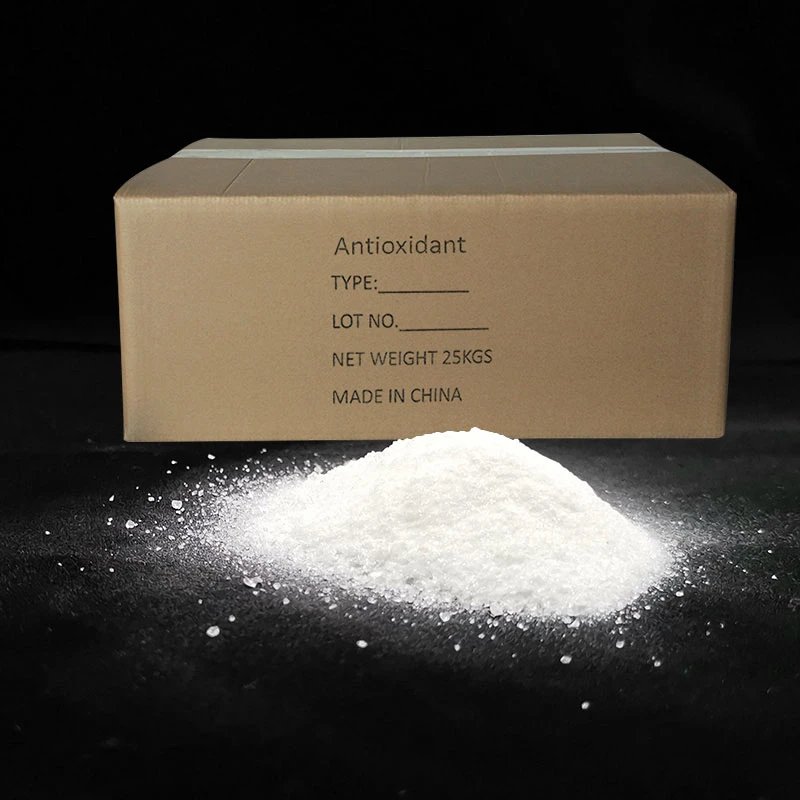
Antioxidants are compounds that slow, inhibit, or interrupt oxidation reactions, and in plastics they are essential stabilizers that protect polymers from heat, oxygen, and shear during processing and service life. In the plastics industry, the term usually refers to phenolic and phosphite stabilizers, with smaller roles for thioesters, amines, and synergistic blends, all of which are used to preserve molecular weight, retain mechanical properties, and prevent discoloration, embrittlement, and gel formation.
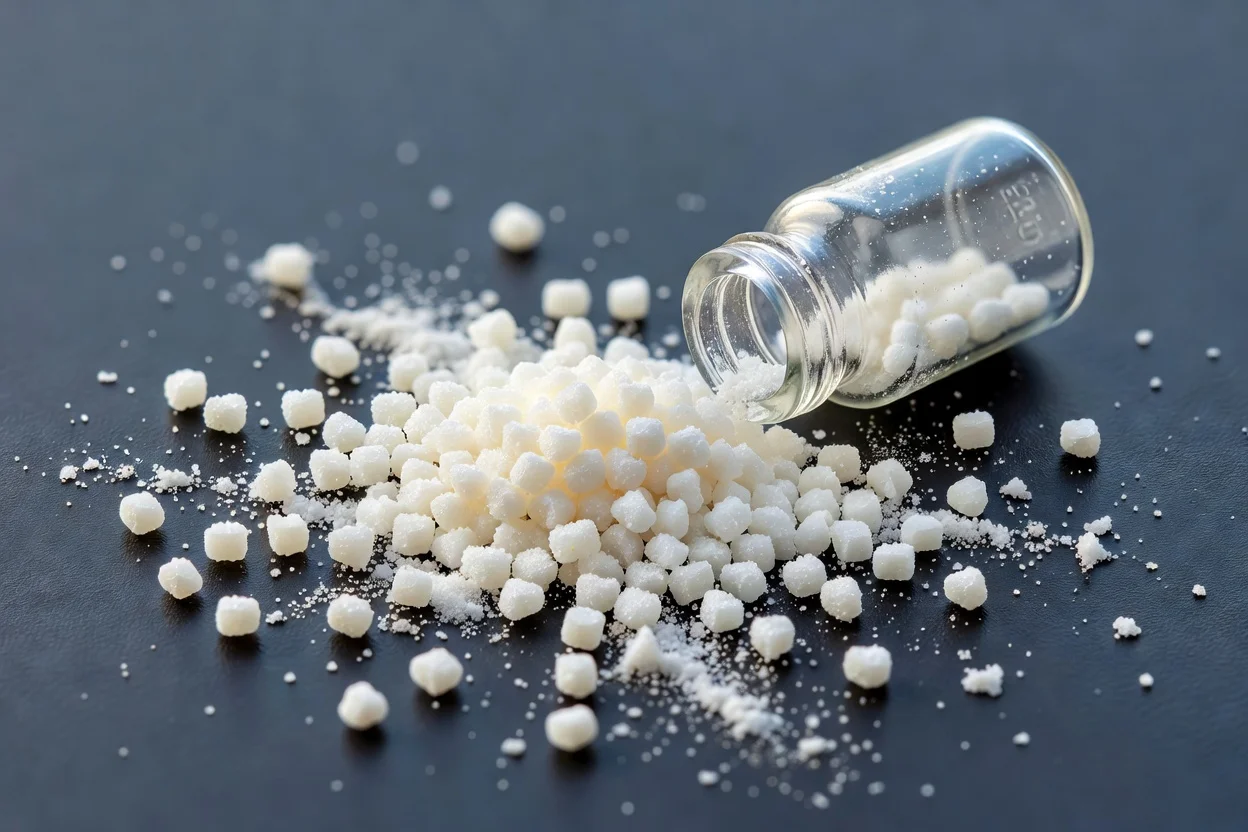
From a materials perspective, antioxidants sit at the center of polymer durability: they are added to base resins, compounds, masterbatches, fibers, films, pipes, molded parts, and recycled plastics to delay oxidative degradation initiated by radicals and hydroperoxides. Their importance has increased as converters run higher processing temperatures, recycled content levels rise, and end uses demand longer lifetimes under heat, UV, and oxygen exposure.
The topic has a long technical history in food chemistry and biology, but in plastics it became industrially important with the growth of high-volume thermoplastics such as polyethylene and polypropylene, whose hydrocarbon backbones are vulnerable to oxidation during melt processing and outdoor exposure. Modern antioxidant packages are now designed as multi-component systems rather than single additives, balancing primary radical scavengers with secondary hydroperoxide decomposers and metal deactivators.
Sustainability has also become a major theme. Antioxidants can extend service life and improve recyclability by preserving polymer integrity through multiple heat histories, but they also must be carefully chosen to minimize migration, odor, regulatory concerns, and interference with mechanical recycling or food-contact compliance. Looking ahead, innovation is shifting toward low-volatility, low-extractable, non-discoloring, and recycling-friendly stabilizer systems, including antioxidant packages tailored to bio-based polymers, mechanically recycled resins, and chemically recycled feedstocks.
History and Development
Early antioxidant chemistry emerged from studies of rancidity, oxidation inhibition, and free-radical chain reactions, later translating into polymer stabilization as synthetic plastics expanded after the mid-20th century. In industrial polymers, the key breakthrough was recognition that oxidative degradation is not merely a storage problem but a processing problem: high temperatures, oxygen ingress, and residual catalyst or metal contamination can accelerate chain scission and property loss.
The plastics sector gradually moved from simple phenolic stabilizers to synergistic blends combining phenols and phosphites, sometimes with thioesters, to achieve better melt stability and long-term aging resistance. This development paralleled the rise of polyolefins, engineering thermoplastics, and recycling, where antioxidants became indispensable for maintaining performance after repeated thermal histories.
Chemical Structure and Key Properties
In plastics, antioxidants are best understood by function rather than by one universal chemistry. The main classes include:
- Primary antioxidants: hindered phenols that donate hydrogen to polymer radicals and terminate chain propagation.
- Secondary antioxidants: phosphites and phosphonites that decompose hydroperoxides into less reactive species.
- Thioesters: often used as auxiliary stabilizers, especially in polyolefins, to support long-term heat aging.
- Metal deactivators: used when trace metals catalyze oxidation, particularly in wire and cable or recycled streams.
The core mechanism is free-radical interruption. Oxidation in polymers typically proceeds through initiation, propagation, and termination; antioxidants act by quenching radicals, decomposing hydroperoxides, or chelating metals that catalyze decomposition. A common industrial example is a hindered phenol/phosphite package at low loading, often on the order of a few hundred to a few thousand ppm depending on resin, processing severity, and service target; the phenol protects against long-term oxidation while the phosphite protects the melt by decomposing hydroperoxides formed during compounding and extrusion.
Key limits and workarounds
- Limited permanence → migration, volatilization, or extraction over time → use higher-molecular-weight antioxidants, polymer-bound stabilizers, or synergistic packages with lower mobility.
- Processing depletion → antioxidants are consumed during high-temperature extrusion/injection → add a primary/secondary antioxidant blend and optimize residence time, temperature, and oxygen exposure.
- Color or odor issues → some stabilizers can yellow or generate odor, especially in recycled material → choose low-discoloration grades and compatible phosphite/phenol systems.
- Food-contact and regulatory constraints → some chemistries are restricted by migration limits or local approvals → select compliant grades and verify extractables and toxicology profiles.
- Metal-catalyzed oxidation → trace copper, iron, or other metals accelerate degradation → use metal deactivators or contamination control in the feedstock.
Production Processes and Raw Feedstocks
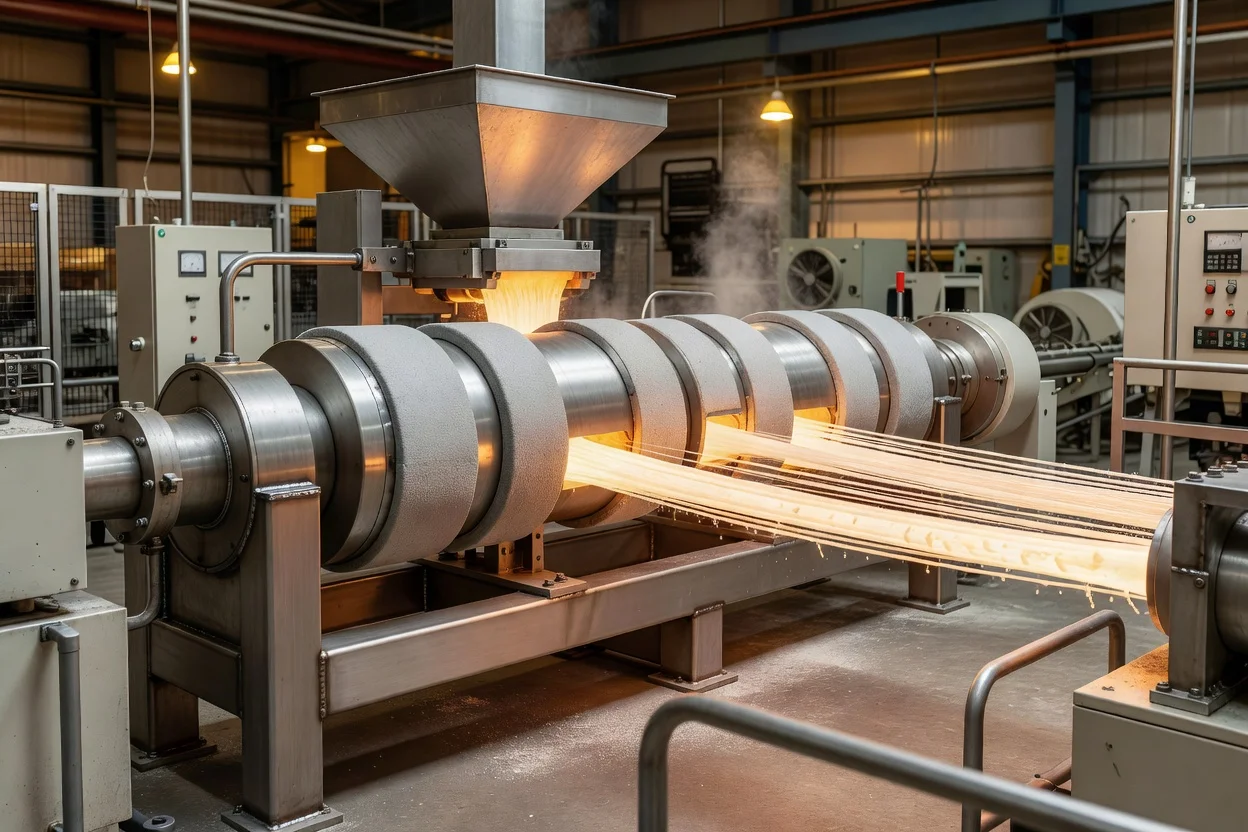
Antioxidants for plastics are produced through fine-chemical synthesis, blending, and, in many cases, formulation into concentrated masterbatches or preblends for easier dosing in compounding. The underlying feedstocks are typically petrochemical aromatic intermediates, aliphatic alcohols, phosphorous reagents, sulfur-containing intermediates, and selected phenolic raw materials.
Common industrial production routes include:
- Synthesis of hindered phenols from substituted phenols and alkylating or esterification steps.
- Manufacture of phosphites and phosphonites from aromatic or aliphatic alcohols and phosphorus trichloride-derived chemistry.
- Formulation into additive packages with carriers compatible with the target polymer.
Supply chains are closely linked to refinery and petrochemical economics, because both the raw materials and the performance requirements are sensitive to energy costs, feedstock availability, and regulatory status.
Applications and End-Use Markets
Antioxidants are used across nearly every plastics processing route because oxidation can occur in both melt and solid states. Their dosage and chemistry depend on resin type, temperature, oxygen exposure, residence time, and end-use lifetime.
| End use | Typical resin or grade | Usual role of antioxidants | Processing notes |
|---|---|---|---|
| Film | Polyethylene, polypropylene | Melt protection, clarity retention, long-term aging resistance | Important in blown and cast film, where high shear and oxygen exposure can be severe |
| Bottles and rigid packaging | PET, PP, PE | Processing stability and shelf-life preservation | Must meet food-contact and low-migration requirements |
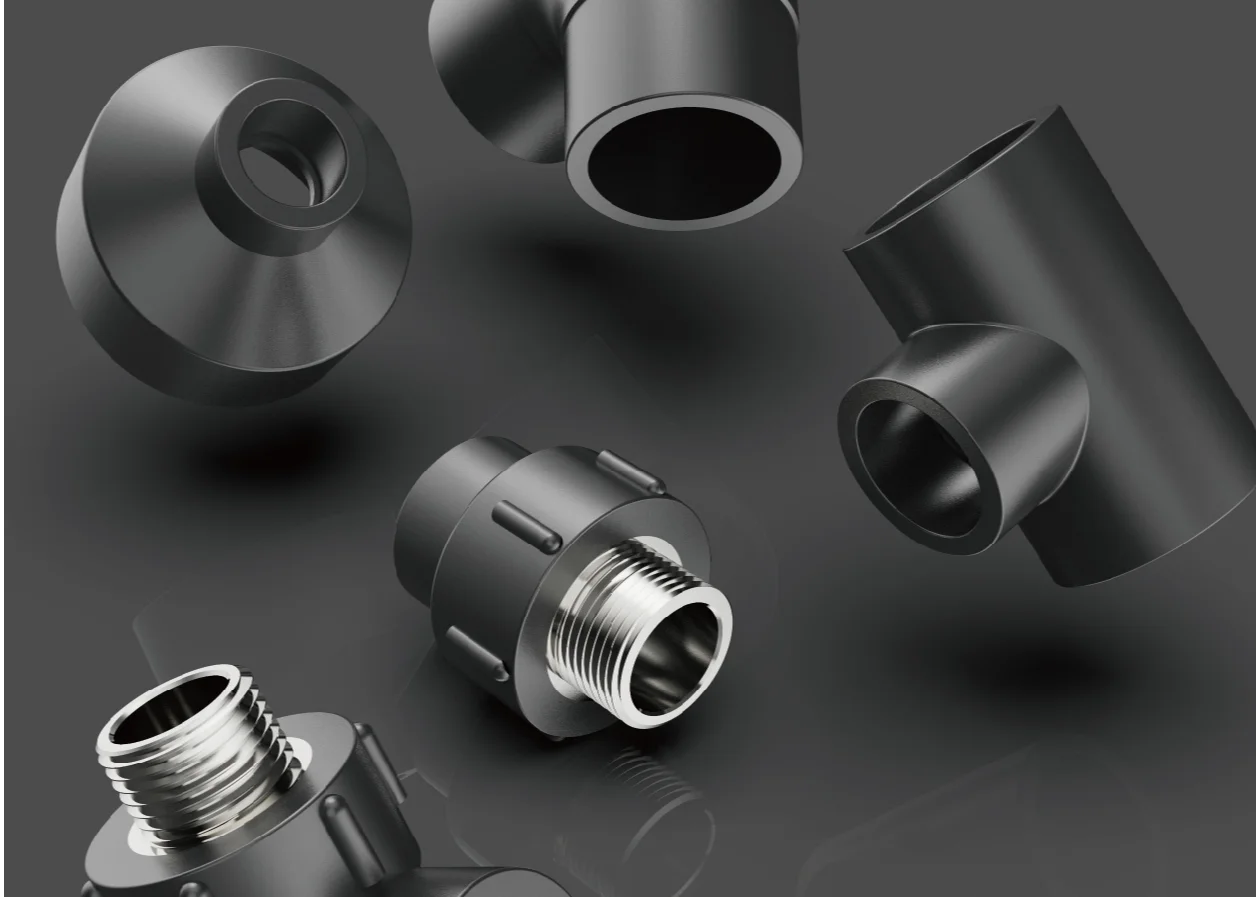
| Pipe | PE, PP, crosslinked systems | Long-term heat aging and resistance to slow oxidation | Critical for pressure and hot-water service |
| Cable | PE, XLPE, EVA | Thermal stability and protection against metal-catalyzed oxidation | Often paired with metal deactivators and insulation-specific packages |
| Agriculture | PE films, mulch films, greenhouse films | Weatherability support and processing stability | Must balance service life with end-of-season recycling |
| Geomembrane | HDPE, LLDPE | Long-life oxidation resistance | Performance targets are stringent because service life can be decades |
| Rotomolding | PE | Melt stability under long residence times | Particularly important because of extended heating cycles |
| UHMWPE wear and medical | UHMWPE | Oxidative stability and wear resistance | Often used where sterilization or long service life increases oxidation risk |
| PEX | Crosslinked polyethylene | Long-term thermal stability | Additive choice must consider crosslinking chemistry and service conditions |
A poor-fit application is high-temperature transparent packaging when a resin system requires extremely low discoloration and optical stability but the antioxidant package is not optimized; in such cases, even low levels of stabilizer byproducts can compromise appearance or odor. For that reason, packaging converters often specify low-color, low-volatility grades and verify compatibility through migration and aging tests.
Environmental and Sustainability Aspects
Antioxidants have a dual sustainability role. On one hand, they extend the usable life of plastics, reduce premature failure, and improve the quality retention of recycled polymers, which supports resource efficiency and circularity. On the other hand, some stabilizers can be difficult to remove, may migrate into food or the environment, and can complicate recycling if they contribute odor, haze, or interaction with reprocessing chemistry.
In mechanical recycling, antioxidants are especially important because recycled polymers have often experienced prior oxidative damage. Re-stabilization can restore processability and slow further chain scission, but the formulation must be matched to contamination level, polymer history, and the intended end use. In food-contact and high-value applications, migration, NIAS concerns, and regulatory approvals remain decisive.
Bio-based alternatives are limited not because antioxidants are impossible to make from renewable feedstocks, but because the key performance criteria are stability, purity, cost, and compatibility. Natural antioxidants such as tocopherols or plant-derived phenolics are used in some formulations, but in high-performance plastics they must compete with synthetic stabilizers on thermal robustness and permanence.
Carbon footprint considerations are nuanced. Antioxidants represent a small mass fraction of the polymer, but they can indirectly reduce lifecycle emissions by preventing scrap, extending product life, enabling recycled content, and reducing premature replacement. Their own footprint depends on synthesis route, solvent use, energy intensity, and transport.
Economic and Global Market Impact
The antioxidant market is closely tied to polyolefin consumption, packaging output, automotive production, wire and cable demand, and the expansion of recycled plastics. Demand is strongest where high throughput, heat exposure, and long service life intersect, especially in films, pipes, cables, and durable consumer goods.
Leading global supply is concentrated among large specialty chemical and additives producers in Europe, North America, and Asia, with major capacity and formulation presence in China, Japan, Germany, Switzerland, the United States, and other industrial hubs. Market competitiveness depends on cost, regulatory compliance, supply reliability, and technical support rather than on price alone, because stabilizer performance is often validated through resin-specific trials and long-term aging data.
Current Challenges and Innovations
Current technical challenges include:
- Recycling compatibility: antioxidant systems must protect recycled resin without interfering with odor control, color, or downstream reuse.
- Regulatory pressure: food-contact, medical, and environmental restrictions are tightening for some legacy chemistries.
- Volatility and migration: low-molecular-weight additives can be lost during processing or service.
- Thermal stress: newer processing routes, higher recycled content, and longer residence times increase stabilizer demand.
- Trace contamination: metals, residual catalysts, and mixed polymers can accelerate oxidative instability.
Innovation is advancing in several directions:
- Higher-molecular-weight antioxidants with lower extractability.
- Polymer-bound stabilizers that remain in the matrix more effectively.
- Customized packages for recycled resins to restore melt flow and long-term stability.
- Non-discoloring systems for clear packaging and consumer goods.
- Tailored formulations for bio-based polymers where oxidation pathways differ from conventional polyolefins.
Future Outlook
Antioxidants are likely to become even more important as plastics systems become more circular, more recycled, and more tightly regulated. The most successful future products will combine high thermal efficiency with low migration, low odor, broad compatibility, and strong performance in both virgin and recycled streams.
Over time, additive design is expected to shift from generic stabilization toward application-specific packages tuned to resin source, processing history, and end-of-life pathway. That evolution will favor suppliers that can integrate polymer science, toxicology, regulation, and recycling engineering into a single formulation strategy.
Summary
Antioxidants are indispensable plastics auxiliaries that protect polymers from oxidation during processing and service life. Their main value lies in preserving molecular integrity, extending durability, supporting recycling, and enabling demanding applications across packaging, infrastructure, automotive, cable, agriculture, and medical materials. The field is moving toward lower-migration, more sustainable, and recycling-compatible stabilization systems that better fit the circular plastics economy.
References
- •
Antioxydant — Wikipédia. (2005, October 30). Wikipédia. https://fr.wikipedia.org/wiki/AntioxydantLink
- •
What are antioxidants? (2012, September 18). The Nutrition Source. https://nutritionsource.hsph.harvard.edu/antioxidants/Link
- •
Everything you need to know about antioxidants. (2021, December 27). Cleveland Clinic. https://health.clevelandclinic.org/what-do-antioxidants-doLink
- •
Antioxidants. (2002, January 15). MedlinePlus. https://www.medlineplus.gov/antioxidants.htmlLink
- •
Antioxidants and cancer prevention. (2014, January 17). National Cancer Institute. https://www.cancer.gov/about-cancer/causes-prevention/risk/diet/antioxidants-fact-sheetLink
- •
Antioxidant supplements: What you need to know. (n.d.). National Center for Complementary and Integrative Health. https://www.nccih.nih.gov/health/antioxidant-supplements-what-you-need-to-knowLink
- •
Add antioxidants to your diet. (2026, February 5). Mayo Clinic. https://www.mayoclinic.org/healthy-lifestyle/nutrition-and-healthy-eating/in-depth/add-antioxidants-to-your-diet/art-20546814Link
- •
Antioxidants explained in simple terms. (2023, July 12). Healthline. https://www.healthline.com/nutrition/antioxidants-explainedLink
- •
Antioxidants: Mechanisms, benefits, and the importance of.... (2026, April 8). PMC. https://pmc.ncbi.nlm.nih.gov/articles/PMC13119185/Link
- •
抗氧化剂. (2005, April 10). 维基百科. https://zh.wikipedia.org/zh-hans/%E6%8A%97%E6%B0%A7%E5%8C%96%E5%89%82Link
- •
Antioxidants. (2001, April 23). Better Health Channel. https://www.betterhealth.vic.gov.au/health/healthyliving/antioxidantsLink
- •
Antioxidants - where are they found and what do they do? (n.d.). Healthdirect. https://www.healthdirect.gov.au/amp/article/antioxidantsLink
- •
Understanding antioxidants. (2019, January 31). Harvard Health. https://www.health.harvard.edu/healthy-aging-and-longevity/understanding-antioxidantsLink
- •
Antioxidants: Current summary. (2025, September 1). PMC. https://pmc.ncbi.nlm.nih.gov/articles/PMC12402966/Link
- •
Biochemistry, antioxidants. (2023, May 1). StatPearls. https://www.ncbi.nlm.nih.gov/books/NBK541064/Link
- •
Antioxidants: Protecting healthy cells. (2021, March 25). Academy of Nutrition and Dietetics. https://www.eatright.org/health/essential-nutrients/vitamins/antioxidants-protecting-healthy-cellsLink
- •
Antioxidants - where are they found and what do they do? (2026, April 21). Healthdirect. https://www.healthdirect.gov.au/antioxidantsLink
- •
抗氧化剂. (2025, January 1). Cambridge Dictionary. https://dictionary.cambridge.org/zhs/%E8%AF%8D%E5%85%B8/%E6%B1%89%E8%AF%AD-%E7%AE%80%E4%BD%93-%E8%8B%B1%E8%AF%AD/%E6%8A%97%E6%B0%A7%E5%8C%96%E5%89%82Link
- •
抗氧化剂. (n.d.). 社区健康. https://www.chcrr.org/zh-CN/health-topic/antioxidants/Link
- •
抗氧化剂- 食品添加剂系列三. (n.d.). SQI. https://www.sqi.com.cn/FoodCenter/ShowDetail.aspx?NGUID=473b880c10614986ab0dee0de24af220Link
- •
抗氧化剂的作用. (n.d.). Chemicalbook. https://www.chemicalbook.com/NewsInfo_3094.htmLink
- •
Antioxidants: a comprehensive review. (2025, April 15). PMC. https://pmc.ncbi.nlm.nih.gov/articles/PMC12085410/Link
- •
膳食抗氧化剂. (n.d.). Sigma-Aldrich. https://www.sigmaaldrich.com/TW/zh/technical-documents/technical-article/protein-biology/protein-expression/dietary-antioxidantsLink
- •
antioxidant. (2025, January 1). EF. https://center.ef.com.cn/dict/antioxidant/Link
- •
膳食抗氧化剂. (2023, October 14). Sigma-Aldrich. https://www.sigmaaldrich.com/SG/zh/technical-documents/technical-article/protein-biology/protein-expression/dietary-antioxidantsLink
- •
antioxidant – Chinese translation. (n.d.). Multitran. https://www.multitran.com/dictionary/english-chinese/antioxidantLink
- •
antioxidant. (2025, January 1). Youdao. https://dict.youdao.com/result?word=antioxidant&lang=enLink
- •
抗氧化补充剂全解析!能抗癌、防慢性病吗. (n.d.). 大纪元. https://www.epochtimes.com/gb/22/2/28/n13611510.htmLink
- •
食品中的抗氧化剂. (2013, March 29). 人民网. http://paper.people.com.cn/xaq/html/2013-03/29/content_1218757.htm?div=-1Link
- •
什么是抗氧化?益生菌有抗氧化作用吗? (2020, August 10). 腾讯新闻. https://news.qq.com/rain/a/20200810A02MA600?pcLink
- •
抗氧化剂:医患间难以跨越的鸿沟. (2014, May 23). 果壳网. https://m.guokr.com/article/58547Link
- •
抗氧化类药物. (n.d.). 百度百科. https://baike.baidu.com/item/%E6%8A%97%E6%B0%A7%E5%8C%96%E7%B1%BB%E8%8D%AF%E7%89%A9/4107134Link
- •
抗氧化剂十大误解. (2013, August 14). 科学网. https://news.sciencenet.cn/sbhtmlnews/2013/8/276613.shtmLink
- •
盘点:抗氧化剂:利大于弊or弊大于利? (2017, February 3). MedSci. https://www.medsci.cn/article/show_article.do?action=view_do&id=ede06694367Link
- •
抗氧化劑的魔力. (2018, November 16). Centre for Food Safety. https://www.cfs.gov.hk/tc_chi/multimedia/multimedia_pub/multimedia_pub_fsf_53_02.htmlLink