
Introduction
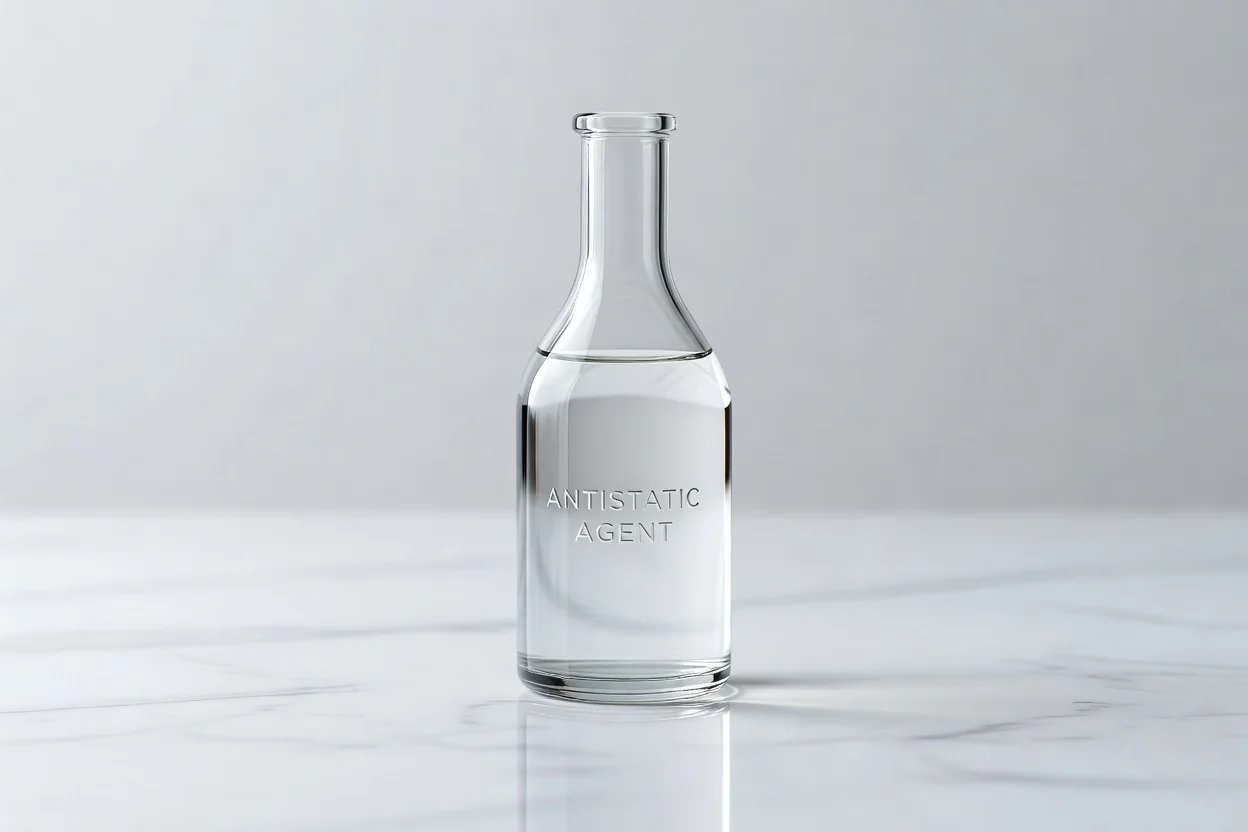
Antistatic agents are additives or surface treatments used to reduce the buildup of electrostatic charge on plastics and other insulating materials. In the plastics industry, they are especially important because most polymers are inherently poor electrical conductors, which makes them prone to triboelectric charging, dust attraction, handling problems, and electrostatic discharge (ESD) risks during manufacturing and end use.
These materials are used either as internal additives blended into the resin during compounding or as external coatings applied to finished parts. Their performance depends on chemistry, humidity, processing temperature, polymer compatibility, and whether the target is short-term dust control or more durable static dissipation.
Antistatic agents are commonly based on surfactant-like molecules, including ionic and non-ionic types, quaternary ammonium salts, amine derivatives, ethoxylated compounds, phosphates, and related structures. More advanced systems also include permanent or semi-permanent static-control additives and conductive fillers for applications that require lower resistivity over longer periods.
From an industry perspective, antistatic agents sit at the intersection of processing efficiency, product cleanliness, worker safety, and electronics protection. Their role has expanded with the miniaturization of electronic components, the growth of high-speed packaging lines, and the need for cleaner, more reliable polymer surfaces in medical, automotive, consumer, and industrial applications.
History and Development
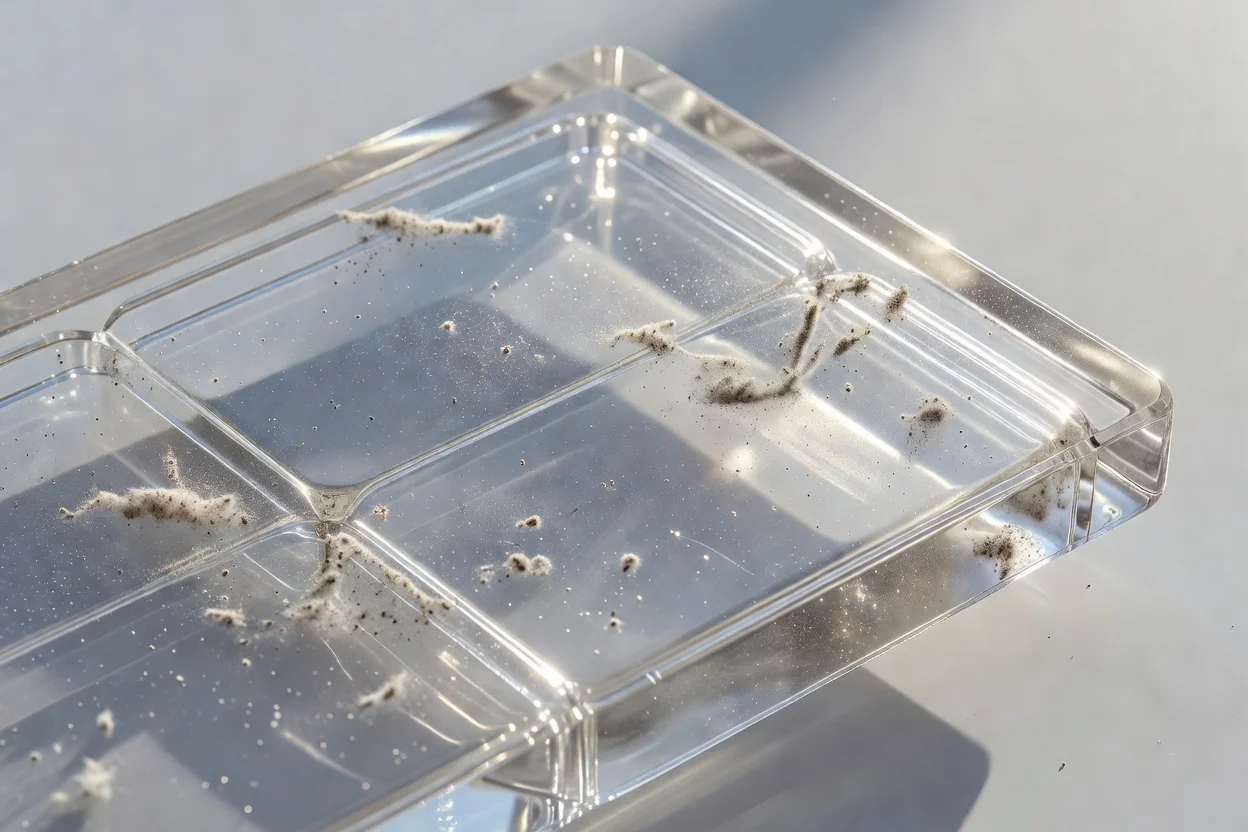
The use of antistatic treatments developed alongside the rise of synthetic polymers, when the insulating nature of plastics became a practical limitation in handling and product performance. Early solutions relied heavily on topical surfactants and humectants that worked by attracting moisture from the air and forming a slightly conductive surface layer.
As plastics processing expanded, internal antistatic additives became more common because they could be compounded into resins and migrate slowly to the surface, providing longer-lasting protection than simple coatings. Later developments introduced more durable antistatic technologies, including permanent conductive polymer systems and additive packages designed for specific polymers and processing routes.
The growth of electronics, precision packaging, and clean manufacturing increased the importance of static control beyond simple dust reduction. This shifted the field from a niche processing aid toward a functional additive category with performance specifications tied to surface resistivity, migration behavior, permanence, and compatibility with downstream forming operations.
Chemical Structure and Key Properties
Antistatic agents are typically designed with amphiphilic molecular structures, meaning they contain both hydrophobic and hydrophilic portions. The hydrophobic segment anchors the molecule to the polymer surface, while the hydrophilic segment attracts atmospheric moisture and helps create a thin conductive film that dissipates charge.
Main classes
| Class | Typical features | Common use pattern |
|---|---|---|
| Ionic antistatic agents | Cationic, anionic, or zwitterionic species; often strong performance but more sensitive to compatibility and regulatory constraints | Frequently used in targeted formulations and coatings |
| Non-ionic antistatic agents | Ethoxylated amines, glycerol esters, fatty alcohol derivatives; generally better thermal stability and broad utility | Common in polyolefins, styrenics, and packaging |
| Permanent antistatic systems | Ion-conductive polymers or specially engineered additives | Used where long-term static control is required |
| Conductive fillers | Carbon black, conductive polymers, metal-based systems | Used when very low resistivity is needed, including ESD applications |
Key properties and real-world limits
- Humidity dependence → cause: many antistatic agents rely on a moisture layer to conduct charge → workaround: use more permanent additive systems or conductive fillers when low-humidity performance is critical.
- Limited durability for topical agents → cause: washing, abrasion, and handling remove surface coatings → workaround: choose internal additives or reapply external treatments as needed.
- Processing-temperature sensitivity → cause: some ionic or cationic chemistries can degrade or lose efficacy during melt processing → workaround: select heat-stable non-ionic or permanent grades matched to the resin and process window.
- Compatibility and surface side effects → cause: migratory additives can affect clarity, plate-out, or tackiness in some formulations → workaround: optimize dosage, use compatible carrier systems, or shift to lower-migration chemistries.
Mechanism at the molecular level
- A typical non-ionic antistat migrates from the bulk polymer to the surface after molding.
- Once at the surface, its polar head groups bind water molecules through hydrogen bonding.
- The resulting ultrathin water-rich layer lowers surface resistivity and allows charge to bleed away instead of accumulating.
A practical example is glycerol monostearate, often used at low loading levels in polyolefins as a migratory antistat; it can also influence slip and processing behavior because it is a surfactant-like molecule. Another example is ethoxylated amines, which are widely used in polyethylene and polypropylene because they provide fast static decay through surface migration and moisture-assisted conduction.
Production Processes and Raw Feedstocks
Antistatic agents are produced through specialty chemical synthesis, blending, and in some cases formulation into masterbatches or ready-to-use coating systems. Their raw feedstocks vary by chemistry, but many originate from petrochemical or oleochemical chains that supply fatty alcohols, amines, acids, ethylene oxide derivatives, phosphates, and ammonium salts.
Common production routes
- Ethoxylation of amines or alcohols to create non-ionic surfactant-type antistats.
- Quaternization of amines to produce cationic ammonium salts with strong surface activity.
- Esterification or transesterification to form glycerol esters and related migratory additives.
- Formulation with carriers, waxes, pellets, or masterbatches for easy incorporation into plastics.
- Coating or spray application for topical antistatic protection on films, parts, textiles, or packaging.
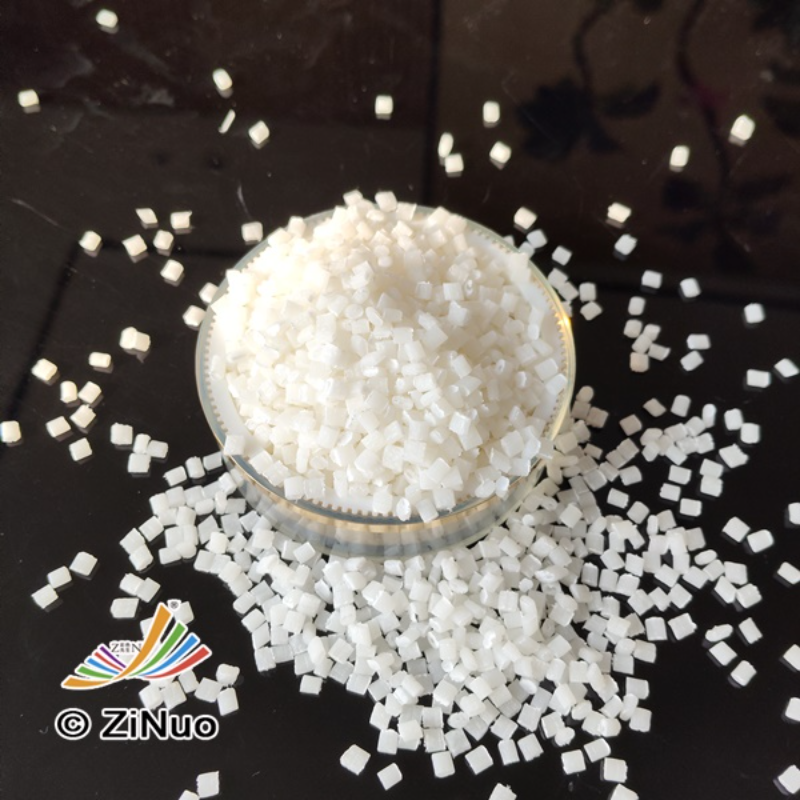
Manufacturers often supply antistatic agents as liquid concentrates, powders, granules, or masterbatches, depending on whether the target process is extrusion, injection molding, blow molding, thermoforming, or surface finishing.
Applications and End-Use Markets
Antistatic agents are used wherever static charge causes contamination, handling problems, processing interruptions, or ESD risk. Their selection depends on the polymer, the required persistence of effect, and whether the application is visually critical, food-related, electrically sensitive, or industrial.
| End-use sector | Typical polymer / grade | Usual antistat type | Main function |
|---|---|---|---|
| Packaging | Polyethylene, polypropylene, PET, PS | Migratory non-ionic or topical antistats | Dust prevention, blocking reduction, printability, film handling |
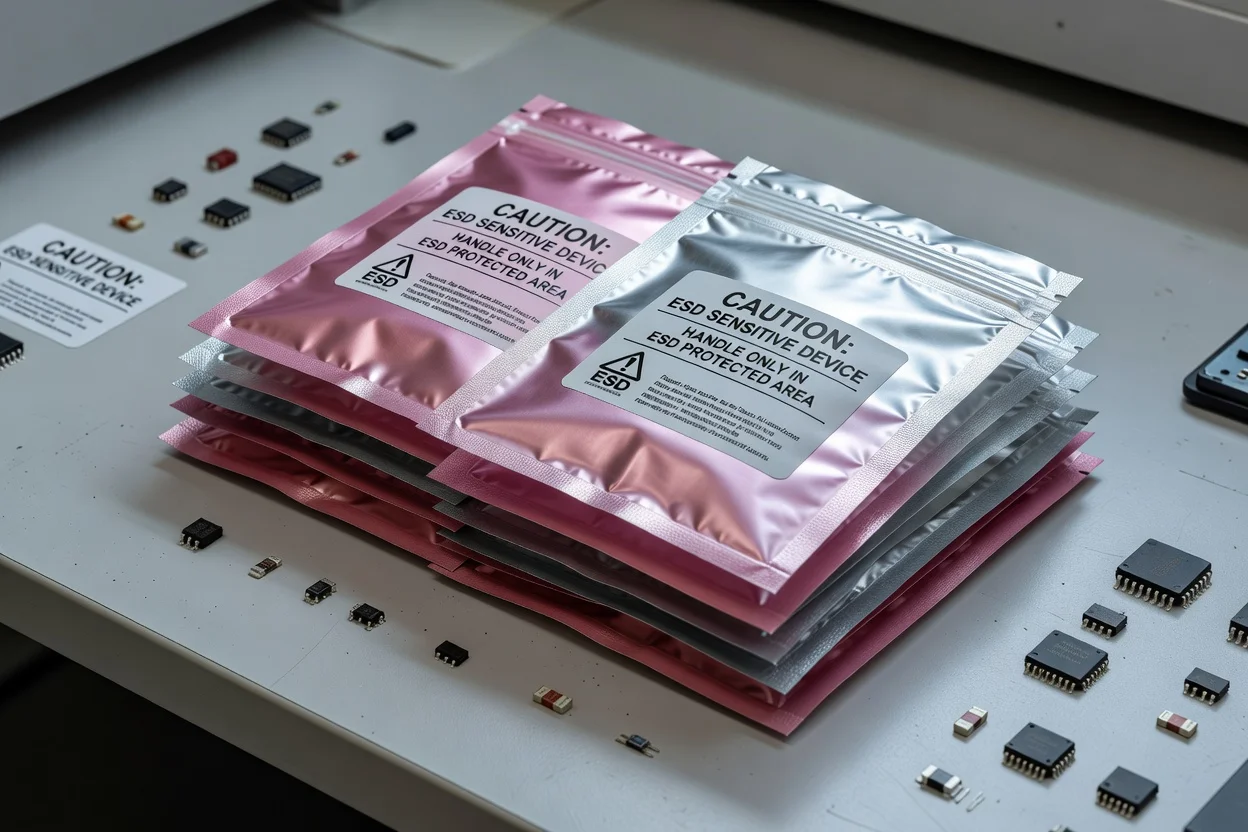
| Electronics and ESD packaging | PP, PE, PC blends, ABS, specialty compounds | Permanent static-control additives or conductive systems | ESD protection for sensitive components |
| Automotive interiors | PP, PC blends, TPU, SEBS | Permanent or long-life additive systems | Dust control and surface cleanliness |
| Household and consumer goods | PP, PE, ABS, styrenics | Migratory or permanent antistats | Reduced dust attraction and improved aesthetics |
| Medical and laboratory items | Specialty polymers and housings | Carefully selected low-migration grades | Clean handling and reduced particulate attraction |
| Fibers and textiles | Synthetic fibers, blends | Ionic, non-ionic, or topical antistats | Reduced cling and easier handling |
| Industrial films and sheets | Polyolefins and thermoformables | Internal additives | Improved roll handling and reduced static buildup |
Typical fit by processing route
- Film extrusion: migratory antistats are widely used in polyolefin films, bags, liners, and thermoformable sheets.
- Injection molding: permanent grades are often chosen for translucent, colored, or filled parts where long-term function matters.
- Coatings and topical finishing: suitable for temporary protection on finished products and surfaces requiring quick implementation.
- Extruded profiles and cable-related compounds: used where dust attraction and handling issues must be minimized, especially in clean or automated production.
One poor-fit use
- High-wash, high-abrasion surfaces are a poor fit for topical antistatic coatings because the effect is short-lived and can be removed by cleaning or wear.
Environmental and Sustainability Aspects
Antistatic agents can support cleaner processing and product longevity, but their sustainability profile depends strongly on chemistry, dosage, and end-of-life behavior. Migratory surfactant-based systems may be effective at very low levels, yet they can complicate recyclate quality if they bleed, volatilize, or interfere with downstream compounding.
Recyclability
- Internal, low-migration systems are generally better suited to recycling streams than temporary surface coatings because the antistatic function remains embedded in the material.
- Topical antistats can be problematic in recycling when they alter surface behavior, contaminate wash stages, or wash off into process water.
- Carbon-black or conductive filler systems can be durable, but they may reduce color flexibility and can complicate applications where transparency is required.
Bio-based and lower-impact alternatives
Some antistatic chemistries are derived partly from oleochemical feedstocks such as fatty acids, glycerol derivatives, and amine-based surfactants from renewable raw materials. These can reduce reliance on purely fossil-derived inputs, although the overall footprint still depends on upstream processing, purification, and transport.
Carbon footprint considerations
- Using antistatic agents can reduce scrap, dust contamination, and line stoppages, which may lower system-level waste even when the additive itself carries an upstream environmental burden.
- Permanent or long-life additives may be preferable when they avoid repeated reapplication and improve product durability.
- The best environmental choice is application-specific and must balance raw-material origin, dosage, service life, and recyclability.
Economic and Global Market Impact
Antistatic agents form a relatively small but strategically important specialty-additives segment within the plastics value chain. Demand is closely linked to packaging volumes, electronics manufacturing, consumer goods, and the expansion of clean or automated production environments.
According to recent industry product portfolios and market-facing disclosures, major participants include specialty chemical and additive suppliers such as Cargill, Kao, ADEKA, Ampacet, and other regional compounders and additive formulators. These suppliers differentiate primarily through permanence, compatibility, regulatory profile, and the ability to tailor performance to specific resins and processing conditions.
Pricing is influenced by feedstock volatility in surfactant and oleochemical chains, formulation complexity, and whether the product is a commodity migratory antistat or a more advanced permanent static-control system.
Current Challenges and Innovations
Main challenges
- Humidity dependence: many conventional antistats lose effectiveness in dry environments.
- Migration control: excessive bloom or plate-out can affect appearance and processing.
- Regulatory and toxicological constraints: certain chemistries are restricted in food-contact, medical, or skin-contact applications.
- Compatibility across polymers: a chemistry that performs well in one resin may be weak or unstable in another.
- Need for permanence: electronics and precision packaging increasingly require longer-lasting static control than traditional surfactants can provide.
Innovation directions
- Permanent antistatic polymers that provide sustained performance without reliance on ambient humidity.
- Hybrid additive systems combining migratory and conductive mechanisms for balanced cost and durability.
- Lower-migration, food- and medical-compatible formulations designed to minimize extractables and surface residues.
- Masterbatch and process-friendly delivery forms that improve dosing accuracy and compounding consistency.
- Application-specific tuning for thin films, transparent housings, and filled or colored parts where optical and mechanical properties must be preserved.
Future Outlook
The future of antistatic agents will likely be shaped by three converging demands: tighter ESD control, greater recyclability, and more sustainable chemistry. As electronics become smaller and packaging lines more automated, demand will continue to shift toward additives that are effective at low dosage, compatible with modern polymers, and reliable under dry or variable humidity conditions.
Growth is also likely in permanent static-control technologies for technical plastics, automotive interiors, and electronics-adjacent components, where traditional migratory antistats may not be durable enough. At the same time, sustainability pressure is likely to favor formulations derived from renewable feedstocks, more recyclable additive packages, and chemistries that do not compromise mechanical performance or end-of-life processing.
Summary
Antistatic agents are functional additives and coatings that reduce static charge accumulation by increasing surface conductivity or by creating moisture-assisted charge dissipation layers. They are essential in packaging, electronics, textiles, automotive interiors, and clean manufacturing, and they range from temporary topical surfactants to more durable permanent systems.
Their technical value lies in solving a persistent limitation of plastics: the tendency of insulating polymers to hold electrostatic charge. Their future will depend on better permanence, lower environmental burden, and closer alignment with recycling and high-performance polymer processing requirements.
References
- •
Antistatic agent - an overview. (n.d.). ScienceDirect. https://www.sciencedirect.com/topics/chemistry/antistatic-agentLink
- •
Antistatic agent. (2005, October 13). Wikipedia. https://en.wikipedia.org/wiki/Antistatic_agentLink
- •
Antistatic agents. (n.d.). Chemicalbook. https://www.chemicalbook.com/ProductCatalog_EN/1816.htmLink
- •
Antistats - an overview. (n.d.). ScienceDirect. https://www.sciencedirect.com/topics/engineering/antistatsLink
- •
Antistatic agents. (2018, July 10). Alfa Chemistry. https://www.alfa-chemistry.com/products/antistatic-agents-127.htmLink
- •
Antistatic agent - an overview. (n.d.). ScienceDirect. https://www.sciencedirect.com/topics/medicine-and-dentistry/antistatic-agentLink
- •
Inventory of common types of antistatic agents. (2024, June 11). GDPolygram. http://www.gdpolygram.com/en/index.php?s=/Show/index/cid/12/id/3.htmlLink
- •
What is an antistatic agent? (2025, July 18). ESD Plastics. https://www.inchr-esd.com/what-is-an-antistatic-agent/Link
- •
Antistatic agents basics. (n.d.). Sanyo Chemical. https://sanyo-chemical-solutions.com/technology/2022/02/102491/Link
- •
Types and mechanism of antistatic agents. (2018, August 22). Simo. https://www.simo-chem.com/news/types-and-mechanism-of-antistatic-agents-17093826.htmlLink
- •
What is an antistatic agent? (2025, September 26). Sylicglobal. https://www.sylicglobal.com/what-is-an-antistatic-agent/Link
- •
Choosing the right antistatic agent for your needs. (2025, January 23). Alfa Chemistry. https://surfactant.alfa-chemistry.com/choosing-the-right-antistatic-agent-for-your-needs.htmlLink
- •
"Antistatic agents". In: Kirk-Othmer encyclopedia of chemical technology. (n.d.). Softbeam. http://softbeam.net:8080/txt/ko2008/article/antiwalp.a01/current/antiwalp.a01.pdfLink
- •
Antistatic agents and conductive additives comparison. (2022, July 9). Tuball. https://tuball.com/articles/anti-static-and-conductive-agentsLink
- •
Antistats: Types, attributes & test standards. (2012, August 1). Ampacet. https://www.ampacet.com/faqs/antistats-types-attributes-test-standards/Link
- •
Antistatic agent – glossary. (2026, July 21). Rhein-Plast GmbH. https://portfolio.rhein-plast.de/en/glossar/antistatikumLink
- •
What is antistatic agents? (n.d.). Schem. https://www.schem.net/blog/what-is-antistatic-agents_b111Link
- •
Anti-static agents: How to select the right grade for plastics? (2025, June 30). SpecialChem. https://www.specialchem.com/polymer-additives/guide/antistatic-agents-for-polymersLink
- •
Definitions for "antistatic agent". (n.d.). Metaglossary. https://www.metaglossary.com/define/antistatic+agentLink
- •
Antistatic agents overview (2022). (2025, January 16). EuroPlas. https://europlas.com.vn/en-US/blog-1/antistatic-agents-overview-2022Link
- •
Antistatics agents. (2025, February 26). PCC Group. https://www.products.pcc.eu/en/products/function/antistatics-agents/Link
- •
Anti static additives: Types, uses & how it works - complete guide. (2025, July 15). ESD Plastics. https://www.inchr-esd.com/anti-static-additive-types-uses-how-it-works-complete-guide/Link
- •
Comprehensive handbook on long-lasting antistatic agents for modern industries. (2025, May 19). CH-Sumitoyo. https://www.ch-sumitoyo.com/blog/long-lasting-antistatic-agent/Link
- •
Permanent antistatic agent. (2022, June 10). J-STAGE. https://www.jstage.jst.go.jp/article/isj/61/3/61_236/_article/-char/enLink
- •
Antistatic agents. (2024, June 24). 3V Sigma USA. https://3vsigmausa.com/products/antistatic-agents/Link
- •
What is an anti-static agent? (n.d.). Kao Chemicals. https://chemical.kao.com/global/plastics-and-rubber/elec-and-elestmaster/about_antistatic/Link
- •
Antistatic agents. (2026, January 16). Adeka. https://www.adeka-pa.eu/antistatic-agents/Link
- •
Static control - polymer additives. (n.d.). Cargill. https://www.cargill.com/staticLink