
Introduction
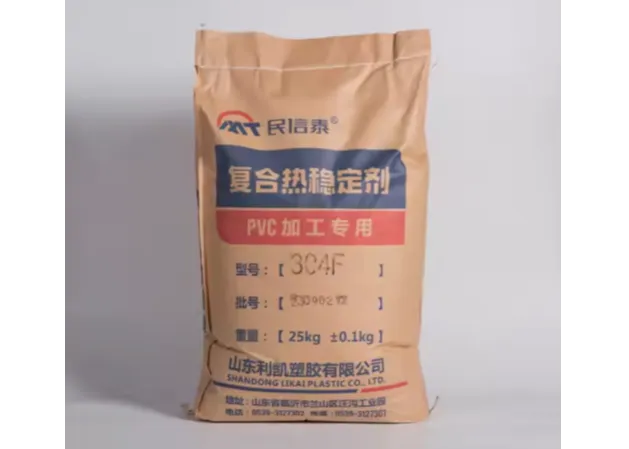
Heat stabilizers are additive systems used to suppress thermal degradation in polymers during processing and service, with their most critical role in polyvinyl chloride (PVC), where they prevent dehydrochlorination, discoloration, embrittlement, and loss of mechanical performance. In a broader plastics context, they are part of the stabilizer toolbox alongside antioxidants and light stabilizers, and they are formulated as metallic salts, organometallics, epoxides, phosphites, and other synergists selected to match the polymer, processing window, and regulatory constraints.
Their development is closely tied to the industrialization of PVC compounding, where early heavy-metal systems were gradually displaced in many applications by calcium-zinc, organotin, and mixed-metal packages because of toxicity and compliance pressures. Today, heat stabilizers are used not only in PVC pipes, profiles, cable insulation, films, sheets, and medical tubing, but also in other heat-sensitive polymers and masterbatches where thermal oxidation during extrusion, molding, or long-term heat exposure must be controlled.
The topic is increasingly shaped by sustainability requirements. Market demand remains anchored in construction and infrastructure, yet formulation choices are now influenced by recycling compatibility, migration risk, heavy-metal restrictions, and the search for bio-based co-stabilizers such as epoxidized vegetable oils. Future innovation is therefore centered on low-toxicity, low-volatility, and recycling-friendly stabilization systems that preserve processing latitude while reducing environmental burden.
History and Development
Early polymer stabilization practice emerged as processors learned that some thermoplastics, especially PVC, could not be melt-processed reliably without additives that interrupted degradation pathways. Initial industrial systems relied heavily on lead salts, cadmium compounds, and organotin chemistry because they delivered strong stabilization at relatively low cost and were effective under demanding thermal conditions.
Over time, public-health and environmental concerns drove a major shift away from many legacy heavy-metal stabilizers. This change accelerated the adoption of calcium-zinc formulations, mixed-metal systems, and organics such as phosphites and epoxidized oils, particularly in consumer, medical, and regulated applications. The modern field is therefore defined less by a single “universal” stabilizer and more by application-specific packages designed around polymer chemistry, processing temperature, product lifetime, and compliance requirements.
Chemical Structure and Key Properties
Heat stabilizers are not a single chemical class but a family of formulations that act through several stabilizing mechanisms at once. In PVC, the principal tasks are to neutralize hydrogen chloride, replace labile chlorine sites, slow autoxidation, and break conjugated polyene sequences before discoloration and mechanical loss become irreversible.
Common structural families include:
- Metal soaps such as calcium stearate, zinc stearate, barium compounds, and related carboxylates, which can neutralize acidic species and provide lubricity during processing.
- Organotin stabilizers, valued for strong heat stability and optical clarity in rigid and transparent PVC products.
- Mixed-metal systems, especially calcium-zinc packages, which are widely used where reduced toxicity and regulatory acceptance are important.
- Co-stabilizers and antioxidants such as phosphites, hindered phenols, and epoxidized vegetable oils, which work synergistically to intercept radicals, peroxides, and acid byproducts.
Key properties sought in a stabilization package include:
- High resistance to discoloration during processing
- Suppression of viscosity drift and melt instability
- Low volatility and low odor
- Compatibility with fillers, plasticizers, pigments, and lubricants
- Minimal plate-out, bloom, or extraction
- Regulatory acceptability for food contact, medical, and toy applications where relevant
A few practical limits define the technology:
- PVC thermal instability → dehydrochlorination begins during processing and accelerates autocatalytically → workaround: use primary stabilizers plus co-stabilizers, acid scavengers, and lubricants tailored to the resin and residence time.
- Organotin clarity advantage → excellent transparency but higher cost and regulatory sensitivity in some markets → workaround: calcium-zinc or mixed-metal packages for lower-risk applications.
- Low-temperature flexibility versus long-term heat resistance trade-off → some formulations protect processing well but are less durable under prolonged service heat → workaround: combine antioxidants, phosphites, and secondary stabilizers to cover both processing and lifetime aging.
For PVC, typical stabilization levels are often in the low single-digit percent range, commonly around 2 to 4 phr in many formulations, although exact dosage depends on resin, filler loading, and service conditions.
Production Processes and Raw Feedstocks
Heat stabilizers are produced through conventional inorganic and organic chemical manufacturing routes, followed by blending, milling, or masterbatch compounding into application-ready forms. Their feedstocks vary by chemistry:
- Metal soaps originate from fatty acids, stearates, and metal oxides or hydroxides.
- Organotin stabilizers are made from tin intermediates and organic ligands.
- Calcium-zinc systems rely on calcium and zinc carboxylates, often combined with phosphites or epoxidized co-stabilizers.
- Epoxidized soybean oil and related bio-based co-stabilizers are derived from vegetable oils and function as secondary stabilizers and plasticizing auxiliaries in some PVC systems.
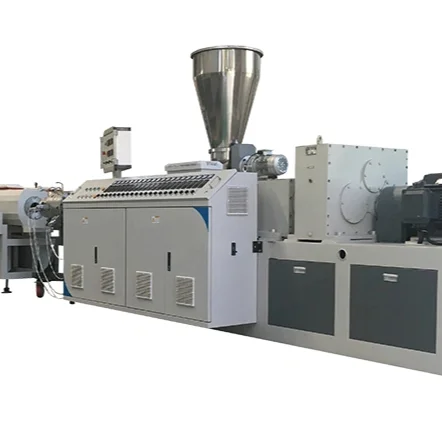
Commercial products are supplied as powders, liquids, prills, pastes, or one-pack systems to improve dosing consistency and reduce compounding variability. In practice, the stabilizer is introduced during dry blending, high-speed mixing, extrusion, or masterbatch preparation, where dispersion quality strongly affects long-term performance and color retention.
Applications and End-Use Markets
Heat stabilizers are most strongly associated with PVC, but their usage extends across several thermoplastic families where thermal oxidation, chain scission, or discoloration limits processability.
| Application | Typical polymer system | Usual stabilizer approach | Why it is used |
|---|---|---|---|
| Pipes and fittings | Rigid PVC | Calcium-zinc, organotin, mixed-metal | Maintains extrusion stability and long-term hot-water or weather exposure resistance |
| Profiles and window frames | Rigid PVC | Mixed-metal or organotin packages | Supports surface quality, color retention, and dimensional stability |
| Wire and cable | Plasticized PVC | Calcium-zinc, mixed-metal, auxiliary antioxidants | Protects insulation during high-temperature processing and service |
| Films and sheets | PVC, some engineering polymers | Organotin or tailored organic packages | Improves clarity, process stability, and color control |
| Flooring and coated fabrics | Plasticized PVC | Mixed-metal systems | Balances flexibility, heat resistance, and low migration |
| Medical tubing and blood bags | Medical-grade PVC | Low-migration, high-purity stabilizer systems | Supports regulatory compliance and clarity |
| Packaging and containers | PVC and selected other polymers | Organotin or non-toxic alternatives | Preserves appearance and processing window |
| Engineering plastics and polyesters | Selected systems | Phenolics, phosphites, or package-specific antioxidants | Controls oxidation during melt processing |
A poor-fit use is unmodified high-temperature engineering service where prolonged exposure exceeds the stabilizer package’s design window; in such cases, polymer substitution is usually more effective than attempting to over-formulate stabilization.
PVC remains the dominant market, especially in construction and infrastructure, because pipes, profiles, cable insulation, and sheets require both process stability and long service life. Medical and food-contact segments demand especially low extractables and carefully controlled toxicology, which has accelerated the move toward cleaner mixed-metal and organic systems.
Environmental and Sustainability Aspects
The environmental profile of heat stabilizers is shaped less by the concept of stabilization itself than by the chemistry selected. Legacy systems containing lead or cadmium have severe toxicity drawbacks and are increasingly restricted or avoided in new designs, whereas calcium-zinc and bio-based co-stabilizers are generally favored in lower-risk applications.
Recyclability is a central issue. Stabilizers remain in the polymer matrix during mechanical recycling, where they can either help preserve reprocessability or complicate recycled-content quality if they migrate, discolor, or interact with contaminants. For PVC recycling in particular, retained stabilizer performance is important because repeated heat history can amplify degradation unless the original formulation and reclamation process are well matched.
Bio-based alternatives are expanding, especially epoxidized soybean oil, which acts as a secondary stabilizer by scavenging hydrogen chloride and assisting in long-term stabilization of PVC formulations. These materials do not eliminate all sustainability concerns, but they can reduce reliance on older heavy-metal systems and improve the formulation’s overall environmental profile.
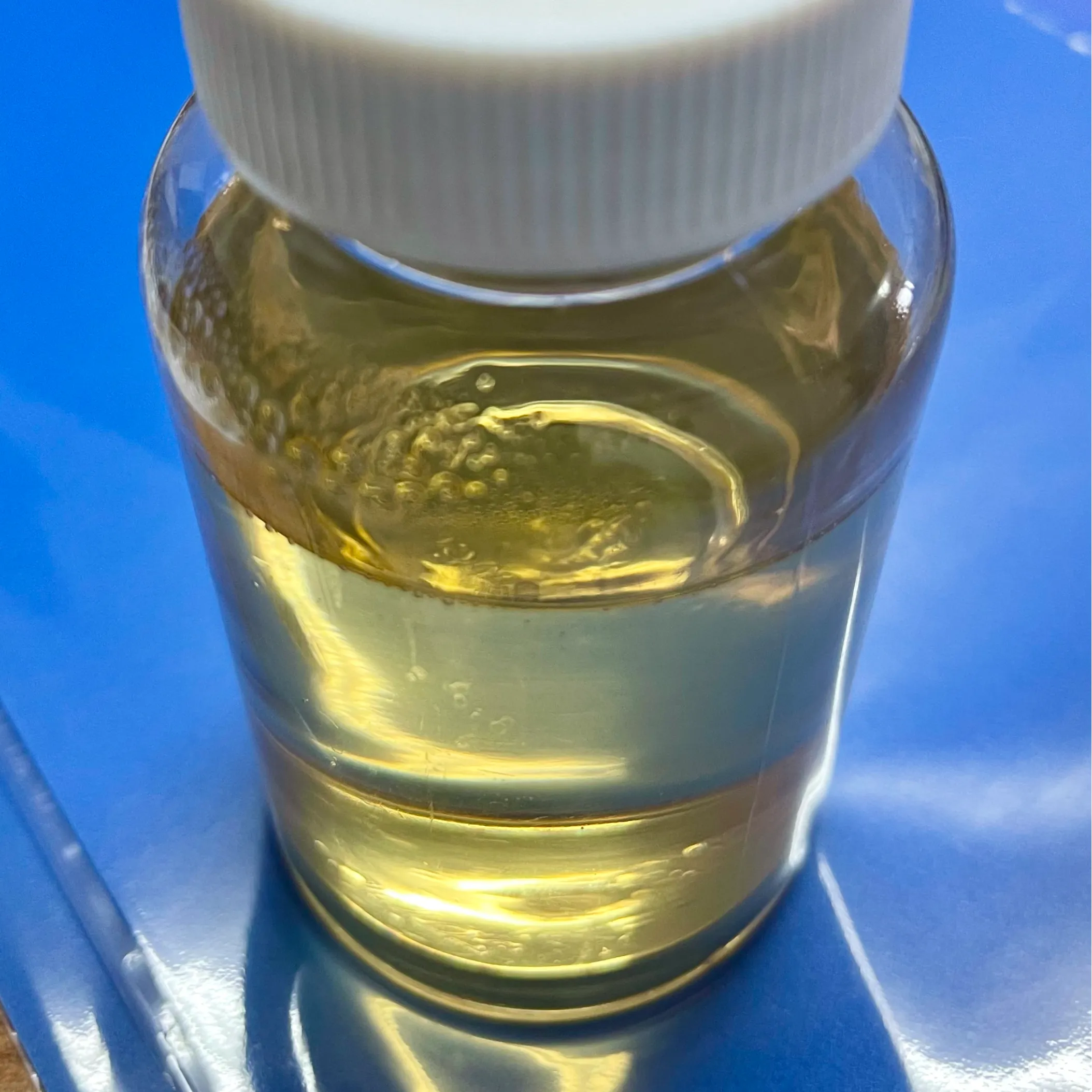
Carbon footprint considerations are indirect but important. Heat stabilizers can extend product lifetime, reduce scrap during processing, and improve recyclability, all of which can lower life-cycle impacts per unit of service delivered. At the same time, more complex purification or specialty organometallic production can raise upstream environmental intensity, so life-cycle performance depends on both chemistry and application context.
Economic and Global Market Impact
The heat stabilizers market is closely tied to PVC demand, especially in construction, infrastructure, electrical, and automotive supply chains. Recent industry analyses describe continued growth driven by pipes, fittings, profiles, films, cables, and medical products, with Asia-Pacific generally regarded as the largest manufacturing and consumption center for PVC additives, while North America and Europe show stronger regulatory pressure toward non-toxic and low-migration systems.
Leading suppliers commonly operate across mixed-metal systems, tin stabilizers, and integrated additive packages, including multinational specialty chemical firms and regional compounding houses. Competitive advantage is increasingly determined by formulation know-how, compliance support, and the ability to deliver one-pack systems that simplify processing and reduce quality variation.
Current Challenges and Innovations
The main technical challenges are:
- Replacement of restricted or stigmatized legacy stabilizers without sacrificing heat stability or optical performance
- Control of migration, plate-out, and odor in sensitive applications
- Maintaining stabilization efficiency in recycled and variable-feedstock PVC
- Designing packages compatible with food-contact, medical, and toy standards
- Balancing processing latitude with low toxicity and low environmental impact
Current innovation directions include:
- High-efficiency calcium-zinc packages with improved early color hold and long-term weatherability
- Synergistic co-stabilizers that combine metal soaps, phosphites, antioxidants, and epoxidized oils for broader protection windows
- Low-migration medical grades for tubing, films, and blood-contact materials
- Masterbatch delivery systems that improve dosing precision and reduce dust exposure
- Recycling-oriented formulations that preserve properties after multiple heat histories and support circular PVC streams
A useful practical example is a PVC pipe formulation using calcium-zinc primary stabilizers with a phosphite co-stabilizer at low loadings; the calcium-zinc component neutralizes acidic degradation products, while the phosphite helps decompose hydroperoxides and slow oxidative chain reactions during extrusion and early service life. In another common case, epoxidized soybean oil is added as a secondary stabilizer in flexible PVC to help capture hydrogen chloride and improve thermal endurance while also contributing some plasticizing function.
Future Outlook
Future growth is likely to come from three directions: stricter regulation, higher recycling content, and performance demands in demanding end-use sectors. Formulators will increasingly need stabilizer systems that are not only thermally efficient but also compatible with circular-economy goals, lower emissions manufacturing, and more transparent product stewardship.
The long-term trajectory favors non-toxic, low-migration, recycling-friendly systems, especially calcium-zinc and advanced organic co-stabilizer packages, while organotin and other specialized chemistries are likely to remain important where clarity or unique performance still justify them. In parallel, additive suppliers are likely to focus on formulation service, digitalized compounding support, and application-specific packages rather than single-ingredient products.
Summary
Heat stabilizers are essential additives that allow many polymers, especially PVC, to be processed and used without rapid thermal degradation. Their technology has evolved from heavy-metal legacy systems to more regulated, lower-toxicity, and more sustainability-oriented packages, with continuing innovation focused on compatibility, recyclability, and long service life.
References
- •
Heat Stabilizer - an overview. (n.d.). ScienceDirect. https://www.sciencedirect.com/topics/materials-science/heat-stabilizerLink
- •
Heat stabilizers. (n.d.). In Kirk-Othmer encyclopedia of chemical technology. http://softbeam.net:8080/txt/ko2008/article/heatmesc.a01/current/heatmesc.a01.pdfLink
- •
The different stabilizers in plastics manufacturing. (2026, May 29). Phoenix Plastics. https://phoenixplastics.com/types-of-stabilizers-in-plastics/Link
- •
Guide to stabilizers. (2023, January 31). Brenntag. https://www.brenntag.com/en-us/industries/case-and-construction/guide-to-stabilizers/Link
- •
Heat stabilizers. (2019, September 10). PCC Group. https://www.products.pcc.eu/en/products/function/heat-stabilizers/Link
- •
Classification and action mechanism of PVC heat stabilizers. (2024, April 9). Novista Group. http://www.novistagroup.com/TechnologyAdvisory/2471.htmlLink
- •
Heat stabilizers. (2025, June 26). SpecialChem. https://www.specialchem.com/polymer-additives/pf-heat-stabilizersLink
- •
Heat stabilizer for PVC. (2025, June 18). Polytech ME. https://polytechme.com/product/heat-stabilizer/Link
- •
How heat stabilizers prevent polymer degradation. (2025, October 23). Engineer Fix. https://engineerfix.com/how-heat-stabilizers-prevent-polymer-degradation/Link
- •
Heat stabilizers. (2021, April 6). Alfa Chemistry. https://polymer-stabilizer.alfa-chemistry.com/products/heat-stabilizer.htmlLink
- •
Performance characteristics and applications of heat stabilizers. (2024, November 25). Watchchem. https://www.watchchem.com/news_details/13.htmlLink
- •
Heat stabilizers. (n.d.). Wiley Online Library. https://onlinelibrary.wiley.com/doi/abs/10.1002/0471440264.pst153.pub2Link
- •
Application-specific heat stabilizer masterbatch. (2026, April 1). Kerke Extruder. https://www.kerkeextruder.com/news/industry-news/comprehensive-guide-to-anti-aging-masterbatch-and-heat-stabilizer-masterbatch-service-life-extension-and-formulation/Link
- •
Antioxidants: Heat stabilizer. (2025, October 3). Scribd. https://www.scribd.com/document/310146467/Heat-StabilizerLink
- •
Anti-aging heat stabilizer masterbatch: Complete guide. (2026, July 28). Kerke Extruder. https://www.kerkeextruder.com/news/industry-news/anti-aging-heat-stabilizer-masterbatch-complete-guide/Link
- •
Heat stabilizers: The coolest polymer additive. (2015, December 23). Polymer Solutions. https://www.polymersolutions.com/heat-stabilizer-analysis/Link
- •
Antimony trioxide is widely used in various fields (1). (n.d.). Hxtyc. https://en.hxtyc.com/news/38.htmlLink
- •
Heat stabilizers: How to select the right grade for PVC? (2025, June 19). SpecialChem. https://www.specialchem.com/polymer-additives/guide/pvc-heat-stabilizers-selectionLink
- •
Polymer stabilizers, plasticizers and lubricants. (2022, February 23). Lab Insights. https://labinsights.nl/en/article/polymer-stabilizers-plasticizers-and-lubricantsLink
- •
Application of heat stabilizers in polymers. (2022, April 8). Alfa Chemistry. https://polymer-stabilizer.alfa-chemistry.com/applications/application-of-heat-stabilizers-in-polymers.htmlLink
- •
Heat stabilizers. (2001, May 14). SpecialChem. https://www.specialchem.com/polymer-additives/guide/heat-stabilizersLink
- •
Heat stabilizers. (n.d.). MM Industries. http://mmindustrieschem.com/one-pack-stabilizers.htmlLink
- •
Explore the demand for heat stabilizers in USA. (2026, March 25). Future Market Insights. https://www.futuremarketinsights.com/reports/united-states-heat-stabilizers-marketLink
- •
Heat stabilizers. (2021, October 21). Valtris. https://www.valtris.com/product/stabilizers/Link
- •
Heat stabilizers. (n.d.). Valtris Specialty Chemicals. https://www.valtris.com/products/heat-stabilizers/Link
- •
Heat stabilizers for PVC industry. (2022, April 25). Lab Insights. https://labinsights.nl/en/article/heat-stabilizers-for-pvc-industryLink
- •
Heat stabilizers market size & share 2026-2032. (2026, August 22). 360iResearch. https://www.360iresearch.com/library/intelligence/heat-stabilizersLink
- •
Heat stabilizers for ABS: Key standards, physical properties, and applications. (2026, February 28). Alibaba. https://www.alibaba.com/product-insights/heat-stabilizers-for-abs.htmlLink
- •
Effects of organic based heat stabilizer on properties of polyvinyl chloride. (2021, December 30). PMC. https://pmc.ncbi.nlm.nih.gov/articles/PMC8747308/Link
- •
The application of PVC heat stabilizers. (2023, July 1). LinkedIn. https://www.linkedin.com/pulse/application-pvc-heat-stabilizers-alex-leeLink
- •
Heat stabilizers market size, share & forecast to 2036. (2026, March 23). Fact.MR. https://www.factmr.com/report/heat-stabilizers-marketLink
- •
Heat stabilizers market size, share | growth report [2034]. (n.d.). Fortune Business Insights. https://www.fortunebusinessinsights.com/heat-stabilizers-market-117599Link
- •
Top 10 PVC heat stabilizer types for enhanced performance and durability. (2025, December 25). PVC Stabilizer. https://www.pvcstabilizer.com/blog/top-10-pvc-heat-stabilizer-types-performance-durability/Link
- •
Heat stabilized polyvinyl chloride. (n.d.). PatSnap Eureka. https://eureka.patsnap.com/materials/heat-stabilized-pvcLink
- •
Heat stabilizers manufacturers and distributors. (n.d.). Bharti Plastchem. https://www.bhartiplastchem.in/heat-stabilizers.htmlLink
- •
Stabilization of polymers and stabilizer processes. (n.d.). ACS Publications. https://pubs.acs.org/doi/pdf/10.1021/ba-1968-0085.pr001Link
- •
Polymer stabilizer. (2008, April 28). Wikipedia. https://en.wikipedia.org/wiki/Polymer_stabilizerLink
- •
Heat stabilizers for PVC: A comprehensive guide. (n.d.). Goldstab. https://www.goldstab.com/articles/heat-stabilizers-for-pvc-a-complete-guideLink
- •
Heat stabilizers companies. (2026, April 6). Market Research Future. https://www.marketresearchfuture.com/reports/heat-stabilizers-market/companiesLink