
Introduction
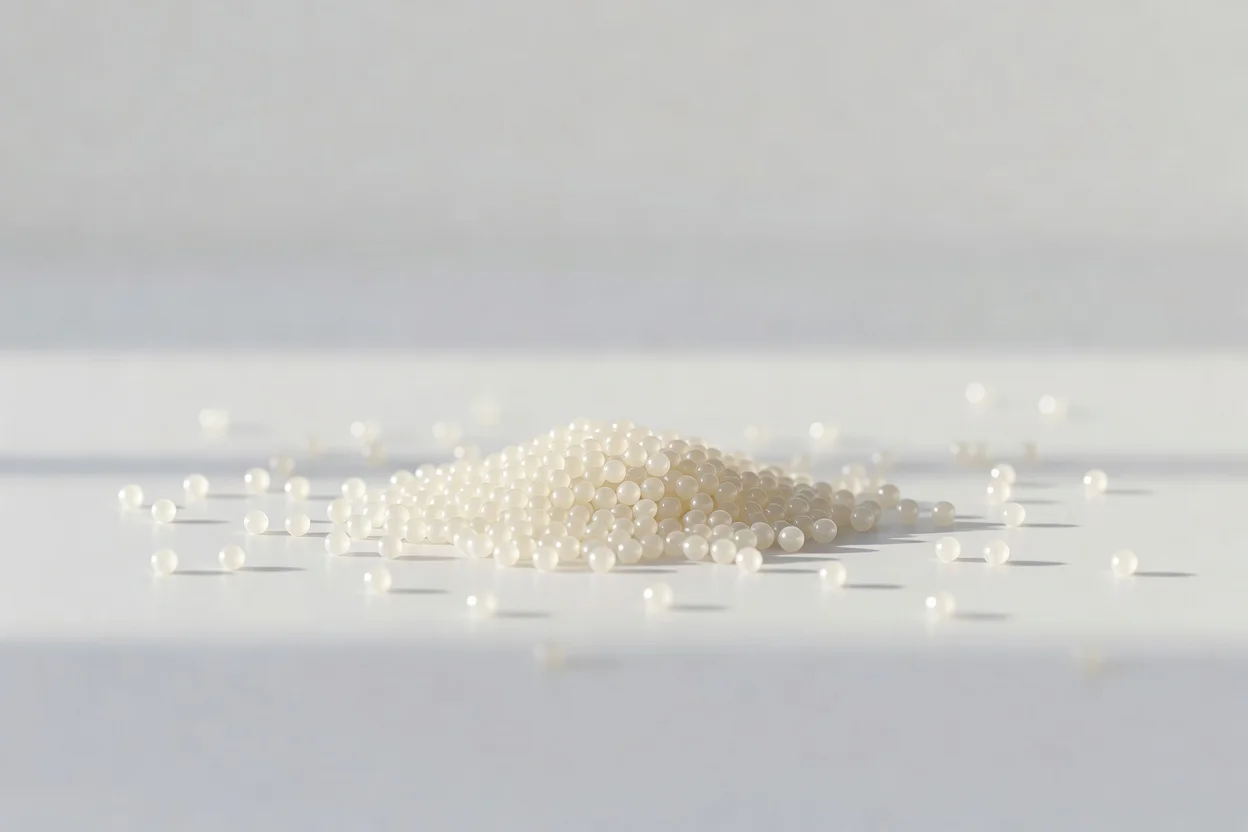
Polybutylene terephthalate (PBT) is a semi-crystalline engineering thermoplastic polyester valued for its combination of dimensional stability, low moisture absorption, electrical insulation, chemical resistance, and fast crystallization during molding. It is widely used in automotive, electrical and electronic, industrial, and consumer applications, especially where parts must retain precision under heat, humidity, and long service conditions.
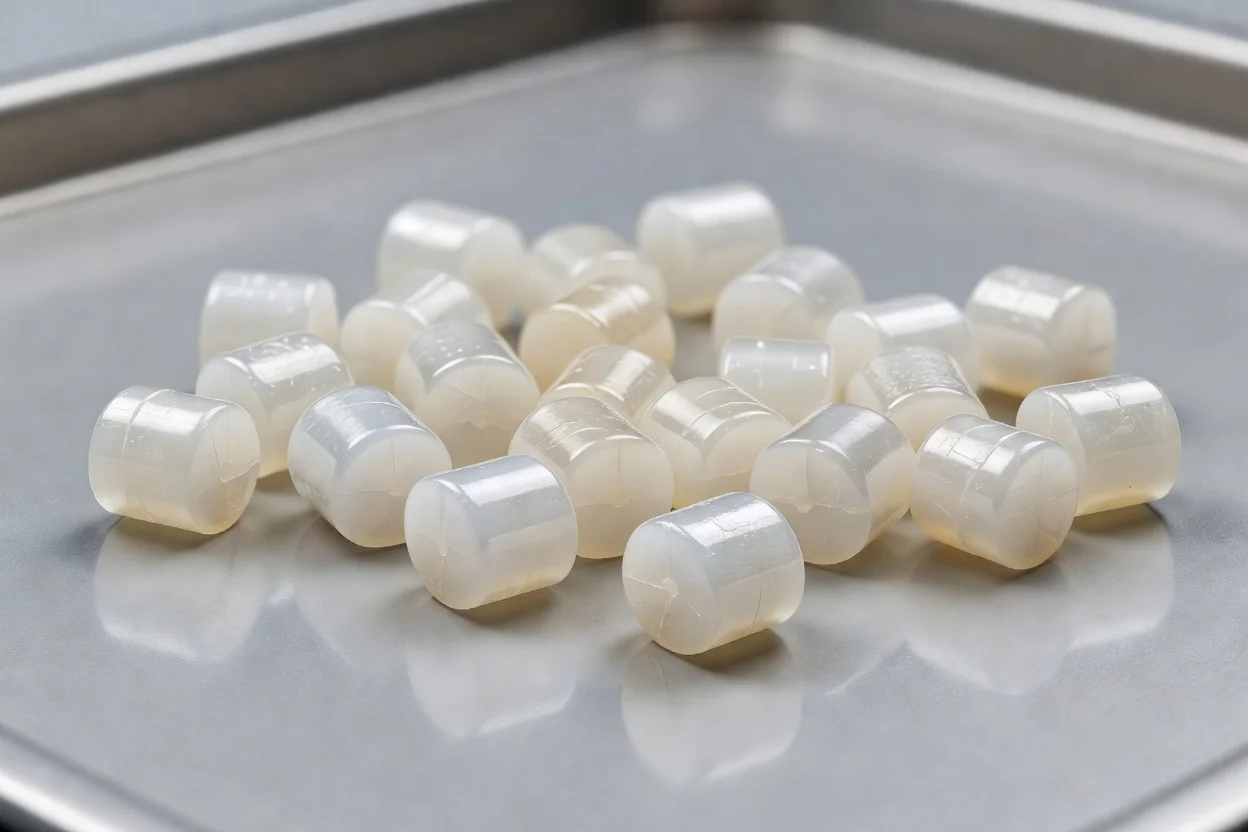
PBT occupies an important position within the polyester family, alongside PET, but is typically easier to injection mold because of its lower melting point and rapid solidification. In practice, it is often supplied as unfilled resin, glass-fiber-reinforced grades, mineral-filled grades, flame-retardant grades, and specialty compounds tailored for wear, food-contact, or high-voltage performance.
The material’s industrial importance has been reinforced by the shift toward electrification, miniaturized electronics, and tighter tolerances in molded assemblies. At the same time, PBT faces the same broader sustainability pressures as other petrochemical polyesters, including decarbonization of feedstocks, improved recyclability, and increased use of recycled or bio-based inputs.
History and Development
PBT emerged as part of the broader development of engineering polyesters in the mid-20th century, when polyester chemistry moved from fibers and films into structural plastics. Its commercial appeal grew because it combined the processability of an injection-molding resin with a level of stiffness, chemical resistance, and surface quality suitable for precision parts.
As electronic devices and automotive electrification expanded, PBT became a standard material for connectors, housings, sensor components, and under-hood parts that required stable dimensions and reliable dielectric performance. Reinforced and flame-retardant grades further expanded its role in safety-critical electrical applications.
Chemical Structure and Key Properties
PBT is a polyester formed from terephthalate-based aromatic units and butylene-based aliphatic segments, a structure that balances rigidity with toughness. The aromatic rings contribute chemical and thermal resistance, while the flexible methylene segment helps provide impact performance and processability.
Key property profile
| Property | Typical significance for use |
|---|---|
| Low moisture absorption | Helps preserve dimensions and electrical properties in humid environments. |
| High dimensional stability | Supports tight-tolerance molded parts and assemblies. |
| Good electrical insulation | Enables connectors, switchgear parts, bobbins, and housings. |
| Good chemical resistance | Useful against oils, greases, dilute acids, alcohols, and many solvents. |
| Fast crystallization | Shortens molding cycles and improves productivity. |
| Moderate-to-high heat resistance | Allows service in warm environments, especially when reinforced. |
Important limits and workarounds
- Limit: Lower impact and heat resistance than some higher-performance engineering plastics → Cause: semi-crystalline polyester backbone has good stiffness but limited intrinsic thermal margin → Workaround: glass-fiber reinforcement, mineral filling, and impact-modifier packages are commonly used to raise stiffness and heat-deflection temperature.
- Limit: Hydrolysis sensitivity during processing and long-term hot-wet exposure → Cause: polyester ester linkages can be attacked by moisture at elevated temperature → Workaround: careful drying before molding, controlled processing conditions, and stabilized formulations are standard industry practice.
- Limit: Surface energy can be relatively low for direct painting or bonding → Cause: polymer surface is chemically inert and smooth after molding → Workaround: plasma treatment, primers, surface texturing, or adhesive-compatible grades improve adhesion.
Typical performance context
Unreinforced PBT commonly shows tensile strength around 40–60 MPa and flexural modulus around 2–4 GPa, while glass-fiber-reinforced grades can move substantially higher in stiffness and heat resistance. Its low moisture uptake, often reported around 0.1% or less in short-term tests, is one of the main reasons it is favored for precision electrical parts.
Production Processes and Raw Feedstocks
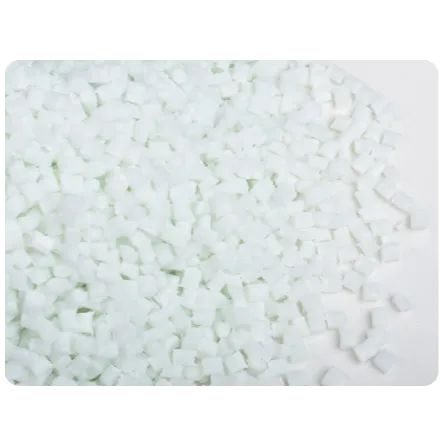
PBT is produced by polyester polycondensation using 1,4-butanediol and terephthalic feedstocks such as terephthalic acid or dimethyl terephthalate. The process creates a high-molecular-weight thermoplastic polyester that is then pelletized for compounding and conversion.
Main production route
- Esterification or transesterification of terephthalate feedstock with 1,4-butanediol
- Polycondensation to build molecular weight
- Solid-state or melt finishing depending on product requirements
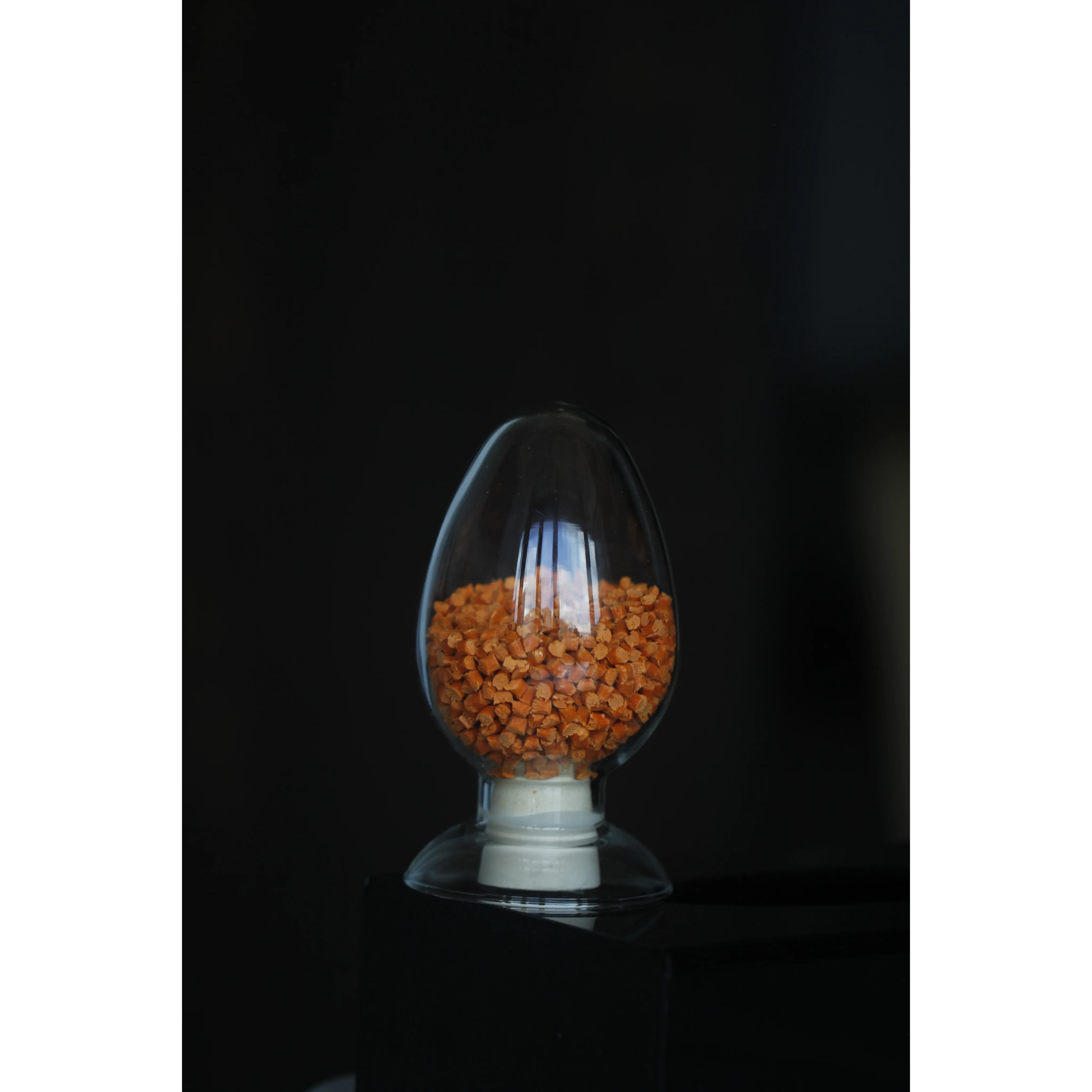
- Compounding with glass fiber, flame retardants, pigments, stabilizers, or lubricants for end-use grades
Feedstock implications
PBT is closely tied to the petrochemical supply chain because its main inputs derive from aromatic and diol intermediates. As a result, feedstock pricing, energy costs, and regional polyester capacity strongly influence PBT economics.
Industry leadership
Leading global supply is concentrated among large polyester and engineering plastics producers, including BASF, DuPont, Celanese, SABIC, Lanxess, Mitsubishi Engineering-Plastics, Toray, and Chang Chun Plastics, which are widely recognized in the market for broad grade portfolios and global distribution. Their importance lies less in one single monomer step than in integrated compounding, reinforcement, flame-retardant systems, and application-specific qualification support.
Applications and End-Use Markets
PBT is most widely used where electrical performance, dimensional precision, and chemical durability matter simultaneously. Its best-known applications are in injection-molded components, though it also appears in profiles, filaments, and selected extrusion uses.
Major end-use sectors
| Sector | Typical PBT grade | Common processes | Representative parts |
|---|---|---|---|
| Electrical and electronics | Unfilled, flame-retardant, glass-filled | Injection molding | Connectors, switch housings, bobbins, circuit breakers, relays, sensor housings |
| Automotive | Glass-filled, heat-stabilized, flame-retardant | Injection molding | Mirror housings, door handles, wiper components, ignition parts, under-hood housings |
| Industrial machinery | Reinforced, wear-resistant | Injection molding, machining | Pump housings, impellers, bearing components, valve parts |
| Consumer appliances | Unfilled or filled | Injection molding | Handles, covers, structural appliance parts |
| Food processing and equipment | Food-contact capable grades | Injection molding, machining | Bushes, valves, manifolds, machine parts |
| Extruded profiles and filaments | Extrusion grades | Extrusion | Profiles, monofilaments, textile-related uses |
Match between application and grade
- Connectors and circuit components: flame-retardant, often glass-filled PBT for stiffness and dielectric reliability.
- Automotive housings and under-hood parts: heat-stabilized, glass-filled PBT for dimensional control at elevated temperature.
- Wear parts and precision mechanical components: lubricated or reinforced grades for friction reduction and wear resistance.
- Appliance handles and covers: unfilled or lightly filled grades for surface quality and balanced toughness.
Poor-fit use
PBT is generally a poor fit for high-barrier packaging because it is not a strong oxygen or grease barrier compared with specialized multilayer packaging polymers and barrier materials; this limits its use in applications where product preservation is the primary requirement rather than structural performance. That limitation follows from its engineering-plastic design emphasis rather than barrier optimization.
Environmental and Sustainability Aspects
PBT is a conventional petrochemical polyester, so its environmental profile depends heavily on fossil-based feedstocks, energy intensity in polymer production, and end-of-life management. Its durability is an environmental advantage in use, but that same durability can become a disposal challenge if parts are not collected and recycled effectively.
Recyclability
- Mechanical recycling is possible for relatively clean, single-polymer PBT streams, especially post-industrial scrap.
- Closed-loop recovery is more feasible in automotive or electronics manufacturing than in mixed consumer waste.
- Downcycling risk increases when glass fiber, flame retardants, and mixed additives complicate reprocessing.
Bio-based alternatives
Bio-based polyester routes are under development and can, in principle, reduce fossil carbon intensity if the butanediol and terephthalate supply chains are decarbonized or partially bio-based. However, commercial availability, cost, and property consistency remain limiting factors compared with established fossil-based PBT.
Carbon footprint and design trade-offs
- Long service life and lightweight substitution can lower lifecycle emissions in vehicles and electrical systems.
- Glass-fiber reinforcement improves durability but raises material complexity and recycling difficulty.
- Flame-retardant formulations improve safety but can complicate circularity and regulatory compliance.
Economic and Global Market Impact
PBT occupies a mid-sized but strategically important niche in engineering plastics, with demand closely tied to automotive electrification, consumer electronics, and industrial electrification. It is typically sold at a premium to commodity plastics but competes with other engineering resins on total cost-in-use rather than resin price alone.
Market drivers
- Growth in connectors, sensors, and housings for EVs and battery systems
- Continued substitution for metal in compact electrical assemblies
- Demand for lightweight, dimensionally stable parts in appliances and industrial equipment
- Expansion of flame-retardant and high-temperature grades for safety-critical uses
Competitive position
PBT competes most directly with PET, PA66, PC, ABS, and PP depending on the application. It is often chosen when moisture resistance and electrical stability are more important than the absolute strength of nylons or the impact resistance of polycarbonate.
Current Challenges and Innovations
The principal challenges for PBT are not in basic performance but in sustainability, regulatory compliance, and application-specific differentiation.
Key challenges
- Reducing reliance on fossil-derived feedstocks
- Improving recyclability of reinforced and flame-retarded grades
- Managing hydrolysis and long-term aging in humid, hot environments
- Maintaining performance while lowering additive complexity
Innovation themes
- Recycled-content PBT for non-critical housings and structural parts
- Bio-based intermediates to lower carbon intensity
- Low-halogen or halogen-free flame-retardant systems
- Hybrid reinforcement using glass fiber with mineral or mineral-organic fillers
- Advanced compounding for improved wear, surface finish, and laser-marking response
Example formulation notes
- A 30% glass-fiber PBT grade is commonly used to raise stiffness and heat-deflection temperature in automotive housings and connectors; the mechanism is simple load transfer from the polymer matrix to the fibers, which reduces deformation under stress.
- A flame-retarded PBT formulation for electrical switchgear may use phosphorus-based additive packages at low-to-moderate loadings to slow ignition and char formation, improving compliance with flame standards without sacrificing moldability.
Future Outlook
PBT is likely to remain an important engineering polyester because it sits at the intersection of precision molding, electrical reliability, and chemical durability. Demand should be supported by electrification trends, especially in connectors, sensors, and compact housings where space, weight, and insulation performance are all critical.
Longer term, the most important shifts are expected in circularity and formulation design: higher recycled content, lower-carbon monomers, and grades engineered for easier dismantling and reprocessing. Progress will likely be strongest where manufacturers can preserve PBT’s core advantages while simplifying additive systems and strengthening feedstock traceability.
Summary
PBT is a versatile engineering polyester that combines low moisture uptake, dimensional stability, electrical insulation, and good chemical resistance with efficient injection molding behavior. Its main markets are automotive, electrical and electronic components, and industrial parts, with reinforced and flame-retardant grades playing a central role in high-performance applications.
Its main constraints are hydrolysis sensitivity, limited intrinsic barrier performance, and the environmental burden of fossil-based production. Future competitiveness will depend on recycled and bio-based feedstocks, better circular design, and continued innovation in reinforcement and flame-retardant technology.
References
- •
Polybutylene Terephthalate (PBT) Material Guide & Properties Info. (2026, April 22). SpecialChem. https://www.specialchem.com/plastics/guide/polybutylene-terephthalate-pbt-plasticLink
- •
Polybutylene terephthalate. (2004, June 17). In Wikipedia. https://en.wikipedia.org/wiki/Polybutylene_terephthalateLink
- •
Polybutylene Terephthalate Material: Comprehensive Analysis.... (n.d.). PatSnap. https://eureka.patsnap.com/materials/polybutylene-terephthalate-pbtLink
- •
Polybutylene Terephthalate (PBT) - Properties and.... (2003, May 26). AZoM. https://www.azom.com/article.aspx?ArticleID=1998Link
- •
Polybutylene Terephthalate: Comprehensive Analysis Of.... (n.d.). PatSnap. https://eureka.patsnap.com/materials/pbt-engineering-plasticLink
- •
What is Polybutylene Terephthalate (PBT)? (2023, November 13). Asahi Kasei. https://www.asahi-kasei-plastics.com/en/column/10/Link
- •
What is Polybutylene Terephthalate: Characteristics, Advantages.... (2022, September 12). Xometry. https://www.xometry.com/resources/materials/what-is-polybutylene-terephthalate/Link
- •
Polybutylene Terephthalate (PBT) - Properties and Applications - AZoM. (2026, August 5). AZoM. https://www.azom.com/properties.aspx?ArticleID=1998Link
- •
PBT: Polybutylene Terephthalate. (n.d.). NETZSCH Analyzing & Testing. https://analyzing-testing.netzsch.com/en-US/polymers-netzsch-com/engineering-thermoplastics/pbt-polybutylene-terephthalateLink
- •
Comparison of PBT with Other Engineering Plastics. (2026, January 8). Salesplastics. https://salesplastics.com/comparison-of-pbt-with-other-engineering-plastics/Link
- •
Polybutylene terephthalate (PBT). (2009, July 22). In Britannica. https://www.britannica.com/science/polybutylene-terephthalateLink
- •
Polybutylene Terephthalate (PBT). (2025, January 1). Blackwell Plastics. http://www.blackwellplastics.com/PBT.htmlLink
- •
Polybutylene Terephthalate High Performance Polyester. (n.d.). PatSnap. https://eureka.patsnap.com/materials/pbt-high-performance-polyesterLink
- •
Polybutylene Terephthalate (PBT). (n.d.). Entec Polymers. https://www.entecpolymers.com/products/resin-types/polybutylene-terephthalate-pbtLink
- •
PBT Material Guide: Properties, Grades & Selection. (2026, January 7). Sales Plastics. https://salesplastics.com/pbt-material-grades/Link
- •
Polybutylene Terephthalate Thermoplastic. (n.d.). PatSnap. https://eureka.patsnap.com/materials/pbt-thermoplastic-analysisLink
- •
PBT Plastic Chemical Resistance, Compatibility & Properties. (2025, February 3). Curbell Plastics. https://www.curbellplastics.com/materials/plastics/pbt/Link
- •
PBT (Polybutylene Terephthalate). (2019, February 27). Dielectric Mfg. https://dielectricmfg.com/resources/knowledge-base/pbt/Link
- •
PBT: Durable Resin for High-Performance Uses. (2025, July 21). Aprios. https://www.aprios.com/insights/polybutylene-terephthalate-durable-resin-for-high-performance-usesLink
- •
Essential Guide to PBT Plastic Material: Properties and Applications. (2024, December 9). Otivic. https://otivic.com/pbt-plastic-material/Link
- •
Unlocking the Versatility of Polybutylene Terephthalate (PBT) Across.... (n.d.). ChemAnalyst. https://www.chemanalyst.com/Blogs/unlocking-the-versatility-of-polybutylene-terephthalate-across-industries-60Link
- •
PBT plastic. (n.d.). Ensinger. https://www.ensingerplastics.com/en/thermoplastic-materials/pbt-materialLink
- •
Polybutylene Terephthalate - an overview. (n.d.). ScienceDirect. https://www.sciencedirect.com/topics/medicine-and-dentistry/polybutylene-terephthalateLink
- •
Polybutylene Terephthalate (PBT) Resins. (n.d.). Nexeo Plastics. https://www.nexeoplastics.com/types/polybutylene-terephthalate/Link
- •
Polybutylene Terephthalate Filament: Comprehensive Analysis Of.... (n.d.). PatSnap. https://eureka.patsnap.com/materials/pbt-filament-propertiesLink
- •
Polybutylene Terephthalate Consumer Goods Material. (n.d.). PatSnap. https://eureka.patsnap.com/materials/pbt-consumer-goods-materialLink
- •
Polybutylene terephthalate (PBT). (n.d.). Technoform. https://www.technoform.com/en/material/polybutylene-terephthalate-pbtLink