
Introduction
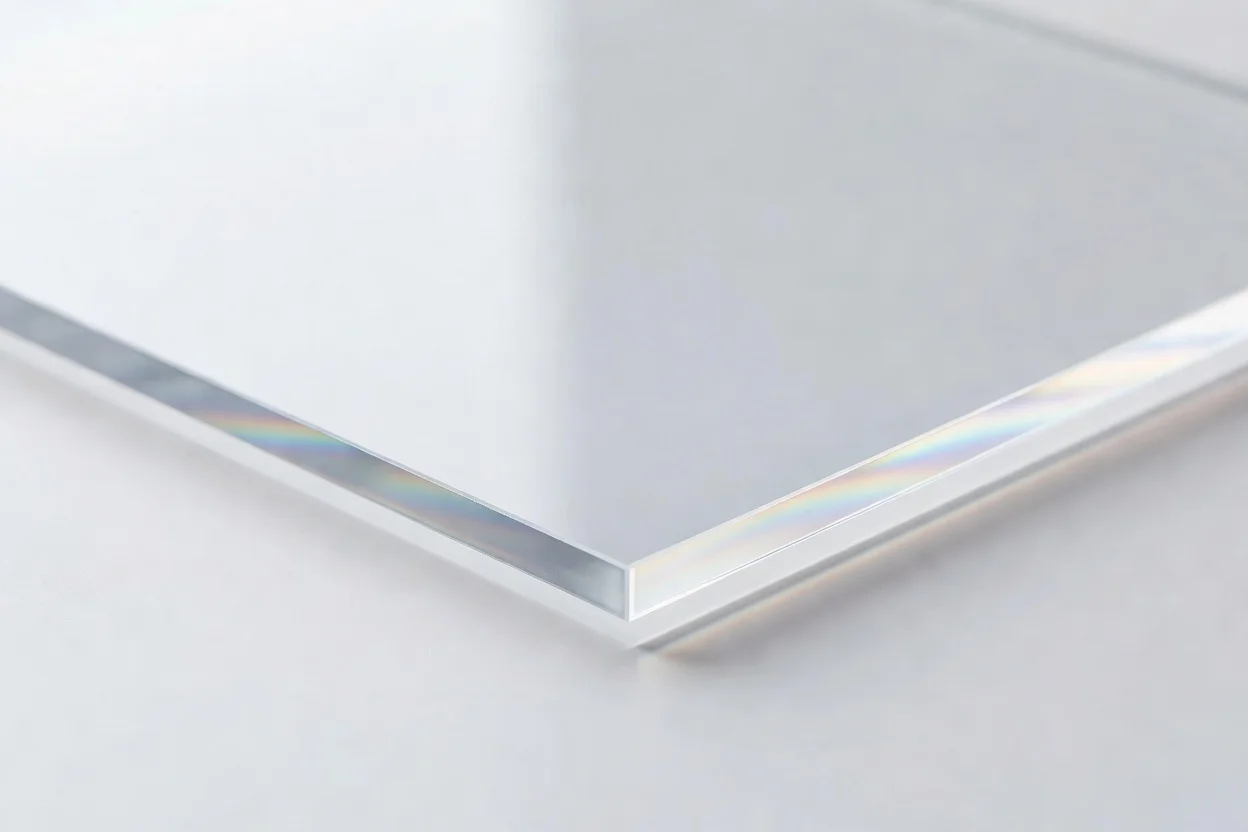
Polycarbonate (PC) is an amorphous engineering thermoplastic valued for its unusual combination of high impact resistance, optical clarity, dimensional stability, and useful heat resistance. It is widely used where glass-like transparency must be paired with much higher toughness, including safety glazing, automotive lighting, electrical housings, medical components, and durable consumer products.
Commercial polycarbonate is best known as a family of transparent and specialty grades rather than a single material. Standard unfilled grades emphasize clarity and toughness; flame-retardant grades are formulated for electrical and electronic parts; UV-stabilized grades are used outdoors; and reinforced or conductive variants serve structural or electrostatic-control applications. Its broad utility has made PC one of the most important high-performance plastics in the engineering thermoplastics segment.
At the same time, PC has well-recognized limitations. Its scratch resistance is modest relative to glass or hard-coated surfaces, because its surface hardness is lower; coatings or surface treatments are commonly used as a workaround. It is also moderately resistant to chemicals, and stress cracking can occur in contact with certain solvents, surfactants, ammonia, or strong alkaline cleaners, so material selection and design stress management are important.
From a sustainability perspective, polycarbonate sits at the center of several industry debates. Conventional PC is fossil-derived and energy-intensive to produce, yet its long service life, light weight, and replace-glass potential can reduce material use and operational energy in some applications. The sector is also evolving through mechanical and chemical recycling, mass-balance approaches using recycled feedstocks, and alternative monomers and bio-based routes, although scale, economics, and product purity remain challenges.
History and Development
Polycarbonate chemistry emerged in the early twentieth century, but industrial commercialization accelerated in the mid-1900s when manufacturers developed reliable routes to high-molecular-weight bisphenol-A polycarbonate. Since then, the material has moved from a specialty polymer into a mainstream engineering thermoplastic with extensive global production and a large portfolio of modified grades.
Its historical growth was driven by three technical advantages that were difficult to combine in one resin: transparency, toughness, and thermal stability. These properties allowed PC to compete with glass, acrylic, and certain metals in applications where safety, weight reduction, or design freedom mattered.
Over time, processing advances expanded its reach into injection molding, extrusion, thermoforming, blow molding, and increasingly additive manufacturing. Grade development also diversified the market into blends, copolymers, flame-retardant systems, UV-stabilized sheet products, and optical materials for lighting and electronics.
Chemical Structure and Key Properties
Polycarbonate is an amorphous polymer, which explains its high optical clarity, low shrinkage, and good dimensional stability. Because it does not have a crystalline melting point in the same way as semi-crystalline polymers, its useful thermal behavior is commonly described by its glass transition temperature, which is typically around 145–150 °C for standard grades.
Key property profile
| Property | Typical range / characteristic |
|---|---|
| Density | about 1.20–1.22 g/cm³ |
| Glass transition temperature | about 145–150 °C |
| Continuous service temperature | roughly up to 120–130 °C for many grades |
| Light transmission | typically around 85–90% for clear grades |
| Refractive index | about 1.584–1.586 |
| Tensile strength | about 60–80 MPa for common grades |
| Impact resistance | very high; noted for exceptional notched impact strength |
| Electrical insulation | excellent, making it useful for housings and connectors |
Real-world limits and workarounds
- Scratch resistance limitation → softer surface than glass → hard coats, lacquers, or multilayer sheet constructions are used.
- Chemical sensitivity limitation → stress cracking in some solvents and cleaners → design away from high stress, choose compatible chemicals, or use stabilized grades/blends.
- Outdoor yellowing limitation in untreated grades → UV exposure degrades appearance and performance → UV stabilizers, coextruded caps, or protective coatings are used.
- Hydrolytic vulnerability at high heat and humidity → possible property loss in severe moisture/heat exposure → drying before processing and careful application selection are used.
The optical and mechanical balance of PC is one of its defining scientific features. Its transparency and high refractive index support lighting and lens applications, while its molecular structure provides a ductile deformation response rather than brittle fracture.
Production Processes and Raw Feedstocks
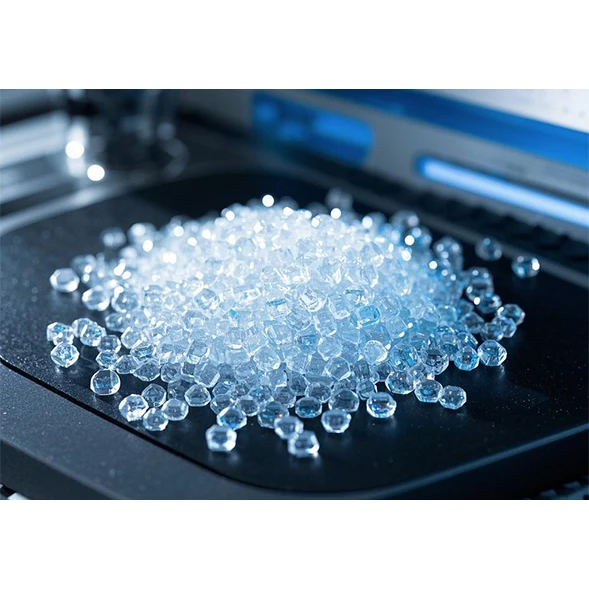
Industrial polycarbonate is traditionally produced from petrochemical feedstocks and bisphenol-based intermediates. The conventional routes have historically centered on the reaction of bisphenol-A with phosgene or on melt transesterification chemistry using carbonate intermediates, with process selection shaped by purity, economics, and environmental controls.
Main production route families
- Phosgene-based interfacial process: long established, highly efficient, and capable of producing high-quality resin, but it relies on phosgene handling and associated safety systems.
- Melt transesterification route: avoids phosgene in the final polymerization step and is often discussed as a cleaner process route, though it still requires tightly controlled purification and high-temperature operation.
- Alternative monomer systems: use different diols, carbonates, or co-monomers to tailor heat resistance, transparency, or chemical resistance.
The raw feedstock chain is closely tied to aromatics, phenol derivatives, chlorine chemistry in phosgene-based systems, and carbonyl-containing carbonate intermediates. As a result, PC production is exposed to feedstock price volatility and energy-cost swings, especially where electricity and steam demand are significant.
Leading global producers
Several major chemical companies are well known in the polycarbonate market, including Covestro, SABIC, Mitsubishi Chemical, LG Chem, Teijin, and Bayer-origin legacy technology platforms, with regional suppliers also significant in Asia and Europe. These producers influence the market through resin capacity, specialty grades, compounding, licensing, and integrated feedstock positioning.
Applications and End-Use Markets
Polycarbonate is used where transparency, impact resistance, and dimensional stability are needed simultaneously.
| End-use sector | Typical PC grade / process | Why PC is selected |
|---|---|---|
| Safety glazing, shields, machine guards | Sheet, multilayer sheet, hard-coated grades | High impact resistance and optical clarity |
| Automotive | Injection molding, glazing sheet, lighting grades | Weight reduction, toughness, heat resistance |
| Electrical and electronics | Flame-retardant injection grades | Electrical insulation and dimensional stability |
| Lighting and optics | Optical, transparent, UV-stabilized grades | Light transmission and refractive performance |
| Medical devices | Clean, transparent, sterilizable grades | Visibility, toughness, and good dimensional control |
| Construction and architecture | Extruded sheet, roofing, skylights, barriers | Light transmission, weatherability, and impact resistance |
| Consumer goods | Molded housings, lenses, reusable products | Aesthetics, durability, and processability |
| Additive manufacturing | Filament and specialized print grades | Heat resistance and functional prototypes |
Major application notes
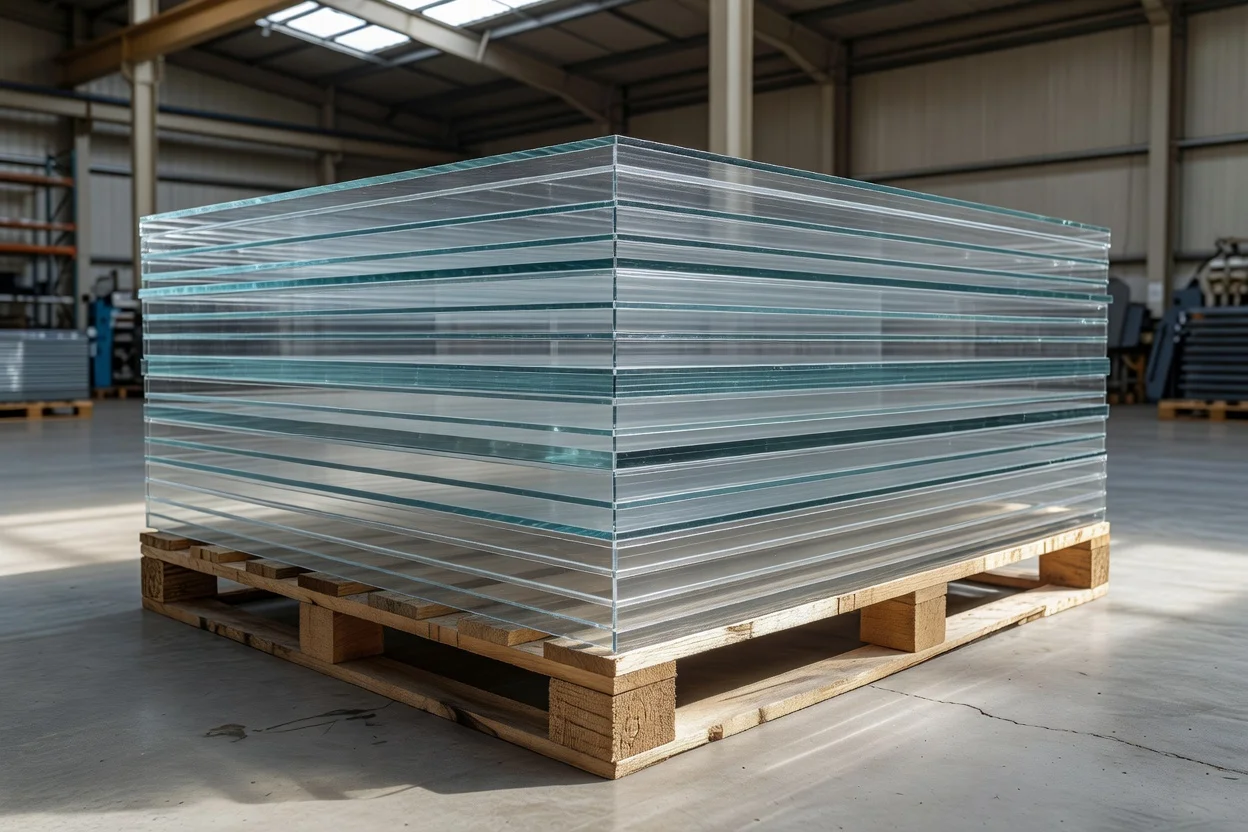
- Film and sheet: used for glazing, protective panels, skylights, roof domes, greenhouse panels, and machine guards.
- Electrical and electronic housings: standard and flame-retardant grades are widely used for connectors, switchgear, and enclosures because of insulation and heat performance.
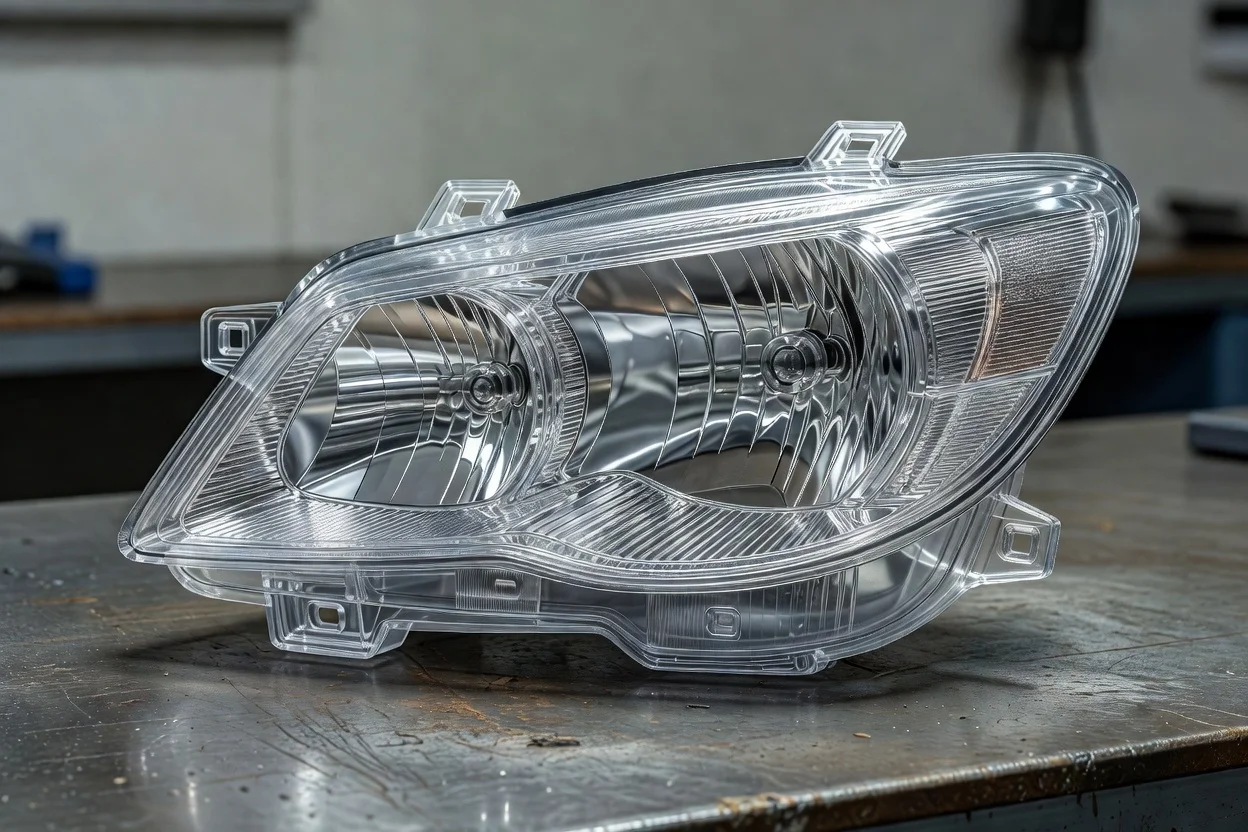
- Automotive lighting and glazing: PC is used for headlamp lenses, interior trims, and lightweight transparent components.
- Medical and laboratory products: clarity and toughness support instrument housings, disposable components, and protective devices.
- Optical media and lenses: PC historically played a major role in CDs and DVDs and continues in selected optical parts and light guides.
- A poor-fit use: high-scratch, chemically aggressive environments are generally poor fits because the material is sensitive to abrasion and certain solvents, unless protected by coatings or system design.
Environmental and Sustainability Aspects
Polycarbonate’s sustainability profile is mixed. On one hand, it is derived largely from petrochemical feedstocks and has historically depended on carbon-intensive upstream chemistry. On the other hand, it often replaces heavier or more breakable materials such as glass and metal, potentially reducing transport mass, breakage losses, and in some building applications even improving energy performance through daylighting and insulation benefits.
Recyclability and circularity
- Mechanical recycling is possible, especially for clean post-industrial scrap and selected post-consumer streams, but properties can be affected by contamination, heat history, and additives.
- Chemical recycling and depolymerization are of interest because they can, in principle, recover higher-purity feedstocks for closed-loop reuse.
- Design-for-recycling remains important because multilayer constructions, coatings, pigments, and flame-retardant packages can complicate end-of-life recovery.
Bio-based and lower-carbon alternatives
Research and commercialization efforts are exploring bio-based feedstocks and alternative carbonate chemistry pathways, but large-scale substitution remains limited by cost, availability, and performance qualification requirements. For many end uses, the practical sustainability strategy is therefore not simple replacement but longer service life, reuse, remanufacturing, and improved recycling infrastructure.
Carbon footprint considerations
The carbon footprint of PC depends strongly on feedstock origin, process energy, yield, and end-of-life treatment. Its lightweighting and durability can offset some upstream impacts in certain applications, but this benefit is application-specific and should not be assumed universally. In outdoor building products, long life and functional replacement of glass can improve resource efficiency; in short-life disposable goods, the sustainability case is weaker.
Economic and Global Market Impact
Polycarbonate occupies a premium position in the engineering plastics market because it balances performance with processability, making it valuable in safety-critical and appearance-sensitive components. Its price is generally higher than commodity resins, so demand is concentrated in applications where its property profile delivers system-level value rather than lowest-cost substitution.
Market dynamics are shaped by:
- feedstock costs and energy prices,
- capacity additions in Asia and the Middle East,
- downstream demand from automotive, electrical, construction, and consumer electronics,
- regulatory pressure around BPA-related chemistry and circularity,
- substitution pressures from acrylic, glass, PET, PMMA, and advanced blends.
Producers with integrated technologies and broad specialty portfolios tend to be strongest in higher-margin segments, while regional suppliers often compete on sheet, standard molding compounds, and local supply reliability.
Current Challenges and Innovations
Main technical challenges
- Surface scratching
- Chemical stress cracking
- UV aging in untreated outdoor use
- Flammability and smoke management in certain grades
- Moisture sensitivity during processing and in severe service environments
Innovation directions
- Hard-coated PC sheets and parts for improved abrasion resistance
- UV-stabilized and weatherable formulations for construction and outdoor transport
- Flame-retardant systems designed to balance regulatory compliance with performance
- Recycled-content and mass-balance PC for lower fossil intensity
- Bio-circular or alternative monomer routes to reduce dependence on virgin petrochemical inputs
- Blends and copolymers that improve chemical resistance, flow, or low-temperature toughness
- Conductive and antistatic grades for electronics, packaging equipment, and industrial components
In processing, practical control remains essential. Typical molding temperatures are high, and tools are often maintained at elevated temperatures to reduce residual stress and optical defects. This process sensitivity is a key reason why PC rewards disciplined manufacturing but can perform poorly if handled like a commodity resin.
Future Outlook
Polycarbonate is likely to remain a core engineering thermoplastic because its property combination is difficult to replicate at the same cost-performance point. Growth opportunities are strongest in lightweight mobility, electrical and electronic miniaturization, protective glazing, medical devices, and high-durability transparent components.
The most important long-term shifts are expected to be:
- greater use of recycled and lower-carbon feedstocks,
- more stringent regulation around chemical safety and end-of-life recovery,
- improved scratch and weather resistance through coatings and nanocomposite engineering,
- continued substitution of glass and metal in selected lightweight applications,
- gradual expansion of circular supply chains for high-purity polycarbonate scrap.
Summary
Polycarbonate is a transparent, tough, heat-resistant engineering thermoplastic that combines optical clarity with impact performance in a way few materials can match. Its value lies in its ability to replace glass or lower-performance plastics in demanding applications, while its main weaknesses are surface scratching, chemical stress cracking, and recycling complexity. The future of PC will depend on how effectively the industry improves circularity, reduces carbon intensity, and adds performance through coatings, blends, and specialized grades.
References
- •
Polycarbonate (PC). (n.d.). British Plastics Federation. https://www.bpf.co.uk/plastipedia/polymers/Polycarbonate.aspxLink
- •
Polycarbonate (PC): Properties, sustainability, and key applications. (2026, April 27). SpecialChem. https://www.specialchem.com/plastics/guide/polycarbonate-pc-plasticLink
- •
Polycarbonate. (2025, September 12). ScienceDirect. https://www.sciencedirect.com/topics/materials-science/polycarbonateLink
- •
Polycarbonate (PC) chemical resistance & properties. (2019, May 17). Lorric. https://www.lorric.com/en/Articles/Material/plastic/material-chemical-resistance-chart-PCLink
- •
Polycarbonate (PC): Properties, applications and processing. (2022, August 18). K.D. Feddersen. https://kdfeddersen.com/en/products/polymers/polycarbonateLink
- •
PC (polycarbonate). (n.d.). Stratasys. https://www.stratasys.com/siteassets/materials/materials-catalog/fdm-materials/pc/mds_fdm_pc_0422a.pdfLink
- •
Polycarbonate (PC) material guide. (n.d.). GCNOV. https://gcnov.com/polycarbonate-pc-material-guide/Link
- •
Polycarbonate (PC). (2024, November 19). Wanplas. https://www.wanplas.com/industry-knowledge/plastic-materials/polycarbonate-pc/Link
- •
What is polycarbonate? Properties, uses & processing. (2026, March 30). UDTECH. https://ud-machine.com/blog/what-is-polycarbonate/Link
- •
Polycarbonate (PC): Definition, properties, and uses. (2022, May 7). Xometry. https://www.xometry.com/resources/materials/polycarbonate/Link
- •
What are polycarbonates (PCs)? (2023, October 2). Asahi Kasei. https://www.asahi-kasei-plastics.com/en/column/09/Link
- •
Polycarbonate: Advantages, disadvantages, and applications. (n.d.). Protolabs. https://www.protolabs.com/materials/polycarbonate/Link
- •
PC plastic: Properties, processing & applications guide. (2025, December 7). Rapid Protos. https://www.rapid-protos.com/pc-plastic/Link
- •
Polycarbonate. (2004, March 19). Wikipedia. https://en.wikipedia.org/wiki/PolycarbonateLink
- •
PC plastic - polycarbonate. (n.d.). Ensinger. https://www.ensingerplastics.com/en-us/thermoplastic-materials/pc-polycarbonateLink
- •
What is polycarbonate (PC): An in-depth guide. (2024, September 20). Patsnap. https://eureka.patsnap.com/blog/what-is-polycarbonate-pc/Link
- •
Conductive polycarbonate - properties - supplier data. (2026, August 20). AZoM. https://www.azom.com/properties.aspx?ArticleID=2008Link
- •
Know your materials: Polycarbonate (PC). (2022, September 28). SyBridge Technologies. https://sybridge.com/know-your-materials-polycarbonate/Link
- •
Polycarbonate (PC) filament review. (2024, September 9). JuggerBot 3D. https://juggerbot3d.com/pc-filament-review/Link
- •
Polycarbonate (PC) in the real world: 5 uses you'll actually see. (2025, October 1). LinkedIn. https://www.linkedin.com/pulse/polycarbonate-pc-real-world-5-uses-youll-actually-see-qcbrcLink
- •
PC material advantages and disadvantages. (2023, November 14). KY-Plastics. https://www.ky-plastics.com/info/pc-material-advantages-and-disadvantages-88719005.htmlLink
- •
Polycarbonate vs. acrylic: What to know about these different plastics. (2025, April 29). LSRPF. https://www.lsrpf.com/blog/polycarbonate-vs-acrylic-what-to-know-about-these-different-plasticsLink
- •
What is polycarbonate (PC)? Introduce its features, applications. (2025, July 9). LinkedIn. https://www.linkedin.com/pulse/what-polycarbonate-pc-introduce-its-features-applications-chembull-kjbzcLink
- •
Ưu điểm và nhược điểm của vật liệu PC - Giới thiệu vật liệu. (2023, November 14). KY-Plastics. https://vn.ky-plastics.com/info/pc-material-advantages-and-disadvantages-89078722.htmlLink
- •
What is polycarbonate. (n.d.). Dotmar. https://www.dotmar.com.au/insights/educational/what-is-polycarbonateLink
- •
What is PC material: Strength, uses, and limits. (2026, March 9). Science Insights. https://scienceinsights.org/what-is-pc-material-strength-uses-and-limits/Link
- •
What are the advantages and disadvantages of polycarbonate? (2025, March 14). Custom Plastic Mold. https://www.custom-plastic-mold.com/info/what-are-the-advantages-and-disadvantages-of-p-102840751.htmlLink
- •
Typical properties of polycarbonate. (n.d.). iPolymer. https://www.ipolymer.com/pdf/Polycarbonate.pdfLink
- •
Polycarbonate vs. PVC: Material differences and.... (2022, December 31). Xometry. https://www.xometry.com/resources/materials/polycarbonate-vs-pvc/Link
- •
View polycarbonate strength, impact resistance. (2025, January 30). Curbell Plastics. https://www.curbellplastics.com/materials/plastics/polycarbonate/Link
- •
Applications that polycarbonate is used for. (2021, December 10). Inplex. https://www.inplexllc.com/blog/applications-that-polycarbonate-is-used-for/Link
- •
Polycarbonate overview: Pros and cons. (2025, May 15). Scribd. https://www.scribd.com/presentation/527247319/Poly-CarbonateLink
- •
The advantages and disadvantages of polycarbonate sheets. (2022, July 25). UNQ. https://www.unqpc.com/the-advantages-and-disadvantages-of-polycarbonate-sheets/Link
- •
Polycarbonate: Benefits, challenges, and applications. (2025, August 14). Prototek. https://prototek.com/article/polycarbonate-benefits-challenges-and-applications/Link
- •
Exploring the pros and cons of polycarbonate sheets. (2024, June 4). Excelite. https://exceliteplas.com/exploring-the-pros-and-cons-of-polycarbonate-sheets/Link