
Introduction
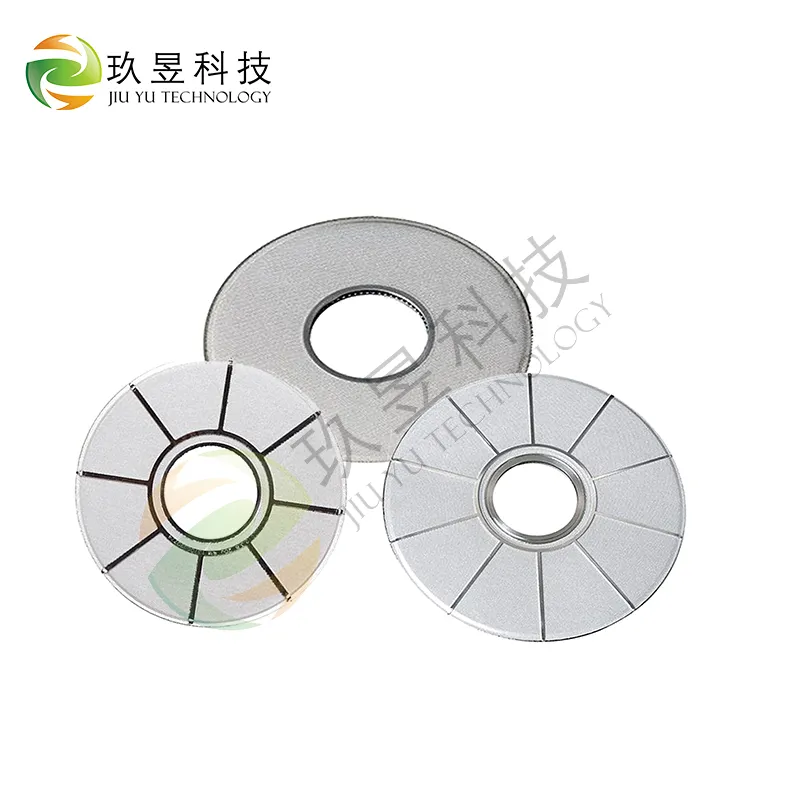
Melt filters are industrial filtration devices used to remove solid contaminants, gels, degraded polymer, and other unwanted particles from molten plastics before the melt reaches the die, spinneret, or downstream forming equipment. They are a core enabling technology in extrusion, compounding, recycling, and high-purity polymer production because they improve product quality, stabilize pressure, protect equipment, and make more demanding applications possible, especially when feedstocks contain contamination or recycled content.
In plastics processing, melt filtration occupies a position between upstream melting and downstream shaping: it is not primarily a chemical purification step, but a mechanical separation step that can determine whether a line runs continuously or is repeatedly interrupted by die fouling, screen plugging, or product defects. Modern systems range from simple manual screen changers to continuous self-cleaning filtration units designed for heavily contaminated post-consumer recyclate and high-throughput production lines.
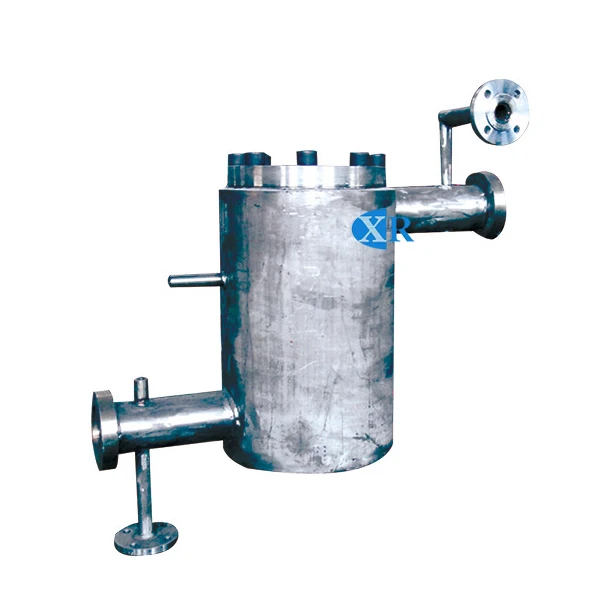
The technology has become especially important as processors increase the use of post-consumer recycled (PCR) and post-industrial recycled material, where contamination may include paper, aluminum, wood, rubber, fibers, foreign polymers, and charred or degraded resin. At the same time, melt filters are evolving toward higher automation, lower melt loss, better pressure stability, and improved compatibility with circular-economy processing, including reclaim, pelletizing, sheet and profile extrusion, and fiber applications.
History and development
Melt filtration developed alongside modern extrusion as processors sought a reliable way to remove contaminants from continuous polymer melts. Early systems relied on wire meshes and screen packs placed in the melt stream, a concept that remains fundamental in many extrusion lines today.
Three important milestones shaped the field:
- The adoption of screen packs and breaker plates in extrusion established the basic architecture of melt filtration by combining coarse support with finer filtration media.
- The expansion of continuous screen changers improved productivity by allowing filtration media to be changed without fully stopping the line, a major step for compounding and recycling operations.
- The rise of post-consumer recycling created demand for high-capacity, self-cleaning melt filters capable of handling mixed contaminants and fluctuating feed quality, accelerating development of continuous and laser-filter systems.
Recent research and product development have focused on pressure-drop management, flow distribution, automatic cleaning, and filtration under variable contamination loads, particularly for film casting and recycling applications.
Working principle and technical overview
A melt filter removes solids from a polymer melt by forcing the viscous, high-temperature stream through a porous barrier such as a wire mesh, sintered medium, candle element, wedge-wire element, or screen pack. Particles larger than the effective pore opening are retained, while filtered melt passes onward to the die or pelletizer.
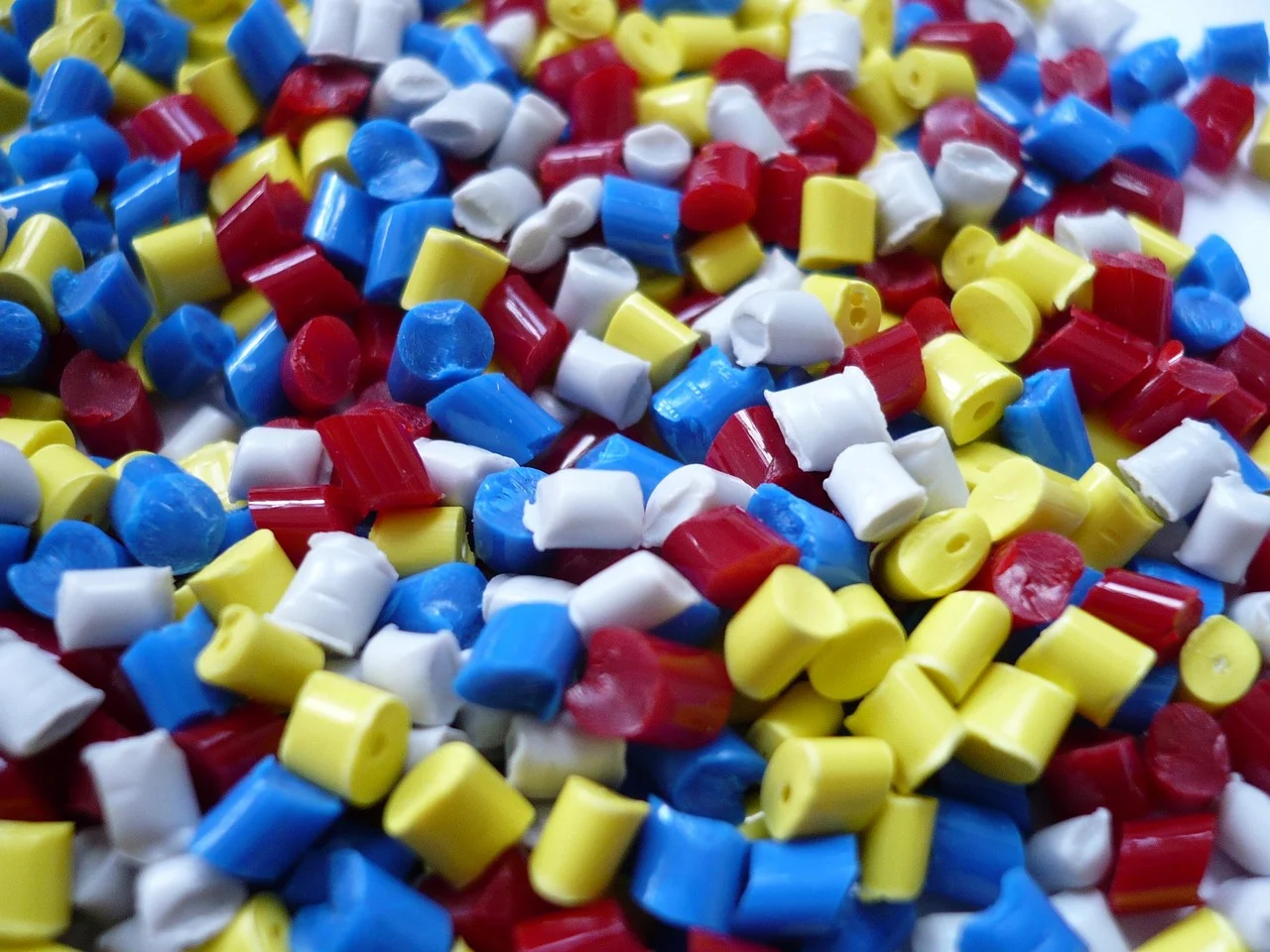
In practical extrusion systems, the filter is typically installed between the extruder output and the die inlet, where it must withstand high temperature, high pressure, and chemically aggressive or shear-sensitive polymers. The principal operating variables are:
- Mesh or pore size, which determines the smallest retained particles and the trade-off between cleanliness and pressure drop.
- Pressure drop (ΔP), which increases as the filter loads with contaminants and directly affects process stability and energy demand.
- Throughput, which depends on melt viscosity, contamination level, filter area, and the degree of automation.
- Melt temperature and residence time, which influence polymer degradation, gel formation, and filtration performance.
In recycling and reclaim processing, melt filters are often used not only to improve product quality but also to recover useful polymer from contaminated streams that would otherwise have limited value.
Typical technical benchmarks reported in industrial practice include:
- Throughputs from roughly 150 to 10,000 kg/h for large continuous systems, depending on polymer, contamination, and configuration.
- Contamination tolerance up to about 16% by weight in certain continuous recycling-oriented filters.
- Residual moisture is not normally controlled by the melt filter itself, but upstream centrifugal dewatering in recycled flake preparation commonly leaves material at low moisture levels suitable for melting; in industrial recycling lines, this step is often paired with melt filtration to reduce steam formation and defects.
- In film and fiber applications, particle thresholds can be process-critical at approximately 80–150 μm for film extrusion and 30–50 μm for fiber spinning, where even small solids can cause pinholes, die lines, or filament breaks.
Because filtration media load over time, melt filters must balance cleanliness against productivity. Excessive pressure drop can cause temperature rise, energy penalties, and melt degradation, while insufficient filtration allows defects to reach the final product.
Main types and variations
| Type | Main feature | Typical use | Strengths | Limitations |
|---|---|---|---|---|
| Manual screen pack | Replaceable mesh stack | Virgin or lightly contaminated extrusion | Simple, low cost | Requires shutdown or interruption |
| Manual screen changer | Quick media exchange | General extrusion and compounding | Lower downtime than fixed packs | Still operator-dependent |
| Continuous back-flushing filter | Self-cleaning filtration during operation | Recycling, high-contamination PCR | Continuous operation, higher uptime | More complex and costly |
| Laser or fine-filtration system | Very fine contaminant removal | High-quality recyclate, demanding end uses | Better removal of small contaminants | Sensitive to pressure and feed variability |
| Disc, candle, or leaf-type system | Large filtration area | Specialty films, fibers, high-purity melts | Good area-to-volume ratio | Higher system complexity |
Continuous melt filters are especially important in recycling lines and in operations where line stoppage is expensive or undesirable. Traditional screen changers remain widely used where contamination is moderate and product specifications are less demanding.
Materials and polymer compatibility
Melt filters are used with a broad range of thermoplastics and compound families, including LDPE, LLDPE, HDPE, PP, PS, ABS, PC/ABS, TPE, TPU, POM, PET, and PA. Application suitability depends on melt rheology, temperature window, contamination profile, and tolerance for shear and pressure rise.
Some systems are especially associated with:
- PET and PA in clean or lightly contaminated streams, including bottle-flake recycling and sheet production.
- Polyolefins such as PE and PP in post-consumer recycling and packaging applications.
- High-purity engineering polymers where gels, black specks, and undissolved particles must be removed before downstream conversion.
PVC is often treated cautiously in melt-filtration practice because of its thermal sensitivity and corrosive decomposition behavior, which can complicate filtration and downstream processing.
Applications and uses
Melt filters are used wherever molten polymer must meet quality, appearance, or functional requirements that raw feedstock cannot reliably satisfy.
- Packaging films: Filters remove gels, black specks, and foreign particles that would otherwise cause pinholes, haze, or die lines.
- Bottle-flake recycling: Filters clean PET flake streams for conversion into sheet, tape, fibers, or other higher-value products.
- Sheet and profile extrusion: Filtration stabilizes appearance and prevents surface defects in visible products.
- Fiber and filament spinning: Fine filtration is critical because small solids can break filaments or block spinnerets.
- Compounding and masterbatch: Melt filtration removes agglomerates and contaminants before pelletizing or downstream use.
- Technical and engineering plastics: High-purity filtration supports demanding applications in automotive, electronics, and medical-related plastics.
- Hot-melt adhesives and specialty polymers: Filters remove gels and undissolved matter that would impair dispensing or bonding performance.
A poor-fit application is highly thermally sensitive polymers or formulations that degrade rapidly under the additional residence time and pressure needed for fine filtration; in such cases, filtration strategy must be chosen very carefully to avoid worsening melt quality rather than improving it.
Role in recycling and circular plastics processing
Melt filters are central to modern plastics recycling because mechanical recycling almost always leaves some mixture of non-melting or differently melting contaminants in the melt stream. Common contaminants include paper, cardboard, wood, aluminum, rubber, labels, and foreign polymers, all of which can reduce pellet quality and limit end-use options.
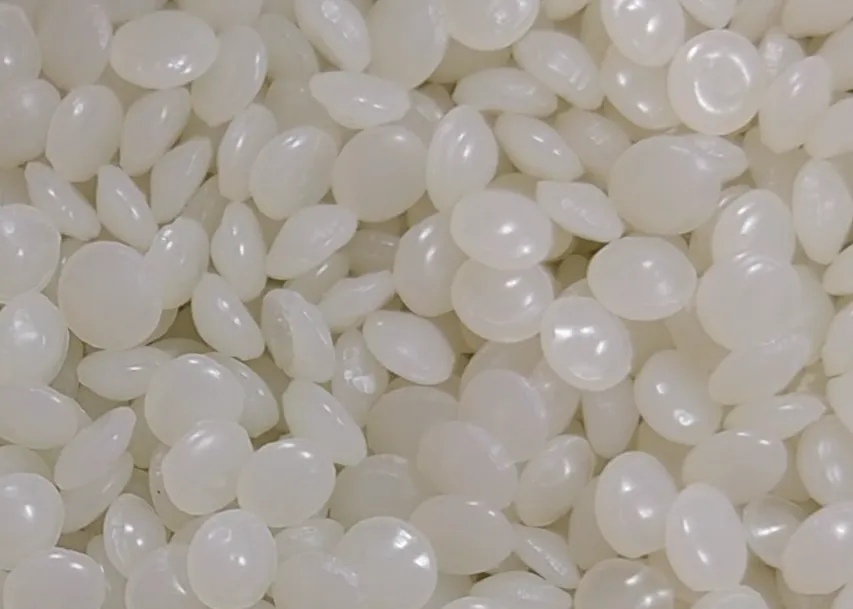
In recycling plants, melt filtration serves several functions:
- It upgrades lower-grade scrap into usable pellets or flakes.
- It reduces visible defects and mechanical weak points in the final resin.
- It protects pelletizers, pumps, dies, and downstream forming equipment from abrasion and plugging.
- It helps processors meet tighter specifications for film, sheet, and fiber applications.
The growth of recycled-content packaging and industrial recovery streams has increased demand for filters that can handle inconsistent contamination levels without frequent shutdowns.
Technological innovations and automation
Modern melt filtration increasingly relies on automation to maintain stable quality while minimizing operator intervention. Key innovations include:
- Continuous self-cleaning systems that remove contaminants without stopping production.
- Automatic screen changers that reduce downtime in extrusion and compounding.
- Pressure-monitoring and adaptive control to manage filter loading and optimize changeover timing.
- Large-area filtration designs that lower pressure drop and extend operating intervals.
- Integrated recycling filtration lines that combine extrusion, devolatilization, filtration, and pelletizing in a single process train.
Automation offers clear gains in uptime and labor efficiency, but it also increases capital cost, mechanical complexity, and maintenance requirements. For many processors, the right choice depends on whether the plant prioritizes lowest initial cost, highest product purity, or uninterrupted operation under variable feedstock conditions.
Environmental and sustainability aspects
Melt filters contribute to sustainability primarily by enabling the use of contaminated and recycled feedstocks that would otherwise be downgraded or discarded. By removing non-meltable solids and defects, they increase the yield of usable polymer and support circular-economy processing.
Environmental benefits include:
- Higher recyclate utilization through removal of contaminants from waste plastics.
- Reduced scrap and reject rates because cleaner melt produces fewer defects.
- Longer equipment life through protection of pumps, dies, and spinnerets from abrasive particles.
- Potential energy savings at plant level when filtration reduces line stoppages and rework, although the filter itself adds pressure drop and therefore consumes some additional energy.
The main sustainability trade-off is that tighter filtration usually increases pressure drop, which can raise energy demand and melt temperature if the system is poorly designed or overloaded. For this reason, sustainability performance depends not just on filtration presence, but on filtration efficiency, cleaning strategy, and process integration.
Economic and market impact
Melt filters influence plant economics by affecting yield, downtime, product grade, and the value of recycled material. In many extrusion and recycling plants, the filtration stage is justified by reduced scrap, fewer line interruptions, and access to higher-value end markets.
Market demand is strongest in:
- Recycling, where contamination is high and feedstock quality is variable.
- Packaging, where visual defects and barrier integrity are critical.
- Engineering and specialty polymers, where even small defects can invalidate high-value output.
Suppliers such as Maag, Nordson, and Gneuss are known for screen changers and continuous melt filtration systems, with product portfolios spanning recycling, compounding, sheet, and fiber applications. Their systems illustrate the commercial trend toward high-throughput, low-downtime filtration architectures tailored to specific contamination profiles.
Current challenges and engineering trade-offs
The main challenges in melt filtration are not conceptual but operational:
- Pressure rise as the filter loads, which can destabilize the extrusion process.
- Melt degradation caused by excessive residence time, shear, or temperature increase.
- Variable contamination in recycled feedstocks, which complicates filter selection and sizing.
- Fine filtration versus throughput, a persistent trade-off in high-speed lines.
- Maintenance and wear, especially in abrasive, filled, or highly contaminated materials.
A practical design must therefore balance particle removal efficiency, acceptable pressure drop, thermal stability, and service interval. The optimal system for virgin polymer may be unsuitable for heavily contaminated recycling feed because the dominant constraint changes from cleanliness to uptime.
Future outlook
Future melt-filter development is likely to focus on three directions:
- Higher automation and predictive control, using pressure and flow data to forecast screen loading and cleaning intervals.
- Greater compatibility with mixed and recycled feedstocks, especially in packaging and consumer goods applications.
- Lower-pressure, larger-area filtration geometries that preserve melt quality while reducing energy penalties.
As circular plastics systems expand, melt filters will likely become even more important as the quality gate between heterogeneous waste streams and high-performance polymer products. Their role will increasingly connect material science, process engineering, and sustainability strategy in a single machine-stage decision.
References
- •
Melt filtration - an overview. (n.d.). ScienceDirect. https://www.sciencedirect.com/topics/engineering/melt-filtrationLink
- •
What is melt filtration. (2022, October 11). John Crane. https://www.johncrane.com/en/resources/blog/2022/what-is-melt-filtrationLink
- •
Continuous melt filtration offers better quality and longer production outputs. (2025, January 1). Plastemart. https://www.plastemart.com/plastic-technical-articles/continuous-melt-filtration-offers-better-quality-and-longer-production-outputs/1368Link
- •
What is melt filtration. (2022, October 11). John Crane. https://www.johncrane.com/en/resources/blog/what-is-melt-filtrationLink
- •
Polymer melt filter in the real world: 5 uses you'll actually use. (2025, October 3). LinkedIn. https://www.linkedin.com/pulse/polymer-melt-filter-real-world-5-uses-youll-actually-cxupfLink
- •
Melt filtration in plastic recycling. (n.d.). Pureloop. https://www.pureloop.com/en/blog/melt-filtration--100/Link
- •
BKG® screen changers and polymer melt filtration systems. (2023, September 14). Nordson. https://www.nordson.com/en/divisions/polymer-processing-systems/melt-filters---product-category-pageLink
- •
PE102804. (n.d.). https://res.cloudinary.com/sternwald-systems/raw/upload/v1/hugoprd/ARTIKEL_ATTACH/00242B49_6FA01BEE2266/b069a4ae513dd52f414bc3043c52f1923b2d1b25/PE_2004_02_Technology-Survey-Melt-Filters-for-Compounding-Polymers.pdfLink
- •
Melt filtration options and alternatives. (n.d.). P2 InfoHouse. https://p2infohouse.org/ref/14/13545.pdfLink
- •
Melt blown filter technology recommended for industrial applications. (n.d.). Pall. https://www.pall.com/content/dam/pall/industrial-manufacturing/literature-library/non-gated/MELTBLOWN_BROCHURE.pdfLink
- •
Enhancing polymer melt filter performance. (2025, August 29). John Crane. https://www.johncrane.com/en/resources/blog/part-1-polymer-melt-filter-optimisationLink
- •
What is melt blown filter cartridges? (2024, March 13). Filter.vn. https://filter.vn/technical-blog/what-is-melt-blown-filter-cartridges/Link
- •
Choosing a melt filtration system. (n.d.). ScienceDirect. https://www.sciencedirect.com/science/article/abs/pii/S1464391X0870093XLink
- •
Finding the right melt filtration system for post-consumer recycling. (2020, February 21). Plastics Technology. https://www.ptonline.com/blog/post/finding-the-right-melt-filtration-system-for-post-consumer-recyclingLink
- •
High performance melt filter ERF. (2024, June 25). Maag. https://maag.com/products/high-performance-melt-filter-erf/Link
- •
Melt blown vs. string wound filter cartridges. (2025, March 28). AAL Filter. https://www.aalfilter.com/blog/company-news/Melt-Blown-vs-String-Wound-Filter-Cartridge-Key-Differences-Best-Applications/Link
- •
High performance melt filter ECO. (2026, August 28). Maag. https://maag.com/products/high-performance-melt-filter-eco/Link
- •
Filtration systems. (n.d.). Maag. https://maag.com/categories/filtration/Link
- •
Trouble free melt filtration. (2020, December 7). Gneuss. https://www.gneuss.com/en/trouble-free-melt-filtration/Link
- •
Melt blown filter: Features, benefits, and applications. (n.d.). Membrane Solutions. https://www.membrane-solutions.com/blog-Melt-Blown-Filter-Features-Benefits-and-ApplicationsLink
- •
Why melt filtration is critical for plastic reclaim compounding. (2025, September 18). Ameinpro. https://ameinpro.com/7-why-melt-filtration-is-critical-for-plastic-reclaim-compounding/Link
- •
Optimising polymer melt filter design. (2025, August 29). John Crane. https://www.johncrane.com/en/resources/blog/part-2-polymer-melt-filter-optimisationLink
- •
Melt filter for plastic recycling extrusion machine. (2022, October 6). Genius Plas. https://www.geniusplas.com/en/article/melt-filters-for-plastic-recycling-extrusion-machines.htmlLink
- •
Melt polymer filtration applications. (n.d.). Futai Filters. https://www.futaifilters.com/application/melt-polymer-filtration-applications/Link
- •
What is the melt filtration system (screen changer, melt filter). (2024, September 13). LinkedIn. https://www.linkedin.com/pulse/what-melt-filtration-system-screen-changer-filter-pump-liu-mba-fzehcLink
- •
Polymer melt filtration: Complete guide. (2026, May 17). Cofit. https://cofit.com/blog/polymer-melt-filtration/Link
- •
Final melt filtration for optimal polymer production process. (2024, February 9). Pall. https://www.pall.com/en/chemicals-polymers/polymer/final-polymer-filtration.htmlLink
- •
Chemical engineering research and design. (n.d.). White Rose Research Online. https://eprints.whiterose.ac.uk/id/eprint/231409/8/1-s2.0-S0263876225004642-main.pdfLink
- •
How to choose melt filters. (2013, July 20). K Online. https://www.k-online.com/en/Media_News/News/How_to_Choose_Melt_FiltersLink
- •
Performance factors to.... (2026, March 1). Weston Nonwoven. https://www.westonnonwoven.com/info/what-is-the-difference-between-pleated-and-mel-103411691.htmlLink
- •
Polymer melt filter elements. (2024, January 9). Lianda Filter. https://www.liandafilter.com/other-metal-filter-elements/polymer-melt-filter-elements/Link
- •
Melt filtering. (n.d.). Plastima Breda BV. https://www.plastima.nl/en/markets/extrusion/melt-filteringLink
- •
Melt filters / screen changers. (n.d.). Ustun Is Makina. https://www.ustunismakina.com/melt-filters-screen-changersLink
- •
Melt filtering. (n.d.). Plastima Breda B.V. https://www.plastima.nl/en/processes/extrusion/melt-filteringLink
- •
Recycling melt filters. (2025, January 1). Carolina PEC. https://www.carolinapec.com/parts/recycling-melt-filtersLink
- •
Pleated melt filter.... (2026, January 22). Filtramate. https://filtramate.com/polymer-melt-filter-cartridge-guide-pleated-vs-cylindrical/Link