
Introduction
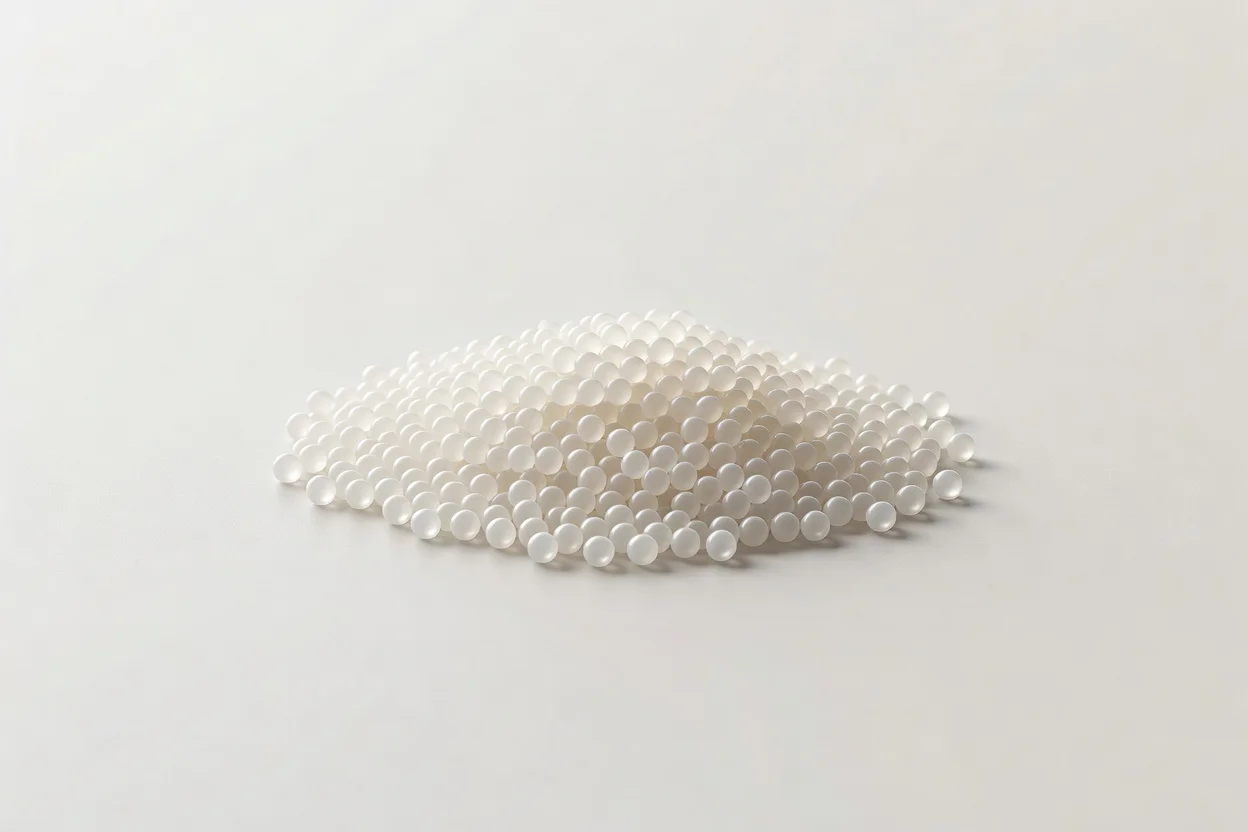
Anti-hydrolysis agents are polymer additives designed to slow or prevent moisture-driven chain scission in hydrolytically sensitive materials, especially polyesters, polyurethanes, polyamides, and related condensation polymers. In plastics practice, they are used to preserve molecular weight, tensile strength, impact resistance, and appearance during processing and service in humid, wet, hot, or chemically aggressive environments.
The most established anti-hydrolysis chemistry is based on carbodiimides, which react with hydrolysis by-products such as carboxylic acids and sometimes water-derived species, thereby suppressing autocatalytic degradation. Other formulations can use oxazolines, epoxies, isocyanate-derived systems, or moisture-management approaches, but carbodiimide-based stabilizers are widely described as the mainstream high-efficiency option for polycondensates.
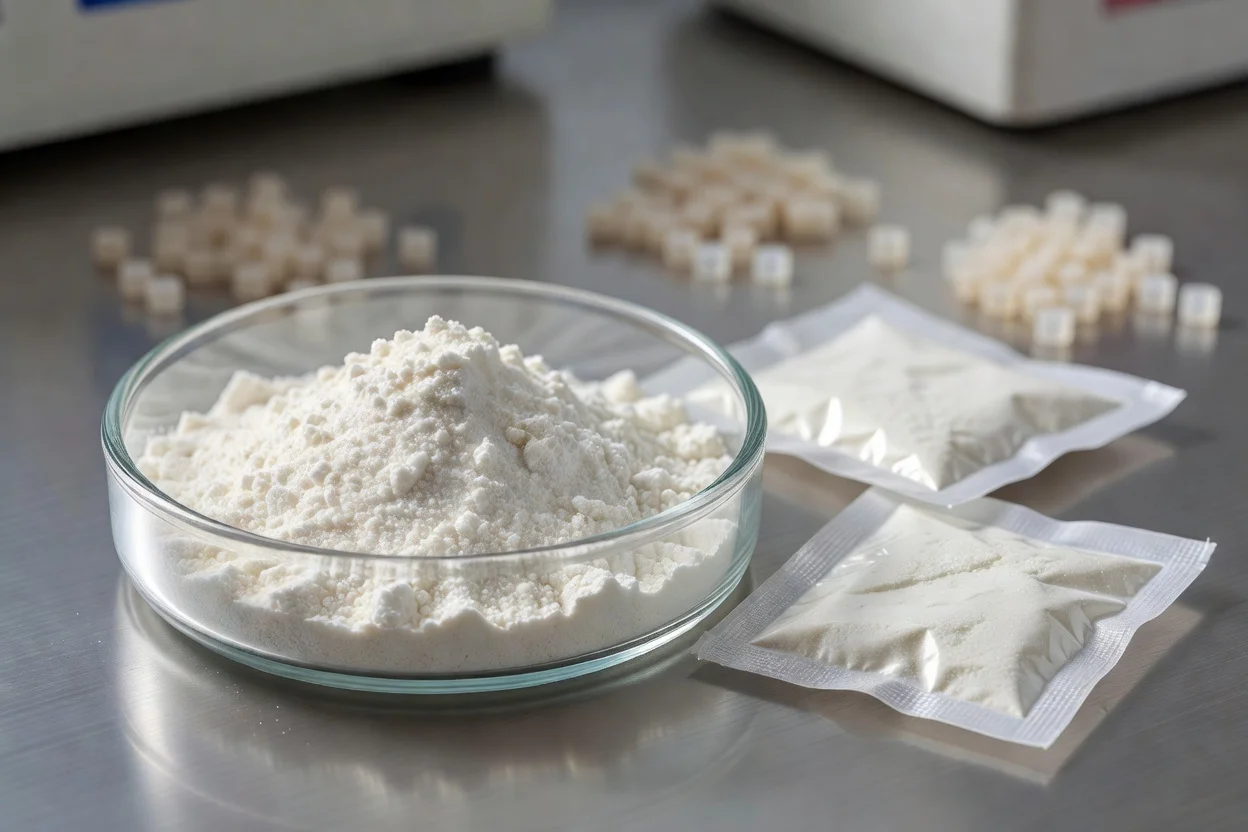
These additives matter because hydrolysis is one of the principal durability limits of ester- and urethane-containing plastics in real use. Their role has expanded with the growth of polyester-based engineering plastics, polyester elastomers, thermoplastic polyurethanes, bio-based polyesters, and recycled polymer streams, where residual moisture and acidic impurities can accelerate degradation during extrusion, injection molding, fiber spinning, or long-term outdoor exposure.
History and Development
Anti-hydrolysis protection emerged from broader polymer stabilization chemistry as processors sought to extend the usable life of moisture-sensitive plastics in automotive, electrical, textile, adhesive, and consumer applications. Early approaches relied on drying, storage control, and general-purpose stabilizer packages, but these measures were often insufficient for polyesters and polyurethanes exposed to heat and humidity.
The commercial development of carbodiimide stabilizers was particularly important because their reactive mechanism addressed the root cause of autocatalytic hydrolysis in many condensation polymers. Over time, suppliers expanded product families to include liquid and solid grades, low-volatility grades for extrusion, and systems tailored to polyesters, polyurethanes, adhesives, coatings, and biopolyesters.
More recently, demand has broadened in parallel with the use of PLA, PBAT, PHA, PET, PBT, TPU, TPEE, and polyester-based adhesives and dispersions. This has shifted anti-hydrolysis agents from niche stabilizers into broadly relevant performance additives for modern polymer formulation.
Chemical Structure and Key Properties
Anti-hydrolysis agents are a functional class rather than a single substance family. Their defining feature is the ability to reduce hydrolytic chain scission by one or more of the following actions:
- reacting with acidic hydrolysis products to suppress autocatalysis
- consuming reactive end groups that catalyze further bond cleavage
- reducing access of water to susceptible sites through physical or formulation effects
- improving network stability in reactive formulations such as adhesives, dispersions, and polyurethanes
| Common type | Typical role | Typical strength | Typical limitation |
|---|---|---|---|
| Carbodiimides | Scavenge acid and stabilize ester/urethane systems | High efficiency in polyesters and TPU | Can be formulation-sensitive and costlier than commodity additives |
| Oxazolines | React with acidic species or functional end groups | Useful in selected polyester systems | Less universal than carbodiimides |
| Epoxy-based systems | Interact with carboxyl ends and acidic species | Helpful as reactive stabilizers | Can alter rheology or cure behavior |
| Physical moisture-control additives | Reduce water ingress or availability | Simple implementation | Usually weaker than reactive stabilizers |
A central limitation of hydrolysis-sensitive polyesters is that hydrolysis often becomes autocatalytic: chain ends formed during degradation can create more acidic species, which accelerate further scission; the workaround is to add reactive stabilizers such as carbodiimides that neutralize those acidic products before the cycle intensifies. A second common limitation is that anti-hydrolysis agents must remain compatible with the host polymer and processing window; the workaround is to select low-volatility, thermally stable grades and to add them at a point in the process that minimizes premature reaction or loss.
Typical dosage levels are formulation-specific, but industry practice commonly uses low-percentage loadings rather than major compounding fractions; for example, carbodiimide stabilizers are often used as small but high-impact additives in polyester and polyurethane systems, where they improve hydrolysis resistance without materially changing the base polymer identity.
Production Processes and Raw Feedstocks
Anti-hydrolysis agents are generally produced through fine-chemical synthesis rather than bulk polymerization. Carbodiimide products, for example, are manufactured by routes that create monomeric or polymeric carbodiimide structures and then formulated into liquids, powders, or masterbatch-like systems for industrial handling.
Raw feedstocks depend on the chemistry:
- Carbodiimide-based systems generally derive from isocyanate-related or equivalent reactive intermediates used in specialty chemical synthesis.
- Oxazoline and epoxy systems are produced via established fine-chemical pathways and are then compounded into additive packages.
- Physical hydrolysis stabilizers may rely on moisture scavengers, compatibilizers, or barrier-enhancing components rather than a single reactive molecule.
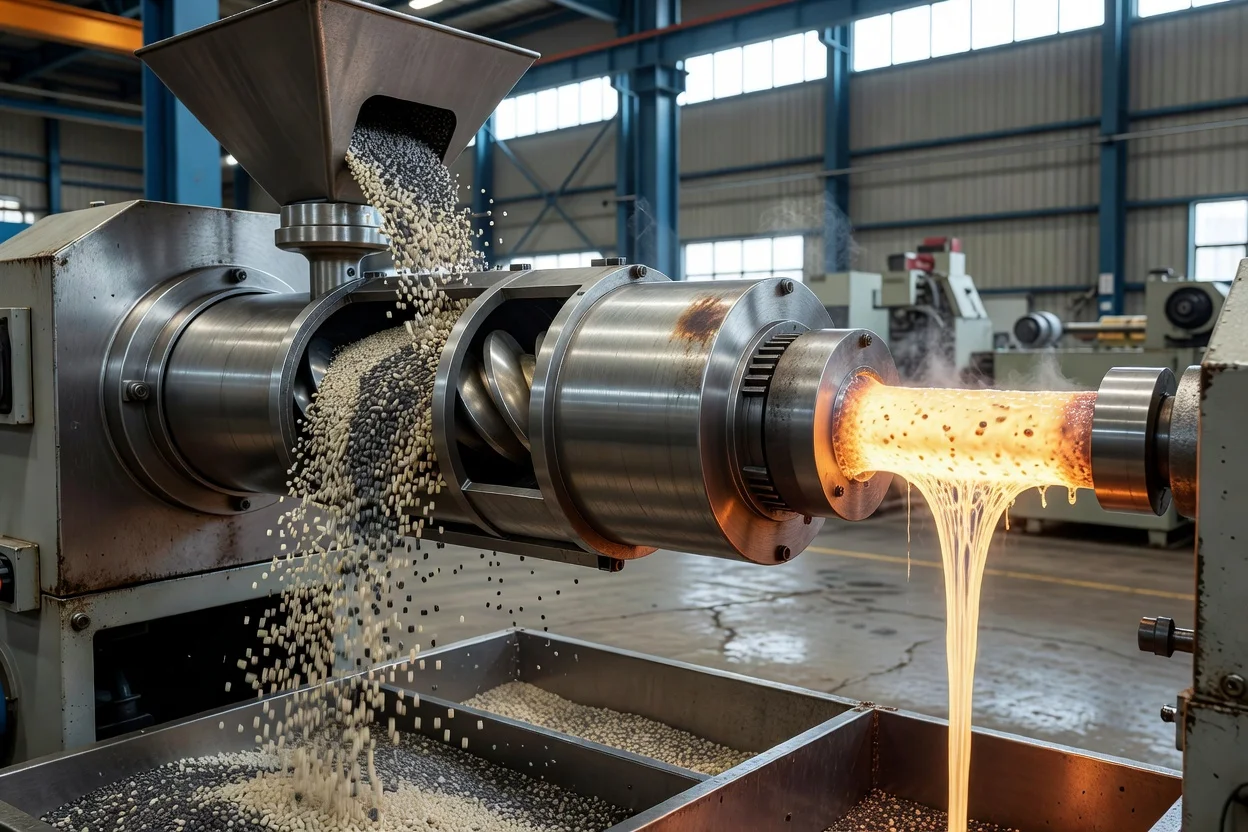
Processing considerations are important because these additives must survive melt processing, disperse uniformly, and avoid unwanted side reactions with catalysts, chain extenders, antioxidants, or pigments. In practice, additive selection is closely tied to residence time, processing temperature, moisture content of the resin, and whether the product will be extruded, molded, coated, spun, or reacted in situ.
Applications and End-Use Markets
Anti-hydrolysis agents are most valuable in applications where moisture and heat combine to degrade polymer performance. Major end-use markets include:
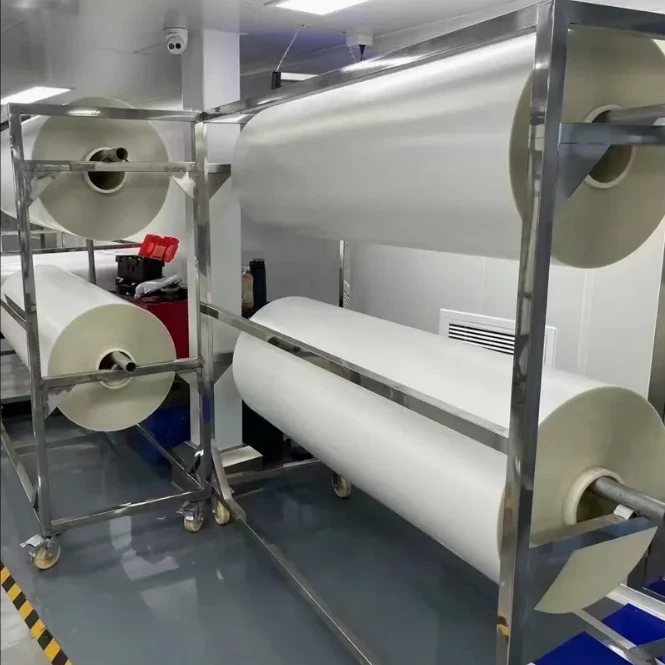
- Polyester films and packaging, where hydrolysis can reduce clarity, strength, and dimensional stability.
- Fibers and monofilaments, especially polyester monofilament and industrial yarns that face humid storage or service conditions.
- Polyurethane elastomers and TPU, including wheels, belts, seals, auxiliary springs, and shoe components.
- Adhesives and sealants, where long-term bond strength in humid environments is critical.
- Cable sheathing and electrical parts, which require retention of mechanical integrity in warm, damp service.
- Automotive parts, including interior and under-hood components exposed to elevated temperatures and humidity.
- Bio-based or biodegradable polyesters such as PLA and PBAT, where moisture sensitivity is often high and processing windows are narrower.
A useful way to map market fit is by polymer family:
| Polymer or product family | Usual anti-hydrolysis need | Typical additive approach |
|---|---|---|
| PET, PBT | Hydrolysis during processing and humid service | Carbodiimide stabilizers, often in low dosages |
| TPU, polyester polyurethane | Loss of elasticity and strength under moisture/heat | Hydrolysis stabilizers with good compatibility |
| TPEE | Durability in dynamic parts and seals | Reactive stabilizer packages |
| PLA, PBAT, PHA | Sensitive to hydrolysis during melt processing and use | Carefully balanced stabilizer systems |
| EVA and selected polyamides | Moisture-related property loss in specific grades | Stabilizer packages tailored to formulation |
One poor-fit use is commodity polyolefins such as standard PE and PP, which are not primarily limited by hydrolysis in the same way as polyesters or polyurethanes; in those materials, antioxidants and UV stabilizers are usually more important than anti-hydrolysis agents.
Environmental and Sustainability Aspects
Anti-hydrolysis agents are often framed as durability enablers: by extending service life, they can reduce premature failure, scrap, and replacement demand in demanding applications. This durability benefit can support resource efficiency, especially in automotive, cable, industrial goods, and adhesive applications where replacement is costly and material-intensive.
Their sustainability profile is nevertheless mixed. On one hand, they can improve the practical viability of recycled polyesters and bio-based polyesters by helping offset degradation introduced during reprocessing or by residual moisture and acidity. On the other hand, they do not make a polymer inherently recyclable or biodegradable; they only slow hydrolysis under defined conditions, and their presence can complicate downstream chemistry if not carefully selected.
From a carbon perspective, the strongest case for these additives is life-extension: if a component lasts longer, the embodied emissions per service year may decline. The main trade-off is that high-performance stabilizers add chemical complexity and cost, and they do not eliminate the broader challenges of sorting, contamination, and end-of-life separation in mixed plastic streams.
Economic and Global Market Impact
According to recent industry and supplier analyses, demand for hydrolysis stabilizers is closely linked to growth in engineering plastics, TPU, polyester elastomers, adhesives, and bio-based polyesters. Market interest has also been reinforced by the continued expansion of moisture-sensitive applications in automotive lightweighting, electronics, footwear, industrial belting, and cable systems.
Leading global suppliers include Lanxess with its Stabaxol portfolio, alongside specialty additive producers serving polyester, polyurethane, adhesive, and coating markets. Competitive positioning depends on reaction efficiency, compatibility, low volatility, processing robustness, and regulatory acceptance rather than on simple price alone.
Because these additives are used at relatively low dosages, their market value is driven more by performance-critical niches than by volume tonnage. This gives them a high strategic importance in premium polymer formulations, especially where failure is expensive or where service conditions are severe.
Current Challenges and Innovations
The main technical challenge is balancing stabilization with processability. Additives must protect against hydrolysis without causing haze, odor, volatility loss, viscosity drift, cure interference, or unwanted side reactions during extrusion, molding, or adhesive setting.
Current innovation themes include:
- Liquid low-volatility grades for easier dosing in extrusion and reactive systems.
- Polymeric carbodiimides that offer longer retention and potentially improved compatibility in selected formulations.
- Hybrid additive packages that combine hydrolysis stabilization with antioxidant or chain-extension functions.
- Tailored systems for biodegradable polyesters, where the stabilizer must improve processing durability without undermining the target end-of-life behavior too strongly.
- Adhesive and coating applications, where moisture resistance must be improved without harming cure speed, adhesion, or clarity.
A notable development is the use of polycarbodiimide not only as an anti-hydrolysis agent but also as a chain extender in some polyester blends, allowing simultaneous control of molecular weight and hydrolytic stability. That dual function is attractive in high-performance films and blends, but it requires careful formulation to avoid excessive viscosity or incomplete reaction.
Future Outlook
The outlook for anti-hydrolysis agents is closely tied to the growth of moisture-sensitive engineering plastics and to the push for longer-lived, more recyclable materials. Demand is likely to remain strong in TPU, PET, PBT, TPEE, polyester adhesives, and bio-based polyester systems, particularly where humidity and heat are persistent service stresses.
Future development is likely to focus on:
- higher-efficiency stabilizers at lower loadings
- improved compatibility with recycled and bio-based resins
- additive systems that support both durability and circularity
- application-specific formulations for cables, automotive, footwear, films, and industrial parts
- better mechanistic tuning so that hydrolysis protection does not interfere with processing or end-of-life pathways
In practical terms, anti-hydrolysis agents are moving from a narrow “protect the polymer” role toward a broader materials-enablement role: they help make demanding applications possible for polyesters and polyurethanes that would otherwise fail too early in humid service.
Summary
Anti-hydrolysis agents are specialized stabilizers that protect moisture-sensitive plastics from hydrolytic degradation, with carbodiimide chemistry representing the most widely used and effective approach for many polyesters and polyurethanes. They are central to maintaining durability in films, fibers, TPU, adhesives, cable sheathing, automotive parts, and selected bio-based polyester systems, while also supporting longer service life and improved material efficiency.
Their value lies in a targeted mechanism: suppress the chemistry of hydrolysis rather than merely masking its effects. Their limitations, meanwhile, reflect the realities of polymer formulation: they must be compatible, thermally stable, and carefully matched to the resin, process, and end-use environment.
References
- •
What is anti-hydrolysis agent. (2023, September 1). https://carbodiimide.com/what-is-anti-hydrolysis-agent/Link
- •
The most widely used and highly effective anti-hydrolysis agent. (2026, January 9). https://www.njreborn.com/news/carbodiimide-the-most-widely-used-and-highly-effective-anti-hydrolysis-agent/Link
- •
Anti hydrolysis Agent for Polyester, hydrolysis Stabilizer. (2017, May 1). https://www.additivesforpolymer.com/portfolio/anti-hydrolysis-agents/Link
- •
Difference between Chain Extender and Anti-Hydrolysis Agent. (2024, December 10). https://carbodiimide.com/difference-between-chain-extender-and-anti-hydrolysis-agent/Link
- •
Anti-hydrolysis Agents. (2025, June 26). https://www.specialchem.com/polymer-additives/pf-anti-hydrolysis-agentsLink
- •
Differences and Connections Between Antioxidants and Anti-Hydrolysis Agents. (2025, May 22). https://carbodiimide.com/differences-and-connections-between-antioxidants-and-anti-hydrolysis-agents/Link
- •
What is the function of anti-hydrolysis agent? (2024, March 21). https://carbodiimide.com/what-is-the-function-of-anti-hydrolysis-agent/Link
- •
Anti-hydrolysis Agents for Adhesives and Sealants: Overview. (2025, June 26). https://www.specialchem.com/adhesives/pf-anti-hydrolysis-agentsLink
- •
Anti-Hydrolysis Agents - Trinitti International Co., Ltd. (2020, April 14). https://www.trinitti.com.tw/en/products/anti-hydrolysis-agentsLink
- •
GY-PUA-71 Anti-Hydrolysis agent. (n.d.). https://www.gyc-speciality-chemicals.com/product/244/245/498Link
- •
مواد ضد هیدرولیز - تامین کالا تک. (2025, May 20). https://fa.taminkalatak.com/product/anti-hydrolysis-agents/Link
- •
Hydrolysis Stabilizers | Polymer Additives. (2023, December 13). https://lanxess.com/en-us/products-and-brands/industries/polymer-additives/hydrolysis-stabilizersLink
- •
Hydrolysis Stabilizers | Polymer Additives. (2023, December 13). https://lanxess.com/en/products/industries/polymer-additives/hydrolysis-stabilizersLink
- •
HyMax ® Liquid type anti hydrolysis agent — Shanghai Langyi. (n.d.). https://www.langyitech.com/en/product/10.htmlLink
- •
Monomeric Carbodiimide Anti-hydrolysis Agent Market - 360iResearch. (2025, September 12). https://www.360iresearch.com/library/intelligence/monomeric-carbodiimide-anti-hydrolysis-agentLink
- •
Effect of Antihydrolysis Agents on the Structure and Properties of PBAT/PGA Blend Films. (2024, February 13). https://pubs.acs.org/doi/10.1021/acs.iecr.3c04414Link
- •
Application of Anti-Hydrolysis Agents in PET Films. (2023, August 23). https://carbodiimide.com/application-of-anti-hydrolysis-agents-in-pet-films/Link
- •
Application of anti-hydrolysis agent in PLA and PBAT. (2023, March 22). https://carbodiimide.com/application-of-anti-hydrolysis-agent-in-pla-and-pbat/Link
- •
070526-protectores. (2025, May 19). https://fr.scribd.com/document/402181721/070526-protectoresLink
- •
Handbook of Polymer Processing Additives. (n.d.). https://books.google.com/books/about/Handbook_of_Polymer_Processing_Additives.html?id=3H-HEAAAQBAJLink
- •
[PDF] Assembly driven protection from hydrolysis as key. (n.d.). https://williams.chemistry.gatech.edu/publications/LDW_157.pdfLink
- •
Hydrolysis Preventers: Strategies for Enhanced Stability. (n.d.). https://www.flyriver.com/g/hydrolysis-preventersLink
- •
Sustainable Approaches for the Protection and Deprotection of. (2025, June 27). https://pmc.ncbi.nlm.nih.gov/articles/PMC12272020/Link
- •
Application of Anti-hydrolysis Agents in Polyester Polyols and. (2024, October 11). https://carbodiimide.com/application-of-anti-hydrolysis-agents-in-polyester-polyols-and-polyurethanes/Link
- •
The Importance of Stabilizers and Anti-Hydrolysis Agents in. (2024, July 8). https://carbodiimide.com/the-importance-of-stabilizers-and-anti-hydrolysis-agents-in-polyester-monofilament-production-processes/Link
- •
Same Day Shipping Carbodiimide Anti-Hydrolysis Agent. (n.d.). https://www.ascent-petrochem.com/products/functional-additives/carbodiimide-anti-hydrolysis-agent-cas-2162-74-5.htmlLink
- •
Three types of hydrolysis and ways to prevent hydrolysis. (2024, February 22). https://carbodiimide.com/three-types-of-hydrolysis-and-ways-to-prevent-hydrolysis/Link
- •
Drug stability | Basicmedical Key. (2016, August 14). https://basicmedicalkey.com/drug-stability/Link
- •
Anti-hydrolysis Agent. (n.d.). https://www.kstoantihydro.com/Anti-hydrolysis-Agent-pl45906587.htmlLink
- •
[PDF] Protecting Agents - TCI Chemicals. (n.d.). https://www.tcichemicals.com/assets/brochure-pdfs/Brochure_R5114_E.pdfLink
- •
Bi-carbodiimide hydrolysis-resistant agent and preparation. (2014, August 26). https://patents.google.com/patent/CN104262199A/enLink
- •
[PDF] Appendix 6: Protecting groups - Oxford Learning Link. (n.d.). https://learninglink.oup.com/protected/files/content/file/1741338478242-patrick_webapp06.pdfLink
- •
Hydrolysis - Wikipedia. (2002, January 4). https://en.wikipedia.org/wiki/HydrolysisLink
- •
Hydrolysis in Pharmaceutical Formulations. (n.d.). https://ptacts.uspto.gov/ptacts/public-informations/petitions/1546105/download-documents?artifactId=j2vIbwY5U5vRO8zU3raJAoGmBWXKj2Oq72Xdk2e_FJ4zxF6C5Fyz1IMLink