
Introduction
Compounding lines are integrated plastic-processing systems that blend a base polymer with additives, fillers, reinforcements, and functional modifiers, then melt, homogenize, vent, filter, and pelletize the material into a consistent compound for downstream conversion. In industrial plastics, the term most commonly refers to extrusion-based compounding lines, especially co-rotating twin-screw systems, which are widely used to produce engineered resins with controlled mechanical, thermal, electrical, and aesthetic properties.
These lines sit at the intersection of polymer science and manufacturing: they determine how well additives disperse, how much thermal or shear history the polymer receives, and whether the final pellets will process reliably in injection molding, profile extrusion, film, sheet, or fiber production. Their development has been shaped by improvements in screw design, gravimetric feeding, devolatilization, melt filtration, and pelletizing, alongside growing pressure for energy efficiency, recycled-content processing, and tighter quality control.
History and Development
Early plastic compounding developed from batch mixing and single-screw extrusion, but modern high-performance compounding lines emerged as twin-screw extruders became capable of delivering stronger distributive and dispersive mixing, better temperature control, and more flexible feed architectures. This shift enabled the consistent production of filled and reinforced compounds that were difficult to make with simpler equipment.
Key milestones include:
- The adoption of co-rotating intermeshing twin-screw extruders, which improved mixing intensity and residence-time control for engineering plastics and masterbatches.
- The integration of gravimetric dosing systems and side feeders, which made it possible to meter polymers, additives, and fragile reinforcements more accurately and at multiple points along the barrel.
- The spread of continuous pelletizing and downstream filtration, which increased output consistency and made compounding suitable for large-scale industrial supply chains.
More recently, compounding lines have been adapted for recycled polymers, post-consumer feedstocks, and direct extrusion concepts in which compounding and final shaping occur in a closely integrated process.
Technical Overview
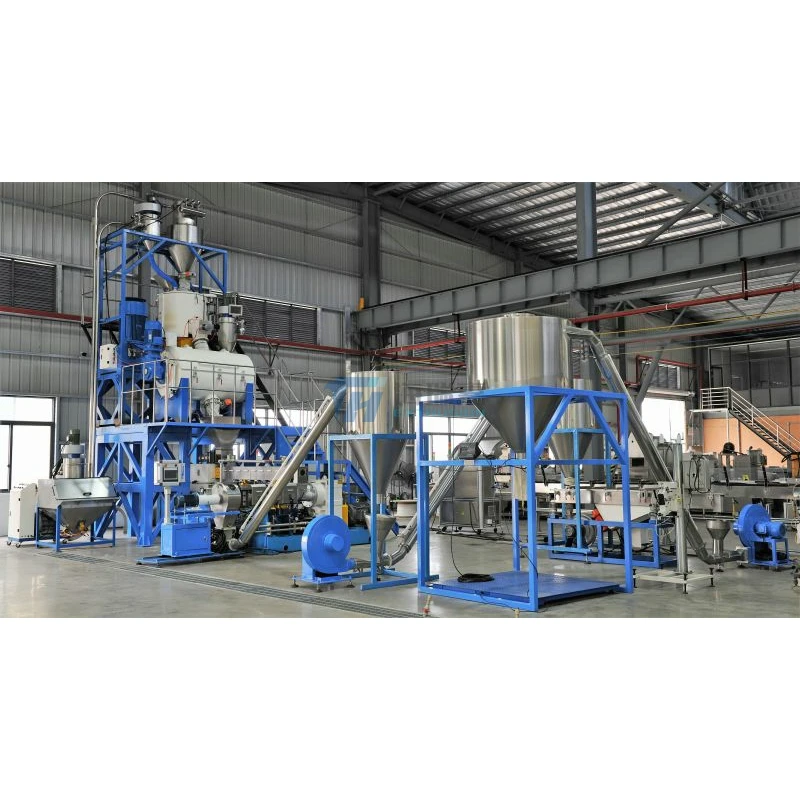
A typical compounding line is built around a feeding section, extruder, devolatilization and filtration modules, and pelletizing system. The exact configuration depends on the resin, additive package, moisture sensitivity, and the required pellet shape.
Core process stages
- Feeding: Base resin, fillers, colorants, flame retardants, impact modifiers, glass fiber, wood flour, or recycled polymer are metered by volumetric or gravimetric feeders.
- Melting and mixing: The extruder screw elements create a controlled combination of conveying, kneading, dispersive mixing, and pressure build-up.
- Devolatilization: Vent ports remove moisture, residual monomer, solvents, or other volatiles when needed.
- Melt filtration: Screen changers or continuous filtration devices remove contaminants before pelletization.
- Pelletizing: The compound is cut into pellets for handling and shipment.
Typical equipment architecture
| Component | Function |
|---|---|
| Main feeder | Introduces base resin at a controlled rate |
| Side feeder | Adds glass fiber, wood flour, mineral filler, or other solids downstream |
| Twin-screw extruder | Provides conveying, melting, mixing, and pressure generation |
| Vent ports | Remove moisture and volatiles |
| Screen changer / melt filter | Captures gels, char, metal, and contaminants |
| Melt pump | Stabilizes pressure and throughput in some lines |
| Pelletizer | Cuts strand, underwater, or hot-face pellets |
Typical operating benchmarks
Performance varies widely by formulation and machine size, but industry practice commonly includes:
- Rotor/screw speeds: roughly 200–800 rpm for many co-rotating twin-screw compounding applications, with specialty designs operating outside this range depending on torque and residence-time requirements.
- Throughputs: from tens of kg/h in laboratory or specialty lines to multiple t/h in large production systems, particularly for polyolefins, masterbatch, and filled compounds.
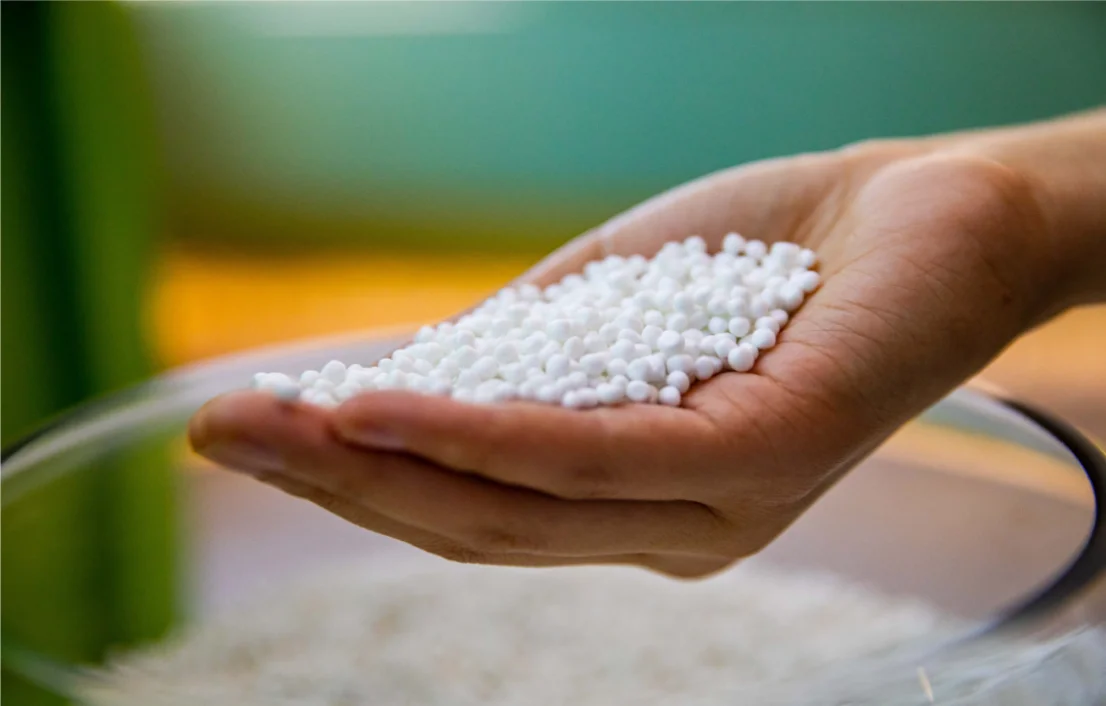
- Pellet size: commonly around 2–5 mm for downstream handling, with pellets often described as roughly “small pill” sized in industry practice.
- Moisture removal: centrifugal dewatering and drying systems used in recycling-oriented compounding can reduce moisture to low residual levels suitable for extrusion, often to well below 1%, depending on the upstream washing stage and dryer configuration; exact values are process-specific.
- Specific energy consumption: compounding lines are frequently optimized to reduce thermal load and shear, with energy use varying strongly by material and output; higher-fill, better-plasticized systems can lower melt temperature and improve efficiency.
Types and Variations
Compounding lines are usually classified by extruder type, feeding strategy, and end product.
| Type | Main features | Typical uses |
|---|---|---|
| Co-rotating twin-screw compounding line | High mixing intensity, modular screw design, excellent flexibility | Engineering compounds, masterbatch, filled plastics, recycled blends |
| Counter-rotating twin-screw line | Gentler conveying, useful for some heat-sensitive formulations | Certain PVC and specialty formulations |
| Single-screw compounding line | Simpler and lower-cost, but less intensive mixing | Basic blending, limited additive packages |
| Direct extrusion line | Combines compounding and final shaping in one step | WPC profiles, sheet, some specialty profiles |
| Recycling granulation line with compounding capability | Can wash, dewater, filter, compound, and pelletize | Recycled PE, PP, PET blends and upgraded recyclate |
A major technical distinction is whether the line is designed for masterbatch production, engineering compounding, or recycling/upcycling. Masterbatch lines prioritize high pigment or additive concentration, whereas engineering compounding lines emphasize dispersion, mechanical performance, and consistent rheology.
Applications and Uses
Compounding lines support a wide range of plastics sectors:
- Automotive: filled PP, TPO, PA, PBT, and flame-retardant compounds for interior, exterior, and under-the-hood parts.
- Electrical and electronics: flame-retardant, conductive, and glass-fiber-reinforced compounds for housings, connectors, and cable materials.
- Packaging: color masterbatch, barrier-related formulations, and recycled-content compounds for films, sheets, and closures.
- Construction: PVC, WPC, pipe compounds, profile compounds, cable jacketing, and weather-resistant formulations.
- Consumer goods: colored and modified resins for appliances, furniture, and durable goods.
- Industrial products: technical compounds for gears, housings, pallets, and functional parts.
A poorer-fit application is highly heat-sensitive or easily degraded materials with very narrow processing windows, where long residence time or excessive shear can cause damage unless the line is specially engineered.
Key Characteristics and Engineering Considerations
The engineering value of a compounding line lies in its ability to control several competing variables at once:
- Mixing quality: sufficient to disperse pigments, fibers, and fillers without excessive polymer degradation.
- Thermal management: barrel temperature and screw configuration must prevent overheating while still achieving full melt.
- Residence time: must be long enough for mixing, but short enough to limit chain scission or discoloration.
- Feeding accuracy: critical for properties, especially when small changes in additive loading affect performance.
- Devolatilization capacity: important for recycled feedstocks, moisture-sensitive polymers, and solvent-bearing formulations.
- Filtration and pressure stability: essential for pellet quality and downstream convertibility.
In practice, the best line design is formulation-specific. A glass-fiber-reinforced PA compound, for example, requires different screw elements, venting, and side-feed placement than a color masterbatch or wood-plastic composite.
Technological Innovations and Automation
Modern lines increasingly incorporate recipe management, closed-loop dosing, inline quality monitoring, and digital process control. These systems reduce batch-to-batch variation and help maintain target output despite changes in raw-material lot, ambient conditions, or recycled-content variability.
Important innovations include:
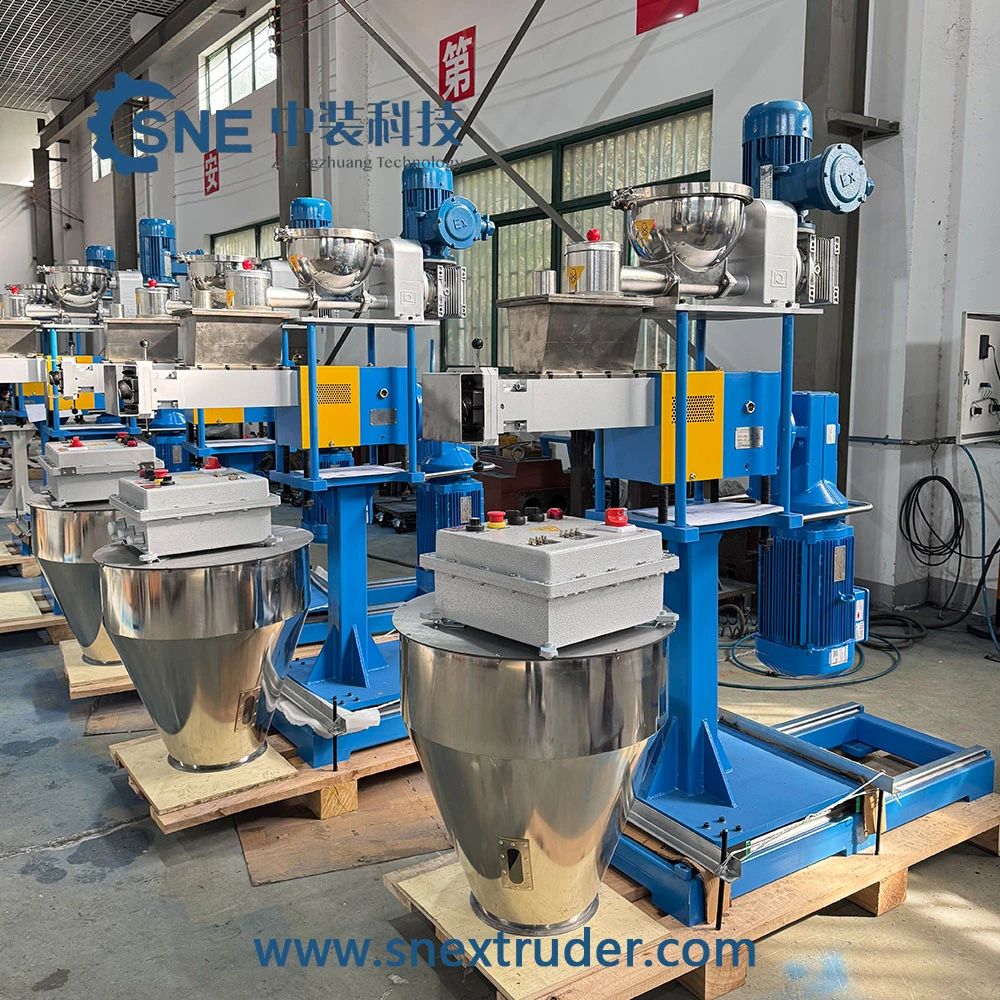
- Gravimetric feeding for highly accurate material dosing.
- Side feeding for fragile or bulky additives such as glass fiber or wood flour.
- Vacuum venting and devolatilization for moisture and odor control.
- Melt pumps to stabilize pressure before pelletizing or downstream shaping.
- Inline filtration to handle contamination in recycled polymers.
- Direct extrusion integration, where compounding and final product formation occur in one continuous line.
Environmental and Sustainability Aspects
Compounding lines are increasingly central to the plastics circular economy because they can upgrade recyclate into consistent, processable compounds. They are used to remove contaminants, re-add stabilizers, restore viscosity, and blend recycled polymer with virgin resin or performance additives.
Sustainability-relevant benefits include:
- Material recovery: turning post-industrial or post-consumer scrap into usable pellets.
- Lower waste: precise dosing and better dispersion reduce off-spec output.
- Energy efficiency: modern line designs aim for lower melt temperatures and improved filling, which can reduce specific energy demand.
- Compatibility with recycled content: venting and filtration are especially valuable for washed flakes and degraded feedstocks.
At the same time, sustainability performance depends heavily on feedstock quality. Highly contaminated waste streams increase filtration load, cause more downtime, and may require more energy-intensive preprocessing.
Economic and Global Market Impact
Compounding lines are strategically important because they convert commodity polymers into higher-value materials with defined performance attributes. This supports pricing power, application-specific differentiation, and supply-chain resilience.
Their market relevance is especially strong in:
- Asia, where large-scale conversion and export-oriented plastics manufacturing drive demand.
- Europe, where recycling, regulated additives, and energy efficiency are major design priorities.
- North America, where engineering compounds, automotive materials, and recycling modernization remain important.
Equipment suppliers compete on screw metallurgy, torque density, automation, wear resistance, devolatilization design, and process support rather than on line speed alone.
Current Challenges and Innovations
Several technical challenges continue to shape the segment:
- Recycled feedstock variability: inconsistent melt flow, contamination, odor, and moisture complicate stable compounding.
- Fiber breakage: excessive shear can shorten glass or natural fibers and reduce final part performance.
- Heat-sensitive materials: some polymers and bio-based additives degrade under long residence times.
- Dust and feeding issues: powders, flakes, and low-bulk-density fillers can be difficult to meter accurately.
- Operator skill requirements: the line must be tuned carefully to achieve the intended dispersion without overworking the material.
Current innovation is focused on torque-efficient screw elements, improved vent designs, online viscosity monitoring, and process models that predict dispersion and residence-time distribution more accurately.
Future Outlook
Compounding lines are likely to become more digital, flexible, and recycling-oriented. Future systems will probably emphasize:
- Higher recycled-content capability
- Better odor and contaminant control
- More automated recipe switching
- Lower energy consumption per kilogram
- Closer integration with digital twin and quality-tracking systems
The long-term direction of the field is clear: compounding lines will remain a foundational technology for converting polymers into application-specific materials, while their role in recycling and material circularity will continue to expand.
References
- •
What is compound line? (2024, January 1). https://essaysonmusic.com/what-is-compound-line/Link
- •
An overview of compounding. (2020, July 1). National Center for Biotechnology Information. https://www.ncbi.nlm.nih.gov/books/NBK562881/Link
- •
Plastic recycling granulating line explained. (2025, September 9). https://www.boxinpm.com/news/industry-news/plastic-recycling-granulating-line-the-ultimate-guide-to-types-uses-and-benefits.htmlLink
- •
Compounding line BOCOMATIC. (n.d.). https://www.boco-extruders.eu/compounding-line-bocomaticLink
- •
A leading supplier of compounding lines and co-rotating extruders explains its deep experience in WPC-wood plastic composites compounding & direct extrusion systems. (n.d.). https://www.puconsulting.se/icma-san-giorgio-wpc-direct-extrusion/Link
- •
Understanding compounding & compounding effects. (n.d.). https://learning.treasurers.org/resources/compoundingLink
- •
Compounding. (2025, January 1). Cambridge Dictionary. https://dictionary.cambridge.org/dictionary/english/compoundingLink
- •
Unlock the power of compounding interest with formulas and examples. (2003, November 19). Investopedia. https://www.investopedia.com/terms/c/compounding.aspLink
- •
Time value of money: Future & present value analysis. (2025, March 11). https://studylib.net/doc/5870421/time-value-of-moneyLink
- •
Compounding. (n.d.). Texas State Securities Board. https://www.ssb.texas.gov/sites/default/files/uploads/voi/articles/compounding.htmlLink
- •
Time value of money. (2020, April 13). https://www.slideshare.net/slideshow/time-value-of-money-231913732/231913732?nway-=,Link
- •
Compounding and the FDA: Questions and answers. (2025, September 16). U.S. Food and Drug Administration. https://www.fda.gov/drugs/human-drug-compounding/compounding-and-fda-questions-and-answersLink
- •
The power of compound interest: Definition, calculation & examples. (2003, November 19). Investopedia. https://www.investopedia.com/terms/c/compound.aspLink
- •
Aluminum alloys in canmaking: Understanding 3104 & 5182. (2026, February 24). https://www.linkedin.com/posts/domingorgonzalez_canmaker-aluminum-canmaking-activity-7432187413487284224-iJrmLink
- •
How does compound interest work? (2023, October 19). Consumer Financial Protection Bureau. https://www.consumerfinance.gov/ask-cfpb/how-does-compound-interest-work-en-1683/Link
- •
Mathematics of money: Compound interest analysis with applications. (n.d.). University of Baltimore. https://home.ubalt.edu/ntsbarsh/business-stat/otherapplets/CompoundCal.htmLink
- •
Compound interest. (2004, January 18). Wikipedia. https://en.wikipedia.org/wiki/Compound_interestLink
- •
Britannica money. (2025, January 18). https://www.britannica.com/money/what-is-compoundingLink
- •
The power of compound interest: Calculations and examples. (2006, December 21). Investopedia. https://www.investopedia.com/terms/c/compoundinterest.aspLink
- •
What is compounding? An explanation of compound interest. (2024, February 15). Stash. https://www.stash.com/learn/what-is-compounding/Link
- •
Compound annual growth rate. (2026, August 25). Investopedia. https://www.investopedia.com/articles/investing/020614/learn-simple-and-compound-interest.aspLink
- •
Calculating MA by counting the lines. (n.d.). https://roperescuetraining.com/physics_calcma_counting.phpLink
- •
What is compound interest? (2024, October 24). Harvard Federal Credit Union. https://harvardfcu.org/blog/what-is-compound-interest/Link
- •
Compounding. (n.d.). Lighter Capital. https://www.lightercapital.com/glossary/compoundingLink
- •
Compound interest and compounding growth: A comprehensive guide. (2018, July 10). The Motley Fool. https://www.fool.com/retirement/2018/07/10/compound-interest-and-compounding-growth-a-compreh.aspxLink
- •
What is compounding? (2025, August 19). https://scuddy.bairdwealth.com/blog/what-is-compoundingLink
- •
What is compound interest? (2025, September 10). Fidelity. https://www.fidelity.com/learning-center/trading-investing/compound-interestLink
- •
Compounding explained: Meaning, types, process, and use cases. (2026, April 20). https://www.stocksmantra.com/compounding/Link
- •
Line graph definition. (2019, September 6). BYJU'S. https://byjus.com/maths/line-graph/Link
- •
Compound line graphs in geography. (2023, March 24). Internet Geography. https://www.internetgeography.net/compound-line-graphs-in-geography/Link
- •
What is compound interest? (n.d.). Investor.gov. https://www.investor.gov/additional-resources/information/youth/teachers-classroom-resources/what-compound-interestLink
- •
Compounding, explained: How it works. (2023, July 26). Ellevest. https://www.ellevest.com/magazine/compounding-returnsLink
- •
Compound. (n.d.). Collins English Dictionary. https://www.collinsdictionary.com/us/dictionary/english/compoundLink
- •
How power of compounding works in stock market. (2019, February 6). Groww. https://groww.in/blog/power-of-compoundingLink
- •
Types of line graphs and their uses (with examples). (2026, February 27). Indeed. https://ca.indeed.com/career-advice/career-development/types-of-line-graphsLink
- •
The power of compounding: How time can be your best investment ally. (2025, February 11). Fiducient Advisors. https://www.fiducientadvisors.com/blog/the-power-of-compounding-how-time-can-be-your-best-investment-allyLink
- •
Plastic compounding explained: Ingredients, challenges and applications. (2025, August 20). AZO Materials. https://www.azo-inc.com/blog/plastic-compoundingLink
- •
How does compound interest work? (2026, May 4). Securian Financial. https://www.securian.com/insights-tools/articles/how-compound-interest-works.htmlLink
- •
Plastic extrusion compounding: How does it work? (n.d.). Bausano. https://www.bausano.com/en/press-and-news/plastic-extrusion-compounding-how-does-it-workLink
- •
Compounding. (2006, October 19). Wikipedia. https://en.wikipedia.org/wiki/CompoundingLink
- •
What are figures of repetition? (2025, February 7). Scribbr. https://www.scribbr.com/frequently-asked-questions/what-are-figures-of-repetition/Link
- •
How does the notion of "compounding" work when it comes to stocks/ETFs? (2025, July 5). Reddit. https://www.reddit.com/r/CanadianInvestor/comments/1lrxy00/how_does_the_notion_of_compounding_work_when_it/Link
- •
Compounding. (2026, July 31). Plastics Technology. https://www.ptonline.com/topics/compoundingLink
- •
Can someone explain compound interest? Isn't it just basic math? (2024, December 19). Reddit. https://www.reddit.com/r/investing/comments/1hhxpm3/can_someone_explain_compound_interest_isnt_it/Link
- •
Compound. (2025, January 1). Cambridge Dictionary. https://dictionary.cambridge.org/us/dictionary/english/compoundLink
- •
Drug compounding: FDA authority and possible issues for manufacturers. (2018, January 5). Congressional Research Service. https://www.congress.gov/crs-product/R45069Link
- •
What is a compounding pharmacy and what do they do? (2021, November 22). GoodRx. https://www.goodrx.com/drugs/medication-basics/what-is-compounding-pharmacyLink
- •
Compounding sterile preparations (3rd ed.). (n.d.). American Society of Health-System Pharmacists. https://www.ashp.org/-/media/store-files/p1794-sample-chapter-21.Link