
Introduction
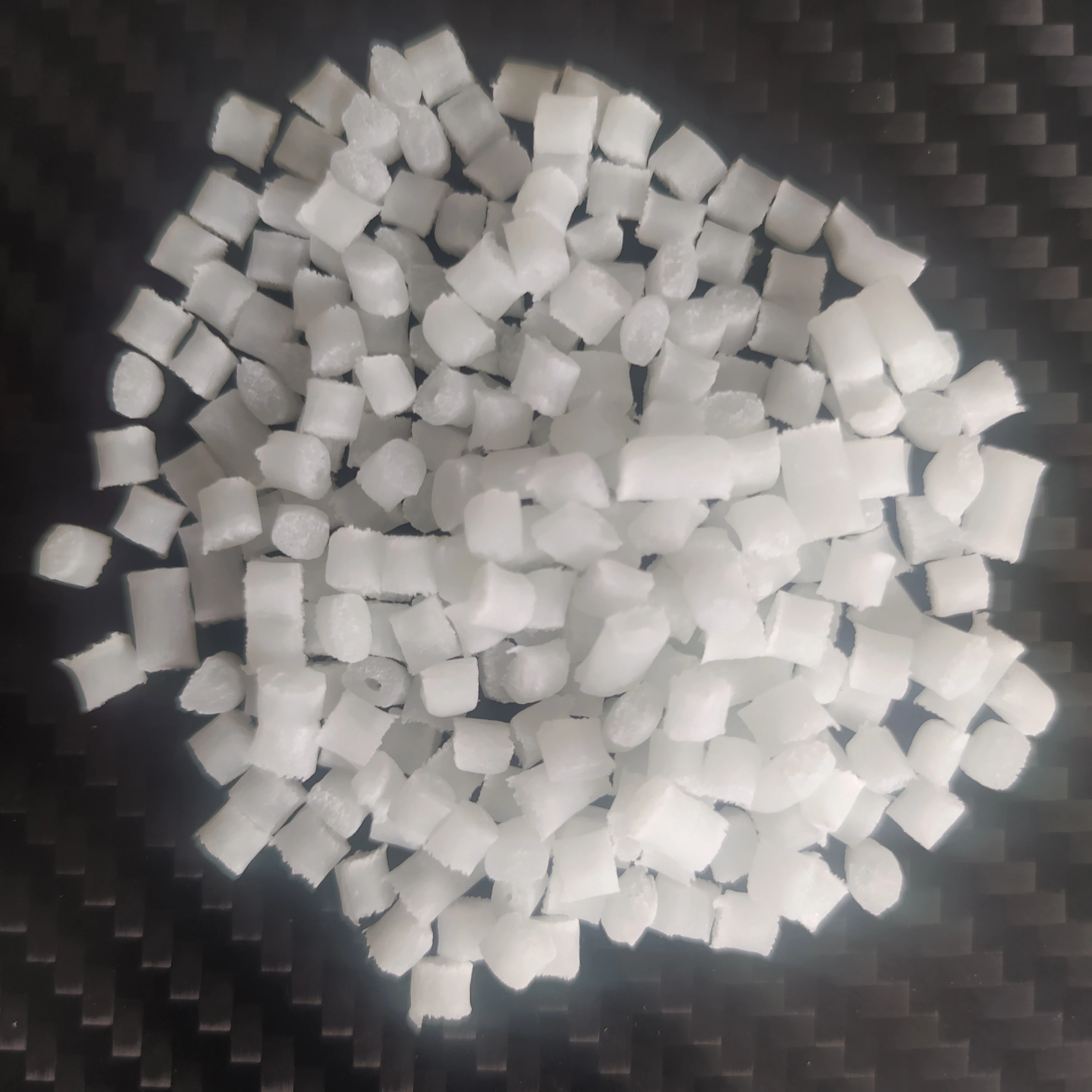
Thermoplastic polyolefins (TPOs) are a class of polyolefin-based thermoplastic elastomers that combine the processability of thermoplastics with rubber-like flexibility and impact resistance. In practice, TPO usually refers to compounded blends built around polypropylene, polyethylene, and an ethylene-propylene rubber phase, with fillers and stabilizers added to tune stiffness, toughness, weatherability, color, and cost.
TPO is best understood as a materials family rather than a single polymer: formulations may be simple melt-blends, dynamically crosslinked systems, or reactor-made variants, depending on the balance required between elasticity, heat resistance, and processability. This family has become especially important in automotive, roofing, construction, and general industrial applications because it offers low density, good chemical resistance, and compatibility with standard thermoplastic processing methods such as extrusion, injection molding, blow molding, and thermoforming.
The material’s commercial significance comes from its position between rigid polyolefins and higher-cost engineering elastomers. TPO is widely used where standard polypropylene is not tough enough, but where the part does not require the full performance or price of a more specialized rubber or engineering plastic. Its growth has also been shaped by sustainability pressures, since many TPO grades are halogen-free, weldable, and mechanically recyclable, while their predominant petrochemical origin continues to raise concerns about carbon footprint and end-of-life recovery.
History and Development
TPO developed as part of the broader evolution of thermoplastic elastomers, which sought to combine the elasticity of rubber with the reprocessability of plastics. Early commercial systems were generally physical blends of polyolefins and elastomeric phases; later developments included improved compatibilization, filler control, and dynamic vulcanization for better heat resistance and elastic recovery.
Industrial adoption accelerated in markets that needed lightweight, low-cost, weather-resistant materials. Automotive exterior trim, bumper fascias, and interior skins became major outlets because TPO could replace heavier or more expensive materials while preserving impact performance and design flexibility. Roofing membranes also became a major market as single-ply TPO sheets gained acceptance for heat-welded seams, UV resistance, and reflective “cool roof” performance.
Chemical Structure and Key Properties
TPO is typically a multiphase blend rather than a single uniform polymer. A common architecture uses a semi-crystalline polypropylene matrix with dispersed ethylene-propylene rubber or EPDM-type elastomer domains; polyethylene may also be used in some formulations, and fillers such as talc or calcium carbonate are often incorporated to adjust modulus and shrinkage.
Key property profile
- Low density relative to many engineering plastics and filled rubbers, supporting lightweight design.
- Good impact resistance, especially at low temperatures, due to the elastomeric phase.
- Good chemical resistance to many acids, alkalis, alcohols, and aqueous media.
- Weatherability and UV resistance in stabilized grades, making it suitable for outdoor use.
- Thermoplastic processability, including extrusion, injection molding, blow molding, and heat welding in membrane grades.
Technical limits and workarounds
| Limit | Cause | Common workaround |
|---|---|---|
| Poor oxygen and grease barrier performance | Polyolefin backbone is intrinsically nonpolar and relatively permeable to gases and oils | Use barrier coextrusions, multilayer structures, coatings, or select another polymer for barrier-critical packaging |
| Low surface energy before treatment | Nonpolar polyolefin surface gives weak ink, paint, and adhesive wetting | Apply flame, corona, plasma, or primer treatments; use tie layers or surface-modified grades |
| Limited high-temperature recovery in simpler blends | Physical blend morphology can soften and creep under heat | Use TPV-type dynamically crosslinked systems, higher-crystallinity matrices, or reinforced formulations |
| Moderate stiffness in unfilled grades | Soft elastomer phase reduces modulus | Add mineral fillers, increase polypropylene fraction, or use structural design ribs |
The interaction between morphology and performance is central. A more continuous polypropylene phase usually increases stiffness and heat resistance, while a larger elastomer fraction improves toughness and low-temperature impact behavior. Fillers improve dimensional stability and reduce cost, but they can also reduce elongation and surface quality if not well dispersed.
Production Processes and Raw Feedstocks
TPO is manufactured through compounding rather than conventional single-polymer synthesis in many commercial grades. The base feedstocks are generally:
- Polypropylene or polyethylene resins
- Ethylene-propylene rubber, EPR, or EPDM-type elastomers
- Fillers such as talc, calcium carbonate, or glass fiber in some grades
- Stabilizers, antioxidants, pigments, UV absorbers, and processing aids
A typical production route involves:
- Resin selection and formulation design.
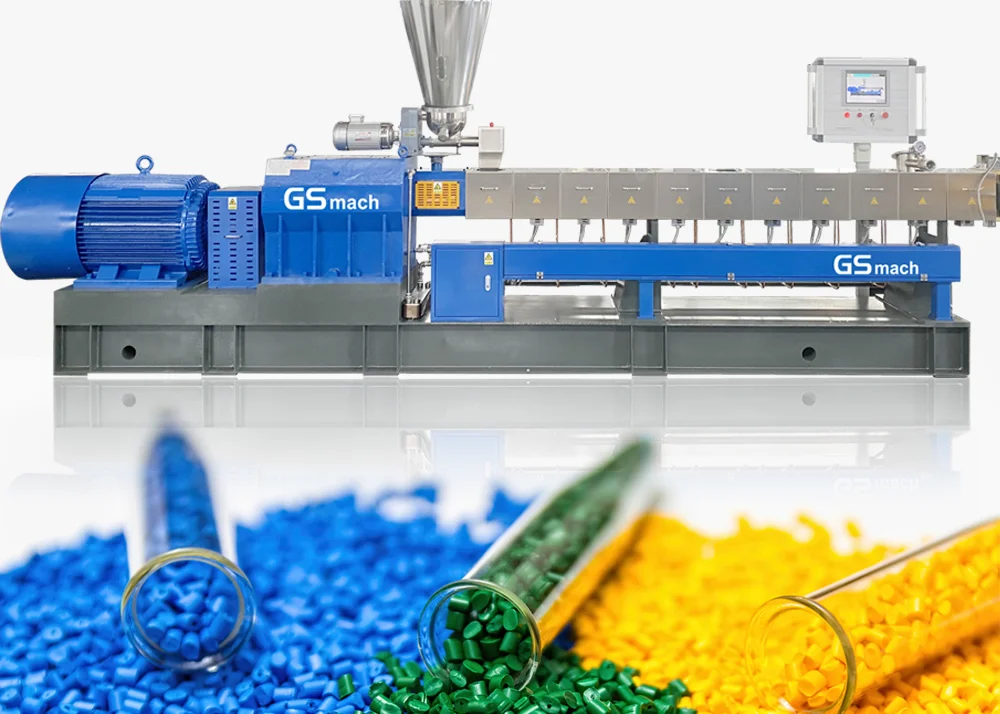
- Melt blending in twin-screw extruders or similar compounding equipment.
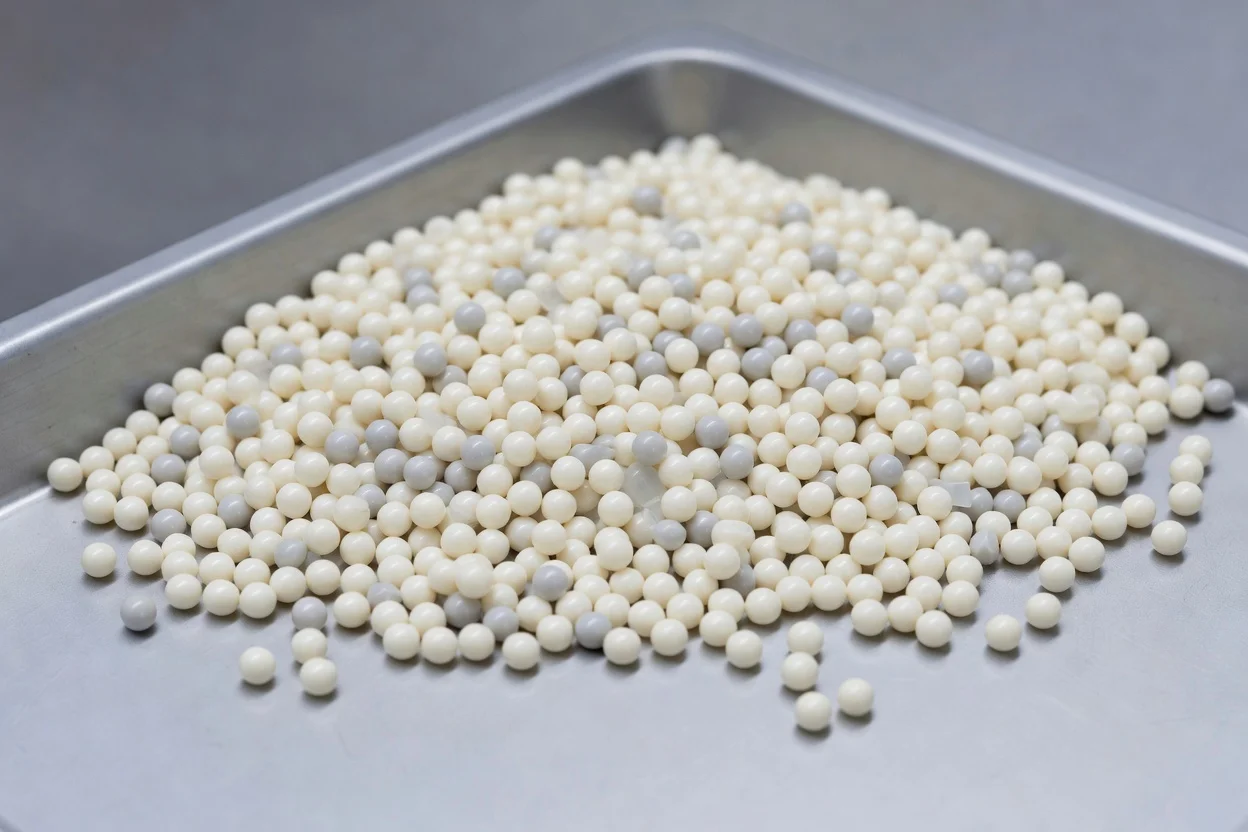
- Pelletizing of the compounded material.
- Conversion by extrusion, injection molding, blow molding, or thermoforming.
Three broad formulation families are commonly described:
- Blended TPO, made by physical mixing of polyolefin and rubber components.
- TPV-type systems, in which the rubber phase is dynamically crosslinked during compounding for improved elastic recovery.
- Reactor TPO, produced through polymerization architecture rather than simple blending.
Typical additive use is modest but functionally important. For example, 0.2–0.5% hindered phenolic antioxidant plus phosphite secondary stabilizer is a common stabilization strategy in polyolefin compounds, helping suppress thermo-oxidative degradation during compounding and service; the mechanism is radical scavenging and peroxide decomposition control. Likewise, 5–20% talc may be added in rigid TPO compounds to increase stiffness and reduce warpage by creating a mineral-reinforced microstructure.
Applications and End-Use Markets
TPO’s main appeal is its ability to deliver a balanced property set at scale and at relatively low cost. The largest markets are automotive and construction, but the material is also used in consumer goods, industrial parts, cable-related products, and sporting goods.
Main applications by sector
| Sector | Typical TPO role | Usual grade / process |
|---|---|---|
| Automotive | Bumpers, fascias, cladding, wheel arch liners, interior trim, airbag covers, ducts | Filled injection-molding grades; extrusion and thermoforming grades for trim and panels |
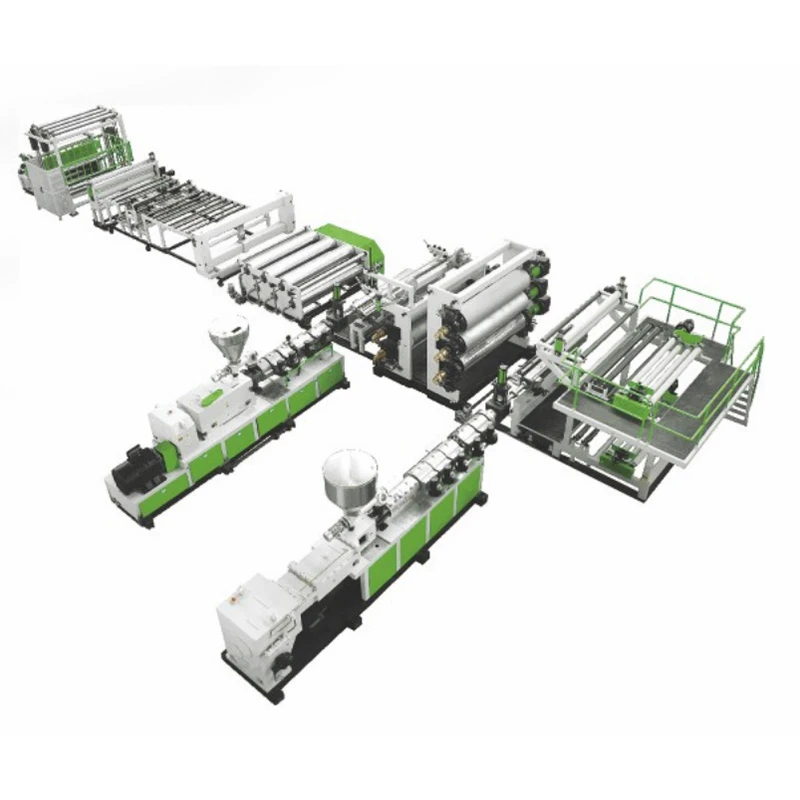
| Roofing and construction | Single-ply roofing membranes, waterproofing sheets, siding, weather seals, window profiles | Extruded sheet and reinforced membrane grades |
| Electrical and cable | Cable sheaths, insulation, protective jackets, grommets | Flexible extrusion grades with weather and flame-retardant packages |
| Industrial goods | Hoses, bellows, seals, profiles, protective covers | Extrusion and injection-molding compounds |
| Consumer and sporting goods | Grips, footwear parts, soft-touch components, protective housings | Colored injection-molding grades, sometimes co-molded |
A notable poor-fit use is high-barrier packaging. TPO can be used in some packaging-related structures, but it is not a strong choice for oxygen- or aroma-sensitive products because polyolefin blends generally have weak barrier performance without multilayer design or coatings. By contrast, TPO is a strong fit for automotive exterior parts, where low-temperature impact, weatherability, and low density matter more than gas barrier or high-temperature strength.
Roofing is a particularly important use case because TPO membranes combine seam weldability with ultraviolet resistance and reflectivity. White TPO roofing systems are widely promoted for cool-roof applications and can support energy-efficiency targets in commercial buildings.
Environmental and Sustainability Aspects
TPO occupies an ambivalent position in sustainability discussions. On one hand, it is generally halogen-free, lightweight, and recyclable in principle, and its use in lightweight automotive parts can reduce vehicle mass and therefore operational energy demand. In roofing, reflective white membranes can lower cooling loads and support building-energy performance goals.
On the other hand, TPO is still predominantly derived from fossil feedstocks, and its formulations often depend on additives, fillers, and sometimes complex multilayer structures that can complicate recycling. The blend nature of many TPO grades also makes closed-loop recovery more challenging than with single-polymer streams when contamination or incompatible modifiers are present.
Key sustainability directions include:
- Recycled polyolefins in automotive and industrial compounds, especially for non-visible parts.
- Design-for-recycling formulations that reduce incompatible additives and simplify sorting.
- Bio-based polyolefin feedstocks from mass-balance or renewable-origin pathways, although these remain limited in scale compared with conventional supply.
- Long-life applications such as roofing and automotive exterior parts, where durability can offset material use over the service life.
Economic and Global Market Impact
TPO demand is closely tied to automotive production, building construction, and energy-efficiency retrofits. According to recent industry analyses, automotive applications remain the largest demand center, with construction and roofing also showing strong growth as low-slope roofing and weather-resistant building materials expand.
The market structure is global and highly competitive. Major polyolefin producers and compounders supply base resins and tailored TPO compounds through regional and application-specific platforms. Large chemical and materials groups active in polyolefin supply, elastomer technology, and compounding typically shape availability, qualification cycles, and pricing, while automotive OEM specifications exert strong influence over grade development.
Because TPO is formulation-driven, value creation often depends less on resin identity than on compounding expertise, interface control, and application validation. This makes the market sensitive to:
- polypropylene and elastomer feedstock pricing,
- energy costs in compounding and conversion,
- regulatory shifts around recyclability and material disclosure,
- performance qualification timelines in automotive and building markets.
Current Challenges and Innovations
The main technical challenge is maintaining a favorable balance between toughness, heat resistance, surface quality, and recyclability. Increasing one attribute often weakens another, especially in highly filled or low-cost formulations.
Current innovation themes include:
- Compatibilized blends that improve rubber-polyolefin interfacial adhesion and reduce phase separation.
- Improved low-VOC, paintable, and adhesive-friendly surfaces for automotive interiors and exterior skins.
- Recycled-content TPO compounds for non-critical parts, especially underbody shields, brackets, and housings.
- Flame-retardant and weathering-stable systems for cable, roofing, and building applications.
- Higher-performance reactor or dynamically crosslinked variants that approach TPV-like durability while preserving thermoplastic processing.
A practical materials-engineering trend is the use of TPO where a part must integrate stiffness, cosmetic finish, and impact resistance in one moldable material. This reduces part count and assembly complexity, although the approach can demand tight control over shrinkage, paintability, and dimensional stability.
Future Outlook
TPO is likely to remain a core materials family in the plastics industry because it sits at the intersection of cost efficiency, processability, and performance. Its strongest growth areas are expected to remain automotive lightweighting, roofing membranes, and durable outdoor components, especially where weatherability and low density are valued.
Future development is likely to focus on:
- higher recycled content without performance loss,
- lower-carbon feedstocks and improved life-cycle accounting,
- better surface engineering for painting and bonding,
- more durable grades for demanding outdoor service,
- and formulations optimized for circular-economy collection and reprocessing.
Summary
TPO is a versatile family of polyolefin-elastomer blends that bridges the gap between rigid plastics and rubber-like materials. Its success comes from a practical combination of low density, impact resistance, weatherability, and standard thermoplastic processability, making it especially important in automotive and roofing applications. At the same time, its blend nature, fossil-based origin, and limited barrier properties define the key constraints that continue to drive formulation innovation and sustainability work.
References
- •
Thermoplastic olefin. (2006, February 15). In Wikipedia. https://en.wikipedia.org/wiki/Thermoplastic_olefinLink
- •
Thermoplastic polyolefins (TPO). (2023, August 17). RTP Company. https://www.rtpcompany.com/products/product-guide/thermoplastic-polyolefin-tpo/Link
- •
Thermoplastic polyolefin (TPO): What it is, properties, and .... (2024, June 7). Xometry. https://www.xometry.com/resources/materials/what-is-tpo-plastic/Link
- •
What is TPO | Thermoplastic polyolefin materials. (n.d.). Hexpol. https://www.hexpol.com/tpe/resources/tpe-academy/what-is-tpe/what-is-tpo/Link
- •
Thermoplastic polyolefin industrial applications. (n.d.). Eureka. https://eureka.patsnap.com/materials/tpo-industrial-applicationsLink
- •
TPO thermoplastic polyolefin. (n.d.). CJP Sales. https://www.cjpsales.co.uk/products/downloads/26/tpo%20data.pdfLink
- •
Polyolefin elastomers (TPO) - Material wizard. (n.d.). Material Wizard. https://materialwizard.com.ua/en/tep/tpo/Link
- •
(3) Overview of thermoplastic olefinic elastomers (TPOs). (2018, February 6). Mitsubishi Chemical. https://www.m-chemical.co.jp/en/products/departments/mcc/ams/tech/1203675_7578.htmlLink
- •
Thermoplastic polyolefin (TPO) ・ styrene elastomer. (n.d.). Hotty Polymer. http://www.hotty-jp.com/material/tpo.htmlLink
- •
TPO. (2022, January 1). Mexpolimeros. https://www.mexpolimeros.com/eng/tpe-o.htmlLink
- •
Thermoforming thermoplastic polyolefins (TPO). (2026, January 28). Rapidmade. https://rapidmade.com/thermoforming-thermoplastic-polyolefins-tpo-an-engineering-guide/Link
- •
Thermoplastic polyolefin elastomer: Comprehensive analysis of .... (n.d.). Eureka. https://eureka.patsnap.com/materials/tpo-elastomer-analysisLink
- •
What is TPO roofing? A comprehensive guide. (n.d.). Siplast. https://www.siplast.com/education/tpo-roofing-and-tpxLink
- •
7 types of thermoplastic elastomers (TPEs). (2022, June 27). Xometry. https://www.xometry.com/resources/materials/types-of-thermoplastic-elastomers/Link
- •
Thermoplastic polyolefins (TPO). (2025, February 22). TK Group. https://taminkalatak.com/product/tpo-thermoplastic-polyolefins/Link
- •
Thermoplastic polyolefin resin: Comprehensive analysis .... (n.d.). Eureka. https://eureka.patsnap.com/materials/thermoplastic-polyolefin-resinLink
- •
The effects of thermoplastic poly(olefin) (TPO) morphology .... (n.d.). ScienceDirect. https://www.sciencedirect.com/science/article/abs/pii/0300944094005400Link
- •
TPO material properties: A versatile performer balancing rigidity .... (2025, May 17). ATP. https://www.atpchem.com/tpo-material-properties-a-versatile-performer.htmlLink
- •
TPO. (2025, January 1). Ionplast. https://ionplast.it/en/products/thermoplastic-elastomers-tpo/Link
- •
What is TPO? (2025, June 2). Kraiburg TPE. https://www.kraiburg-tpe.com/en/what-tpo-thermoplastic-polyolefinsLink
- •
Thermoplastic polyolefin TPO. (n.d.). HS TPE. https://www.hs-tpe.com/1274.htmlLink
- •
Thermoplastic polyolefin blend: Comprehensive analysis .... (n.d.). Eureka. https://eureka.patsnap.com/materials/tpo-blend-analysisLink
- •
Properties and applications of TPO or thermal plastic olefin. (n.d.). UPC Inc. https://www.upcinc.com/resources/materials/TPO.htmlLink
- •
Single-ply roofing thermoplastic olefin (TPO) synthetic .... (2025, March 5). The Home Depot. https://www.homedepot.com/p/Henry-Single-Ply-Roofing-Thermoplastic-Olefin-TPO-Synthetic-Roll-Membrane-White-10-ft-x-50-ft-500-sq-ft-HE1620W434/328891760Link
- •
熱可塑性オレフィン. (2026, May 16). Plastics-Material.com. https://plastics-material.com/tpo/Link
- •
Application of TPO thermoplastic elastomer. (2025, March 14). JWELL. https://www.jwell-group.com/blog/Application-of-TPO-Thermoplastic-Elastomer/Link
- •
Polyolefin. (2017, October 27). ScienceDirect. https://www.sciencedirect.com/topics/engineering/polyolefinLink
- •
Learn more about your packaging materials: 7 facts about TPO .... (2017, July 21). Impact Plastics. https://blog.impactplastics.co/blog/learn-more-about-your-plastic-sheet-7-facts-about-thermoplastic-olefin-tpoLink
- •
Top 5 uses of TPO compounds in 2025 | Integration notes. (2025, October 22). LinkedIn. https://www.linkedin.com/pulse/tpo-compound-real-world-5-uses-youll-actually-see-ufopfLink
- •
What automotive parts are best suited for TPO .... (2026, July 28). LSM Chemical. https://www.lsmchem.com/news/what-automotive-parts-are-best-suited-for-tpo-thermoplastic-olefin/Link
- •
Thermoplastic olefins (TPOs). (n.d.). Nexeo Plastics. https://www.nexeoplastics.com/supplier-products/rhetech/thermoplastic-olefins-(tpos)/Link
- •
Polyolefin rubber - an overview. (n.d.). ScienceDirect. https://www.sciencedirect.com/topics/engineering/polyolefin-rubberLink
- •
TPO roofing: Definition, pros & cons for homeowners. (n.d.). Interlock Roofing. https://www.interlockroofing.com/glossary/tpo-roofing/Link
- •
Technical details: TPO and the environment. (2008, November 4). Roofing Contractor. https://www.roofingcontractor.com/articles/86231-technical-details-tpo-and-the-environmentLink
- •
Exploring the surging demand for TPO: How versatile .... (2023, October 24). PR Newswire. https://www.prnewswire.com/news-releases/exploring-the-surging-demand-for-tpo-how-versatile-thermoplastic-polyolefin-is-transforming-automotive-and-construction-sectors-301966221.htmlLink
- •
TPO compound in the real world: 5 uses you'll actually see (2025). (2025, October 1). LinkedIn. https://www.linkedin.com/pulse/tpo-compound-real-world-5-uses-youll-actually-see-2025-ignitenova-alvveLink
- •
* Key market players and.... (2011, May 1). Research and Markets. https://www.researchandmarkets.com/reports/6164799/thermoplastic-polyolefin-elastomer-tpo-globalLink
- •
Thermoplastic olefin (TPO plastic) frequently asked questions. (2024, October 2). Advanced Plastiform. https://advancedplastiform.com/materials/tpo/frequently-asked-questions/Link
- •
Key facts to know about TPO commercial roofing. (2022, October 8). IKO. https://www.iko.com/comm/blog/what-is-tpo-roofing/Link
- •
Dow elastomers for automotive TPO compounds: Selection guide. (n.d.). Entec Polymers. https://s3.amazonaws.com/static.entecpolymers.com/v3/uploads/pdfs/Dow-Elastomers-for-Automotive-TPO-Compounds-Selection-Guide.pdfLink
- •
Thermoplastic polyolefin (TPO) elastomers market | Global market analysis report - 2035. (2025, November 10). Fact.MR. https://www.factmr.com/report/thermoplastic-polyolefin-elastomers-tpo-marketLink
- •
Recycled PP and TPO for automotive parts. (2026, June 25). Mitsui Plastics. https://mitsuiplastics.com/industry-news/recycled-pp-and-tpo-for-automotive-parts-a-practical-path-to-sustainable-performance/Link
- •
Custom TPO (thermoplastic olefin) extrusion manufacturer. (2020, January 14). Preferred Plastics. https://www.preferredplastics.com/tpo-thermoplastic-olefin-extrusion.htmlLink
- •
Thermoplastic polyolefin market size and forecast. (2025, May 8). Verified Market Research. https://www.verifiedmarketresearch.com/product/thermoplastic-polyolefin-market/Link
- •
TPO market growth driven by automotive demand and .... (2026, August 11). LinkedIn. https://www.linkedin.com/posts/industry-analysis-hub_thermoplasticpolyolefin-tpomarket-polymerindustry-activity-7491327800612872192-ZmVcLink
- •
Thermoplastic polyolefins market size report, 2024-2030. (2024, November 1). Grand View Research. https://www.grandviewresearch.com/industry-analysis/thermoplastic-polyolefins-industryLink