
Introduction
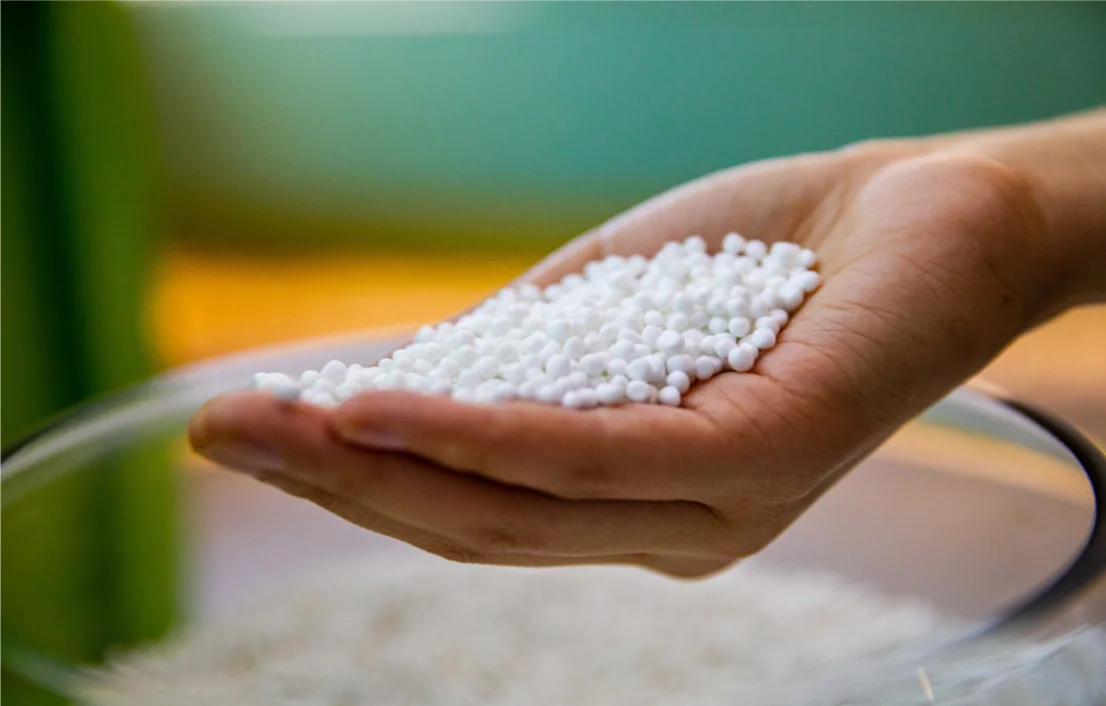
Injection molding compounders are hybrid processing systems that combine inline compounding with injection molding, allowing polymers, fillers, reinforcements, colorants, and functional additives to be mixed and molded in a single integrated process. In practical terms, they let processors create tailor-made compounds at the machine and form finished parts immediately, reducing reliance on pre-compounded pellets and enabling rapid formulation changes, material savings, and closer control over part performance.
The technology is most closely associated with twin-screw extrusion-based plasticizing and compounding units coupled directly to an injection molding machine, and it is used for applications ranging from automotive and electrical housings to packaging, technical parts, and large structural components. Its appeal lies in the ability to combine the compositional flexibility of compounding with the geometric precision of injection molding, while also supporting recycled content, foaming strategies, and lightweighting concepts.
History and Development
The concept emerged from the broader evolution of reactive and inline compounding, as processors sought greater autonomy over material formulation and shorter supply chains. Early systems focused on bringing extrusion know-how into the injection molding cell, especially for high-performance compounds and fiber-reinforced materials.
A key development milestone was the commercialization of dedicated Injection Molding Compounder (IMC) platforms that explicitly integrated the continuous compounding step with the discontinuous molding step, turning what had traditionally been two separate operations into one production sequence. Another milestone was the widening of application scope from niche engineering parts to larger automotive and packaging components, where material cost reduction and in-plant formulation control became commercially important.
More recent development has centered on sustainability-driven formulation, including recycled polymers, foaming agents, and materials designed for reduced weight or improved part efficiency. At the same time, research and industry projects have refined feedstock handling, dispersion quality, and process stability for fillers, short fibers, and nano-reinforcements.
Key Characteristics and Technical Overview
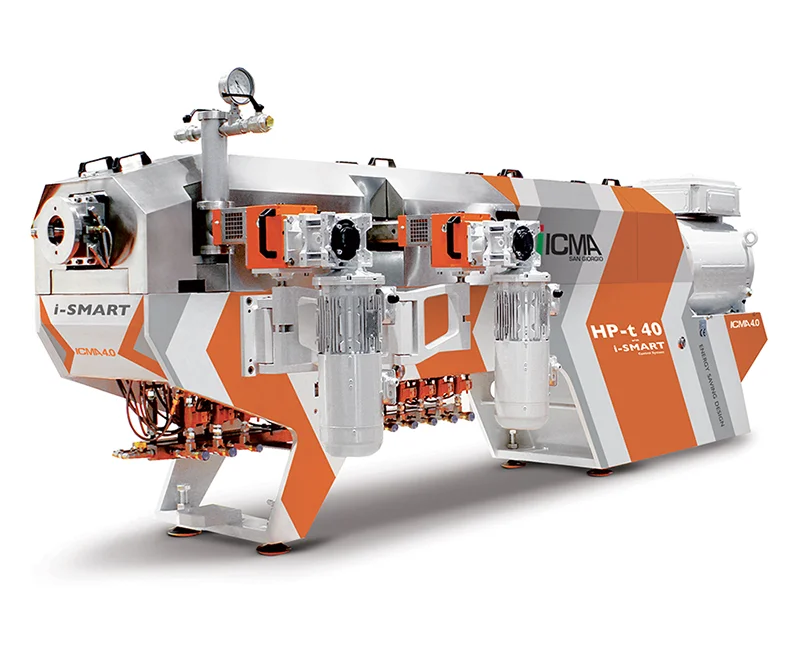
An injection molding compounder typically consists of a compounding extruder, metering and feeding units for base polymer and additives, a melt homogenization section, and a downstream injection unit that fills the mold directly. The system is usually configured in a modular way so that screw design, feeding strategy, venting, and mixing geometry can be adapted to the material and part requirements.
The main technical advantage is that the processor can control composition, dispersion, and part formation in one cell rather than buying a finished pellet formulation from an external compounder. This is especially useful when the formulation is proprietary, changes frequently, or includes high levels of reinforcement or recycled content.
Typical engineering characteristics include:
- Throughput: application-dependent; inline compounding systems used for injection molding commonly operate from tens to several hundred kg/h, while larger cell concepts for structural or semi-structural parts can be scaled higher depending on screw diameter and shot size.
- Rotor/screw speed: twin-screw compounding sections commonly run in the moderate to high rpm range to achieve dispersion and distributive mixing; exact speeds depend on residence time, melt temperature, and fiber breakage limits.
- Flake or pellet geometry: when upstream recycling or size reduction is integrated, granulate or flake feedstocks are often prepared in the approximate 5–12 mm range, although actual size depends on the shredding or granulation stage used before feeding.
- Residual moisture after dewatering: for washed recyclate streams, centrifugal dewatering is commonly followed by thermal drying when needed; practical residual moisture targets are often kept in the low single-digit percent range or below before compounding, because excess moisture can destabilize melt quality and fiber dispersion.
- Specific energy consumption: inline compounding-injection systems usually require more energy than simple re-melting because they perform mixing work, but they can reduce total system energy by eliminating separate pellet production, transport, and some reprocessing steps; the net balance is strongly application-specific.
A practical technical distinction is that the system must reconcile two conflicting requirements: compounding needs strong shear and controlled mixing, while injection molding needs precise shot repeatability and stable viscosity. The architecture therefore depends heavily on screw design, melt buffer management, and control of residence time distribution.
Types and Variations
Injection molding compounders are not a single standardized machine class; several configurations exist in the market and in industrial practice.
| Variant | Main feature | Typical use |
|---|---|---|
| Direct inline compounding IMC | Polymer and additives are compounded immediately before injection | Customized compounds, frequent formulation changes |
| Reactive inline compounding | Chemical reactions or compatibilization occur in the melt | Polymer alloys, recycled blends, functional modification |
| Fiber-reinforced IMC | Short or chopped fibers are introduced and dispersed inline | Structural automotive and technical parts |
| Foaming IMC | Foaming agents are metered with the polymer | Lightweight parts, sink-mark reduction, noise and insulation benefits |
| Recyclate-based IMC | Uses recycled or reprocessed polymer streams | Circular-economy applications, cost control |
The systems may also be differentiated by the injection molding platform they feed, with applications spanning small technical parts, large automotive modules, packaging articles, and electrical/electronic housings.
Applications and Uses
Injection molding compounders are used where the processor wants to define the material formulation close to the molding cell and convert it immediately into parts.
- Automotive: front-end carriers, door modules, instrument panel supports, underbody shields, tail doors, battery housings, bumpers, fan wheels, and acoustic or structural components.
- Electrical and electronics: housings, counterweights, device enclosures, and technical parts requiring glass reinforcement, impact modification, or flame-retardant chemistry.
- Packaging and logistics: reusable pallets, transport containers, crates, lids, and selected rigid packaging formats.
- Technical parts: housings, fittings, and industrial components that benefit from custom stiffness, impact resistance, or dimensional tuning.
- Medical and specialty products: selected compound formulations for connectors, housings, and device components where formulation control matters.
A poor-fit use case is very high-clarity optical parts, because inline compounding adds opportunities for contamination, thermal history variation, and dispersion defects that are difficult to tolerate in transparent, cosmetically critical parts.
Materials and Formulation Strategy
The technology is especially relevant for polypropylene (PP), polyamide (PA6/PA66), polycarbonate blends, PET-based systems, TPEs, and other engineering thermoplastics that are routinely modified with glass fiber, talc, minerals, elastomers, flame retardants, or recycled content.
Common formulation goals include:
- Stiffness increase through mineral or fiber reinforcement
- Impact modification using elastomeric phases
- Flame retardancy for electrical and automotive housings
- Weight reduction through foaming or material substitution
- Dimensional control through tuned shrinkage and flow behavior
- Circularity through recycled or reprocessed polymers
The process is particularly attractive when material formulation is itself part of product differentiation, such as in automotive interior parts, engineering housings, or compound-rich packaging components.
Technological Innovations and Automation
Modern IMC systems increasingly rely on recipe control, gravimetric feeding, process monitoring, and digital traceability. This allows processors to change formulations with repeatable dosing and to document material identity and batch history for quality assurance.
Innovation has also concentrated on:
- Nano- and micro-filler dispersion for property enhancement.
- Direct feeding of chopped fibers to simplify processing and reduce intermediate steps.
- Foaming integration to reduce density and improve stiffness-to-weight performance.
- Compatibilization and reactive extrusion to support recycled or multi-polymer blends.
Automation can improve consistency, but it also raises the importance of sensor calibration, feeding accuracy, and process validation. In this technology class, the quality of the final part depends heavily on how well compounding variability is translated into a stable molding shot.
Environmental and Sustainability Aspects
Injection molding compounders are often presented as a resource-efficiency technology because they can eliminate separate compounding, pellet transport, and some reprocessing losses. When paired with recycled feedstocks, they can support closed-loop or near-loop material strategies, especially for automotive and industrial parts.
The sustainability advantages commonly cited include:
- Lower material waste through direct formulation control
- Reduced logistics because intermediate pellet shipments may be avoided
- Lightweighting through foamed or reinforced structures
- Recycled content integration using regranulate or recyclate blends
- Potential energy savings at system level by collapsing multiple unit operations into one cell
The trade-off is that the process can be more demanding in terms of engineering and quality control, particularly when recyclates vary in contamination, melt flow, or moisture content.
Economic and Global Market Impact
Economically, the technology is attractive where material cost, supply security, and formulation flexibility matter more than absolute simplicity of operation. It can be especially valuable for processors that want to internalize compound development, reduce dependence on external compounders, or differentiate products through proprietary recipes.
The market relevance is strongest in sectors with high volumes of filled or reinforced parts, including automotive, electrical/electronics, and technical consumer goods. In these segments, the ability to fine-tune formulation in-house can improve lead times and reduce the inventory burden associated with stocking many pellet grades.
Current Challenges and Innovations
The main technical challenges are process stability, fiber breakage control, dispersion quality, and repeatable dosing of multiple ingredients. Because the compounding and molding steps occur in sequence without a conventional pellet intermediate, the process window is often narrower than in standard injection molding.
Other challenges include:
- Managing moisture-sensitive polymers and recycled streams
- Maintaining consistent melt temperature and viscosity
- Preventing contamination in complex formulations
- Balancing reinforcement dispersion against excessive shear
- Ensuring that the final molded part meets cosmetic and mechanical specifications
Current innovation is directed toward smarter feed systems, better screw geometries, improved debinding or foaming strategies for specialty formulations, and broader qualification of recycled and bio-based compounds.
Future Outlook
The future of injection molding compounders is likely to be shaped by circular-economy pressures, localized manufacturing, and material specialization. Systems that can process recycled polymers reliably, tailor properties on demand, and reduce dependence on long compound supply chains are likely to gain relevance in automotive, industrial, and packaging applications.
Further growth is also expected in functional lightweighting, high-fiber structural parts, and digitally controlled formulation systems that combine data logging with adaptive control. The technology’s broader adoption will depend on whether processors can justify the added complexity through cost savings, performance gains, and sustainability benefits relative to conventional pellet-based molding.
Summary
Injection molding compounders integrate compounding and molding into one production chain, giving processors direct control over material formulation, reinforcement, and part properties. Their greatest strengths are customization, reduced logistics, and compatibility with sustainability-oriented formulations, while their main limitations are process complexity and tighter quality-control demands.
References
- •
KraussMaffei Group. (n.d.). IMC technology. https://www.kraussmaffei.com/en/our-processes/injection-molding-compounder-imcLink
- •
KraussMaffei. (n.d.). Sustainable. Premium quality. Creating value. https://www.kraussmaffei.com/Processes/IMM/03%20Inline%20Compounding/03_01_IMC/KM_BR_DCIM_IMC_en.pdfLink
- •
The role of plastics compounding for injection molding. (2016, January). Plastics Engineering. http://read.nxtbook.com/wiley/plasticsengineering/january2016/consultantscorner.htmlLink
- •
IDI Composites International. (n.d.). Thermoset molding compounds. https://www.idicomposites.com/Link
- •
Marval Industries. (n.d.). Marval Industries. https://www.marvalindustries.com/Link
- •
Ensinger. (n.d.). Compounds. https://www.ensingerplastics.com/en-us/compoundsLink
- •
Mitsui Chemicals. (n.d.). MCE injection molding materials. https://eu.mitsuichemicals.com/content/dam/mitsuichemicals/sites/mce/documents/en/service/pdf/MCE%20injection%20molding%20materials.pdf.coredownload.pdfLink
- •
Teknor Apex. (2024, August 18). Next generation vinyl medical: Apex injection molding compounds. https://www.teknorapex.com/en-us/resources/technical-literature/vinyl-medical-next-generation-product-series-apex-injection-molding-compoundsLink
- •
Sylvin Technologies. (2026, January 2). Products. https://www.knowde.com/stores/sylvin-technologies/products?filters=color-brownLink
- •
Symplast. (n.d.). The symflex family. https://symplast.com.tr/our-products/overviewLink
- •
RISE. (n.d.). Compounding, injection molding and extrusion of plastics. https://www.ri.se/en/materials-and-durability/plastics/service/compounding-injection-molding-and-extrusion-of-plasticsLink
- •
Polimarky Sp. z o.o. Sp.K. (n.d.). Polimarky Sp. z o.o. Sp.K. https://www.plastech.biz/en/business-directory/Polimarky-Sp-K-1215Link
- •
Sun Alloys Europe. (n.d.). Home. https://sa-e.de/en/Link
- •
Injection moulding compounder (Patent WO2003041940A1). (2002, November 8). https://patents.google.com/patent/WO2003041940A1/enLink
- •
Injection molding compounders: Molders get control of their materials. (2008, May). Plastics Technology. https://www.ptonline.com/articles/injection-molding-compounders-molders-get-control-of-their-materialsLink
- •
DINABLEND PC blends PC/ASA, PC/ABS, PC/PBT. (2002). Nordmann. https://www.nordmann.global/en/products/dinablend-r-pc-blends-pc-asa-pc-abs-pc-pbtLink
- •
Plastic Compounders. (n.d.). Plastic compounders: Home. https://www.plastic-compounders.com/Link
- •
MD Plastics. (n.d.). Plastic compounding equipment: Processing solutions. https://mdplastics.com/feeds/category/plastic-compounding-equipmentLink
- •
TDS+ Joncryl+ ADR-4468. (2025, May 15). Scribd. https://www.scribd.com/document/739616679/TDS-Joncryl-ADR-4468Link
- •
Injection molding and its application to drug delivery. (2012, May 10). PubMed. https://pubmed.ncbi.nlm.nih.gov/22245483/Link
- •
Applied Bioplastics India Private Limited. (n.d.). Applied Bioplastics India Private Limited. https://www.exportersindia.com/applied-bioplastics/Link
- •
Avient. (n.d.). Hydrocerol chemical foaming agents for injection molding [Technical bulletin]. https://www.avient.com/sites/default/files/2023-01/Hydrocerol%20Chemical%20Foaming%20Agents%20for%20Injection%20Molding%20Technical%20Bulletin.pdfLink
- •
Purgex. (n.d.). Purging compounds for injection molding. https://purgexonline.com/injection-molding/Link
- •
Addisperse. (n.d.). About us. https://addisperse.us/about/Link
- •
HEXPOL Rubber Compounding. (2020, October 1). Processing technics. https://www.hexpol.com/rubber/hexpol-rubber-compounding/advanced-rubber-compounds/various-processing-technics/Link
- •
Polypropylene compounds for automotive applications. (n.d.). Sumitomo Chemical. https://www.sumitomo-chem.co.jp/english/rd/report/files/docs/20100100_a2g.pdfLink
- •
Polypropylene compounds for automotive applications. (n.d.). Sumitomo Chemical. https://www.sumitomo-chem.co.jp/english/rd/report/files/docs/01_2010-1e.pdfLink
- •
Advanced Composites ADX-5017. (2025, May 28). Knowde. https://www.knowde.com/stores/advanced-composites/products?category=technologies-elastomersLink
- •
Midland Compounding & Consulting. (2019, July 12). Capabilities. https://midlandcompounding.com/capabilities/Link
- •
Molding Hub. (n.d.). Pellet process in injection molding. https://moldinghub.com/en/knowledge/glossary/pellet-processLink
- •
Color Master. (2026, April 29). Injection molders. https://www.color-master.com/processors-serviced/injection-molders/Link
- •
Injection moulding. (2003, September 23). In Wikipedia. https://en.wikipedia.org/wiki/Injection_mouldingLink
- •
RIM molding: Process, benefits & uses. (n.d.). IQS Directory. https://www.iqsdirectory.com/articles/plastic-injection-molding/rim-molding.htmlLink
- •
Compounder meaning in Gujarati. (2025, January 1). Uptoword. https://uptoword.com/en/compounder-meaning-in-gujaratiLink
- •
Chemicals, additives suppliers compare 398 companies. (2017, November). Plastics News Directory. https://www.plasticsnewsdirectory.com/category/materials-suppliers/chemicals-additives-suppliersLink
- •
Glossary of injection molding terms. (2025, May 7). Team PTI. https://teampti.com/glossary-of-terms/Link
- •
The electric vehicle revOLUTION enabled by ... (2012, October 22). CORDIS. https://cordis.europa.eu/project/id/314744/reportingLink
- •
s. (n.d.). https://apps.dtic.mil/sti/tr/pdf/ADA302599.pdfLink
- •
Midland Compounding & Consulting. (2019, July 12). Midland Compounding & Consulting. https://midlandcompounding.com/compounding/Link
- •
Chopped fiber compounding enters injection molding. (2026, May 20). Plastics Engineering. https://www.plasticsengineering.org/2026/05/chopped-fiber-compounding-enters-injection-molding-011294/Link
- •
Reaction injection molding (RIM): Definition, importance, how it ... (2023, July 29). Xometry. https://www.xometry.com/resources/injection-molding/reaction-injection-molding/Link
- •
40 CFR § 63.5935 - What definitions apply to this subpart? (n.d.). Cornell Law School. https://www.law.cornell.edu/cfr/text/40/63.5935Link
- •
Purging compound solutions for thermoplastics processing. (n.d.). Chem-Trend. https://chemtrend.com/solution/purging-compounds/Link
- •
Thermoplastische pom-masse (Patent WO2013113880A1). (2013, February 1). https://patents.google.com/patent/WO2013113880A1/deLink
- •
Compounder meaning in Hindi. (2025, January 1). Uptoword. https://uptoword.com/en/compounder-meaning-in-hindiLink
- •
Injection molding. (2026, August 3). Kuraray. https://elastomer.kuraray.com/us-en/blog/injection-molding/Link
- •
What are the common applications of injection molding and ... (n.d.). Hubs. https://www.hubs.com/knowledge-base/injection-molding-applications-and-benefits/Link
- •
What products can be made from injection molding? (n.d.). IEN. https://www.ien.com/product-development/article/21014543/what-products-can-be-made-from-injection-moldingLink
- •
Fundamentals of petroleum and petrochemical engineering. (n.d.). https://chemindia.chemicals.gov.in/Reportpdf/FundamentalsofPetroleumandPetrochemicalEngineering.pdfLink
- •
Products – Kimia Bespar Golpa. (2025, September 27). https://kbgco.ir/en/productslist/Link
- •
Injection molding: Definition, types & processing techniques. (2026, April 2). SpecialChem. https://www.specialchem.com/plastics/guide/injection-moldingLink
- •
Biobased, biodegradable compositions for injection molding (Patent WO2024137457A1). (2023, December 18). https://patents.google.com/patent/WO2024137457A1/enLink
- •
Rubber-lexicon. (n.d.). Zorge. https://www.zorge.com/en/rubber-lexicon/Link
- •
Injection molding guide: Process, design tips & materials. (n.d.). Protolabs. https://www.protolabs.com/resources/guides-and-trend-reports/injection-molding-guide-process-design-tips-materials/Link
- •
Polymer compounder: The power behind high- ... (2025, June 21). ATP. https://www.atpchem.com/polymer-compounder-the-power-behind.htmlLink