
Introduction
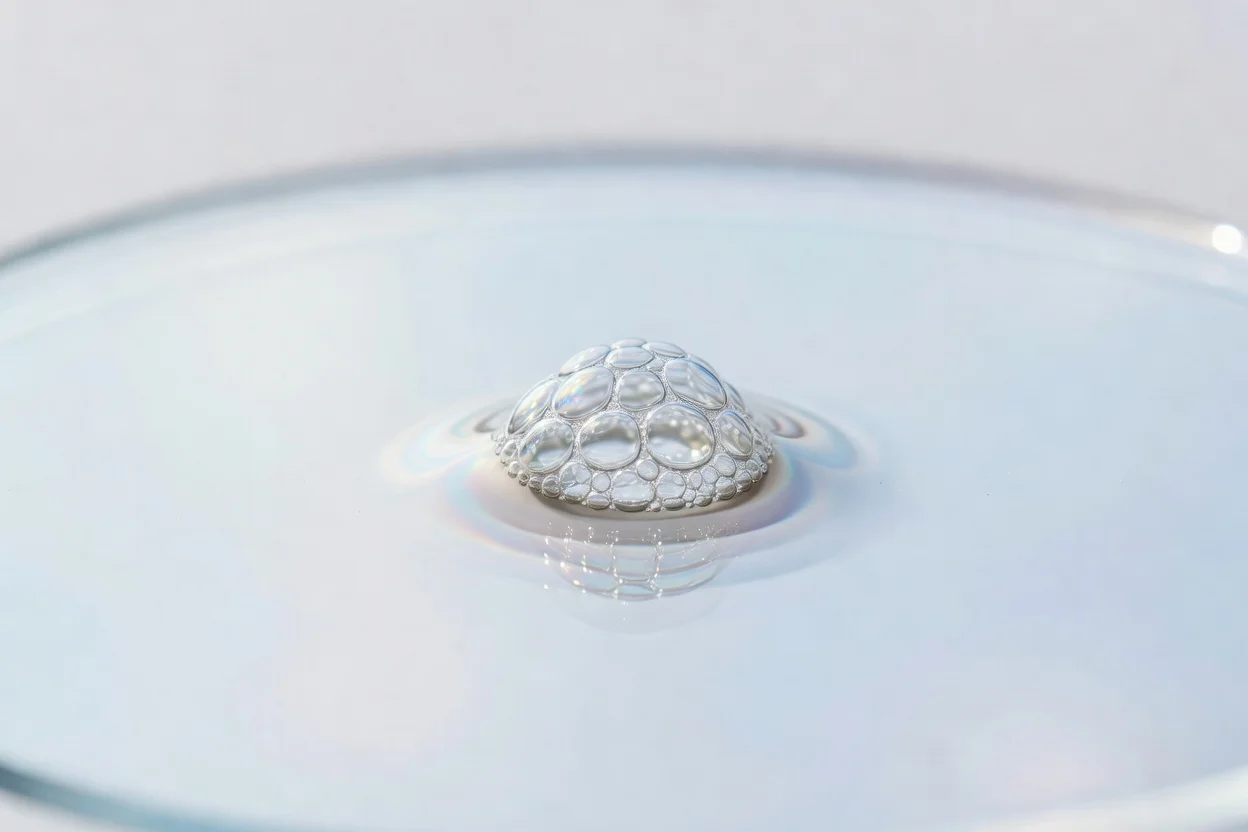
Foaming / blowing agents are additives or process aids used to create cellular structures in plastics, rubbers, and related materials by generating or introducing gas during processing. In plastics, the term blowing agent is generally more precise, while foaming agent is sometimes used more broadly; both refer to technologies that reduce density and introduce useful insulation, cushioning, stiffness-to-weight, and surface-texture effects.
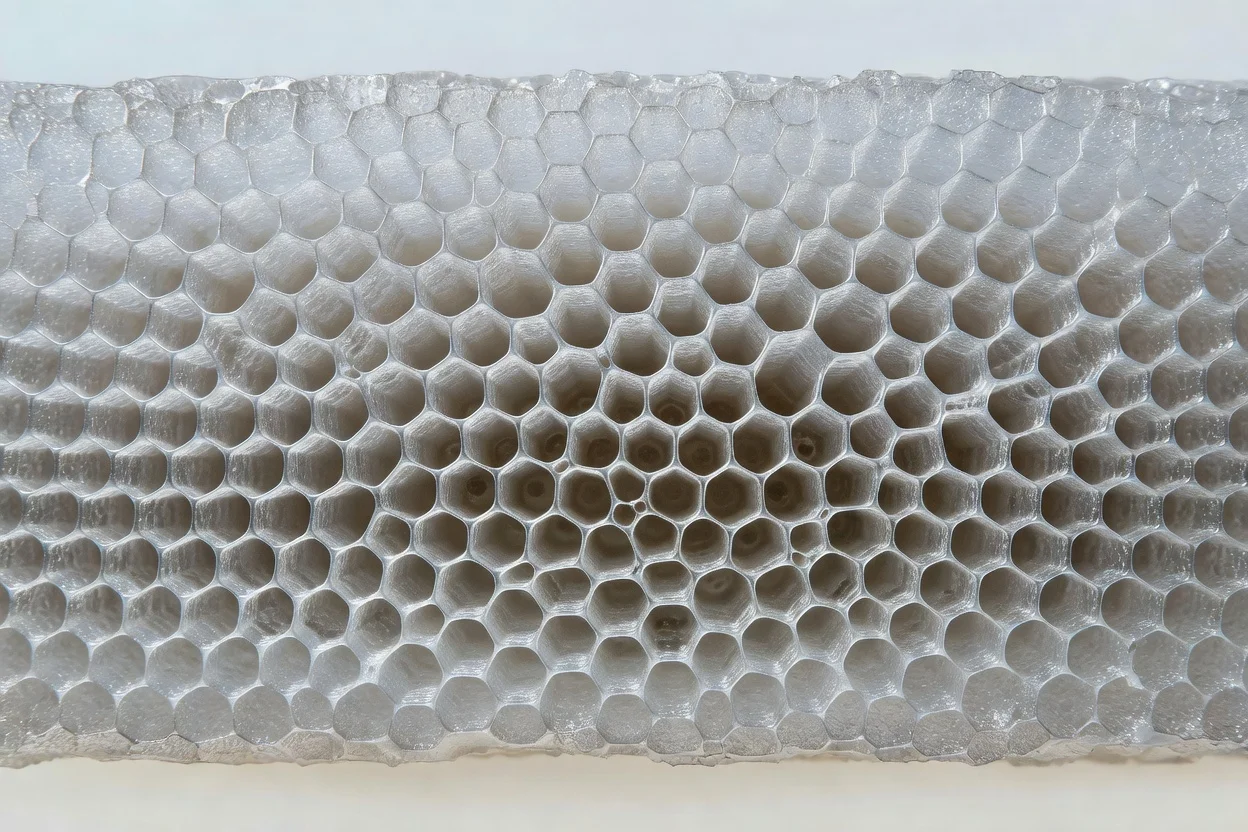
These materials are central to foam plastics such as polyurethane, polystyrene, polyethylene, polypropylene, and specialty elastomer foams. They are also important in rotational molding, extrusion, injection molding, blow molding, and sheet/film foaming, where they can lower part weight, reduce sink marks and warpage, improve flow, and shorten cycle times.
The technology spans multiple chemistries, from chemical blowing agents that release gas by thermal decomposition or reaction, to physical blowing agents such as hydrocarbons, carbon dioxide, nitrogen, and supercritical fluids that expand under pressure change or heat. Sustainability has become a defining issue in the field because some legacy blowing agents have high global-warming potential or ozone impacts, driving a shift toward low-GWP hydrocarbons, carbon dioxide, water-based systems, and improved recycling-compatible foam designs.
History and Development
Foamed materials have long been used to combine low weight with functionality, but industrial-scale use expanded rapidly with the growth of polymer processing in the 20th century. Early foam systems relied on reactive chemistries and volatile liquids, while later development introduced more controlled chemical blowing agents, then physical agents such as hydrocarbons and compressed gases.
A major turning point came with the broad use of fluorinated blowing agents in insulation foams, followed by regulatory pressure to reduce ozone-depleting substances and later high-GWP fluorinated gases. This pushed the industry toward hydrocarbon-based, CO2-based, water-blown, and other lower-impact systems, especially in building insulation, appliances, and automotive components.
In parallel, polymer-process research advanced microcellular foaming, bead foams, and in-situ gas dissolution methods. These developments improved control over cell size, density reduction, and mechanical performance, allowing foam products to move beyond simple lightweighting into engineered structural and functional applications.
Chemical Structure and Key Properties
Blowing-agent performance is determined by gas-generation kinetics, solubility in the melt, diffusion behavior, decomposition temperature, volatility, and compatibility with the polymer matrix. In practical terms, a successful blowing agent must generate cells at the correct processing window and with a cell structure that remains stable until solidification.
Main classes
- Chemical blowing agents: decompose or react to release gas during heating. Common examples include azodicarbonamide, sodium bicarbonate/acids systems, hydrazide-based agents, and isocyanate-water reactions in polyurethane foams.
- Physical blowing agents: introduce gas already present in the system, or dissolved under pressure, such as CO2, nitrogen, pentane, isopentane, or other volatile hydrocarbons.
Key functional properties
- Density reduction: replaces polymer volume with gas, lowering material usage and part mass.
- Thermal insulation: trapped gas cells lower heat transfer, especially in rigid insulation foams.
- Acoustic damping: cellular structures absorb and scatter sound.
- Improved stiffness-to-weight ratio: foamed parts can remain rigid enough for structural use despite lower density.
- Surface and dimensional effects: internal gas pressure can reduce sink marks and warpage in molded parts.
Important limits and workarounds
- Poor O2/grease barrier → open or coarse cells allow permeation → use closed-cell foams, multilayer structures, or barrier coatings.
- Low surface energy before treatment → foamed polyolefins and similar materials can bond poorly → use corona, flame, plasma, primers, or compatibilizers.
- Cell collapse or nonuniformity at high output → gas diffusion and unstable melt strength → use nucleating agents, rheology modifiers, and tighter temperature/pressure control.
- Flammability of some hydrocarbon agents → combustible blowing vapors → use explosion-safe equipment, ventilation, and alternative low-flammability systems.
Typical dosage and mechanism examples
- Sodium bicarbonate-based systems are often used at low phr levels in thermoplastic foaming; they release CO2 and water vapor upon heating, which nucleates bubbles in the melt.
- Azodicarbonamide is widely used in thermoplastic and elastomer foams; it decomposes thermally to generate nitrogen-rich gas, creating fine cells when processing conditions are well matched.
Production Processes and Raw Feedstocks
Blowing agents are selected according to polymer type, processing method, target density, cell structure, and regulatory constraints.
Chemical blowing-agent routes
Chemical systems are compounded directly into the polymer or resin precursor and activated by heat or reaction during processing. They are common in extrusion, injection molding, rotational foaming, and elastomer compounding.
Typical feedstocks include:
- Azodicarbonamide and other nitrogen-generating agents for thermoplastics and elastomers.
- Sodium bicarbonate and acid donors for CO2 evolution.
- Hydrazides and related compounds for tailored decomposition temperatures.
Physical blowing-agent routes
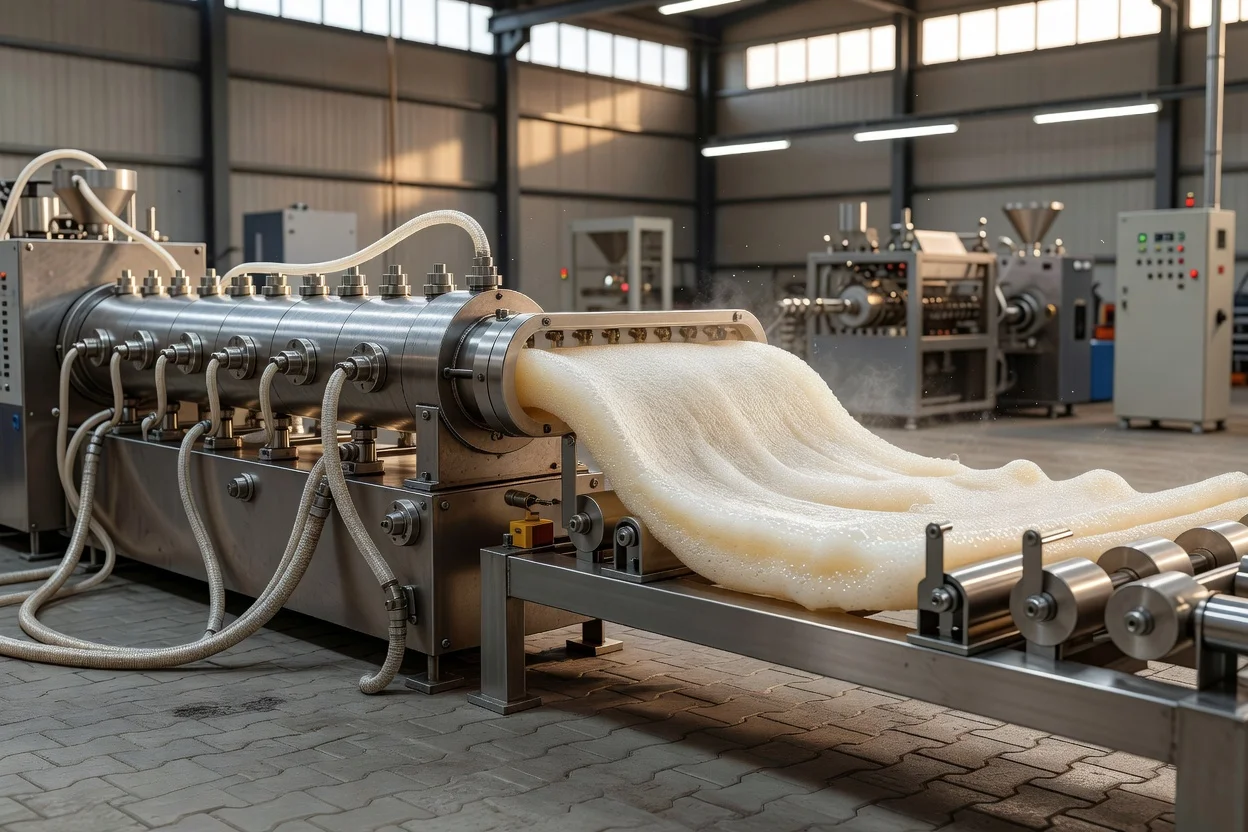
Physical agents are dissolved, emulsified, or injected into the polymer melt under pressure, then expand as pressure drops. This approach is common in extruded foams, microcellular foaming, and insulation materials.
Typical feedstocks include:
- Hydrocarbons such as pentane and isopentane.
- CO2 and nitrogen for cleaner, lower-cost gas foaming.
- Supercritical fluids in advanced microcellular processes.
Processing considerations
- Gas solubility and diffusion must be balanced against polymer viscosity and crystallization behavior.
- Nucleating agents are often added to increase cell density and control morphology.
- In thermoplastic foaming, the melt must retain enough strength to prevent bubble coalescence or collapse before freeze-off.
Applications and End-Use Markets
Blowing agents are used wherever a lighter, more insulating, or more compliant structure is needed.
| End-use sector | Usual foam type / grade | Typical process | Value delivered |
|---|---|---|---|
| Packaging | Expanded polystyrene, polyethylene foams | Bead expansion, extrusion, injection molding | Cushioning, low weight, shipping efficiency |
| Construction insulation | Polyurethane, polystyrene, polyolefin foams | Spray, board, panel, extrusion | Thermal insulation, moisture control |
| Automotive | PU, PP, PE, elastomer foams | Injection molding, reaction foaming, extrusion | Lightweighting, NVH control, comfort |
| Appliances | Rigid insulation foams | Injection foaming, panel foaming | Energy efficiency, dimensional stability |
| Footwear | EVA, PE, PU, rubber foams | Compression, injection, reactive foaming | Cushioning, rebound, comfort |
| Cable and pipe | PE, PP, elastomer foams | Extrusion | Weight reduction, insulation, flexibility |
| Rotomolding and thick-wall parts | PE, PP foams | Rotational foaming | Weight reduction in large parts |
| Medical and wear applications | UHMWPE, specialty foams | Sintering, foamed compounding | Lightweight wear resistance, cushioning |
Common application patterns include:
- Film and sheet: foamed PE and PP for packaging, tablecloths, placemats, and protective wraps.
- Bottles and containers: rigid foamed containers where stiffness and reduced resin use are desired.
- Pipe and cable: foamed insulation layers improve thermal and acoustic performance.
- Agriculture: foamed films and trays can reduce mass and improve handling.
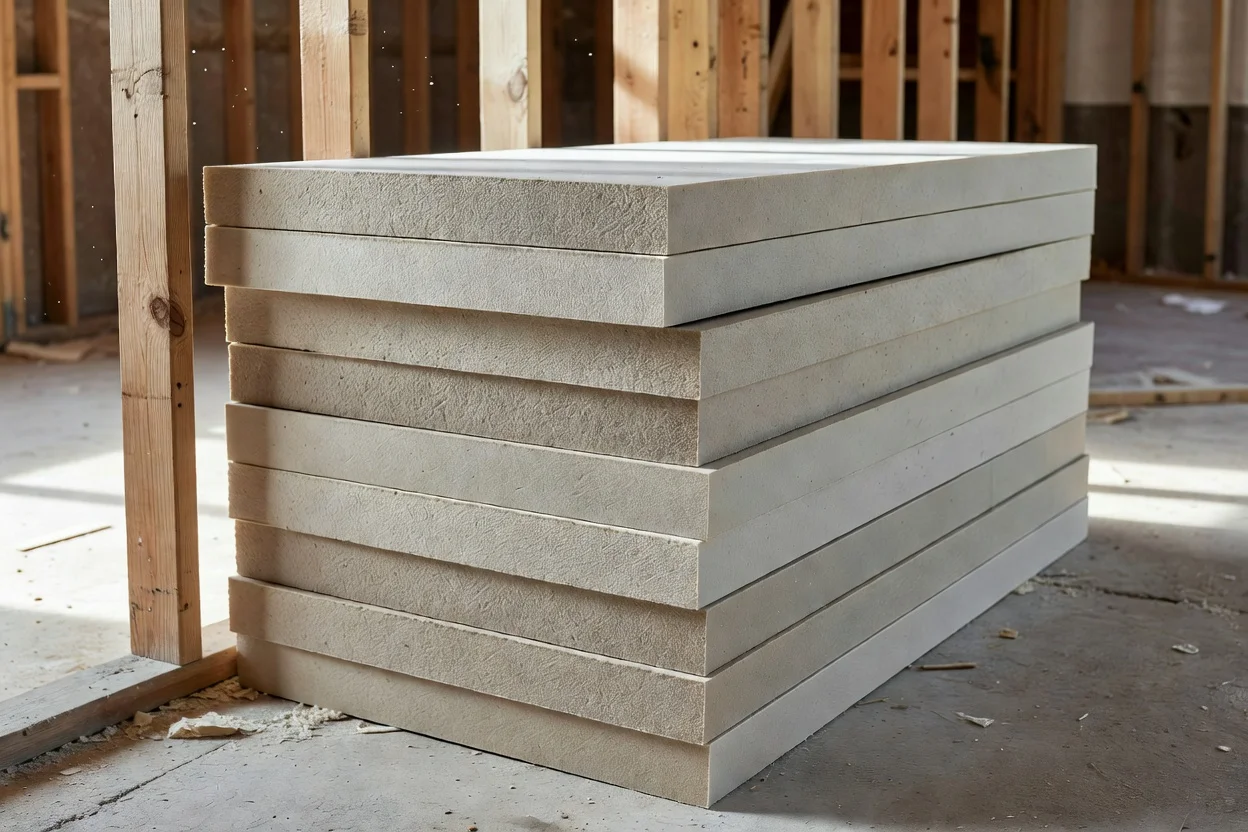
- Geomembranes and construction boards: closed-cell structures enhance insulation and moisture resistance.
- Rotomolding: chemical blowing agents are especially useful because the process can be run under atmospheric conditions and needs controlled gas generation.
- UHMWPE wear and medical uses: specialized low-friction or cushioning structures can benefit from controlled porosity, though this is a niche area rather than a mass-market foam use.
- PEX and crosslinked systems: foaming can improve insulation and flexibility in certain pipe or cable applications.
A notable poor-fit use is thin, highly transparent rigid packaging, where foaming usually reduces clarity and barrier performance and therefore offers limited benefit.
Environmental and Sustainability Aspects
Sustainability is now one of the most important factors shaping blowing-agent selection.
Recyclability
- Foams can complicate mechanical recycling because low bulk density raises collection and logistics costs.
- Additives, crosslinking, and mixed-material structures can reduce recyclate quality.
- Design-for-recycling is improving through mono-material foams, cleaner formulations, and better separation technologies.
Bio-based and lower-impact alternatives
- Water-blown polyurethane remains important because water reacts to generate CO2 in situ.
- CO2 and nitrogen foaming reduce reliance on higher-impact volatile organics.
- Bio-based physical blowing systems are under development, but performance, cost, and compatibility remain limiting factors in many applications.
Carbon footprint and regulation
- Foam insulation can reduce operational energy use in buildings and appliances, sometimes offsetting the emissions associated with foam production.
- At the same time, blowing agents themselves can carry substantial climate impacts if high-GWP gases are used or if emissions are uncontrolled.
- Regulatory pressure has strongly favored low-GWP and non-ozone-depleting systems, especially in insulation foams.
Economic and Global Market Impact
The blowing-agent market is commercially significant because foam production is embedded in insulation, packaging, transport, furniture, appliances, and consumer goods. According to recent market analysis, the global blowing-agent market was estimated at about USD 1.8 billion in 2024 and is projected to reach about USD 2.3 billion by 2029, implying a mid-single-digit CAGR.
Demand is shaped by:
- construction and energy-efficiency standards,
- automotive lightweighting,
- packaging material optimization,
- appliance efficiency requirements,
- and regulatory phaseouts of legacy chemistries.
Leading suppliers vary by chemistry and region, but the market typically includes large polymer-additive companies, specialty chemical firms, and fluorocarbon or hydrocarbon supply chains tied to insulation and foam processing.
Current Challenges and Innovations
Main challenges
- Regulatory transition away from high-GWP and ozone-depleting blowing agents.
- Foam recyclability and contamination of recycling streams.
- Process control for microcellular and lightweight parts, especially in thin-wall or high-throughput operations.
- Safety for combustible hydrocarbons and dust-like powders in some compounding operations.
Active innovation areas
- Low-GWP hydrocarbon and CO2 systems for insulation and packaging.
- Microcellular foaming to reduce resin use while preserving mechanical properties.
- Hybrid nucleating packages that improve cell uniformity and surface quality.
- Bio-based and lower-toxicity formulations for more sustainable foam products.
- Foam concentrates and masterbatches that simplify dosing and improve repeatability in industrial processing.
Future Outlook
Blowing-agent technology is likely to move toward higher efficiency, lower emissions, and tighter integration with circular-economy design. The most competitive systems will be those that deliver controlled cell morphology, comply with tightening environmental rules, and preserve the performance advantages that make foams indispensable in insulation, transport, and packaging.
The strongest growth opportunities are likely to be found in:
- energy-efficient building materials,
- lightweight automotive and mobility parts,
- recyclable mono-material packaging foams,
- and advanced microcellular components where mass reduction does not sacrifice performance.
Summary
Foaming / blowing agents are enabling additives that create the cellular architecture behind modern plastic foams. Their value lies in the combination of lightweighting, insulation, cushioning, and process benefits, but their future depends on cleaner chemistries, better recyclability, and rigorous control of emissions and safety.
References
- •
Foaming agent: The widely used additive in density reduction. (2024, April 27). https://expandablemicrosphere.com/foaming-agent-the-widely-used-additive-in-density-reduction/Link
- •
8 Foaming and anti-foaming agents. (2018, November 1). https://ebooks.inflibnet.ac.in/ftp03/chapter/foaming-and-anti-foaming-agents/1000/Link
- •
Blowing agents in industry: Types and applications. (2026, January 9). https://gasesgrit.com/en/blowing-agents-in-industry-types-and-applications/Link
- •
Foaming agents. (n.d.). https://www.kruss-scientific.com/en/know-how/glossary/foaming-agentsLink
- •
Foaming agent: An overview. (n.d.). https://www.sciencedirect.com/topics/medicine-and-dentistry/foaming-agentLink
- •
What is foaming agent? Where it is used? (2024, May 6). https://www.slideshare.net/slideshow/what-is-foaming-agent-where-it-is-used/267824313Link
- •
The powerful effects of foaming agents. (2024, January 3). https://blog.matta.trade/foaming-agents/Link
- •
Foaming agents: A comprehensive guide to their uses. (2026, August 9). https://websitealchemist.co.uk/foaming-agents/Link
- •
What is a foaming agent example? (2024, February 22). https://en.jinlichemical.com/news/60.htmlLink
- •
Blowing agents: Knowledge and references. (2025, March 17). https://taylorandfrancis.com/knowledge/Engineering_and_technology/Materials_science/Blowing_agents/Link
- •
Essential guide to blowing agents: Fundamentals and applications. (2025, April 25). https://en.jinlichemical.com/news/industry-news/essential-guide-to-blowing-agents-fundamentals-and-applications-91.htmlLink
- •
Chemical foaming agents. (n.d.). https://www.avient.com/products/polymer-additives/foaming-agentsLink
- •
What is a foaming agent? Types, uses, and how it works. (2026, March 14). https://scienceinsights.org/what-is-a-foaming-agent-types-uses-and-how-it-works/Link
- •
Blowing agent: An overview. (n.d.). https://www.sciencedirect.com/topics/materials-science/blowing-agentLink
- •
How blowing agents work. (2025, August 1). https://en.jinlichemical.com/news/industry-news/how-blowing-agents-work-102.htmlLink
- •
Blowing agent. (n.d.). https://cameo.mfa.org/wiki/Blowing_agentLink
- •
Natural foam blowing agents. (n.d.). https://www.green-cooling-initiative.org/fileadmin/user_upload/2012_Natural_Foam_Blowing_Agents.pdfLink
- •
Foaming agent. (2005, August 11). https://en.wikipedia.org/wiki/Foaming_agentLink
- •
Chemical blowing agents. (n.d.). https://www.lehvoss.it/fileadmin/Masterbatches/PDFs/Chemical_blowing_agents_to_produce_foamed_films_and_sheets.pdfLink
- •
Foaming agents in personal care products: How they work. (2025, January 23). https://surfactant.alfa-chemistry.com/foaming-agents-in-personal-care-products-how-they-work.htmlLink
- •
Recent trends of foaming in polymer processing: A review. (2019, June 1). https://pmc.ncbi.nlm.nih.gov/articles/PMC6631771/Link
- •
Blowing agents. (2024, October 4). https://will-co.eu/en/blowing-agents/Link
- •
Foaming agent masterbatch. (2021, November 23). https://www.ampacet.com/masterbatch-products/ampacet-additives/foaming-agents/Link
- •
Stable PET foaming. (n.d.). https://res.cloudinary.com/sternwald-systems/raw/upload/v1/hugoprd/ARTIKEL_ATTACH/00243F6B_0935D219761F/d1a187c7a693ffac3dc28ff7eefcf4d5e7c57891/PE_2010_09_Stable-PET-Foaming.pdfLink
- •
Foaming agents. (n.d.). https://www.venus-goa.com/foaming-agents.phpLink
- •
From gas release to foam synthesis, the second breath of blowing agents. (n.d.). https://hal.science/hal-02948109/documentLink
- •
What are foaming agents in plastics manufacturing. (2025, June 6). https://phoenixplastics.com/what-are-foaming-agents-in-plastics-manufacturing-and-why-do-they-matter/Link
- •
Foaming plastics with inert gases. (n.d.). https://res.cloudinary.com/sternwald-systems/raw/upload/v1/hugoprd/ARTIKEL_ATTACH/00243689_18596F9F130F/5b9409bce18dce94d50854b6f4c0df6a330721be/PE_2005_06_Physical-Blowing-Agents-Foaming-Plastics-with-Inert-Gases.pdfLink
- •
Blowing agents. (n.d.). https://link.springer.com/chapter/10.1007/978-94-011-5862-6_16Link
- •
Top 10 anti foaming agents: Uses, benefits, and. (2025, December 29). https://www.sixindefoamer.com/blog/top-10-anti-foaming-agents-uses-and-benefits/Link
- •
Foaming agent masterbatches or concentrates. (2021, September 26). https://www.rtpcompany.com/technical-info/molding-guidelines/foaming-agent-masterbatches-or-concentrates/Link
- •
Chemical blowing agents. (n.d.). http://www.pt.bme.hu/publikaciok/922_open_applsci-08-01960.pdfLink
- •
Polymer foaming with chemical blowing agents: Experiment and modeling. (n.d.). https://minesparis-psl.hal.science/hal-01102122v1/documentLink
- •
Blowing/foaming agents. (2025, May 8). https://www.specialchem.com/polymer-additives/pf-blowing-foaming-agents/all-productsLink
- •
Preparation and application of foaming agent based on the. (2022, October 21). https://pmc.ncbi.nlm.nih.gov/articles/PMC9609923/Link
- •
Foaming and defoaming–concepts and their significance in food and allied industries: A review. (n.d.). https://link.springer.com/article/10.1007/s43938-023-00025-6Link
- •
Foaming agents: Topics by Science.gov. (n.d.). https://www.science.gov/topicpages/f/foaming+agents.htmlLink
- •
Blowing agents. (2019, January 1). https://www.ataman-chemicals.com/en/products/blowing-agents-2467.htmlLink
- •
Foam. (2018, October 29). https://www.unep.org/ozonaction/what-we-do/foamLink
- •
Defoamer. (2008, November 11). https://en.wikipedia.org/wiki/DefoamerLink
- •
Blowing agent. (2019, September 10). https://ky-europe.com/en/blowing-agent/Link
- •
What are chemical blowing agents. (2025, August 27). https://www.zjshuntaitech.com/news/what-are-chemical-blowing-agents.htmlLink
- •
Foam blowing. (n.d.). https://www.ahperformance.com/markets/industrial/foam-blowing/Link
- •
Significantly tunable foaming behavior of blowing agent for. (2024, January 29). https://pmc.ncbi.nlm.nih.gov/articles/PMC10851368/Link
- •
Endothermic blowing agents compositions and applications. (2011, April 12). https://patents.google.com/patent/US5302455A/enLink
- •
What are blowing agents? (2011, February 4). https://www.sprayfoammagazine.com/forum/topic/what-are-blowing-agents/2066Link
- •
Foam blowing agents. (2024, June 13). https://acrcarbon.org/resources/foam-blowing-agents/Link
- •
Insulation foam blowing agent. (2025, September 4). https://www.fluorocarbons.org/applications/insulation-foam-blowing-agent/Link
- •
Characterization of different chemical blowing agents and. (n.d.). https://www.mdpi.com/2076-3417/8/10/1960Link
- •
Chemical blowing agents. (n.d.). https://www.lohtragon.com/applications/polymer-additives/blowing-agents/Link
- •
Blowing agent companies. (2024, April 18). https://www.marketsandmarkets.com/ResearchInsight/blowing-agents-market.aspLink