
Introduction
Nano-titanium dioxide is the nanoscale form of titanium dioxide, a white, chemically stable, and optically active inorganic material widely used in plastics, coatings, cosmetics, catalysts, and advanced functional surfaces. In plastics and auxiliaries, its value lies in its combination of high refractive index, ultraviolet screening, photocatalytic behavior, and surface-engineering potential, which can improve opacity, weatherability, self-cleaning performance, and durability.
The material is commonly produced and used mainly as anatase or rutile, with the choice of crystal phase strongly affecting photocatalytic activity, UV response, and outdoor stability. At the same time, nanoscale dimensions bring important trade-offs: the same surface reactivity that enables performance benefits can also raise concerns about inhalation exposure, photocatalysis-driven degradation, and environmental persistence.
Within the plastics industry, nano-titanium dioxide is best understood not as a universal replacement for conventional titanium dioxide, but as a specialty auxiliary that serves targeted functions in high-performance formulations, especially where UV control, surface functionality, or catalytic activity matter more than bulk hiding power. Its current development is shaped by stricter occupational and product-safety scrutiny, evolving regulation, and continued research into safer surface treatments, encapsulation methods, and hybrid nanocomposites.
History and Development
Titanium dioxide was established long before the nanoscale version became commercially relevant, first as a pigment and then as a functional additive in diverse industrial systems. The shift toward nanoscale TiO2 accelerated with advances in sol-gel processing, hydrothermal synthesis, flame routes, and controlled precipitation, which made it possible to tailor particle size, morphology, phase composition, and surface chemistry.
Early nanostructured TiO2 research focused heavily on photocatalysis, solar conversion, and biomedical surfaces, but industrial interest expanded into coatings, polymers, inks, sunscreens, and environmental remediation. As the field matured, researchers increasingly recognized that nanoscale TiO2 behaves differently from pigment-grade TiO2 because surface area, crystal facets, and defect states become much more influential at small particle size.
Regulatory and toxicological scrutiny also intensified as use broadened. Multiple reviews and institutional assessments noted that while titanium dioxide is generally low in solubility and chemically stable, inhalation of fine and nanoscale powders raises health concerns, especially in occupational settings. This has encouraged the industry to favor coated or embedded forms when nano-TiO2 is used in consumer products and polymer matrices.
Chemical Structure and Key Properties
Nano-titanium dioxide is an inorganic semiconductor composed of titanium and oxygen, most often in the anatase or rutile crystal structure; brookite is less common in commercial practice. The material is typically a white powder, with a very high refractive index and strong absorption in the ultraviolet region, which makes it valuable for optical and protective functions.
Key property profile
| Property | Practical significance |
|---|---|
| High refractive index | Strong light scattering and whitening power in coatings and plastics |
| UV absorption | UV screening in sunscreens, films, coatings, and weatherable polymers |
| Semiconductor behavior | Photocatalysis, sensors, and energy applications |
| Chemical stability | Good resistance to heat, corrosion, and many environments |
| Nanoscale surface area | Higher reactivity and stronger surface interactions than bulk TiO2 |
Functional limits and workarounds
- Limit: High photocatalytic activity can accelerate oxidation of nearby organic binders, polymers, and additives; cause: nanoscale TiO2 generates reactive oxygen species more readily under UV exposure; workaround: surface coating with silica or alumina, use of stabilizing dispersants, or selection of rutile and low-photocatalytic grades.
- Limit: Poor transparency control can still occur in some systems if agglomeration is not managed; cause: nanoscale particles have high surface energy and tend to cluster; workaround: surface functionalization, controlled dispersion, and masterbatch compounding.
- Limit: Inhalation risk in powder handling; cause: fine airborne particles can reach the respiratory tract; workaround: slurry forms, bound-in masterbatches, enclosed processing, and exposure controls.
A notable materials distinction is that anatase is generally favored for photocatalysis, while rutile is more often preferred where UV durability and lower surface activity are required. In plastics, that distinction is important because an additive that is excellent for self-cleaning can be too reactive for long-lived polyolefin or elastomer formulations unless properly stabilized.
Production Processes and Raw Feedstocks
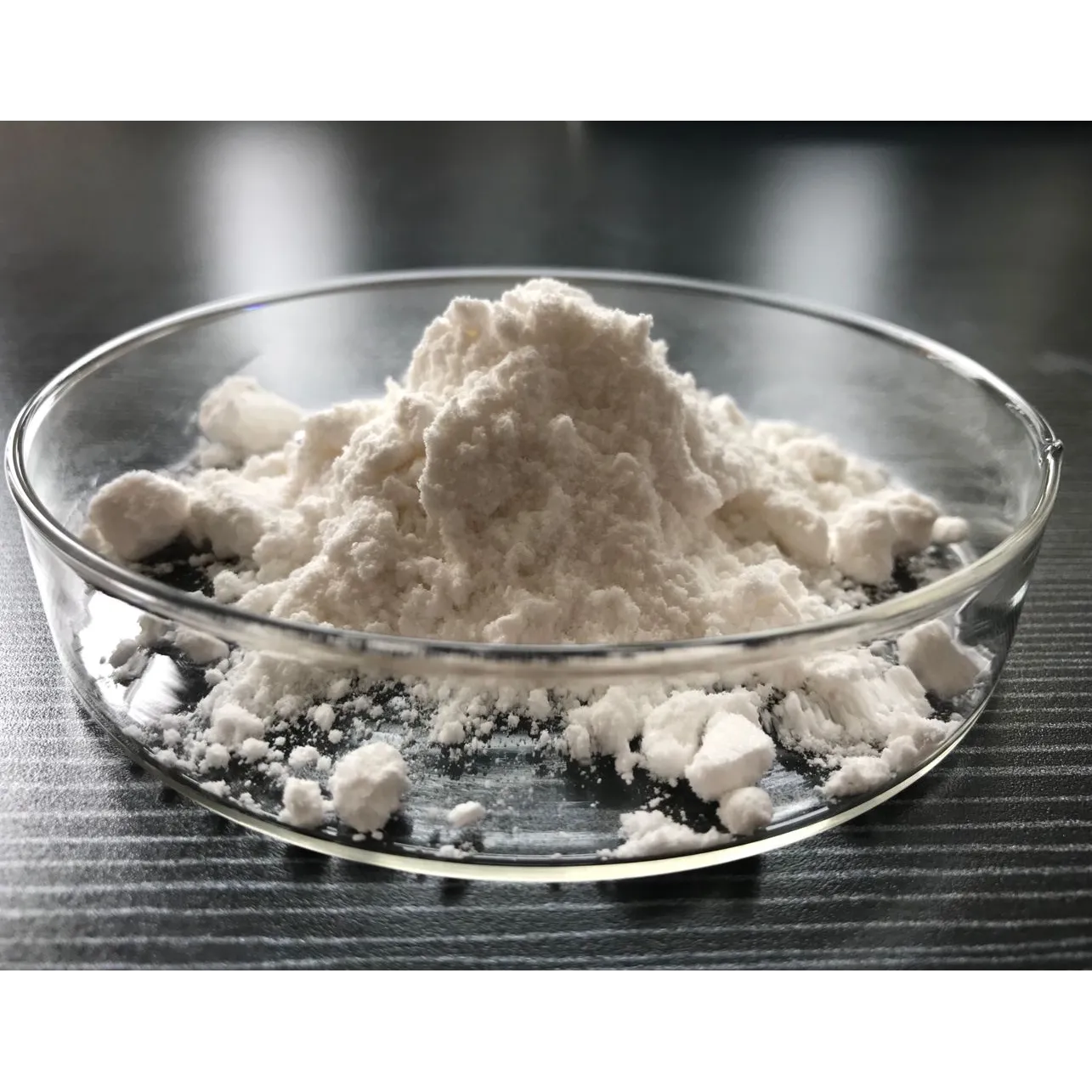
Industrial production begins with titanium-bearing mineral feedstocks, most commonly ilmenite and rutile concentrates, which are converted into titanium dioxide through chemical processing routes. Nano-titanium dioxide is then produced by controlled synthesis methods that determine particle size, crystallinity, morphology, and surface state.
Common synthesis routes include:
- Sol-gel processing, which allows fine control of hydrolysis and condensation chemistry and is widely used in laboratory-to-pilot scale nanomaterials.
- Hydrothermal methods, which can yield well-defined crystalline particles and nanostructures.
- Precipitation and peptization, often used for scalable particle formation and post-treatment.
- Flame or vapor-phase routes, used where industrial throughput and narrow particle distributions are required.
After particle formation, the product may undergo:
- Surface coating with silica, alumina, zirconia, or organic treatments to suppress photocatalysis and improve dispersion.
- Milling and deagglomeration to control aggregate size.
- Compounding into masterbatches for plastics use, which reduces dust exposure and improves incorporation into polymer melts.
The most important process variable in commercial use is often not the primary particle size alone, but the degree of agglomeration and the quality of surface treatment, because these determine performance in the final plastic or coating system.
Applications and End-Use Markets
Nano-titanium dioxide has a broad application profile, but its industrial value is strongest in uses that depend on UV management, photocatalysis, surface functionality, and high optical efficiency. In plastics and auxiliaries, it often serves as a specialty additive rather than a primary bulk pigment.
Plastics and polymer-related uses
| End use | Typical role of nano-TiO2 | Common processing route |
|---|---|---|
| UV-stabilized films | UV screening and slower embrittlement | Masterbatch compounding, cast or blown film extrusion |
| Outdoor coatings on plastics | Weather resistance and self-cleaning | Solvent or waterborne coating formulation |
| Packaging and specialty containers | Optical/UV control in selected systems | Injection molding, extrusion, coating |
| Fiber and textile auxiliaries | UV protection and antimicrobial/surface effects | Pad-dry-cure, finishing baths |
| Cable and wire jacketing | UV shielding and durability | Compounding into PVC or polyolefin jackets |
| Construction polymers | Self-cleaning or anti-fog surfaces | Coatings, cementitious composites, film laminates |
Non-plastics markets
Nano-TiO2 is also important in:
- Cosmetics and sunscreens, where it serves as a UV filter and whitening agent, especially in nanoform to reduce visible whitening on skin.
- Photocatalysis and environmental treatment, including water purification and air-cleaning surfaces.
- Sensors and electronics, where semiconductor properties are exploited in gas, humidity, and biosensing devices.
- Biomedical applications, including implant coatings, drug delivery systems, and antibacterial surfaces, although these are more specialized and tightly regulated.
One poor-fit use is in highly reactive outdoor polymer systems without adequate stabilization, because nano-TiO2 can promote oxidative degradation of the surrounding polymer if uncoated or poorly dispersed.
Performance in Plastics and Compounding
In plastics, nano-titanium dioxide is sometimes used to improve UV resistance, surface hardness, and visual appearance, but the exact outcome depends strongly on particle treatment and polymer type. Compared with conventional pigment-grade TiO2, the nano form can offer stronger surface effects at lower loadings, yet it also requires much better dispersion control.
Typical formulation strategies include:
- Low loading levels for UV screening or specialty optical effects, often in the subpercent to low-percent range, depending on the polymer and target property.
- Surface-coated nano-TiO2 to minimize photocatalytic attack on the polymer matrix.
- Hybrid packages combining nano-TiO2 with hindered amine light stabilizers, UV absorbers, or antioxidants to control both UV transmission and oxidative chain scission.
Two concrete examples illustrate the mechanism:
- A silica-coated nano-TiO2 in a polyethylene film can reduce UV transmission while limiting photocatalytic oxidation; the coating acts as a barrier that suppresses charge transfer to the polymer surface.
- A rutile nano-TiO2 masterbatch in a cable jacket can improve weathering resistance and whiteness, but only if dispersion is good and additional antioxidants are present to manage long-term thermal-oxidative stress.
Environmental and Sustainability Aspects
Nano-titanium dioxide sits at the intersection of performance enhancement and environmental concern. The material itself is chemically stable and often described as low in acute toxicity, but its nanoscale form can raise questions about inhalation exposure, ecotoxicity, and persistence in environmental compartments.
Recyclability and circularity
- In plastics, nano-TiO2 can complicate mechanical recycling if it is used in coatings or multilayer structures, because it may reduce material purity or alter reprocessing behavior.
- When well-dispersed in thermoplastics, it generally remains embedded during recycling, but repeated thermal histories can affect stabilization packages and color performance.
- Its presence in opaque or functionalized recyclates may be acceptable, but recyclability is better when the additive system is intentionally designed for circularity from the start.
Bio-based and lower-impact alternatives
There is no direct bio-based substitute for TiO2 itself, because its function comes from inorganic optical and semiconductor properties rather than molecular origin. However, sustainability strategies include:
- Using less additive through more efficient dispersion.
- Replacing some UV-protection functions with co-additives such as organic UV absorbers.
- Selecting coated, low-photocatalytic grades to reduce damage to polymers and thereby extend service life.
- Shifting certain applications to non-nano pigmentary TiO2 where nanoscale behavior is not required.
Carbon footprint considerations
The environmental footprint of nano-TiO2 depends on the energy intensity of feedstock upgrading, particle synthesis, drying, and surface treatment. Because the functional benefit can extend product life, its lifecycle profile may be favorable in durable goods, but less so in short-lived applications if the environmental cost of production is not offset by meaningful performance gains.
Safety and regulatory context
Health assessments have repeatedly highlighted inhalation as the key route of concern, especially in powder handling and workplace exposure. Some institutional reviews have also noted uncertainty around genotoxicity and respiratory effects, which has led to stricter exposure control and, in some jurisdictions, tighter product restrictions for food-related uses of TiO2 overall.
Economic and Global Market Impact
The nano-titanium dioxide market is smaller and more specialized than the enormous conventional TiO2 pigment market, but it has strategic importance in high-value coatings, cosmetics, biomedical products, and advanced materials. Demand is driven less by tonnage and more by performance differentiation, regulatory acceptability, and formulation know-how.
According to recent industry and technical reviews, global production capacity is concentrated among large titanium dioxide producers and specialty nanomaterial suppliers, with China, North America, and Europe playing major roles in both feedstock processing and downstream formulation. The market is also shaped by the availability of coating technologies, high-purity feedstocks, and compliance with workplace exposure standards.
For plastics converters, the economic significance lies in the additive’s ability to extend outdoor durability, improve product aesthetics, and enable premium functionality in films, cables, and building products. However, the cost premium versus conventional TiO2 means nano grades are typically reserved for applications where the functional benefit clearly outweighs the added cost and regulatory burden.
Current Challenges and Innovations
The central challenge is balancing performance with safety and durability. The very properties that make nano-TiO2 useful, including high surface area and UV activity, can also drive unwanted oxidation, dispersion instability, or toxicological concern.
Key innovation directions include:
- Surface passivation, especially silica and alumina coatings that suppress photocatalysis while preserving UV screening.
- Encapsulation in polymers or masterbatches, which reduces dust exposure and improves processing consistency.
- Hybrid nanocomposites, where nano-TiO2 is combined with graphene, silica, clay, or carbon-based additives to tailor barrier, mechanical, and optical properties.
- Smart photocatalytic surfaces, designed for self-cleaning, antimicrobial, or anti-fog functions in architectural and transportation plastics.
- Safer-by-design toxicology research, aimed at correlating particle morphology, coating, and exposure route with biological response.
In plastics, one of the most important practical innovations is the move from raw nanopowders to pre-dispersed concentrates, because this improves consistency while lowering occupational exposure during compounding and molding.
Future Outlook
Nano-titanium dioxide is likely to remain important as a niche functional auxiliary rather than a mass commodity in plastics. Its strongest future prospects lie in long-life applications where UV protection, photocatalysis, or special surface behavior justifies its cost and regulatory attention.
Future growth is likely in:
- Weatherable polymer systems for construction, transport, and outdoor infrastructure.
- Functional coatings with self-cleaning or antimicrobial properties.
- Advanced packaging and technical films where optical control and UV blocking are valuable.
- Energy and sensor applications, where nanoscale semiconductor behavior is central.
At the same time, commercialization will increasingly depend on whether suppliers can provide low-dust, coated, well-dispersed, and toxicologically better-characterized products that fit modern safety expectations. In that sense, the future of nano-titanium dioxide is not only about making particles smaller, but about making them safer, more selective, and more compatible with circular plastics design.
Summary
Nano-titanium dioxide is a highly functional inorganic auxiliary whose nanoscale properties enable UV control, photocatalysis, surface enhancement, and specialty optical effects in plastics and related industries. Its most important industrial strengths are high refractive index, UV responsiveness, and chemical stability, while its principal limitations are photoreactivity, dispersion difficulty, and inhalation-related safety concerns.
In the plastics value chain, it is most relevant in specialty films, coatings, cables, construction materials, and high-performance formulations where durability or surface function matters more than bulk pigmentation. The material’s future will depend on surface engineering, safer handling, and careful alignment between performance gains, regulatory compliance, and sustainability goals.
References
- •
Titanium dioxide nanoparticles: Industrial applications. (2021, October 25). AZoNano. https://www.azonano.com/article.aspx?ArticleID=5849Link
- •
Jafari, S. (2020). Biomedical applications of TiO2 nanostructures. PMC. https://pmc.ncbi.nlm.nih.gov/articles/PMC7234979/Link
- •
Shah, S. N. A. (2017). Hazardous effects of titanium dioxide nanoparticles in ecosystem. PMC. https://pmc.ncbi.nlm.nih.gov/articles/PMC5360948/Link
- •
Chandoliya, R. (2024). Titanium dioxide nanoparticle: A comprehensive review on application in nanomedicine and pharmaceutics. PMC. https://pmc.ncbi.nlm.nih.gov/articles/PMC11547906/Link
- •
Ahmed, B. (2021). Applications of titanium dioxide nanoparticles in nanomedicine. https://mvmj.researchcommons.org/cgi/viewcontent.cgi?article=1105&context=homeLink
- •
Skocaj, M. (2011). Titanium dioxide in our everyday life; is it safe? PMC. https://pmc.ncbi.nlm.nih.gov/articles/PMC3423755/Link
- •
Titanium dioxide nanoparticle. (2017, September 7). Wikipedia. https://en.wikipedia.org/wiki/Titanium_dioxide_nanoparticleLink
- •
Wu, X. (2021). Applications of titanium dioxide materials. IntechOpen. https://www.intechopen.com/chapters/77676Link
- •
Titanium dioxide. (2022, June 2). Campaign for Safe Cosmetics. https://www.safecosmetics.org/chemicals/titanium-dioxide/Link
- •
Anatase nano grade titanium dioxide (TiO2). (2022, January 11). MarkNature. https://marknature.com/products/anatase-titanium-dioxide-nano-gradeLink
- •
Titanium dioxide application. (n.d.). SAT Nano. https://www.satnanomaterial.com/blog/titanium-dioxide-application_bkLink
- •
Titanium dioxide: Known environmental impacts? (2025, April 3). Typology. https://us.typology.com/library/is-titanium-dioxide-harmful-to-the-environmentLink
- •
Mhadhbi, M. (2023). Synthesis and properties of titanium dioxide nanoparticles. IntechOpen. https://www.intechopen.com/chapters/87015Link
- •
Sunscreens with titanium dioxide as nanoparticles. (n.d.). European Commission. https://health.ec.europa.eu/document/download/662b234b-7a9d-4393-9881-b303ecaf158b_enLink
- •
Hsu, C. Y. (2024). Nano titanium oxide (nano-TiO2): A review of synthesis methods, properties, and applications. https://www.sciencedirect.com/science/article/pii/S2666016424000203Link
- •
Heilgeist, S. (2020). Assessing the environmental impact of sunscreen TiO2 nanoparticles. https://scholarsarchive.byu.edu/iemssconference/2020/Stream-F/3/Link
- •
Titanium dioxide nanoparticles. (2026, July 15). Techinstro. https://techinstro.com/shop/nanoparticles/titanium-dioxide-nanoparticles/Link
- •
ANSES's work on titanium dioxide. (2024, October 18). Agence nationale de sécurité sanitaire. https://www.anses.fr/en/content/ansess-work-titanium-dioxideLink
- •
Solymos, K. (2024). Photocatalytic and surface properties of titanium dioxide nanoparticles. https://pubs.rsc.org/en/article/11/3/1204/808252/Photocatalytic-and-surface-properties-of-titaniumLink
- •
Ayorinde, T. (2023). An updated review of industrially relevant titanium dioxide and its environmental health effects. https://www.sciencedirect.com/science/article/pii/S2666911023000114Link
- •
Alothoum, M. A. S. (2025). A review of the synthesis, structural, and optical properties of titanium dioxide nanoparticles. https://www.mdpi.com/2073-4352/15/11/944Link
- •
Chemical profile: Titanium dioxide. (n.d.). Made Safe. https://madesafe.org/blogs/viewpoint/chemical-profile-titanium-dioxideLink