
Introduction
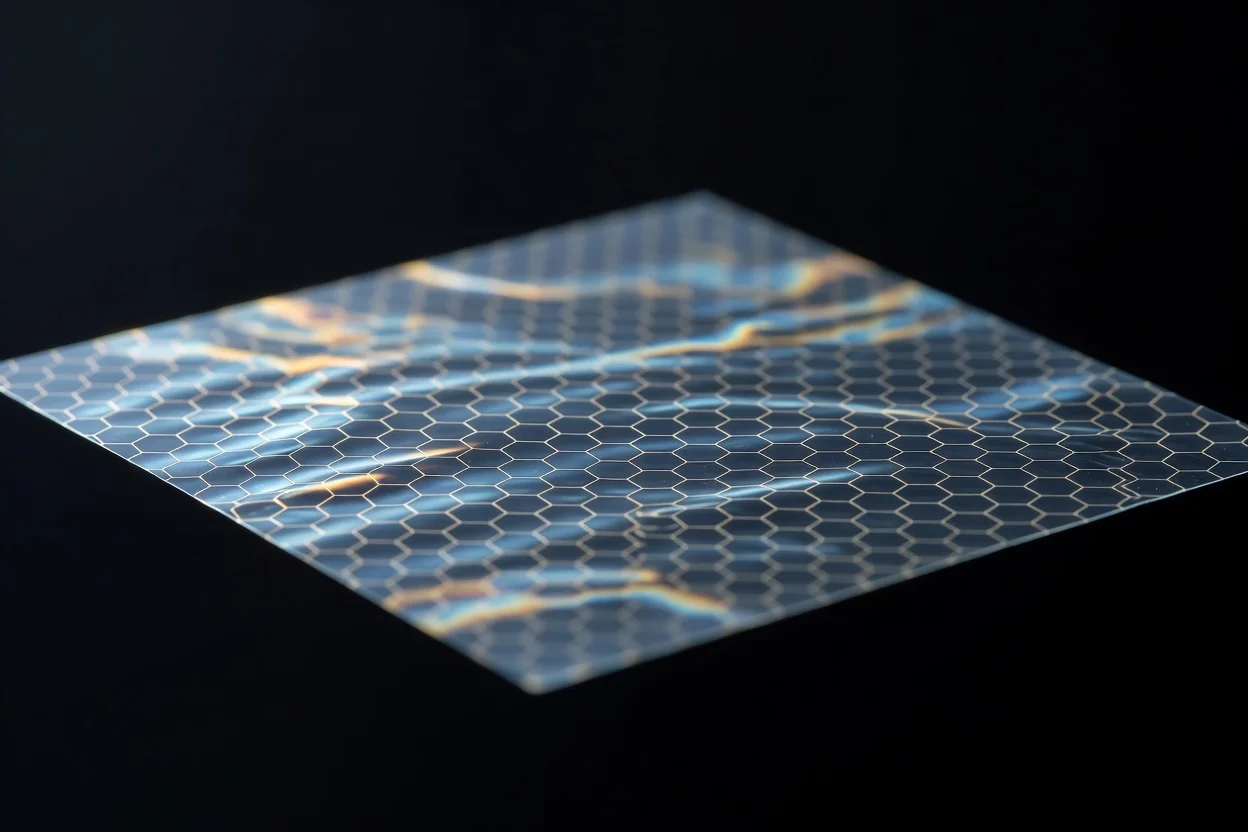
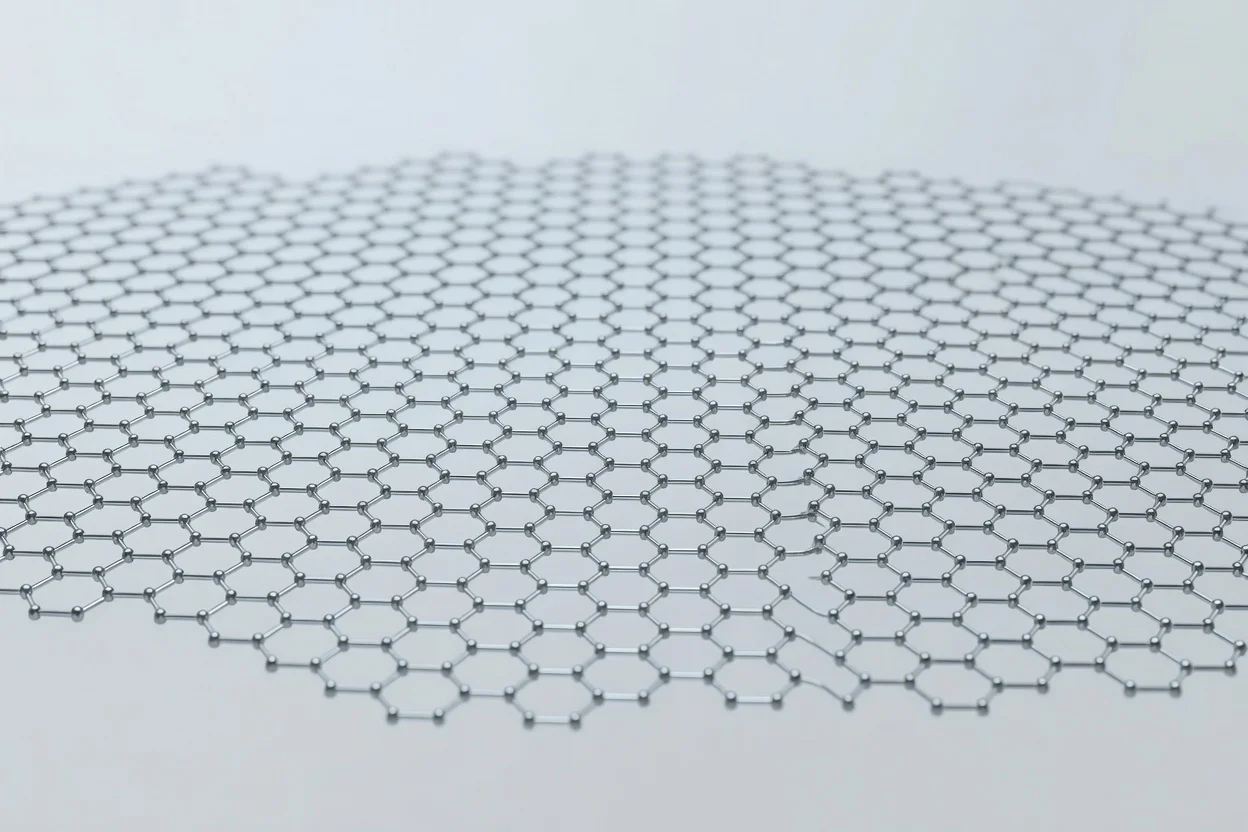
Graphene is a one-atom-thick form of carbon arranged in a hexagonal honeycomb lattice, making it the archetypal two-dimensional carbon material and the fundamental building block of graphite. It is widely recognized for its exceptional electrical and thermal conductivity, high specific surface area, mechanical strength, flexibility, and optical transparency, which together explain its prominence in advanced materials research and its growing role in plastics, coatings, electronics, energy storage, and barrier technologies.
Within the plastics value chain, graphene is usually not a bulk raw polymer but a high-value functional additive or reinforcement phase. It is used in small loadings to enhance conductivity, mechanical performance, heat dissipation, antistatic behavior, barrier properties, and sensing capability in polymers, elastomers, inks, films, and composite systems. Commercial reality is more nuanced than the popular “wonder material” narrative: many formulations rely not on pristine single-layer graphene but on graphene nanoplatelets, few-layer graphene, reduced graphene oxide, or functionalized graphene derivatives, because these forms are generally easier to manufacture, disperse, and integrate into industrial processing routes.
The modern graphene field emerged after the isolation of single-layer graphene in the early 2000s, work that helped establish graphene as a major topic in condensed-matter physics and materials science and led to the Nobel Prize in Physics in 2010. Since then, development has moved from fundamental discovery toward scalable synthesis, surface functionalization, and application engineering, especially in areas where lightweight multifunctionality matters: conductive plastics, thermal-interface materials, membranes, sensors, batteries, and protective coatings.
At the same time, graphene’s sustainability profile remains mixed. Its potential to improve fuel efficiency through lightweight composites, extend product life, reduce material intensity, and enable lower-energy technologies is significant, but industrial production still involves energy use, process chemicals, and variability in quality and performance. The most credible outlook is therefore not universal replacement of conventional fillers or metals, but selective adoption in applications where graphene’s unique combination of properties justifies its cost and processing complexity.
History and Development
The conceptual roots of graphene lie in the long-standing study of graphite, carbon nanostructures, and surface physics. For decades, isolated two-dimensional carbon sheets were considered difficult or impossible to study as free-standing materials because of thermodynamic instability concerns.
The field changed rapidly in the early 21st century after experimental isolation of graphene, followed by intense research into its electronic, mechanical, and transport behavior. Subsequent work expanded the definition of the graphene family to include multilayer graphene, graphene nanoplatelets, graphene oxide, and reduced graphene oxide, which are more relevant to industrial formulation than pristine monolayers.
Industrial interest accelerated when researchers and manufacturers identified practical routes for using graphene as a multifunctional additive rather than as a stand-alone structural material. This shift was important because it aligned graphene with existing processing systems such as polymer compounding, masterbatch production, coatings, inks, and membrane fabrication.
Chemical Structure and Key Properties
Graphene consists of sp2-bonded carbon atoms in a flat hexagonal lattice, with each atom connected to three neighbors in-plane and one delocalized electron system contributing to its unusual transport properties. In ideal form, it is atomically thin, highly crystalline, and extraordinarily efficient at conducting heat and electricity.
Key properties relevant to plastics and auxiliaries
| Property | Industrial significance |
|---|---|
| High electrical conductivity | Enables antistatic, conductive, EMI-shielding, and sensor applications in polymers. |
| High thermal conductivity | Supports heat spreading in electronics housings, battery components, and thermal-interface compounds. |
| Very large surface area | Promotes property changes at low loading and aids interfacial interactions in composites. |
| Mechanical strength and stiffness | Can improve modulus, tensile performance, and wear resistance when well dispersed. |
| Optical transparency | Supports transparent conductive films and display-related applications. |
| Barrier behavior | Can improve gas and moisture barrier performance in films and coatings when platelet alignment is controlled. |
Real limits and practical workarounds
- Poor solubility and aggregation → cause: strong van der Waals attraction and restacking of sheets → workaround: surface functionalization, masterbatch dilution, high-shear compounding, sonication, or use of graphene oxide / nanoplatelet grades for better dispersion.
- Low reproducibility across suppliers and grades → cause: graphene is not a single commodity material but a family of materials with different thickness, defect density, oxidation level, and lateral size → workaround: specify grade by measurable parameters such as layer count, surface area, oxygen content, conductivity, and particle size distribution.
- Barrier performance can be application-dependent → cause: ideal impermeability is reduced by defects, incomplete alignment, and processing damage → workaround: use optimized platelet orientation in films, multilayer structures, or hybrid barrier systems with polymers and other fillers.
- High intrinsic cost versus conventional fillers → cause: energy-intensive synthesis and purification, especially for high-quality grades → workaround: target niche, high-value uses where a few tenths of a percent loading delivers measurable functional gains.
For polymer applications, the most important distinction is not only between “graphene” and “no graphene,” but between pristine graphene, few-layer graphene, graphene nanoplatelets, graphene oxide, and reduced graphene oxide. These forms differ in defect density, oxygen functional groups, conductivity, and compatibility with thermoplastics, thermosets, rubbers, and coatings.
Production Processes and Raw Feedstocks
Industrial graphene is usually derived from carbon-rich feedstocks such as natural graphite, synthetic graphite, methane, or other hydrocarbon precursors, depending on the synthesis route.
Main production routes
- Mechanical exfoliation: produces very high-quality research-grade graphene, but with poor scalability for bulk manufacturing.
- Chemical vapor deposition: grows graphene on metal substrates from gaseous carbon precursors, often used for electronic or transparent-film applications where large-area continuity matters.
- Liquid-phase exfoliation: disperses graphite in solvents or surfactant systems and separates thin sheets; this route is attractive for scalable industrial dispersions and coatings.
- Reduction of graphene oxide: starts from oxidized graphite-derived materials that are more easily dispersed in water, then partially restores conductivity after reduction; useful in inks, composites, and barrier materials.
- Thermal or electrochemical exfoliation: used to create graphene-like nanoplatelets and related forms with industrial relevance in polymers and coatings.
Relevance to plastics processing
For plastics, graphene is commonly supplied as:
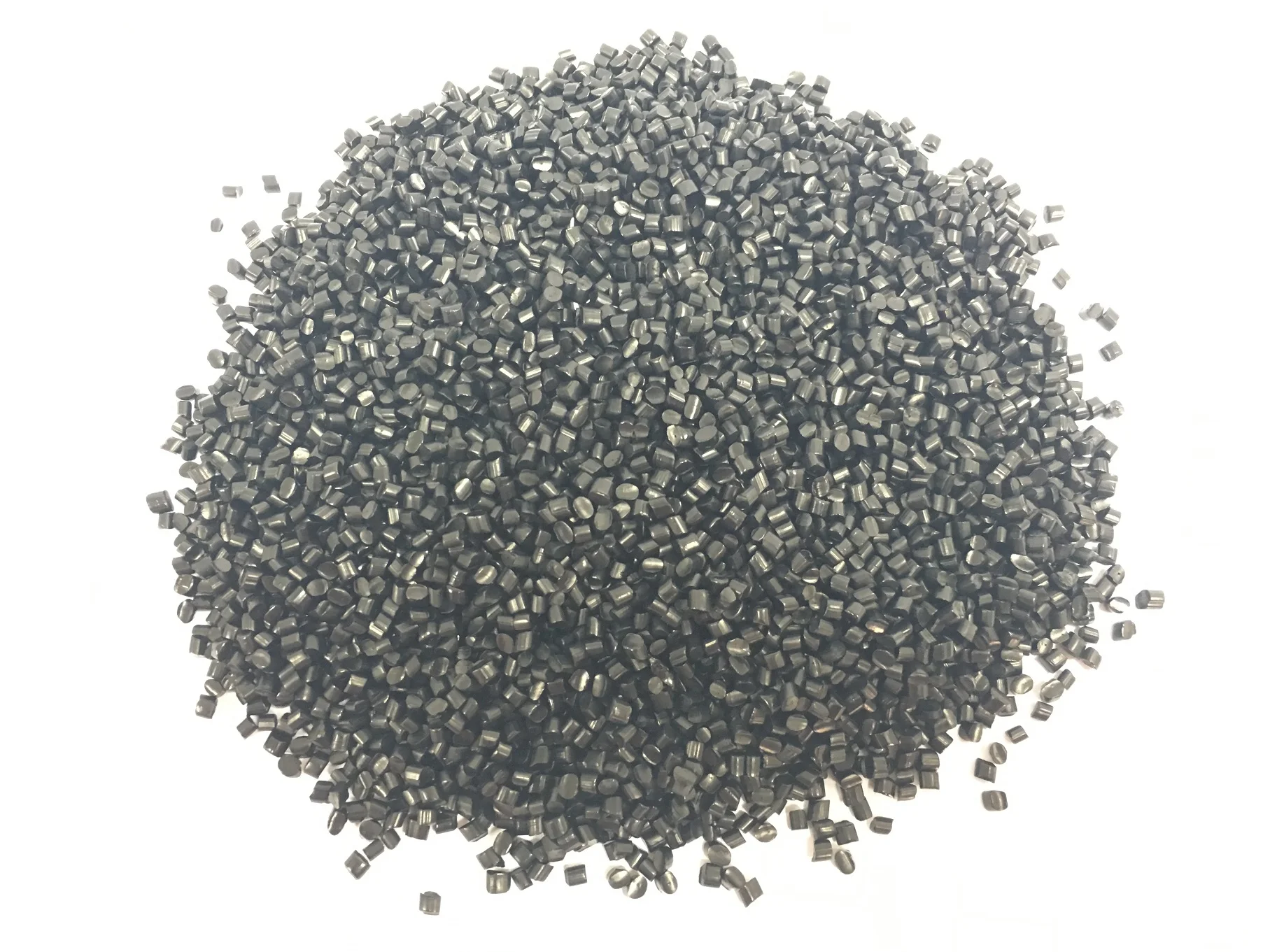
- Masterbatch additives for thermoplastics
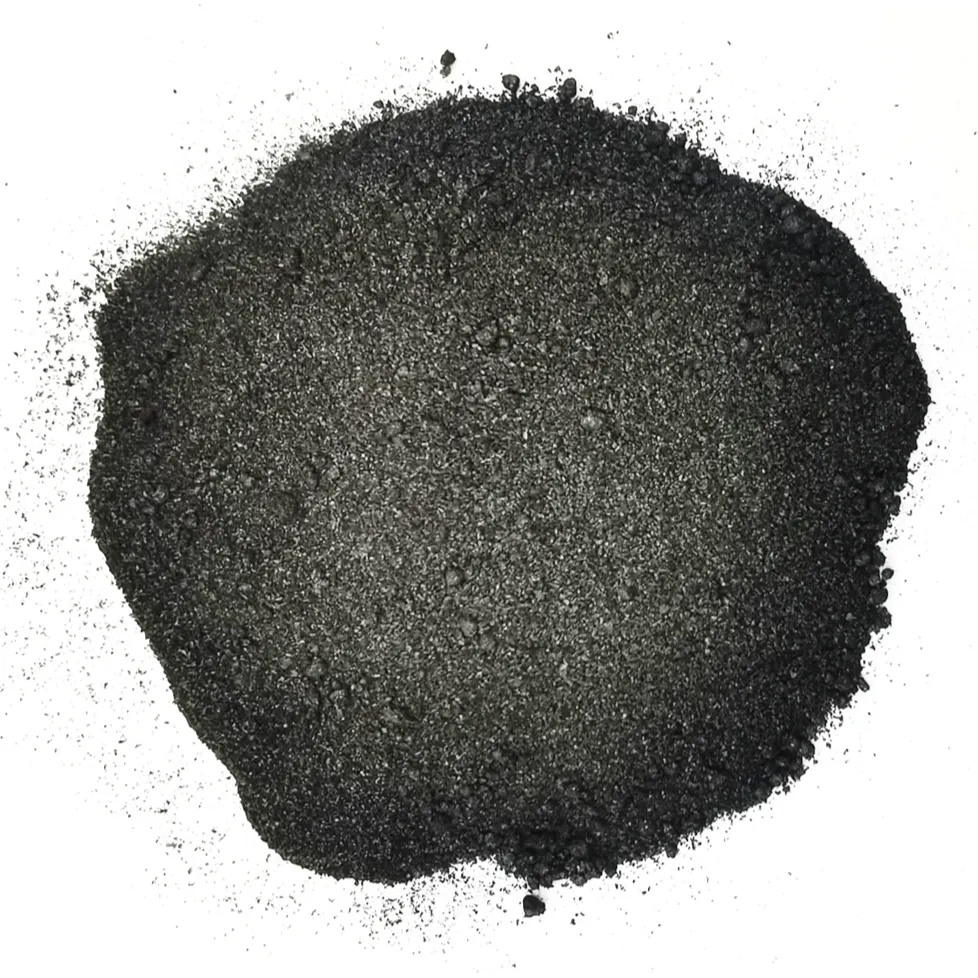
- Powder dispersions for thermosets, adhesives, and coatings
- Conductive inks for printed electronics
- Film additives for barrier and antistatic packaging
- Composite reinforcements for elastomers and engineering plastics
Dispersion quality is central. In many polymer systems, the functional outcome depends more on exfoliation state and interfacial compatibility than on maximizing graphene content.
Applications and End-Use Markets
Graphene’s strongest commercial position is as a multifunctional enhancer rather than a primary structural raw material.
Major applications in plastics and adjacent sectors
| End use | Typical graphene form | Usual processing route | Functional role |
|---|---|---|---|
| Packaging films | Few-layer graphene, graphene oxide | Melt compounding, coating, multilayer extrusion | Barrier improvement, antistatic behavior, heat management |
| Conductive plastics | Graphene nanoplatelets, reduced graphene oxide | Compounding, injection molding, extrusion | Electrical conductivity, EMI shielding, sensing |
| Elastomers and tires | Graphene nanoplatelets | Rubber mixing, masterbatching | Reinforcement, wear resistance, heat dissipation |
| Coatings and paints | Graphene oxide, nanoplatelets | Dispersion coatings, waterborne systems | Corrosion resistance, barrier enhancement |
| Batteries and supercapacitors | Graphene powders and networks | Slurry coating, electrode formulation | Conductive network formation, rate capability |
| Membranes and water treatment | Graphene oxide, ultrathin films | Casting, lamination, composite membranes | Selective transport, filtration, desalination research |
| Sensors and smart surfaces | High-quality graphene, reduced graphene oxide | Printing, transfer, hybrid devices | Strain, gas, biochemical, and pressure sensing |
Sector-specific observations
- Films and packaging: graphene is attractive where very low loading can improve barrier and antistatic performance, but industrial adoption depends on cost, dispersion, regulatory acceptance, and consistent food-contact compliance.
- Composites: in plastics, graphene is often compared with carbon black, silica, talc, glass fiber, and carbon fiber. Its advantage is multifunctionality at low loading, but it rarely replaces conventional reinforcement in high-volume structural parts unless the design target is specifically conductivity, wear, or thermal management.
- Electronics and energy: graphene is especially relevant in conductive polymers, flexible electronics, battery electrodes, and heat-spreading components, where its geometry and conductivity can outperform traditional particulate fillers if the network is well formed.
- Biomedical and specialty uses: graphene derivatives are being studied in drug delivery, biosensing, and antimicrobial surfaces, although safety and biocompatibility remain highly application-specific and dependent on particle chemistry and dose.
One poor-fit use
Graphene is a poor fit for low-cost, commodity bulk plastics such as standard injection-molded household goods when the only objective is to reduce cost or add generic stiffness. In those cases, conventional fillers usually provide better economics and simpler processing.
Environmental and Sustainability Aspects
Graphene has a potentially important sustainability role, but it is not intrinsically “green.” Its environmental profile depends on synthesis route, energy intensity, purification steps, solvent use, occupational exposure controls, and end-of-life fate.
Recyclability and circularity
- In thermoplastics, graphene-containing compounds are generally recyclable in principle, but repeated thermal history may alter dispersion and conductivity.
- In thermosets and coatings, recyclability is limited by the base matrix rather than the graphene itself.
- In multilayer packaging, graphene may improve shelf life and reduce material use, but it can complicate recycling if used in incompatible layers or if it changes sorting behavior.
Bio-based and lower-carbon alternatives
Graphene is not bio-based in the conventional sense, although some production schemes explore biomass-derived carbon precursors or lower-impact routes. More commonly, sustainability gains come from the use phase: thinner materials, lower weight, improved energy efficiency, or longer product lifetimes.
Carbon footprint considerations
Recent reviews emphasize that claims of environmental benefit should be evaluated case by case. A graphene-enhanced battery, coating, or lightweight composite can reduce lifecycle emissions only if the added production burden is offset by measurable performance gains in service. This is especially important in packaging and transportation, where small changes in barrier, conductivity, or structural performance can have large downstream impacts.
Economic and Global Market Impact
Graphene remains a specialty material market rather than a commodity plastics raw material. Pricing varies widely by quality, thickness, purity, and production route, and supply chains are fragmented across research suppliers, specialty chemical companies, and advanced-materials manufacturers.
The leading commercial activity is concentrated in regions with strong nanomaterials, electronics, and advanced-composites ecosystems, particularly in Asia, Europe, and North America. Rather than a single dominant global producer landscape, the market is characterized by many niche suppliers and application-focused formulators.
Economically, graphene’s value proposition is strongest where it can:
- replace or reduce more expensive conductors or metal coatings,
- enable thinner or lighter structures,
- add multiple functions in one additive,
- or improve durability enough to lower lifetime cost.
Current Challenges and Innovations
Main challenges
- Dispersion control: achieving consistent exfoliation and orientation in polymers remains one of the biggest technical barriers.
- Standardization: the term graphene covers multiple material classes, making specification and performance comparison difficult.
- Scale-up: high-quality large-area production is still costly relative to conventional fillers.
- Health and safety: inhalation exposure, dust handling, and environmental release require material-specific assessment, especially for fine powders and dry nanomaterials.
- Application validation: many laboratory demonstrations do not translate directly into robust industrial products.
Innovation directions
- Functionalized graphene for improved polymer compatibility
- Waterborne graphene dispersions for coatings and inks
- Hybrid systems combining graphene with carbon black, CNTs, silica, or fibers
- Graphene-enabled smart packaging and printed sensors
- Thermal-interface compounds and battery materials for electrification
- Selective membrane and corrosion-barrier systems for infrastructure and marine use
A practical formulation example is 0.1–1.0 wt% graphene nanoplatelets in a thermoplastic compound, where the intended mechanism is formation of a percolated conductive network and partial restriction of polymer chain mobility, improving conductivity and stiffness without dramatically increasing density. Another common approach is graphene oxide at low loading in waterborne coatings, where oxygen functional groups improve dispersion and adhesion, while layered geometry increases diffusion path length for moisture and oxygen.
Future Outlook
Graphene is most likely to expand through specialized industrial niches rather than universal substitution. The strongest near- to medium-term opportunities are in conductive plastics, thermal management, membrane technology, barrier coatings, batteries, and sensor-rich materials.
For plastics and auxiliaries, future progress will depend on:
- lower-cost, more reproducible production,
- better dispersion technology,
- clearer safety and regulatory frameworks,
- and performance benchmarking against established fillers and conductive additives.
If these conditions continue to improve, graphene will increasingly function as a strategic performance enabler across the plastics industry: not a replacement for every filler or additive, but a high-value ingredient in formulations where multifunctionality justifies its complexity.
Summary
Graphene is a two-dimensional carbon material whose exceptional conductivity, strength, surface area, and barrier-related behavior make it highly attractive for advanced plastics and auxiliary applications. Its industrial role is centered on small-load additive use in composites, coatings, films, batteries, sensors, and membranes, with the most commercially relevant forms being graphene nanoplatelets, graphene oxide, and reduced graphene oxide rather than perfect monolayer graphene.
References
- •
What is graphene? All about its properties and applications. (2025, August 12). Repsol. https://www.repsol.com/en/energy-move-forward/innovation/graphene/index.cshtmlLink
- •
Graphene applications: What is graphene used for? (2024, July 4). Graphene-Info. https://www.graphene-info.com/graphene-applicationsLink
- •
What is graphene? Graphene characteristics and applications. (2020, March 10). Atria Innovation. https://atriainnovation.com/en/blog/graphene-characteristics-and-applications/Link
- •
Potential applications of graphene. (2014, April 13). In Wikipedia. https://en.wikipedia.org/wiki/Potential_applications_of_grapheneLink
- •
Practical application of graphene? (2023, October 10). Reddit. https://www.reddit.com/r/materials/comments/174egu5/practical_application_of_graphene/Link
- •
Graphene. (2004, August 19). In Wikipedia. https://en.wikipedia.org/wiki/GrapheneLink
- •
Graphene. (2011, February 24). Britannica. https://www.britannica.com/science/grapheneLink
- •
Graphene facts: Properties, structure, uses & discovery. (2026, June 11). ACS Material. https://www.acsmaterial.com/graphene-factsLink
- •
Graphene—What is it? (n.d.). Graphenea. https://www.graphenea.com/pages/grapheneLink
- •
What is graphene? (2020, January 1). Ossila. https://www.ossila.com/pages/what-is-grapheneLink
- •
What is graphene? (2020, March 3). ScienceAlert. https://www.sciencealert.com/graphene-Link
- •
What is graphene used for? (2024, November 30). Technology Networks. https://www.technologynetworks.com/applied-sciences/lists/graphene-what-is-it-and-what-is-it-used-for-393831Link
- •
What is graphene? (2024, January 29). Britannica. https://www.britannica.com/video/applications-graphene-material/-207803Link
- •
Graphene. (2021, October 15). ScienceDirect. https://www.sciencedirect.com/topics/materials-science/grapheneLink
- •
9 amazing uses for graphene, from filtering seawater to smart paint. (2018, January 12). Digital Trends. https://www.digitaltrends.com/cool-tech/9-amazing-graphene-applications/Link
- •
What is graphene used for? Real-world applications. (2026, March 18). Science Insights. https://scienceinsights.org/what-is-graphene-used-for-real-world-applications/Link
- •
An overview of graphene's properties. (2022, August 3). Graphene-Info. https://www.graphene-info.com/graphene-propertiesLink
- •
22 years of graphene: From laboratory discoveries to sustainable industrial applications. (2026, May 1). Wiley. https://onlinelibrary.wiley.com/doi/full/10.1002/sstr.70461Link
- •
Graphene properties and applications. (n.d.). Ossila. https://www.ossila.com/pages/graphene-properties-and-applicationsLink
- •
20 things you can do with graphene [PDF]. (n.d.). University of California, Riverside. https://mse.ucr.edu/sites/default/files/2019-05/graphene.pdfLink
- •
An overview of graphene properties, types, and role in chemistry. (n.d.). IOP Publishing. https://iopscience.iop.org/book/edit/978-0-7503-5578-0/chapter/bk978-0-7503-5578-0ch1Link
- •
Summary of graphene (and related compounds) chemical and physical properties [PDF]. (n.d.). GOV.UK. https://assets.publishing.service.gov.uk/media/5a82eb7340f0b6230269d634/Summary_of_Graphene__and_Related_Compounds__Chemical_and_Physical_Properties.pdfLink
- •
Graphene properties, synthesis and applications: A review. (2022, October 14). PMC. https://pmc.ncbi.nlm.nih.gov/articles/PMC9568937/Link
- •
Graphene: An introduction. (n.d.). IOP Publishing. https://iopscience.iop.org/book/edit/978-0-7503-3999-5/chapter/bk978-0-7503-3999-5ch1Link
- •
Graphene: A new way of thinking about materials. (2021, November 25). Science and Industry Museum. https://www.scienceandindustrymuseum.org.uk/objects-and-stories/grapheneLink
- •
What is graphene? (2025, April 10). Graphene-Info. https://www.graphene-info.com/graphene-introductionLink
- •
Graphene—What is it and what is it used for? (2022, January 11). PCC Group. https://www.products.pcc.eu/en/blog/graphene-what-is-it-and-what-is-it-used-for/Link
- •
Graphene applications—25 industry use cases. (2025, December 3). USA Graphene. https://www.usa-graphene.com/applications/Link
- •
What is graphene? (2023, September 29). HowStuffWorks. https://science.howstuffworks.com/innovation/new-inventions/graphene.htmLink
- •
Graphene applications & uses. (2025, August 12). Graphenea. https://www.graphenea.com/pages/graphene-uses-applicationsLink
- •
What are the main applications of graphene? (n.d.). A-Carbons. https://www.acarbons.com/what-is-the-applications-of-graphene/Link
- •
60+ graphene uses and applications: Complete guide (2026 edition). (2019, July 18). Nanografi. https://shop.nanografi.com/blog/60-graphene-uses-and-applications-complete-guide-2026-edition/Link
- •
Electronic properties of graphene. (2017, September 6). In Wikipedia. https://en.wikipedia.org/wiki/Electronic_properties_of_grapheneLink
- •
Structure of graphene and its disorders: A review. (2018, August 29). PMC. https://pmc.ncbi.nlm.nih.gov/articles/PMC6116708/Link
- •
Hybrid carbon nanostructures for chemical and biological sensors. (2025, January 14). ScienceDirect. https://www.sciencedirect.com/topics/chemical-engineering/grapheneLink
- •
What is graphene? (2019, March 11). LayerOne Advanced Materials. https://www.layeronematerials.com/insights/what-is-grapheneLink
- •
Electronic and thermal properties of graphene and recent advances. (2019, March 5). PMC. https://pmc.ncbi.nlm.nih.gov/articles/PMC6474003/Link
- •
Biomedical applications of graphene. (2012, March 5). PMC. https://pmc.ncbi.nlm.nih.gov/articles/PMC3311234/Link
- •
ELI5: What exactly is graphene, what does it do and why should I care? (2014, April 19). Reddit. https://www.reddit.com/r/explainlikeimfive/comments/23gdx9/eli5_what_exactly_is_graphene_what_does_it_do_and/Link