
Introduction
Recyclates are secondary raw materials obtained by recycling plastic waste and returned to manufacturing as processable plastic feedstock. In the plastics industry, the term usually refers to recycled polymers such as PE, PP, PET, and PVC fractions that have been sorted, cleaned, reprocessed, and converted into flake, regranulate, or compound suitable for new products.
Recyclates occupy a central position in the circular economy because they connect end-of-life plastics back to production, reducing demand for virgin polymer, lowering waste volumes, and improving supply resilience. Their technical value, however, depends strongly on feedstock quality, contamination level, polymer identity, thermal history, and the intended end use.
This article focuses on recyclates as a materials category rather than a single polymer family. It covers how they are defined, how they are made, where they are used, and why they are increasingly important in packaging, construction, automotive, agriculture, consumer goods, and industrial applications.
Definition and Scope
A recyclate is generally a plastic material that has been recovered from waste through a recycling process and made suitable for manufacture again. In legal and technical usage, the term is broader than simple “recycled plastic,” because it emphasizes the output of a recycling or recovery process that has become a usable raw material.
Common industry distinctions include:
- PCR: post-consumer recyclate, originating from end-user waste streams such as used bottles or packaging.
- PIR: post-industrial recyclate, originating from production scrap, trimming, start-up waste, or off-spec material.
- Regrind: mechanically size-reduced material, often directly from production scrap.
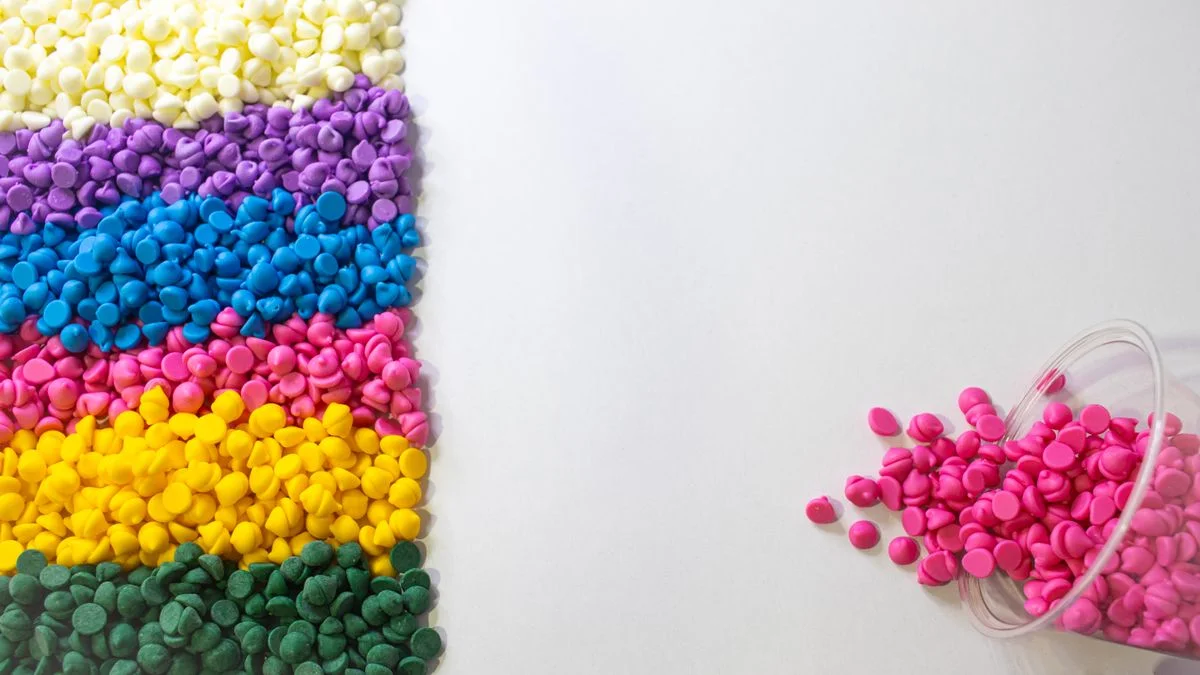
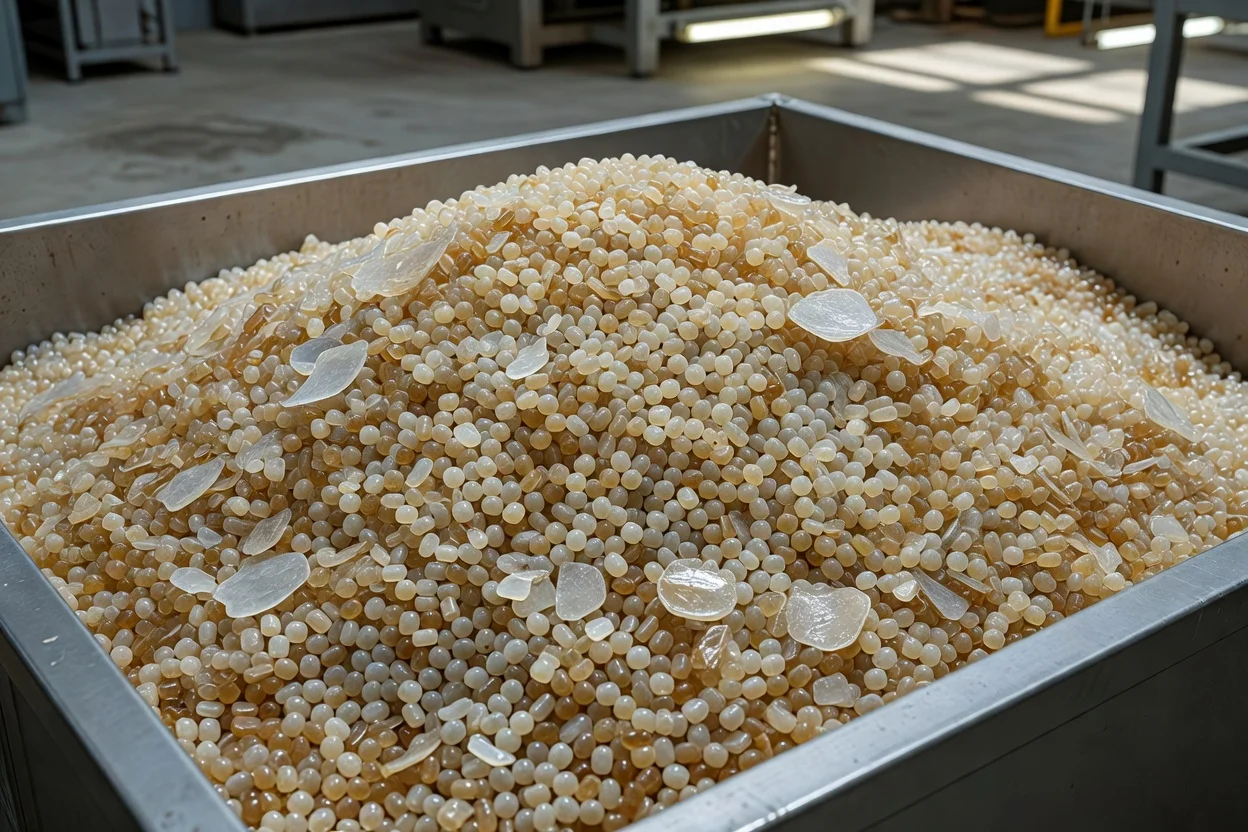
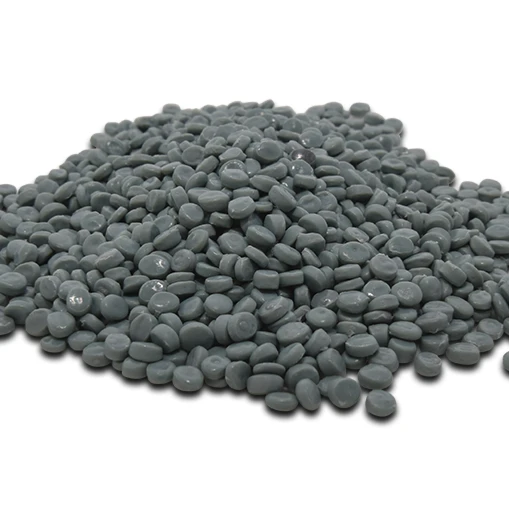
- Regranulate: cleaned and melt-reprocessed recyclate in pellet form.
- Compounds: recyclate blended with virgin polymer and additives to meet a defined specification.
History and Development
The industrial use of recyclates developed alongside the expansion of mechanical recycling, especially for thermoplastics that can be remelted and reshaped. Early recyclate markets were dominated by low-specification applications because contamination, odor, color variation, and property drift limited performance consistency.
Over time, improved sorting, hot and cold washing, melt filtration, deodorization, stabilization, compatibilization, and compounding expanded the range of usable recyclate grades. More recently, chemical recycling has been developed as a complementary route for difficult waste streams and applications with stricter purity requirements.
Chemical Structure and Key Properties
Recyclates are not a separate polymer chemistry; chemically, they are the same polymer families found in virgin plastics, but with a different processing history, additive legacy, and impurity profile. Their properties depend on the base resin, the source stream, and the recycling route.
Typical property drivers include:
- Molecular weight reduction from thermal and oxidative degradation, which can lower impact strength, elongation, and melt strength.
- Additive depletion or imbalance, especially stabilizers, lubricants, antistatic agents, and pigments.
- Contamination from labels, paper, metals, inks, food residues, multilayers, or incompatible polymers.
- Odor and color variability, especially in PCR streams.
- Property scatter, caused by mixed feedstock and uneven prior service history.
A useful technical view is that recyclates are specification materials, not merely waste-derived materials: the commercial value lies in meeting a defined set of processing and performance limits.
Practical limitations and workarounds
| Limitation | Cause | Workaround |
|---|---|---|
| Property drift | Thermal history, chain scission, oxidation, and feedstock variability | Blend with virgin resin, use stabilizer packages, narrow feedstock selection, and apply tighter incoming QC |
| Color inconsistency | Mixed source streams, pigments, and contamination | Sorting by color, decolorization where feasible, or use in dark/opaque products |
| Odor | Residual volatiles, absorbed organics, degradation products | Intensive washing, deodorizing extrusion, vacuum venting, and application in non-odor-sensitive products |
| Contamination sensitivity | Foreign polymers, labels, metals, moisture, food residues | Advanced sorting, melt filtration, compatibilizers, and design-for-recycling upstream |
| Food-contact restriction | Safety and traceability requirements | Use approved recycling processes, strict regulatory control, or chemical recycling routes where accepted |
| Poor barrier performance in many polyolefin recyclates | Intrinsic polymer permeability and degraded structure | Multilayer design, coatings, EVOH or other barrier layers, or use in non-barrier products |
| Low surface energy of polyolefin recyclates | PE/PP chemistry resists wetting and adhesion | Corona, plasma, flame treatment, primers, or surface-grafted tie layers |
Production Processes and Raw Feedstocks
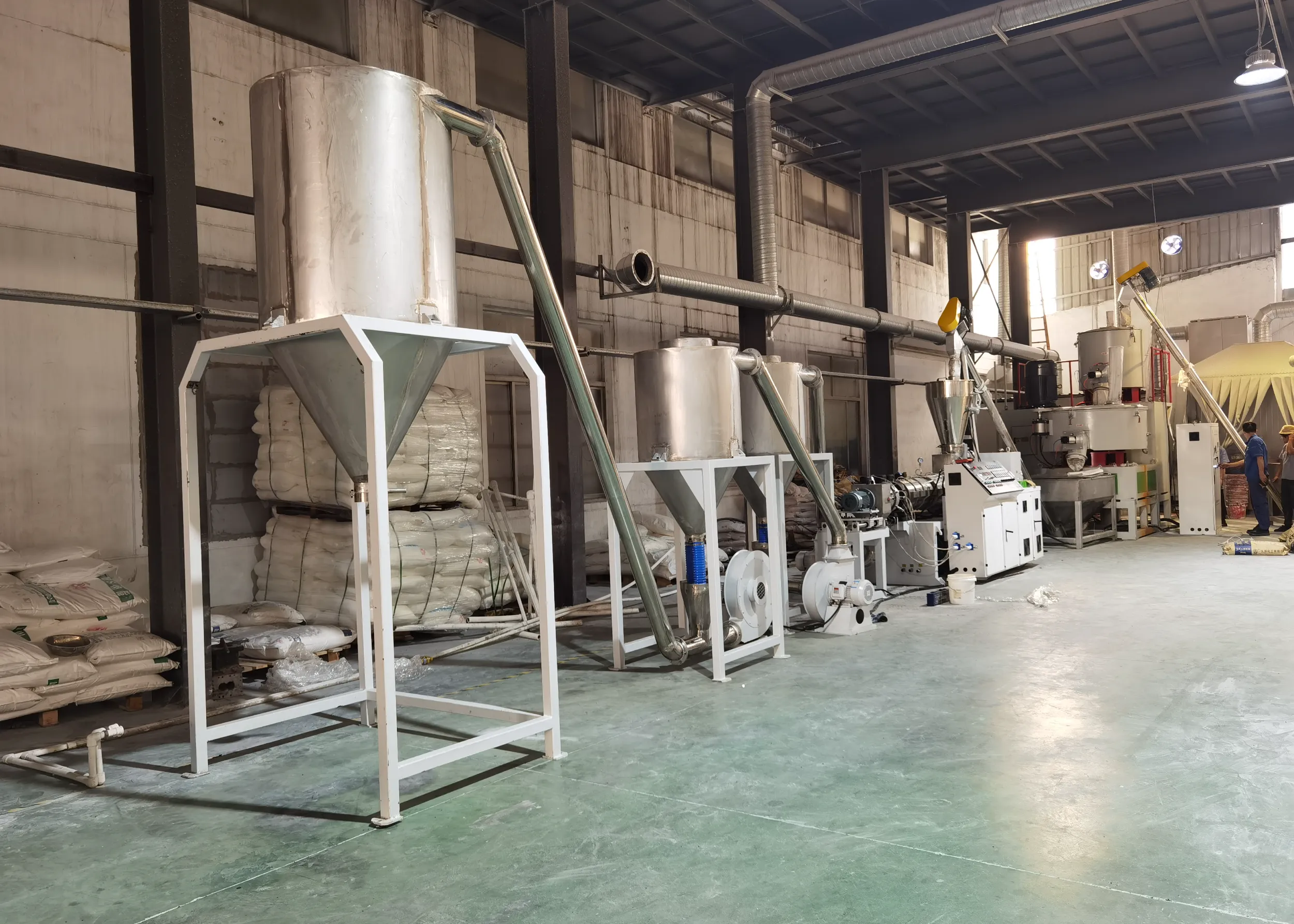
Recyclate production begins with collection and sorting of plastic waste, followed by size reduction, washing, separation, drying, extrusion, filtration, and pelletizing. The exact process depends on whether the stream is relatively clean industrial scrap or mixed post-consumer waste.
Typical processing steps include:
- Collection and bale opening
- NIR, density, optical, or manual sorting
- Shredding or grinding
- Hot or cold washing
- Float-sink separation
- Drying
- Melt extrusion with filtration and degassing
- Pelletizing or compounding
Raw feedstocks may include:
- Bottle-grade PET bottles
- Household packaging from PE and PP
- Industrial scrap from injection molding, extrusion, thermoforming, and film converting
- Agricultural films
- Automotive dismantling plastics
- Pipe and cable waste
- Mixed flexible packaging fractions, where technically feasible
Mechanical recycling remains the dominant route for many recyclates because it preserves polymer value at comparatively low energy input, while chemical recycling can be used for streams that are too mixed, contaminated, or degraded for mechanical reuse.
Applications and End-Use Markets
Recyclates are used wherever the required performance can be matched economically and legally to the quality of the recovered polymer. According to industry sources, the largest markets in Europe include building and construction, packaging, and agriculture.
| End-use sector | Typical recyclate type | Usual processing route | Notes |
|---|---|---|---|
| Packaging | rPET, recycled PE, recycled PP | Blow molding, injection molding, film extrusion, thermoforming | Strong growth, but food-contact uses are tightly regulated |
| Building and construction | PE, PP, PVC, mixed technical recyclates | Pipe extrusion, profiles, insulation, membranes, panels | Tolerates wider property variation than high-aesthetic applications |
| Agriculture | PE film recyclate, PP, mixed polyolefins | Film extrusion, injection molding, profile production | Used in irrigation components, bins, crates, and non-food-contact items |
| Automotive | PP, ABS blends, technical compounds, rPET fibers | Injection molding, extrusion, compounding | Often used in interior, underbody, and non-visible parts |
| Household and consumer goods | PE, PP, PET | Injection molding, blow molding | Common in crates, buckets, furniture, and cleaning-product packaging |
| Electrical and electronics | Selected flame-retarded or technical recyclates | Injection molding, compounding | Demands strict property control and compliance |
| Textiles | rPET | Fiber spinning | Major outlet for bottle-derived PET |
| Industrial products | PE, PP, PVC | Profiles, sheets, containers, drums | Often less appearance-sensitive |
| Poor-fit use | Highly visible luxury packaging or safety-critical medical components | Usually avoided | Inconsistent color, traceability, and regulatory constraints are limiting factors |
Common product examples
- rPET from bottles into new bottles, packaging film, and polyester fiber.
- Recycled HDPE into jerrycans, caps, crates, and household containers.
- Recycled PP into yogurt cups, closures, technical housings, and furniture components.
- Recycled PE and PVC into pipes, floor coverings, insulation, and roofing membranes.
- Agricultural film recyclate into non-food crop protection and infrastructure items.
Environmental and Sustainability Aspects
Recyclates are a major lever for reducing the material footprint of plastics because they displace virgin polymer production and keep plastic in circulation longer. Industry sources report substantial reductions in material use, energy demand, and CO2 emissions relative to virgin resin production, although the exact benefit depends on polymer type, recycling route, transport, and yield losses.
Key sustainability benefits include:
- Reduced extraction and refining of fossil feedstocks
- Lower energy demand than many virgin resin routes
- Lower greenhouse-gas emissions in favorable cases
- Reduced landfill and incineration volumes
- Greater supply security for manufacturers exposed to virgin polymer price volatility
At the same time, sustainability claims require nuance. Recyclates are not impact-free, because collection, sorting, washing, rejects, and reprocessing all consume energy and may generate residues. In addition, downcycling can occur when a high-quality polymer stream is converted into lower-value applications rather than being returned to the same use.
Recyclability, bio-based alternatives, and circularity
- Recyclates improve circularity directly by returning waste plastic to production.
- Bio-based plastics can reduce fossil feedstock demand, but bio-based does not automatically mean recyclable, and many bio-based materials compete with recyclates rather than replacing them.
- The highest circularity is often achieved through design for recycling, stable sorting systems, and product formulations that tolerate recycled content.
Regulatory and Quality Considerations
Food-contact and medical uses are among the most tightly controlled outlets for recyclates. In the European Union, recycling processes for food-contact plastics require safety assessment and authorization frameworks, which places strong emphasis on input control, decontamination efficiency, and traceability.
Important quality parameters include:
- Melt flow behavior
- Contaminant content
- Odor
- Color
- Mechanical properties
- Thermal stability
- Migration compliance
- Batch consistency
Because of these requirements, many recyclates are used in non-food, non-medical, or technically tolerant applications even when they are high quality.
Economic and Global Market Impact
Recyclates have become strategically important as converters and brand owners increase recycled-content commitments and regulators tighten waste and packaging policy. They also reduce exposure to virgin polymer price swings and can improve material security when primary feedstock supply is constrained.
Market value is determined by:
- Polymer type, especially PET versus polyolefins
- Purity and sorting efficiency
- Color and odor
- Regulatory grade
- Consistency of supply
- Local collection infrastructure
- Demand from packaging, construction, automotive, and textile customers
Leading global players span waste management, materials recovery, polymer compounding, and integrated recycling-to-resin businesses. In Europe, industry reporting frequently highlights major recyclate suppliers and circular polymer platforms associated with large chemical and recycling groups, but the market remains highly fragmented and regional rather than fully consolidated.
Current Challenges and Innovations
The main technical challenges are contamination, heterogeneity, odor, limited food-contact acceptance, and fluctuating mechanical performance. These issues are especially acute in post-consumer streams, where prior use history is difficult to control.
Current innovations include:
- Better optical sorting and sensor fusion
- Advanced wash lines and deodorization
- Compatibilizers for mixed polyolefin streams
- Reactive extrusion to restore or tailor properties
- Stabilizer packages that compensate for aging
- Digital traceability and mass-balance accounting
- Chemical recycling for difficult or regulated applications
Two practical formulation examples illustrate the engineering approach:
- 0.1–0.3% antioxidant/stabilizer packages are commonly used in recycled polyolefins to slow further oxidation during remelting and service; the mechanism is radical scavenging and peroxide decomposition suppression.
- Compatibilizers at a few percent loading are often used in mixed polyolefin blends to improve interfacial adhesion between otherwise immiscible phases, which enhances toughness and process stability.
Future Outlook
The future of recyclates is likely to be shaped by three forces: tighter circular-economy regulation, better sorting and recycling technology, and growing demand for verified recycled content. The most attractive growth areas are expected to remain packaging, construction, automotive interiors, agricultural products, and selected technical applications where performance can be standardized.
Several trends are especially important:
- Higher-value closed-loop systems for PET and selected rigid polyolefins
- Greater use of compounds that combine recyclate with additives and virgin resin to hit precise specs
- Expansion of chemical recycling where mechanical routes are insufficient
- Increased role of digital product passports, traceability, and certification
- Continued pressure to redesign products for easier disassembly and recycling
Summary
Recyclates are recycled, processable plastic raw materials that transform post-industrial and post-consumer waste into inputs for new products. Their commercial significance lies in their ability to reduce virgin material demand, lower emissions, and support circular manufacturing, while their technical limits stem from feedstock variability, contamination, and regulatory constraints.
References
- •
What are recycled plastics and how do you produce them? (2026, June 1). FKuR. https://fkur.com/en/knowledgebase/what-are-recyclates/Link
- •
What is recyclate? Focus on plastics recycling. (2026, July 2). Formary. https://www.formary.de/en/blog/what-is-recyclateLink
- •
PlasticsEurope. (n.d.). Circular economy study. https://plasticseurope.org/wp-content/uploads/2021/10/20191206-Circular-Economy-Study.pdfLink
- •
Explanation: Recyclate. (n.d.). ROI International. https://www.roi-international.com/glossary/recyclateLink
- •
Recyclates: From waste to resource. (2020, January 1). Epsotech. https://epsotech.com/en/glossar-details/recyclates.htmlLink
- •
Recyclates for your company. (2025, August 21). BIO-FED. https://bio-fed.com/en/recyclateLink
- •
Recyclate: Advice + FAQ + information. (2022, March 14). BellandVision. https://www.bellandvision.com/en/information-services/frequently-asked-questions/recyclateLink
- •
Good to know: What is PIR and what is PCR? (2021, July 5). Packaging Journal. https://packaging-journal.de/en/recyclate-definition-pir-and-pcr/Link
- •
Recyclate. (2025, August 21). Wiktionary. https://en.wiktionary.org/wiki/recyclateLink
- •
Use of recyclate. (n.d.). Federal Public Service Health, Food Chain Safety and Environment. https://www.health.belgium.be/sites/default/files/uploads/fields/fpshealth_theme_file/en_use_of_recyclate.pdfLink
- •
Recyclates: Key materials for a functioning circular economy. (2026, January 30). Sedus. https://www.sedus.com/en/whatsup/recyclates-key-materials-for-a-functioning-circular-economyLink
- •
Recyclate definition. (n.d.). YourDictionary. https://www.yourdictionary.com/recyclateLink
- •
Recyclate: The way to the circular economy. (2022, September 28). GreenLife. https://www.greenlife.de/en/recyclate-the-way-to-the-circular-economy/Link
- •
Sustainability lexicon. (2023, February 16). AKRO-PLASTIC. https://akro-plastic.com/en/sustainability/sustainability-lexiconLink
- •
What is recyclate for packaging? (n.d.). Rixius. https://www.rixius.com/en/guide/knowledge/recycled-bio-based-materials/recyclates-in-general/Link
- •
The way to circular economy. (2022, November 3). Resource Germany. https://www.resource-germany.com/topics/circular-economy/Link
- •
Plastic recyclates: Raw material of the future or hype? (2025, June 13). FR8 Logistik. https://www.fr8-logistik.de/en/fr8-blog-posts/kunststoffrezyklate---rohstoff-der-zukunft-oder-hypeLink
- •
Plastic recycling: Circular economy solutions. (2025, June 24). Zeppelin Systems. https://www.zeppelin-systems.com/gb/en/industries/plastics/plastic-recycling/Link
- •
Arburg. (n.d.). Expertenvortrag TT 2022 circular economy. https://www.arburg.com/media/daten/other/arburg_technologie-tage_expertenvortrag_circular_economy_en_-_handout.pdfLink
- •
Recyclates. (2025, March 7). Plastrans Technologies. https://www.plastrans.com/en/produkte/recyclates-en/Link
- •
Recycling. (2026, September 2). Umbrex. https://umbrex.com/resources/industry-lingo/waste-management-environmental-lingo/recycling-lingo/Link
- •
Recycled plastics in products. (n.d.). GKV BDE bvse. https://kunststoffverpackungen.de/wp-content/uploads/2022/11/GKV-BDE-bvse_RecycledPlasticsInProducts.pdfLink
- •
Recycling basics and benefits. (2026, June 22). U.S. Environmental Protection Agency. https://www.epa.gov/recycle/recycling-basics-and-benefitsLink
- •
Recycled plastics in plastic injection molding. (2024, March 20). H&K Müller. https://www.hk-mueller.de/en/recycled-plastics/Link
- •
Plastics recycling guide. (n.d.). biz-up. https://www.biz-up.at/fileadmin/user_upload/Cluster/KC/2021/Statische_Seiten/2021-05-26_Circumat_Englisch_V4.pdfLink
- •
Recycling. (2002, August 10). Wikipedia. https://en.wikipedia.org/wiki/RecyclingLink
- •
Recycled content. (n.d.). GOBA. https://www.goba.de/en/glossary/recyklatanteilLink
- •
Working with recycled plastics. (n.d.). ARBURG. https://www.arburg.com/en/us/solutions/by-material/recycled-materials/Link
- •
Working with recycled plastics. (n.d.). ARBURG. https://www.arburg.com/en/th/solutions/by-material/recyclates/Link
- •
Ecoplast Kunststoff-Recycling GmbH in Wildon, Steiermark. (n.d.). Ecoplast. https://www.ecoplast.com/en/recyclates/Link
- •
Increasing recycled content in plastics extrusion. (2022, June 23). Reifenhäuser. https://reifenhauser.com/en/company/media/news-and-stories/success-story/increasing-recycled-content-in-plastics-extrusionLink
- •
Recycled plastics in industry: Challenges and opportunities. (2025, September 9). UOCS. https://uocs.org/recycled-plastics-in-industry-challenges-opportunities/Link
- •
Using recycled plastic in highly stressed components. (2022, September 29). Recycling Magazine. https://www.recycling-magazine.com/2022/09/29/using-recycled-plastic-in-highly-stressed-components/Link
- •
GCE0021: Evidence on growing a circular economy. (n.d.). UK Parliament. https://committees.parliament.uk/writtenevidence/50369/pdf/Link
- •
Unlocking the environmental and financial value of circular economy. (n.d.). CEFLEX. https://ceflex.eu/public_downloads/End_Market_Factsheet_May24.pdfLink
- •
Controller-related approaches for reliable recyclate processing. (2025, May 16). Plastech. https://www.plastech.biz/en/news/Controller-related-approaches-for-reliable-recyclate-20677Link
- •
What is recyclate for packaging? (n.d.). Rixius. https://www.rixius.com/en/guide/knowledge/materials/sustainable-materials/recyclates-in-general/Link
- •
Manufacturing: Recycling challenges & opportunities. (2019, March 27). RoadRunner. https://www.roadrunnerwm.com/blog/manufacturing-recycling-challenges-opportunitiesLink
- •
Factory recycling solutions: Sustainable practices for production. (2026, January 18). Recycling Today. https://www.recyclingtoday.org/blogs/news/factory-recycling-solutions-sustainable-practices-for-productionLink
- •
Recycling management. (2023, May 1). SKG-Plast. http://skg-plast.at/recycling/recycling_management/?lang=enLink
- •
Manufacturing with recycled materials. (2020, May 27). SyBridge. https://sybridge.com/recycled-materials-manufacturing/Link
- •
The plastics cycle and contaminated recyclate. (n.d.). Sesotec. https://www.sesotec.com/na/en-US/resources/blog/the-plastics-cycle-and-contaminated-recyclateLink
- •
How the circular economy secures manufacturing supply chains. (2024, February 27). World Economic Forum. https://www.weforum.org/stories/2024/02/how-manufacturers-could-lead-the-way-in-building-the-circular-economy/Link
- •
Circular economy in manufacturing: Investing in recycling. (n.d.). IFC. https://www.ifc.org/en/what-we-do/sector-expertise/manufacturing/circular-economy-in-manufacturingLink
- •
Manufacturing depends on recycling. (2021, October 1). Recycled Materials Association. https://www.recycledmaterials.org/manufacturing-depends-on-recycling/Link
- •
What does 'recycling' actually mean? (2019, April 3). Waste Dive. https://www.wastedive.com/news/what-does-recycling-actually-mean/551905/Link
- •
Best practices for manufacturing plant recycling. (2025, October 1). Miller Recycling. https://millerrecycling.com/best-practices-for-manufacturing-plant-recycling/Link
- •
Recycled plastic: An overview. (n.d.). ScienceDirect. https://www.sciencedirect.com/topics/agricultural-and-biological-sciences/recycled-plasticLink
- •
The importance of recycling and reusing in manufacturing process. (2025, April 5). LinkedIn. https://www.linkedin.com/pulse/importance-recycling-reusing-manufacturing-process-axionray-pqryfLink
- •
The use of recycled materials. (n.d.). SATRA. https://www.satra.com/spotlight/article.php?id=551/Link
- •
Learn the industrial recycling best practices. (n.d.). Okon Recycling. https://www.okonrecycling.com/industrial-scrap-metal-recycling/steel-and-aluminum/industrial-recycling-best-practices/Link
- •
The complementary role of different recycling technologies. (n.d.). End Plastic Waste. https://www.endplasticwaste.org/insights/thoughts-from-the-alliance/the-complementary-role-of-different-recycling-technologiesLink
- •
Chemical recycling. (2026, February 23). Plastics Europe. https://plasticseurope.org/sustainability/circularity/recycling/chemical-recycling/Link
- •
Plastics recycling: Challenges and opportunities. (2009, July 27). PMC. https://pmc.ncbi.nlm.nih.gov/articles/PMC2873020/Link
- •
Recycling solutions that make sense for manufacturing. (2017, February 6). Recover USA. https://recoverusa.com/recycling-services/recycling-solutions-for-manufacturing/Link
- •
Common challenges for circular manufacturing industries. (n.d.). ScienceDirect. https://www.sciencedirect.com/science/article/pii/S2212827124001197Link
- •
What's the matter with recycling? (2020, March 28). Green Dot Bioplastics. https://www.greendotbioplastics.com/whats-the-matter-with-recycling/Link
- •
Recyclability of plastics: Additives for a second life. (2024, September 27). SpecialChem. https://www.specialchem.com/polymer-additives/guide/plastics-recyclabilityLink
- •
Plastic recycling process application procedure. (2026, May 6). EFSA. https://www.efsa.europa.eu/en/applications/plastic-recycling-processLink