
Introduction
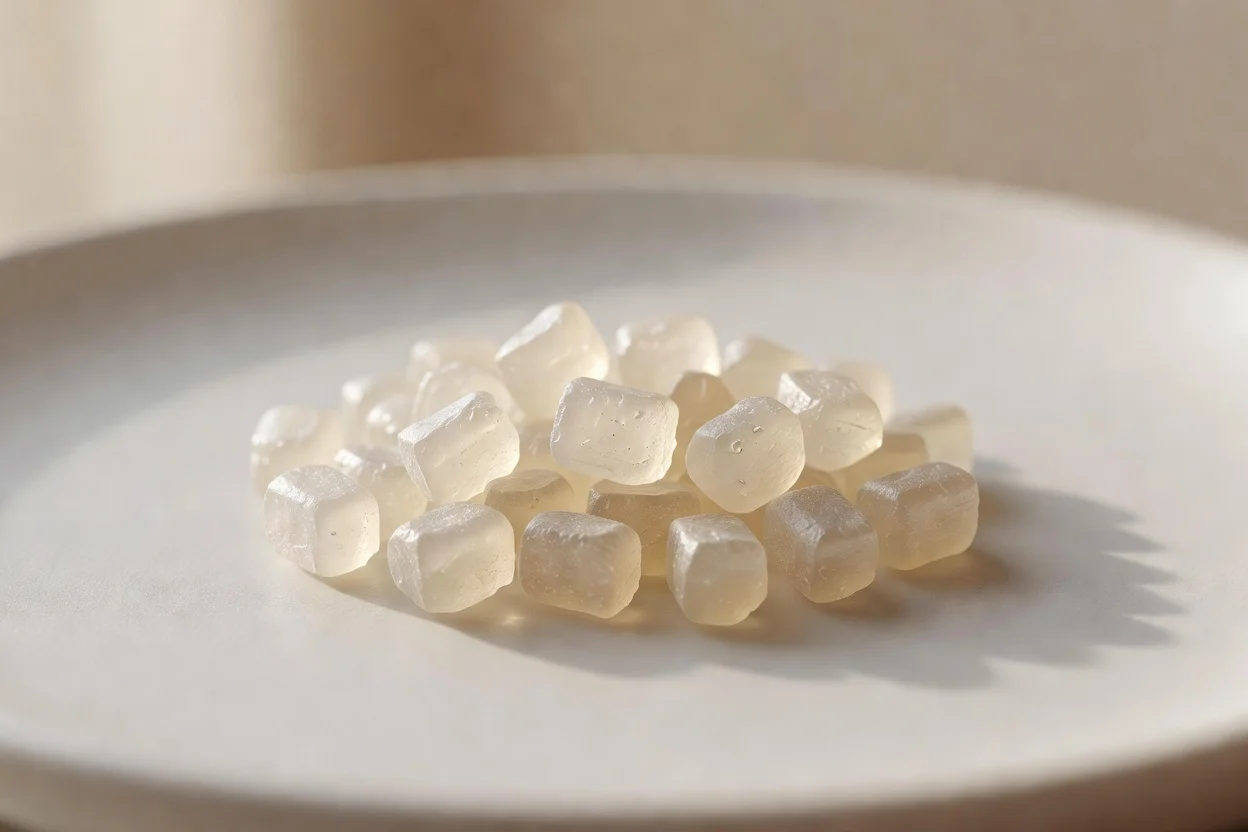
Biodegradable plastics are polymer materials designed to be broken down by microorganisms into water, carbon dioxide or methane, and biomass under specified conditions, rather than persisting indefinitely in the environment. The category is technically and commercially broad: it includes bio-based biodegradable plastics made from renewable feedstocks, as well as some petrochemical plastics formulated to biodegrade through selected additives or specific polymer chemistries.
In industrial practice, the term is often used alongside, but not interchangeably with, compostable plastics, which are required to biodegrade within defined composting conditions and timeframes. This distinction matters because biodegradation is highly dependent on the polymer structure, the environment, temperature, moisture, oxygen availability, microbial activity, and disposal route.
Biodegradable plastics occupy an important niche in packaging, agriculture, consumer goods, and selected medical and specialty applications, yet they remain controversial because their environmental performance can improve or worsen depending on end-of-life management. Their development reflects a broader plastics-industry effort to reduce persistent waste, but current evidence shows that incomplete degradation, microplastic formation, chemical leaching, and methane emissions in poorly controlled disposal systems remain significant concerns.
History and Development
The modern biodegradable-plastics sector emerged from research into starch-based materials, aliphatic polyesters, and bio-derived monomers, then expanded as packaging and waste-management pressures increased. Early commercial products often focused on short-life applications where biodegradation could complement composting or controlled biological treatment.
Over time, the field split into several technology families:
- Bio-based biodegradable plastics, produced partly or wholly from renewable biomass such as sugarcane, corn, or forestry-derived feedstocks.
- Fossil-based biodegradable plastics, including some polyester systems made from petrochemical intermediates but engineered to biodegrade under specific conditions.
- Blend and composite systems, where biodegradable polymers are combined with starch, cellulose, or other modifiers to reduce cost or tune performance.
Interest accelerated as policymakers, brand owners, and waste-management companies sought alternatives to conventional plastics in applications where collection and recycling are difficult, especially contaminated food packaging, mulch films, and certain single-use items. At the same time, scientific scrutiny intensified, showing that biodegradation performance varies widely by environment and that “biodegradable” does not automatically mean harmless or complete disappearance in natural settings.
Chemical Structure and Key Properties
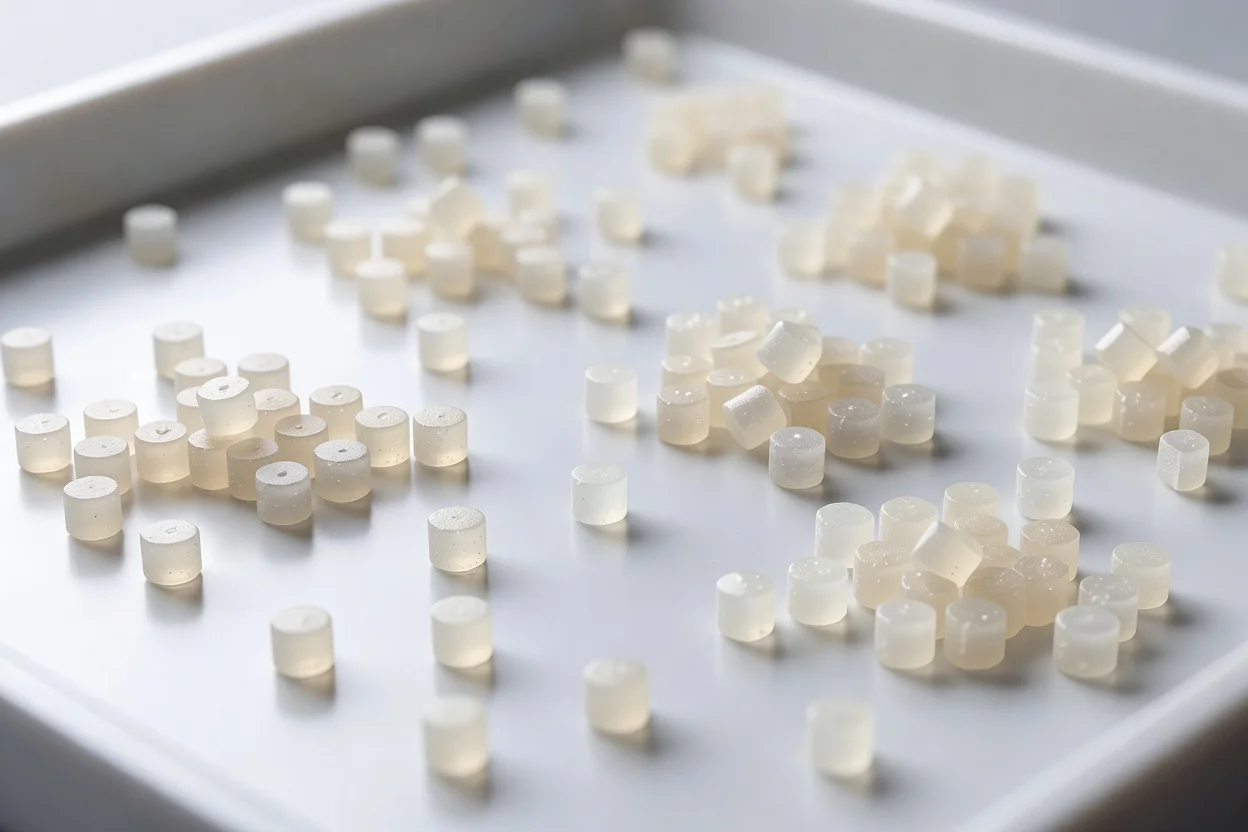
Biodegradable plastics are generally characterized by chemical bonds that are more susceptible to hydrolysis and microbial attack than the carbon-carbon backbones typical of many conventional polyolefins. Many commercial biodegradable plastics are therefore polyesters, because ester linkages are easier for water and enzymes to cleave.
Common biodegradable resin families include:
- Polylactic acid (PLA), a bio-based polyester widely used in packaging and fibers.
- Polyhydroxyalkanoates (PHAs), microbially produced polyesters with strong biodegradation potential.
- Polybutylene adipate terephthalate (PBAT), a flexible, compostable polyester often used in blends.
- Starch blends and cellulose derivatives, often used in disposable products and films.
Typical performance advantages include:
- Good processability in film extrusion, thermoforming, injection molding, and fibers for selected grades.
- Tunable stiffness, flexibility, and barrier performance through blending and additives.
- Lower persistence in controlled biological treatment systems than conventional plastics.
Real limitations are important:
- Poor oxygen and grease barrier in many grades → caused by polymer chemistry and morphology → workaround: multilayer structures, coatings, or blends with barrier polymers and additives.
- Low heat resistance in several grades, especially PLA-based materials → caused by low glass-transition and crystallization behavior → workaround: nucleating agents, annealing, stereocomplex PLA, or use in cold-fill and low-temperature applications.
- Biodegradation only under specified conditions → caused by dependence on moisture, temperature, oxygen, and microbial enzymes → workaround: match the resin to the disposal pathway, such as industrial composting or controlled anaerobic treatment.
- Mechanical-property trade-offs such as brittleness or reduced impact strength → caused by polymer rigidity and incomplete crystallinity control → workaround: plasticizers, impact modifiers, and blending.
A useful technical distinction is that biodegradable describes the end-of-life behavior, whereas bio-based describes feedstock origin; the two do not always overlap.
Production Processes and Raw Feedstocks
Production routes depend on polymer family.
Main feedstocks and routes
- Fermentation-based monomers
- Petrochemical and hybrid routes
- PBAT and related copolyesters are synthesized from conventional chemical intermediates but designed for biodegradation.
- Some biodegradable additives or pro-degradant systems are added to selected fossil-based plastics, although these approaches are scientifically and regulatorily contentious.
- Blending and compounding
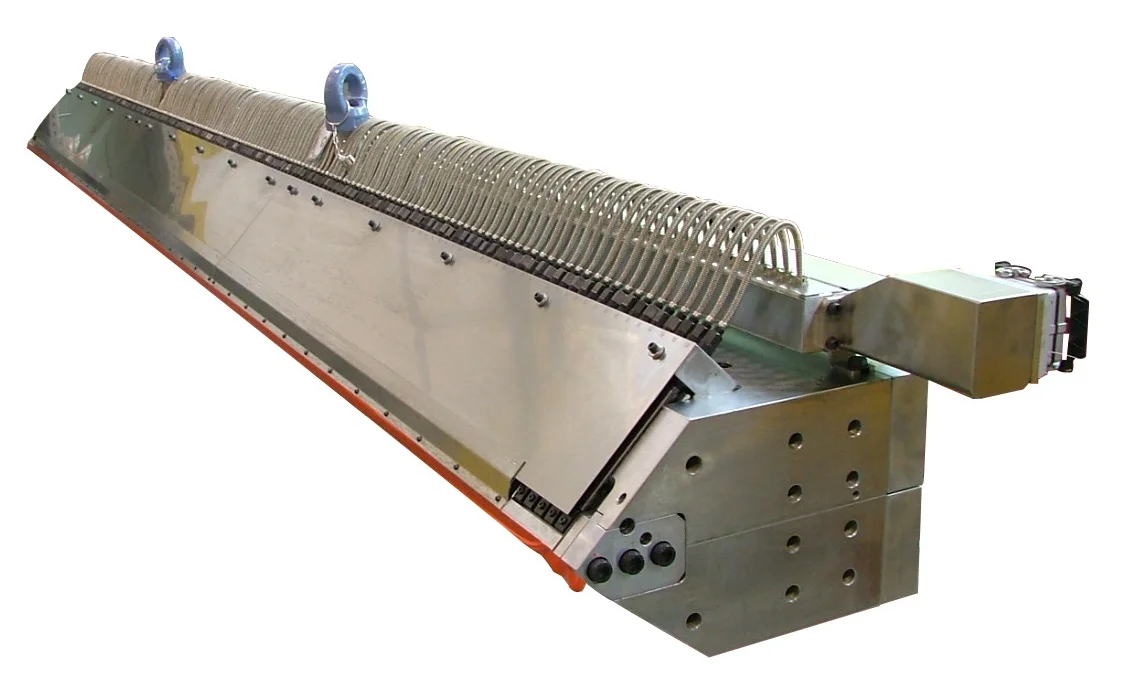
- Starch, cellulose, plasticizers, compatibilizers, fillers, and chain extenders are compounded to balance cost, processability, and degradation rate.
Representative processing aids and mechanisms
- Chain extenders can partially restore melt strength in PLA by reacting with terminal hydroxyl and carboxyl groups, improving film blowing and foamability.
- Nucleating agents at low loadings can accelerate crystallization, improving heat resistance and dimensional stability.
- Plasticizers reduce brittleness in starch-rich blends by increasing chain mobility, but excessive plasticization can raise water sensitivity.
The sector’s manufacturing economics are strongly influenced by biomass cost, fermentation yields, purification efficiency, catalyst performance, and the scale of downstream compounding. Where production is integrated with sugar or starch supply chains, feedstock availability and agricultural impacts become major strategic variables.
Applications and End-Use Markets
Biodegradable plastics are most competitive in applications where collection is difficult, contamination is high, or composting is a realistic end-of-life route.
| End-use sector | Typical biodegradable grades | Usual processing route | Notes |
|---|---|---|---|
| Packaging films and bags | PBAT blends, starch blends, PLA blends | Blown film, cast film | Often used where compostability or litter reduction is valued |
| Food-service ware | PLA, starch blends | Thermoforming, injection molding | Best suited to cold or moderate-temperature use |
| Agriculture | Mulch films, plant pots, clips | Film extrusion, injection molding | Major use case because retrieval of thin films is difficult |
| Fibers and nonwovens | PLA, some PHAs | Spunbond, meltblown, staple fiber | Used in hygiene and specialty textiles |
| Medical and health-related items | Selected PHAs, PLA, copolyesters | Injection molding, extrusion, fibers | Favored where controlled degradation or absorbability is desirable |
| Coatings and specialty papers | Biodegradable dispersions and coatings | Coating, lamination | Helps replace plasticized or persistent barrier layers |
Major use patterns
- Films and bags: A principal market for biodegradable plastics, especially compostable shopping bags and food-waste liners.
- Agricultural mulch: One of the strongest technical fits, because film recovery from soil is costly and incomplete.
- Food packaging: Widely used for trays, cups, lids, and some wraps, though heat and barrier limits constrain the scope.
- Fibers and nonwovens: Selected hygiene and disposable textile applications benefit from controlled degradation or reduced persistence.
- Medical uses: Certain implantable or resorbable systems use biodegradable polymers because controlled degradation can be functionally advantageous.
A notable poor-fit use is high-heat reusable hot-fill packaging, because many biodegradable grades soften, warp, or lose mechanical performance at temperatures that conventional engineering plastics tolerate better.
Environmental and Sustainability Aspects
The sustainability case for biodegradable plastics is conditional, not absolute. Their benefits depend on whether the material reaches the end-of-life pathway for which it was designed.
Potential benefits
- Reduced persistence in controlled composting or biological treatment systems.
- Lower long-term accumulation in some managed waste streams.
- Potential reduction in certain forms of litter and ecotoxicity when properly collected and treated.
Key trade-offs and risks
- Incomplete degradation can generate biodegradable microplastics, oligomers, and degradation intermediates.
- Methane emissions may occur in landfills or anaerobic environments if degradation is incomplete or unmanaged.
- Chemical leaching from additives or breakdown products can affect soil and aquatic organisms.
- Water and land-use impacts can increase when large volumes of biomass feedstock are required.
A central finding across recent literature is that biodegradable plastics are environmentally beneficial mainly when disposal systems are designed to match material behavior. Without those systems, the environmental case weakens sharply, and in some scenarios emissions and toxicity impacts may worsen.
Recyclability and circularity
Biodegradable plastics are not inherently recyclable in conventional mechanical recycling streams, and contamination can complicate sorting. In many systems, the preferred route is either:
- Industrial composting, for certified compostable materials.
- Organic recycling or anaerobic treatment, where appropriate.
- Mechanical recycling, only where the specific polymer stream is clean and separable.
Economic and Global Market Impact
According to recent industry and academic analyses, the biodegradable plastics market is still a minority segment relative to global conventional plastics, but it is strategically important in packaging, agriculture, and regulated compostable products. Demand is supported by policy measures, corporate sustainability targets, and consumer demand for alternatives to persistent plastics.
Commercial competition is shaped by:
- Feedstock and fermentation economics for bio-based grades.
- Catalyst, processing, and scale-up efficiency for polyester-based grades.
- End-of-life infrastructure, which determines the real value proposition.
- Regulatory definitions, labeling rules, and compostability standards.
Industry structure is relatively concentrated in some resin families, with major global producers and technology leaders spanning both petrochemical and bio-based platforms. Leading contributors include firms associated with PLA, PBAT, starch blends, and PHA development, along with large integrated chemical companies that supply intermediates, compounding know-how, and scale manufacturing capacity.
Current Challenges and Innovations
The sector faces a persistent gap between laboratory biodegradability and real-world environmental behavior. The most important challenges are:
- Mislabeling and consumer confusion between biodegradable, compostable, and bio-based materials.
- Incomplete degradation in soil, marine, and landfill environments.
- Microplastic formation during partial fragmentation.
- Infrastructure mismatch between product design and waste management systems.
Innovation is focusing on several areas:
- Improved catalysts and fermentation strains to reduce cost and broaden feedstock flexibility.
- Blended systems that improve toughness, barrier performance, and heat resistance.
- Enzyme-enabled plastics, where embedded or surface-active enzymes accelerate breakdown under defined conditions.
- Standardized testing and certification to better align claims with actual end-of-life performance.
A notable example of an innovation direction is enzyme-assisted PLA degradation, in which embedded enzymes can trigger rapid depolymerization when exposed to heat and water, illustrating how molecular design can control end-of-life behavior more precisely.
Future Outlook
The future of biodegradable plastics will likely be defined less by a single “replacement” narrative and more by application-specific material design. The strongest growth prospects are in uses where contamination is high, retrieval is difficult, and managed biological treatment is realistic, especially agriculture, food waste collection, and certain disposable packaging categories.
Several trends are likely to shape the next phase:
- Greater emphasis on certified compostability and clearer labeling.
- Wider adoption of blend engineering to improve thermal and mechanical performance.
- More life-cycle assessment studies tied to real disposal systems.
- Increased interest in non-food biomass, waste-derived feedstocks, and higher-yield fermentation to lower environmental and economic costs.
- Tighter policy scrutiny of claims that biodegradability alone guarantees environmental safety.
The most probable long-term outcome is a more selective market: biodegradable plastics will expand where they solve a waste-management problem better than recycling or conventional polymers, but they are unlikely to displace conventional plastics across the full plastics economy.
Summary
Biodegradable plastics are a technologically diverse class of polymers engineered to break down through microbial action under specified conditions. Their value lies in targeted applications where disposal can be controlled, but their environmental benefits depend heavily on matching resin chemistry, product design, and end-of-life infrastructure.
References
- •
Biodegradable plastics. (2021, October 27). PlasticsEurope. https://plasticseurope.org/plastics-explained/a-large-family/biodegradable-plastics/Link
- •
A review of the ecological effects of biodegradable plastics. (2022, December 1). PubMed. https://pubmed.ncbi.nlm.nih.gov/36069649/Link
- •
Biodegradable plastics as sustainable alternatives. (2025, September 10). PMC. https://pmc.ncbi.nlm.nih.gov/articles/PMC12471672/Link
- •
The environmental trade-offs of biodegradable plastics. (2026, January 23). Yale School of the Environment. https://environment.yale.edu/news/article/environmental-trade-offs-biodegradable-plasticsLink
- •
Environmental impacts of biodegradable microplastics. (2024, September 27). Nature. https://www.nature.com/articles/s44286-024-00127-0Link
- •
Environmental performance of bioplastics: Degradation pathways, chemical leaching, and life-cycle implications. (2026, March 3). Nature. https://www.nature.com/articles/s44296-026-00096-wLink
- •
Biodegradable plastic: An overview. (n.d.). ScienceDirect. https://www.sciencedirect.com/topics/medicine-and-dentistry/biodegradable-plasticLink
- •
Comprehensive analysis of bioplastics: Life cycle assessment. (2024, September 11). PMC. https://pmc.ncbi.nlm.nih.gov/articles/PMC11401513/Link
- •
A review on the release and environmental effects of biodegradable plastics. (n.d.). Springer. https://link.springer.com/article/10.1186/s12302-025-01140-7Link
- •
Unlocking the potentials of biodegradable plastics with proper management and evaluation at environmentally relevant concentrations. (2024, April 18). npj Materials Sustainability. https://www.nature.com/articles/s44296-024-00012-0Link
- •
Biodegradability of plastics. (2025, July 10). SpecialChem. https://www.specialchem.com/plastics/guide/biodegradabilityLink
- •
What are the basics of biodegradable plastics? (2025, November 16). Made for Planet. https://madeforplanet.com/blogs/what-are-the-basics-of-biodegradable-plasticsLink
- •
Different types of biodegradable plastics. (2024, October 18). EuroPlas. https://europlas.com.vn/en-US/blog-1/different-types-of-biodegradable-plasticsLink
- •
A review of biodegradable plastics: Chemistry, applications, properties, and future research needs. (2023, July 20). ACS Publications. https://pubs.acs.org/doi/10.1021/acs.chemrev.2c00876Link
- •
Biodegradable biopolymers: Real impact to environment pollution. (2024, October 15). PubMed. https://pubmed.ncbi.nlm.nih.gov/38981547/Link
- •
Biodegradable plastics. (n.d.). OSTI. https://www.osti.gov/servlets/purl/2283546Link
- •
Biodegradable polymer. (2007, November 15). Wikipedia. https://en.wikipedia.org/wiki/Biodegradable_polymerLink
- •
Biodegradable plastic: An overview. (n.d.). ScienceDirect. https://www.sciencedirect.com/topics/pharmacology-toxicology-and-pharmaceutical-science/biodegradable-plasticLink
- •
Environmental impact of bioplastic use: A review. (2021, September 3). PMC. https://pmc.ncbi.nlm.nih.gov/articles/PMC8424513/Link
- •
Biodegradation, explained. (2019, February 12). Green Dot Bioplastics. https://www.greendotbioplastics.com/biodegradation-explained/Link
- •
Bridging three gaps in biodegradable plastics: Misconceptions and... (2021, May 14). PMC. https://pmc.ncbi.nlm.nih.gov/articles/PMC8160376/Link
- •
Biodegradable plastic. (2006, July 25). Wikipedia. https://en.wikipedia.org/?title=Biodegradable_plasticsLink
- •
New study helps quantify climate change and ecotoxicity impacts... (2024, October 17). Yale School of the Environment. https://environment.yale.edu/news/article/new-study-helps-quantify-climate-change-and-ecotoxicity-impacts-biodegradableLink
- •
Biodegradable plastic. (2025, June 4). Biodeg. https://www.biodeg.org/biodegradable-technology/Link
- •
Biodegradable and compostable alternatives to conventional... (2009, July 27). PMC. https://pmc.ncbi.nlm.nih.gov/articles/PMC2873018/Link
- •
Biodegradable and compostable plastics — challenges and... (2020, August 27). European Environment Agency. https://www.eea.europa.eu/en/analysis/publications/biodegradable-and-compostable-plastics-challenges-and-opportunitiesLink
- •
Understanding the impact of biodegradable microplastics on... (2023, September 6). PMC. https://pmc.ncbi.nlm.nih.gov/articles/PMC10534621/Link
- •
Science snippet: Breaking down biodegradability. (2024, April 17). NIGMS. https://www.nigms.nih.gov/biobeat/2024/04/science-snippet-breaking-down-biodegradabilityLink
- •
Are biodegradable plastics truly safe for the environment? (2024, January 3). PubMed. https://pubmed.ncbi.nlm.nih.gov/38242301/Link
- •
What is biodegradable plastic? (2025, January 20). Greenly. https://greenly.earth/en-us/blog/company-guide/what-is-biodegradable-plasticLink
- •
Biodegradable biobased polymers: A review of the state of... (2024, August 9). PMC. https://pmc.ncbi.nlm.nih.gov/articles/PMC11359911/Link
- •
A review of standards for biodegradable plastics. (n.d.). UK Government. https://assets.publishing.service.gov.uk/media/5d2ddf9fed915d2fed340be8/review-standards-for-biodegradable-plastics-IBioIC.pdfLink
- •
Review article. (n.d.). Nature. https://www.nature.com/articles/s41529-022-00277-7.pdfLink
- •
Biodegradable polymers. (2009, April 1). PMC. https://pmc.ncbi.nlm.nih.gov/articles/PMC5445709/Link
- •
An insight on sources and biodegradation of bioplastics. (2023, May 31). PMC. https://pmc.ncbi.nlm.nih.gov/articles/PMC10230146/Link
- •
Biodegradable plastics in soils: Sources, degradation, and effects. (2025, November 12). RSC Publishing. https://pubs.rsc.org/en/content/articlehtml/2025/em/d4em00754aLink
- •
Biodegradability of plastics. (2009, August 26). PMC. https://pmc.ncbi.nlm.nih.gov/articles/PMC2769161/Link
- •
Is biodegradable plastic good for the environment? Exploring... (2026, January 23). DNP. https://www.global.dnp/en/biz/column/packaging/20173971/Link
- •
Impact of bioplastics on environment from its production to... (n.d.). ScienceDirect. https://www.sciencedirect.com/science/article/pii/S0957582024006359Link
- •
New process makes 'biodegradable' plastics truly compostable. (2021, April 21). Berkeley News. https://news.berkeley.edu/2021/04/21/new-process-makes-biodegradable-plastics-truly-compostable/Link
- •
Frequently asked questions about plastic recycling and composting. (2015, November 18). EPA. https://www.epa.gov/trash-free-waters/frequently-asked-questions-about-plastic-recycling-and-compostingLink
- •
Bioplastics: How bioplastics work. (2022, September 23). MasterClass. https://www.masterclass.com/articles/bioplasticsLink
- •
Demystifying 'compostable' and 'biodegradable' plastics. (2026, June 4). Beyond Plastics. https://www.beyondplastics.org/fact-sheets/bad-news-about-bioplasticsLink