
Introduction
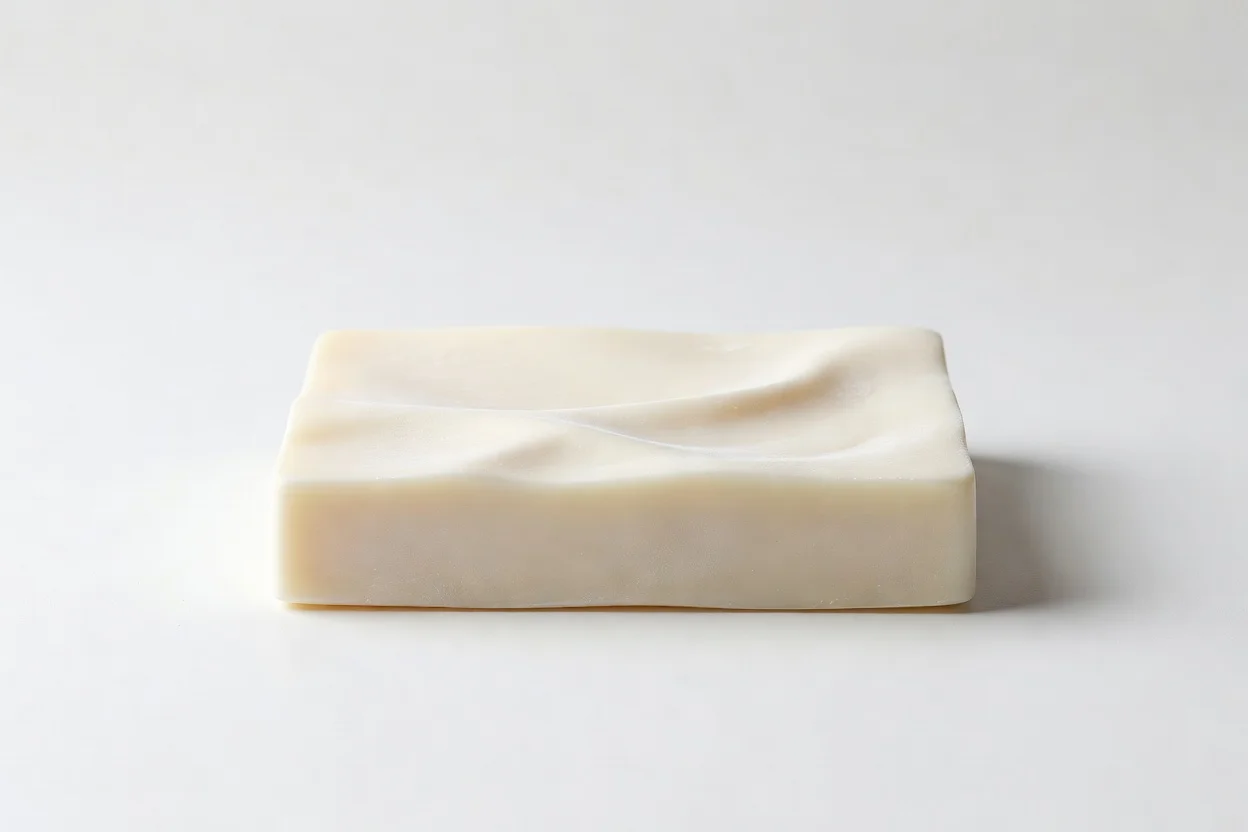
Bio-based rubber is an umbrella term for elastomeric materials made wholly or partly from renewable biological feedstocks rather than fossil resources. It includes naturally occurring rubber harvested from plants, bio-based versions of conventional synthetic rubbers made from biomass-derived monomers, and newer bio-derived elastomers built from platform chemicals such as itaconic acid, succinic acid, or bio-based alcohols.
In the plastics and rubber value chain, bio-based rubber matters because it targets two longstanding industry goals at once: maintaining the elasticity, resilience, and processing behavior required in demanding applications while reducing dependence on petroleum and, in some cases, lowering life-cycle carbon intensity. The field spans mature natural rubber systems, emerging microbial and fermentation-derived routes, and industrial projects aiming to produce drop-in bio-based polybutadiene, styrene-butadiene rubber, EPDM, and related elastomers.
The topic also sits at the intersection of agriculture, biotechnology, polymer chemistry, and circular-economy policy. Current development efforts include feedstocks from guayule, dandelion, birch bark, food waste, sugarcane, corn, and lignocellulosic biomass, reflecting a broader attempt to diversify supply and reduce exposure to crude-oil volatility and land-use risk. Sustainability claims, however, are highly route-dependent: some products are bio-based but not biodegradable, some are partially bio-based, and some still require conventional curing systems, fillers, and processing aids to achieve commercial performance.
History and Development
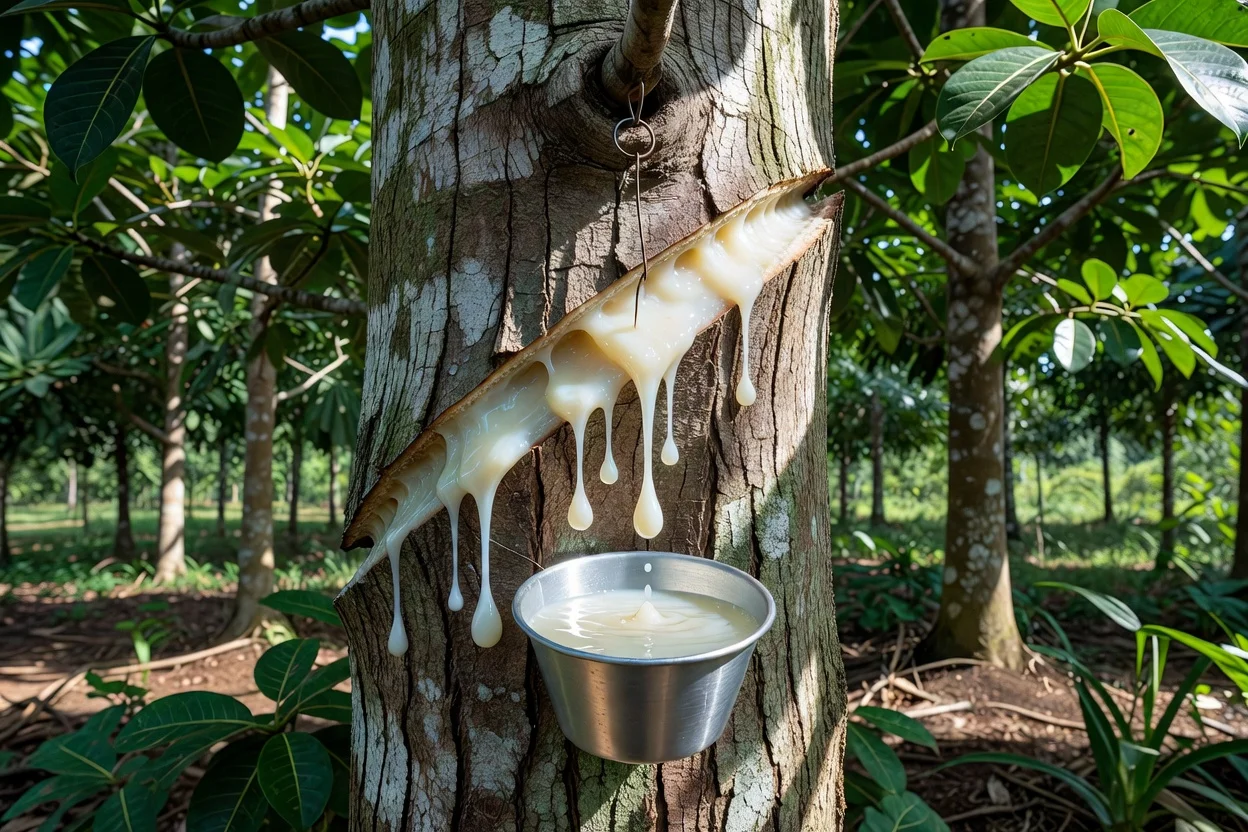
Natural rubber from Hevea brasiliensis has been the dominant bio-based elastomer for more than a century and remains the most established commercial bio-based rubber. Its industrial importance accelerated after vulcanization made rubber dimensionally stable and durable enough for tires, seals, belts, and countless engineering uses.
Modern bio-based rubber development diverged into two main pathways. One pathway seeks to replace petroleum-derived monomers with biomass-derived equivalents, preserving the chemistry of established rubbers such as polyisoprene, polybutadiene, SBR, and NBR. The other pathway creates new polymer structures from renewable building blocks, including itaconate-based elastomers and other novel bio-derived networks.
Recent years have brought a shift from laboratory concepts toward pilot and project-scale industrialization. European initiatives such as RUBBIO and related research programs are developing circular rubber value chains based on bio-based feedstocks, including food waste and lignocellulosic residues, with the explicit aim of producing high-performance elastomers at scale. In parallel, companies and research groups are exploring alternative natural rubber sources such as guayule and dandelion to reduce dependence on tropical plantations.
Chemical Structure and Key Properties
Bio-based rubber is not a single polymer family but a category defined by carbon origin. Chemically, it may be:
- Natural rubber, which is mainly cis-1,4-polyisoprene.
- Bio-based drop-in synthetic rubber, in which the monomers are the same as conventional rubbers but produced from biomass instead of crude oil.
- Novel bio-based elastomers, such as itaconate-derived or other renewable-polymer systems that are not direct substitutes for a single petrochemical rubber.
The performance of each type depends on molecular architecture, degree of unsaturation, crosslink density, filler interaction, and processing history. Natural rubber is especially valued for high resilience, abrasion resistance, impact resistance, efficient heat dispersion, and strong low-temperature flexibility. Bio-based drop-in rubbers can match their fossil-based counterparts closely because they are chemically identical after polymerization.
A few important technical limits are common across the category:
- Gas barrier limitation → many rubbery polyisoprenes and related elastomers have inherently high gas permeability because of their flexible chains and amorphous morphology → use multilayer structures, barrier coatings, or polymer blends when oxygen or fuel retention is important.
- Surface adhesion limitation → nonpolar rubbers, especially natural rubber and many polyolefins, have low surface energy before treatment → use corona, plasma, flame treatment, primers, or compatible tackifiers/functional fillers to improve bonding and printability.
- Heat and oil resistance trade-off → high elasticity often comes at the expense of resistance to oils, fuels, or continuous high temperatures, depending on the elastomer family → select ENR, NBR-type systems, EPDM-type systems, or compound with reinforcing additives and tailored curatives.
From a compounding standpoint, bio-based rubber still relies heavily on the same auxiliary package as conventional rubber: sulfur or peroxide curing systems, accelerators, activators, carbon black or silica, process oils, plasticizers, antioxidants, and coupling agents. For example, silica-filled tire compounds commonly use silanes at low phr levels to improve filler-polymer coupling, while zinc oxide and stearic acid activate sulfur vulcanization by promoting formation of the crosslinking species.
Production Processes and Raw Feedstocks
Production routes vary widely, but most industrially relevant bio-based rubber systems fall into four pathways.
1. Direct extraction from plants
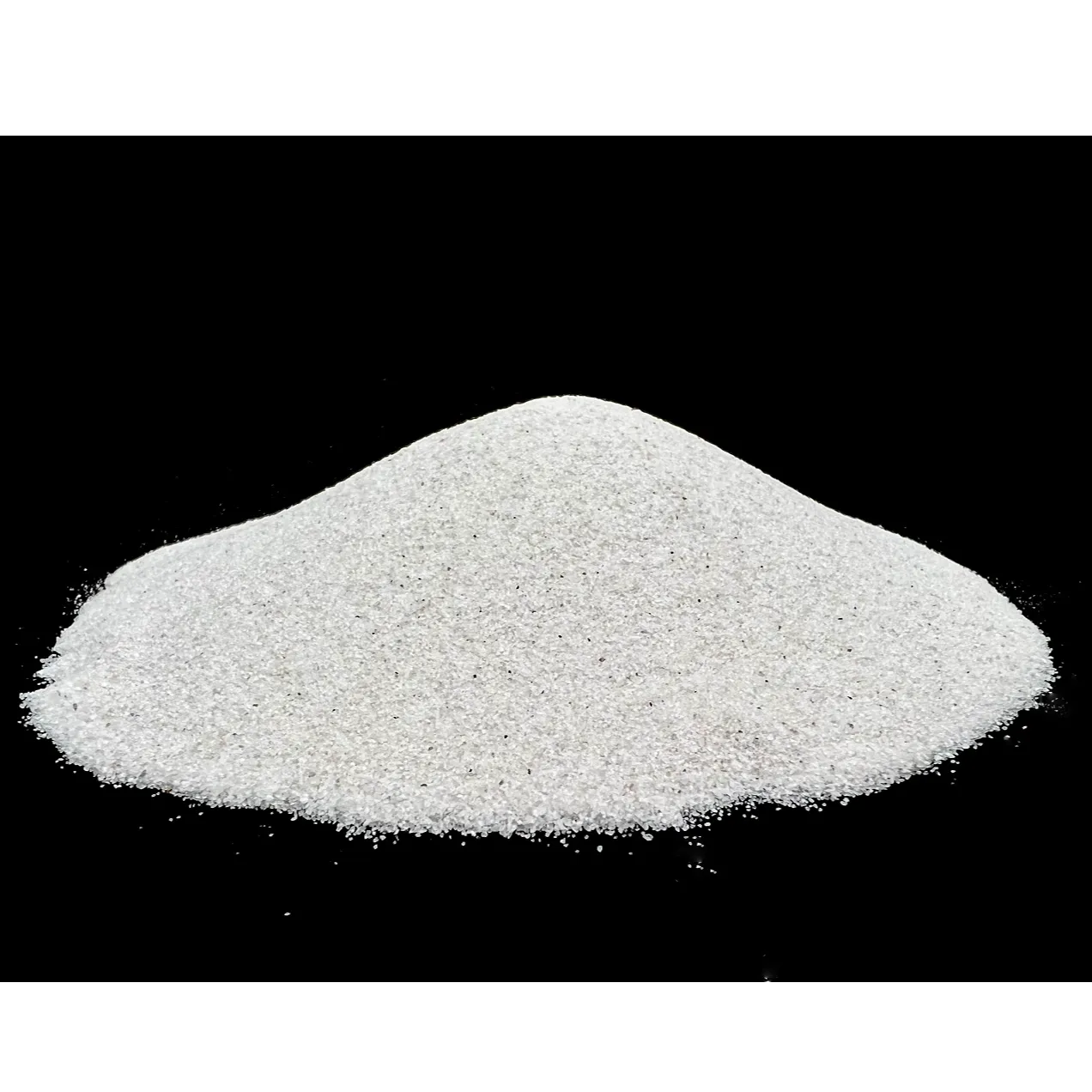
Natural rubber is obtained by tapping latex-bearing plants, then coagulating, washing, drying, and processing the rubber solids. Hevea remains dominant, but guayule and dandelion are being developed as alternative sources for more diversified regional supply chains.
2. Biomass fermentation to monomers
This route converts sugars, starches, or lignocellulosic hydrolysates into platform molecules such as ethanol, isoprene precursors, butadiene intermediates, or other monomers, which are then polymerized using conventional technology. Fraunhofer UMSICHT and related projects report progress in producing monomers such as butadiene, isoprene, and dimethylbutadiene from bio-based alcohols.
3. Bio-based drop-in polymerization
In this route, a biomass-derived monomer is fed into existing polymerization lines to produce a rubber chemically equivalent to the fossil-based grade. This approach is attractive because it can leverage current assets, qualification data, and downstream processing infrastructure.
4. Novel bio-based polymer synthesis
This route uses renewable platform chemicals, for example itaconate or succinate derivatives, to create elastomers with new structures and sometimes new property balances. These materials may be promising where conventional rubber performance is difficult to optimize, but they usually face tougher scale-up and qualification barriers.
Typical feedstocks include sugarcane, corn, potato waste, bread waste, birch bark, agricultural residues, and oil-bearing biomass such as soybean, castor, or sunflower in related compounding systems. The sustainability value of each feedstock depends on yield, land use, process energy, transport distance, and whether the route competes with food or biodiversity priorities.
Applications and End-Use Markets
Bio-based rubber is used wherever elasticity, fatigue resistance, sealing, damping, or abrasion resistance are required. The best-fit applications depend on whether the material is natural rubber, a bio-based drop-in synthetic, or a novel elastomer.
| End-use sector | Typical bio-based rubber type | Usual process/grade fit | Notes |
|---|---|---|---|
| Tires | Natural rubber, bio-based SBR, bio-based BR, bio-based processing oils | High-reinforcement compound, silica/carbon black filled, sulfur-cured | Tread and sidewall formulations require tight control of hysteresis and wear. |
| Seals and hoses | Bio-based EPDM, bio-based NBR, natural rubber blends | Injection or compression molded compounds | EPDM is favored for heat, weather, and fluid resistance. |
| Footwear and consumer goods | Natural rubber, bio-based TPEs, novel elastomers | Molding and extrusion | Comfort and grip often outweigh ultimate chemical resistance. |
| Medical and biomedical products | High-purity natural rubber, specialty bio-based elastomers | Latex or clean-room processed grades | Biocompatibility is important, but extraction residues and allergen control are critical. |
| Adhesives and tacky goods | Natural rubber and modified bio-based rubbers | Solvent-free or low-VOC compounds | Tack, peel, and cohesive strength are tuned with resins and oils. |
| Wire and cable, insulation | Bio-based EPDM, selected bio-based elastomers | Heat-stable compounded grades | Weathering and thermal endurance are key. |
| Agriculture and geomembranes | Selected bio-based elastomers, natural rubber blends | Film, sheet, extrusion | Flexibility and tear resistance are more important than barrier performance. |
| Rotomolding and molded industrial parts | Natural rubber or specialty elastomer compounds | Molding compounds | Less common; rubber is usually not the first-choice material for rigid rotomolded parts. |
A poor-fit use is rigid structural parts, where bio-based rubber is generally unsuitable because elastomers are designed for flexibility rather than stiffness and dimensional rigidity. For that reason, thermoplastics or fiber-reinforced composites usually displace rubber in load-bearing structural applications.
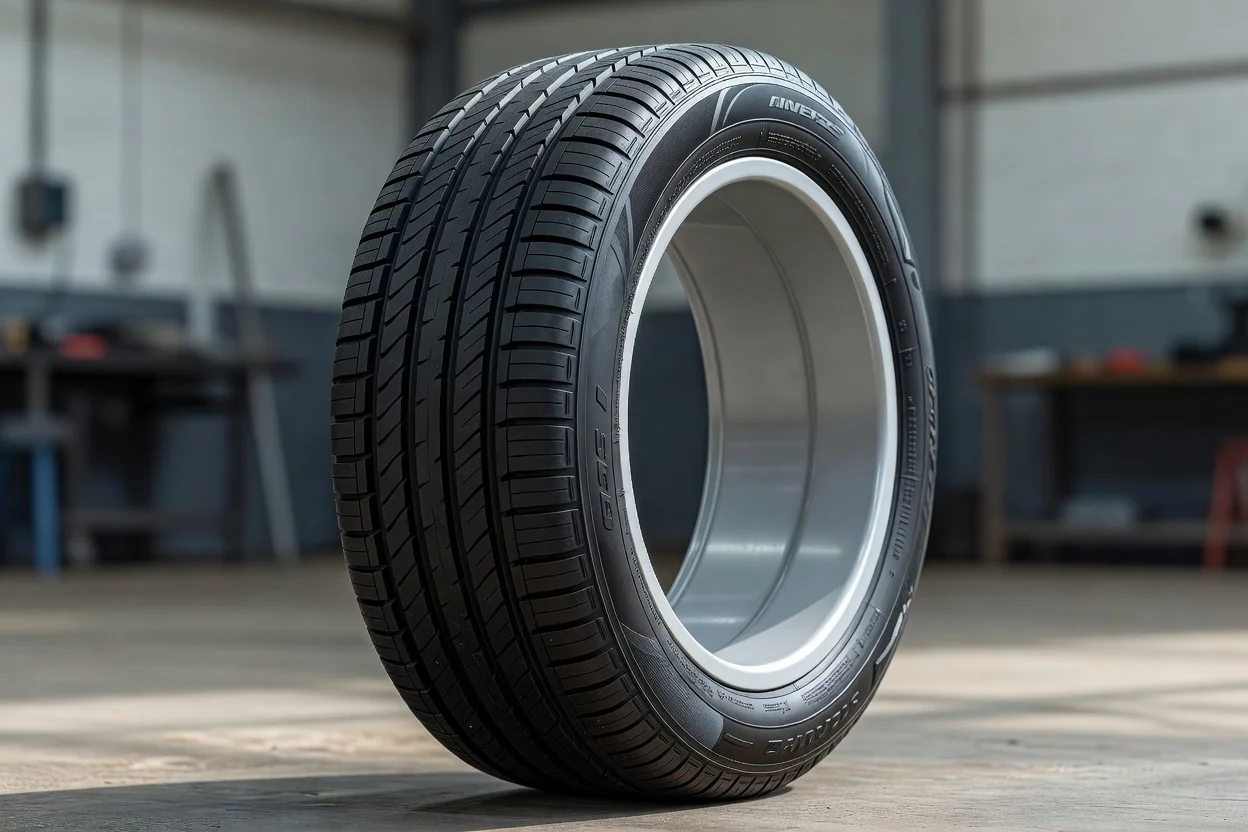
In practice, the largest commercial outlet remains tires and tire-related components, followed by seals, hoses, vibration isolators, footwear, and technical molded goods. Bio-based content may also appear indirectly through processing oils, plasticizers, and compounding aids rather than in the base polymer itself.
Environmental and Sustainability Aspects
Bio-based rubber can reduce fossil feedstock demand, but the environmental profile depends strongly on the production route. Natural rubber from managed plantations or diversified crops can offer renewable carbon sourcing, while fermentation-derived rubbers can reduce fossil input if the energy and purification burdens are controlled.
Key sustainability considerations include:
- Recyclability: vulcanized rubber remains difficult to recycle because crosslinks prevent simple remelting or reprocessing; mechanical recycling, devulcanization, and chemical recycling are being explored, but closed-loop recovery remains limited for many products.
- Biodegradability: bio-based does not automatically mean biodegradable. Bio-based SBR or EPDM may be renewable in origin yet still persist like conventional rubbers.
- Land use: crop-based feedstocks can compete with food systems or biodiversity if poorly managed, making residue-based and waste-based routes strategically important.
- Carbon footprint: fermentation routes can lower cradle-to-gate emissions, but energy-intensive separations can erode gains; recent projects explicitly target lower CO2 through process intensification and solvent recycling.
- Additives matter: carbon black, mineral fillers, petroleum-derived oils, and conventional curatives may still dominate the compound mass, so a “bio-based” label on the polymer alone may overstate the overall environmental benefit.
Bio-based fillers and bio-derived oils are increasingly used to improve the sustainability profile of rubber compounds. Examples include lignin, starch, cellulose, chitin, and plant oils such as soybean, castor, sunflower, and linseed oil, which can partly replace mineral oil plasticizers or conventional fillers depending on performance targets. These substitutions often work through filler dispersion, polarity matching, or plasticization of the rubber matrix, but they require careful compatibility control to avoid losses in fatigue resistance or wet grip.
Economic and Global Market Impact
The market is still smaller than the conventional synthetic and natural rubber industries, but it is strategically important because it addresses supply security, regulatory pressure, and customer decarbonization targets. According to recent industry analyses, bio-based rubber is moving from niche sustainability branding toward a performance-parity strategy in which the value proposition is lower fossil dependence without sacrificing qualification status.
The global landscape is shaped by several producer categories:
- Established natural rubber producers in Southeast Asia and other tropical regions.
- Chemical companies developing bio-based drop-in monomers and polymers.
- Biotech and fermentation firms targeting isoprene, butadiene, and related intermediates.
- Research consortia and public projects focused on regional circular feedstocks such as waste starch, birch bark, and lignocellulosic residues.
A major commercial advantage of drop-in bio-based rubber is compatibility with existing processing assets. If a bio-derived monomer is chemically identical to the petrochemical version, downstream polymerization, compounding, and molding lines can often remain unchanged, which lowers adoption barriers. The main economic challenge is cost: biomass collection, fermentation productivity, purification, and monomer conversion must compete with mature petrochemical scale economics.
Current Challenges and Innovations
The sector faces several technical and commercial bottlenecks:
- Feedstock variability: biomass composition changes with season, geography, and residue stream quality, complicating process control.
- Scale-up economics: fermentation titers, yields, and downstream separations often remain the cost-limiting steps.
- Performance qualification: tires, aerospace seals, and medical materials require extensive aging, fatigue, and regulatory validation.
- End-of-life complexity: bio-based origin does not solve the difficulty of recycling crosslinked elastomers.
Innovation is advancing on multiple fronts:
- Microbial engineering for higher-yield isoprene and other rubber-related monomers.
- Circular feedstocks from food waste, agricultural residues, and lignocellulosic streams.
- Alternative natural rubber crops such as guayule and dandelion to broaden geographic supply.
- Bio-based processing aids including renewable oils and terpene solvents, which can replace some petroleum-derived auxiliaries in compounding.
- Advanced vulcanization and low-VOC processing, including more efficient curing systems and solvent-free formulations.
One particularly important design direction is compounding optimization rather than polymer substitution alone. In many real products, the environmental and performance outcome depends as much on the package of fillers, oils, accelerators, and coupling agents as on the rubber backbone itself.
Future Outlook
The most likely future for bio-based rubber is a segmented market rather than a single universal replacement. Mature natural rubber will remain indispensable in tires and high-performance elastomer goods, while bio-based drop-in synthetics are likely to grow where existing grades can be replaced without changing manufacturing infrastructure.
Longer term, the highest-value opportunities may be in three areas:
- Drop-in monomers that let industry use existing assets with lower fossil input.
- Waste-based value chains that improve carbon intensity and reduce land-use pressure.
- Functionally new elastomers that deliver properties not available from conventional rubber families.
If feedstock logistics, bioprocess productivity, and compound-level performance continue to improve, bio-based rubber could move from a sustainability premium category into a mainstream engineering material family. The pace of that transition will depend less on rhetoric about renewability than on whether industry can deliver reliable, qualified, cost-competitive elastomers at commercial scale.
Summary
Bio-based rubber refers to elastomeric materials sourced wholly or partly from renewable biological feedstocks, spanning natural rubber, bio-based drop-in synthetics, and novel renewable elastomers. Its appeal lies in combining rubber-like performance with reduced fossil dependence, but its real sustainability value depends on the feedstock, process energy, additives, and end-of-life pathway.
Natural rubber remains the most established bio-based elastomer, while fermentation and biomass conversion are enabling new supply routes for monomers such as isoprene and butadiene. The field is technically promising, commercially relevant, and still constrained by scale-up economics, recycling difficulty, and the need for performance parity in demanding applications.
References
- •
Bio-based rubber in the real world: 5 uses you'll actually see ... (2025, October 6). LinkedIn. https://www.linkedin.com/pulse/bio-based-rubber-real-world-5-uses-youll-actually-lx9ofLink
- •
The rise of biodegradable bio-based synthetic rubbers. (2025, July 28). Vertec Biosolvents. https://www.vertecbiosolvents.com/the-rise-of-biodegradable-bio-based-synthetic-rubbersLink
- •
What is bio-based rubber? Uses, how it works & top ... (2025, October 6). LinkedIn. https://www.linkedin.com/pulse/what-bio-based-rubber-uses-how-works-top-companies-24qgcLink
- •
Bio-based synthetic rubber: The complete guide to ... (2026, June 2). Symbchem. https://symbchem.com/bio-based-synthetic-rubber-the-complete-guide-to-sustainable-elastomers/Link
- •
3 bio-based thermoplastic... (2022, February 1). Wiley Online Library. https://onlinelibrary.wiley.com/doi/full/10.1002/sus2.45Link
- •
Rubber from biomass: Promising agriculture route. (2024, August 30). Abhijeet Shirke. https://www.abhijeetshirke.in/rubber-from-biomass/Link
- •
Design, development and industrial application of bio-based itaconate rubber. (2022, November 29). Journal of Beijing University of Chemical Technology. https://journal.buct.edu.cn/EN/10.13543/j.bhxbzr.2022.05.002Link
- •
Recent development of biodegradable synthetic rubbers and ... (2022, November 30). PMC. https://pmc.ncbi.nlm.nih.gov/articles/PMC9710532/Link
- •
Sustainable bio-rubber: A scalable, low-carbon alternative for Europe. (2025, December 29). CORDIS. https://cordis.europa.eu/article/id/462617-sustainable-bio-rubber-a-scalable-low-carbon-alternative-for-europeLink
- •
Bio-based synthetic rubbers: A sustainable shift in plastics. (2025, February 11). Plastics Engineering. https://www.plasticsengineering.org/2025/02/bio-based-synthetic-rubbers-a-sustainable-shift-in-plastics-007951/Link
- •
EU project to produce biobased rubber from food waste. (2026, August 25). Rubber Journal Asia. https://rubberjournalasia.com/eu-project-to-produce-biobased-rubber-from-food-waste/Link
- •
Biobased rubber: The promise of eco EPDM. (2023, August 3). Bio-Sourced. https://www.bio-sourced.com/biobased-rubber-the-promise-of-eco-epdm/Link
- •
Developments in rubber technology 4 volume 4. (n.d.). EC-UNDP. https://ec-undp-electoralassistance.org/index_htm_files/uploaded-files/uNUmcO/Developments%20In%20Rubber%20Technology%204%20Volume%204.pdfLink
- •
AI-driven metabolic engineering for sustainable microbial rubber ... (2025, March 31). IJAIBDCMS. https://ijaibdcms.org/index.php/ijaibdcms/article/view/363Link
- •
Biosynthesis of RUBber from BIObased sources | RUBBIO | Project. (2026, April 27). CORDIS. https://cordis.europa.eu/project/id/101290652Link
- •
生物基合成橡胶的研究进展 [Research progress on bio-based synthetic rubber]. (2019, December 20). CLGC. https://html.rhhz.net/CLGC/html/20191201.htmLink
- •
Recent developments in synthesis, properties, applications and recycling of bio-based elastomers. (2024, January 12). Molecules. https://www.mdpi.com/1420-3049/29/2/387Link
- •
Bio-based and multifunctional rubber additives for ... (n.d.). IJERET. https://ijeret.org/index.php/ijeret/article/download/461/440Link
- •
Assessing bio-based alternatives to traditional synthetic rubber. (n.d.). PatSnap Eureka. https://eureka.patsnap.com/report-assessing-bio-based-alternatives-to-traditional-synthetic-rubberLink
- •
A comprehensive overview of conventional and bio-based ... (n.d.). IRIS Polito. https://iris.polito.it/retrieve/82912e7a-b8fd-4f66-aeba-bb876c35d763/1-s2.0-S2589234724002227-main.pdfLink
- •
Bio-based synthetic rubber. (2024, April 3). Fraunhofer UMSICHT. https://www.umsicht.fraunhofer.de/en/press-media/press-releases/2024/bio-based-synthetic-rubber.htmlLink
- •
Natural rubber: Comprehensive analysis of biosynthesis ... (n.d.). PatSnap Eureka. https://eureka.patsnap.com/materials/natural-rubber-biosynthesis-processing-applicationsLink
- •
Perspective on opportunities of bio-based processing oil to rubber industry: A short review. (n.d.). Springer. https://link.springer.com/article/10.1007/s13726-023-01203-7Link
- •
Synthetic rubber feedstock. (n.d.). PatSnap Eureka. https://eureka.patsnap.com/materials/synthetic-rubber-feedstockLink
- •
Sustainable rubber solutions: A study on bio-based oil ... (2025, July 31). PMC. https://pmc.ncbi.nlm.nih.gov/articles/PMC12349290/Link
- •
Biosynthesis of natural rubber: Current state and perspectives. (2018, December 22). PMC. https://pmc.ncbi.nlm.nih.gov/articles/PMC6337083/Link
- •
Bio-based SBR. (2025, April 26). Sustainability Directory. https://sustainability-directory.com/term/bio-based-sbr/Link
- •
Natural rubber. (2002, February 9). Wikipedia. https://en.wikipedia.org/wiki/Natural_rubberLink
- •
Bio-based polyurethane elastomers. (2024, January 16). Encyclopedia.pub. https://encyclopedia.pub/entry/53849Link