
Introduction
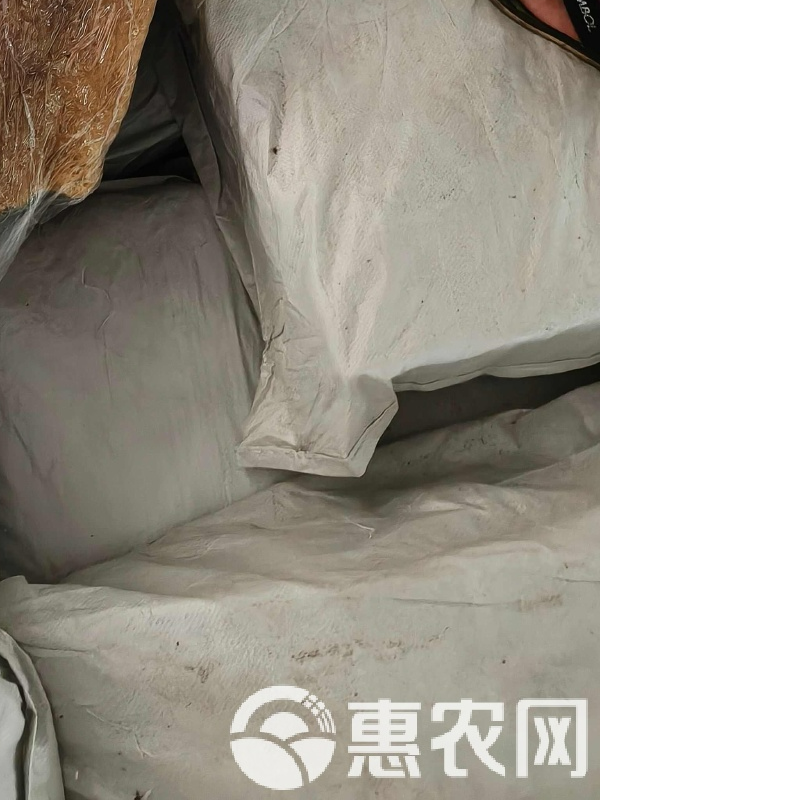
Isoprene rubber (IR) is a synthetic elastomer based on polyisoprene and designed to closely replicate the molecular structure and performance of natural rubber. It occupies an important place in the rubber industry because it combines high elasticity, resilience, tensile performance, and low-temperature flexibility with a chemistry that is familiar to processors and compounders. IR is used both as a direct substitute for natural rubber in selected applications and as a platform for specialized grades such as liquid polyisoprene and highly stereoregular variants tailored for demanding performance requirements.
Historically, IR emerged as part of the broader effort to reduce dependence on agricultural rubber supplies and to create a reproducible, petrochemical-based elastomer with similar behavior to natural rubber. Commercial development has focused on controlling the polymer microstructure, especially the cis content and molecular weight distribution, because these parameters strongly influence hysteresis, abrasion behavior, and processability. In practice, the market includes several classes of polyisoprene materials, from standard solid IR to low-molecular-weight liquid polyisoprene used as a co-curable plasticizer.
From a sustainability perspective, IR sits at the intersection of performance and resource debate. Conventional IR is generally derived from petrochemical isoprene, whereas natural rubber is renewable and biodegradable; however, synthetic IR can offer tighter specification control, more consistent quality, and reduced dependence on land-use constraints and plantation supply volatility. Ongoing research is therefore directed toward bio-based isoprene, improved catalyst systems, silica-filled formulations, and more efficient polymerization routes that can lower environmental impact while preserving the mechanical advantages that make polyisoprene attractive.
History and Development
The development of synthetic polyisoprene followed the broader industrialization of elastomers in the twentieth century, when rubber producers sought materials that could match natural rubber while providing more controlled supply and uniformity. Early synthetic routes relied on petrochemical feedstocks and catalytic polymerization strategies, particularly Ziegler-type catalyst systems, which made it possible to produce polyisoprene with properties close to those of natural rubber.
More recent development has centered on molecular precision. Modern catalyst systems have enabled higher stereochemical control, allowing manufacturers to adjust cis-1,4 content and other microstructural features that determine flexibility, rebound, and heat build-up. Industrial and patent literature also shows continuing improvements in purification, slurry handling, and post-polymerization finishing, reflecting the importance of stable viscosity, low impurity levels, and consistent bale quality for downstream rubber processing.
Chemical Structure and Key Properties
IR is a polymer of isoprene and is chemically very close to natural rubber, especially when produced as cis-1,4-polyisoprene. Its performance comes from a long, flexible hydrocarbon backbone with repeating unsaturation, which enables vulcanization and gives the material its characteristic elasticity.
| Property | Technical significance | Typical implication |
|---|---|---|
| High elasticity | Polymer chains extend and recover efficiently | Suitable for dynamic deformation |
| Good tensile and tear strength | Supports load-bearing rubber goods | Useful in tires and industrial parts |
| Low-temperature flexibility | Maintains softness in cold conditions | Valuable in outdoor and mobile applications |
| Abrasion resistance | Resists wear under repeated contact | Important in treads, rollers, and mechanical goods |
| Low hysteresis in suitable grades | Lower internal heat build-up during flexing | Improves dynamic performance |
A few practical limits define where IR is and is not ideal:
- Poor heat and oxidative aging resistance → the unsaturated backbone is vulnerable to oxygen, ozone, and elevated temperature → compounding with antioxidants, antiozonants, waxes, and protective designs is commonly used as the workaround.
- Moderate barrier performance → as a nonpolar elastomer, IR does not provide gas-tight or liquid-tight barrier behavior comparable to specialized barrier polymers → multilayer structures, coatings, or alternative elastomers are used when impermeability is critical.
- Solvent and oil sensitivity → hydrocarbon elastomers like IR can swell in many oils and fuels → formulation changes or replacement with more resistant elastomers are used for chemical-service applications.
Two formulation examples illustrate how compound design extends IR performance:
- Antioxidants at roughly 0.5 to 2 phr can slow chain scission by intercepting radical oxidation pathways, improving storage and service life.
- Silica filler with a silane coupling system can improve wet traction and reinforce the compound by increasing filler-polymer interaction and reducing filler agglomeration, a strategy discussed in recent biomimetic and nanocomposite studies.
Production Processes and Raw Feedstocks
Commercial IR is primarily produced from isoprene monomer, which is generally obtained from petrochemical feedstocks. Industrial sources include naphtha cracking streams and other olefin-based routes, with purification being essential because inhibitor residues and trace impurities can affect polymerization behavior and final microstructure.
Several polymerization approaches are used or described in the technical literature:
- Solution polymerization in hydrocarbon solvents such as hexane or cyclohexane is widely used for controlled production of synthetic polyisoprene.
- Cold polymerization / solvent-based polymerization is reported to produce rubber properties especially close to natural rubber.
- Ziegler-Natta or rare-earth catalysis enables high stereoregularity and tailored molecular architecture.
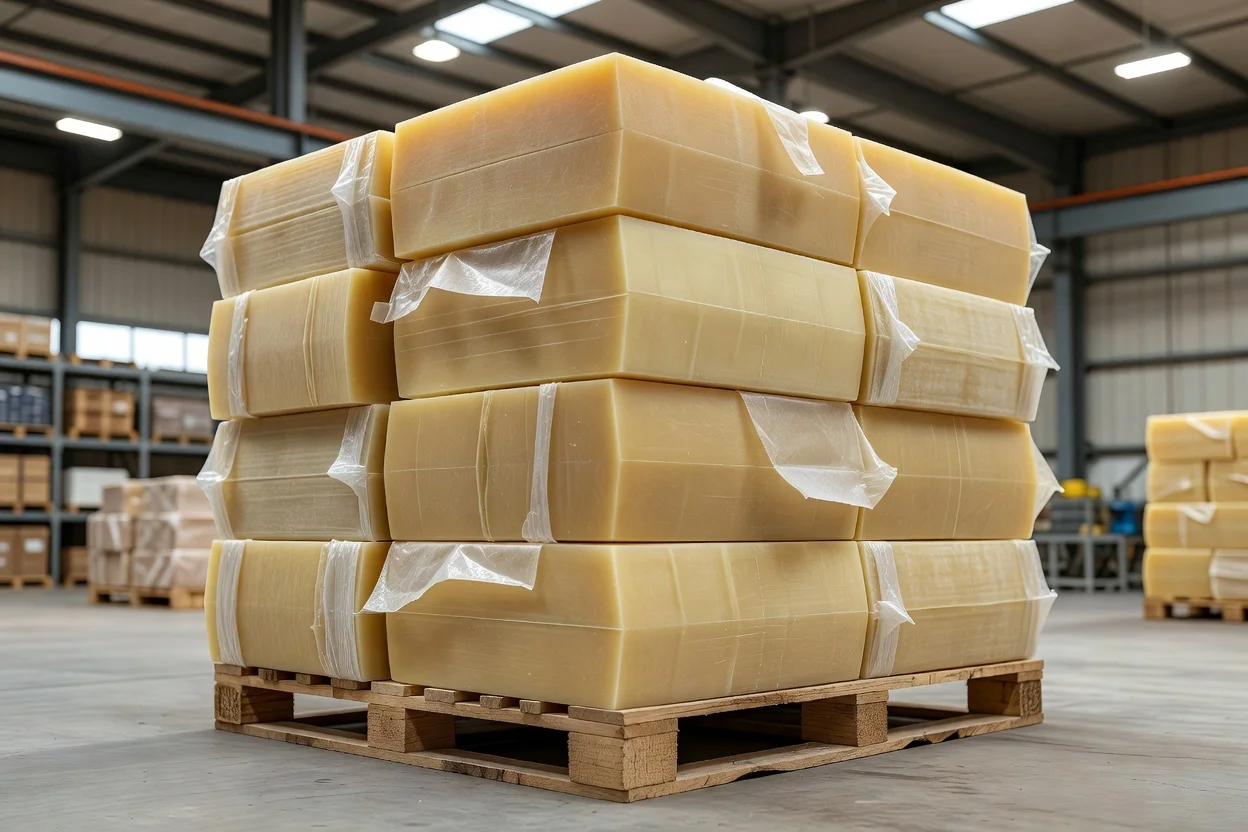
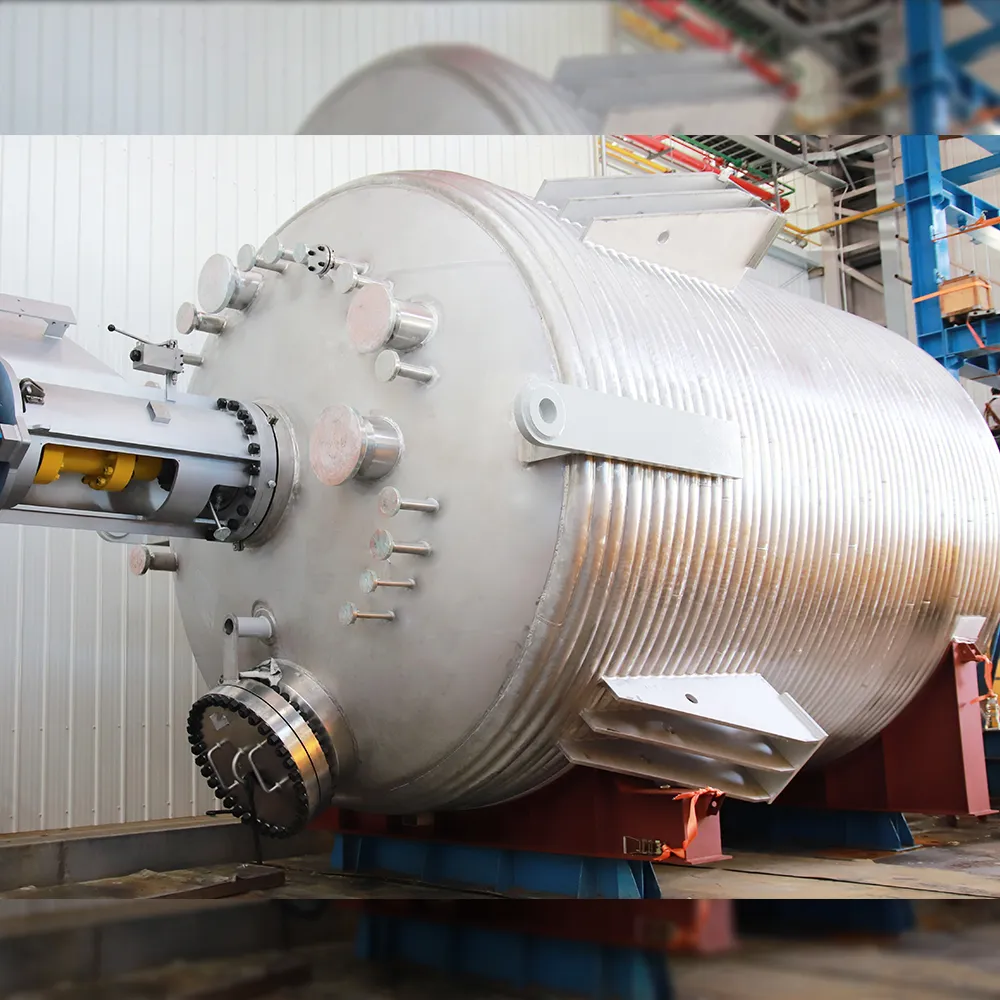
A typical industrial sequence includes monomer purification, catalyst preparation, polymerization under inert conditions, polymer recovery, washing, drying, and finishing into bales or sheets. Process control is important because polymerization temperature, catalyst concentration, solvent choice, and residence time all influence molecular weight, cis content, and viscosity.
Applications and End-Use Markets
IR is selected mainly where natural-rubber-like elasticity is needed with a synthetic supply base and controlled quality. Its commercial value is strongest in applications that require repeated deformation, resilience, and good processability.
| End-use sector | Typical IR role | Usual grade/process fit |
|---|---|---|
| Tires and tire components | Tread blends, sidewalls, inner dynamic parts | High-cis solid IR, solution polymerized |
| Footwear | Soles and elastic comfort parts | Solid IR compounds |
| Industrial goods | Hoses, belts, seals, gaskets, rollers | General-purpose solid IR |
| Medical and healthcare | Elastic components, gloves, tubing, certain biocompatible parts | High-purity or specialty grades |
| Adhesives and modifiers | Elastic tackifier or blend component | Liquid polyisoprene or low-MW IR |
| Consumer and sports goods | Flexible, rebound-oriented parts | Solid IR blends |
IR performs especially well in:
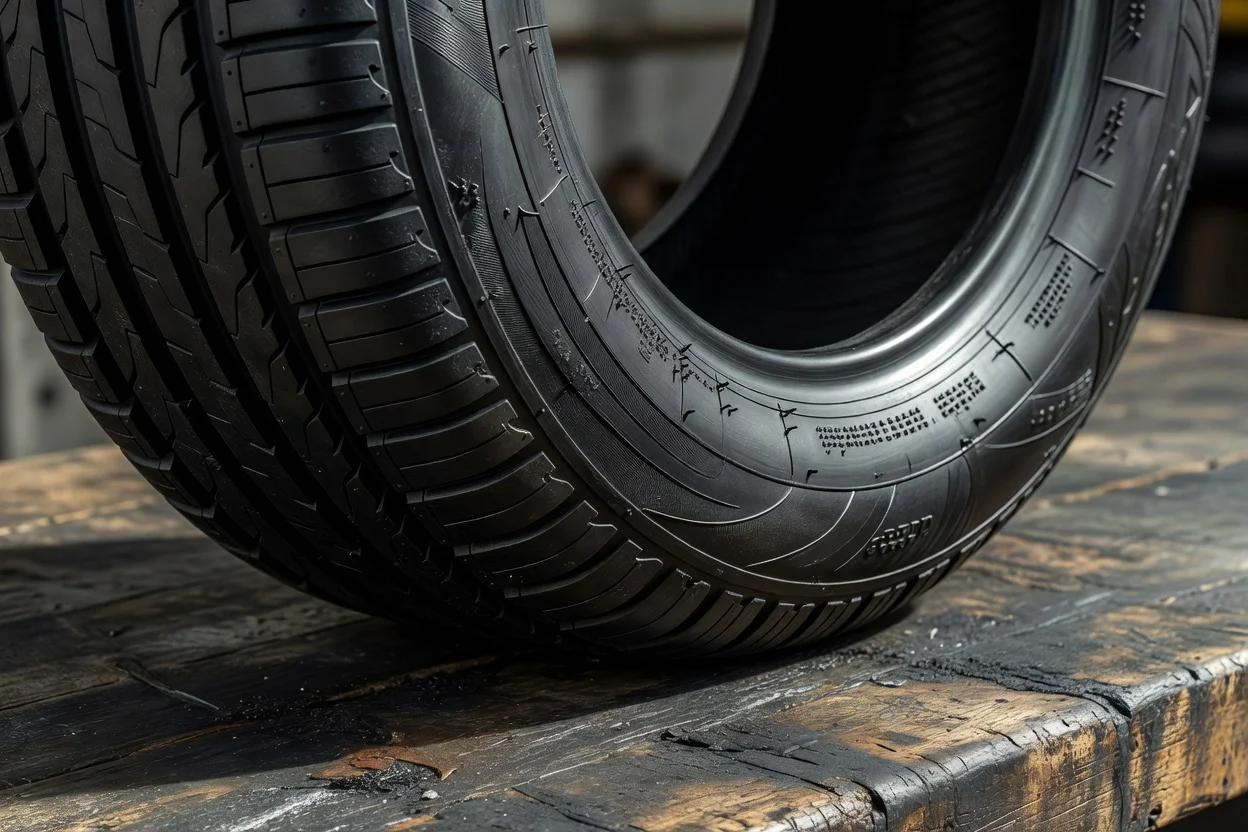
- Tires, where resilience, abrasion resistance, and dynamic response are valuable.
- Industrial rollers, where low hysteresis and repeated flexing are important.
- Seals and gaskets, where elastic recovery and shape retention matter.
- Medical and biocompatibility-oriented items, where soft, rubbery behavior is required and additives must be carefully controlled.
One poor-fit use is high-barrier packaging, because IR is not designed for strong oxygen or grease barrier performance.
Environmental and Sustainability Aspects
IR has a mixed sustainability profile. On one hand, it is a synthetic material commonly made from petrochemical isoprene, so it is linked to fossil carbon and conventional chemical processing. On the other hand, it can improve supply stability versus plantation-derived natural rubber, and its reproducible properties can reduce material variability and processing waste in industrial manufacture.
Key sustainability issues include:
- Feedstock origin: conventional isoprene is generally fossil-based.
- End-of-life: vulcanized rubber is difficult to remelt or mechanically recycle because crosslinks prevent simple reprocessing.
- Additive burden: antioxidants, oils, fillers, and curatives affect both performance and recyclability.
Promising directions include:
- Bio-based isoprene routes and bio-derived ingredients for more sustainable feedstock options.
- Reinforcement optimization to reduce total compound loading while maintaining performance.
- Improved catalyst selectivity to lower byproducts and energy intensity in polymer manufacture.
Economic and Global Market Impact
IR is a specialized elastomer rather than a commodity resin, so its market is shaped by performance demand, catalyst technology, and competition with natural rubber and other synthetic rubbers. Production is more concentrated than for large-volume polyolefins, and supplier structure matters because high-purity monomer supply and proprietary catalyst systems can be decisive.
Publicly available industry information indicates that Kuraray is a notable global producer in the specialty isoprene-rubber space, particularly for low-molecular-weight or specialty IR products. Broader industrial reports and technical reviews describe IR as a niche but strategically important rubber for applications where close imitation of natural rubber is required.
Market demand is influenced by:
- tire and automotive cycles,
- industrial equipment replacement,
- healthcare and specialty product demand,
- raw-material costs tied to petrochemical chains,
- competition from natural rubber and alternative elastomers.
Current Challenges and Innovations
The main technical challenge for IR is achieving natural-rubber-like performance while improving aging resistance, sustainability, and process efficiency. Because performance depends strongly on stereoregularity and microstructure, manufacturers continue to refine catalysts and process conditions.
Current innovation themes include:
- Precision catalysis to increase cis content and reduce property scatter.
- Liquid polyisoprene for use as a co-curable plasticizer in rubber compounds.
- Nanocomposites and silica reinforcement to improve reinforcement efficiency and dynamic behavior.
- Bio-based formulation components to reduce fossil dependency and improve dispersion behavior.
Future Outlook
IR is likely to remain important wherever designers want a synthetic analogue of natural rubber with controlled quality and dependable supply. The most likely growth areas are specialty compounds, medical and consumer elastomers, and engineered tire formulations that benefit from improved catalyst systems and optimized filler interaction.
Longer term, the competitiveness of IR will depend on whether the industry can combine:
- lower-carbon feedstocks,
- more selective polymerization,
- improved durability,
- and better circularity in vulcanized rubber systems.
Summary
Isoprene rubber is a synthetic polyisoprene elastomer valued for its close resemblance to natural rubber, strong elasticity, and versatile compounding behavior. Its main strengths are in dynamic rubber goods, while its principal weaknesses are oxidative aging, limited barrier performance, and difficult end-of-life recycling. The most important technical frontier is the development of cleaner feedstocks, more precise catalysts, and formulations that preserve performance while reducing environmental impact.
References
- •
Isoprene rubber (IR) - synthetic alternative to natural rubber. (2026, May 20). https://www.gume.de/en/ir-isoprene-rubber/Link
- •
What is Isoprene Rubber? (2026, July 16). https://circularrubberplatform.com/glossary/isoprene-rubberLink
- •
Silicone, Isoprene and Natural rubber ... (2021, August 26). https://www.kmedhealth.com/what-are-the-differences-between-silicone-isoprene-and-natural-rubber/Link
- •
Isoprene Rubber - Ganpati Exim | Pursuing Excellence. (2024, March 18). https://www.ganpatiexim.com/products/synthetic-rubber/isoprene-rubber/Link
- •
Isoprene Rubber Manufacturing Plant Project Report 2025. (2024, April 10). https://www.imarcgroup.com/isoprene-rubber-manufacturing-plant-project-reportLink
- •
Product First Stories: (Isoprene). (2025, July 15). https://www.kuraray.com/global-en/company/history/isoprene/Link
- •
[PDF] Economic Analysis of Isoprene Production from Good Year Scientific ... (n.d.). https://pdfs.semanticscholar.org/9579/18918a5218f977a773dc3c8ae5e56b3b7400.pdfLink
- •
イソプレンゴムとは?特性と用途を徹底解説. (2026, February 10). https://gomu-tech.com/isoprene-rubber-properties-uses/Link
- •
P49-53..._3479-.... (n.d.). https://www.jstage.jst.go.jp/article/gomu/88/6/88_227/_pdfLink
- •
Isoprene | Natural Rubber, Monomer, Polymer. (2026, August 21). https://www.britannica.com/science/isopreneLink
- •
"Isoprene," in: Ullmann's Encyclopedia of Industrial Chemistry. (n.d.). http://www.ugr.es/~tep028/pqi/descargas/Industria%20quimica%20organica/tema_3/isopreno_a14_627.pdfLink
- •
How Isobutylene Isoprene Rubber (IIR) Works — In One ... (2025, December 16). https://www.linkedin.com/pulse/how-isobutylene-isoprene-rubber-iir-works-one-i1sycLink
- •
Isoprene - Wikipedia. (2002, October 1). https://en.wikipedia.org/wiki/IsopreneLink
- •
Isoprene Rubber (IR) - Biesterfeld SE. (n.d.). https://www.biesterfeld.com/en/us/product/isoprene-rubber/Link
- •
Isoprene Rubber (IR) - Biesterfeld SEwww.biesterfeld.com › product › isoprene-rubber. (n.d.). https://www.biesterfeld.com/en/cz/product/isoprene-rubber/Link
- •
Polyisoprene | Natural Rubber, Synthetic Rubber & Uses - Britannica. (2025, September 20). https://www.britannica.com/science/polyisopreneLink
- •
Isoprene Rubber (IR) in the Real World: 5 Uses You'll ... (2025, October 8). https://www.linkedin.com/pulse/isoprene-rubber-ir-real-world-5-uses-youll-actually-fouoeLink
- •
Isoprene Rubber (IR) | Biesterfeld SE. (n.d.). https://www.biesterfeld.com/en/de/product/isoprene-rubber/Link
- •
Isoprene Rubber (IR). (n.d.). https://www.biesterfeld.com/en/nl/product/isoprene-rubber/Link
- •
Isoprene Rubber (IR). (n.d.). https://www.biesterfeld.com/en/pt/product/isoprene-rubber/Link
- •
ExxonMobil Butyl Rubber Process. (n.d.). https://cdn.ihs.com/www/pdf/RW2016-04-toc.pdfLink
- •
Isoprene rubber | chemical compound. (2024, September 29). https://www.britannica.com/science/isoprene-rubberLink
- •
Synthetic Polyisoprene Rubber: Comprehensive Analysis ... (n.d.). https://eureka.patsnap.com/materials/synthetic-polyisoprene-rubberLink
- •
CN106032394A - Polyisoprene rubber production method ... (2015, March 17). https://patents.google.com/patent/CN106032394A/enLink
- •
Synthetic Polyisoprene Rubber as a Mimic of Natural ... - PMC. (2023, October 13). https://pmc.ncbi.nlm.nih.gov/articles/PMC10610710/Link
- •
IIR Rubber - definition, production, properties, applications. (2024, March 9). https://inpart24.com/en/resources/article/63/butyl-rubber-iir-rubber-definition-production-properties-applicationsLink
- •
Development of Next-Generation Rubber with Performance ... (2017, February 24). https://www.bridgestone.com/corporate/news/2017022401.htmlLink
- •
Why Isoprene Rubber (Natural Rubber) is a Great Choice ... (2024, June 25). https://harwoodrubber.com/blog/why-isoprene-rubber-natural-rubber-is-a-great-choice-for-industrial-rollers/Link
- •
Different Types of Rubber: Names, Properties, and Uses. (2023, May 30). https://flextron.org/blog/different-types-of-rubber-names-properties-uses/Link
- •
New Isoprene Polymers. (1998, June 30). https://pubs.acs.org/doi/10.1021/bk-1998-0696.ch014Link
- •
Isoprene Polymers. (n.d.). https://onlinelibrary.wiley.com/doi/abs/10.1002/0471440264.pst175Link
- •
Polyisoprene Rubber. (2025, November 1). https://www.sciencedirect.com/topics/engineering/polyisoprene-rubberLink
- •
Regularities of formation of structure and composition of isoprene rubbers and rubber formulations for full-fledged replacements of natural rubber in tires and rubber goods. (2025, November 1). https://journals.rcsi.science/2071-8268/article/view/359986Link
- •
Activated Isobutylene-Isoprene Rubber—Synthesis, Peroxide Cure, and Mechanical Properties. (2020, September 22). https://pubs.acs.org/doi/10.1021/acsapm.0c00906Link
- •
Polyisoprene - an overview | ScienceDirect Topics. (n.d.). https://www.sciencedirect.com/topics/materials-science/polyisopreneLink
- •
The effect of bio-based ingredients in isoprene rubber. (n.d.). https://www.sciencedirect.com/science/article/abs/pii/S0254058422014572Link