
Introduction
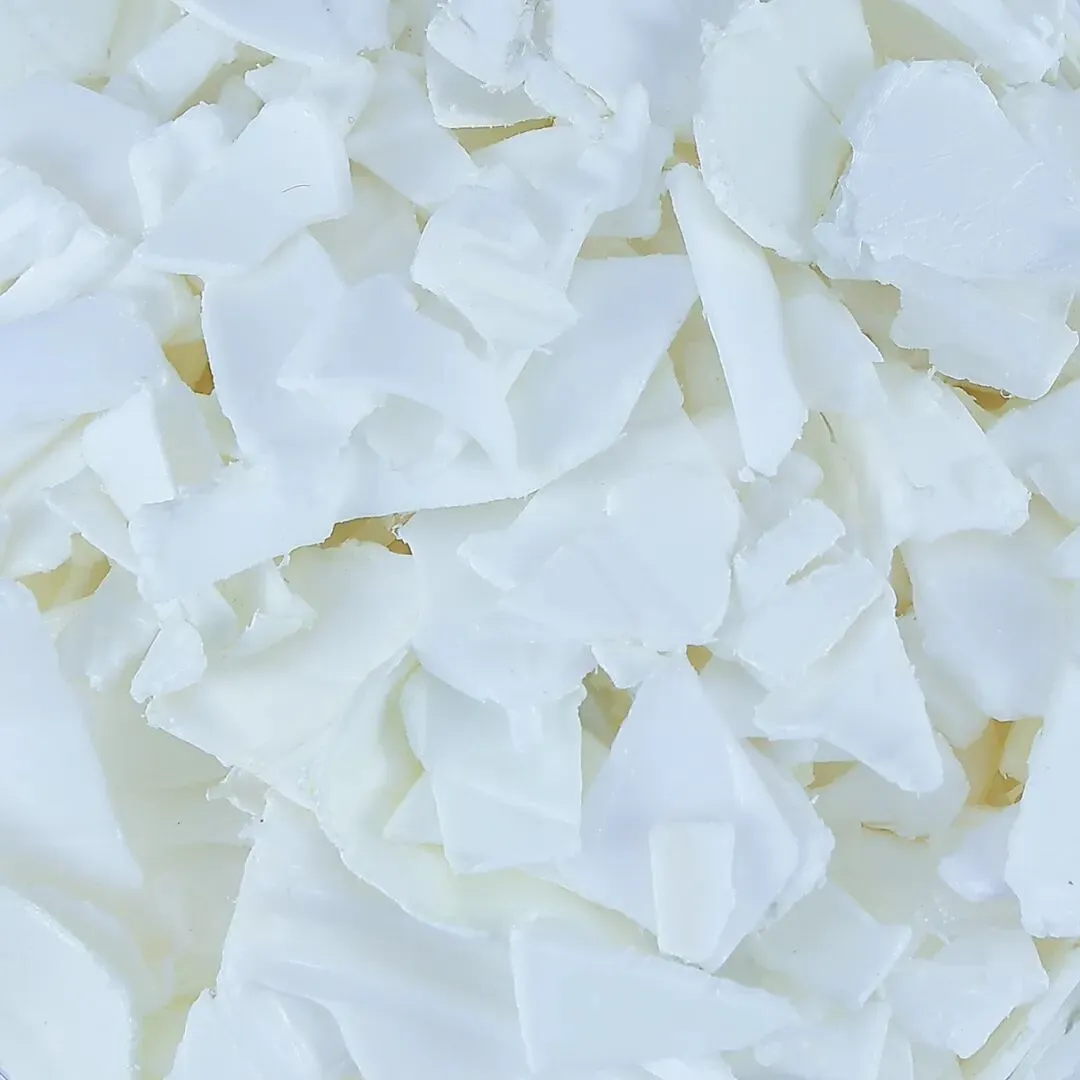
Stearic acid is a long-chain saturated fatty acid widely used as a functional raw material and auxiliary across plastics, rubber, personal care, lubricants, soaps, and metal-processing systems. In the plastics value chain, its importance comes less from being a structural polymer building block than from its role as a lubricant, release agent, processing aid, and metal stearate precursor, where its fatty-acid structure gives a useful combination of hydrophobicity, thermal stability, and reactivity toward metal oxides and bases.
Commercial stearic acid is often not a single pure compound but a fatty-acid fraction derived from natural fats and oils, commonly containing stearic acid together with palmitic acid and smaller amounts of oleic acid. This composition matters in practice because industrial performance can depend on chain-length distribution, unsaturation level, and impurity profile, especially when the material is converted into calcium, zinc, magnesium, or aluminum stearates used in polymer stabilization and compounding.
Its industrial relevance has persisted for decades because it is inexpensive, versatile, and easy to convert into downstream derivatives, yet it also sits at the intersection of sustainability debates due to its dependence on animal-fat and vegetable-oil feedstocks, land-use considerations, and the need for low-carbon oleochemical sourcing. Recent product development has therefore focused on more traceable vegetable-based supply chains, improved fractionation, and circular feedstock pathways for fatty-acid derivatives.
History and Development
Stearic acid was identified in the broader development of fatty-acid chemistry and became commercially important as soap, candle, and lubricant industries expanded alongside oleochemical processing. The term “stearic” reflects its waxy, hard, stearate-forming character, and industrial use followed from the observation that long saturated chains produce solids with useful melting and handling properties.
With the growth of plastics and elastomers in the twentieth century, stearic acid gained a new industrial role as a compounding aid and precursor to metal soaps. This was especially important in PVC, rubber, and masterbatch formulations, where small amounts of fatty acids or their metal salts can improve processing, mold release, dispersion, and acid scavenging.
Chemical Structure and Key Properties
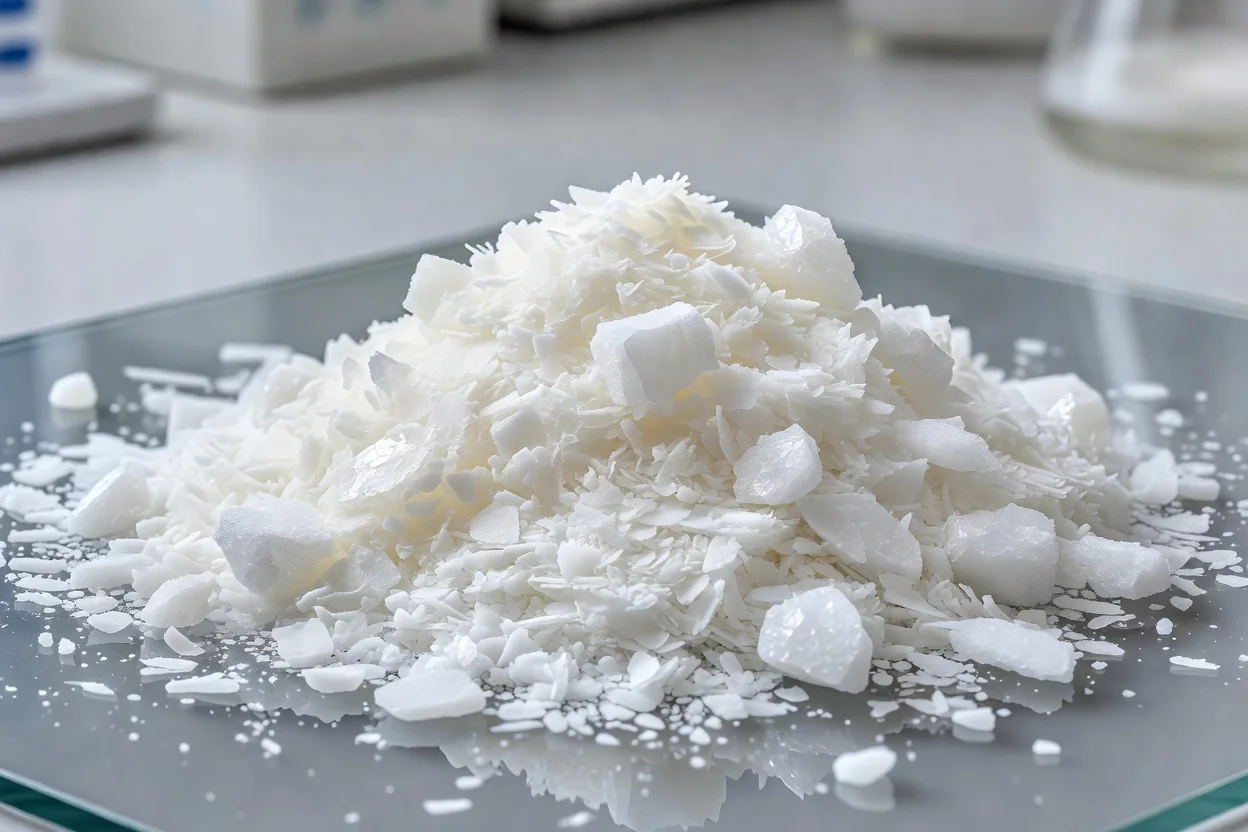
Stearic acid is chemically octadecanoic acid with the plain-text formula C18H36O2 and the structural form CH3(CH2)16COOH. It is a saturated monocarboxylic acid with an 18-carbon straight chain, which gives it a relatively high melting point for a fatty acid and a waxy, white solid appearance at ambient temperature.
Key physicochemical features
| Property | Typical value or description |
|---|---|
| Appearance | White waxy solid or crystals |
| Molecular formula | C18H36O2 |
| Molecular mass | About 284.48 g/mol |
| Melting point | About 69–71 C |
| Boiling behavior | Decomposes before or around boiling under normal pressure |
| Water solubility | Very low / practically insoluble |
| Odor | Mild fatty odor |
These properties explain its industrial usefulness: the long hydrocarbon tail provides hydrophobicity and lubricity, while the carboxylic acid group enables salt formation and esterification.
Real limits and practical workarounds
| Limit | Cause | Workaround |
|---|---|---|
| Poor water compatibility | The molecule is strongly hydrophobic and practically insoluble in water | Convert it to stearates, use emulsification systems, or disperse it in oils and waxes |
| Limited direct thermal processing window | It softens and melts near 69–71 C and can decompose at high temperature | Add in controlled compounding steps, or use derivative metal stearates with better handling characteristics |
| Variable performance in “commercial stearic acid” grades | Natural-feedstock mixtures may contain palmitic and oleic acids | Specify narrower fatty-acid distribution, higher iodine control, or derivative purification |
In plastics, a particularly important surface-related limitation is that the acid itself is not a universal polymer modifier; it functions best when its low polarity is desirable. That same low polarity can be a disadvantage in water-based systems, which is why stearates and emulsified formulations are often preferred.
Production Processes and Raw Feedstocks
Industrial stearic acid is produced mainly from natural triglyceride feedstocks such as tallow, lard, palm oil, palm-kernel fractions, and other vegetable fats and oils, followed by hydrolysis or saponification and fatty-acid separation. The resulting fatty acids are then distilled or fractionated to enrich the C18 saturated fraction.
The principal processing route is:
- Triglyceride hydrolysis to release free fatty acids and glycerol.
- Fractional distillation or crystallization to separate stearic acid from palmitic, oleic, and other fatty acids.
- Hydrogenation or feedstock upgrading in some supply chains to reduce unsaturation and improve oxidative stability.
- Derivatization into metal stearates, amides, esters, or specialty wax-like auxiliaries for downstream use.
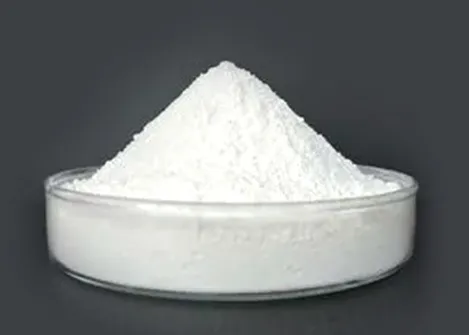
For plastics applications, the most relevant downstream conversion is the manufacture of calcium stearate, zinc stearate, magnesium stearate, and aluminum stearate, which are widely used as lubricants, acid scavengers, release agents, and hydrophobizing agents in compounding. A typical practical example is the use of about 0.2 to 1.0 phr calcium stearate in PVC formulations, where it helps neutralize acidic species and improves processing stability; another common use is 1 to 3% metal stearate in filled masterbatches to improve powder flow and reduce die buildup, depending on resin and filler system.
Applications and End-Use Markets
Stearic acid itself and its derivatives occupy a broad range of industrial markets, but in plastics they are most important in PVC, polyolefins, rubber, masterbatches, fillers, and engineered compounds.
| End use | Usual role | Typical form or grade | Processing context |
|---|---|---|---|
| PVC compounding | Lubricant, acid scavenger precursor, release aid | Technical stearic acid or calcium/zinc stearate | Dry blending, extrusion, calendering |
| Polyolefin masterbatches | Flow aid, dispersant aid, antisticking agent | Metal stearates derived from stearic acid | Twin-screw compounding |
| Rubber processing | Internal/external lubricant, dispersion aid | Stearic acid and zinc stearate systems | Mixing and vulcanization |
| Filled plastics | Wetting aid for mineral fillers | Stearates | High-filler compounding |
| Thermosets and molding compounds | Release and demolding aid | Stearates or stearic acid-treated fillers | Compression and injection molding |
Plastics and polymer processing
In plastics manufacturing, stearic acid is valuable because its long hydrocarbon chain reduces friction and improves flow at low dosage, while the acid group reacts readily with metal oxides to form stearates. This is especially useful in PVC, where metal stearates and related lubricants help control fusion, prevent sticking to metal surfaces, and moderate melt viscosity during extrusion and calendering.
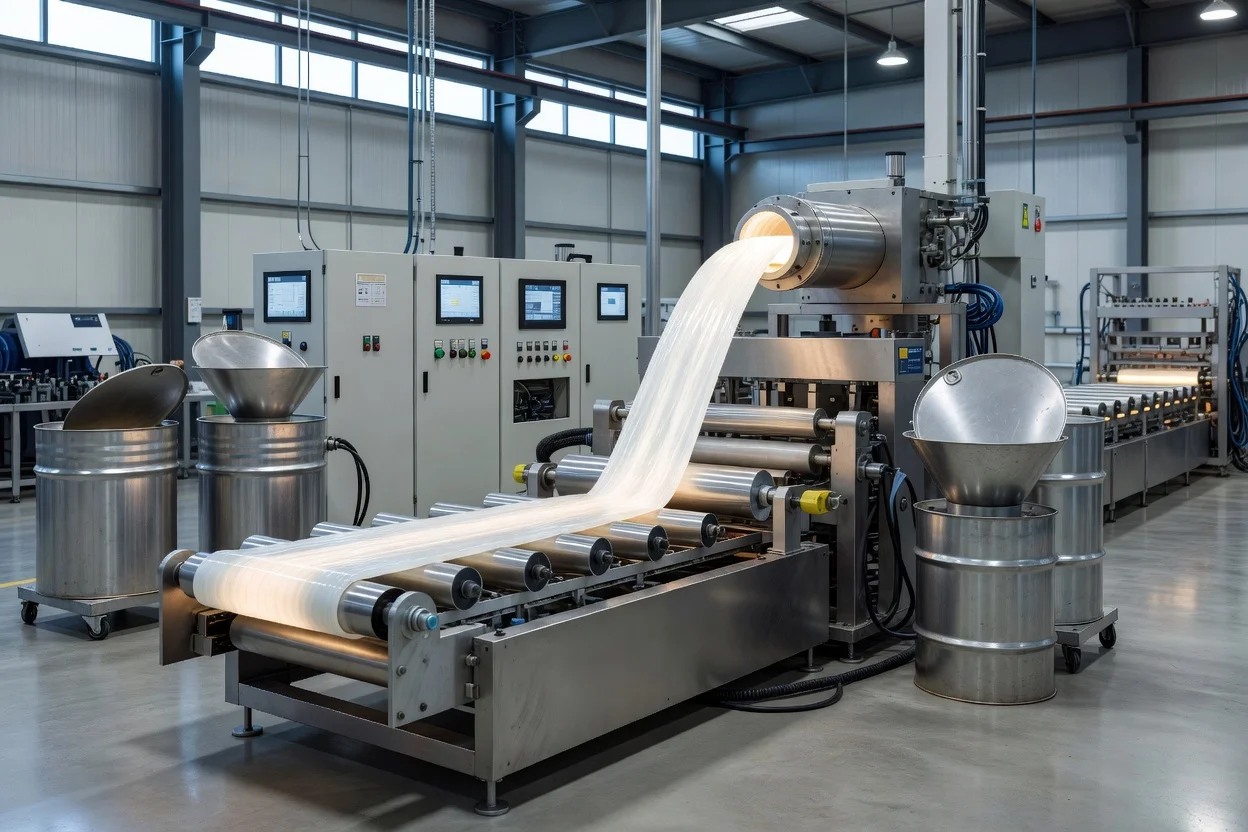
It is also used in polyolefin compounding and masterbatch production as part of the lubrication package, particularly where powder flow and filler dispersion are critical. In filled systems, stearic acid can also serve as a surface treatment for calcium carbonate, talc, or other minerals, lowering surface energy and improving compatibility with hydrophobic polymer matrices.
Rubber and elastomers
Stearic acid has a long-established role in rubber, where it acts in combination with zinc oxide as part of the vulcanization activator system. In that chemistry, stearic acid helps form zinc stearate in situ, which enhances the availability and transport of zinc species involved in accelerator activation. This makes it a classic example of a low-cost additive that has a mechanistic role beyond simple lubrication.
Personal care and soap-side markets
Although not a plastics market per se, the personal-care sector is a major outlet for stearic acid and supports large-scale oleochemical production that also feeds industrial auxiliary markets. Its soap-making role is especially important because saponified stearic-rich fractions contribute hardness, opacity, and stable foam structure.
Poor-fit use case
Stearic acid is a poor fit for applications requiring high water solubility or permanent compatibility with strongly polar systems because it is practically insoluble in water and strongly hydrophobic. For such uses, surfactant blends, ethoxylated derivatives, or alternative hydrophilic auxiliaries are usually more effective.
Environmental and Sustainability Aspects
Stearic acid is typically sourced from renewable biological feedstocks, which gives it an advantage over fossil-derived petrochemical auxiliaries in renewable carbon content. However, sustainability performance depends strongly on feedstock origin, land-use change, refining energy, and whether the supply chain is based on animal fats, palm-derived oils, or other vegetable sources.
Recyclability and circularity
As a low-dose additive or auxiliary, stearic acid does not by itself determine polymer recyclability, but its derivatives can affect recycling quality in several ways:
- Lubricant packages can improve processing of recyclate by reducing melt fracture and die buildup.
- Overuse may interfere with adhesion, printability, or downstream compounding if residues accumulate.
- In PVC and filled systems, excessive metal-soap residue can complicate formulation consistency across recycling loops.
Bio-based alternatives
Because stearic acid already comes largely from bio-based oleochemical feedstocks, the main sustainability discussion is not whether it is “bio-based” in a simple sense, but how responsibly the fats and oils are sourced. Alternatives and improvements include:
- higher-traceability vegetable-based supply chains
- byproduct valorization from food and biodiesel streams
- fatty-acid fractionation improvements to reduce waste
- development of lower-carbon derivative manufacturing routes
Carbon footprint considerations
The carbon footprint of stearic acid is tied to agricultural inputs, hydrogenation or refining energy, and transportation rather than to fossil cracking routes. From a lifecycle perspective, the material can be favorable when it is derived from waste or residue streams, but less favorable when linked to land-intensive plantations with biodiversity concerns.
Economic and Global Market Impact
Stearic acid is a mature commodity oleochemical with global importance because it feeds multiple industries at once: plastics, rubber, cosmetics, soaps, lubricants, and metal soaps. This cross-sector demand makes pricing sensitive to palm, tallow, and other feedstock markets rather than only to polymer demand cycles.
The leading global producers are concentrated in the oleochemical sectors of Southeast Asia, Europe, and parts of North America, with large integrated suppliers often operating from palm-based or mixed-fat feedstocks. In industrial practice, supply reliability, fatty-acid composition, and consistency are often more important than marginal price differences, particularly for compounding and specialty derivative production.
Current Challenges and Innovations
The main challenges for stearic acid are:
- Feedstock scrutiny: palm-linked sourcing can raise deforestation and traceability concerns.
- Specification variability: commercial grades are often mixtures, which can affect reproducibility.
- Performance trade-offs: very effective lubrication can sometimes reduce interfacial adhesion or printability if overdosed.
- Process emissions: downstream hydrogenation, distillation, and transport contribute to the carbon profile.
Current innovations are focused on:
- tighter fatty-acid fractionation for narrow-performance grades
- more efficient conversion to metal stearates for PVC and masterbatch systems
- use of waste-based feedstocks from used cooking oil or animal byproducts
- multifunctional additive packages that combine lubricity, release, and dispersion control in one formulation
- improved surface treatment of mineral fillers with stearate chemistry for high-performance lightweight compounds
Future Outlook
Stearic acid is likely to remain a foundational oleochemical because it is difficult to replace economically in the many niches where low-cost hydrophobicity, process lubrication, and simple chemical convertibility are needed. Its strongest future position is likely in derivative form, especially as metal stearates and treated fillers continue to be used in PVC, polyolefins, rubber, and recycled-plastics compounding.
The most important longer-term shifts are expected to come from feedstock reformulation rather than from elimination of the material itself. Traceable bio-based sourcing, waste-derived fatty acids, and lower-emission refining will likely determine which stearic-acid suppliers remain competitive as sustainability requirements tighten across global plastics and chemicals markets.
Summary
Stearic acid is a mature but strategically important oleochemical auxiliary whose value in plastics comes from lubrication, release, dispersion, and metal-stearate chemistry. Its structure explains its behavior: a saturated C18 chain provides hydrophobicity and solid handling, while the carboxylic acid group enables conversion into widely used industrial stearates.
Its future will depend on improving feedstock sustainability, tightening product specifications, and preserving its role in cost-sensitive polymer processing where few alternatives match its balance of performance, availability, and price.
References
- •
Stearic acid. (2015, July 21). PubChem. https://pubchem.ncbi.nlm.nih.gov/compound/Stearic-AcidLink
- •
Stearic acid. (2003, October 11). Wikipedia. https://en.wikipedia.org/wiki/Stearic_acidLink
- •
Stearic acid. (2026, August 4). ChemicalBook. https://www.chemicalbook.com/ChemicalProductProperty_EN_CB4853859.htmLink
- •
Properties of stearic acid – C18H36O2. (2019, April 11). BYJU'S. https://byjus.com/chemistry/stearic-acid/Link
- •
Stearic acid: Formula, properties, uses & safety explained. (2025, October 13). Vedantu. https://www.vedantu.com/chemistry/stearic-acidLink
- •
Stearic acid. (2015, July 21). PubChem. https://pubchem.ncbi.nlm.nih.gov/compound/5281Link
- •
Stearic acid. (2015, July 21). PubChem. https://pubchem.ncbi.nlm.nih.gov/compound/Stearic-acidLink
- •
What is stearic acid used for? Complete guide. (2026, July 10). Sarochem. https://sarochem.com/2026/07/10/what-is-stearic-acid-used-for-2/Link
- •
Stearic acid: Properties and applications. (2019, August 25). Forplastwax. https://forplastwax.com/articles/4133/Link
- •
Stearic acid in skincare. (2026, July 9). Sarochem. https://sarochem.com/2026/07/09/what-is-stearic-acid-used-for/Link
- •
Stearic acid. (n.d.). CAMEO Chemicals. https://cameochemicals.noaa.gov/chemical/9089Link
- •
Showing metabocard for stearic acid (HMDB0000827). (2005, November 16). HMDB. https://www.hmdb.ca/metabolites/HMDB0000827Link
- •
Chemistry stearic acid. (2025, June 17). SATHEE JEE - IIT Kanpur. https://sathee.iitk.ac.in/sathee-jee/article/chemistry/chemistry-stearic-acid/Link
- •
LMFA01010018 - Stearic acid. (2021, October 6). LIPID MAPS. https://www.lipidmaps.org/databases/lmsd/LMFA01010018Link
- •
Stearic acid structural formula. (2020, April 20). BYJU'S. https://byjus.com/stearic-acid-formula/Link
- •
Stearic acid - An overview. (n.d.). ScienceDirect. https://www.sciencedirect.com/topics/biochemistry-genetics-and-molecular-biology/stearic-acidLink
- •
Stearic acid. (2026, July 20). Britannica. https://www.britannica.com/science/stearic-acidLink
- •
Stearic acid. (2018, December 1). DrugBank. https://go.drugbank.com/drugs/DB03193Link
- •
A comprehensive guide to stearic acid 1801: From basic properties to development potential. (2025, September 5). Sinobiochemistry. https://www.sinobiochemistry.com/A-Comprehensive-Guide-to-Stearic-Acid-1801-From-Basic-Properties-to-Development-Potential-id47255996.htmlLink
- •
Stearic acid - An overview. (n.d.). ScienceDirect. https://www.sciencedirect.com/topics/chemical-engineering/stearic-acidLink
- •
Chemistry stearic acid. (n.d.). SATHEE JEE - IIT Kanpur. https://sathee.iitk.ac.in/article/chemistry/chemistry-stearic-acid/Link
- •
Stearic acid (chemistry) - Overview. (2026, March 9). StudyGuides.com. https://studyguides.com/study-methods/overview/cmmbxdxjhd9wd0190hsr1x68qLink
- •
ICSC 0568 - Stearic acid. (n.d.). Inchem. https://www.inchem.org/documents/icsc/icsc/eics0568.htmLink
- •
Stearic acid. (2024, June 10). ChemSpider. https://www.chemspider.com/Chemical-Structure.5091.htmlLink
- •
Stearic acid: Applications in cosmetics & personal care. (2026, June 12). New Directions Aromatics. https://www.newdirectionsaromatics.com/blog/all-about-stearic-acidLink
- •
Stearic acid — Skincare products. (n.d.). Dermapproved. https://dermapproved.com/ingredients/stearic-acid/Link
- •
The stearic acid use in cream: Benefits and common myths. (2024, September 11). ECHEMI. https://www.echemi.com/cms/2045069.htmlLink
- •
Stearic acid. (2024, September 26). In Cosmeceuticals and cosmetic ingredients. McGraw Hill Medical. https://dermatology.mhmedical.com/content.aspx?bookid=2812§ionid=244978561Link
- •
What is stearic acid: Neutrogena skincare ingredient glossary. (2025, April 16). Neutrogena. https://www.neutrogena.com/the-bar/skincare-glossary/stearic-acidLink
- •
Stearic acid. (2013, October 14). MDedge. https://www.mdedge.com/dermatology/article/78248/aesthetic-dermatology/stearic-acidLink
- •
What is stearic acid? Benefits, side effects, and use. (2022, April 19). Medical News Today. https://www.medicalnewstoday.com/articles/stearic-acidLink
- •
Stearic acid. (2025, November 17). ACS. https://www.acs.org/molecule-of-the-week/archive/s/stearic-acid.htmlLink
- •
STEARIC ACID. (2022, October 4). SpecialChem. https://www.specialchem.com/cosmetics/inci-ingredients/stearic-acidLink
- •
Stearic acid | Formulation & manufacturing. (2025, August 15). Formunova. https://formunova.com/our-ingredients/stearic-acid/Link
- •
Stearic acid: Uses, benefits, and industrial applications. (2025, April 2). Musim Mas. https://www.musimmas.com/resources/blogs/stearic-acid-uses-benefits-safety/Link
- •
Octadecanoic acid. (2004, January 1). NIST WebBook. https://webbook.nist.gov/cgi/cbook.cgi?ID=C57114&Mask=2Link
- •
What you need to know about stearic acid in skincare. (2023, September 30). Curology. https://curology.com/blog/the-ultimate-guide-to-stearic-acid-in-skincare-products/Link
- •
Stearic acid (CAS 57-11-4). (n.d.). Cayman Chemical. https://www.caymanchem.com/product/10011298/stearic-acidLink
- •
Stearic acid. (2026, January 30). Cosmeticsinfo. https://www.cosmeticsinfo.org/ingredient/stearic-acid/Link
- •
Importance and uses of stearic acid in daily life. (2019, October 4). Bansal Trading. https://bansaltrading.com/uses-stearic-acidLink
- •
Stearic acid 315. (2025, January 1). MakingCosmetics. https://www.makingcosmetics.com/THK-STEA-01.html?lang=en_USLink
- •
Octadecanoic acid. (n.d.). NIST WebBook. https://webbook.nist.gov/cgi/cbook.cgi?ID=57-11-4Link
- •
What is stearic acid and what does it do in products? (2025, May 8). Rustic Strength. https://rusticstrength.com/blogs/ingredients/what-is-stearic-acid-and-what-does-it-do-in-productsLink
- •
Stearic acid - Personal care & cosmetics. (2025, December 8). UL Prospector. https://www.ulprospector.com/en/na/PersonalCare/Detail/100296/1003436/Stearic-AcidLink