
Introduction
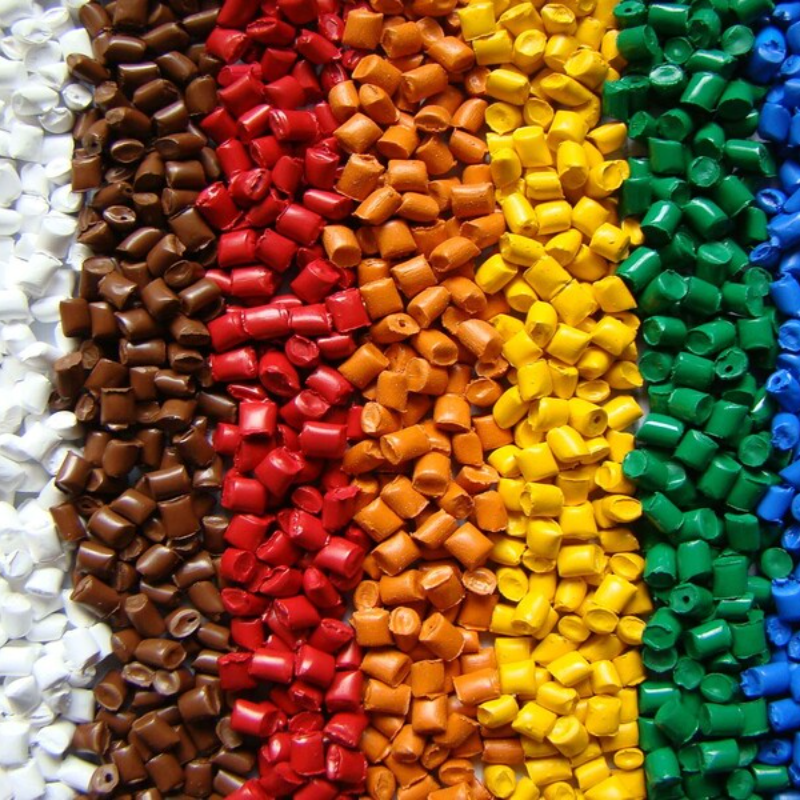
Low-VOCs colour masterbatch is a concentrated pigment-in-resin formulation designed to colour plastics while minimizing volatile organic compound emissions and odour during processing and in the finished part. It is used especially where indoor air quality, regulatory compliance, and appearance consistency are critical, such as automotive interiors, consumer appliances, packaging, and other high-visibility plastic components.
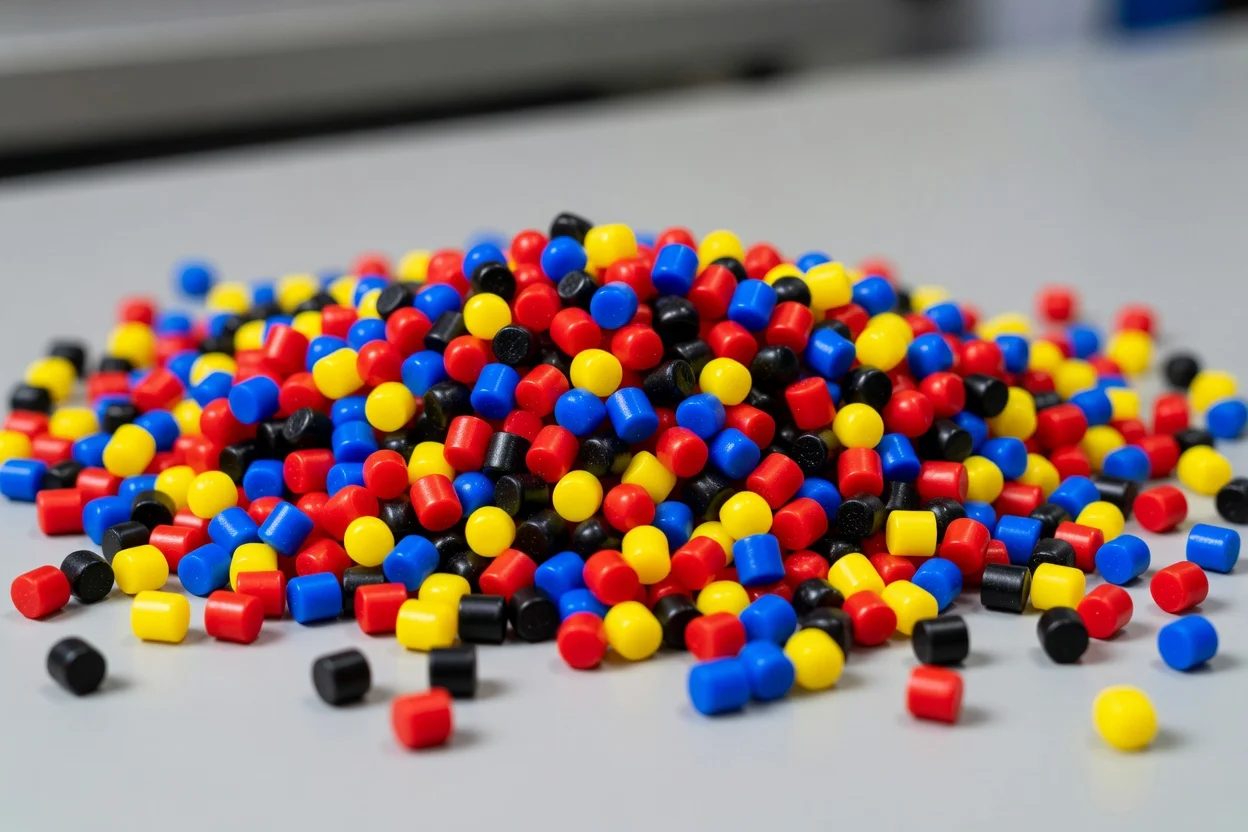
In technical terms, a colour masterbatch is a pelletized dispersion of pigments or dyes in a compatible carrier resin, typically dosed into a base polymer during moulding or extrusion to achieve uniform coloration. The “low-VOCs” designation indicates tighter control over the chemistry of the carrier, dispersing aids, and additives so that emitted volatiles, fogging, and odour remain low after processing and in service.
The topic sits at the intersection of colour science, polymer processing, and emissions compliance. Its development has been shaped by the broader evolution of masterbatch technology from simple colour concentrates toward highly engineered formulations that may also deliver UV resistance, heat stability, antistatic performance, and improved dispersion. Sustainability pressures are also reshaping the category, with manufacturers seeking lower-emission formulations, compatibility with recycling streams, and, where feasible, bio-based or circular carrier systems.
History and development
Colour masterbatch developed as plastics manufacturing shifted away from direct pigment handling toward pre-dispersed concentrates that improved cleanliness, dosing precision, and colour repeatability. As plastics moved into mass consumer goods, automotive, and construction, masterbatch became a practical way to standardize colour across large production runs and reduce dusting and handling losses associated with dry pigments.
The low-VOCs segment emerged later, driven by stricter interior-air and odour requirements in automobiles and other enclosed environments. In these applications, colour alone is not sufficient; the formulation must also limit emissions from carriers, lubricants, processing aids, and residual monomers or low-molecular-weight species. This shift has encouraged more careful selection of base resins, cleaner pigment systems, and low-emission additive packages.
Chemical structure and key properties
A low-VOCs colour masterbatch typically contains three functional elements: a carrier resin, one or more pigments or dyes, and a small package of processing or performance additives. The carrier resin is chosen for compatibility with the target polymer, such as PP, ABS, PC, or engineering resins used in automotive interiors. Good compatibility helps the concentrate disperse evenly and reduces phase separation, blooming, or surface defects.
Key properties include:
- High colour strength, so the masterbatch can be used at low let-down ratios while still achieving target shade.
- Excellent dispersion, which reduces specks, streaking, and batch-to-batch variation.
- Low odour and low VOC emission, especially important for cabin components and enclosed products.
- Thermal stability, so the colourant survives melt processing without degradation or shade shift.
- Migration resistance, which helps maintain appearance and reduces staining or transfer.
Typical loading levels vary by product design, but colour concentrates are commonly dosed at low percentages into the base polymer; industry sources describe pigment contents in masterbatch as often being around 10% to 20%, with use ratios commonly around 1:10 to 1:20 in some applications, while automotive formulations may use lower addition rates depending on colour strength and resin system.
Important real limits include:
- Odour/VOC performance limit → volatile ingredients in carriers, dispersants, and additives can outgas during moulding and in service → workaround: use low-emission carrier resins, screen additives for volatility, and validate emissions by test methods such as VDA 278 in automotive applications.
- Colour consistency limit → pigment dispersion and polymer compatibility can vary across batches and processing windows → workaround: use a masterbatch with high dispersion quality, matched carrier resin, and controlled dosing equipment.
- Heat-stability limit → some pigments or additives discolour at elevated processing temperatures or long residence times → workaround: select heat-stable pigments and tailor the masterbatch to the target processing window.
Property comparison
| Property | Conventional colour masterbatch | Low-VOCs colour masterbatch |
|---|---|---|
| Emissions profile | May contain more volatile auxiliaries | Formulated for reduced VOC and odour |
| Main objective | Colour consistency | Colour consistency plus emissions control |
| Typical markets | General packaging, consumer goods, profiles | Automotive interiors, enclosed products, premium appliances |
| Formulation focus | Dispersion and shade | Dispersion, shade, low odour, regulatory compliance |
Production processes and raw feedstocks
Colour masterbatches are produced by compounding pigments, carrier resin, and selected auxiliaries under heat and shear, then pelletizing the concentrate for later dilution in the final polymer process. The quality of the dispersion step is critical because pigment agglomerates can cause colour streaks, weak hiding power, and inconsistent gloss.
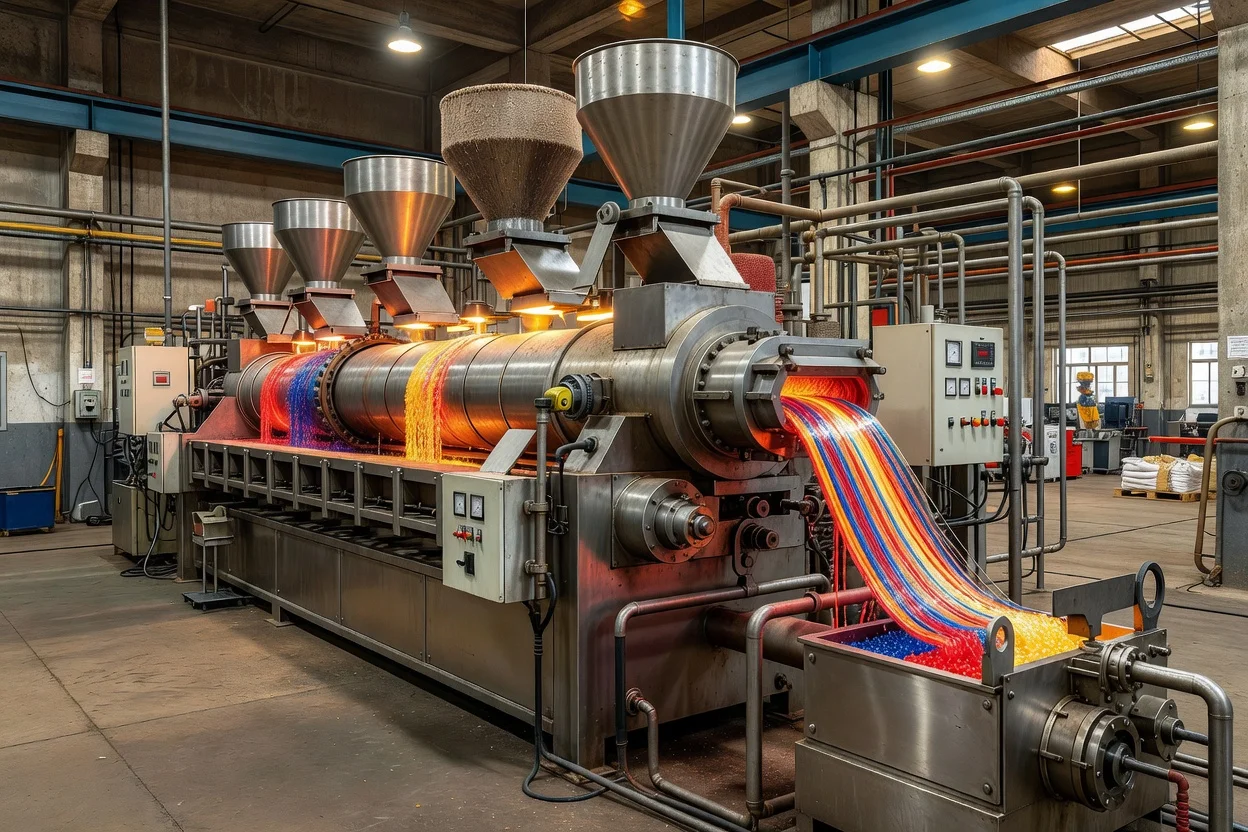
Raw feedstocks usually include:
- Carrier polymers such as PP, PE, ABS-compatible resins, or other engineering polymer bases.
- Organic or inorganic pigments selected for hue, weathering, and heat resistance.
- Low-emission processing aids and dispersants, used sparingly to improve wetting and extrusion stability.
- Optional functional additives such as UV stabilizers or antistatic agents in combined masterbatches.
A common industry practice is to integrate colour and performance into one concentrate, for example adding UV stabilizers to outdoor masterbatches or low-odour packages to interior-grade systems. This reduces the number of feed streams on the moulder’s line and can improve dosing accuracy.
Applications and end-use markets
Low-VOCs colour masterbatch is used where appearance must be stable and emissions must remain controlled after moulding. Its most demanding market is automotive interiors, where cabin odour, fogging, and long-term appearance are closely regulated by OEM requirements and test methods.

Major applications
- Automotive interiors
- Consumer appliances and electronics
- Typical products: housings, bezels, control panels.
- Usual grade/process: injection moulding grades prioritizing colour consistency, scratch resistance, and reduced smell.
- Packaging
- Typical products: caps, closures, containers, cosmetic packaging.
- Usual grade/process: blow moulding and injection moulding grades with strong tint strength and stable appearance.
- Construction and industrial plastics
- Typical products: profiles, fittings, pipes, technical parts.
- Usual grade/process: extrusion grades where shade uniformity and process stability matter.
- Fibres and specialty products
- Typical products: spun fibres, textile technicals, coloured filaments.
- Usual grade/process: spinning grades with fine dispersion and thermal stability.
One poor-fit use
- High-temperature, heavily loaded engineering parts are often a poor fit for general low-VOCs colour masterbatch because the colour package may not survive the thermal and mechanical demands unless it is specifically engineered for that resin and process window.
Environmental and sustainability aspects
Low-VOCs colour masterbatch is often presented as a cleaner processing solution because pellets are easier to handle than loose powders and can reduce dusting, spills, and dosing waste. In addition, precise colour dosing can reduce scrap from shade variation and rework, which lowers material loss in manufacturing.
However, low VOC performance does not automatically mean low environmental footprint overall. The sustainability profile depends on the carrier resin, pigment chemistry, energy intensity of compounding, and whether the product remains compatible with recycling streams. Pigments and additives can complicate sorting or reprocessing if they alter polymer appearance, opacity, or stability, although in many cases colour masterbatches are routinely used in recyclable polymers when formulations are designed appropriately.
Bio-based or circular alternatives are emerging, including masterbatches built on recycled carriers or lower-carbon feedstocks, but these options must still meet dispersion, colour accuracy, and emission limits. For automotive and premium indoor applications, emissions performance often remains the first design constraint, with sustainability pursued through material efficiency, recycled content where allowed, and formulation simplification.
Economic and global market impact
Colour masterbatch is an enabling material rather than a final consumer product, so its market follows demand in packaging, consumer goods, automotive, appliances, and construction plastics. Low-VOCs grades command particular importance in automotive and premium interior segments, where compliance failures can lead to rejected parts, requalification costs, and supply-chain disruption.
Industry sources and supplier materials indicate that demand is strongest where colour consistency, cleanliness, and emissions control are tightly specified, especially in engineering plastics for vehicles and household appliances. The competitive landscape includes specialized masterbatch producers and integrated compounders that can supply custom shades, low-emission formulations, and application-specific testing support.
Current challenges and innovations
Current challenges include:
- Maintaining low VOC and low odour performance without sacrificing dispersion or colour strength.
- Matching masterbatch carrier resin precisely to increasingly diverse polymer blends and recycled-content feedstocks.
- Ensuring colour stability across wider processing windows, including higher melt temperatures and longer residence times.
- Preserving recyclability while meeting strict appearance and functional targets.
Notable innovations include:
- Cleaner carrier systems and lower-emission dispersants for interior-grade formulations.
- Combined masterbatches that merge colour with UV, antistatic, or other performance functions.
- Better emission screening and application-specific qualification protocols for automotive supply chains.
- More precise metering and digital colour matching systems that reduce formulation trial cycles and scrap.
Future outlook
The future of low-VOCs colour masterbatch is likely to be shaped by three forces: stricter emissions regulation, higher use of recycled and circular polymers, and demand for more integrated functional concentrates. Automotive interiors will continue to set the technical benchmark, but similar requirements are spreading to appliances, consumer electronics, and high-value packaging where odour and indoor air quality are commercially important.
Formulations are likely to become more application-specific, with closer control over carrier chemistry, pigment selection, and additive volatility. At the same time, pressure to reduce plastic waste will encourage masterbatches that are easier to recycle, easier to dose accurately, and compatible with lower-carbon polymer feedstocks.
Summary
Low-VOCs colour masterbatch is a specialized colour concentrate that combines reliable coloration with reduced emissions and odour, making it especially important in automotive interiors and other enclosed applications. Its value lies in the combination of dispersion quality, processing efficiency, regulatory compliance, and increasingly, compatibility with circular-material strategies.
References
- •
Colour masterbatches for white, black, red & color matching. (n.d.).Link
- •
Innovative industrial uses for colour masterbatch solutions. (2025, November 6).Link
- •
Benefits and uses of colour masterbatch. (2025, November 6).Link
- •
Low-VOC color masterbatch for automotive interior parts. (n.d.).Link
- •
Application of color masterbatch. (2023, September 15).Link
- •
What is masterbatch? (2022, November 1).Link
- •
Universal black masterbatch – black stock grades. (2026, March 26).Link
- •
Comprehensive guide to TPU color masterbatch. (2025, August 8).Link
- •
Color masterbatches' fundamental composition and industry applications. (2023, August 28).Link
- •
Color masterbatches for automotive: Complete guide & .... (2026, May 8).Link
- •
Colour masterbatches. (2026, May 21).Link
- •
How color masterbatch ensures quality & efficiency. (2026, April 17).Link
- •
"Colour masterbatches" related plastics & rubber .. .... (2026, April 26).Link
- •
Low VOC masterbatch. (n.d.).Link