
Introduction
Polyetherimide (PEI) is a high-performance, amorphous engineering thermoplastic valued for its combination of high heat resistance, strong electrical insulation, intrinsic flame retardancy, and good dimensional stability. It occupies a premium niche in the plastics value chain, bridging the gap between conventional engineering resins and more specialized ultra-high-performance polymers, and is widely associated with demanding applications in aerospace, electronics, medical devices, transportation, and industrial components.
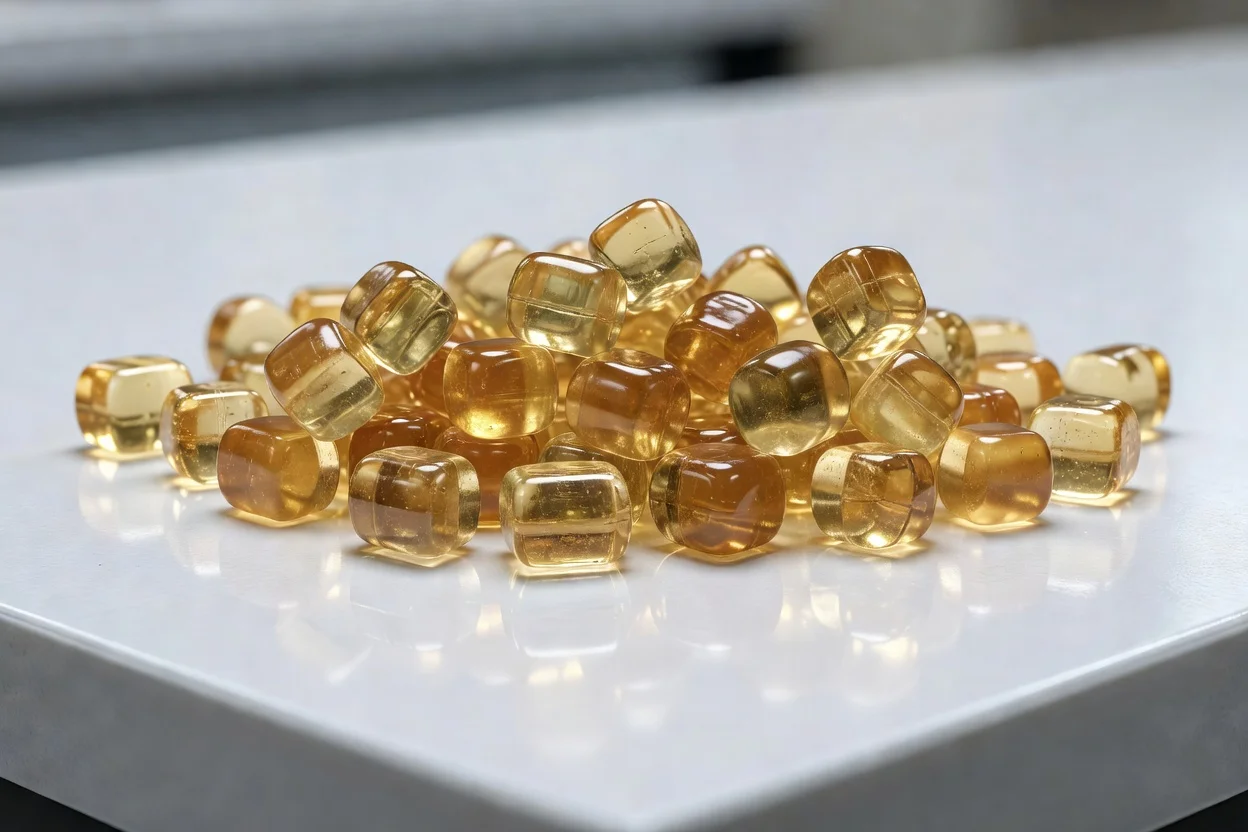
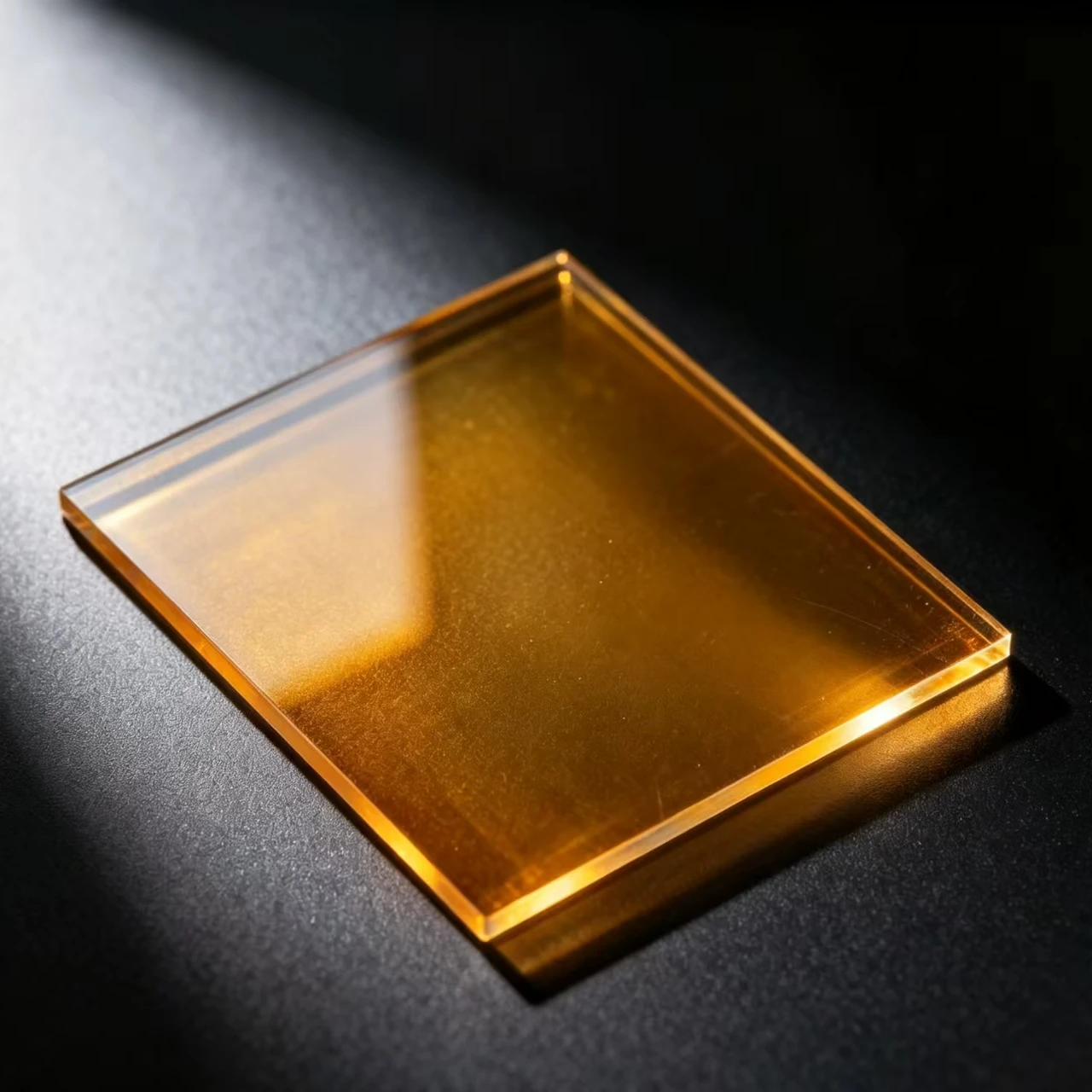
Commercial PEI is best known under the trade name Ultem, and its amber-to-transparent appearance, high glass transition temperature of about 217 °C, and stable properties under heat and steam have made it a reference material for metal replacement in technically critical parts. The material is also notable for its processability relative to many other high-temperature plastics: despite its thermal robustness, PEI can be injection molded, extruded, thermoformed, machined, and used in additive manufacturing feedstocks, which broadens its industrial relevance.
From a sustainability perspective, PEI is a durable, long-life polymer rather than a high-volume commodity resin. That durability supports reuse in harsh-service applications, but its aromatic, high-performance chemistry also makes mechanical recycling more limited than for commodity plastics, while chemical recycling pathways remain less mature and less standardized than for polyethylene or PET. Recent innovation has focused on glass-fiber reinforcement, low-smoke formulations, flame-retardant optimization, and higher-performance blends that extend service life and reduce part weight in metal substitution.
History and Development
PEI emerged from the broader development of aromatic imide and ether-imide polymers, a class designed to combine thermal stability from imide structures with processability from ether linkages. This chemical design philosophy was central to the rise of “super engineering plastics” in the late twentieth century, when demand increased for polymers that could withstand elevated temperatures, aggressive electrical environments, and repeated sterilization or thermal cycling.
The best-known industrialization of PEI was by General Electric, later transferred into commercial platforms associated with Ultem, which became the benchmark brand for amorphous high-temperature thermoplastics. Over time, the resin family expanded beyond neat PEI into reinforced compounds, foamed grades, film and sheet products, and application-specific formulations for electrical, medical, and transport markets.
More recently, PEI development has been shaped by two converging trends: the need for lighter, flame-resistant replacements for metals and thermosets, and the push toward increasingly specialized grades that balance toughness, dielectric performance, flow behavior, and sterilization resistance.
Chemical Structure and Key Properties
PEI is an amorphous aromatic polymer built around imide and ether linkages, a structure that explains its unusual balance of rigidity and melt processability. The aromatic backbone contributes to heat resistance and stiffness, while the ether groups improve chain mobility enough to permit conventional thermoplastic processing.
Key property profile
| Property | Typical value or behavior |
|---|---|
| Density | about 1.27 g/cm3 |
| Glass transition temperature | about 215–217 °C |
| Heat deflection temperature | about 201–210 °C depending on load |
| Water absorption after 24 h | about 0.25% |
| Tensile strength | commonly around 95–115 MPa for neat grades |
| Flexural modulus | about 3.4–3.5 GPa for neat resin |
| Electrical insulation | very high dielectric strength and resistivity |
| Flame behavior | inherently flame resistant, often UL 94 V-0 in many grades |
Why these properties matter
- High Tg provides dimensional stability at temperatures where many engineering plastics soften.
- Amorphous morphology supports low shrinkage, good isotropy, and optical clarity in some grades.
- Intrinsic flame resistance reduces reliance on heavy additive loading in many electrical and transport uses.
- Low moisture uptake helps maintain electrical and mechanical performance in humid or steam-exposed environments.
Real limits, causes, and workarounds
- Poor O2 and grease barrier performance → the amorphous, relatively open polymer network does not provide the tight molecular packing needed for high barrier performance → use barrier multilayers, coatings, or select another polymer such as EVOH or PET for packaging uses.
- Low surface energy before treatment → the PEI surface is chemically stable and not highly wettable, which can reduce adhesion, printing, or coating performance → apply plasma, corona, primer, or compatible tie-layer treatment before bonding or decorating.
- Sensitivity to some chlorinated solvents and stress cracking → solvent-induced environmental stress cracking can occur in certain aggressive media → avoid incompatible solvents, redesign stress concentrations, or use alternative high-performance resins where necessary.
- High processing temperature requirement → the melt must be processed at elevated temperatures, increasing energy demand and narrowing the processing window → use carefully dried resin, optimized barrel profiles, and equipment designed for high-temperature thermoplastics.
Typical formulation and modification routes
- Glass-fiber reinforcement, often in the 10–40 wt% range, is used to raise modulus and heat resistance for structural parts.
- Impact modifiers, such as specialized elastomeric or core-shell systems, can improve toughness in applications where neat PEI is too brittle for impact loading.
- Foamed PEI is used where low weight and high thermal stability are both required, such as in radome or aerospace interior applications.
- Additive packages may include heat stabilizers, pigments, release aids, or UV packages, but PEI often relies on its inherent chemistry rather than heavy additive loading.
Production Processes and Raw Feedstocks
Industrial PEI is typically produced by polycondensation of aromatic monomers under high-temperature conditions in polar aprotic media, followed by isolation and purification of the polymer. The exact industrial route varies by producer, but the chemistry commonly relies on aromatic dianhydride and diamine precursors that build the imide-linked backbone.
A representative route described in technical sources uses:
- preparation of a bisimide or related intermediate from halophthalic or aromatic anhydride chemistry,
- condensation with bisphenol-based or aromatic diamine intermediates,
- polymer isolation by precipitation and washing to remove salts and residual catalysts.
Raw feedstocks
- Aromatic dianhydrides or imide-forming intermediates provide the heat-resistant skeleton.
- Aromatic diamines contribute stiffness, thermal stability, and electrical performance.
- Polar aprotic solvents such as NMP are used in solution-phase syntheses to enable high-temperature condensation.
- Purification agents and precipitation media such as methanol or water are used to recover polymer from solution.
Processing into finished products
PEI is converted into usable goods through standard but high-temperature thermoplastic processes.
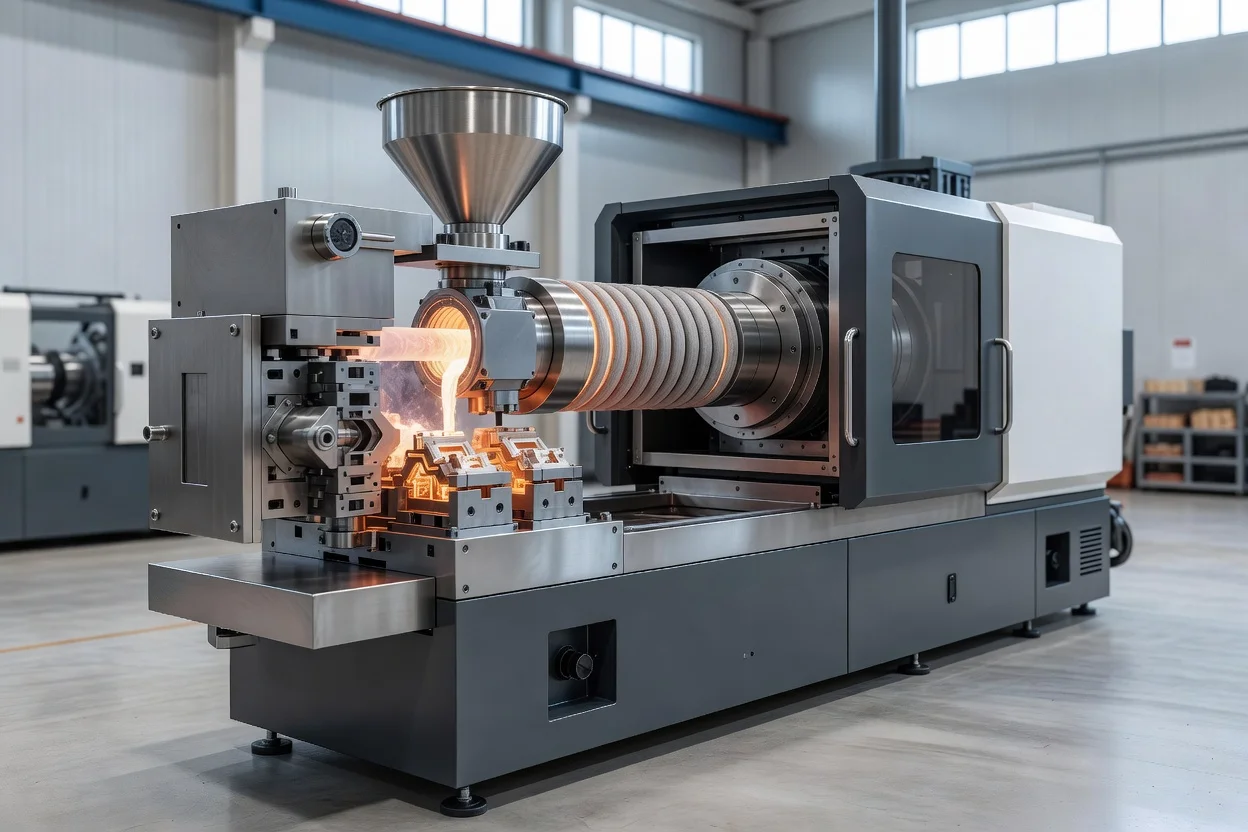
- Injection molding is used for complex precision parts, but requires tight drying and high mold temperatures to avoid premature freezing.
- Extrusion is used for profiles, sheet, rod, film, and tubing.
- Additive manufacturing increasingly uses PEI filament because of its elevated heat resistance and dimensionally stable printing performance.
- Machining is common for prototypes and high-value parts because PEI stock shapes are available as sheet, rod, and plate.
Applications and End-Use Markets
PEI is favored where performance must remain stable under heat, electrical stress, steam, or long-term mechanical loading. It is especially valuable when designers need to replace metal with a lighter polymer without sacrificing flame resistance or dimensional control.
| End-use sector | Typical PEI form or grade | Usual function |
|---|---|---|
| Electrical and electronics | Unfilled or reinforced injection-molding grades | Connectors, sockets, insulators, coil forms, switch components |
| Aerospace | Flame-resistant structural grades, sheet, and profiles | Cabin parts, brackets, clips, interior components |
| Medical | Sterilizable, biocompatible grades | Surgical handles, trays, diagnostic and lab equipment |
| Automotive and transport | Glass-reinforced grades | Sensors, housings, under-hood components, lighting parts |
| Industrial equipment | Unfilled and reinforced grades | Valves, pumps, thermal fixtures, wear-resistant parts |
| Additive manufacturing | Filament or powder-based feedstocks | Prototypes and high-temperature functional parts |
Sector detail
- Electrical and electronics: PEI is widely used for connectors, terminal blocks, insulators, microwave components, and printed circuit-related parts because of its high dielectric strength, flame resistance, and dimensional stability.
- Aerospace: Low smoke, low flammability, and thermal endurance make PEI suitable for cabin interiors, brackets, and functional parts where weight savings matter.
- Medical devices: PEI grades are valued for sterilization resistance, including repeated exposure to steam, gamma radiation, and disinfectants in certain applications.
- Automotive and mobility: It is used in sensors, lighting elements, valve components, and other high-temperature parts, especially where a reinforced grade can substitute for metal.
- Additive manufacturing: PEI is one of the more important high-temperature printable thermoplastics for functional prototypes and end-use parts.
One poor-fit use
- Flexible packaging film is a poor-fit application for PEI because the polymer is expensive, relatively stiff, and lacks the barrier profile and cost position of packaging-oriented resins.
Environmental and Sustainability Aspects
PEI presents a mixed sustainability profile. Its main environmental strength is durability: in demanding applications, a PEI part may last longer, reduce maintenance, and enable lightweight substitution for metal, which can lower lifetime resource use in certain systems.
Recyclability
- Mechanical recycling is possible in principle for clean PEI scrap, especially production scrap and machining waste, but quality retention depends on thermal history, contamination control, and grade compatibility.
- Post-consumer recycling is limited by low collection volumes, mixed feedstocks, and the fact that PEI is usually used in small, high-value parts rather than mass-market goods.
- Chemical recycling remains less developed than for commodity plastics, and industrial pathways are still comparatively niche.
Carbon footprint considerations
- PEI is a high-temperature resin, so its production and processing typically require more energy than commodity polymers.
- However, the polymer can reduce lifecycle emissions when it enables lightweighting, part consolidation, or elimination of metal fasteners and assemblies in aerospace, electrical, or medical systems.
Bio-based and circularity pathways
- Fully bio-based PEI is not a mainstream commercial reality.
- Circularity efforts are currently more focused on:
- design for longer life,
- reuse of production scrap,
- higher-performance recycled compounds where properties can be retained,
- compatible blend systems that preserve heat resistance and flame behavior.
Economic and Global Market Impact
PEI is a specialty, high-value resin rather than a bulk commodity, so its market dynamics are shaped less by tonnage and more by application specificity, qualification cycles, and performance-critical demand. The material is often purchased on the basis of certification, consistent lot quality, and supplier support rather than lowest price alone.
Market position
- PEI competes with other high-performance thermoplastics such as PEEK, PPS, PES, PSU, and polyamide-imide in selected applications.
- It is often preferred when a combination of thermal resistance, flame performance, and processability is needed at a lower cost than the most extreme high-performance resins.
- Demand is linked to electronics miniaturization, electrification, aerospace interiors, medical sterilizable equipment, and industrial automation.
Industry leadership
Publicly available sources consistently associate SABIC with the most important global PEI brand family, especially Ultem, which remains the most widely recognized commercial reference for the resin. Other major high-performance polymer suppliers and compounders, including firms such as RTP, Ensinger, and specialty fabricators, play important roles in compounding, stock-shape conversion, and application-specific grades.
Current Challenges and Innovations
Key challenges
- Cost: PEI is much more expensive than commodity engineering plastics, which limits adoption outside high-value applications.
- Processing energy: Its high melt and mold temperatures increase energy demand and place stress on equipment.
- Solvent and stress-cracking sensitivity: Certain chemical environments restrict use in aggressive service conditions.
- Recycling infrastructure: End-of-life recovery is difficult because the material is usually present in dispersed, specialized components.
Innovation directions
- Reinforced compounds are improving stiffness-to-weight ratios for structural substitution.
- Foamed PEI is being explored for lightweight thermal and electromagnetic applications.
- 3D-printable grades are expanding use in aerospace tooling, jigs, and functional parts.
- Blends and impact-modified systems are targeting better toughness without sacrificing flame resistance.
- Process optimization is reducing degradation risk in injection molding and extrusion through better drying, venting, mold temperature control, and residence-time management.
Future Outlook
PEI is likely to remain a strategically important high-performance thermoplastic where designers need a balance of heat resistance, flame retardancy, electrical performance, and manufacturability. Its strongest future opportunities lie in electrification, high-frequency electronics, lightweight transport systems, medical equipment, and additive manufacturing.
The most significant growth path is not mass-market substitution, but value-dense substitution: PEI replacing metal, thermosets, or lower-grade plastics where reliability under heat and electrical load creates measurable system value. Sustainability pressure will likely push producers toward more recyclable formulations, cleaner compounding streams, and lower-energy processing strategies, while the core material chemistry will remain anchored in high-performance aromatic thermoplastic design.
Summary
PEI is an amber, amorphous, high-temperature engineering plastic distinguished by thermal stability, flame resistance, dimensional precision, and strong electrical insulation. Its major industrial role is in demanding, high-value applications where its properties justify premium cost and processing requirements. The material’s future will be shaped by lightweighting, electrification, sterilizable medical systems, additive manufacturing, and gradual improvements in circularity and compounding efficiency.
References
- •
Polyetherimide - an overview. (n.d.). ScienceDirect Topics. https://www.sciencedirect.com/topics/engineering/polyetherimideLink
- •
Polyetherimide. (2006, September 12). Wikipedia. https://en.wikipedia.org/wiki/PolyetherimideLink
- •
Supplier data - Polyetherimide (PEI). (2003, March 5). AZoM. https://www.azom.com/article.aspx?ArticleID=1883Link
- •
Polyetherimide (PEI): Resin for high-performance applications. (2025, June 23). Aprios. https://www.aprios.com/insights/polyetherimide-pei-essential-resin-for-high-performance-applicationsLink
- •
Properties: Supplier data - Polyetherimide (PEI). (2026, August 17). AZoM. https://www.azom.com/properties.aspx?ArticleID=1883Link
- •
Unlock PEI's potential: 5 key properties. (2026, March 17). PBY Plastics. https://www.pbyplastics.com/blog/polyetherimide-pei-a-review-of-its-properties-processing-and-applicationsLink
- •
What is polyetherimide (PEI)? (2019, January 27). Thomasnet. https://www.thomasnet.com/insights/what-is-polyetherimide-pei-/Link
- •
Polyetherimide (PEI). (2020, May 30). MakeItFrom.com. https://www.makeitfrom.com/material-properties/Polyetherimide-PEILink
- •
Polyetherimide (PEI) molding compounds typical properties. (n.d.). Resin Enterprise. https://www.resinenterprise.com/datasheets-6-7-2019/pdf/-PEIDataSheet.pdfLink
- •
Polyetherimide (PEI): How to select the right grade? (2025, July 9). SpecialChem. https://www.specialchem.com/plastics/guide/polyetherimide-pei-high-heat-plasticLink
- •
Polyetherimide (PEI). (2022, January 24). Drake Plastics. https://drakeplastics.com/ultra-high-performance-plastic-materials-solutions-for-your-most-demanding-applications/polyetherimide-pei/Link
- •
Polyétherimide PEI. (n.d.). INRS. https://www.inrs.fr/dam/jcr:5976f7c4-9fb7-41f4-ab0c-6a20801b3c2f/POLYMERE_PEI.pdfLink
- •
Polyetherimide (PEI). (2021, September 3). RTP Company. https://www.rtpcompany.com/products/product-guide/polyetherimide-pei/Link
- •
Polyetherimide (PEI) Ultem: Properties, uses & applications. (2024, July 23). DoonX. https://www.doonx.com/pei/Link
- •
China properties of polyetherimide (PEI) manufacturers and suppliers. (2025, December 17). DTG Plastic Molding. https://www.dtgplasticmolding.com/blog/properties-of-polyetherimide-pei/Link
- •
Properties and application of super engineering plastics PEI. (2023, March 1). SIKO Polymers. https://www.sikopolymers.com/news/properties-and-application-of-super-engineering-plastics-pei.htmlLink
- •
High strength polyetherimide: Advanced material. (n.d.). Patsnap Eureka. https://eureka.patsnap.com/materials/high-strength-polyetherimideLink
- •
PEI: Polyetherimide. (n.d.). NETZSCH. https://analyzing-testing.netzsch.com/en-US/polymers-netzsch-com/high-temperature-resistant-thermoplastics/pei-polyetherimideLink
- •
High-performance polymer blends: Manufacturing of polyetherimide. (2024, November 30). PMC. https://pmc.ncbi.nlm.nih.gov/articles/PMC11644298/Link
- •
PEI materials. (2025, November 25). Autodesk Moldflow Insight Help. https://help.autodesk.com/view/MFIA/2025/ENU/?guid=MFLO_PEI_MATERIALSLink
- •
PEI polyetherimide. (2025, June 25). Norhage Industri. https://norhageindustri.com/plastic/polyetherimide-pei/Link
- •
Polyetherimide (PEI). (n.d.). Technoform. https://www.technoform.com/en/material/polyetherimide-peiLink
- •
General purpose polyetherimide: Comprehensive analysis of. (n.d.). Patsnap Eureka. https://eureka.patsnap.com/materials/general-purpose-polyetherimideLink
- •
Polyetherimide polymer: Comprehensive analysis of high. (n.d.). Patsnap Eureka. https://eureka.patsnap.com/materials/polyetherimide-polymerLink
- •
PEI masterbatch production process. (2025, April 28). Kerke Extruder. https://www.kerkeextruder.com/masterbatch-production/pei-masterbatch/Link
- •
Polyetherimide (PEI) sheet & rod. (n.d.). Piedmont Plastics. https://www.piedmontplastics.com/products/polyetherimide-peiLink
- •
Imide-based polymers (PEI, PAI, PESI, TPI, PI) and. (2024, November 19). Find Out About Plastics. https://www.findoutaboutplastics.com/2024/11/high-performance-thermoplastic.htmlLink
- •
PEI: High-performance polymer for harsh conditions. (2026, March 30). Caterpillar Red. https://caterpillar-red.com/articles/pei-highperformance-polymer-for-harsh-conditions/Link
- •
Polyetherimides (PEIs). (n.d.). Cloudinary. https://res.cloudinary.com/sternwald-systems/raw/upload/v1/hugoprd/ARTIKEL_ATTACH/002435D9_BD67BB95A53E/e1d2bbc84dcf781000c218ffddd13fbe7ecc780a/PE_2005_10_A-Substitute-for-Metal-Polyetherimides-PEIs.pdfLink
- •
PEI masterbatch production process. (2025, April 28). Kerke Extruder. https://www.kerkeextruder.com/ru/%D0%BF%D1%80%D0%BE%D0%B8%D0%B7%D0%B2%D0%BE%D0%B4%D1%81%D1%82%D0%B2%D0%BE-%D1%81%D1%83%D0%BF%D0%B5%D1%80%D0%BA%D0%BE%D0%BD%D1%86%D0%B5%D0%BD%D1%82%D1%80%D0%B0%D1%82%D0%B0/pei-masterbatch/Link
- •
Electronic grade polyetherimide: Advanced material properties. (n.d.). Patsnap Eureka. https://eureka.patsnap.com/materials/electronic-grade-peiLink
- •
Injection molding polyetherimide: Comprehensive analysis of. (n.d.). Patsnap Eureka. https://eureka.patsnap.com/materials/injection-molding-peiLink
- •
Polymer analyses for an adapted process design of the pipe-extrusion of polyetherimide. (2018, June 25). Scientific Research Publishing. https://www.scirp.org/journal/paperinformation?paperid=85467Link
- •
Polyetherimide compositions, methods of manufacture, and articles formed therefrom (European Patent No. EP 2904033 B1). (n.d.). European Patent Office. https://data.epo.org/publication-server/rest/v1.0/publication-dates/20190522/patents/EP2904033NWB1/document.pdfLink
- •
Scalable, versatile synthesis of ultrathin polyetherimide films and coatings via. (n.d.). MIT DSpace. https://dspace.mit.edu/bitstream/handle/1721.1/152997/Adv%20Funct%20Materials%20-%202023%20-%20Chazot%20-%20Scalable%20%20Versatile%20Synthesis%20of%20Ultrathin%20Polyetherimide%20Films%20and%20Coatings%20via.pdf?sequence=2&isAllowed=yLink
- •
Polyetherimide plate: Advanced engineering thermoplastic for. (n.d.). Patsnap Eureka. https://eureka.patsnap.com/materials/polyetherimide-plateLink
- •
Ultem® PEI plastic material properties & uses. (2025, January 30). Curbell Plastics. https://www.curbellplastics.com/materials/plastics/ultem/Link
- •
Manufacture of a carbon-fabric-reinforced polyetherimide (CF/PEI) composite material. (n.d.). ScienceDirect. https://www.sciencedirect.com/science/article/pii/S0266353897001176Link
- •
Polyetherimide for high-performance applications: Why processing. (2025, April 11). Ensinger. https://www.ensinger-pc.com/resources/blog/polyetherimide-for-high-performance-applications-why-processing-expertise-matters/Link