
Introduction
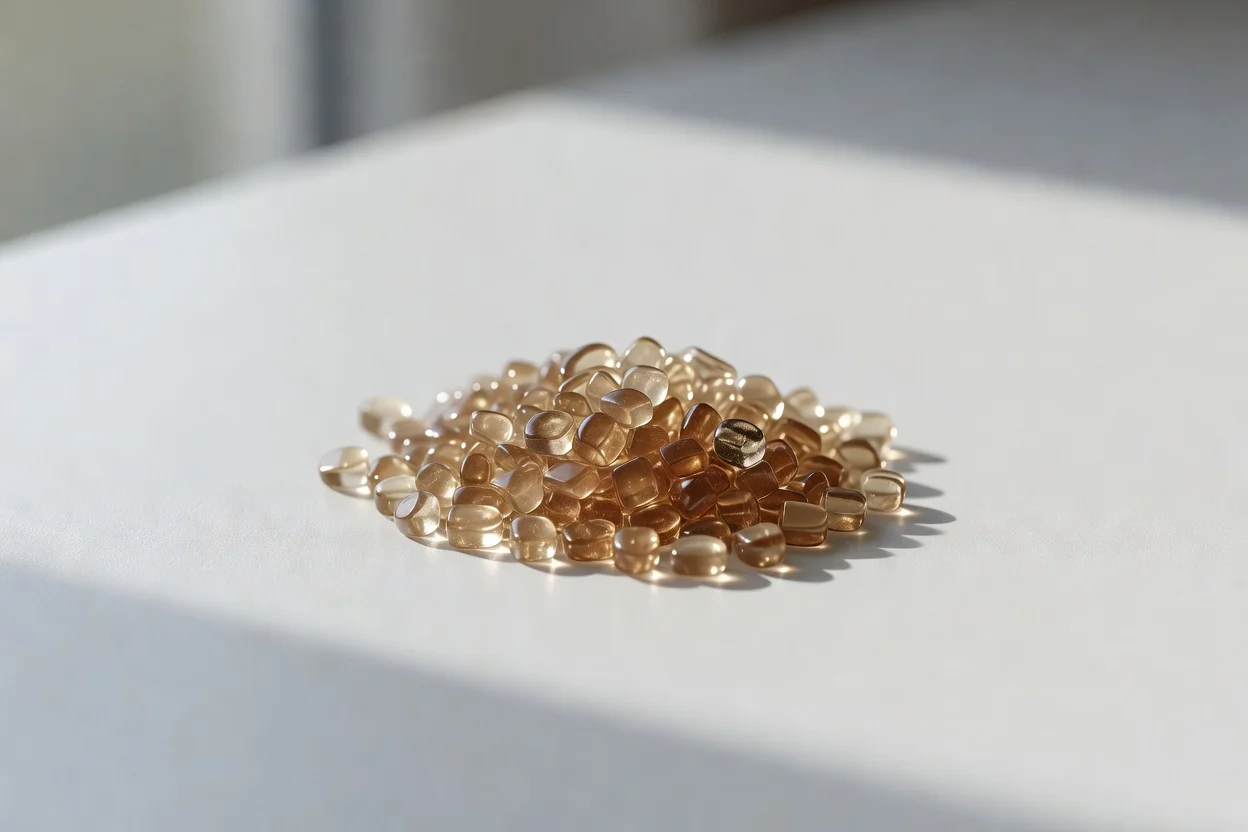
Polyetheretherketone (PEEK) is a high-performance, semi-crystalline thermoplastic in the polyaryletherketone (PAEK) family, valued for its unusual combination of heat resistance, chemical resistance, mechanical strength, and dimensional stability. It is widely used where conventional engineering plastics fail, and it has become especially important in aerospace, medical devices, semiconductor equipment, oil and gas, and other demanding industrial sectors.
PEEK was developed in the late 1970s and commercialized in the early 1980s by Imperial Chemical Industries, with Victrex later emerging as the best-known global specialist supplier. Since then, the material has expanded from a niche aerospace polymer into a broader platform material offered in neat, glass-filled, carbon-filled, wear-resistant, conductive, and biomedical grades.
The material’s technical appeal comes from its aromatic backbone of ether and ketone linkages, which gives it high thermal stability, low moisture uptake, strong resistance to hydrolysis and many chemicals, and the ability to retain performance at elevated temperatures. At the same time, PEEK is expensive to produce and process because it requires high-temperature synthesis and high melt-processing temperatures, so it is typically reserved for applications where its performance justifies the cost.
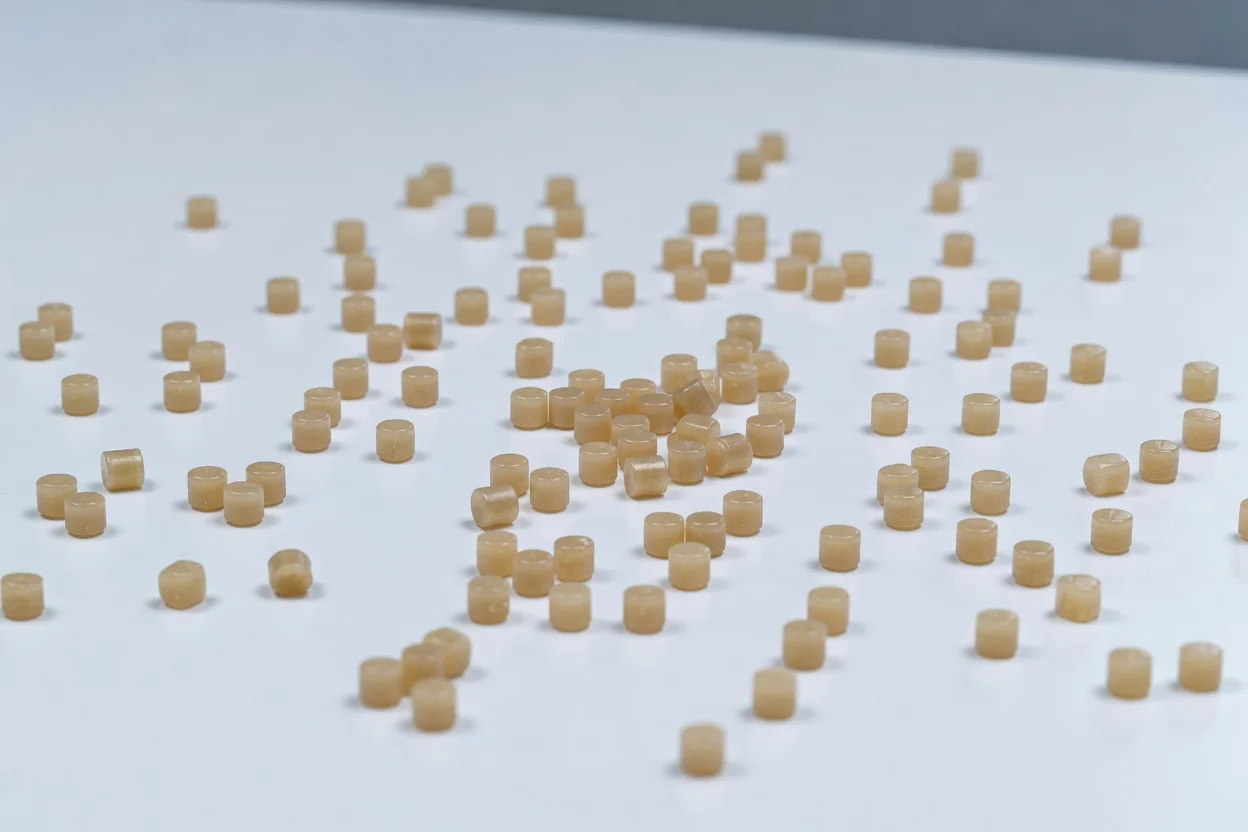
Sustainability considerations are increasingly important. PEEK is mechanically durable, can be mechanically recycled in some streams, and may enable lightweighting and long service life that reduce life-cycle impacts in transport and industrial equipment. However, it is derived from petrochemical feedstocks, energy-intensive to manufacture, and still faces the broader circularity challenge common to high-performance thermoplastics.
History and Development
PEEK was first synthesized in 1978 and commercialized soon afterward as a high-temperature engineering plastic. Its early adoption was driven by aerospace and electronics, where flame resistance, chemical resistance, and thermal stability were critical and where metal replacement could deliver weight reduction.
Over time, PEEK development moved beyond neat resin into reinforced and functional grades. Carbon-fiber reinforcement improved stiffness and creep resistance, glass fiber improved dimensional stability, and fillers such as PTFE or graphite were used to reduce friction and wear in bearings, seals, and sliding components. Medical interest later accelerated, because PEEK is radiolucent, sterilizable, and mechanically closer to bone than metals, especially in spinal and orthopedic implants.
Today, the PEEK market sits within the broader PAEK family, which also includes PEK, PEKK, and other related polymers, but PEEK remains the best-established and most widely manufactured member at scale.
Chemical Structure and Key Properties
PEEK is an aromatic semicrystalline polymer built from repeating ether and ketone groups in a rigid backbone. That structure creates a balance of stiffness and toughness while preserving melt processability, which distinguishes PEEK from many other heat-resistant materials that are either too brittle or too difficult to shape.
Key properties
| Property | Typical significance |
|---|---|
| Glass transition temperature | Around 143 °C, supporting elevated-temperature service |
| Melting temperature | Around 334–343 °C, depending on grade and history |
| Continuous service temperature | Commonly around 250 °C in suitable environments |
| Density | About 1.26–1.32 g/cm3, enabling lightweight parts |
| Chemical resistance | Strong resistance to many acids, bases, hydrocarbons, and solvents |
| Flame behavior | Inherent flame resistance, often meeting UL 94 V-0 without halogenated additives |
| Electrical behavior | Strong insulation and stable dielectric performance |
| Wear behavior | Good abrasion resistance, improved further by fillers and lubricants |
Practical limits and workarounds
- Poor oxygen and grease barrier → PEEK is not a packaging barrier resin because its molecular structure prioritizes thermal and mechanical performance over gas and aroma barrier performance → Use other polymers or multilayer structures when barrier performance is required.
- Low surface energy before treatment → adhesion, printing, and coating can be difficult on untreated PEEK surfaces → Use plasma, corona, etching, or primer systems to improve bonding.
- High cost and processing temperature → energy-intensive melt processing and expensive resin limit use to high-value parts → Reserve PEEK for parts where lifetime, weight reduction, sterilization, or chemical resistance offsets cost.
- Not ideal for low-temperature mass packaging → its high crystallinity and cost are poorly matched to commodity flexible or rigid packaging → Select commodity polymers such as PE, PP, PET, or barrier multilayers instead.
Production Processes and Raw Feedstocks
PEEK is produced by step-growth polymerization of aromatic monomers under high-temperature, highly controlled conditions. Industrially, the process typically uses aromatic dihalides and bisphenolate or related precursors, with the reaction carried out in polar aprotic media and elevated temperatures to build the high-molecular-weight polymer.
The exact route varies by producer, but the core industrial logic is the same: create a rigid aromatic chain with ether and ketone linkages, then isolate, wash, dry, and pelletize the resin for downstream compounding and processing. Because the process is specialized and energy intensive, production is concentrated among a relatively small number of high-performance polymer suppliers rather than the broad commodity resin makers.
Leading producers and industry position
- Victrex is the best-known global PEEK specialist and remains closely associated with the material’s development and high-volume commercial supply.
- Solvay has been an important high-performance polymer producer in PAEK-related materials and advanced compounds.
- Evonik and other specialty polymer firms participate in related high-performance thermoplastics and downstream formulations, though PEEK itself remains more concentrated than mainstream polymers.
Downstream processing
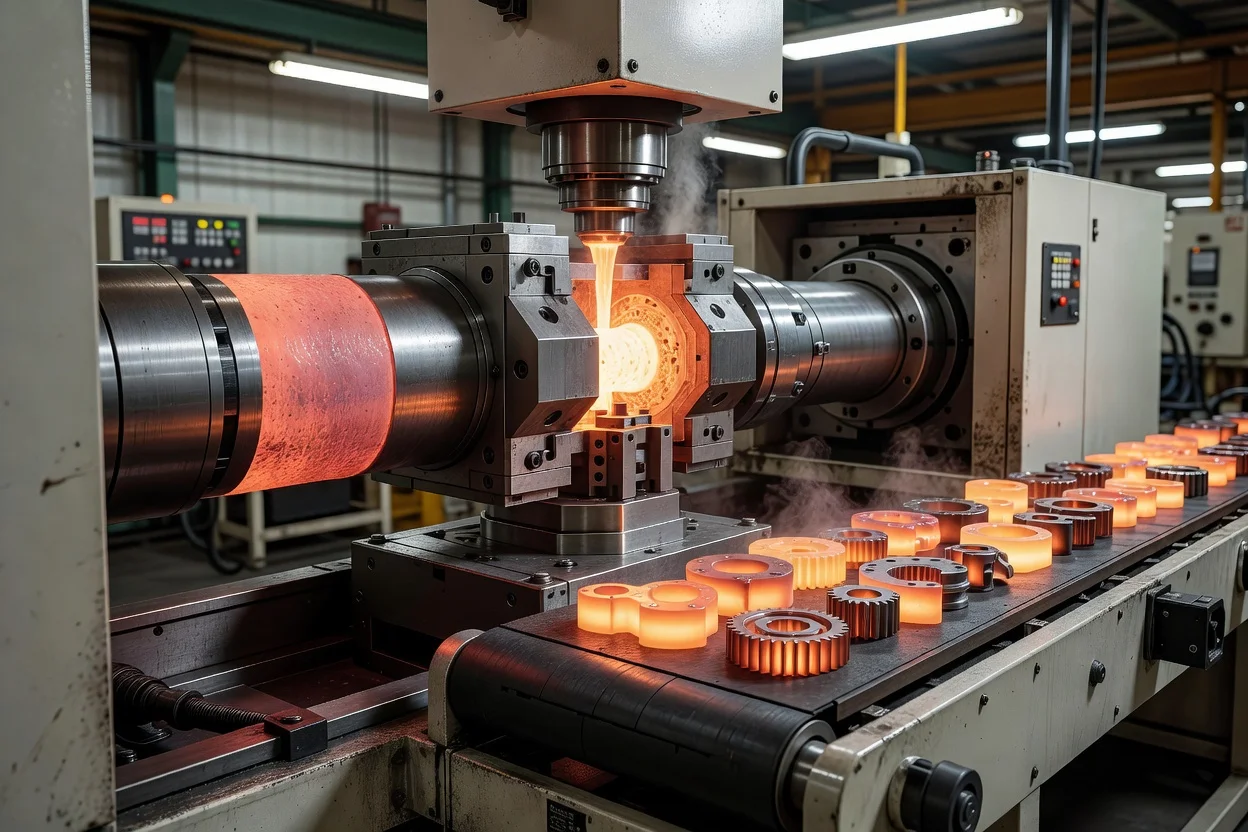
PEEK is melt-processable, but the required processing temperatures are high compared with most engineering plastics, typically in the 360 °C to 400 °C range for molding or extrusion. Common processing routes include:
- Injection molding
- Extrusion
- Compression molding
- Filament and profile extrusion
- CNC machining from stock shapes
- Additive manufacturing, especially for high-value prototypes and medical or aerospace parts
Because crystallization strongly affects final properties, cooling rate, mold temperature, and annealing can be critical to achieving the desired balance of stiffness, toughness, and dimensional stability.
Applications and End-Use Markets
PEEK is used primarily in high-value, high-stress applications where performance, durability, and reliability outweigh resin cost. The following table links major sectors to typical grades and processes.
| Sector | Typical PEEK grade or form | Common process | Typical use |
|---|---|---|---|
| Aerospace | Neat, glass-filled, carbon-filled | Injection molding, machining | Brackets, clips, fasteners, interior components, insulation parts |
| Medical and life sciences | Neat, radiolucent, sometimes carbon-filled composites | Injection molding, machining, additive manufacturing | Spinal cages, trauma parts, dental components, surgical instruments |
| Electronics and semiconductor | High-purity, low-outgassing grades | Machining, molding | Wafer-handling components, sockets, insulators, connectors |
| Oil and gas | Neat or filled grades | Machining, molding | Seals, bushings, valve parts, connectors, tubing components |
| Industrial machinery | Wear grades, PTFE or graphite filled | Machining, molding | Bearings, gears, wear rings, pump parts |
| Wire and cable | Neat, insulated grades | Extrusion | High-temperature insulation and protective layers |
| Food processing | Food-contact grades | Machining, molding | Bearings, valve parts, hot-fill and washdown equipment |
| Automotive and motorsport | Carbon-filled or neat grades | Molding, machining | Lightweight structural and under-hood components |
| Poor-fit use: commodity packaging | Not preferred | Not typical | Cost and barrier profile make it unsuitable for mainstream packaging |
Mechanism-focused examples
- Carbon-fiber-reinforced PEEK at 10–30 percent fiber loading improves modulus and creep resistance by transferring load from the polymer matrix to the fibers, which is valuable in aerospace brackets and orthopedic trauma hardware.
- PTFE or graphite-filled PEEK lowers friction at sliding interfaces by creating a lubricious transfer layer, which reduces wear in bearings and seals.

Environmental and Sustainability Aspects
PEEK is not a low-impact commodity resin, but its environmental profile is more nuanced than its production cost alone suggests. Its long service life, resistance to corrosion and wear, and potential for metal replacement can reduce maintenance, mass, and replacement frequency in demanding applications.
Recyclability and circularity
- PEEK can be mechanically recycled in some applications, especially where clean production scrap is available.
- Reprocessing is more challenging in contaminated, highly filled, or sterilized medical streams.
- Chemical recycling pathways are less established than for commodity plastics, so circularity is still limited by collection and sorting infrastructure.
Bio-based alternatives
Bio-based PEEK is not a mainstream commercial category at present. Most sustainability discussion focuses instead on:
- Extending part life
- Lightweighting to reduce use-phase emissions
- Using recycled content where performance allows
- Improving manufacturing efficiency and scrap recovery
Carbon footprint considerations
PEEK manufacturing is energy intensive because of both synthesis and melt processing, so its cradle-to-gate footprint is relatively high per kilogram compared with commodity plastics. However, in many end uses, the relevant comparison is life-cycle performance rather than resin mass alone: a lighter aircraft part, a longer-lived chemical seal, or a sterilizable implant can deliver system-level benefits that offset material intensity.
Economic and Global Market Impact
PEEK occupies the premium end of the plastics market, with pricing, qualification, and supply security shaped by its specialized production economics. Demand is closely tied to high-value sectors such as aerospace, medical devices, semiconductors, energy, and industrial equipment, so market cycles often follow capital spending, regulatory qualification timelines, and replacement-part demand rather than mass-consumer trends.
Its concentration among a limited number of suppliers creates both advantages and vulnerabilities. On one hand, specialist producers maintain deep application know-how and consistent quality; on the other hand, supply concentration can create exposure to capacity constraints, high energy costs, and regional disruptions. For many buyers, qualification and compliance matter as much as resin availability, especially in medical and aerospace applications.
Current Challenges and Innovations
Main challenges
- High raw-material and processing cost
- Energy-intensive manufacture
- Need for consistent crystallinity control
- Limited recyclate streams compared with commodity polymers
- Surface adhesion challenges for bonding and coating
- Competition from lower-cost high-performance alternatives such as PPS, PEKK, and high-end metal alloys
Active innovation areas
- Composite design: carbon fiber, glass fiber, and nanofillers are being used to tailor stiffness, wear, conductivity, and thermal management.
- Biomedical surfaces: plasma treatment, hydroxyapatite coating, and porous architectures aim to improve osseointegration in implants.
- Additive manufacturing: high-temperature printing systems are expanding PEEK use in low-volume, patient-specific, and aerospace prototyping applications.
- Low-friction and conductive grades: formulations for bearings, semiconductor handling, and ESD-sensitive environments continue to expand the material’s niche.
- Process optimization: better drying, annealing, and mold-temperature control are improving yield and property consistency.
Future Outlook
PEEK is likely to remain a strategic material rather than a volume polymer. Its future growth will probably come from sectors that reward long life, sterilization tolerance, chemical resistance, and lightweighting, especially medical implants, electrified transportation, semiconductor manufacturing, and high-reliability industrial systems.
The strongest medium-term opportunities are likely to be:
- Higher-value medical and orthopedic devices
- Lightweight aerospace structures and interior parts
- Wear-resistant industrial components
- High-purity semiconductor and electronics hardware
- More recyclable and lower-carbon compound formulations
At the same time, PEEK will continue to face pressure from supply-chain decarbonization, material substitution, and the need to justify its premium cost against emerging alternatives. Its competitive position will depend on whether producers can combine performance with lower-impact manufacturing, more circular feedstock strategies, and application-specific grade development.
Summary
PEEK is a high-performance PAEK thermoplastic distinguished by exceptional thermal stability, chemical resistance, mechanical strength, and durability. Its main role in the plastics value chain is to solve extreme-service problems where lightweighting, sterilization, wear resistance, and reliability are more valuable than low cost.
Its future will be shaped by specialty innovation, sustainability pressure, and the continuing demand for materials that can replace metal or outperform conventional plastics in the harshest operating environments.
References
- •
What is Poly-ether-ether-ketone (PEEK) Polymer? Properties ... (2019, September 24). Victrex. https://www.victrex.com/en/blog/2017/a-closer-peek-at-peekLink
- •
Polyether ether ketone. (2003, June 24). Wikipedia. https://en.wikipedia.org/wiki/Polyether_ether_ketoneLink
- •
Description of Poly(aryl-ether-ketone) Materials (PAEKs ... (2023, May 2). PMC - NIH. https://pmc.ncbi.nlm.nih.gov/articles/PMC10180673/Link
- •
PEEK Plastic Applications and Benefits in High- ... (2026, June 10). Market Prospects. https://www.market-prospects.com/articles/peek-plastic-applications-industrial-benefitsLink
- •
Polyetheretherketone (PEEK): How to select the right grade? (2025, July 9). SpecialChem. https://www.specialchem.com/plastics/guide/polyetheretherketone-peek-thermoplasticLink
- •
Physical And Mechanical (2019, February 20). AZoM. https://www.azom.com/article.aspx?ArticleID=17671Link
- •
PEEK Material: Comprehensive Analysis Of Properties ... (n.d.). Eureka PatSnap. https://eureka.patsnap.com/materials/peek-material-propertiesLink
- •
PEEK Material Properties and Applications (2026, June 29). AON3D. https://www.aon3d.com/material-science/peek-material-properties-and-applications/Link
- •
Recent Advances in PEEK for Biomedical Applications (2025, July 17). PMC - NIH. https://pmc.ncbi.nlm.nih.gov/articles/PMC12300588/Link
- •
Polyetheretherketone (PEEK) as a Biomaterial: An Overview (2023, August 29). PMC - NIH. https://pmc.ncbi.nlm.nih.gov/articles/PMC10536400/Link
- •
Main Applications of PEEK Engineering Plastics (2022, August 12). Siko. https://www.sikopolymers.com/news/main-applications-of-peek-engineering-plastics.htmlLink
- •
Discover the Amazing Applications of PEEK Plastic Across Industries (2024, December 15). PeekChina. https://www.peekchina.com/blog/what-is-peek-plastic-used-for.htmlLink
- •
Polyetheretherketone - an overview (n.d.). ScienceDirect. https://www.sciencedirect.com/topics/engineering/polyetheretherketoneLink
- •
PEEK plastics - Polyetheretherketone properties & applications (2026, August 25). MCG. https://www.mcam.com/en/products/peekLink
- •
Applications Of Peek High... (n.d.). Eureka PatSnap. https://eureka.patsnap.com/materials/peek-high-performance-plasticLink
- •
What is PolyetherEtherKetone (PEEK) (2025, December 15). WellFastener Plastic Screws. https://wellfastener.com/blog/what-is-polyetheretherketone-peek/Link
- •
Poly Ether Ether Ketone (PEEK): Comprehensive Analysis Of High ... (n.d.). Eureka PatSnap. https://eureka.patsnap.com/materials/peek-polymer-propertiesLink
- •
Which industries use the... (2024, November 11). Prototek. https://prototek.com/article/what-is-peek/Link
- •
TECHNICAL DATA SHEET PEEK (n.d.). Laminated Plastics. https://laminatedplastics.com/peek.pdfLink
- •
PEEK Polymer (Polyether Ether Ketone) Guide (2020, January 6). Drake Plastics. https://drakeplastics.com/peek/Link
- •
Poly-Ether-Ether-Ketone (PEEK) Biomaterials and Composites: Challenges, Progress, and Opportunities (2025, April 3). Taylor & Francis. https://www.tandfonline.com/doi/full/10.1080/15583724.2024.2406965Link
- •
PEEK - Properties and Applications of Polyether Ether Ketone (2023, October 31). CDI Products. https://www.cdiproducts.com/capabilities/material-science/peek-polymerLink
- •
PEKK vs. PEAK vs. PEEK: Key Differences and Applications (2024, July 19). Addman Group. https://www.addmangroup.com/understanding-the-differences-between-pekk-peak-and-peek-materials/Link
- •
PEEK (Polyetheretherketone) (2022, January 24). Drake Plastics. https://drakeplastics.com/ultra-high-performance-plastic-materials-solutions-for-your-most-demanding-applications/peek-polyetheretherketone/Link
- •
PEEK (polyetheretherketone) vs PAEK ... (2021, March 24). Victrex. https://www.victrex.com/en/blog/2021/peek-or-paekLink
- •
Polyetherketones. (2022, May 11). Wikipedia. https://en.wikipedia.org/wiki/PolyetherketonesLink
- •
Role of polyetheretherketone (PEEK) in arthroplasty and ... (2026, January 7). PMC - NIH. https://pmc.ncbi.nlm.nih.gov/articles/PMC12779741/Link
- •
Poly (Ether-Ether-Ketone) for Biomedical Applications (2023, January 10). PMC - NIH. https://pmc.ncbi.nlm.nih.gov/articles/PMC9861117/Link
- •
PEEK Plastic Material & Properties | High Temp, Chemical ... (2025, January 30). Curbell Plastics. https://www.curbellplastics.com/materials/plastics/peek/Link