
Introduction
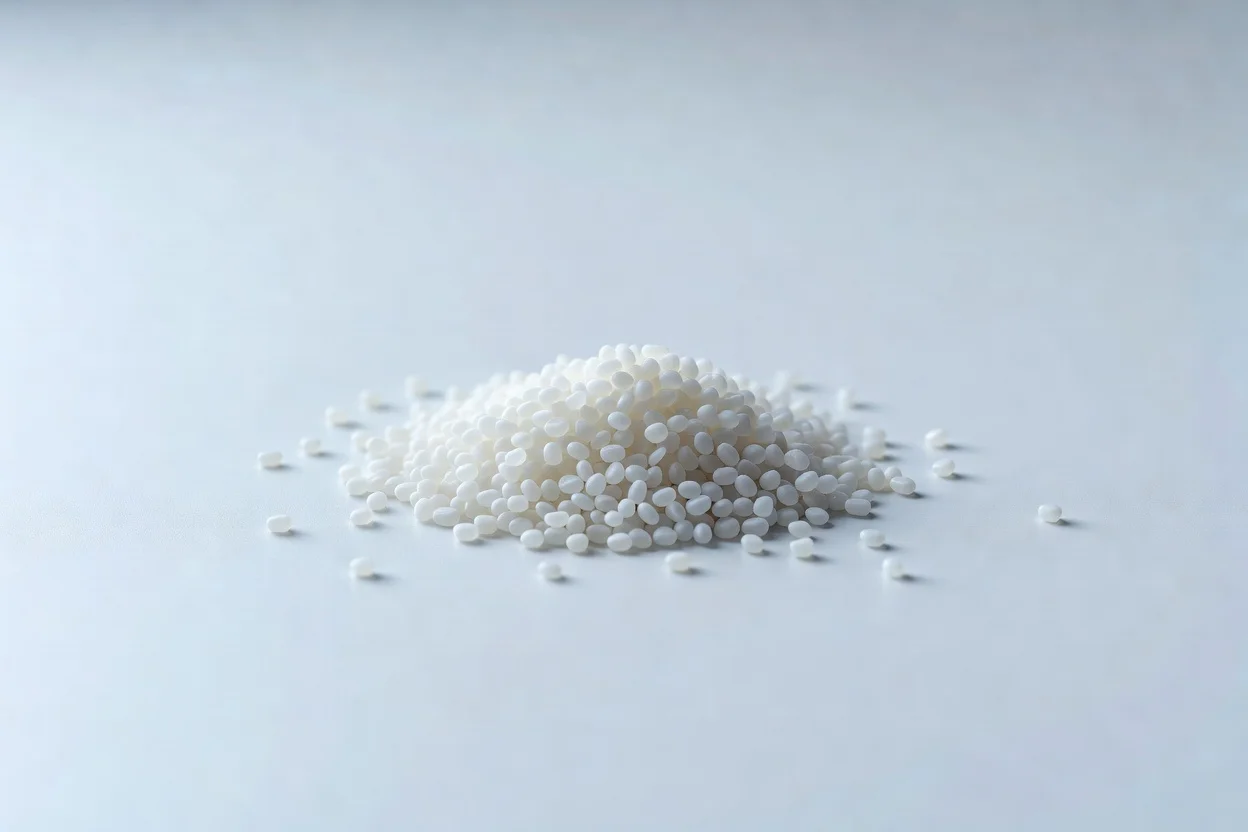
Acrylonitrile/styrene/acrylic ester copolymers (ASA) are a family of amorphous engineering thermoplastics developed as a weather-resistant alternative to ABS, combining the rigidity and surface quality of styrenic resins with the outdoor durability of an acrylic rubber phase. In practical plastics use, ASA is valued for UV stability, color retention, impact resistance, and a glossy finish, making it a preferred material for exterior automotive parts, building products, electrical housings, and outdoor consumer goods.
ASA is typically described as an acrylate rubber-modified styrene-acrylonitrile system, often with a core-shell or graft architecture in which a saturated acrylic ester elastomer provides toughness while the styrene-acrylonitrile matrix supplies stiffness, chemical resistance, and processability. Its commercial importance lies in a narrow but high-value niche: it is not a general-purpose replacement for ABS, but a more durable choice where prolonged sunlight, heat, and weather exposure would otherwise cause embrittlement, yellowing, or loss of gloss.
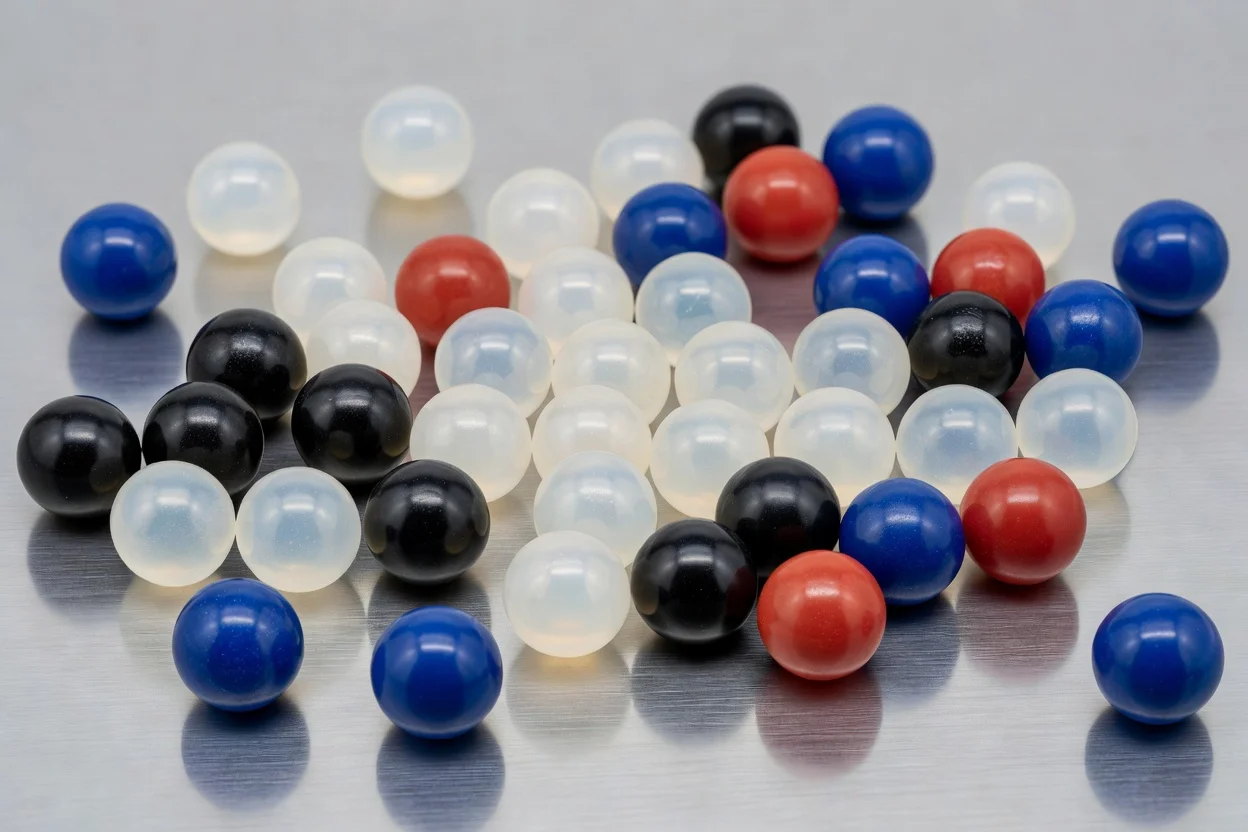
The material emerged from mid-20th-century developments in styrenic engineering plastics and was industrialized by major chemical producers, including BASF and later Japanese manufacturers, as part of the broader search for tougher, more weatherable substitutes for ABS. Today, ASA sits within the broader family of styrene copolymers alongside SAN, ABS, and MABS, and its market position continues to be shaped by outdoor performance requirements, automotive exterior design, and the growth of additive manufacturing.
Environmental assessment of ASA is mixed. On one hand, its long service life in outdoor applications can reduce replacement frequency, and many grades are recyclable as thermoplastics; on the other hand, it remains a fossil-based polymer in most commercial production routes and does not solve the broader end-of-life challenges associated with mixed plastic waste streams. Current innovation is focused on improved heat resistance, stain resistance, low-temperature toughness, compounding with recycled content, and process optimization for 3D printing and extrusion-based applications.
History and Development
ASA was developed to address a specific weakness of ABS: the poor resistance of butadiene-based rubber phases to ultraviolet radiation and oxidative weathering. The defining materials innovation was the replacement of the unsaturated butadiene rubber phase with a saturated acrylic ester elastomer, which greatly improves resistance to sunlight and outdoor aging.
Industrial production was established by major styrenics producers in the 1960s and 1970s, with German and Japanese companies among the early commercializers. Since then, the resin has evolved from a specialty exterior-grade polymer into a standard engineering material used wherever aesthetic retention and durability matter more than ultra-low cost.
A parallel development has been the diversification of ASA formulation. Modern grades include variants optimized for heat resistance, stain resistance, low gloss, flame retardancy, or improved low-temperature impact strength, reflecting the needs of automotive, appliance, construction, and additive manufacturing markets.
Chemical Structure and Key Properties
ASA is an amorphous thermoplastic built from three main components: acrylonitrile, styrene, and an acrylic ester such as butyl acrylate. In many commercial structures, the acrylic ester segment forms a rubbery dispersed phase or core, while a styrene-acrylonitrile shell or continuous matrix provides strength and processability.
The property profile is shaped by this morphology:
- Acrylonitrile contributes chemical resistance, surface hardness, and thermal stability.
- Styrene contributes rigidity, gloss, and ease of processing.
- Acrylic ester elastomer contributes impact toughness and weatherability because its saturated backbone lacks the double bonds that make butadiene vulnerable to UV attack.
Typical reported values include a glass transition region around 95 to 105 °C, density around 1.04 to 1.07 g/cm3, and a Young’s modulus in the range of roughly 2300 to 2900 MPa, although values vary by grade and filler content.
Key advantages and limits
| Property | Strength | Limit → cause → workaround |
|---|---|---|
| Weathering | Excellent UV and outdoor resistance | Lower heat distortion than high-temperature engineering plastics → amorphous base resin and formulation limits → use heat-stabilized grades or blends |
| Appearance | High gloss and color stability | Scratch resistance is good but not absolute → surface wear in high-abrasion service → coatings, texture design, or hardcoats |
| Chemical resistance | Good resistance to many oils, greases, dilute acids, and alkalis | Poor resistance to some strong solvents and certain concentrated chemicals → solvent attack on styrenic matrices → material screening and protective design |
| Processing | Easy injection molding and extrusion | Lower barrier performance than barrier polymers → poor O2/grease barrier from amorphous styrenic structure → multilayer design or barrier coatings |
| Surface behavior | Good outdoor color retention | Low surface energy before treatment on some parts → limited adhesion/printing without pretreatment → corona, plasma, primer, or flame treatment |
A practical limitation is that ASA is not a barrier polymer; its poor oxygen and grease barrier is a consequence of its amorphous, non-crystalline styrenic structure, which makes it unsuitable for demanding packaging barrier roles without multilayer engineering. Another processing-related constraint is that untreated surfaces can have low surface energy, which reduces paint, ink, or adhesive wetting; this is typically addressed with surface activation or primers.
Production Processes and Raw Feedstocks
ASA is produced from petrochemical monomers and rubber modifiers derived from acrylate chemistry. The principal feedstocks are:
- Styrene
- Acrylonitrile
- Acrylic ester monomers such as butyl acrylate or related acrylates
- Optional additives, stabilizers, pigments, and processing aids for final compounding
Two main industrial routes are described in the literature:
- Graft process: acrylic rubber particles are grafted with styrene and acrylonitrile, producing a core-shell or island-sea morphology.
- Reaction or mass-copolymerization route: the three monomer classes are polymerized with an elastomeric phase introduced during copolymerization.
The graft route is commonly described as the typical commercial method. Manufacturing choices influence impact strength, gloss, melt flow, weatherability, and surface quality, so suppliers often tailor the resin architecture to end use rather than sell a single universal grade.
Applications and End-Use Markets
ASA is selected when a part must look good and remain dimensionally stable after long outdoor exposure. Its most important end-use sectors are:
- Automotive exterior components such as mirror housings, grille surrounds, trim, spoilers, and decorative body parts, where color retention and UV resistance are critical.

- Construction and building products such as gutters, downpipes, window profiles, shutters, fascia, siding, and façade elements, where weatherability and surface appearance matter.
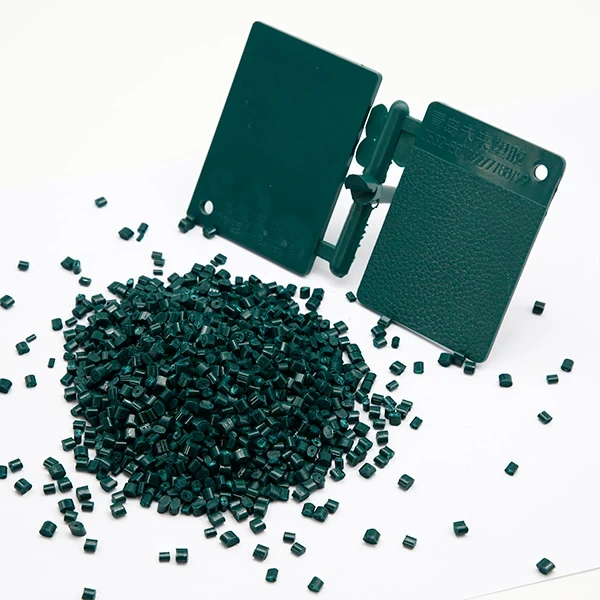
- Electrical and electronic housings for outdoor or thermally stressed equipment, including enclosures for appliances and external covers.
- Outdoor consumer goods such as garden equipment, sports and leisure items, outdoor furniture, and signage.
- Additive manufacturing in filament and pellet form for durable outdoor prints, prototypes, and functional parts with improved UV resistance relative to ABS.
Typical grade-to-process matches are as follows:
| Application | Usual ASA grade | Usual process |
|---|---|---|
| Automotive exterior trim | UV-stabilized, high-gloss impact grade | Injection molding |
| Gutters, profiles, façade parts | Weatherable extrusion grade | Extrusion |
| Enclosures and covers | Medium-flow general engineering grade | Injection molding |
| Signage and outdoor furniture | Pigmented weather-resistant grade | Injection molding or extrusion |
| 3D printing filament | High-flow filament grade | FFF/FDM additive manufacturing |
A poor-fit use is high-barrier packaging, because ASA does not provide the oxygen and aroma barrier needed for most food or pharmaceutical packaging applications without additional layers or coatings.
Environmental and Sustainability Aspects
ASA is a thermoplastic, so it is technically recyclable by remelting, and production scrap can often be reprocessed if contamination and degradation are controlled. In practice, however, the polymer’s environmental profile depends heavily on product design, additives, pigments, and whether it enters a clean manufacturing scrap stream or a mixed post-consumer waste stream.
Key sustainability points include:
- Durability benefit: long outdoor lifetime can reduce replacement frequency and lifetime material consumption.
- Recyclability: mechanically recyclable in principle, but real-world collection and sorting are limited by mixed plastics and pigments.
- Bio-based alternatives: limited at commercial scale for ASA itself; most production remains fossil-derived, though bio-attributed or recycled-feedstock inputs may be used in broader styrenics supply chains.
- Carbon footprint: tied mainly to petrochemical monomer production and energy use in polymerization and compounding; footprint reduction typically relies on recycled content, renewable energy, and process efficiency rather than on fundamental chemistry changes.
A central trade-off is that ASA helps extend service life in demanding outdoor applications, but it does not eliminate the challenges of synthetic polymer waste. Its sustainability value is therefore strongest when the material is used in durable, repairable, long-lived parts rather than short-lived disposables.
Economic and Global Market Impact
ASA occupies a premium segment of the engineering plastics market, where buyers pay for weatherability, color stability, and reliable appearance retention rather than for the lowest resin cost. Demand is tied to sectors with strong exterior aesthetics and long service requirements, especially automotive styling, building products, and outdoor consumer goods.
Leading producers and technology contributors have historically included major styrenics manufacturers such as BASF, which is widely credited with early industrial development, and later Asian producers that expanded capacity and grade diversity. The market today is more fragmented, with resin suppliers differentiating through weathering performance, heat resistance, low-gloss aesthetics, and compound formulations for extrusion and 3D printing.
From a value-chain perspective, ASA is economically attractive because it can replace painted metals, coated plastics, or lower-cost polymers that would otherwise fail outdoors, thereby reducing downstream finishing, maintenance, or warranty costs. That systems-level value is often more important than the resin price alone.
Current Challenges and Innovations
The most important technical and commercial challenges are:
- Heat performance limits relative to higher-temperature engineering plastics.
- Chemical resistance gaps to certain solvents and aggressive agents.
- Surface adhesion issues on untreated parts, especially for printing, painting, and bonding.
- Recycling complexity when compounded with pigments, flame retardants, glass fiber, or multilayer structures.
Innovation is concentrated in several directions:
- Heat-resistant ASA formulations for hotter under-hood, appliance, and electronics environments.
- Stain-resistant grades for surfaces exposed to household and environmental contaminants.
- Improved low-temperature impact for cold-climate outdoor service.
- Additive-manufacturing grades tuned for warp control, layer adhesion, and surface finish.
- Compound design with recycled content to improve circularity while maintaining weather resistance, although performance consistency remains a challenge.
A useful formulation example is the use of 0.2 to 0.8 percent hindered amine light stabilizers together with UV absorbers in outdoor grades; these additives work by suppressing radical formation and absorbing harmful UV energy before it can degrade the polymer surface. Another common approach is the addition of pigment packages and surface protectants to improve color retention and reduce gloss loss in exterior parts.
Future Outlook
ASA is likely to remain a preferred material for exterior parts that must combine appearance, toughness, and UV durability. The strongest growth opportunities are in:
- Automotive exterior styling
- Construction products with long maintenance cycles
- Large-format additive manufacturing
- Hybrid materials that pair ASA skins with recycled or filled cores
- Lower-carbon resin production through cleaner feedstocks and energy-efficient polymerization
Its future competitiveness will depend on how effectively suppliers can balance outdoor durability with circular-economy goals. Materials that preserve ASA’s classic advantages while improving recycled content, processing stability, and end-of-life compatibility are likely to gain the most traction.
Summary
ASA is a high-performance styrenic engineering plastic whose defining feature is excellent weather resistance achieved by replacing the UV-sensitive butadiene phase of ABS with a saturated acrylic ester elastomer. Its combination of stiffness, impact resistance, gloss retention, and outdoor durability makes it especially valuable in automotive exteriors, construction products, electrical housings, and outdoor consumer goods.
Its main limitations are equally important: ASA is not a barrier polymer, it has finite solvent and heat resistance, and its sustainability profile still depends on fossil-based feedstocks and practical recycling systems. For that reason, ASA is best understood not as a universal plastics resin, but as a specialized material whose value lies in long-life, weather-exposed applications where failure would be costly and visible.
References
- •
Acrylonitrile styrene acrylate. (2014, September 22). Wikipedia. https://en.wikipedia.org/wiki/Acrylonitrile_styrene_acrylateLink
- •
Acrylnitril-Styrol-Acrylat-Copolymer. (2006, February 17). Wikipedia. https://de.wikipedia.org/wiki/Acrylnitril-Styrol-Acrylat-CopolymerLink
- •
ASA. (2002, November 15). Machine Design. https://www.machinedesign.com/materials/plastics-and-composites/article/21812681/asaLink
- •
ABS vs ASA: A materials engineer's guide to choosing the right filament. (2026, May 18). Le-Creator. https://le-creator.com/blog/abs-vs-asa/Link
- •
Styrene copolymers (ABS, ASA, SAN). (n.d.). https://res.cloudinary.com/sternwald-systems/raw/upload/v1/hugoprd/ARTIKEL_ATTACH/002429E5_F463BEF881A5/d23bd1eeb7f57eeeb37daf5371670565922499cf/PE_2002_10_Styrene-Copolymers-ABS-ASA-SAN.pdfLink
- •
ASA: Acrylonitrile-styrene-acrylate copolymer. (n.d.). NETZSCH Polymers. https://polymers.netzsch.com/materials/Details/3Link
- •
ASA (acrylonitrile styrene acrylate) graft copolymerization resin rubber powder and preparation method thereof. (2013, November 1). https://patents.google.com/patent/CN103570882A/enLink
- •
Heat resistant ASA (Acrylonitrile-Styrene-Acrylic ester) resin composition and preparation method thereof. (2010, November 26). https://patents.google.com/patent/CN102030958A/enLink
- •
Styrene acrylonitrile (SAN) & acrylonitrile styrene acrylate (ASA). (n.d.). British Plastics Federation. https://www.bpf.co.uk/plastipedia/polymers/SAN.aspxLink
- •
ASA. (2024, July 26). De Monchy. https://monchy.com/products/asa/Link
- •
丙烯腈-苯乙烯-丙烯酸酯. (2025, November 6). Wikipedia. https://zh.wikipedia.org/zh-cn/%E4%B8%99%E7%83%AF%E8%85%88-%E8%8B%AF%E4%B9%99%E7%83%AF-%E4%B8%99%E7%83%AF%E9%85%B8%E9%85%AFLink
- •
Introduction to ASA. (2021, July 30). COACE Chemical Company Limited. https://www.coacechemical.com/technology/introduction-to-asa.htmlLink
- •
ASA (acrylonitrile-styrene-acrylate) resin with favorable appearance performance and preparation method thereof. (2011, April 21). https://patents.google.com/patent/CN102161808B/enLink
- •
Styrene copolymers (ABS, SAN, ASA, MABS). (n.d.). https://res.cloudinary.com/sternwald-systems/raw/upload/v1/hugoprd/ARTIKEL_ATTACH/00243F19_1AA47E263C73/7caaeb2f597c25ab0c5da8b4e7204d203aa44307/PE_2010_10_Styrene-Copolymers-ABS-SAN-ASA-MABS.pdfLink
- •
Know your materials: Acrylonitrile styrene acrylate (ASA). (2021, November 22). SyBridge. https://sybridge.com/acrylonitrile-styrene-acrylate-asa/Link
- •
Acrylonitrile/styrene/acrylate copolymers with improved stain resistance. (1998, January 29). https://patents.google.com/patent/WO1998038247A1/enLink
- •
ASA. (2024, May 9). Polimertec. https://polimertec.com/en/produkt/asa-2/Link
- •
Acrylonitrile styrene acrylate copolymer (ASA). (n.d.). Bitec GmbH. https://www.bitec-gmbh.com/en/plastics/Link
- •
丙烯腈-苯乙烯-丙烯酸酯. (2025, November 6). Wikipedia. https://zh.wikipedia.org/zh-tw/%E4%B8%99%E7%83%AF%E8%85%88-%E8%8B%AF%E4%B9%99%E7%83%AF-%E4%B8%99%E7%83%AF%E9%85%B8%E9%85%AFLink
- •
Acrylonitrile styrene acrylate. (2018, August 19). Wikipedia. https://vi.wikipedia.org/wiki/Acrylonitrile_styrene_acrylateLink
- •
Low temperature resistant and weather-proof ASA (acrylonitrile styrene acrylate copolymer) material and preparation method thereof. (2015, December 30). https://patents.google.com/patent/CN105504634A/enLink
- •
ASA filament: UV-resistant, durable for 3D prints. (2024, October 18). Patsnap Eureka. https://eureka.patsnap.com/blog/what-is-asa-filament/Link
- •
ASA filament: UV-resistant, durable for 3D prints. (2024, October 18). Patsnap Eureka. https://eureka.patsnap.com/blog/material-tech-resources/what-is-asa-filament/Link
- •
Alkenylsuccinic anhydrides. (2017, January 16). Wikipedia. https://en.wikipedia.org/wiki/Alkenylsuccinic_anhydridesLink
- •
Diverse shapes and applications. (n.d.). https://res.cloudinary.com/sternwald-systems/raw/upload/v1/hugoprd/ARTIKEL_ATTACH/00204D33_87CAB7F9738A/6292e0fed8c5df485bfc2e83d0c38164602b8834/Diverse%20Shapes%20and%20Applications%20-%20KUint%2008%202020.pdfLink