
Introduction
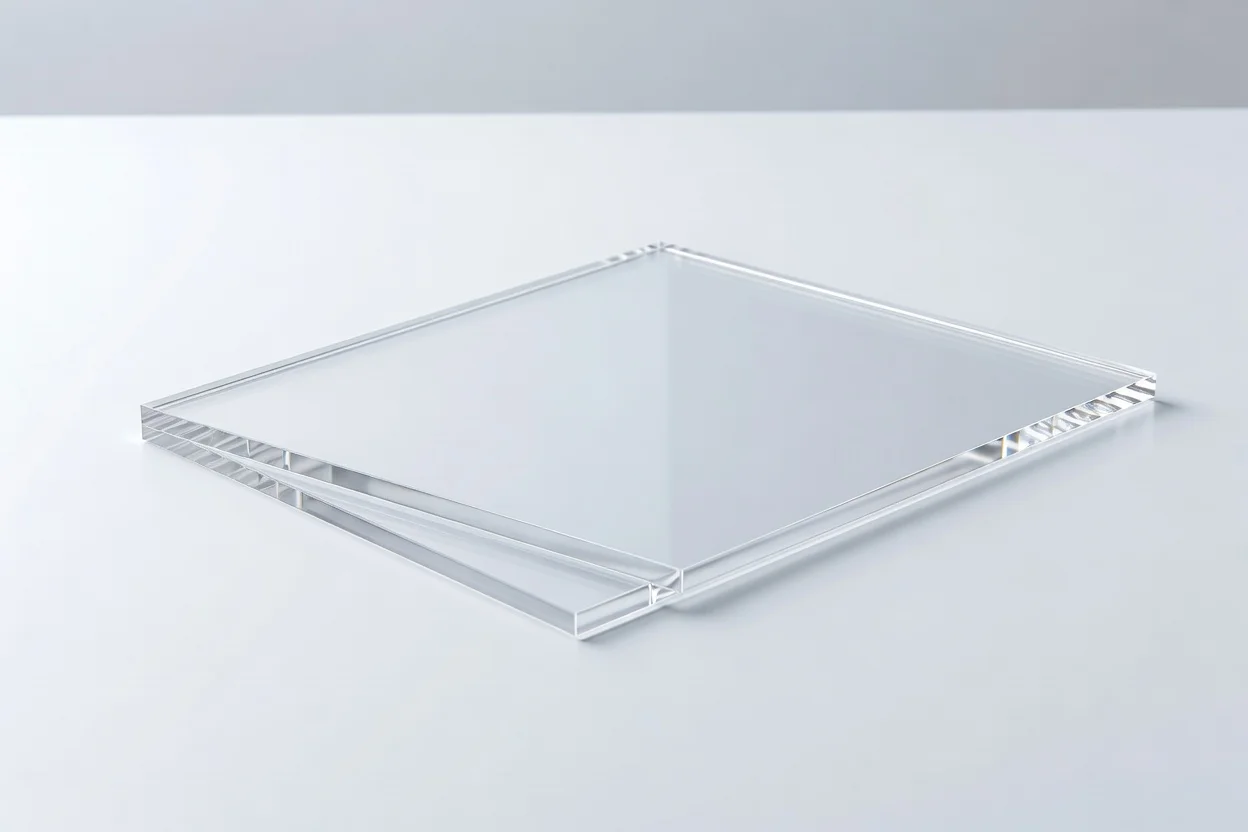
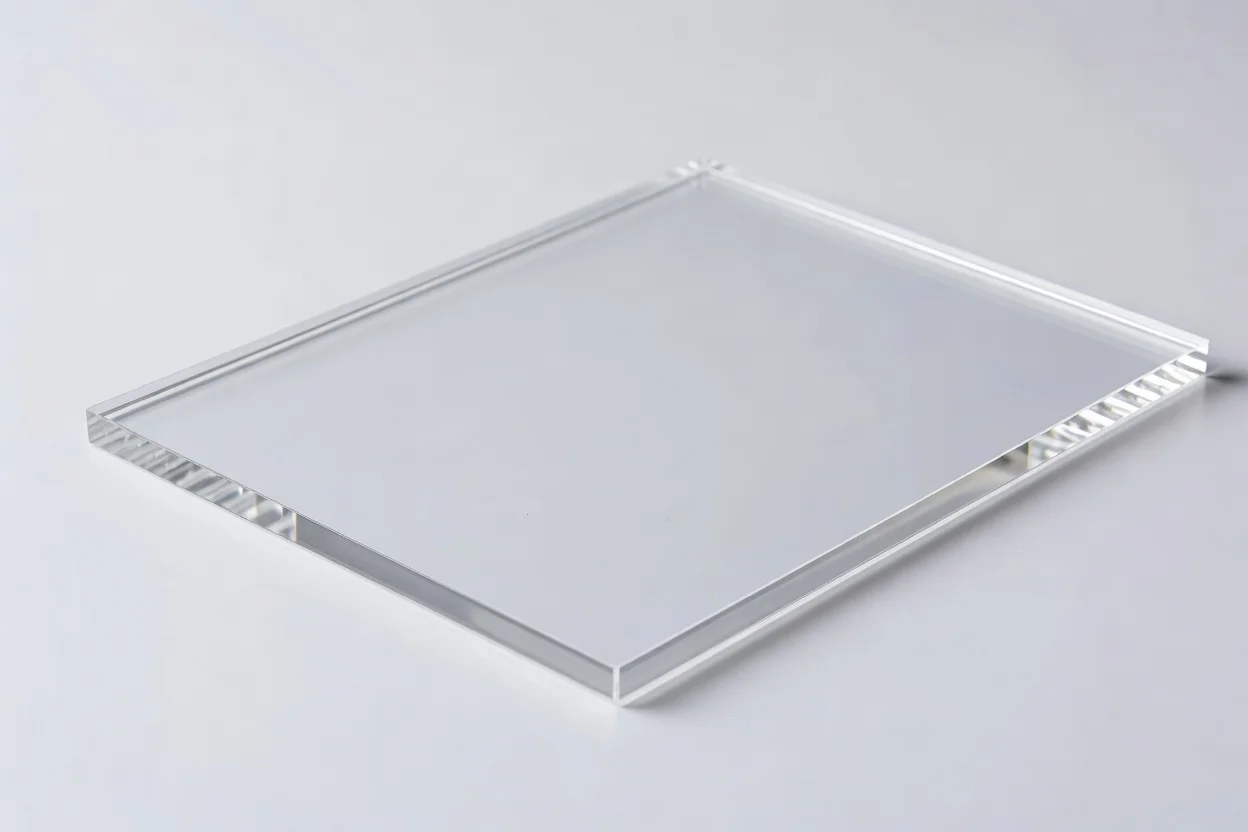
Polymethyl methacrylate (PMMA) is a transparent, rigid thermoplastic in the acrylic resin family, produced by polymerizing methyl methacrylate monomer. It is widely known as acrylic glass and is valued for high optical clarity, good weathering resistance, low density, and ease of processing, which make it a common substitute for mineral glass in glazing, displays, lighting, and optical components.
PMMA occupies a distinctive place in the plastics value chain: it is both a commodity-style engineering resin and a specialty material when optical, aesthetic, or weather-exposed performance is required. Its development dates back to the early 1930s, and since then it has expanded from a glass substitute into medical, automotive, architectural, electronic, and microfabrication uses. Current industry interest centers on higher-recyclability grades, bio-based methyl methacrylate routes, improved impact modification, and lower-carbon production pathways.
History and Development
PMMA emerged in the early 20th century as chemists sought transparent, lightweight alternatives to glass. Historical accounts commonly place its early development in the 1930s, with industrialization following soon afterward through brands such as Plexiglas, Lucite, and Perspex.
Its broad adoption accelerated during and after the Second World War because it combined optical clarity with lower weight and better shatter resistance than glass in many uses. Over time, the material moved beyond sheet glazing into injection-molded parts, cast optical products, dental materials, coatings, and microfluidic and semiconductor-related applications.
Chemical Structure and Key Properties
PMMA is the polymer of methyl methacrylate and is an amorphous thermoplastic with pendant ester groups along a carbon-carbon backbone, which contribute to its transparency and rigidity. The material is typically clear and colorless, with a glass transition temperature around 100 to 105 C and a density near 1.18 to 1.20 g/cm3.
| Property | Typical characteristic |
|---|---|
| Appearance | Clear, colorless, transparent |
| Density | About 1.18 to 1.20 g/cm3 |
| Light transmittance | About 92% in many grades |
| Glass transition temperature | Around 100 to 105 C |
| Stiffness | High for a thermoplastic |
| Weathering resistance | Excellent |
| Scratch resistance | Good, but not glass-like |
| Impact toughness | Moderate to poor in unmodified grades |
Two important real-world limits are central to PMMA selection:
- Poor impact toughness → brittle amorphous structure and limited energy dissipation → use impact-modified PMMA, multilayer design, or replace with polycarbonate where safety impact is dominant.
- Surface scratching → comparatively softer surface than mineral glass → apply hard coatings, protective films, or use coated sheet grades in high-touch applications.
For plastics packaging or barrier applications, PMMA is also limited by functional performance: it is not a strong oxygen or grease barrier material, so it is generally not chosen where high barrier performance is essential; multilayer structures or alternative polymers are used instead. Before surface treatment, PMMA also has a relatively low surface energy in practical terms, which can complicate printing, bonding, or coating adhesion; corona, plasma, primers, or surface-functional coatings are common workarounds.
A useful processing-level perspective is that PMMA’s high optical clarity, dimensional stability, and gloss make it excellent for visible parts, but the same rigid glassy structure narrows its tolerance for impact and repeated flexing.
Production Processes and Raw Feedstocks
PMMA is produced primarily by free-radical polymerization of methyl methacrylate, using thermal, chemical, or photochemical initiation depending on the process and end use. The monomer is largely derived from petrochemical feedstocks, although bio-based pathways are increasingly discussed in the industry.
Main manufacturing routes include:
- Cell casting for thick sheets, optical blocks, aquariums, and specialty glazing.
- Extrusion for continuous sheet, signage, and display-grade products.
- Injection molding for lenses, housings, and small precision parts.
- Suspension or bulk polymerization for pellet production and general-purpose resins.
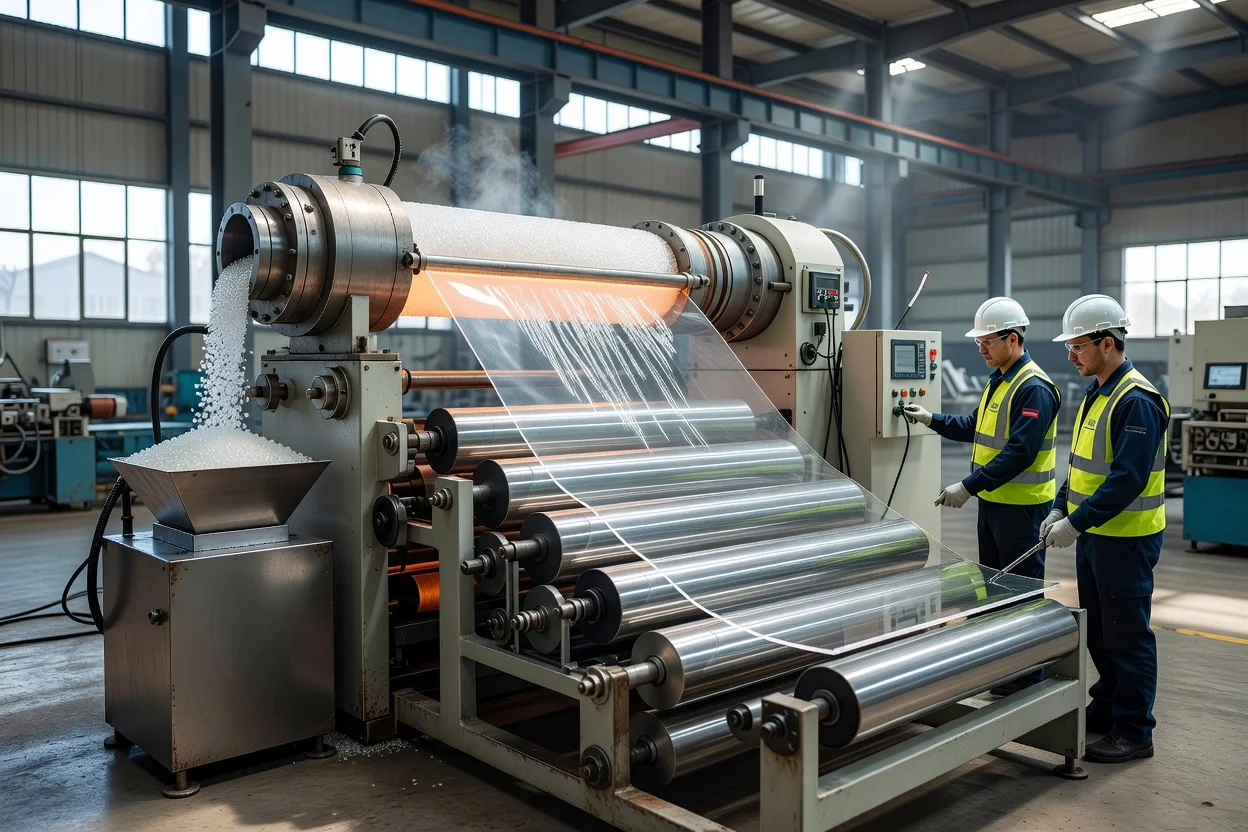
The primary feedstock is methyl methacrylate, which is converted into PMMA resin with molecular weight and tacticity adjusted for the target application. In practice, resin producers differentiate grades by melt flow, optical purity, weatherability, impact modification, heat resistance, and suitability for sheet or molding operations.
Leading producers and industry position
The PMMA market is served by large integrated chemical companies and regional specialists. Globally recognized names include Röhm, Mitsubishi Chemical, Arkema, Trinseo, and SABIC-linked supply chains, each contributing major branded or commodity-grade PMMA portfolios for sheet, molding, and optical applications. Market leadership is often tied to monomer integration, sheet capacity, optical-grade quality control, and strong distribution into construction and automotive channels.
Applications and End-Use Markets
PMMA is selected where transparency, weather resistance, and appearance matter more than ultra-high impact resistance or high barrier performance. Its major end uses align closely with grade type and forming method.
| End use | Typical PMMA grade | Usual process | Why PMMA fits |
|---|---|---|---|
| Architectural glazing, skylights, barriers | Sheet grade | Casting, extrusion, thermoforming | High clarity, light weight, weather resistance |
| Signage and displays | Extrusion grade | Extrusion, machining | Gloss, colorability, light transmission |
| Automotive lighting | Optical grade | Injection molding, co-extrusion | Dimensional stability, transparency, styling |
| Consumer goods | General-purpose grade | Injection molding | Surface finish, aesthetics |
| Medical devices | Medical-grade PMMA | Casting, molding | Biocompatibility and clarity |
| Dental prosthetics and denture bases | Medical/dental grade | Molding, curing systems | Workability and appearance |
| Intraocular lenses and ophthalmic uses | Ultra-pure medical grade | Precision casting/molding | Optical purity and biocompatibility |
| Lighting diffusers and light guides | Optical grade | Extrusion, machining | Light control and clarity |
| Microfabrication and photoresist uses | Specialized PMMA | Spin coating, lithographic processes | Controlled solubility and patterning |
| Aquarium windows and observation panels | Thick cast sheet | Cell casting | Optical depth and large-panel stability |
PMMA is common in:
- Film, sheet, and glazing where transparency and outdoor durability dominate.
- Automotive lighting and trims such as tail-lamp lenses, light guides, and interior display elements.
- Construction including skylights, partitions, noise barriers, and decorative panels.
- Medical and dental products including denture bases, temporary crowns, bone cement systems, and intraocular lenses.
- Electronics and optics including displays, light diffusers, lenses, and fiber-optic-related components.

A poor-fit use is high-impact safety glazing in severe crash environments: PMMA’s brittleness means polycarbonate or laminated constructions are often better choices when impact resistance is the primary requirement.
Environmental and Sustainability Aspects
PMMA is often viewed as more durable and visually long-lasting than many plastics, especially in outdoor applications where UV stability and weather resistance reduce replacement frequency. Its long service life can be an environmental advantage when compared with short-lived alternatives.
At the same time, PMMA is still a fossil-derived polymer in most supply chains, and its sustainability profile depends heavily on production route, service life, and end-of-life handling. Current debates focus on three areas:
- Recyclability: PMMA can be mechanically recycled in suitable clean streams, and some producers promote closed-loop collection for sheet and offcut recovery.
- Chemical recycling and monomer recovery: Depolymerization back to methyl methacrylate is technically attractive because PMMA is one of the few polymers that can be recovered in relatively high-value monomer form under certain conditions.
- Bio-based alternatives: Bio-attributed or bio-based methyl methacrylate routes are being developed to lower fossil carbon intensity, although commercial scale and cost competitiveness remain uneven.
One sustainability challenge is that PMMA is frequently used in visually demanding parts that are difficult to separate from composites, coatings, or multi-material assemblies at end of life. In practice, recyclability is often limited more by collection and sorting than by polymer chemistry alone.
Economic and Global Market Impact
PMMA is a globally traded engineering resin whose economics are closely linked to methyl methacrylate pricing, energy costs, and the construction and automotive cycles. Demand is typically strongest in Asia-Pacific, Europe, and North America, with growth supported by architectural glazing, displays, mobility lighting, and medical applications.
The material’s value proposition is not based on lowest cost but on performance per visible surface area: PMMA often commands a premium where clarity, weather resistance, and appearance matter. This makes it economically important in industries where product differentiation depends on aesthetics, light management, and durability.
Integrated monomer-to-resin producers generally hold advantages in feedstock security, quality control, and margin stability, while downstream sheet and specialty processors capture value by tailoring PMMA for optical, medical, or building-product specifications.
Current Challenges and Innovations
Current technical and commercial innovation in PMMA is concentrated in several areas:
- Impact modification: rubber-toughened or copolymer-modified PMMA grades aim to reduce brittleness while retaining clarity.
- Scratch-resistant coatings: hardcoats improve performance in automotive, architectural, and consumer-facing surfaces.
- Bio-based MMA routes: new feedstock pathways seek lower carbon intensity without sacrificing resin quality.
- Recycling systems: collection and purification schemes for sheet offcuts, post-industrial scrap, and selected post-consumer streams are expanding.
- Functional composites: PMMA blends and layered structures are being tailored for light diffusion, signal transmission, and specialty optics.
A practical formulation example is impact-modified PMMA used in transparent panels, where small amounts of elastomeric modifiers improve crack resistance while preserving most optical clarity; the trade-off is usually a small reduction in stiffness and sometimes some loss of transparency. Another example is hardcoat systems based on thin inorganic-organic coatings, which improve abrasion resistance by forming a denser surface layer that resists micro-scratching during cleaning or handling.
Future Outlook
PMMA is likely to remain a key transparency polymer because few materials combine its specific balance of clarity, weatherability, and processability at comparable cost and scale. Future growth is expected to come from:
- Higher-value optical and lighting components
- Lightweight mobility parts
- Medical and dental applications
- Recycled and low-carbon PMMA supply chains
- Advanced architectural glazing and façade systems
The most important strategic shift will be from PMMA as a conventional acrylic resin toward PMMA as a circular specialty material, where monomer recovery, cleaner scrap streams, and lower-carbon feedstocks become part of its market identity rather than add-on features.
Summary
PMMA is a transparent, rigid acrylic thermoplastic made from methyl methacrylate and prized for optical clarity, weather resistance, gloss, and low weight. It is widely used in glazing, signage, lighting, automotive optics, medical devices, and dental products, but its brittleness, scratching tendency, and limited barrier performance constrain its use in some demanding applications.
Its future depends on the combination of technical refinement and sustainability progress: tougher grades, better surface protection, improved recycling, and lower-carbon monomer sourcing will determine how strongly PMMA competes in a plastics economy increasingly shaped by circularity and lifecycle performance.
References
- •
Poly(methyl methacrylate). (2003, January 23). Wikipedia. https://en.wikipedia.org/wiki/Poly(methyl_methacrylate)Link
- •
Polymethyl methacrylate (PMMA) - Properties, uses & applications. (2026, June 11). SpecialChem. https://www.specialchem.com/plastics/guide/polymethyl-methacrylate-pmma-acrylic-plasticLink
- •
PMMA polymers: Properties, applications & mechanics. (2026, January 22). Rheolution. https://rheolution.com/application-notes/pmma-polymers/Link
- •
PMMA - polymethyl methacrylate. (2025, January 10). Sunkaier. https://www.sunkaier.com/polymers/pmmaLink
- •
Poly(methyl methacrylate) - An overview. (n.d.). ScienceDirect. https://www.sciencedirect.com/topics/medicine-and-dentistry/poly-methyl-methacrylateLink
- •
A review of the properties and applications of poly (methyl methacrylate). (n.d.). Sci-Hub. https://2024.sci-hub.st/4273/3b2eff0eef2cbc02174eb11b0869807a/ali2015.pdfLink
- •
What is PMMA material? Properties and uses. (2026, March 12). ScienceInsights. https://scienceinsights.org/what-is-pmma-material-properties-and-uses/Link
- •
What is PMMA? Properties, uses, and medical applications. (2026, March 8). ScienceInsights. https://scienceinsights.org/what-is-pmma-properties-uses-and-medical-applications/Link
- •
PMMA material: Properties, uses, and innovation insights. (2025, July 4). Eureka by Patsnap. https://eureka.patsnap.com/blog/material-tech-resources/pmma-material-overview/Link
- •
PMMA material: Properties, uses, and innovation insights. (2025, July 4). Eureka by Patsnap. https://eureka.patsnap.com/blog/pmma-material-overview/Link
- •
A review of the properties and applications of poly (methyl methacrylate) (PMMA). (2015, October 2). Taylor & Francis. https://www.tandfonline.com/doi/abs/10.1080/15583724.2015.1031377Link
- •
Poly methyl methacrylate - An overview. (n.d.). ScienceDirect. https://www.sciencedirect.com/topics/materials-science/poly-methyl-methacrylateLink
- •
Polymethyl methacrylate (PMMA). (2025, October 14). Britannica. https://www.britannica.com/science/polymethyl-methacrylateLink
- •
Polymethyl methacrylate (PMMA): An overview of its properties and applications. (2025, September 22). Springer. https://link.springer.com/article/10.1007/s40883-025-00493-yLink
- •
Properties and benefits - PMMA. (2021, September 29). PMMA Online. https://www.pmma-online.eu/pmma-science/properties-and-benefits/Link
- •
Introduction to the properties and uses of polymethyl methacrylate (PMMA). (2024, August 17). NovusLS. https://www.novusls.com/post/introduction-to-the-properties-and-uses-of-polymethyl-methacrylate-pmmaLink
- •
Basic properties and applications of poly(methyl methacrylate). (2025, May 12). Hony Plastic. https://www.honyplastic.com/news/basic-properties-and-applications-of-poly-methyl-methacrylate-pmma-306428.htmlLink
- •
Polymethyl methacrylate. (2023, October 14). ScienceDirect. https://www.sciencedirect.com/topics/earth-and-planetary-sciences/polymethyl-methacrylateLink
- •
Polymethyl methacrylate (PMMA): Properties, applications and benefits. (2022, August 18). K.D. Feddersen. https://kdfeddersen.com/en/products/polymers/polymethylmethacrylatLink
- •
Prosthodontic applications of polymethyl methacrylate (PMMA). (2020, October 8). PMC. https://pmc.ncbi.nlm.nih.gov/articles/PMC7599472/Link
- •
nglos324 - pmma. (n.d.). Princeton University. https://www.princeton.edu/~maelabs/mae324/glos324/pmma.htmLink
- •
Why choose PMMA? (2025, June 30). Aprios. https://www.aprios.com/insights/pmma-acrylic-the-go-to-resin-for-clear-and-durable-applicationsLink
- •
PMMA (cast). (n.d.). Designerdata. https://designerdata.nl/materials/plastics/thermo-plastics/poly(methyl-methacrylate)Link
- •
Polymethylmethacrylate - Acrylic - PMMA general purpose. (2001, September 4). AZoM. https://www.azom.com/article.aspx?ArticleID=788Link
- •
Polymethyl methacrylate: Comprehensive analysis of composition. (n.d.). Eureka by Patsnap. https://eureka.patsnap.com/materials/pmma-composition-processingLink
- •
Polymethylmethacrylat – Wikipedia. (2003, March 12). Wikipedia. https://de.wikipedia.org/wiki/PolymethylmethacrylatLink
- •
The outstanding properties of PMMA. (2023, June 28). Polytives. https://polytives.com/en/the-outstanding-properties-of-pmma/Link
- •
PMMA biomedical material: Comprehensive analysis of. (n.d.). Eureka by Patsnap. https://eureka.patsnap.com/materials/pmma-biomedical-materialLink
- •
Polymethyl methacrylate. (n.d.). Encyclopedia.com. https://www.encyclopedia.com/science/academic-and-educational-journals/polymethyl-methacrylateLink
- •
PMMA: Clear, durable plastic for versatile uses. (2024, October 21). Eureka by Patsnap. https://eureka.patsnap.com/blog/material-tech-resources/what-is-pmma-material/Link
- •
Polymethyl methacrylate polymer: Comprehensive analysis of. (n.d.). Eureka by Patsnap. https://eureka.patsnap.com/materials/pmma-polymer-synthesisLink
- •
Machining polymethyl methacrylate (PMMA) a plastics guide. (n.d.). AIP Precision. https://aipprecision.com/machining-polymethyl-methacrylate-pmma-plastics-guide/Link
- •
PMMA. (n.d.). MIT. https://www.mit.edu/~6.777/matprops/pmma.htmLink
- •
Write the preparation, properties and uses of PMMA and. (2019, April 3). Shaalaa. https://www.shaalaa.com/question-bank-solutions/write-preparation-properties-uses-pmma-buna-s_57869Link
- •
PMMA: Properties, synthesis, and uses. (n.d.). Scribd. https://www.scribd.com/document/410851832/PMMA-reportLink