
Introduction
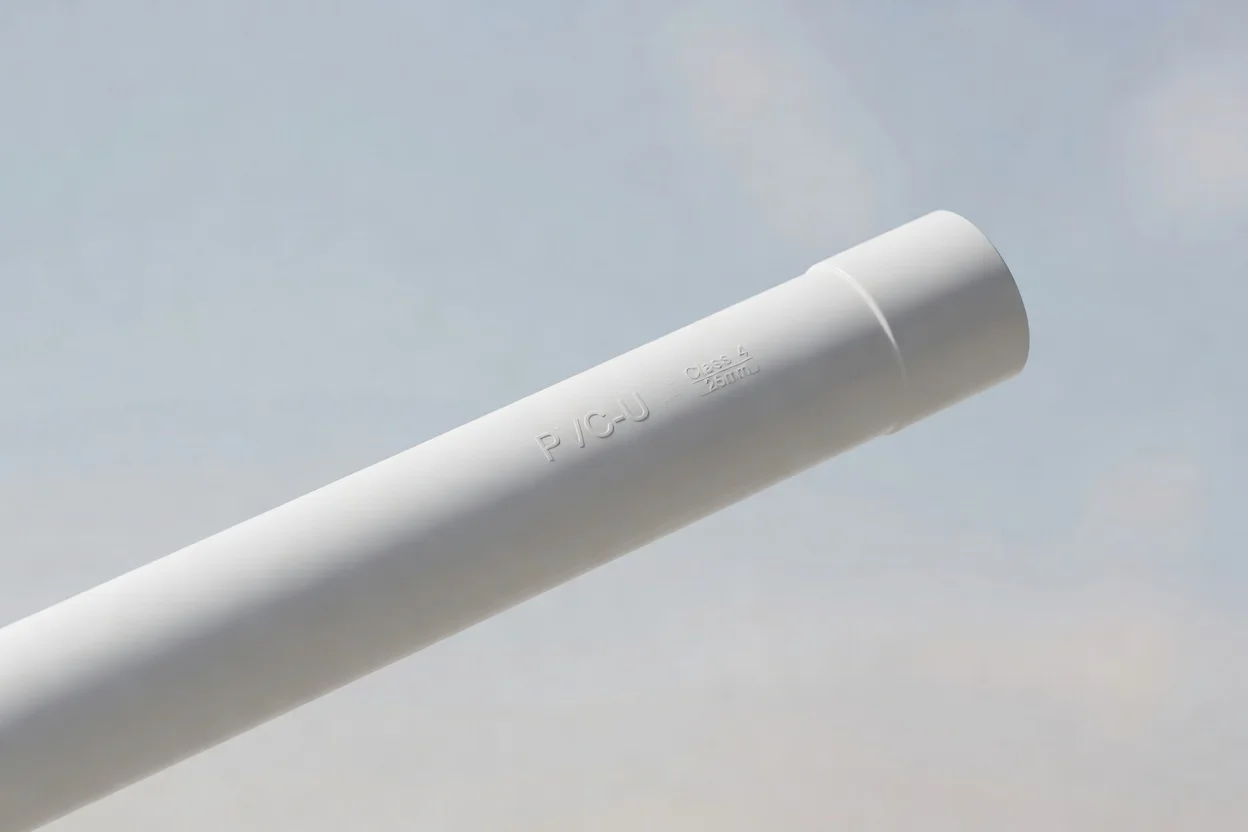
Polyvinyl chloride (PVC) is one of the most widely used thermoplastic polymers in the global plastics industry, valued for its low cost, chemical resistance, electrical insulation, and broad formulation flexibility. It is produced by polymerizing vinyl chloride monomer and can be compounded into either rigid or flexible materials, making it relevant across construction, infrastructure, healthcare, electrical, packaging, and consumer-product markets.
PVC has a long industrial history and was among the earliest plastics to gain large-scale commercial adoption. Its success rests on the fact that the base resin can be adapted with stabilizers, plasticizers, impact modifiers, lubricants, fillers, pigments, and other auxiliaries to produce a wide range of performance profiles, from unplasticized rigid pipe and window profiles to soft cable compounds, medical tubing, flooring, and coated fabrics. At the same time, PVC remains central to sustainability debates because it relies on chlorine chemistry, often requires additives to reach end-use performance, and faces end-of-life challenges in mixed waste streams; nevertheless, improved collection, mechanical recycling, and some feedstock- or chemistry-based circularity routes continue to expand its role in a lower-carbon plastics system.
History and Development
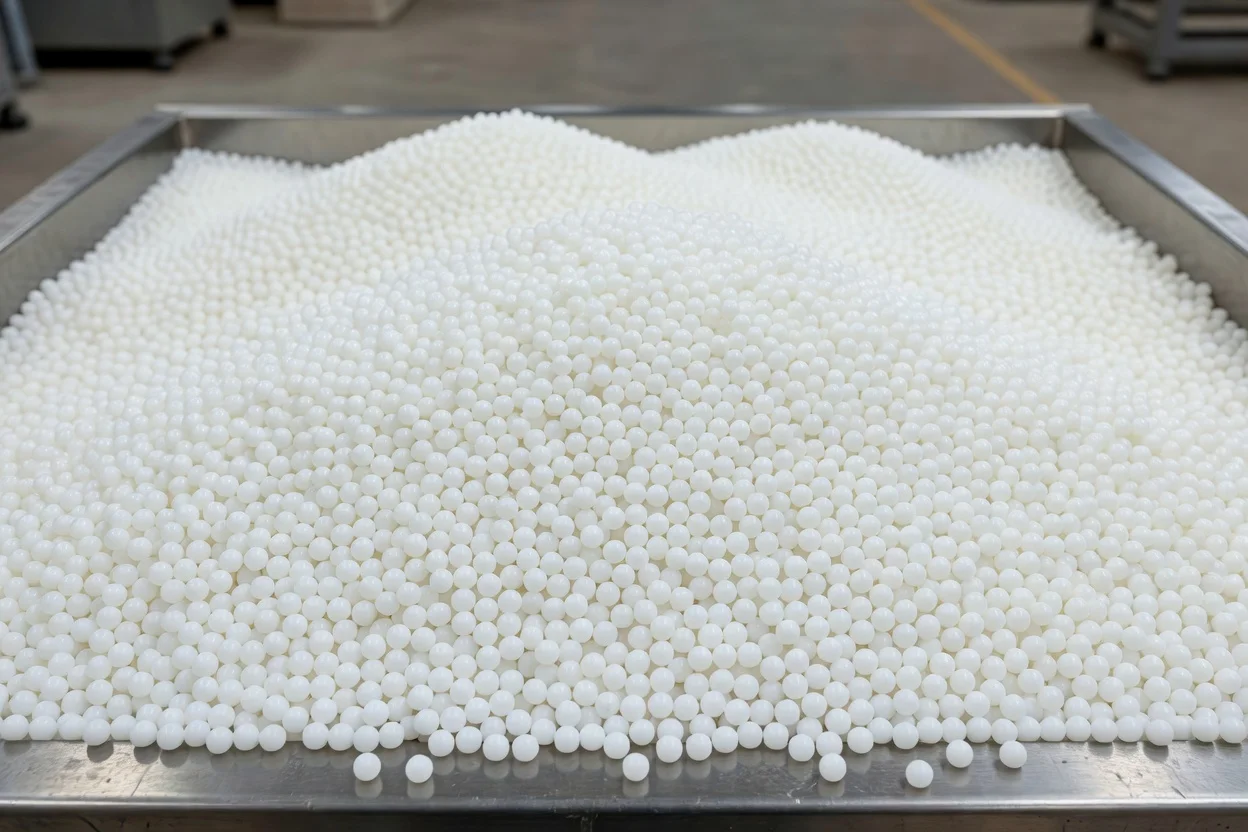
PVC is widely regarded as one of the first plastics discovered and later industrialized on a large scale. Its commercial importance accelerated as processing technologies improved and formulators learned to control its thermal instability with heat stabilizers, making it practical for extrusion, calendaring, injection molding, and coating applications.
Over time, the market split into two major product families:
- Rigid PVC or unplasticized PVC, used where stiffness, dimensional stability, and chemical resistance are important, especially in pipes, profiles, fittings, and sheets.
- Flexible PVC, produced by incorporating plasticizers and other additives, used for cable insulation, hoses, flooring, synthetic leather, medical tubing, and coated textiles.
The growth of PVC tracked the expansion of mass housing, urban water and sewer systems, electrification, and packaged medical care. In many sectors, it displaced traditional materials such as metal, glass, leather, and rubber where its balance of cost, processability, and durability offered a practical advantage.
Chemical Structure and Key Properties
PVC is a chlorinated vinyl polymer whose repeating backbone contains carbon atoms with chlorine substituents, a structure that strongly influences its performance. The chlorine content contributes to inherent flame retardancy and chemical resistance, but it also reduces thermal stability and makes the resin sensitive to heat history during processing.
Core property profile
| Property | Typical significance |
|---|---|
| Density | Relatively high for a commodity plastic, which supports stiffness and dimensional stability. |
| Rigidity | Rigid formulations offer high modulus and good load-bearing behavior. |
| Electrical insulation | Excellent dielectric performance supports cable and electronics uses. |
| Chemical resistance | Good resistance to many acids, alkalis, salts, and aqueous media. |
| Flame resistance | Inherent self-extinguishing tendency due to chlorine content. |
| Processing window | Narrower than many polyolefins because PVC can degrade before it truly melts under severe heat exposure. |
Practical limits and workarounds
- Poor heat stability → dehydrochlorination and chain degradation when overheated → use heat stabilizers, controlled melt temperatures, short residence times, and suitable processing aids.
- Poor aromatic-solvent resistance → swelling or attack in aromatic hydrocarbons and some ketones → select alternate polymers or use protective formulations/coatings where chemical exposure is severe.
- Limited intrinsic flexibility in unplasticized grades → brittle behavior in applications needing bending or impact absorption → add plasticizers and impact modifiers to obtain flexible or tougher compounds.
- UV/weathering sensitivity in outdoor exposure → embrittlement and discoloration over time → use UV stabilizers, pigments, and weatherable capstock layers.
Two formulation examples
- Calcium-zinc stabilizer systems at low phr levels are widely used in rigid PVC to suppress thermal degradation by scavenging hydrogen chloride and stabilizing labile sites during processing; this supports extrusion of pipe and profile products.
- Plasticizers in flexible PVC reduce intermolecular attraction and lower the glass-transition temperature, converting a rigid resin into a pliable compound for cable jackets, flooring, and medical tubing.
Production Processes and Raw Feedstocks
PVC is manufactured from vinyl chloride monomer, which is polymerized by free-radical routes to produce the base resin. Industrial production is typically integrated with upstream chlorine and ethylene value chains, because vinyl chloride is commonly derived through chlorinated intermediates in large petrochemical complexes. While the provided sources emphasize the polymerization step, the broader industrial context is that PVC links hydrocarbon feedstocks, chlorine chemistry, and compounding operations into one of the most established plastics supply chains.
Main process stages
- Monomer production: vinyl chloride monomer is prepared from upstream chemical intermediates.
- Polymerization: free-radical polymerization forms PVC resin.
- Compounding: the resin is mixed with additives to tailor stability, flexibility, color, impact resistance, flame behavior, and processing performance.
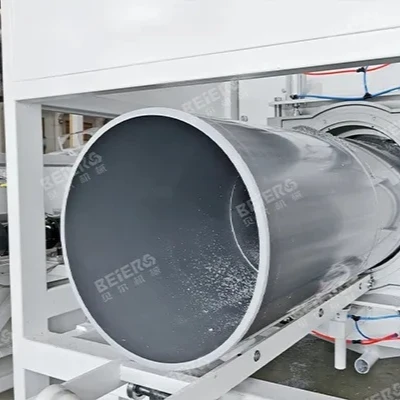
- Shaping: the compound is converted by extrusion, calendaring, injection molding, coating, or blow-related forming routes depending on the product.
Raw feedstocks and auxiliaries
PVC depends not only on the polymer chain itself but also on a substantial additive package. Common auxiliaries include:
- Heat stabilizers for processing and long-term durability.
- Plasticizers for flexible grades.
- Impact modifiers for improved toughness.
- Lubricants and processing aids to improve melt flow and release.
- Fillers and pigments for cost, opacity, color, and performance tailoring.
This additive dependence is one reason PVC is often described as a compoundable system rather than a single fixed material.
Applications and End-Use Markets
PVC is used across many markets because its formulations can be adjusted from rigid to highly flexible forms. The most important end-use sectors are closely linked to specific grades and processing methods.
| Sector | Typical PVC grade | Usual processing route | Common products |
|---|---|---|---|
| Construction | Rigid PVC | Extrusion, calendaring, profile forming | Pipes, fittings, window frames, doors, siding, flooring, roofing sheets. |
| Infrastructure | Rigid PVC | Extrusion | Water, sewage, and drainage pipes; ducting for power and telecom. |
| Electrical and electronics | Flexible and rigid PVC | Extrusion, compounding | Wire and cable insulation, sheathing, appliance parts. |
| Healthcare | Flexible PVC | Compounding, extrusion, tubing conversion | Blood bags, IV bags, tubing, masks, gloves, mattresses. |
| Packaging | Flexible and rigid PVC | Calendaring, extrusion, thermoforming | Blister packs, cling film, labels, trays, bottle sleeves. |
| Consumer goods | Flexible PVC | Extrusion, calendaring, molding | Footwear, rainwear, hoses, mats, inflatable products, synthetic leather. |
| Automotive | Flexible PVC | Compounding, extrusion, coating | Interior trims, cable insulation, underbody coatings. |
| Industrial coatings and fabrics | Flexible PVC | Coating and laminating | Tarpaulins, coated textiles, weather-resistant coverings. |
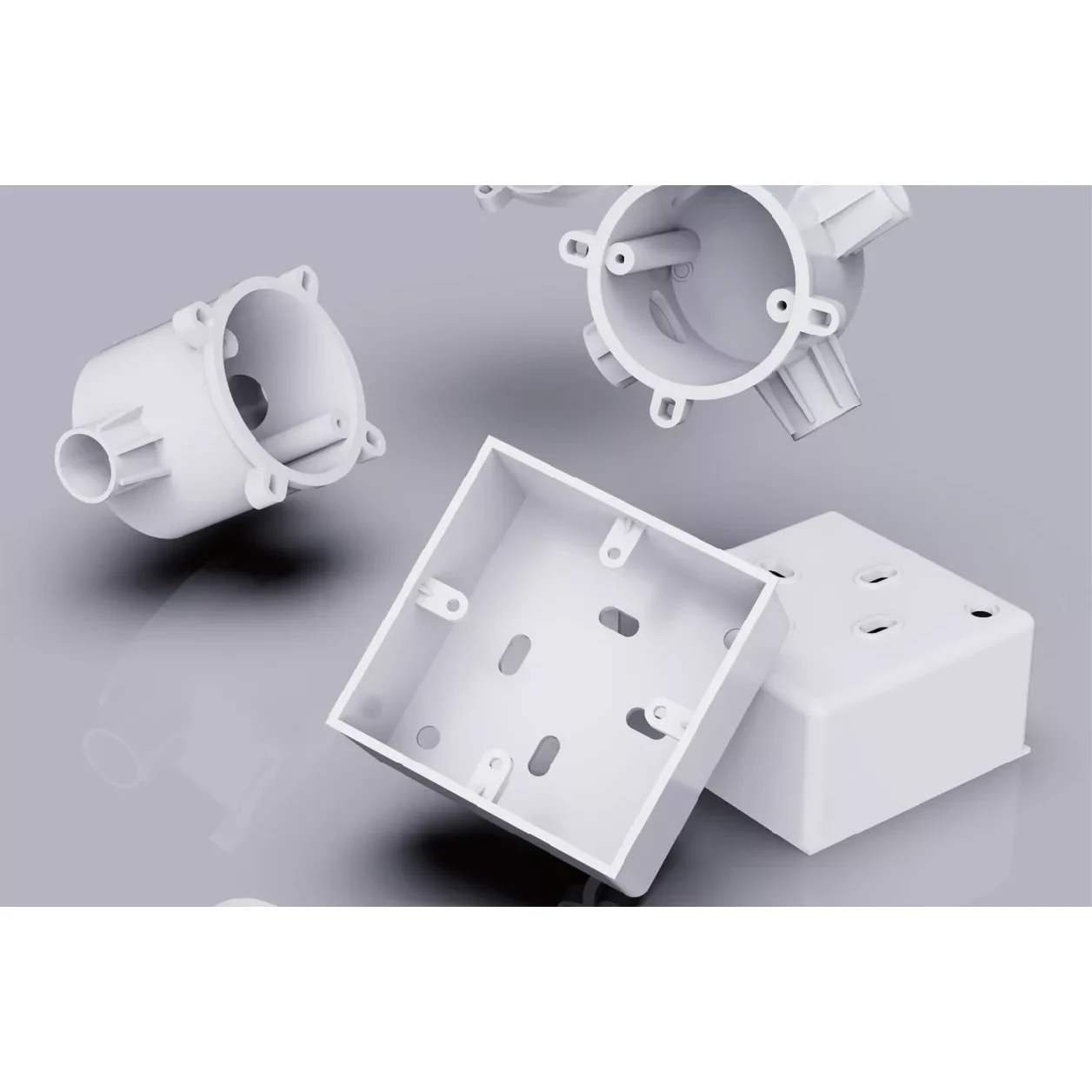
PVC is especially dominant in construction, where its durability, corrosion resistance, and ease of fabrication make it a preferred material for pipes, window profiles, cladding, and flooring. It is also widely used in wire and cable insulation, where dielectric performance and flame resistance are important.
One notable poor-fit use is high-temperature continuous service, because PVC begins to lose stability and can degrade well before the temperature limits typical of engineering thermoplastics. In such uses, polyolefins, fluoropolymers, or higher-temperature engineering plastics are often better choices.
Environmental and Sustainability Aspects
PVC’s environmental profile is mixed. On the positive side, its long service life in infrastructure can reduce replacement frequency, and in many applications it displaces heavier or more energy-intensive materials. Its inherent durability is particularly valuable in pipes and profiles, where long service life can lower total material demand over time.
Recyclability and circularity
PVC can be mechanically recycled in selected waste streams, especially rigid post-industrial and clean post-consumer scrap. However, recycling is complicated by:
- mixed additives and legacy formulations,
- contamination from other polymers,
- the need to manage chlorine content and additive carryover,
- and the difficulty of recovering consistent-quality flexible PVC from heterogeneous waste.
As a result, circularity tends to work best in closed-loop or controlled streams, such as clean pipe offcuts, window-profile scrap, and some industrial trim waste.
Bio-based and lower-carbon options
The PVC value chain is exploring lower-carbon feedstocks, improved energy efficiency in monomer production, and enhanced recycling systems. Bio-attributed or recycled-input strategies may reduce fossil feedstock dependence, but the chemistry and additive complexity of PVC mean that decarbonization often depends as much on collection and compound design as on raw-material substitution.
Environmental concerns
The principal concerns include:
- reliance on chlorine chemistry,
- additive management, especially in flexible formulations,
- thermal degradation risks during processing,
- and emissions or byproducts associated with poor end-of-life handling.
These issues do not eliminate PVC’s utility, but they do shape policy, procurement, and product-design decisions in healthcare, construction, and consumer goods.
Economic and Global Market Impact
PVC remains one of the core high-volume plastics because it combines low material cost with broad applicability and mature processing infrastructure. Industry sources consistently describe it as economical and versatile, which helps explain its large installed base in buildings, pipes, cables, and medical products.
Market position
Recent industry and reference sources indicate that PVC is among the world’s most produced synthetic polymers, often cited as the third-largest after polyethylene and polypropylene. Its scale reflects the enormous demand for construction materials, utility infrastructure, and electrical products, all of which use large volumes of rigid and flexible PVC.
Producers and industry leadership
Global production is geographically dispersed, but several large integrated chemical companies are prominent in the PVC chain through resin capacity, chlorine integration, or compound supply. Leading contributors typically include major producers in Asia, North America, and Europe, with competitiveness driven by feedstock integration, energy cost, environmental compliance, and access to construction markets.
In market terms, the most strategically important segments are:
- pipes and fittings, driven by urban water and sewer investment,
- profiles and building products, tied to housing and renovation,
- wire and cable, linked to electrification and grid expansion,
- and medical disposables, where strict performance consistency is required.
Current Challenges and Innovations
PVC faces a distinctive set of technical and market challenges:
- Thermal stability: processing requires careful stabilization to avoid degradation.
- Additive scrutiny: some legacy plasticizers and stabilizers face regulatory and customer pressure.
- Recycling complexity: mixed formulations limit high-quality recycling in many waste streams.
- Material competition: polyolefins, thermoplastic polyurethanes, and bio-based alternatives compete in flexible applications, while other engineering plastics compete in higher-temperature uses.
Innovation is concentrated in several areas:
- Non-phthalate plasticizers for safer or more acceptable flexible compounds.
- Calcium-zinc and other lower-toxicity stabilizer systems for rigid and flexible products.
- Advanced impact modifiers and processing aids to widen the operating window and improve toughness.
- Design-for-recycling approaches to simplify formulations and improve recoverability.
- Weatherable capstocks and multilayer structures to extend service life in building products.
Future Outlook
PVC is likely to remain a major material in infrastructure, construction, and electrical applications because these markets value its cost-performance balance, durability, and mature supply chain. Its future growth will depend less on basic awareness and more on how well producers and converters solve three issues: cleaner additive systems, better circularity, and lower-carbon production pathways.
The most durable opportunities are expected in:
- water and sanitation infrastructure, where long-life pipe systems remain highly competitive,
- electrification, including cable insulation and energy-system components,
- healthcare disposables, where performance and regulatory compliance dominate,
- and recycling-enabled building products, where controlled end-of-life streams can support material recovery.
PVC’s long-term position will therefore be shaped not only by its inherent material properties, but also by how effectively the industry aligns formulation science, waste management, and climate objectives across the full plastics value chain.
Summary
PVC is a high-volume, highly adaptable thermoplastic whose value comes from the combination of rigid and flexible formulations, strong chemical resistance, excellent electrical insulation, and low cost. Its limitations are equally clear: thermal instability, additive dependence, and recycling complexity. Those strengths and constraints make PVC both indispensable in modern infrastructure and central to ongoing innovation in safer additives, circular design, and lower-carbon plastics production.
References
- •
PVC (Polyvinyl Chloride) and Its Many Uses. (2025, May 5). ThoughtCo. https://www.thoughtco.com/what-is-pvc-plastics-820366Link
- •
Polyvinyl Chloride (PVC) Plastic: Uses, Properties, Benefits ... (2026, April 21). SpecialChem. https://www.specialchem.com/plastics/guide/polyvinyl-chloride-pvc-plasticLink
- •
Polyvinyl chloride. (2001, October 24). Wikipedia. https://en.wikipedia.org/wiki/Polyvinyl_chlorideLink
- •
PVC | Definition, Synthesis, & Uses. (2026, August 10). Britannica. https://www.britannica.com/science/polyvinyl-chlorideLink
- •
Polyvinyl chloride (PVC). (2021, October 27). Plastics Europe. https://plasticseurope.org/plastics-explained/a-large-family/polyvinyl-chloride-pvc/Link
- •
Polyvinyl Chloride (PVC): Properties, Uses and Processing. (2025, July 30). USEON. https://www.useon.com/polyvinyl-chloride/Link
- •
Polyvinyl chloride (PVC). (2024, November 19). Wanplas. https://www.wanplas.com/industry-knowledge/plastic-materials/polyvinyl-chloride-pvc/Link
- •
Polyvinyl chloride | 9002-86-2. (2026, April 24). ChemicalBook. https://www.chemicalbook.com/ChemicalProductProperty_EN_CB8294089.htmLink
- •
Polyvinyl chloride (PVC). (2022, January 20). Plastics Europe. https://plasticseurope.org/plastics-explained/a-large-family/polyvinyl-chloride-pvc-2/Link
- •
Polyvinyl Chloride (PVC). (n.d.). Lenntech. https://www.lenntech.com/polyvinyl-chloride-pvc.htmLink
- •
Polyvinyl chloride (PVC): modification, properties, industrial and ... (n.d.). https://uu.diva-portal.org/smash/get/diva2:2081782/FULLTEXT01.pdfLink
- •
Polychlorure de vinyle. (2004, March 5). Wikipédia. https://fr.wikipedia.org/wiki/Polychlorure_de_vinyleLink
- •
Polyvinyl Chloride PVC. (n.d.). BPF. https://www.bpf.co.uk/plastipedia/polymers/PVC.aspxLink
- •
What is PVC (Polyvinyl Chloride)? (2023, June 16). Essentra Components. https://www.essentracomponents.com/en-us/news/manufacturing/injection-molding/what-is-pvcLink
- •
Polyvinyl chloride: uses and properties. (2022, May 10). PCC Group. https://www.products.pcc.eu/en/blog/polyvinyl-chloride-uses-and-properties/Link
- •
PVC (Polyvinyl Chloride) Material Properties. (2019, February 27). Dielectric Manufacturing. https://dielectricmfg.com/resources/knowledge-base/pvc-polyvinyl-chloride/Link
- •
Polyvinyl Chloride (PVC): Structure, Properties & Uses. (2025, October 7). Vedantu. https://www.vedantu.com/chemistry/polyvinyl-chlorideLink
- •
Polyvinyl chloride (PVC): modification, properties, industrial ... (2026, May 19). SpringerOpen. https://link.springer.com/article/10.1186/s40712-026-00468-zLink
- •
Polyvinyl Chloride - an overview. (n.d.). ScienceDirect. https://www.sciencedirect.com/topics/chemical-engineering/polyvinyl-chlorideLink
- •
Polyvinyl Chloride. (2018, August 18). Encyclopedia.com. https://www.encyclopedia.com/science-and-technology/chemistry/organic-chemistry/polyvinyl-chlorideLink
- •
Polyvinyl Chloride (PVC): Characteristics and Uses. (2025, May 21). Chandra Asri. https://chandra-asri.com/en/blog/polyvinyl-chlorideLink
- •
Characteristics of PVC. (2024, December 30). Study.com. https://study.com/learn/lesson/what-is-polyvinyl-chloride-pvc-structure-uses.htmlLink
- •
Polyvinyl Chloride - an overview. (2007, October 14). ScienceDirect. https://www.sciencedirect.com/topics/materials-science/polyvinyl-chlorideLink
- •
Poly Vinyl Chloride Additives and Applications - A Review. (2022, September 30). https://jracr.com/index.php/jracr/article/download/335/385Link
- •
Comprehensive Guide to Polyvinyl Chloride (PVC). (2025, August 10). Sinda Oil. https://sindaoil.ae/comprehensive-guide-to-polyvinyl-chloride/Link
- •
PVC: What Is It, How Is It Made, and What Is It Used For? (2021, November 30). RugPadUSA. https://www.rugpadusa.com/articles/what-is-pvc-polyvinyl-chlorideLink
- •
PVC. (n.d.). European Commission. https://ec.europa.eu/health/opinions/en/phthalates-school-supplies/glossary/pqrs/pvc.htmLink
- •
PVC: Properties, Preparation, and Uses | PDF. (2025, August 8). Scribd. https://www.scribd.com/document/821027847/Polyvinyl-Chloride-PVC-Definition-Preparation-Properties-and-ApplicationsLink
- •
Glossary: PVC. (n.d.). European Commission. https://ec.europa.eu/health/scientific_committees/opinions_layman/en/phthalates-school-supplies/glossary/pqrs/pvc.htmLink
- •
Polyvinyl Chloride. (2022, October 14). Chemical Safety Facts. https://www.chemicalsafetyfacts.org/chemicals/polyvinyl-chloride/Link
- •
PVC Properties. (2024, October 25). Vinidex. https://www.vinidex.com.au/resources/technical-resources/material-properties/pvc-properties/Link
- •
The Main Applications of PVC. (2024, November 6). POLYPVC. https://www.polypvc.com/news/The-Main-Applications-of-PVC.htmlLink
- •
Exploring PVC: Applications, Benefits, and Properties of Polyvinyl Chloride Plastic. (2024, December 13). UDTECH. https://ud-machine.com/blog/pvc-applications/Link
- •
Poly Vinyl Chloride (PVC) - Uses and Application in Buildings. (2025, March 19). SlideShare. https://www.slideshare.net/slideshow/poly-vinyl-chloride-pvc-uses-and-application-in-buildings/276939526Link
- •
PVC Uses in Everyday Life. (2025, March 13). The Vinyl Institute. https://www.vinylinfo.org/news/pvc-uses-in-everyday-life/Link
- •
PVC's physical properties. (2019, December 12). ECVM. https://pvc.org/about-pvc-old/pvcs-physical-properties/Link