
Introduction
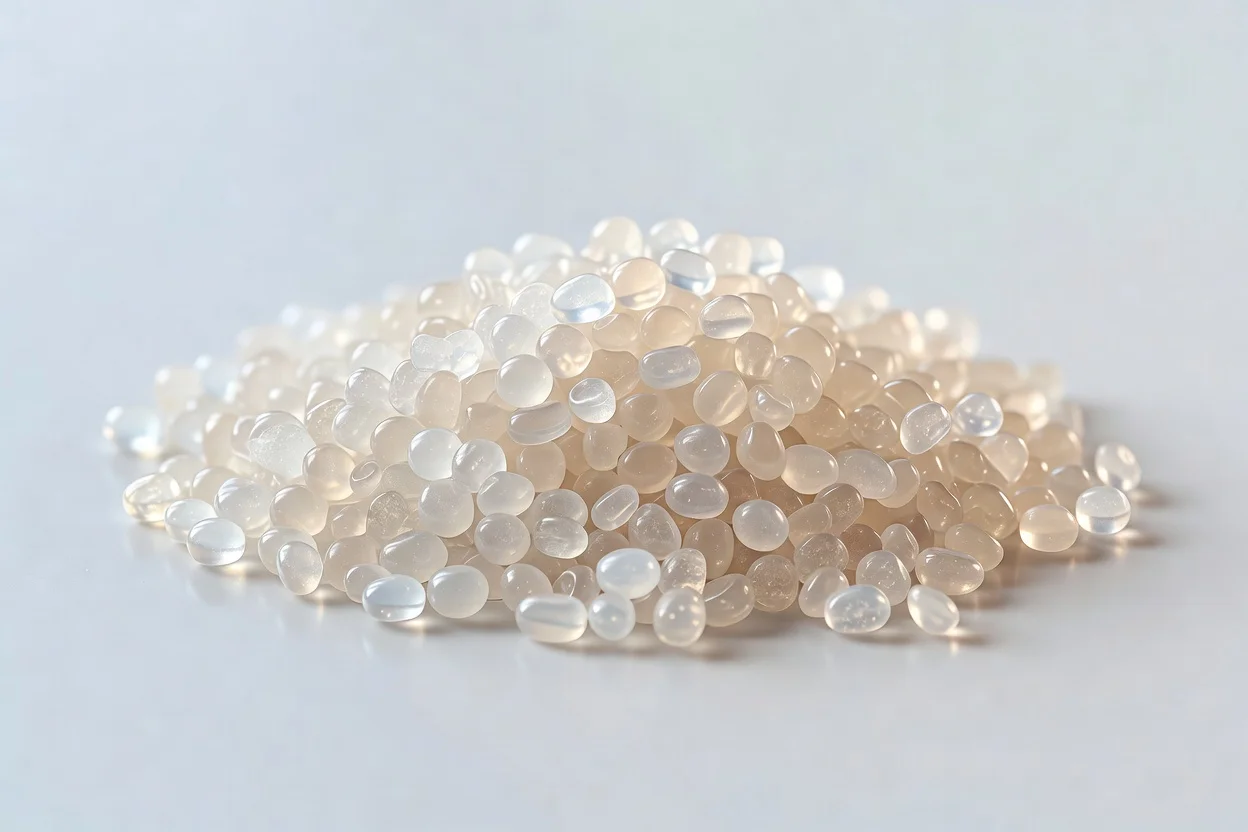
Polyethylene (PE) is the world’s most widely produced thermoplastic polymer and one of the foundational raw materials of the plastics industry. It is made by polymerizing ethylene and is valued for its low cost, chemical resistance, moisture resistance, toughness, electrical insulation, and broad processability across films, bottles, pipes, cable insulation, and many other products.
PE is not a single material but a family of grades whose properties are controlled by chain branching, molecular weight, density, and crystallinity. The main commercial types include low-density polyethylene, linear low-density polyethylene, medium-density polyethylene, high-density polyethylene, ultra-high-molecular-weight polyethylene, and cross-linked polyethylene, each occupying a distinct performance niche. Its dominance is rooted in the combination of abundant ethylene feedstock, mature catalytic and high-pressure production routes, and compatibility with high-volume converting processes such as extrusion, blow molding, injection molding, and rotomolding.
At the same time, PE sits at the center of current plastics sustainability debates. Its low weight and long service life can reduce material use and transport emissions, but its fossil feedstock basis, packaging leakage, and challenges in recycling multilayer or contaminated formats remain major concerns. Innovation is now focused on mechanically and chemically recycled PE, more circular packaging design, bio-based ethylene routes, improved catalysts, and performance upgrades that preserve utility while reducing environmental burden.
History and Development
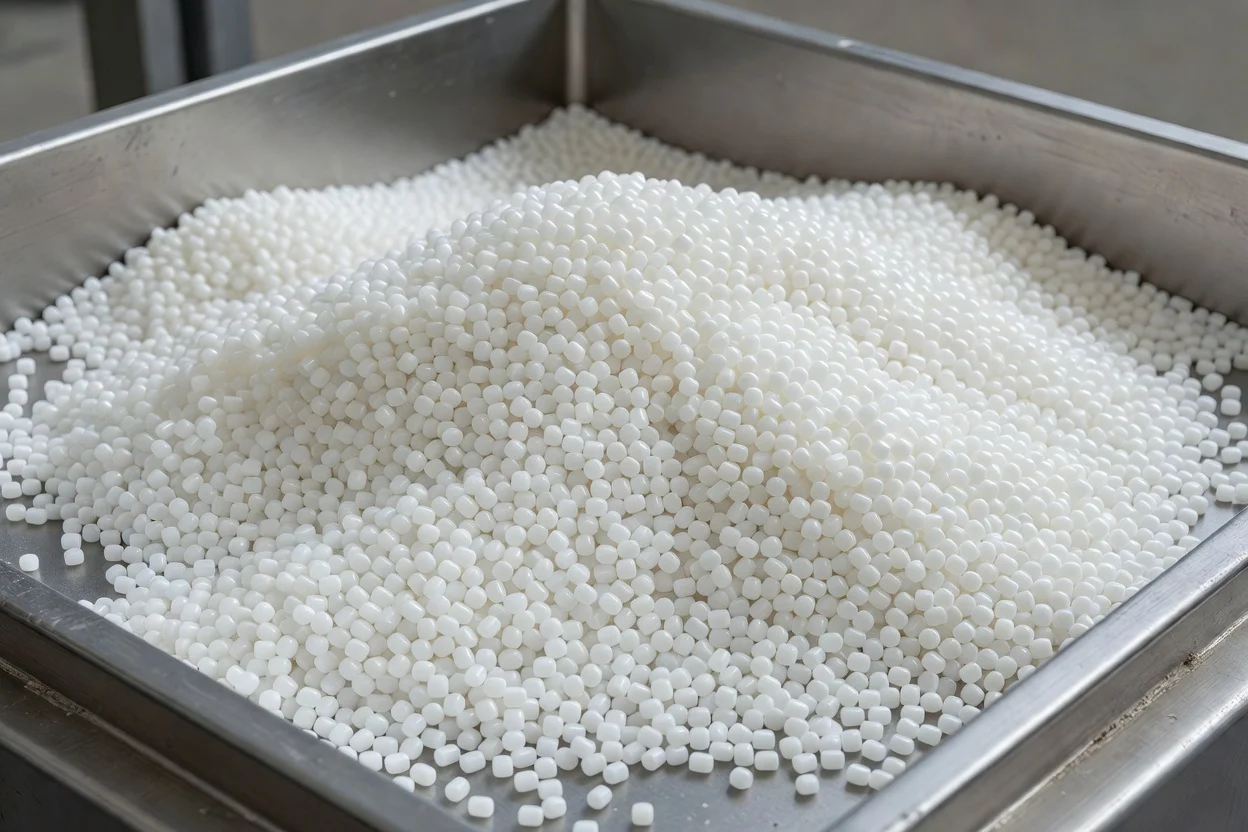
Polyethylene emerged from early 20th-century polymer chemistry and became an industrial material after the development of controlled polymerization technologies. Early commercial PE was produced by high-pressure processes, while later catalytic systems enabled lower-pressure production and the creation of more precisely tailored grades.
The material’s rapid expansion was driven by the postwar growth of packaging, consumer goods, wire and cable, and infrastructure markets. Over time, the industry developed a spectrum of grades ranging from soft, highly flexible LDPE films to stiff HDPE piping materials and exceptionally abrasion-resistant UHMWPE components. This grade diversification is one of the main reasons PE became the largest plastic family by volume.
Chemical Structure and Key Properties
PE is a saturated hydrocarbon polymer consisting only of carbon and hydrogen atoms, which gives it strong chemical inertness and very low polarity. Its performance depends strongly on chain architecture:
| Grade | Structural feature | Typical performance profile | Common use |
|---|---|---|---|
| LDPE | More long-chain branching | Soft, flexible, good clarity, easy sealing | Films, bags, squeeze bottles |
| LLDPE | Linear backbone with short-chain branches | Better puncture and tensile resistance than LDPE | Stretch film, liners, blends |
| MDPE | Intermediate branching/density | Balanced toughness and processability | Gas pipe, some blow molding |
| HDPE | More linear, higher crystallinity | Stiffer, stronger, better chemical resistance | Pipe, containers, caps |
| UHMWPE | Extremely high molecular weight | Exceptional wear resistance, low friction | Liners, bearings, medical and protective uses |
| XLPE | Cross-linked network | Improved heat and creep resistance | Cable insulation, hot-water pipe |
PE’s principal technical advantages are its chemical resistance, moisture resistance, electrical insulation, low density, and ease of processing. Typical density ranges from about 0.91 g/cm³ for LDPE to about 0.97 g/cm³ for HDPE, with melting behavior generally in the 105–135 C range depending on crystallinity and grade.
Two practical limits are especially important:
- Poor oxygen and grease barrier → caused by the nonpolar, relatively open hydrocarbon structure → workaround: multilayer structures, barrier coatings, ethylene vinyl alcohol or polyamide tie layers, metallization, or higher-performance package designs.
- Low surface energy before treatment → caused by the chemically inert, nonpolar surface → workaround: corona treatment, plasma treatment, flame treatment, or primer layers to improve printing, bonding, and coating adhesion.
Other limitations include relatively low service temperature compared with engineering thermoplastics, flammability without formulation changes, and susceptibility to UV degradation unless stabilized with additives such as carbon black or hindered amine light stabilizers.
Production Processes and Raw Feedstocks
Commercial PE is produced from ethylene, which is generally obtained from steam cracking of ethane, naphtha, propane, or other hydrocarbon feedstocks derived from oil and gas systems. The polymerization route depends on the desired grade:
- High-pressure radical polymerization is used mainly for LDPE and creates the long- and short-chain branching that produces flexibility and sealability.
- Catalytic coordination polymerization using Ziegler-Natta, Phillips, or metallocene catalysts is used for HDPE, LLDPE, and many specialty PE grades, allowing tighter control over molecular weight distribution, branching, and comonomer incorporation.
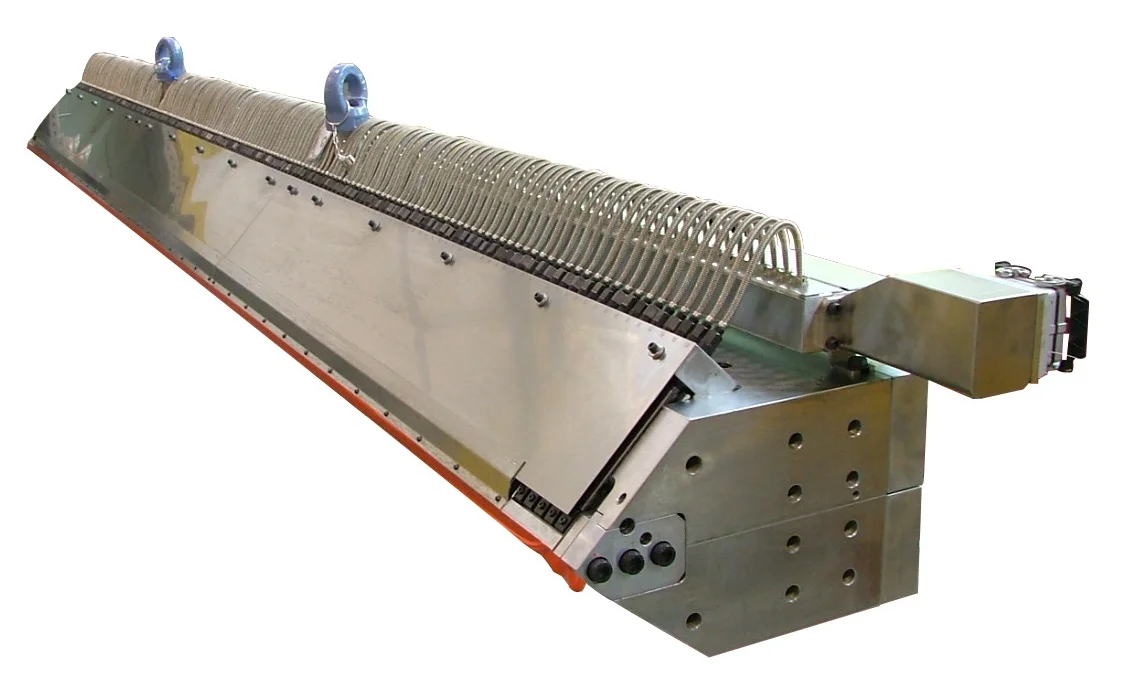
Processing operations are closely tied to resin design. Film grades require stable bubble behavior and tear resistance, pipe grades require long-term hydrostatic strength and slow crack growth resistance, and molding grades require melt flow balance for dimensional accuracy.
Leading global producers typically include major integrated petrochemical groups such as Dow, LyondellBasell, ExxonMobil, SABIC, Borealis, Sinopec, PetroChina, Braskem, and Shell, each contributing large-scale capacity, catalyst know-how, or specialty grade portfolios. Their position in the market reflects both access to ethylene feedstock and the ability to serve high-volume packaging, infrastructure, and industrial markets.
Applications and End-Use Markets
PE is used across nearly every major plastics-consuming sector because different grades can be matched to different process routes and performance targets.
| End-use sector | Common PE grade | Usual process | Why PE fits |
|---|---|---|---|
| Flexible packaging | LDPE, LLDPE | Film extrusion, lamination, sealing | Flexibility, toughness, low cost |
| Rigid packaging | HDPE | Blow molding, injection molding | Chemical resistance, stiffness, impact resistance |
| Bottles and closures | HDPE | Blow molding, injection molding | Lightweight, durable, moisture resistant |
| Pipe and fittings | HDPE, MDPE, XLPE | Extrusion, cross-linking | Pressure resistance, toughness, corrosion resistance |
| Cable and wire | LDPE, HDPE, XLPE | Insulation extrusion | Electrical insulation, dielectric performance |
| Agriculture | LDPE, LLDPE, HDPE | Film blowing, extrusion | Mulch films, silage wraps, irrigation systems |
| Construction and civil works | HDPE | Sheet extrusion, geomembrane production | Damp-proofing, landfill liners, moisture barriers |
| Rotomolding | HDPE | Rotational molding | Large hollow parts, tanks, containers |
| Wear and medical components | UHMWPE | Compression molding, machining, fiber spinning | Low friction, abrasion resistance, toughness |
| Cross-linked systems | XLPE | Cross-linking after extrusion or irradiation | Heat and creep resistance |
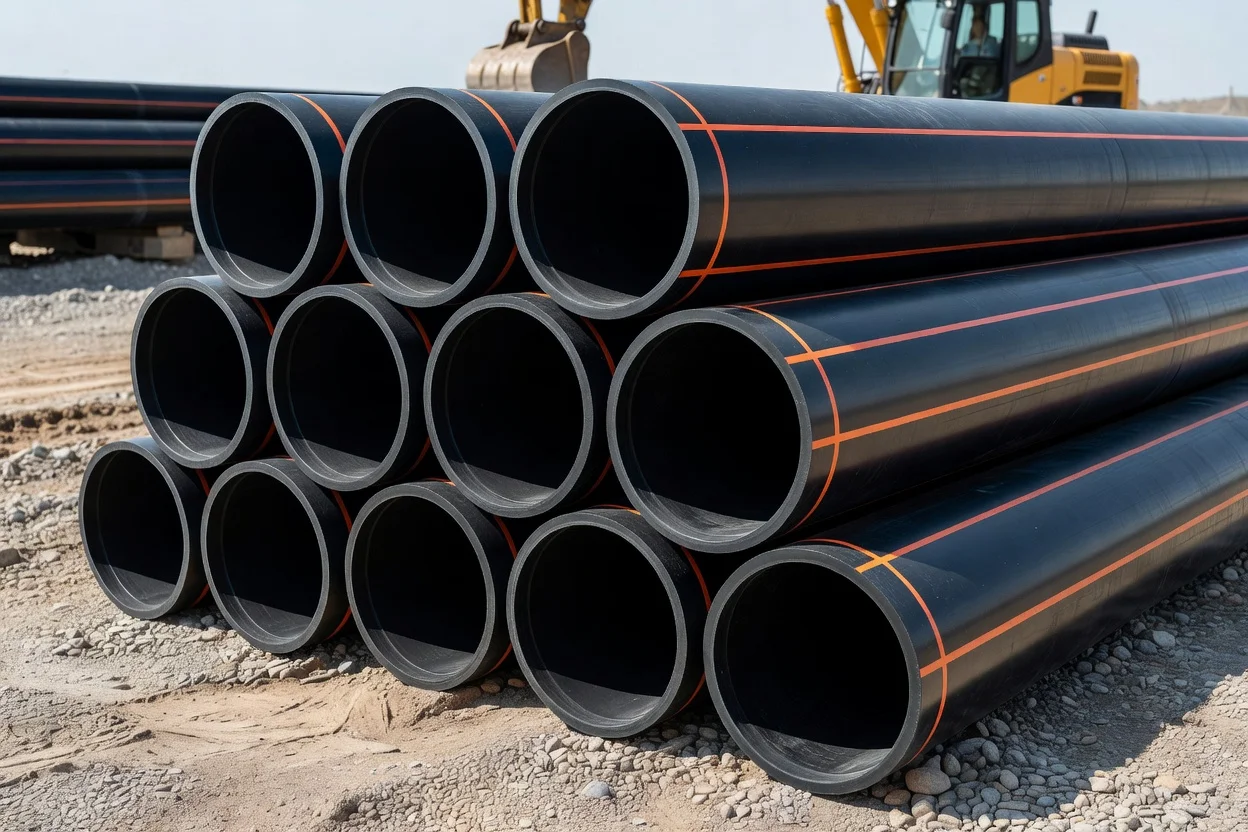
PE is especially important in film packaging, where LDPE and LLDPE dominate flexible wraps, bags, liners, and stretch film; in pipe, where HDPE and MDPE serve potable water, gas distribution, and drainage; and in electrical cable, where PE-based insulation offers low dielectric loss and moisture resistance. HDPE is also widely used in blow-molded bottles, drums, caps, and industrial containers, while UHMWPE is reserved for high-wear industrial parts and certain orthopedic or ballistic applications.
A comparatively poor-fit use is high-temperature structural components, because PE softens at temperatures that are too low for many engineering applications unless it is cross-linked or heavily reinforced.
Environmental and Sustainability Aspects
PE is technically attractive for lightweighting, durability, and corrosion resistance, but its sustainability profile depends heavily on application design and end-of-life management.
Key points include:
- Recyclability: PE is widely recyclable in principle, especially HDPE and some LDPE/LLDPE streams, but actual recycling performance is constrained by contamination, sorting complexity, colorants, multilayer structures, and film collection rates.
- Mechanical recycling: The dominant route for post-consumer PE, though repeated reprocessing can reduce molecular weight and mechanical performance, often requiring blend optimization or stabilizers.
- Chemical recycling and upcycling: Research is advancing on deconstruction, catalytic transformation, and biorecycling routes for PE, especially for hard-to-recycle waste streams.
- Bio-based alternatives: Bio-ethylene derived from bioethanol can yield bio-based PE that is chemically identical to fossil PE, which helps reduce fossil feedstock dependence without changing processing behavior.
- Carbon footprint: Life-cycle impacts are strongly influenced by feedstock source, energy mix, conversion efficiency, logistics, and recovery rates; packaging systems with high reuse or recycling rates often perform better than single-use designs.
A central sustainability challenge is that PE’s very success in low-cost, high-volume packaging also produces large waste volumes. As a result, the industry is increasingly focused on mono-material designs, downgauging, improved collection infrastructure, and compatibility with mechanical recycling systems.
Economic and Global Market Impact
PE is a major commodity polymer with exceptionally large global production volumes, and its market strongly influences petrochemical margins, packaging costs, and downstream industrial pricing. Demand is led by packaging, construction, infrastructure, agriculture, and consumer products, making PE one of the most economically important materials in the global polymers market.
Market dynamics are shaped by:
- Ethylene prices and feedstock availability
- Regional capacity additions and trade flows
- Packaging demand growth
- Infrastructure investment in water and gas distribution
- Regulatory pressure on single-use plastics and recycling content
Integrated producers with advantaged feedstocks and large-scale polymerization assets tend to be the most competitive, especially in commodity grades. Specialty suppliers differentiate through catalyst technology, narrow molecular weight distributions, enhanced film performance, or pipe-grade long-term durability.
Current Challenges and Innovations
The main technical and industrial challenges for PE are well established:
- Barrier performance remains limited in oxygen-sensitive packaging.
- Surface adhesion is weak without treatment.
- Recycling quality is undermined by mixed waste streams and additive carryover.
- Outdoor durability requires UV stabilization.
- Heat resistance is lower than that of many engineering plastics.
Innovation is concentrated in several areas:
- Metallocene LLDPE and advanced catalyst systems for stronger, thinner films with better puncture resistance.
- Pipe-grade HDPE with improved slow crack growth resistance and longer service life.
- Cross-linking technologies for enhanced thermal and creep performance in cable and plumbing.
- Compatibilizers and additives, such as antioxidants at roughly 200–1,000 ppm in many formulations, which help control oxidative degradation during processing and service.
- Circular design, including mono-material barrier packaging and improved wash-and-sort compatibility.
- Recycled-content integration, where manufacturers are developing property-retention strategies to use higher amounts of mechanically recycled PE.
A practical example is the use of carbon black in outdoor HDPE products, typically around 2–3 percent in certain applications, where it functions as a UV absorber and barrier to light-driven degradation. Another example is the use of antioxidant packages in extrusion grades, where primary and secondary antioxidants reduce chain scission during melt processing and extend service life.
Future Outlook
PE is likely to remain a dominant plastic family because its cost, processability, and performance remain difficult to match across such a wide range of applications. Future growth is expected to be shaped less by basic material discovery than by feedstock decarbonization, circularity, and performance optimization.
The most important development paths are:
- higher recycled content in packaging and durable goods,
- more efficient sorting and recycling systems,
- expanded use of bio-based ethylene,
- stronger mono-material barrier solutions,
- lower-energy catalyst and process technologies,
- longer-life infrastructure grades for pipes and cables.
In structural terms, PE is mature technology, but its role in the plastics economy is still evolving. The central challenge is to preserve the material’s economic and technical advantages while reducing leakage, emissions, and dependence on virgin fossil feedstocks.
Summary
Polyethylene is a versatile, high-volume thermoplastic family built from ethylene and used in packaging, pipe, cable, construction, agriculture, and many industrial applications. Its success comes from tunable molecular architecture, low cost, broad processability, and strong chemical and moisture resistance, while its main limitations are barrier performance, surface adhesion, heat resistance, and end-of-life management.
References
- •
Polyethylene (PE). (2025, November 28). Britannica. https://www.britannica.com/science/polyethyleneLink
- •
Polyethylene. (2002, August 29). Wikipedia. https://en.wikipedia.org/wiki/PolyethyleneLink
- •
Polyethylene(PE) - monomer, types, properties and applications. (2024, January 23). GeeksforGeeks. https://www.geeksforgeeks.org/chemistry/polyethylene/Link
- •
Polyethylene - an overview. (n.d.). ScienceDirect. https://www.sciencedirect.com/topics/materials-science/polyethyleneLink
- •
Polyethylene (PE): Types, applications and processing. (2024, July 3). USEON. https://www.useon.com/polyethylene/Link
- •
Polyethylene (PE): Properties, types, grades & industrial applications. (2026, August 6). Shobeir Shimi. https://shobeirshimi.com/polyethylene-pe/Link
- •
Properties and uses of polyethylene in industry and in households. (2022, May 11). PCC Group. https://www.products.pcc.eu/en/blog/properties-and-uses-of-polyethylene-in-industry-and-in-households/Link
- •
Introductory chapter: Polyethylene – its properties and application. (2024, March 20). IntechOpen. https://www.intechopen.com/chapters/1157745Link
- •
Polyethylene (PE). (n.d.). BYU-Idaho. https://books.byui.edu/plastics_materials_a/polyethylene_peLink
- •
What is polyethylene? Properties, types & uses. (2026, March 24). UDTECH. https://ud-machine.com/blog/what-is-polyethylene/Link
- •
What is PE plastic? Properties, types, uses, advantages, and ... (2025, March 12). BAG Glove. https://www.bagglove.com/what-is-pe-plastic/Link
- •
What is polyethylene (PE)? — Material properties ... (2025, December 29). Langhe Industry. https://langhe-industry.com/what-is-polyethylene-pe/Link
- •
Polyethylene: Definition, properties, and uses. (2022, August 15). Xometry. https://www.xometry.com/resources/materials/polyethylene/Link
- •
Polyethylene structure & uses - lesson. (2016, March 14). Study.com. https://study.com/learn/lesson/what-is-polyethylene.htmlLink
- •
Polyethylene (high density) HDPE. (n.d.). British Plastics Federation. https://www.bpf.co.uk/plastipedia/polymers/HDPE.aspxLink
- •
What is polyethylene: Properties, benefits, and key uses. (2023, March 12). National Tank Outlet. https://www.ntotank.com/blog/what-is-polyethyleneLink
- •
Material properties of polyethylene (PE). (2019, February 27). Dielectric Manufacturing. https://dielectricmfg.com/resources/knowledge-base/polyethylene/Link
- •
Complete guide to polyethylene (PE) - types, grades ... (n.d.). Colorado Sun Inc. https://resources.coloradosuninc.com/guides/polyethylene/complete-guide-to-polyethylene-pe/Link
- •
Polyethylene properties. (2026, August 26). Shell Polymers. https://www.shell.us/business/sectors/shell-polymers/polyethylene-properties.htmlLink
- •
Practical guide to polyethylene. (2024, June 12). ChemTec Publishing. https://chemtec.org/products/978-1-85957-493-5Link
- •
Polyethylene. (2015, October 27). ScienceDirect. https://www.sciencedirect.com/topics/chemical-engineering/polyethyleneLink
- •
Polyethylene (PE): How to select the right grade? (2025, July 9). SpecialChem. https://www.specialchem.com/plastics/guide/polyethylene-plasticLink
- •
Polyethylene - an overview. (n.d.). ScienceDirect. https://www.sciencedirect.com/topics/physics-and-astronomy/polyethyleneLink
- •
Polyethylene (PE): The complete guide to types, properties ... (2026, August 17). Nowfelfzc. https://nowfelfzc.com/polyethylene/Link
- •
Polyethylene summary. (n.d.). Britannica. https://www.britannica.com/summary/polyethyleneLink
- •
2.) Catalytic polymerization. (2026, March 30). Scribd. https://www.scribd.com/document/964772278/Polyethylene-Detailed-Presentation-PDFFLink
- •
The fundamentals of polyethylene – part 1: The basics. (2026, May 1). Plastics Technology. https://www.ptonline.com/articles/part-one-the-fundamentals-of-polyethyleneLink
- •
Polyethylenes: A vital recyclable polymer. (2022, March 8). IntechOpen. https://www.intechopen.com/chapters/80784Link
- •
Polyethylene (PE) - properties, uses & application | PDF. (n.d.). Scribd. https://www.scribd.com/document/618189176/Polyethylene-PE-Properties-Uses-ApplicationLink
- •
Polyethylene. (2007, May 15). Simple English Wikipedia. https://simple.wikipedia.org/wiki/PolyethyleneLink
- •
Polyethylene: Properties, production and applications. (2021, December 12). IEEE. https://ieeexplore.ieee.org/document/9695646/Link
- •
Polyethylene. (n.d.). PubChem. https://pubchem.ncbi.nlm.nih.gov/compound/PolyethyleneLink
- •
Guide to polyethylene packaging material. (2024, November 29). ICPG. https://blog.icpg.co/exploring-your-packaging-materials-polyethyleneLink
- •
Biorecycling of polyethylene (PE): An integrated effort in ... (2025, November 10). PMC. https://pmc.ncbi.nlm.nih.gov/articles/PMC12640910/Link
- •
Packaging materials 101: Polyethylene, polypropylene, and more. (2025, February 6). Redi-Bag. https://www.redi-bag.com/packaging-materials-101-polyethylene-polypropylene-guide/Link
- •
Polyethylene: Comprehensive analysis of molecular structure, ... (n.d.). Eureka. https://eureka.patsnap.com/materials/polyethylene-synthesis-applicationsLink
- •
Synthesis and deconstruction of polyethylene-type materials. (2024, February 26). ACS. https://pubs.acs.org/doi/10.1021/acs.chemrev.3c00587Link
- •
Polyethylene. (2023, March 6). EBSCO. https://www.ebsco.com/research-starters/chemistry/polyethyleneLink
- •
Environmental toxicity and decomposition of polyethylene. (n.d.). ScienceDirect. https://www.sciencedirect.com/science/article/pii/S0147651322007734Link
- •
What is PE film? Types, properties & uses. (2024, March 14). CloudFilm. https://www.cloudflexfilm.com/what-is-pe-film-the-ultimate-guide/Link
- •
What are polyethylene plastics: HDPE vs. LDPE. (2023, May 9). Designetics. https://designetics.com/resources/blog/what-are-polyethylene-plastics-types-differences-usesLink