
Introduction
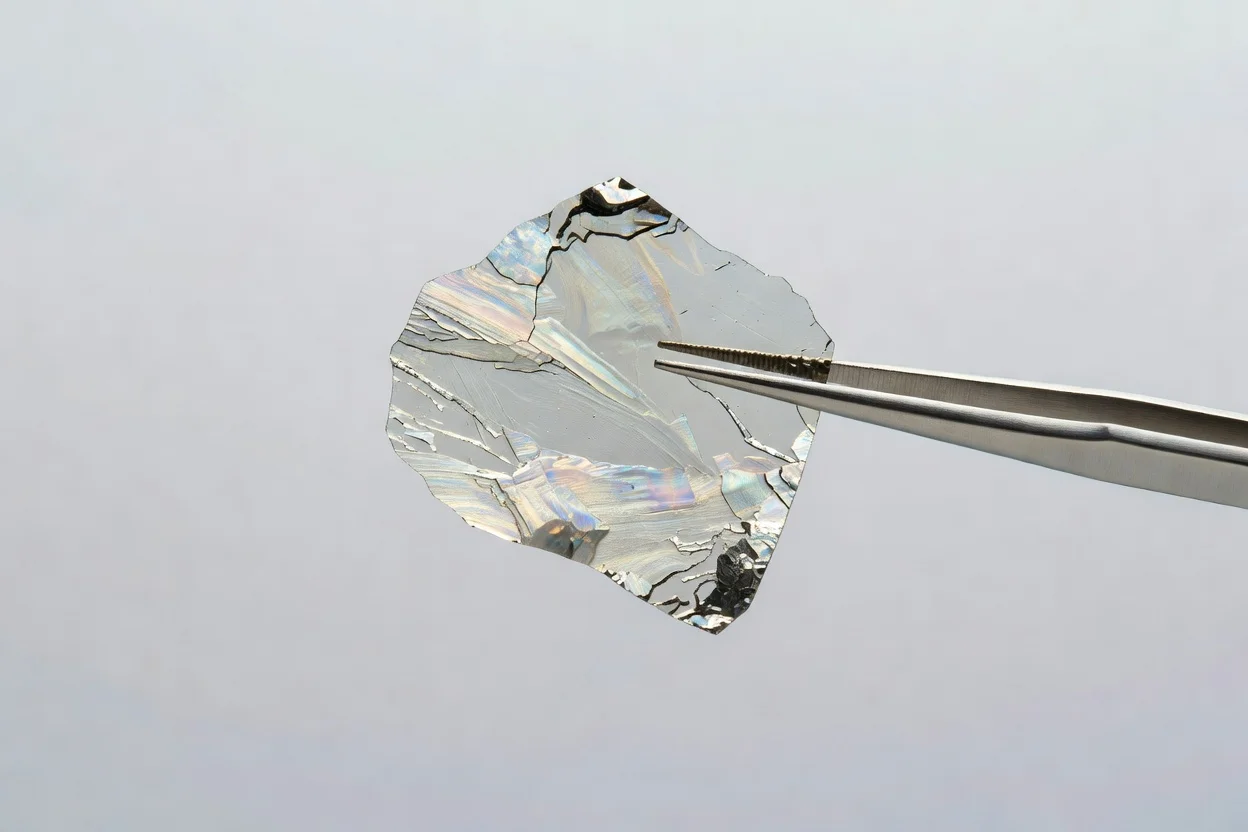
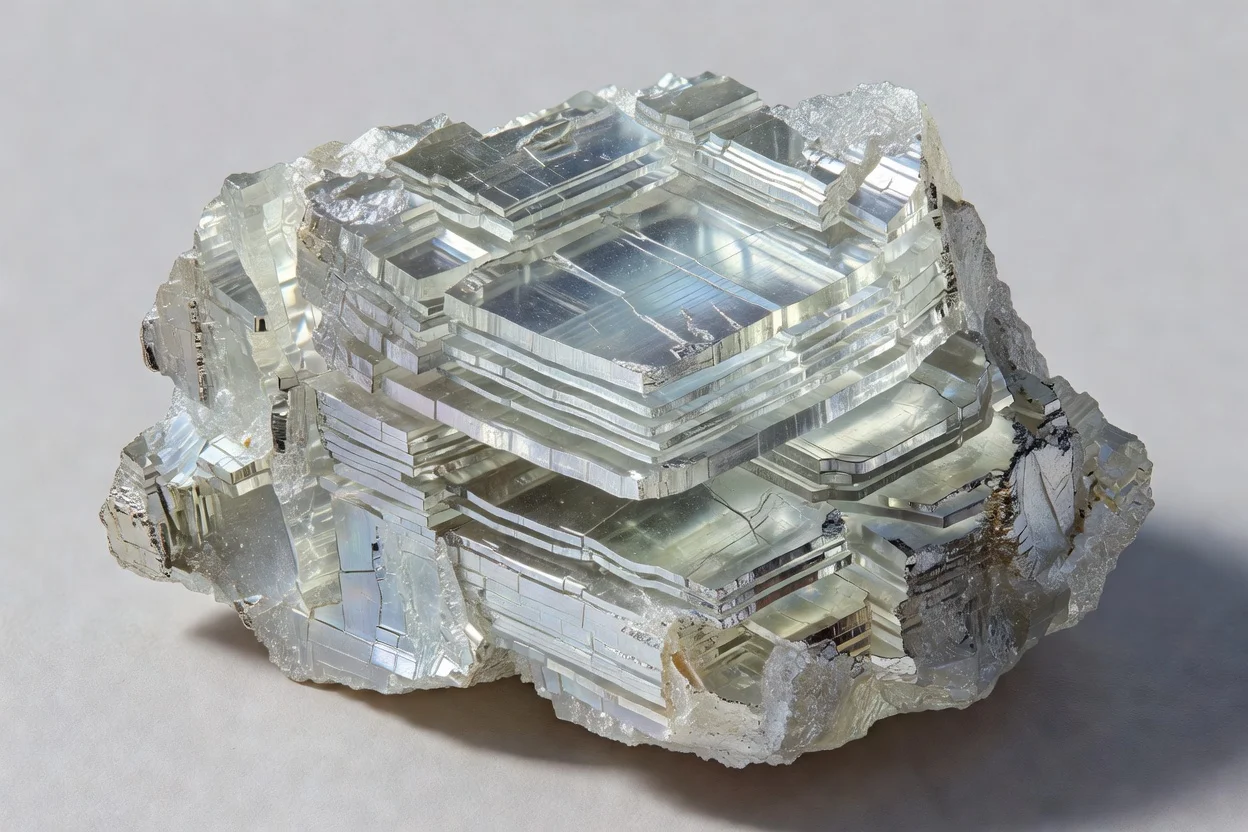
Mica is a group of layered silicate minerals distinguished by perfect basal cleavage, allowing them to split into thin, flexible, often transparent sheets. In the plastics industry, mica is valued less as a structural polymer ingredient than as a functional mineral filler and reinforcing additive that improves stiffness, dimensional stability, heat resistance, barrier performance, and surface appearance in selected formulations.
Mica occupies a distinctive place in the plastics value chain because it bridges several industries at once: it is mined and processed as a mineral raw material, milled into grades for compounding, and then incorporated into plastics, rubber, coatings, construction products, and electrical insulation systems. Its most important commercial forms include sheet mica, ground mica, and processed mica flakes or powders, with muscovite, phlogopite, biotite, and lepidolite among the better-known mineral species.
From a technical perspective, mica’s appeal comes from its platy morphology, high aspect ratio, chemical inertness, thermal stability, and electrical insulating behavior. These features make it especially useful in engineered plastics, where aligned platelet fillers can increase stiffness and reduce warpage, while also improving heat deflection performance and, in some cases, lowering permeability.
At the same time, mica has limitations. Its platelet-based reinforcement works best when particles are well dispersed and oriented, which means poor dispersion → stress concentrations and weaker mechanical gains → use of surface treatment, careful compounding, and optimized particle-size distribution. Another important limitation is that mica is not a universal barrier filler → it can improve tortuous-path diffusion, but it does not match dedicated barrier polymers or metalized structures for oxygen-sensitive packaging → it is therefore used mainly in technical plastics rather than demanding food-packaging barrier layers.
Mica’s broader history spans early ornamental and insulating uses to modern industrial compounding, and its future is likely to be shaped by lightweighting in transportation, electrification, fire safety requirements, and continued demand for mineral-based fillers that balance cost with performance. Sustainability debates, however, remain central, since mica is mined from finite geological deposits and must compete with recycled mineral streams, synthetic platelets, and bio-based or lower-carbon composite strategies.
History and development
Mica has been used for centuries because it occurs naturally in thin, separable sheets that can function as transparent windows, heat-resistant panels, and insulating inserts. Historical uses included “Muscovy glass” for windows and later specialty electrical applications where its dielectric strength and thermal resistance became particularly valuable.
With the rise of electrification in the 19th and 20th centuries, mica became a strategic insulating material for capacitors, commutators, electrical heating devices, and high-temperature equipment. As plastics developed, the material’s role expanded from sheet products into ground mica for compounding, coatings, and construction materials.
In contemporary industry, mica is especially associated with functional fillers in polymers, paints, joint compounds, and technical ceramics, while sheet mica remains relevant in niche high-temperature electrical applications. The industry also includes extensive trade in processed grades, with milling and classification now often more important than the mine product itself.
Chemical structure and key properties
Mica is a phyllosilicate mineral group made of layered sheets that cleave readily into thin lamellae. The individual minerals vary in composition, with muscovite being potassium-rich and phlogopite containing more magnesium; other mica species may contain iron, lithium, chromium, or fluorine.
Key technical properties
| Property | Industrial relevance |
|---|---|
| Layered, platy structure | Promotes reinforcement, dimensional stability, and anisotropic property control |
| High dielectric strength | Supports electrical insulation applications |
| Thermal stability | Useful in heat-resistant plastics and electrical systems |
| Chemical inertness | Improves durability in aggressive environments |
| Elastic, flexible sheets | Important for sheet mica and insulation products |
| Optical reflectivity | Creates pearlescence and shimmer in coatings and cosmetics; less central in plastics |
Mica is widely described as heat resistant, electrically insulating, and chemically stable, which explains its use in insulating materials and technical formulations.
A practical limitation is that mica’s reinforcement is not isotropic → its platelet shape gives direction-dependent properties → processors often rely on high-shear compounding, coupling agents, or surface-treated grades to improve dispersion and matrix adhesion. In filled thermoplastics, the benefit depends heavily on particle size, loading, aspect ratio, and orientation during molding.
In plastics, mica commonly functions as:
- A reinforcing filler in polypropylene, nylon, and engineering plastics
- A dimensional-stability additive for molded parts
- A heat-resistance enhancer in electrical housings and appliance components
- A cost-performance extender where mineral filler can reduce resin usage without severe property loss
- A barrier-improving platelet filler in select films and molded parts, though not a substitute for dedicated packaging barriers
Typical loading levels vary by application, but mineral-filled plastics commonly use roughly 5% to 40% mica by weight depending on the target balance of stiffness, impact, and processability. Lower loadings favor molded parts with modest reinforcement, while higher loadings are used when stiffness and heat resistance matter more than impact toughness.
Production processes and raw feedstocks
Mica is obtained from natural deposits, with extraction and upgrading tailored to the intended end use. According to industry descriptions, mica is mined in more than 35 countries, and the global industry includes both sheet mica and ground mica supply chains.
Main production route
- Mining and beneficiation
- Ore is extracted from pegmatite or other mica-bearing deposits.
- The material is sorted to separate sheet-quality flakes from lower-grade mineral fractions.
- Processing
- Sheet mica may be trimmed, split, and graded for electrical and thermal insulation uses.
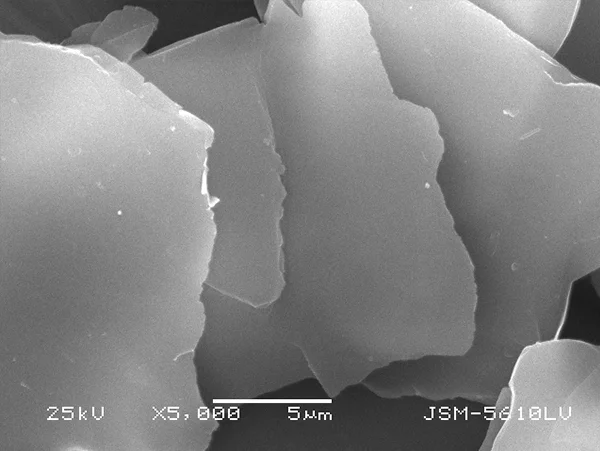
- Lower-grade material is crushed, ground, and classified into powders or flakes for fillers and coatings.
- Surface treatment and compounding
- In plastics, mica is often compounded with coupling agents or functional additives to improve compatibility with the polymer matrix.
- Well-controlled dispersion is essential because agglomerates can reduce toughness and surface quality.
Feedstock and grade considerations
- Sheet mica: highest value; used in demanding insulation applications
- Ground mica: most common industrial form; used in plastics, paints, construction materials, and drilling products
- Flake mica: often chosen for barrier and reinforcement effects
- Ultrafine grades: favored where surface finish and dispersion matter
One important process limitation is that mica is a mined mineral → supply and quality can vary by deposit → processors often need blending, beneficiation, and strict incoming-quality control to achieve consistent plate morphology and color.
Applications and end-use markets
Mica’s strongest plastics-related role is as a functional filler rather than a primary ingredient. It is used when formulators want a balance of stiffness, heat resistance, and dimensional control rather than maximum impact toughness.
| End-use sector | Typical mica form | Usual polymer/process context | Primary function |
|---|---|---|---|
| Automotive | Ground mica, treated flakes | Polypropylene, nylon, engineering plastics; injection molding | Stiffness, heat resistance, dimensional stability |
| Electrical and electronics | Sheet mica, fine ground mica | Insulating parts, cable accessories, appliance components | Dielectric and thermal insulation |
| Construction | Ground mica | Joint compounds, wallboard, sealants, coatings, some plastic building products | Crack resistance, workability, reinforcement |
| Appliance and consumer durables | Ground mica | Molded thermoplastics | Heat resistance, part rigidity |
| Coatings and inks | Fine mica flakes | Paints, protective coatings | Platelet barrier and visual effect |
| Oil and gas | Ground mica | Drilling muds | Loss circulation control |
| Specialty composites | Treated mica | Thermoplastics and thermosets | Balance of stiffness, heat resistance, cost control |
In plastics and composites
Mica is used in molded plastics as an extender, reinforcing filler, and heat-stability enhancer. Its platelet shape can improve flexural modulus and reduce shrinkage, which is particularly useful in parts requiring tight dimensional tolerances. Common applications include appliance housings, under-the-hood automotive parts, electrical enclosures, and selected structural components.

A practical processing example is a polyamide or polypropylene compound containing around 10% to 30% mica, where the mineral raises stiffness and helps control warpage during injection molding. The mechanism is mainly physical: the platy particles restrict polymer chain mobility and create a tortuous path for deformation and heat flow.
One poor-fit use
Mica is a poor fit for highly impact-loaded transparent packaging films, because platelet fillers can reduce clarity and toughness, and the material does not provide the combination of sealability, optical quality, and high-speed film processing needed there. For such uses, formulators usually prefer specialized polymers, impact modifiers, or barrier multilayer structures.
Electrical and thermal insulation
Mica is one of the best-known mineral insulators because it resists electrical breakdown and retains performance at high temperature. Sheet mica is used in high-voltage and high-heat electrical assemblies, while processed mica also appears in insulating boards, lamination systems, and niche aerospace or transport applications.
Coatings, paints, and pigments
Although not a plastic application in the strict sense, coatings are important to the mica economy. Ground mica acts as a pigment extender and anti-settling additive, and its platelet structure improves film integrity and durability. These same morphology-based benefits explain its usefulness in polymer coatings and plastic masterbatches.
Environmental and sustainability aspects
Mica is a natural mineral, so it is not polymerized from petrochemical feedstocks, but its sustainability profile is still complex because mining, milling, transport, and land disturbance all carry environmental impacts.
Recyclability and circularity
- Mica itself is not recycled in the same way as polymers, but mineral-filled plastics can often be mechanically recycled if the base polymer stream remains compatible.
- In practice, filler-containing recyclate may have altered mechanical properties and color, so it is usually reused in lower-value applications.
- Mica can support lightweighting and part consolidation, which may reduce total material use in some applications.
Carbon footprint considerations
The carbon footprint of mica depends heavily on mining intensity, beneficiation energy, and transport distance. Because mica is a high-density mineral, logistics can contribute meaningfully to its embedded emissions. Processing efficiency and regional sourcing are therefore important levers for reducing impact.
Bio-based and lower-impact alternatives
Mica competes with:
- Other mineral fillers such as talc, calcium carbonate, and wollastonite
- Synthetic platelets such as glass flakes
- Bio-based or recycled composite strategies in which the filler package is reduced or replaced
Mica remains attractive where a particular combination of platelet morphology, dielectric behavior, and cost is needed, but sustainability-focused formulation increasingly favors minimum-effective loading, recycled polymer matrices, and optimized local sourcing.
Responsible sourcing
Mica also carries a wider ethical and governance dimension because mining operations vary significantly by region and supply chain. For industrial users, traceability and responsible sourcing are now major procurement considerations alongside performance and price.
Economic and global market impact
Mica is a globally traded industrial mineral with a diversified end-use base. According to one industry source, the electronics sector is the largest user, accounting for about 26% of mined mica, followed by paints, pigments, and inks at about 24%, and cosmetics and personal care at about 18%.
For plastics manufacturers, the economic importance of mica lies in its ability to improve performance at relatively modest cost, especially in filled polypropylene, nylon, and appliance-grade compounds. Its value proposition is strongest where it can reduce warpage, improve heat resistance, and support molding productivity without the premium of higher-cost specialty reinforcements.
Global supply is shaped by mine geography, beneficiation capacity, and product grading. Leading commercial producers vary by segment, but the supply chain typically includes mining regions, milling and classification hubs, and compounders that incorporate mica into finished formulations for regional plastics markets. The most competitive suppliers tend to be those that can provide narrow particle-size distributions, color consistency, and application-specific surface treatment.
Current challenges and innovations
Main challenges
- Dispersion control: agglomeration reduces reinforcement efficiency and surface quality
- Impact trade-off: stiffness gains can come at the expense of toughness
- Color and purity variability: natural-origin variability can affect appearance-sensitive products
- Supply chain traceability: mineral sourcing requires stronger auditing and documentation
- Performance ceiling: mica improves several properties, but it does not replace high-end fibers or barrier polymers in demanding structural or packaging uses
Innovations
- Surface-treated mica to improve adhesion with nonpolar polyolefins and polar engineering resins
- Narrow-graded platelet products for better process consistency
- Hybrid filler systems combining mica with glass fiber, talc, or impact modifiers
- Low-dust formats that improve plant handling and worker exposure control
- Functional masterbatches for easier dosing and more uniform compounding
A concrete formulation example is a mica-filled polypropylene appliance housing using a coupling strategy to improve interfacial bonding. The mechanism is straightforward: improved polymer–platelet adhesion transfers stress more effectively, which raises stiffness and lowers shrinkage without requiring very high filler loading.
Future outlook
Mica is likely to remain important in plastics where heat resistance, dimensional stability, and electrical insulation matter more than impact toughness or optical clarity. Demand should stay resilient in appliances, mobility, electrification, and technical construction products, especially as manufacturers seek cost-effective alternatives to more expensive reinforcement systems.
The most promising growth areas are likely to be:
- Electrified transportation and battery-adjacent insulation components
- Heat-resistant molded parts for appliances and electronics
- Lightweight, dimensionally stable engineering plastics
- Sustainable compounding systems that reduce resin use and improve recyclability compatibility
Future progress will depend on better sourcing transparency, lower-impact mining and milling, and more sophisticated filler engineering. In plastics, the strongest value for mica will come from formulations that use just enough platelet structure to solve a specific design problem, rather than treating the mineral as a generic extender.
Summary
Mica is a layered silicate mineral valued in plastics primarily as a functional mineral filler. Its platy structure, electrical insulation, thermal stability, and chemical inertness make it useful in technical thermoplastics, electrical components, coatings, and construction-related compounds, while its limitations include dispersion sensitivity, impact trade-offs, and variable natural supply.
References
- •
Mica. (n.d.). CTPA. https://www.ctpa.org.uk/micaLink
- •
What Is Mica Used For? (2025, March 8). HighMica. https://highmica.com/application/what-is-mica-used-for.htmlLink
- •
MICA Definition & Meaning. (2026, May 24). Merriam-Webster. https://www.merriam-webster.com/dictionary/micaLink
- •
Mica - Wikipedia. (2002, January 25). Wikipedia. https://en.wikipedia.org/wiki/MicaLink
- •
Mica: Properties, Facts and Photos. (2018, January 13). Stonemania. https://www.stonemania.co.uk/crystals/m-n/mica-mineralsLink
- •
Applications of Mica. (n.d.). Jxkc. https://www.jxkc.com/applications-of-mica/Link
- •
What Is Mica? A Complete Overview of Its Properties, Types, and Uses. (2025, November 25). Highmica. https://highmica.com/mica-knowledge/what-is-mica.htmlLink
- •
Five Key Industrial Applications of Mica. (2025, August 2). Pjyfym. https://en.pjyfym.com/blog/five-industrial-applications-of-mica.htmlLink
- •
What Are Some of the Industrial Uses of Mica. (2022, October 27). Aximmicaus. https://aximmicaus.wordpress.com/2022/10/27/what-are-some-of-the-industrial-uses-of-mica/Link
- •
Mica - | Material Insights. (2025, November 13). Material Insights. https://www.material-insights.org/materials/mica/Link
- •
Mica - Definition, Meaning & Synonyms. (n.d.). Vocabulary.com. https://www.vocabulary.com/dictionary/micaLink
- •
MICA Definition & Meaning. (n.d.). Dictionary.com. https://www.dictionary.com/browse/micaLink
- •
From Automotive to Electronics: Mica's Role Across Industries. (n.d.). Aximmica. https://aximmica.com/mica-role-in-different-industries/Link
- •
Top 5 Industrial Uses of Mica Materials. (2023, June 30). SlideServe. https://www.slideserve.com/aximmicaus/top-5-industrial-uses-of-mica-materialsLink
- •
Uses of mica in chemistry: Definition, Types and Importance. (n.d.). Aakash. https://www.aakash.ac.in/important-concepts/chemistry/uses-of-micaLink
- •
Mica & Its Applications. (2000, January 1). Sitaramgroup. https://www.sitaramgroup.co.in/mica-applications.htmlLink
- •
Applications and Uses of Mica. (2024, February 29). Aximmica. https://aximmica.com/mica-applications/Link
- •
Mica - MFA Cameo - Museum of Fine Arts Boston. (2024, August 13). Museum of Fine Arts Boston. https://cameo.mfa.org/wiki/MicaLink
- •
Top Five Industries That Use Mica Products. (2023, March 29). Medium. https://medium.com/@aximmicaus/top-five-industries-that-use-mica-products-15bcde13dc17Link
- •
What Is Mica Used For? Its Properties and Applications. (2025, September 2). Biology Insights. https://biologyinsights.com/what-is-mica-used-for-its-properties-and-applications/Link
- •
Mica. (2026, July 29). Minerals Education Coalition. https://mineralseducationcoalition.org/minerals-database/mica/Link
- •
Mica: Mineral & Properties, Applications. (2024, October 30). StudySmarter. https://www.studysmarter.co.uk/explanations/environmental-science/geology/mica/Link
- •
Mica Stone: Meaning, Uses, and Metaphysical Properties Explained. (2026, April 21). Fiercelynxdesigns. https://fiercelynxdesigns.com/blogs/articles/mica-meaning-uses-and-metaphysical-properties-explainedLink
- •
Uses of Mica in Everyday Life, Industry, and Chemistry. (2025, September 4). Vedantu. https://www.vedantu.com/chemistry/uses-of-micaLink
- •
Mica. (2025, January 1). Cambridge Dictionary. https://dictionary.cambridge.org/dictionary/english/micaLink
- •
Top 6 mica sheet uses for a range of industries. (2026, January 23). Elmelin Ltd. https://elmelin.com/mica-sheets-and-their-uses/Link
- •
What is mica used for? (2025, April 22). LKAB Minerals. https://www.lkabminerals.com/news/what-is-mica-used-for/Link
- •
Mica | Structure, Properties, Occurrence, & Facts. (2025, December 5). Britannica. https://www.britannica.com/science/micaLink
- •
Mica. (2025, January 1). Britannica Kids. https://kids.britannica.com/students/article/mica/275820Link
- •
Uses of mica mineral. (2018, July 27). BYJU'S. https://byjus.com/chemistry/uses-of-mica/Link
- •
5 Smart Uses for Mica Material: Industry Application Guide-Yuefeng Mica. (2026, January 26). Pjyfym. https://en.pjyfym.com/blog/5-smart-uses-for-mica-material.htmlLink
- •
Mica Meaning | English⇄Kannada Dictionary & Translation. (2025, September 14). Khandbahale. https://www.khandbahale.com/language/kannada-dictionary-translation-meaning-of-micaLink
- •
The Benefits of Mica. (2018, April 4). Elmelin. https://elmelin.com/the-benefits-of-mica/Link
- •
Mica. (2026, September 1). Wiktionary. https://en.wiktionary.org/wiki/micaLink
- •
Explore Mica Name Meaning: Origin, Pronunciation, And .... (2025, July 3). MomJunction. https://www.momjunction.com/baby-names/mica/Link
- •
Mica - Baby Name Meaning, Origin and Popularity. (2017, February 8). The Bump. https://www.thebump.com/b/mica-baby-nameLink
- •
अभ्रक की परिभाषा और अर्थ | योरडिक्शनरी. (n.d.). YourDictionary. https://www.yourdictionary.com/micaLink
- •
Mica Healing properties: The Ultimate Crystal Guide. (2024, December 30). The Crystal Company. https://thecrystalcompany.shop/pages/crystal-index/micaLink
- •
What Is Mica And What Is It Used For? (2021, March 14). Asheville Mica. https://www.ashevillemica.com/what-is-mica/Link
- •
Mica Rock Properties, Types & Uses. (2026, January 1). Study.com. https://study.com/academy/lesson/mica-rock-structure-types-uses.htmlLink
- •
Mica : Meaning and Origin of First Name. (n.d.). Ancestry. https://www.ancestry.com/first-name-meaning/micaLink