
Introduction
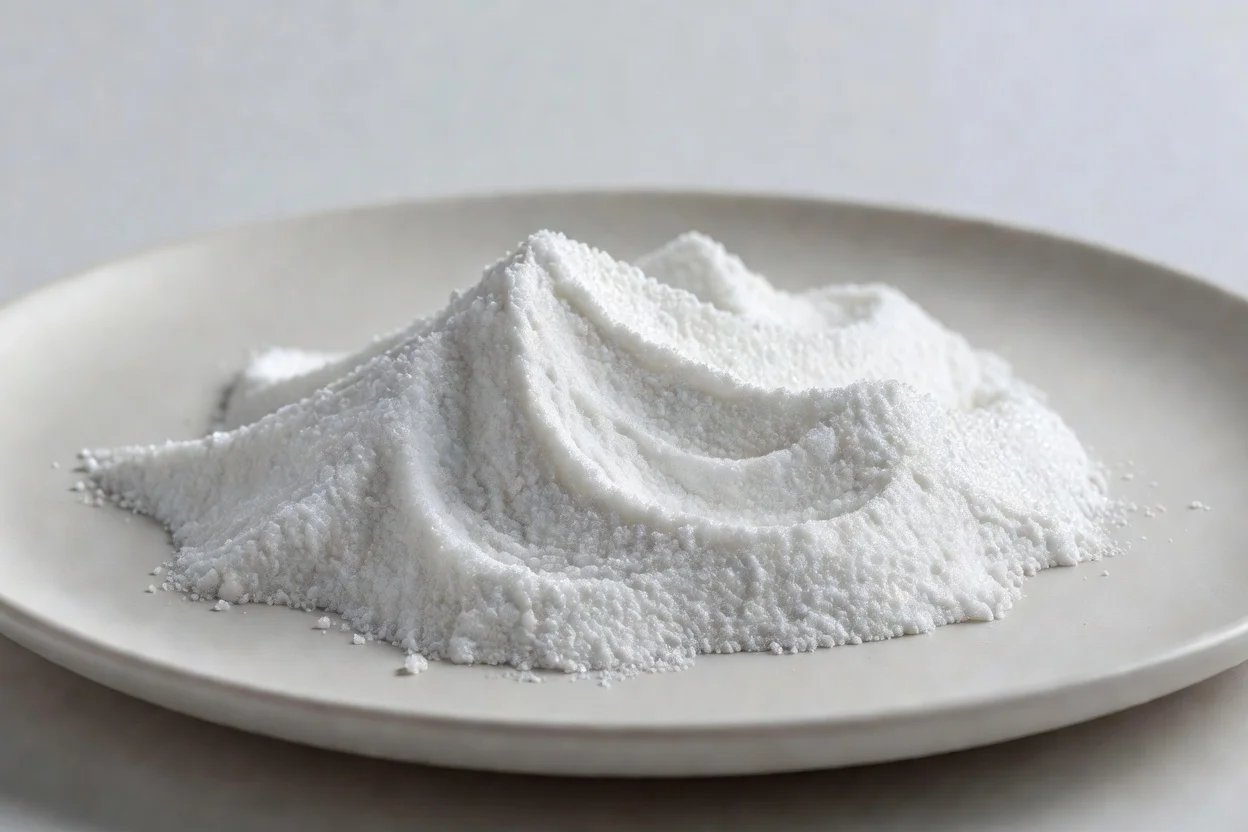
Barium sulfate is a dense, chemically inert inorganic mineral and industrial filler that plays an important role in plastics, coatings, drilling fluids, and medical imaging. In the plastics value chain, it is best known as a high-density filler and functional extender that can raise specific gravity, improve dimensional stability, suppress shrinkage, and alter acoustic or vibration behavior, while remaining largely insoluble and nonreactive under normal processing conditions.
Commercial barium sulfate is supplied both as naturally occurring barite concentrate and as synthetic, precipitated grades. The natural mineral dominates bulk commodity uses such as drilling mud weighting, while high-purity synthetic grades are used where narrow particle-size distribution, brightness, or low impurity levels are required, including plastics, coatings, and specialty formulations. Beyond industry, barium sulfate is also widely used as a radiographic contrast agent for gastrointestinal imaging because it is highly insoluble and therefore remains confined to the digestive tract during diagnostic procedures.
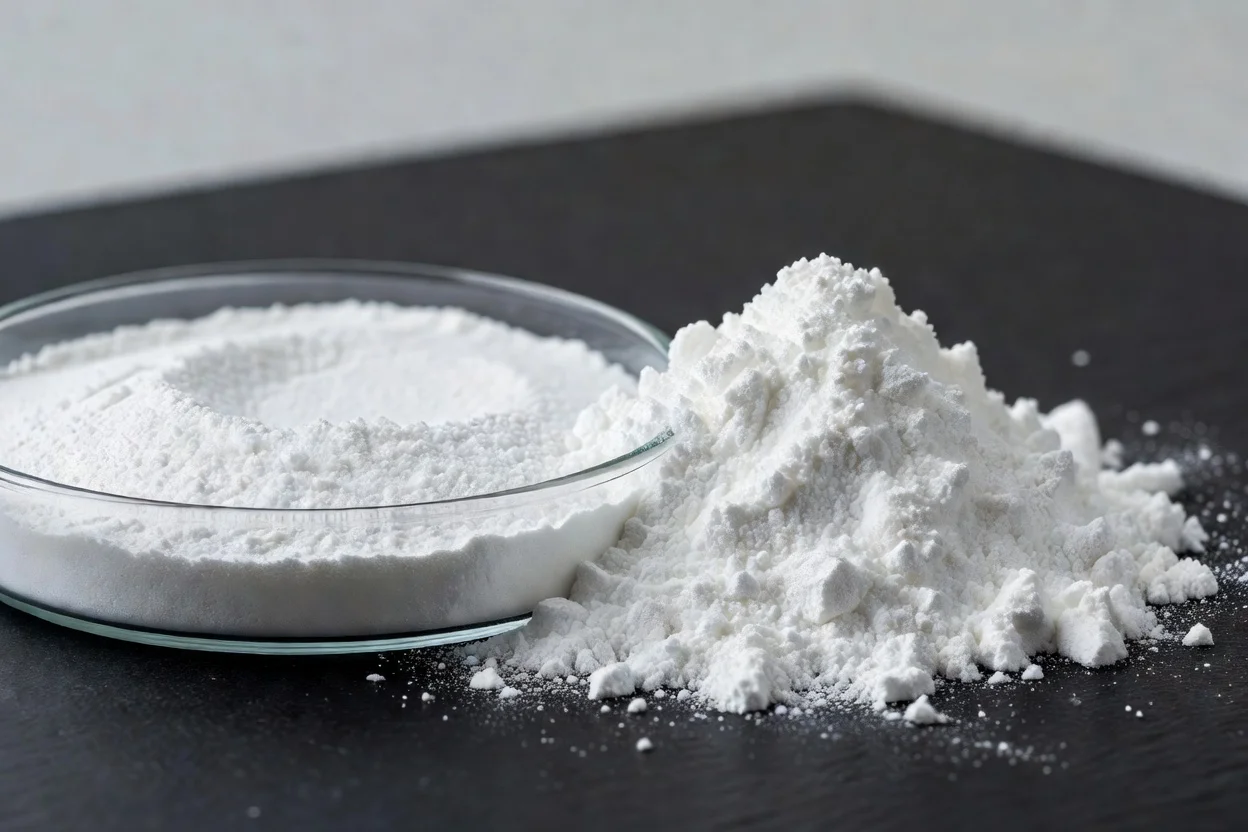
For plastics manufacturers, the material is valued not as a reinforcing fiber in the classic structural sense, but as a functional mineral additive. Its very high density allows formulators to increase mass efficiently, which is useful in sound damping panels, underbody shields, thermoplastic compounds for marine and industrial parts, and radiation-shielding composites. At the same time, the same density that is advantageous in mass-loading can make dispersion, rheology control, and melt handling more challenging at higher loadings, so particle engineering and surface treatment are often important in commercial grades.
Historically, barium sulfate moved from a mineral of mining and pigments into a modern multifunctional additive used across energy, healthcare, and polymer processing. Its future is shaped by two parallel trends: first, the continued need for dense, chemically stable mineral fillers in performance plastics; and second, increasing pressure to improve circularity, reduce the carbon footprint of mineral supply chains, and design compounds that can be recycled more effectively without sacrificing functionality.
History and Development
Natural barite has been used for centuries as a heavy mineral, but its industrial significance expanded with the growth of oil and gas drilling, where density control became essential for wellbore stability and blowout prevention. As polymer industries developed in the twentieth century, barium sulfate also became established as a pigment extender and filler in paints, rubbers, plastics, and paper coatings.
The transition from commodity mineral to engineered additive was driven by improvements in mineral beneficiation, precipitation chemistry, and classification technology. These advances made it possible to supply grades with better whiteness, more uniform particle size, and more consistent impurity profiles, which are especially important in polymers and coatings where surface appearance and processing stability matter.
In parallel, its low solubility created an important medical application: oral and rectal barium suspensions became standard contrast media for X-ray and fluoroscopic examination of the gastrointestinal tract. That medical role reinforced public and regulatory recognition of barium sulfate as a substance whose performance is defined as much by insolubility as by density.
Chemical Structure and Key Properties
Barium sulfate is an inorganic ionic salt composed of barium cations and sulfate anions in an orthorhombic crystal lattice. It is typically described as a white or yellowish, odorless powder or crystalline solid, with a density around 4.25 to 4.5 g/cm3 and a melting point near 1580 C, where it decomposes rather than boiling normally.
Key properties relevant to plastics and industrial use
| Property | Practical significance |
|---|---|
| High density | Enables mass loading, density adjustment, and vibration damping. |
| Very low solubility | Supports chemical inertness, moisture resistance, and medical radiopacity without systemic absorption. |
| White color and good opacity | Useful in paints, coatings, and light-colored polymer compounds. |
| Thermal stability | Allows compounding at typical polymer processing temperatures without decomposition. |
| Inert surface chemistry | Reduces unwanted reactions, but can limit interfacial bonding unless treated or compatibilized. |
A central limitation is that barium sulfate is very dense but not a structural reinforcer by itself. In practice, high loading can improve mass, stiffness, and damping, but excessive addition can reduce impact strength, elongation, and processability because mineral particles interrupt polymer continuity and raise melt viscosity. The common workaround is to optimize particle size distribution, use surface-treated grades, and pair the filler with the right resin and coupling strategy.
Another key limitation is that its inertness can reduce interfacial adhesion in nonpolar polymers. The cause is the mineral’s low reactivity and relatively polar surface compared with many thermoplastics. The usual workaround is surface treatment, masterbatching, or the use of compatibilizers and processing aids to improve wetting and dispersion during extrusion or compounding.
Production Processes and Raw Feedstocks
Industrial barium sulfate is produced from two main sources:
- Mined barite ore, which is beneficiated by crushing, washing, flotation, gravity separation, and milling to produce commercial barite concentrates.
- Synthetic precipitated barium sulfate, made by chemical precipitation from soluble barium and sulfate feedstocks to achieve finer control over particle size, whiteness, and purity.
For plastics and coatings, the choice between natural and synthetic grades depends on the target property balance. Natural barite is often preferred for cost-sensitive, high-density uses, while synthetic grades are often selected when better optical quality, lower trace impurities, or narrower particle-size control is needed.
In compounding, barium sulfate is frequently supplied as:
- Powder for direct blending
- Masterbatch for easier dosing and dispersion
- Surface-treated mineral for improved compatibility with polyolefins, engineering thermoplastics, and elastomers
Typical compounding operations include high-intensity mixing, twin-screw extrusion, and downstream pelletizing. Particle size and surface chemistry strongly influence dispersion, wear on processing equipment, and final part appearance.

Applications and End-Use Markets
Barium sulfate has a broad industrial footprint, but its functions differ sharply by sector.
| Sector | Typical grade | Usual role | Typical process or product form |
|---|---|---|---|
| Plastics and elastomers | Fine milled or precipitated grades | Density modifier, extender, damping filler | Compounding, extrusion, injection molding |
| Coatings and paints | Fine white grades | Pigment extender, gloss control, opacity support | Architectural and industrial coatings |
| Oil and gas | Mined barite | Drilling-fluid weighting agent | Drilling muds |
| Medical imaging | High-purity pharmaceutical grade | Radiographic contrast agent | Oral or rectal suspension |
| Paper, textiles, rubber | Milled industrial grades | Extender, brightness, processing aid | Coating or compound addition |
Plastics
In plastics, barium sulfate is widely used to increase specific gravity without the color penalty associated with many other fillers. It is found in polyolefins, engineering thermoplastics, PVC, thermoplastic elastomers, and certain thermoset systems where mass loading or dimensional control is desired.
Common plastics-related uses include:
- Sound-damping parts such as appliance housings, panels, and automotive interior components
- Weighting compounds where higher mass is needed in a compact geometry
- Radiation shielding composites in medical and industrial settings, often in combination with other dense fillers
- Electronics and cable applications where density and dimensional stability are useful
- Industrial wear parts where filler loading can support hardness and reduce cost, although this is not the same as true reinforcement
A notable poor-fit use is in parts requiring very high impact toughness and low density. In such applications, the mineral’s mass penalty and potential embrittlement can outweigh its benefits, especially if the design goal is lightweighting. In those cases, glass fiber, mineral hybrids, or polymer redesign may be more appropriate.
Coatings, paints, and inks
Barium sulfate is a classic extender pigment. It improves body, controls gloss, and can help tune rheology and film structure without acting as a strong colorant. Its chemical inertness makes it useful where the formulator wants opacity management or cost extension without major chemical interaction.
Drilling fluids
The largest single-volume use globally remains oil and gas drilling, where barite is used to raise mud density and control formation pressure. This sector is economically important because it supports a major industrial mineral market even when plastics demand is cyclical.
Medical imaging
In medicine, barium sulfate is used because it is radiopaque yet not meaningfully absorbed from the gastrointestinal tract. Oral or rectal suspensions are used to visualize the esophagus, stomach, and intestines in X-ray and CT-based examinations.

Other uses
It also appears in rubber compounds, paper coatings, brake linings, cosmetics, and specialized chemical systems, including as an inert support in some catalytic applications.
Environmental and Sustainability Aspects
Barium sulfate is not a reactive plastic additive in the conventional sense, but its sustainability profile depends on mining, purification, transport, and end-of-life effects in the compounds that contain it.
Recyclability
- In mechanical recycling, barium sulfate remains in the recycled polymer stream, which can be beneficial if density retention is desired.
- However, if the downstream application requires low density or high toughness, the retained mineral content may be a drawback.
- In mixed or contaminated waste streams, heavy mineral loading can complicate melt filtration and property consistency.
Carbon footprint
The carbon footprint is shaped by:
- Ore mining and beneficiation
- Transport of a high-density raw material
- Energy intensity of drying, milling, and classification
- Additional processing for high-purity synthetic grades
Because the material is dense, logistics can be more emissions-intensive per useful mass than lighter fillers. That said, its ability to add function at relatively modest dosages can offset some transport and processing costs when compared with alternatives requiring much higher loadings.
Bio-based alternatives and substitution
There is no direct bio-based substitute for barium sulfate that matches its density, inertness, and radiopacity. Substitution is therefore application-specific:
- For density control, calcium carbonate or talc may be cheaper, but they are lighter and behave differently in processing.
- For radiation shielding, other dense fillers or metallic systems may be used, but cost, weight, and processability shift substantially.
- For white extenders, alternative minerals may be selected depending on whiteness and optical targets.
The core sustainability issue is not that barium sulfate is especially toxic in its finished industrial form, but that its mineral origin and heavy mass create supply-chain and end-of-life trade-offs that must be balanced against performance gains.
Economic and Global Market Impact
The global barium sulfate market is tied to two major demand centers: drilling fluids and industrial fillers. The drilling sector dominates volume, while coatings, plastics, and specialty applications provide value-added demand.
Leading producers and suppliers are typically integrated mineral companies and processors with access to high-quality barite deposits, beneficiation capacity, and global logistics. Market competitiveness depends on ore quality, whiteness, impurity control, particle engineering, and the ability to supply consistent grades for both industrial and pharmaceutical uses.
For plastics, the economic appeal lies in its ability to deliver dense, bright, chemically stable compounding at comparatively modest formulation risk. However, cost performance is highly application dependent: it is attractive where mass and stability matter, but less compelling where lightweight design or maximum toughness is the priority.
Current Challenges and Innovations
Current technical challenges include:
- Dispersion control in high-loading compounds
- Interfacial adhesion in nonpolar polymers
- Equipment wear during compounding and extrusion
- Property trade-offs between density, stiffness, impact resistance, and processability
- Supply variability between mined and synthetic grades
Innovation is focused on:
- Particle-size engineering to improve rheology and optical consistency
- Surface treatment to improve compatibility with polyolefins and elastomers
- Hybrid filler systems that combine barium sulfate with talc, calcium carbonate, glass, or functional additives
- Masterbatch delivery for cleaner dosing and more uniform dispersion
- Low-dust and low-contamination processing for medical and high-purity applications
A useful formulation example is a polypropylene damping compound containing roughly 20 to 60 phr barium sulfate, where the filler increases mass and internal friction, thereby reducing vibration amplitude. Mechanistically, rigid particles interrupt polymer chain mobility and raise inertia, which can improve acoustic performance when the compound is properly dispersed.
Another example is a PVC or polyolefin weighting compound with surface-treated barium sulfate used at moderate to high loadings. The treatment improves wetting, reduces agglomeration, and helps preserve dimensional consistency during extrusion or molding.
Future Outlook
Barium sulfate is likely to remain important wherever industry needs a dense, inert, white mineral with predictable behavior. In plastics, future growth is most likely in:
- Acoustic and vibration-damping materials
- Specialty automotive and industrial compounds
- Radiation-shielding composites
- High-purity masterbatches and engineered fillers
- Hybrid materials designed for performance with controlled recyclability
The broader market outlook will be shaped by three forces: continuing demand from drilling, the rise of higher-performance compounds in plastics and coatings, and growing pressure to document sustainability across mined mineral supply chains. In technical terms, future value will depend less on bulk tonnage alone and more on how effectively barium sulfate can be engineered into formulations that satisfy performance, processing, and circularity requirements at the same time.
Summary
Barium sulfate is a high-density, insoluble, chemically stable mineral with a uniquely broad role across plastics, drilling, coatings, and medical imaging. In plastics, it functions primarily as a functional filler for density control, damping, and dimensional tuning rather than as a conventional strength reinforcer. Its long-term relevance rests on the same properties that made it historically valuable: exceptional density, low solubility, inertness, and reliable industrial behavior.
References
- •
Other Medical Problems. (n.d.). Mayo Clinic. https://www.mayoclinic.org/drugs-supplements/barium-sulfate-oral-route/description/drg-20062255Link
- •
Barium sulfate: MedlinePlus drug information. (n.d.). MedlinePlus. https://medlineplus.gov/druginfo/meds/a606010.htmlLink
- •
Barium sulfate: Uses, interactions, mechanism of action. (2011, October 31). DrugBank. https://go.drugbank.com/drugs/DB11150Link
- •
Barium sulfate. (n.d.). Centers for Disease Control and Prevention. https://www.cdc.gov/niosh/npg/npgd0047.htmlLink
- •
Barium sulfate. (n.d.). In Wikipedia. https://en.wikipedia.org/wiki/Barium_sulfateLink
- •
Barium sulfate. (n.d.). CAMEO Chemicals. https://cameochemicals.noaa.gov/chemical/25000Link
- •
Barium sulfate. (n.d.). PubChem. https://pubchem.ncbi.nlm.nih.gov/compound/Barium-SulfateLink
- •
Barium sulfate. (n.d.). Chemistry LibreTexts. https://chem.libretexts.org/Bookshelves/Inorganic_Chemistry/Supplemental_Modules_and_Websites_(Inorganic_Chemistry)/Descriptive_Chemistry/Elements_Organized_by_Block/1_s-Block_Elements/Group__2_Elements:_The_Alkaline_Earth_Metals/Z056_Chemistry_of_Barium_(Z56)/Barium_SulfateLink
- •
Barium sulfate. (n.d.). PubChem. https://pubchem.ncbi.nlm.nih.gov/compound/EINECS%20231-784-4Link
- •
Barium sulfate. (n.d.). ChemicalBook. https://www.chemicalbook.com/ChemicalProductProperty_EN_CB00131410.htmLink
- •
Barium sulfate formula—Structure, properties, uses, sample questions. (n.d.). GeeksforGeeks. https://www.geeksforgeeks.org/chemistry/barium-sulfate-formula-structure-properties-uses-sample-questions/Link
- •
Barium sulfate. (n.d.). ChemicalBook. https://www.chemicalbook.com/ChemicalProductProperty_EN_CB9854295.htmLink
- •
Barium sulfate. (n.d.). PubChem. https://pubchem.ncbi.nlm.nih.gov/compound/barium_sulfateLink
- •
Chemistry barium sulfate. (n.d.). SATHEE. https://sathee.iitk.ac.in/article/chemistry/chemistry-barium-sulfate/Link
- •
Chemistry barium sulfate. (n.d.). SATHEE. https://sathee.iitk.ac.in/sathee-neet/article/chemistry/chemistry-barium-sulfate/Link
- •
Barium sulfate. (n.d.). Occupational Safety and Health Administration. http://www.osha.gov/chemicaldata/635Link
- •
Barium sulfate. (n.d.). American Chemical Society. https://www.acs.org/molecule-of-the-week/archive/b/barium-sulfate.htmlLink
- •
What is barium sulfate used for? (n.d.). Patsnap Synapse. https://synapse.patsnap.com/article/what-is-barium-sulfate-used-forLink
- •
Chemistry barium sulfate. (n.d.). SATHEE. https://sathee.iitk.ac.in/sathee-jee/article/chemistry/chemistry-barium-sulfate/Link
- •
Barium sulfate: What is it and where is it used? (n.d.). Drugs.com. https://www.drugs.com/inactive/barium-sulfate-301.htmlLink
- •
Barium sulfate. (n.d.). PubChem. https://pubchem.ncbi.nlm.nih.gov/compound/24414Link
- •
Clinical utility of barium sulfate products: Formulation determines appropriate use. (n.d.). Applied Radiology. https://appliedradiology.com/articles/clinical-utility-of-barium-sulfate-products-formulation-determines-appropriate-useLink
- •
Barium sulfate contrast medium. (n.d.). Radiopaedia. https://radiopaedia.org/articles/barium-sulfate-contrast-medium?lang=usLink
- •
Barium sulfate oral suspension. (n.d.). Cleveland Clinic. https://my.clevelandclinic.org/health/drugs/19502-barium-sulfate-oral-suspensionLink
- •
Metals in medicine: Barium sulfate. (n.d.). OpenLearn. https://www.open.edu/openlearn/science-maths-technology/metals-medicine/content-section-2.2.1Link
- •
Barium sulfate formula. (n.d.). BYJU'S. https://byjus.com/barium-sulfate-formula/Link
- •
Barium sulfate properties and applications. (n.d.). Scribd. https://www.scribd.com/document/467027430/ob00-1-pdfLink
- •
Barium. (n.d.). In Wikipedia. https://en.wikipedia.org/wiki/BariumLink
- •
208036 barium sulfate clinical prea. (n.d.). U.S. Food and Drug Administration. https://www.fda.gov/files/drugs/published/208036-barium-sulfate-clinical-prea.pdfLink
- •
Upper gastrointestinal series. (n.d.). In Wikipedia. https://en.wikipedia.org/wiki/Barium_swallow_testLink
- •
Barium sulfate—An overview. (n.d.). ScienceDirect. https://www.sciencedirect.com/topics/chemistry/barium-sulfateLink
- •
Barium sulfate deposition in the gastrointestinal tract. (n.d.). PMC. https://pmc.ncbi.nlm.nih.gov/articles/PMC9805050/Link
- •
Barium sulfate. (n.d.). U.S. Food and Drug Administration. https://www.fda.gov/media/101176/downloadLink
- •
Barium sulfate suspension. (n.d.). In Wikipedia. https://en.wikipedia.org/wiki/Barium_sulfate_suspensionLink
- •
Side effects. (n.d.). Drugs.com. https://www.drugs.com/mtm/barium-sulfate-oral-rectal.htmlLink
- •
Barium sulfate oral tablet. (n.d.). Cleveland Clinic. https://my.clevelandclinic.org/health/drugs/18701-barium-sulfate-oral-tabletLink
- •
Barium tests. (n.d.). Better Health Channel. https://www.betterhealth.vic.gov.au/health/conditionsandtreatments/barium-testsLink