
Introduction
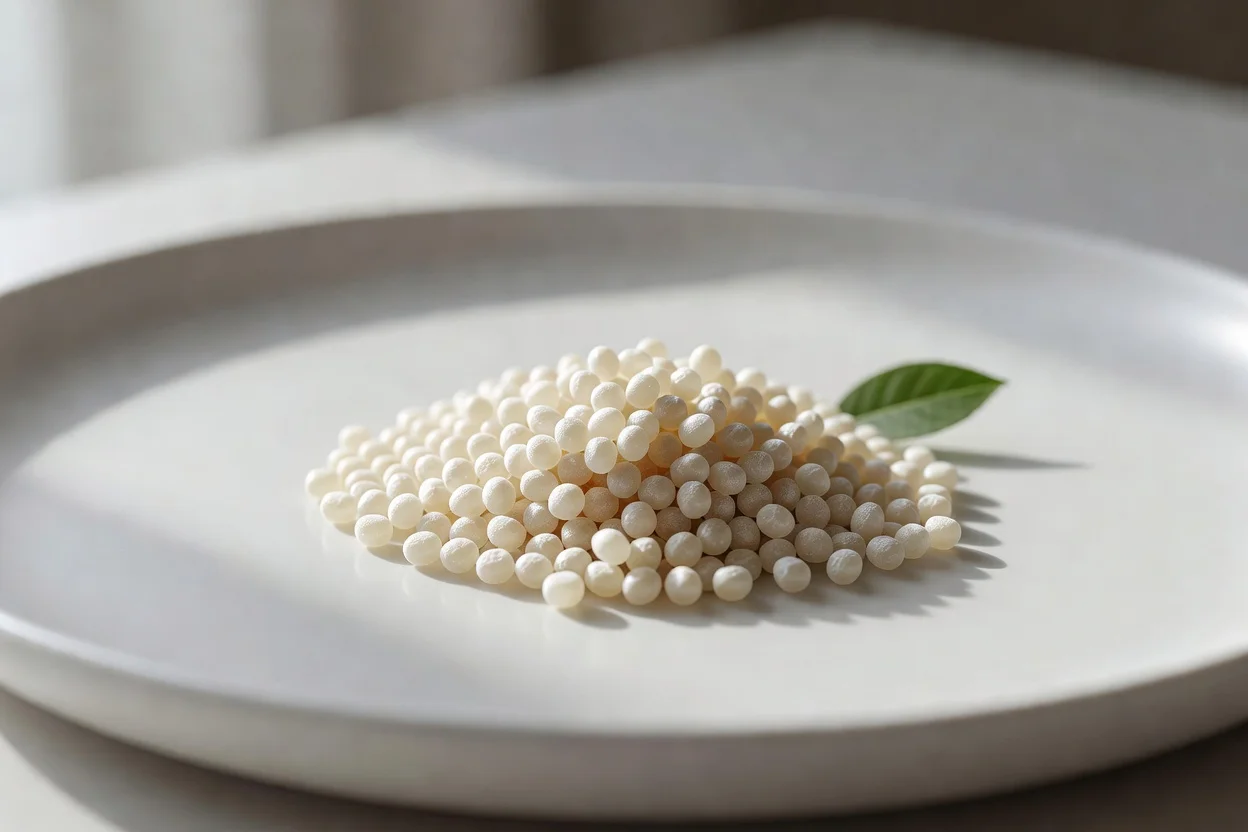
Biodegradable additives are chemical or bio-derived formulations added to polymers to promote breakdown under defined environmental or processing conditions, typically by accelerating oxidation, hydrolysis, or microbial assimilation pathways. In the plastics industry, they are used either to help conventional resins fragment and then biodegrade under specific conditions, or to improve the compostability and end-of-life behavior of biodegradable polymers and biopolymers.
The topic sits at the intersection of polymer chemistry, waste management, and product design. Some commercial systems are intended for polyethylene, polypropylene, and related conventional plastics, while others are designed for biodegradable polyester systems such as PLA, PBAT, PBS, and PHA, where additives are used to tune processing, durability, barrier performance, or degradation rate.
The field has expanded as brands and converters seek lower-impact packaging and disposable products without fully rebuilding manufacturing lines. At the same time, it remains controversial because some additive-mediated systems are better described as fragmentation-promoting rather than truly biodegradable, and their environmental performance depends heavily on exposure conditions, collection systems, and certification frameworks.
History and Development
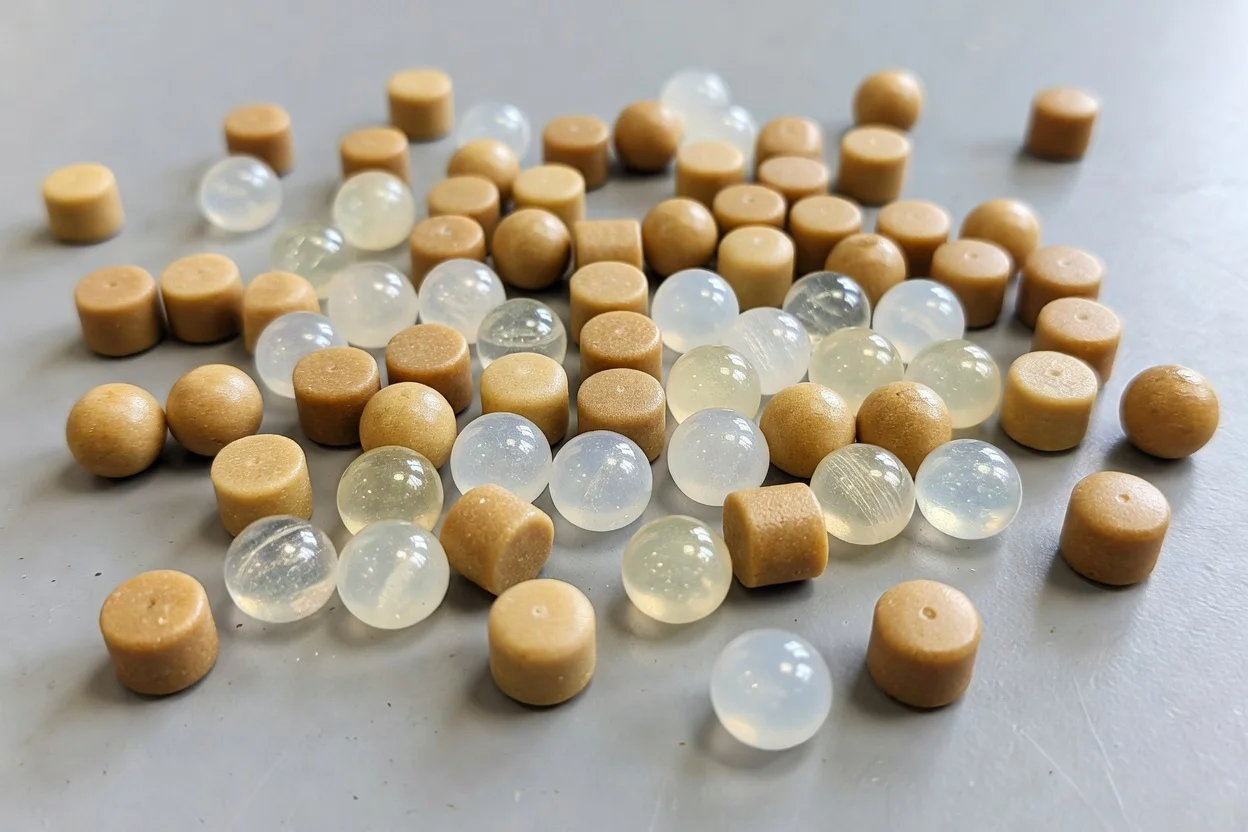
Early degradability strategies in plastics focused on physical embrittlement and photo-oxidation, later evolving into additive packages based on transition-metal catalysts or reactive organic chemistries that could shorten polymer chains after use. Industry literature describes two broad families: oxo-biodegradable systems, which use transition metals such as cobalt, manganese, or iron to promote oxidation and chain scission, and additive systems containing organic materials that are themselves biodegradable or act as biodegradation promoters.
As sustainability claims became more scrutinized, the sector shifted toward clearer end-of-life definitions and toward materials designed for industrial composting or controlled biodegradation. This shift has been influenced by regulatory and standards-based distinctions between biodegradable, compostable, and oxo-fragmenting plastics, with European bioplastics organizations emphasizing that true biodegradation should end in water, carbon, and biomass without persistent fragments.
More recent development has also moved beyond degradation alone. Bio-based and functional additives derived from lignin, phytic acid, starch, and cellulose are increasingly used to provide antioxidant, flame-retardant, plasticizing, reinforcing, or compatibilizing functions in biodegradable polymers, broadening the role of additives from disposal-focused technologies to full life-cycle performance enhancers.
Chemical Structure and Key Properties
Biodegradable additives are not a single chemical class; they include pro-oxidant masterbatches, hydrolysis promoters, mineral or organic compatibilizers, plasticizers, nucleating agents, and bio-based functional additives. Their mechanisms differ: some accelerate radical formation and oxidative chain scission, some increase water uptake and hydrolytic susceptibility, and others improve microbial access by changing surface chemistry or reducing crystallinity.
A useful way to view their function is by the polymer they are intended to modify. In polyolefins, oxidation-driven systems aim to weaken high-molecular-weight chains that otherwise resist biological attack. In biodegradable polyesters, additive packages often adjust crystallization, toughness, processing window, or degradation rate rather than “creating” biodegradability from scratch.
Key technical properties and limitations include:
| Property | Relevance | Typical limitation → cause → workaround |
|---|---|---|
| Degradation rate | Determines whether a product persists, fragments, or composts | Slow or inconsistent degradation → environmental conditions may not supply enough oxygen, moisture, heat, or microbes → use certified compostable systems or tightly defined disposal pathways |
| Mechanical retention | Controls in-use durability | Property loss before end of use → additives can weaken molecular weight or crystallinity too early → formulate for shelf-life stability and activation only after disposal |
| Processability | Affects extrusion, blow molding, film blowing, and injection molding | Narrow processing window → some biodegradable polyesters have low melt strength or thermal sensitivity → use nucleating agents, chain extenders, or blended structures |
| Surface behavior | Influences wetting, printing, and adhesion | Poor interfacial performance → low surface energy or incompatible chemistry → use surface treatment, compatibilizers, or coupling additives |
For polyolefins, a common commercial claim is low-dose use, often around 1 percent by weight, to preserve conventional processing and product appearance while changing end-of-life behavior. However, scientific evaluations have reported that some degradation-promoting additives did not significantly increase biodegradation of PE or PET in tested environments, underscoring that mechanism claims must be validated case by case.
Production Processes and Raw Feedstocks
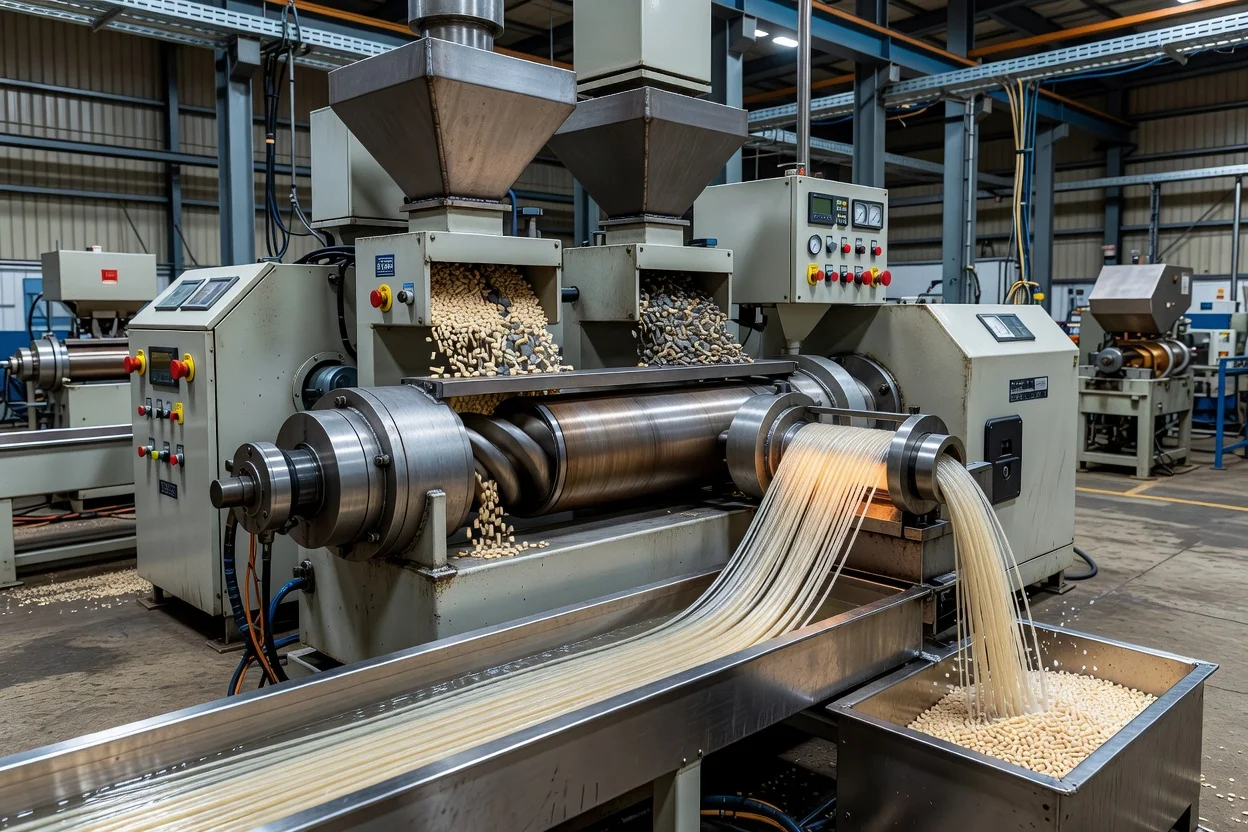
Biodegradable additives are usually produced as powders, pellets, liquids, or masterbatches that can be dosed during compounding or downstream converting. They are commonly blended into standard polymer feedstocks during extrusion, then converted into films, molded articles, or coated products using existing equipment.
Main feedstock and formulation routes include:
- Transition-metal pro-oxidants for polyolefins, typically based on catalytic metal salts that promote radical formation and oxidative chain scission under heat, UV, and oxygen exposure.
- Organic biodegradation promoters derived from or containing biodegradable constituents that can be metabolized more readily by microorganisms.
- Bio-based functional additives such as lignin derivatives, phytic-acid-based antioxidants, starch plasticizers, and cellulose-based fillers for biodegradable resins.
- Additive packages for compostable polyesters, including nucleating agents, chain extenders, impact modifiers, and process stabilizers to compensate for brittleness or thermal sensitivity.
Mechanistically, one commonly described route is hydrolysis: water attacks susceptible bonds, reducing molecular weight and creating weak points that facilitate further degradation. Another route is oxidative chain scission, where additives help generate radicals that shorten polymer chains after exposure to air, heat, or light.
Applications and End-Use Markets
Biodegradable additives are used where end-of-life behavior matters but existing resin systems, machine assets, and product formats must be preserved. Packaging remains the largest and most visible market, but agriculture, hygiene, healthcare, and disposable consumer goods are also significant.
| End-use sector | Typical resin or system | Usual additive role | Notes |
|---|---|---|---|
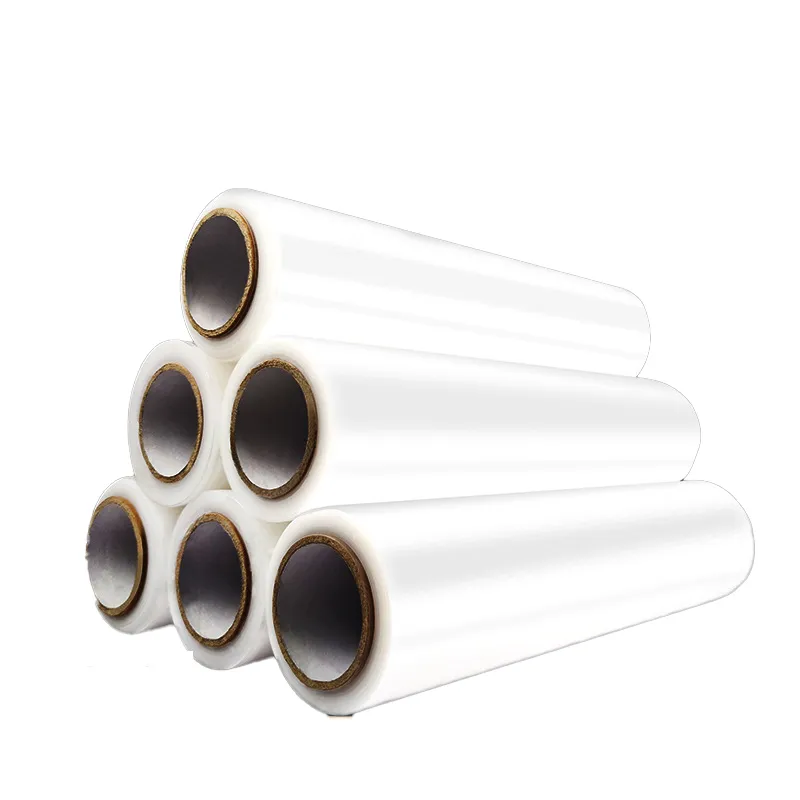
| Flexible packaging | PE, PP, sometimes PET | Pro-oxidant or degradability-promoting masterbatch | Common in bags, films, wraps, and liners |
| Compostable packaging | PLA, PBAT, PBS blends, starch blends | Nucleators, plasticizers, chain extenders, stabilizers | Used for food-service ware, pouches, trays, and films |
| Agriculture | PE mulch films, biodegradable mulch systems | Degradation promoters or compostability enhancers | High interest where retrieval is costly |
| Hygiene and disposable goods | PLA, PBS, PHA, starch blends | Process aids and property modifiers | Used for cutlery, disposable tableware, hygiene items, and bags |
| Medical and biomedical | PHA, PLA, PCL, PBS | Stabilizers and property-tuning additives | Used in sutures, scaffolds, drug delivery, and resorbable devices |
A poor-fit use is long-life, high-reliability technical packaging or applications with strict reprocessing requirements, because degradability-oriented additives can be incompatible with recycling streams or long service life expectations.
Environmental and Sustainability Aspects
Environmental performance depends on the additive chemistry, the host polymer, and the disposal route. True biodegradation requires suitable microbial conditions and produces end products such as water, biomass, and carbon-based gases, whereas some additive systems mainly fragment plastics into smaller pieces without complete mineralization.
Recyclability is one of the most contested issues. Organizations focused on degradable additives warn that fragmentation can contaminate recycling streams and create consumer confusion if products are marketed as “biodegradable” without specifying conditions and timeframes. At the same time, proponents argue that degradable systems may reduce persistence in litter-prone applications and lower visible waste where collection is weak.
Bio-based alternatives are important but not automatically superior. Additives derived from lignin, starch, cellulose, and phytic acid can reduce fossil dependence and add useful functionality, yet their overall footprint still depends on feedstock sourcing, processing energy, and end-of-life treatment.
Where industrial composting exists, certified compostable polymers and additive packages can support controlled biodegradation. Where composting does not exist, the environmental benefit is less certain, and performance claims should be evaluated against local waste infrastructure rather than ideal laboratory conditions.
Economic and Global Market Impact
Biodegradable additives are attractive because they can often be used in existing polymer lines with relatively low dosage, reducing the need for major capital investment. Industry sources describe compatibility with current converting equipment, which makes the technology commercially appealing for packaging, consumer goods, and agriculture.
The economics, however, are uneven. Additive cost, certification expenses, and more complex quality control can raise unit costs versus conventional resins. In return, converters may gain market access in sustainability-sensitive segments, especially where retailers or brand owners require lower-impact materials.
Leading commercial activity is concentrated among specialty additive suppliers, biodegradable polymer producers, and compounders rather than only among commodity resin majors. Key industrial contributions come from companies and technology providers that package degradability promoters as masterbatches or integrate them into compostable polymer systems, enabling scale-up through existing supply chains.
Current Challenges and Innovations
The main challenge is scientific and regulatory credibility. Some studies have reported little or no biodegradation benefit from certain additives in PE or PET under tested conditions, while industry claims often emphasize faster fragmentation or improved environmental fate.
Other major challenges include:
- Standardization: performance depends on temperature, oxygen, moisture, light, microbial load, and residence time in the environment.
- Recycling compatibility: degradability-promoting additives may interfere with mechanical recycling or create sorting uncertainty.
- Test validity: laboratory biodegradation tests may not represent real-world soil, marine, landfill, or compost environments.
- Greenwashing risk: vague claims can mislead consumers if end-of-life conditions are not clearly stated.
Innovation is moving in several directions:
- Bio-based multifunctional additives that provide stabilization, reinforcement, or flame retardancy while also supporting sustainable material design.
- Better additive packages for biodegradable polyesters to improve toughness, heat resistance, and processing window.
- More rigorous design of degradability systems that target specific environments, rather than claiming universal degradation.
Future Outlook
The future of biodegradable additives is likely to be more segmented and application-specific. Broad claims of universal degradation are likely to face increasing skepticism, while technologies tied to certified compostability, controlled biodegradation, or clearly defined use cases should have stronger commercial prospects.
Growth opportunities are strongest in packaging, agricultural films, hygiene products, and selected biomedical uses, especially where collection is difficult and where brands seek lower-persistence materials. Continued progress will depend on additive chemistry that balances in-use durability with reliable end-of-life activation, alongside clearer standards and infrastructure for composting or specialized waste treatment.
Summary
Biodegradable additives are a diverse family of formulations used to modify how plastics behave during service and after disposal. Their commercial appeal lies in low-dose compatibility with existing manufacturing, but their environmental value depends on precise chemistry, real disposal conditions, and honest alignment between material claims and waste infrastructure.
References
- •
Chemical additives to make polymeric materials biodegradable. (2007, October 31). https://patents.google.com/patent/US20080103232A1/deLink
- •
Biodegradable additives 101. (2025, June 11). https://www.numberanalytics.com/blog/biodegradable-additives-101Link
- •
Biodegradable additives manufacturer in India. (2025, June 17). https://nichem.solutions/industrial/polymer-additives/biodegradable-additives/Link
- •
The science of biodegradable polymer additives. (2024, December 10). https://biofutureadditives.com/biodegradable-polymer-additives-breakdown-process/Link
- •
Biodegradable additive.pptx. (2023, June 30). https://www.slideshare.net/slideshow/biodegradable-additivepptx-258733697/258733697Link
- •
Top 5 applications of oxo-biodegradable additives in industrial manufacturing. (2026, February 27). https://www.nimbasia.com/blogs/oxo-biodegradable-additives-applications-industrial-manufacturing.htmlLink
- •
How biodegradation additives work. (2023, August 15). https://science.howstuffworks.com/environmental/green-science/biodegradation-additives.htmLink
- •
Bio-based and biodegradable polymer additives: Sustainable solutions for the future of plastic manufacturing. (2025, March 1). https://additivesforpolymers.org/index.php/journal/article/view/175Link
- •
Eco-friendly additives for biodegradable polyesters. (n.d.). https://www.sciencedirect.com/science/article/pii/S2214993725001630Link
- •
How it works - Biodegradable future. (n.d.). https://biodegradablefuture.com/how-it-works-2/Link
- •
Enhancing polypropylene biodegradability through additive modification. (2025, February 27). https://pmc.ncbi.nlm.nih.gov/articles/PMC11902804/Link
- •
Biodegradable plastic additive breaks down common plastics. (2026, August 17). https://www.intelligentliving.co/biodegradable-plastic-additive/Link
- •
Biodegradable additives. (2012, August 30). https://library.futurelabz.dev/content/wikipedia_en_all_maxi_2026-02/Biodegradable_additivesLink
- •
Biodegradation - Wikipedia. (2002, April 3). https://en.wikipedia.org/wiki/Biodegradable_additivesLink
- •
A review on the occurrence and influence of biodegradable additives. (n.d.). https://www.sciencedirect.com/science/article/pii/S0160412022001702Link
- •
Functional bio-based additives for sustainable polymers. (2026, April 22). https://pmc.ncbi.nlm.nih.gov/articles/PMC13108088/Link
- •
Background on biodegradable additives. (n.d.). https://www.bioplasttr.com/EK-2%20Biodegradable%20Additives%20Fact%20Sheet%20v8%20July%2009.pdfLink
- •
What are oxo-biodegradable additives. (2014, May 8). https://www.mjspackaging.com/blog/what-are-oxo-biodegradable-additives/Link
- •
5 ways biodegradable additives cut plastic waste. (2025, September 8). https://biofutureadditives.com/5-ways-biodegradable-additives-cut-plastic-waste/Link
- •
Review of recent advances in the biodegradability of polyhydroxyalkanoates. (2020, August 31). https://pubs.rsc.org/en/content/articlehtml/2020/gc/d0gc01647kLink
- •
Biodegradable additives in plastic packaging. (n.d.). https://pages.sealedair.com/rs/729-WHA-730/images/Biodegradation%20Additives%20FAQs.pdfLink
- •
Recent advances in bio-based functional additives for polymers. (n.d.). https://www.sciencedirect.com/science/article/pii/S0079642523001184Link
- •
Biodegradable polymers: Properties, applications, and environmental impact. (2025, July 18). https://pmc.ncbi.nlm.nih.gov/articles/PMC12298952/Link
- •
Utilization of bio-polymeric additives for a sustainable environment. (n.d.). https://www.sciencedirect.com/science/article/pii/S2666893921000189Link
- •
The business case for switching to biodegradable additives. (2025, December 6). https://goecopure.com/the-business-case-for-switching-to-biodegradable-additives/Link
- •
Our biodegradable additives. (2025, April 8). https://biosphereplastic.com/our-additivesLink
- •
Chemical additives to make polymeric materials biodegradable. (2007, October 31). https://patents.google.com/patent/WO2008055240A1/enLink
- •
Biodegradable additives vs. traditional plastic. (2026, July 16). https://phoenixplastics.com/biodegradable-additives-vs-traditional-plastic/Link
- •
Evaluation of biodegradation-promoting additives for plastics. (2015, March 6). https://pubs.acs.org/doi/abs/10.1021/es504258uLink
- •
Additive-mediated plastics. (n.d.). https://docs.european-bioplastics.org/publications/bp/EUBP_BP_Additive-mediated_plastics.pdfLink
- •
A guide to biodegradable future's sustainable technology. (2026, March 16). https://biofutureadditives.com/enhancing-environmental-sustainability-a-guide-to-biodegradable-futures-sustainable-technology/Link
- •
What are eco-friendly plastic additives and their benefits? (2026, April 22). https://www.pvcstabilizer.com/blog/eco-friendly-plastic-additives-and-their-benefits/Link
- •
The future of plastic manufacturing with biodegradable additives. (2024, March 5). https://goecopure.com/the-future-of-plastic-manufacturing-with-biodegradable-additives/Link
- •
Degradable alternatives to single-use plastics: Mechanisms, challenges, and opportunities. (2025, November 5). https://pmc.ncbi.nlm.nih.gov/articles/PMC12609699/Link
- •
Degradable additives. (n.d.). https://plasticsindustry.org/wp-content/uploads/2022/11/Position-Paper-on-Degradable-Additives-Feb-2016.pdfLink
- •
Control strategies of plastic biodegradation through adjusting additive types. (2022, May 6). https://pmc.ncbi.nlm.nih.gov/articles/PMC9102786/Link
- •
Biotechnology-based microbial degradation of plastic additives. (2021, June 21). https://pmc.ncbi.nlm.nih.gov/articles/PMC8217394/Link
- •
How to harness biodegradable additives for LDPE? (2025, June 30). https://eureka.patsnap.com/report-how-to-harness-biodegradable-additives-for-ldpeLink
- •
Degradability additives in petroleum-based plastics. (2023, April 20). https://sustainablepackaging.org/2023/04/20/degradability-additives-in-petroleum-based-plastics/Link