
Introduction
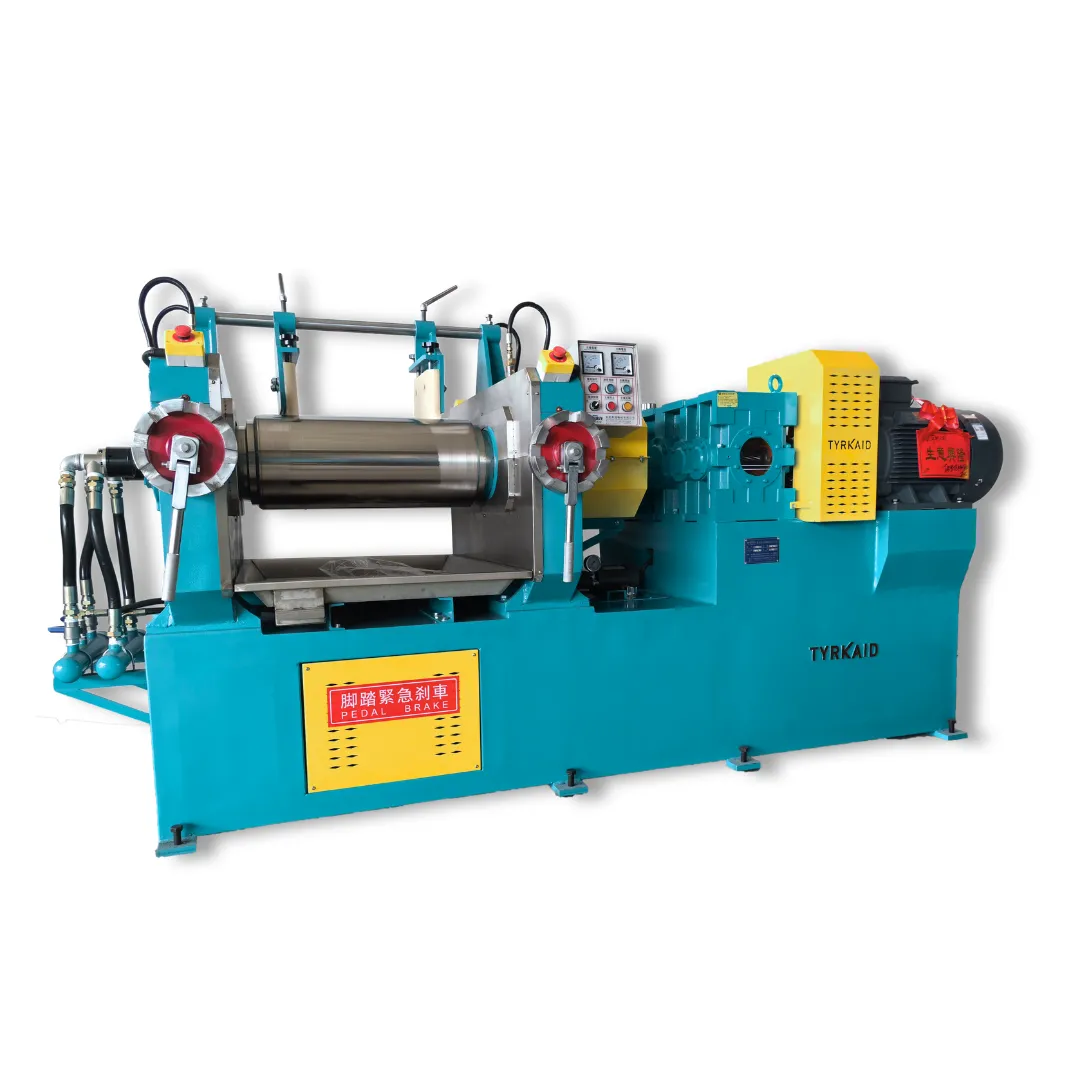
Two-roll mills are open compounding machines that use two horizontally opposed rolls rotating at different speeds to mix, masticate, shear, and sheet rubber, elastomers, selected thermoplastics, and related polymer compounds. In plastics processing, they are especially important in laboratory compounding, pigment dispersion, PVC and EVA formulation, sheet preparation, and small-batch development work, while in rubber processing they remain a classic tool for mastication, additive incorporation, and quality control.
The core value of the two-roll mill lies in its combination of compression, shear, and manual or semi-automatic fold-and-cut recirculation, which gives operators direct control over dispersion, temperature history, and sheet thickness. Although the machine is technologically simple compared with modern internal mixers and twin-screw extruders, it remains widely used because it is versatile, transparent in operation, and effective for formulation screening and process development.
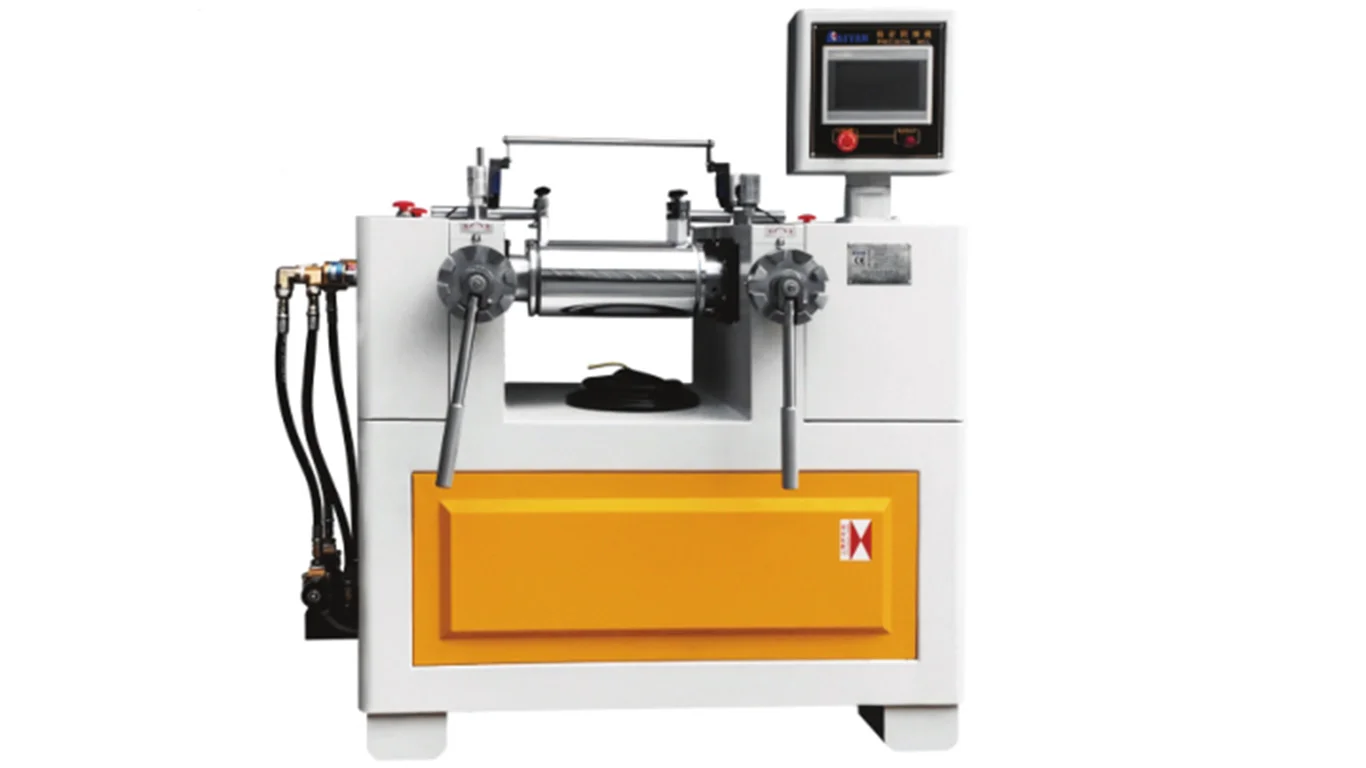
Two-roll mills exist in several forms, including laboratory mills with smaller roll diameters, heated or cooled mills, chrome-plated or chilled iron rolls, and production-oriented open mixing mills for rubber and thermoplastic compounds. Their continued relevance is tied to polymer R&D, color matching, masterbatch evaluation, and specialty compounding, but they also face pressure from automation, worker-safety requirements, energy-efficiency expectations, and the growing preference for enclosed and highly controlled mixing systems.
History and Development
Two-roll mills emerged from the broader tradition of roll-based material processing, where paired rotating cylinders apply compression and draw material through a controlled nip. In polymer processing, the machine became particularly important as rubber compounding industrialized, because it offered a practical way to blend raw rubber with fillers, curatives, and plasticizers before vulcanization.
A key development milestone was the use of differential roll speed, often described as a friction ratio, which intensified shear in the nip and improved dispersion of fillers such as carbon black. This principle made the machine more effective than simple crushing rolls for compounding applications.
A second milestone was the adaptation of the machine for laboratory-scale formulation work, where smaller roll diameters, precise temperature control, and adjustable nip settings enabled repeatable testing of rubber and plastic compounds. This laboratory role remains central in pigment evaluation, masterbatch development, and comparison of additive packages.
A third milestone was the introduction of more flexible equipment design, including electric heating, improved guarding, and configurable roll surfaces and control systems for research and small-batch production. These improvements widened the machine’s usefulness in thermoplastics and specialty elastomers, while also addressing process consistency and operator safety.
Technical Overview
A two-roll mill consists of two parallel, counter-rotating cylindrical rolls mounted in a rigid frame, with a controllable gap or nip between them. One roll typically rotates faster than the other, creating a speed ratio commonly around 1:1.1 to 1:1.5, though the exact ratio depends on the compound and desired shear intensity.
The material is fed into the nip, where it is compressed, stretched, and sheared repeatedly as the operator cuts, folds, and reintroduces the band back into the rolls. This open configuration makes the process highly observable, which is useful in research and troubleshooting but less suited to contamination-sensitive or fully automated continuous production.
Typical technical characteristics include the following:
- Roll diameters in laboratory mills commonly range from about 100 to 200 mm, with larger production systems using substantially bigger rolls.
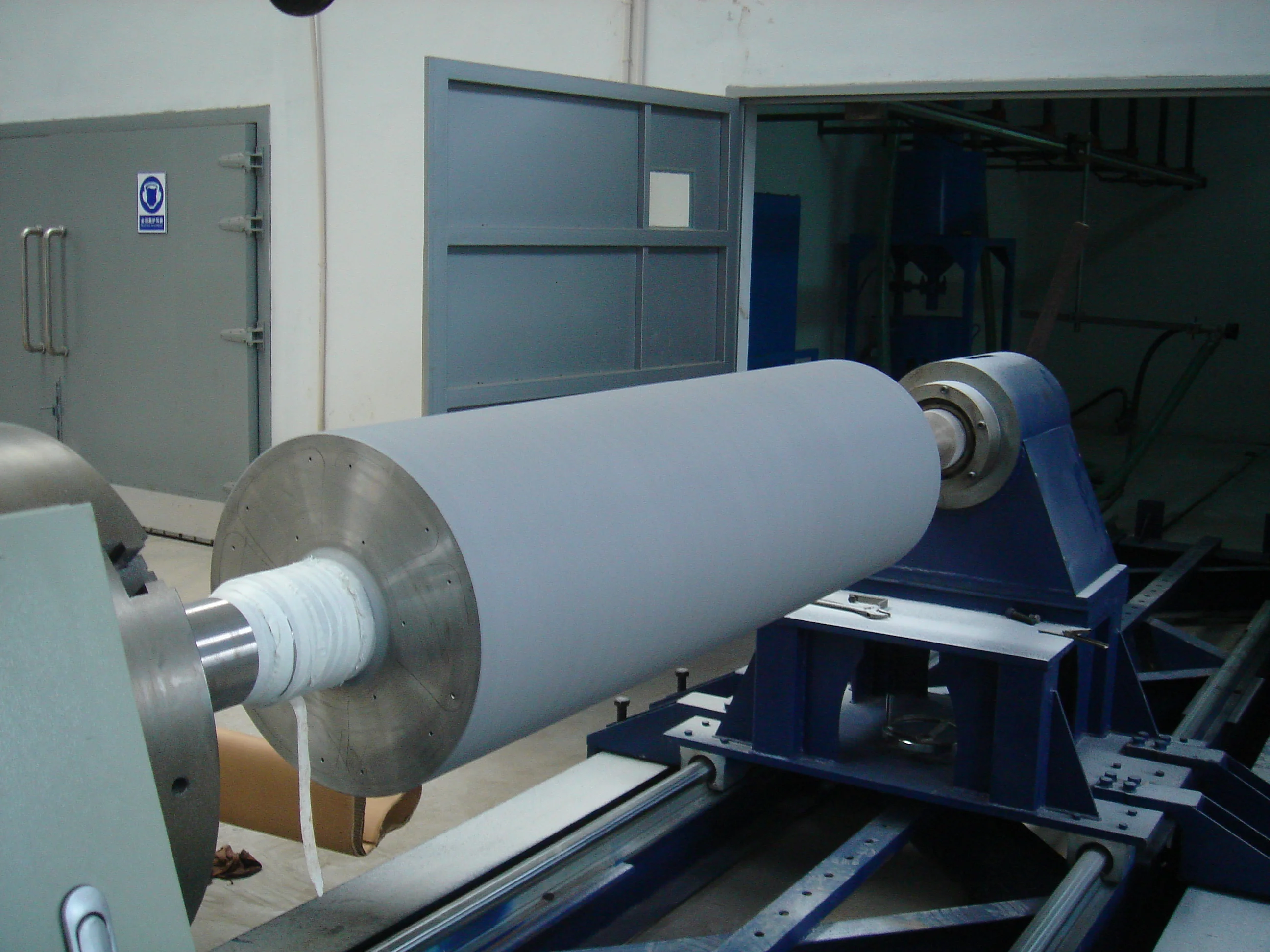
- Roll materials are often hardened steel, chrome-plated alloy, stainless steel, or chilled cast iron, depending on wear resistance and heat transfer needs.
- Temperature control may be used to soften polymers, reduce scorch risk, or maintain a target compound viscosity; PVC compounding, for example, is often performed with heated rolls.
- Friction ratio is a primary mixing variable because higher differential speed generally increases shear and dispersion intensity.
- Throughput varies widely by machine size, formulation, and operating mode; laboratory units are typically batch-scale, while industrial open mills handle much larger batches in production compounding.
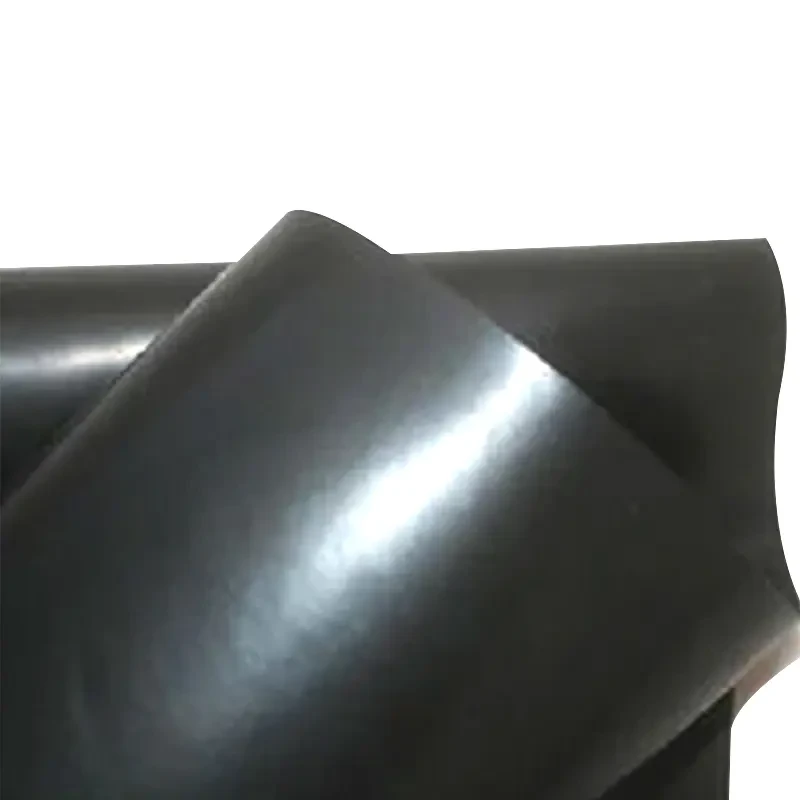
For plastics and rubber compounding, the mill is often used to create a sheet of controlled thickness for downstream calendering, molding, testing, or pre-mixing before extrusion. In practice, the final sheet thickness is governed by the nip setting and repeated passes rather than by a single pass.
Quantitative performance figures reported in technical and laboratory practice include the following:
- Friction ratio: commonly around 1:1.2, with some designs operating in the broader 1:1.1 to 1:1.5 range.
- Roll speeds: differentiated speeds are used to generate shear; the exact rpm depends on roll diameter and application, but higher speeds generally increase throughput and heat generation.
- Residual moisture after centrifugal dewatering: in downstream recycling or washing contexts, centrifugal dewatering systems commonly leave flakes at low residual moisture before further drying; the two-roll mill itself is not a dewatering machine, but it is often paired with preparatory sheet or scrap conditioning stages in process chains.
- Typical flake or sheet size: when used to form feedstock sheets or preforms, the material can be sheeted to controlled thickness for later chopping, calendering, or testing rather than to a standardized flake geometry.
Types and Variations
| Type | Main features | Typical use |
|---|---|---|
| Laboratory two-roll mill | Smaller rolls, precise temperature control, batch operation | Polymer R&D, pigment dispersion, QC testing |
| Open mixing mill | Manual feeding, folding, cutting, repeated sheeting | Rubber compounding and small-batch plastics work |
| Heated two-roll mill | Roll heating for plasticization and controlled viscosity | PVC, EVA, and thermoplastic blending |
| Production open mill | Larger roll size, heavier frame, higher batch capacity | Rubber preparation before downstream shaping or vulcanization |
| Special-purpose lab mill | Configurable roll materials and surface finish | Comparative formulation studies and additive screening |
The most important distinction is between laboratory and production machines. Laboratory units emphasize precision and reproducibility, while production open mills emphasize batch size, robustness, and operator workflow.
Working Principle
The machine works by combining nip compression with differential shear. As the faster roll pulls material through the nip, the compound is stretched and redistributed, while the slower roll resists motion and intensifies deformation.
The practical effects are:
- Mastication, or breakdown of raw rubber structure and viscosity reduction.
- Dispersion of fillers, pigments, and additives by repeated shear.
- Homogenization of mixed compounds for improved consistency in later processing.
- Sheeting into a controlled band for calendering, testing, or feeding to other machines.
Operators influence the process by changing the roll gap, temperature, speed ratio, and mixing time. These variables control compound quality, thermal history, and the likelihood of defects such as scorching, agglomerate retention, or uneven dispersion.
Applications and Uses
Two-roll mills are used across several areas of plastics and polymer processing:
- Rubber compounding, including natural rubber, synthetic rubber, and elastomer masterbatches.
- Plastic and thermoplastic blending, especially for laboratory evaluation and small-batch preparation.
- Pigment and colorant dispersion, where uniform color development is essential.
- PVC compounding, including plasticization and additive incorporation.
- Adhesives, sealants, and specialty formulations, where uniform distribution of modifiers is required.
- Composite preparation, particularly in research settings for resin, fiber, and filler blending.
- Quality control and formulation development, where repeatability and visual inspection matter.
One weaker-fit application is high-throughput continuous pellet production, because the open, batch-oriented nature of the two-roll mill is less efficient than enclosed extruders for large-scale continuous output. For that reason, the mill is usually a preparatory or development tool rather than the main production platform for commodity plastics.
Role in Rubber and Plastics Processing
In rubber processing, the two-roll mill is historically central because it allows operators to incorporate curatives, fillers, and processing aids while observing tack, banding, and dispersion directly. This hands-on process remains useful for formulation development, even though modern internal mixers often dominate large-scale compounding.
In plastics, the machine is more specialized but still important for laboratory compounding and PVC-type formulations, where controlled plasticization and sheet formation are valuable. It is also frequently used to compare the effect of pigments, stabilizers, plasticizers, and fillers before scaling to extrusion or calendering.
Technological Innovations and Automation
Recent technical improvements have focused on:
- Precision temperature control for better rheology management and reduced scorch risk.
- Improved guarding and safety interlocks to reduce operator exposure to the nip zone.
- Electric heating and cooling systems for stable processing of temperature-sensitive compounds.
- Digital control of roll speed and nip settings to improve repeatability in laboratory work.
- Configurable roll surfaces to optimize friction, cleaning, and wear resistance.
Automation has benefits, especially in consistency and safety, but it can reduce the tactile process feedback that skilled operators use to judge dispersion quality. As a result, many laboratory and specialty compounding settings still value the manual, observable character of the machine.
Environmental and Sustainability Aspects
Two-roll mills have both sustainability strengths and limitations.
Positive aspects include:
- Low process complexity, which can reduce maintenance intensity compared with more complex mixing systems.
- Useful life extension for polymers and elastomers through formulation development and recycling-related trials.
- Support for material optimization, allowing compounders to reduce additive waste through iterative lab testing.
Constraints include:
- Open processing losses, including heat loss and some material exposure to the environment.
- Higher operator involvement, which can limit energy and labor efficiency compared with fully enclosed continuous systems.
- Safety and ventilation requirements, particularly when processing volatile plasticizers, curatives, or dust-generating fillers.
From a circular-economy perspective, the mill is valuable in reformulation, reprocessing trials, and small-scale recycling development, but it is generally not the most energy-efficient solution for large-volume recycling streams.
Economic and Global Market Impact
Two-roll mills occupy a durable niche in the global plastics and rubber machinery market because they serve research, formulation, and specialty compounding workflows that larger production systems do not replace. Demand is supported by tire and elastomer industries, polymer laboratories, university facilities, and additive suppliers that require reproducible batch evaluation.
Their economic importance is less about total throughput than about decision support: they help manufacturers validate color, dispersion, plasticity, and processability before committing to expensive production-scale runs. That role reduces formulation risk and shortens development cycles.
Current Challenges and Innovations
Current challenges include:
- Worker safety, particularly exposure to the nip zone and hot roll surfaces.
- Energy efficiency, since open mills can lose heat and require operator-intensive batch handling.
- Consistency, because operator technique strongly affects dispersion and sheet quality.
- Substitution by enclosed mixers, especially in larger compounding operations where automation and dust containment are priorities.
Innovations are addressing these issues through better guarding, more precise controls, improved thermal management, and compact laboratory systems designed for repeatable research workflows. In parallel, formulation science is increasingly using the mill as a diagnostic and development tool rather than a sole production method.
Future Outlook
Two-roll mills are likely to remain important in R&D, quality control, and specialty compounding, even as industrial production shifts toward more automated and enclosed systems. Their future value will depend on whether machine builders continue improving safety, temperature precision, data capture, and process reproducibility.
The most likely path is not replacement but specialization: the two-roll mill will continue to serve as a practical bridge between polymer formulation science and plant-scale processing, especially where visual control, rapid iteration, and small-batch flexibility are essential.
References
- •
What is a two roll mill? Machine overview and process explained. (2026, February 25). Fyitester. https://fyitester.com/two-roll-mill-explained/Link
- •
Two roll rubber mill. (2019, November 22). Wikipedia. https://en.wikipedia.org/wiki/Two_roll_rubber_millLink
- •
What are the applications of two roll mill? (2025, July 25). Li Na Kneader & Pelletizer & Extruder Manufacturer. https://www.lnkneader.com/news/75.htmlLink
- •
Used 2 roll plastic rubber mills for sale. (n.d.). Surplus Record. https://surplusrecord.com/machinery-equipment/2-roll-plastic-rubber-mills/Link
- •
Two-roll mill in the real world: 5 uses you'll actually see. (2025, October 10). LinkedIn. https://www.linkedin.com/pulse/two-roll-mill-real-world-5-uses-youll-actually-sbtreLink
- •
Two roll mill. (2025, August 30). Scribd. https://www.scribd.com/document/876584236/Two-Roll-Mill-Sahil-LuteLink
- •
Two-roll mill working principle for rubber and plastic processing. (2026, August 11). Ollital. https://www.ollital.com/the-core-working-principle-of-two-roll-mill-for-rubber-and-plastic-processing_n207Link
- •
The two roll mill: A detailed guide to its function. (2025, October 16). Li Na Kneader & Pelletizer & Extruder Manufacturer. https://www.lnkneader.com/news/749.htmlLink
- •
What is the use of two roll mill? Essential for polymer mixing. (2026, September 6). Kindle Tech. https://kindle-tech.com/faqs/what-is-the-use-of-two-roll-millLink
- •
Two roll mill. (n.d.). Neoplast. https://www.neoplast.com/products/two-roll-millLink
- •
Unitized 2-roll mills. (2015). Reliable Machinery. http://www.reliable-machinery.com/Inventory/Inventory.htmlLink
- •
Lab two roll mill machine for sale. (2025, April 26). Amade Tech. https://www.amade-tech.com/product/lab-two-roll-mill-machine/Link
- •
What is meant by two high rolling mill? A guide to core material processing. (n.d.). Kindle Tech. https://kindle-tech.com/faqs/what-is-meant-by-two-high-rolling-millLink
- •
Rolling mill. (2024). SMEC. https://www.smecinfo.com/Products_detail/15.htmlLink
- •
Detailed explanation of two-roll open mill. (2026, January 10). Extruder Lab. https://extruder-lab.com/detailed-explanation-of-two-roll-open-mill.htmlLink
- •
Roller mill. (2009, September 22). Wikipedia. https://en.wikipedia.org/wiki/Roller_millLink
- •
Two roll mill machine: The complete guide to rubber open mixing. (2026, July 11). Ouli Machine. https://www.oulimachine.com/news/two-roll-mill-machine/Link
- •
TWO ROLL MILL. (n.d.). Credonics. https://credonics.com/two-roll-mill/Link
- •
LEBTECH two-roll mills. (2021, February 23). LABTECH. https://www.jst.co.th/en/products/labtech/two-roll_mills/Link
- •
Roller mills: Precisely reducing particle size with greater efficiency. (n.d.). MPE Chicago. https://www.mpechicago.com/wp-content/uploads/2019/12/powder_and_bulk_engineering_6-06.pdfLink
- •
Two roll lab mill. (2025, January 20). Alibaba. https://www.alibaba.com/showroom/two-roll-lab-mill.htmlLink
- •
Two roll mill. (n.d.). Euro Rubber Lines. https://www.eurorubberlines.com/two-roll-millLink
- •
Two roll mill - New design. (n.d.). Techlab Systems. https://techlabsystems.com/wp-content/uploads/2022/04/Two_Roll_Mill_Polymers-Rubber_New-design_Labtech_15-02-2022.pdfLink
- •
Two-roll mill report: Trends and forecasts 2025-2033. (2024, July 4). Data Insights Market. https://www.datainsightsmarket.com/reports/two-roll-mill-1504262Link
- •
What is a two roll mill? Master polymer mixing for R&D and quality control. (n.d.). Kindle Tech. https://kindle-tech.com/faqs/what-is-a-two-roll-millLink
- •
Roll mill - An overview. (n.d.). ScienceDirect. https://www.sciencedirect.com/topics/engineering/roll-millLink
- •
Used 2 roll mills. (n.d.). Aaron Equipment. https://www.aaronequipment.com/equipment/mills/2-roll-millLink
- •
Lab two roll mill - Electric heating. (2023, August 1). Mechmill. https://mechmill.com/products/two-roll-mill/Link
- •
Classification of rolling based on the arrangements. (n.d.). IDC-Online. https://www.idc-online.com/technical_references/pdfs/mechanical_engineering/Classification_of_Rolling_Based_on_the_Arrangements.pdfLink
- •
Two roll mill. (n.d.). Deepak Polyplast. https://www.deepakpolyplast.in/products/lab-scale-production/two-roll-mill/Link
- •
Used two roll mills for sale. Farrel equipment & more. (2005, June 1). Machinio. https://www.machinio.com/cat/two-roll-millsLink
- •
Rolling. (n.d.). Indus University. https://coursecontent.indusuni.ac.in/wp-content/uploads/sites/8/2020/05/Metal-forming-Unit-2.2.pdfLink
- •
How does a lab two-roll mill work for PVC compounding? (2025, May 26). Lab Kneader. https://www.labkneader.com/open-mixing-mill-for-pvc-compound/Link
- •
A complete guide to rolling mills 2: Specifications, types, and. (2026, March 16). Alibaba. https://www.alibaba.com/product-insights/rolling-mills-2.htmlLink
- •
Two-roll mill. (2016). University of Twente. https://www.utwente.nl/en/et/ms3/facilities/mechanical_characterization/stress_and_deformation/Two-roll%20mill.whlink/Link
- •
Basics of rolling and rolling mills. (2013, May 30). IspatGuru. https://www.ispatguru.com/some-basics-of-rolling-and-rolling-mills/Link
- •
Tandem rolling mill. (2020, November 24). Wikipedia. https://en.wikipedia.org/wiki/Tandem_rolling_millLink
- •
Choosing a right lab two roll open mixing mill. (2026, March 27). Rubber Plastest. https://www.rubberplastest.com/choosing-a-right-lab-two-roll-open-mixing-mill/Link
- •
Under development stage. (n.d.). NSF. https://nid.nsf.gov.lk/instrumentView/1318Link
- •
Rolling processes. (n.d.). Mustansiriyah University. https://www.uomustansiriyah.edu.iq/media/lectures/5/5_2020_12_16!10_25_40_PM.pdfLink
- •
Diff mill layouts. (2025, July 26). Scribd. https://www.scribd.com/document/289194066/Diff-Mill-LayoutsLink
- •
Rolling (metalworking). (2005, November 17). Wikipedia. https://en.wikipedia.org/wiki/Rolling_(metalworking)Link
- •
Understanding roller mills: Construction, working, and benefits. (2026, March 20). Agriculture Notes by Agriculture.Institute. https://agriculture.institute/wheat-maize-coarse-grains-milling/understanding-roller-mills-benefits/Link