
Introduction
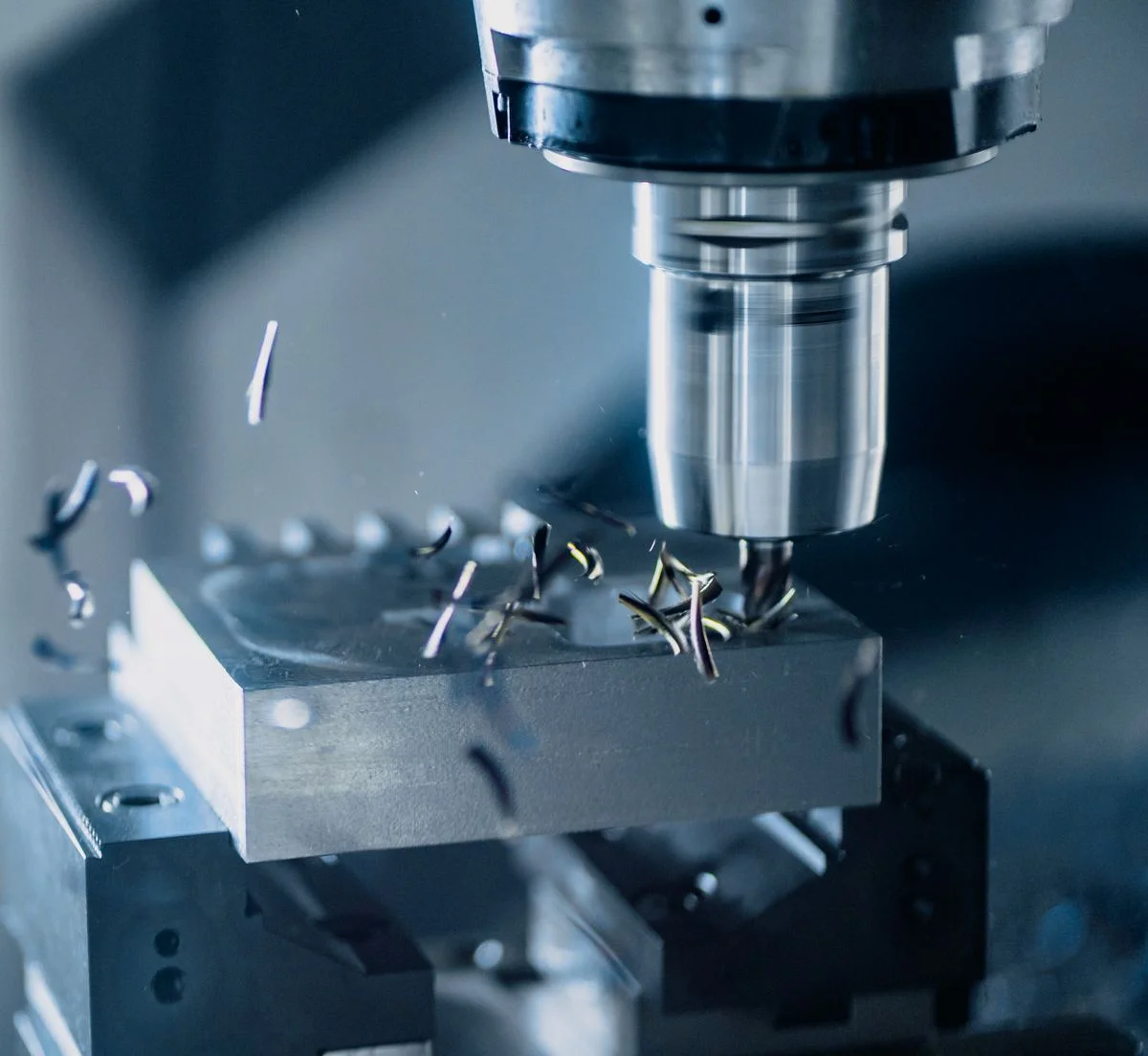
Milling machines are machine tools that remove material from a stationary workpiece using a rotating multi-tooth cutter, producing flat surfaces, slots, pockets, contours, holes, and other precise geometries. In plastics processing and tooling, they are essential for making molds, dies, jigs, fixtures, trim tools, prototype parts, and many machine components used in extrusion, injection molding, thermoforming, and automation systems.
Although milling machines originated as general-purpose metalworking equipment, their role in the plastics industry has expanded with CNC control, higher spindle speeds, improved tool materials, and multi-axis machining, all of which support faster mold-making, tighter tolerances, and better surface quality. Their present development is shaped by automation, digital programming, coolant management, and energy efficiency, while future progress is expected to emphasize greater connectivity, unattended operation, and more sustainable machining practices.
History and Development
The milling machine emerged as a major machine-tool category as manufacturing shifted from hand fitting to powered, repeatable metal removal, with the key principle remaining the same: a rotating cutter removes chips while the workpiece is fed through the cutting zone. Over time, the basic manual mill evolved into vertical, horizontal, universal, bed-type, and CNC configurations, each designed to improve rigidity, accessibility, or versatility.
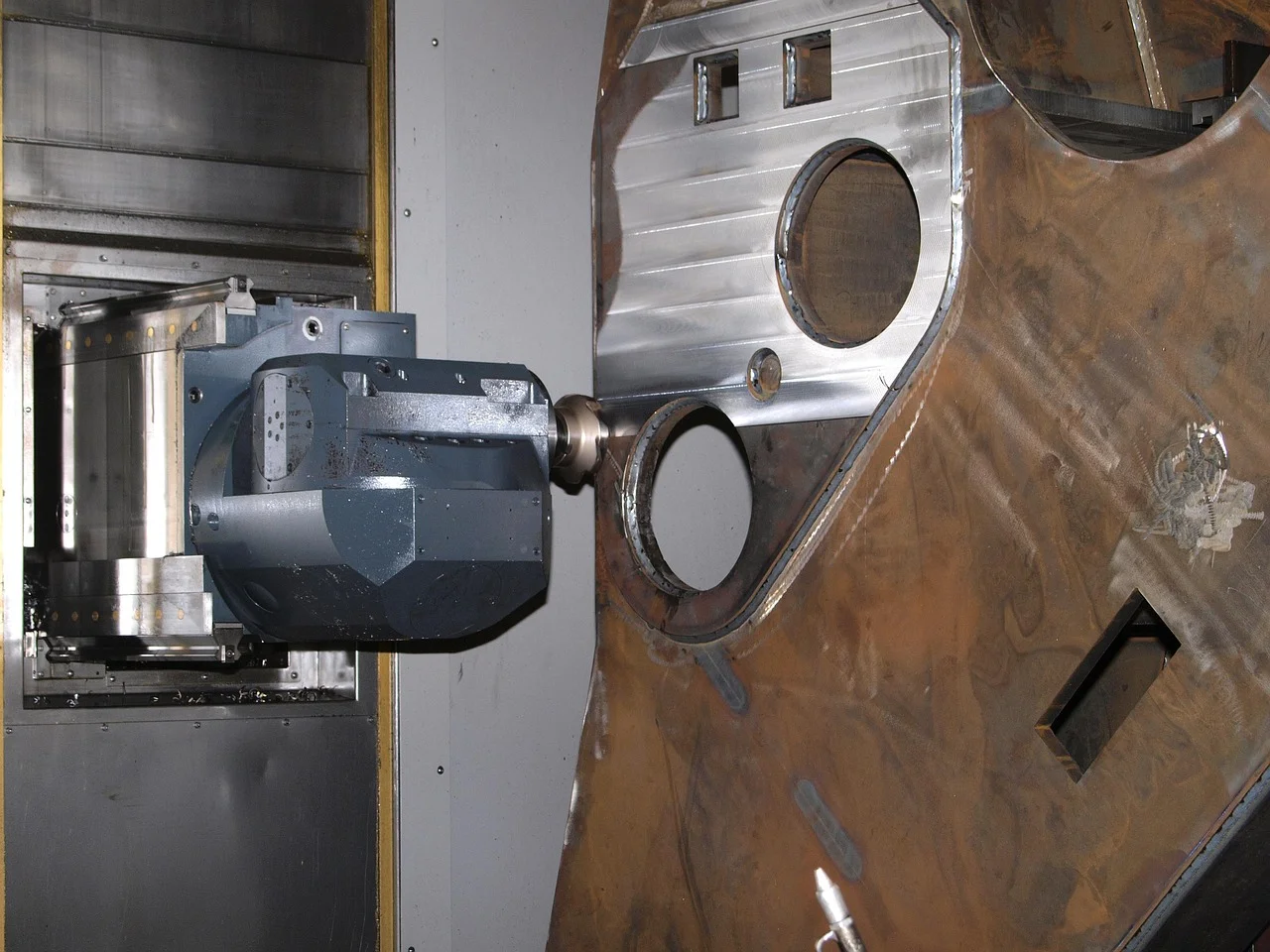
A major milestone was the broad adoption of CNC milling, which replaced manual feed and setup dependence with programmed motion along multiple axes, greatly improving repeatability and productivity. Another important development was the growth of multi-axis machining centers, which made it practical to machine complex cavities, angled surfaces, and sculpted forms in fewer setups, a particularly important capability in mold and die production.
More recent progress has focused on digital monitoring, probing, tool-offset automation, and integrated chip and coolant management, allowing mills to run more consistently with less operator intervention. In parallel, manufacturers have pushed spindle speeds, structural rigidity, and controller sophistication to support harder materials, finer finishes, and shorter cycle times.
Key Characteristics and Technical Overview
A milling machine’s core elements are the spindle, cutting tool, worktable, feed system, and machine frame. The cutter rotates at high speed, while the table or workpiece moves along the X, Y, and Z axes to generate the desired shape.
Common operating parameters include spindle speed, feed rate, depth of cut, tool diameter, coolant flow, and clamping rigidity. In practical machining, roughing favors high material removal rate, while finishing uses lower engagement and controlled feeds to improve surface finish and dimensional accuracy.
Typical technical characteristics include:
- Spindle speed: from a few hundred rpm on heavy conventional machines to many thousands of rpm on CNC machining centers and high-speed mills.
- Axes: basic mills typically use 3 axes, while advanced systems use 4 or 5 axes for complex geometry.
- Material removal: milling is suited to metals, plastics, wood, composites, and engineering polymers, with cutter selection matched to hardness and chip behavior.
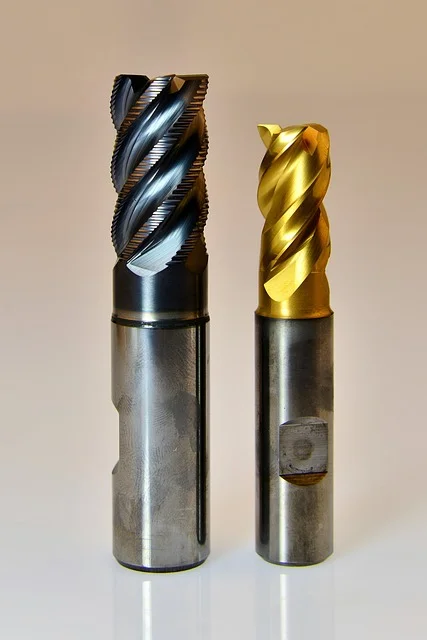
- Tooling: end mills, face mills, slot drills, ball-nose cutters, shell mills, and specialized form cutters are common.
- Surface generation: flat, stepped, contoured, and cavity surfaces can be produced in one or more passes.
For plastics-related tooling and prototype work, milling is often used on aluminum, tool steel, brass, and engineering plastics such as POM, PA, PMMA, and ABS. In such applications, the primary concern is often not only removal rate but also surface finish, edge quality, and the thermal sensitivity of the polymer or mold surface.
Quantitative performance notes
Specific figures vary widely by machine class and material, but several practical benchmarks are useful:
- Conventional shop mills often use spindle speeds in the low thousands of rpm, with feed rates set manually or by simple power feeds.
- CNC mills and machining centers commonly operate at higher spindle speeds and can maintain far tighter repeatability because motion is servo-controlled.
- Heavy-duty horizontal and bed mills may prioritize rigidity and chip evacuation over maximum rpm.
- High-speed milling of plastics or aluminum often uses high spindle speed, shallow depth of cut, and efficient chip removal to limit heat buildup and tool wear.
The search results provided do not contain reliable, source-specific benchmarks for flake size, residual moisture, or dewatering performance, because those figures are associated with plastics recycling granulators rather than milling machines.
Types and Variations
| Type | Main feature | Typical strength |
|---|---|---|
| Vertical milling machine | Vertical spindle orientation | Easy setup, good visibility, common in general machining. |
| Horizontal milling machine | Horizontal spindle orientation | Strong chip evacuation, effective for heavier cutting. |
| Universal milling machine | Adjustable table and versatile head arrangements | Flexible for angled and compound operations. |
| CNC milling machine | Computer-controlled multi-axis motion | High repeatability and complex geometry capability. |
| Bed-type milling machine | Fixed bed with moving table components | Greater rigidity for larger workpieces. |
| Gantry or bridge-type mill | Bridge-supported cutting head | Suitable for large-format workpieces and high stiffness. |
| Tracer-controlled mill | Copying or pattern-following control | Useful for duplicating forms, though now less common. |
In plastics manufacturing support roles, CNC vertical mills and machining centers are the most common because they handle mold plates, dies, tooling inserts, and prototype components efficiently.
Working Principle
The milling process begins by clamping the workpiece securely on the table and selecting the appropriate cutter and cutting parameters. The spindle then rotates the cutter at high speed, and the table advances the workpiece into the cutting zone so that each tooth removes a small chip.
Material removal is controlled by:
- Cutting speed
- Feed rate
- Depth of cut
- Tool geometry
- Toolpath strategy
- Workholding stiffness
This arrangement differs from turning, where the workpiece rotates and the cutting tool remains relatively fixed. Milling is therefore especially suited to prismatic parts, cavities, and features requiring coordinated movement on multiple axes.
Applications and Uses
Milling machines are used across general engineering, automotive, aerospace, mold making, electronics, and plastics-related manufacturing. Their role in plastics processing is often indirect but critical: they make the tools, fixtures, and machine parts that enable polymer conversion processes.
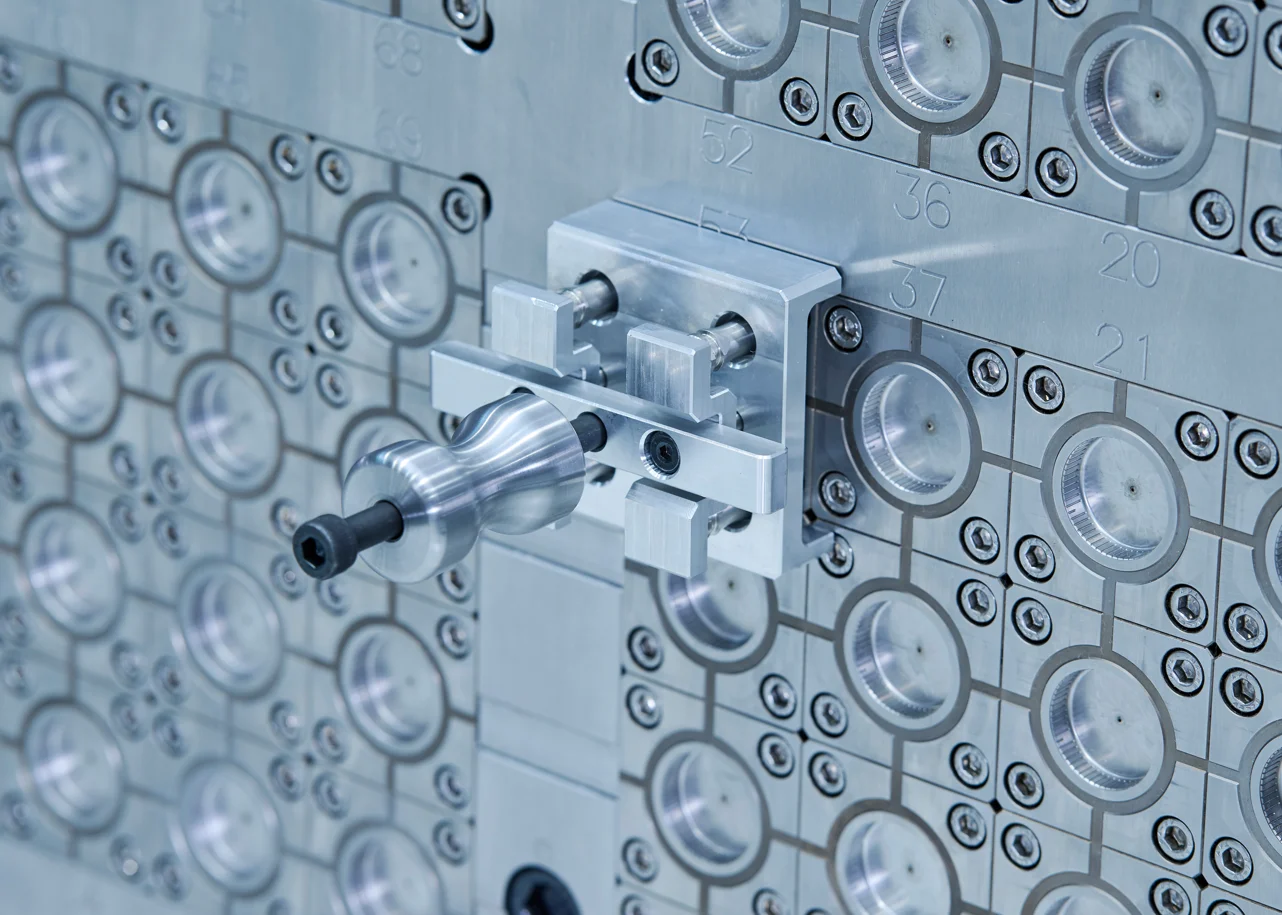
- Injection molding: machining mold cavities, cores, ejector plates, and hot-runner components.
- Extrusion equipment: producing gearbox housings, die plates, adapter blocks, and precision fixtures.
- Thermoforming and vacuum forming: making trim tools, forming plates, and mold bases.
- Blow molding: machining tooling inserts and support components.
- Prototype and R&D work: producing functional samples in plastics, aluminum, and soft tooling materials.
- General maintenance and plant engineering: fabricating brackets, housings, and machine modifications.
A poor-fit use is very high-volume production of simple, repetitive parts where dedicated forming, stamping, or molding processes are more economical than machining.
Technological Innovations and Automation
CNC control has transformed milling from a manually adjusted process into a programmable manufacturing platform. Modern machines integrate servo drives, digital readouts, probing, sensors, coolant systems, and collision monitoring to improve accuracy and reduce operator dependence.
Notable innovations include:
- Multi-axis toolpaths for complex surfaces and undercuts.
- Automated tool changers for uninterrupted operation.
- In-process probing for work offset verification and quality control.
- CAM integration that converts CAD geometry into optimized toolpaths.
- Adaptive feed control to manage chip load and reduce tool failure.
For plastics industry users, these improvements matter because mold quality strongly affects part shrinkage, surface appearance, cycle time, and downstream trimming or assembly requirements.
Environmental and Sustainability Aspects
Milling supports material efficiency because it can produce high-precision parts with minimal scrap compared with some subtractive alternatives, especially when toolpaths are optimized for roughing and finishing. At the same time, it remains a chip-generating process, so waste management, chip recycling, and coolant handling are central sustainability concerns.
Energy use is influenced by spindle power, cycle time, idle losses, coolant systems, and auxiliary drives. High-speed machining can improve throughput, but it may also raise energy consumption if not carefully optimized; for that reason, manufacturers increasingly balance productivity against specific energy use and tool life.
Sustainability improvements commonly include:
- Dry or minimum-quantity lubrication where suitable
- Chip recycling for metal swarf
- Long-life cutting tools
- Optimized toolpaths to reduce air cutting
- Efficient motors and drives
- Better coolant filtration and reuse
Economic and Global Market Impact
Milling machines are foundational to industrial production because they support both direct part manufacture and the tooling ecosystem that underpins plastics processing. Their economic value is amplified in mold and die work, where machining quality directly affects part quality, mold life, and launch speed for new products.
CNC milling is especially important in regions with strong automotive, appliance, medical device, and packaging sectors, where demand for molds, fixtures, and precision components remains persistent. As production becomes more customized and product cycles shorten, the ability to move quickly from CAD model to machined tool remains a strategic advantage.
Current Challenges and Innovations
Current challenges include tool wear, chatter, heat generation, chip evacuation, dimensional drift, and operator skill gaps. In plastics-related applications, additional concerns include thermal distortion of softer materials and achieving clean edge quality without melting, tearing, or burr formation.
Ongoing innovation is focused on:
- Higher rigidity frames to suppress vibration
- Smarter CAM software for optimized engagement
- Improved cutter coatings and carbide grades
- More accurate probing and metrology
- Lights-out machining with better process monitoring
The central engineering challenge is to maximize productivity without sacrificing tolerance, finish, or tool life.
Future Outlook
Future milling machines are likely to be more connected, more automated, and better integrated with digital manufacturing workflows. For plastics tooling, this means faster turnaround on molds, quicker repair of wear components, and greater flexibility for short production runs and design changes.
Likely directions include:
- Greater use of 5-axis machining for complex mold surfaces
- More autonomous setup and inspection
- Hybrid additive-subtractive workflows
- Stronger emphasis on energy efficiency
- Predictive maintenance and machine analytics
As plastics processing becomes more design-intensive and time-sensitive, milling machines will remain indispensable for toolmaking, prototyping, and precision support manufacturing.
Summary
Milling machines are versatile subtractive machine tools that use a rotating cutter and controlled workpiece motion to create precise geometries. In the plastics industry, they are especially important for mold making, tooling, fixtures, and prototype components, and their evolution toward CNC, multi-axis capability, and automation continues to improve accuracy, speed, and flexibility.
References
- •
7 Different Types of Milling Machines. (2019, March 7). Macpower. https://www.turnerlathe.com/blog/milling-machines-typesLink
- •
Milling (machining). (2013, January 29). Wikipedia. https://en.wikipedia.org/wiki/Milling_(machining)Link
- •
What Is The Milling Machine? A Complete Beginner's Guide. (2026, February 9). Sany Global. https://www.sanyglobal.com/blog/what-is-the-milling-machine/Link
- •
A Complete Guide to Milling Machines. (n.d.). MSC Industrial Supply. https://www.mscdirect.com/resources/buying-guides/milling-machinesLink
- •
Guide to Milling Machines: Types, Functions, and Applications. (2026, April 13). Firstmold. https://firstmold.com/guides/milling-machines/Link
- •
10 Types of Milling Machines You Should Know. (n.d.). CNC Masters. https://www.cncmasters.com/types-of-milling-machine/Link
- •
What Is a Milling Machine? Types, Applications, and How to Choose the Right Milling Machine Manufacturer. (2026, March 2). Everox. https://www.everox-tw.com/en-US/newsc13-what-is-a-milling-machine-types-applications-and-how-to-choose-the-right-milling-machine-manufacturerLink
- •
Milling Machines Mega Guide - What Are They, Types And Features. (2020, June 5). Bitfab. https://bitfab.io/blog/milling-machines-mega-guide-what-are-they-types-and-features/Link
- •
Types of Milling Machines: Classifications & CNC Guide. (2026, April 22). CNC Machining Shops. https://www.cncmachiningshops.com/types-of-milling-machines/Link
- •
Introduction to Milling: Definition, Work, Operation and Process. (2023, October 24). Xometry. https://www.xometry.com/resources/machining/what-is-milling-in-machining/Link
- •
Different Types of Milling Machines and How They Work. (2021, January 4). Fine Metalworking. https://finemetalworking.com/milling-machinesLink
- •
15 Different Types of Milling Machines. (2026, April 7). The Engineering Choice. https://www.theengineeringchoice.org/types-of-milling-machines/Link
- •
Milling Machine Guide: Types, Uses and How to Choose. (2026, June 19). Modern Tools. https://moderntools.com.au/milling-machine-guide/Link
- •
456. (n.d.). G-W. https://www.g-w.com/assets/files/pdf/sampchap/9781649259837_Ch26.pdfLink
- •
What Is a Milling Machine? Types, Definition & Features. (2026, April 9). Doug Machine. https://doug-machine.com/feeds/blog/milling-machineLink
- •
Milling machine.pDF. (n.d.). RSKR. https://rskr.irimee.in/sites/default/files/Milling%20machine.pDFLink
- •
Comparing the Different Types of Milling Machines. (2020, June 24). OneMonroe. https://monroeengineering.com/blog/comparing-the-different-types-of-milling-machines/Link
- •
Milling machine. (n.d.). TPU. https://portal.tpu.ru/SHARED/p/PRONINA/documents/files/f7.pdfLink
- •
Definition, Process, and CNC Milling Machine. (2025, October 23). Encycam. https://encycam.com/articles/milling-definition-process-and-cnc-milling-machine/Link
- •
Milling Machine: Definition, Parts, Types, Operations (With PDF). (2023, September 21). Learn Mechanical. https://learnmechanical.com/milling-machine/Link
- •
What Is a Milling Machine? Definition, Working Principle, Types. (n.d.). Machining Custom. https://www.machining-custom.com/blog/milling-machine.htmlLink
- •
The Different Types of Milling Machines. (2026, February 6). Metrom. https://metrom.com/blog/the-different-types-of-milling-machines/Link
- •
Different Types of Milling Machines. (n.d.). WMW Machinery Company. https://wmwmachinery.com/blog/different-types-of-milling-machines/Link
- •
Working Principle of Milling Machine. (2018, November 24). BDE Inc. https://www.bdeinc.com/blog/do-you-know-how-a-milling-machine-works/Link
- •
Milling Machine Basics: Types, Classifications, and Cutting Tools. (2022, August 29). Kennametal. https://www.kennametal.com/us/en/resources/blog/metal-cutting/milling-machine-basics-types-classifications-and-cutting-tools.htmlLink
- •
What is a Milling Machine: Definition, History, Types & Characteristics. (2023, September 13). 3ERP. https://www.3erp.com/blog/milling-machine/Link
- •
What is Milling: Definition, Process & Operations. (2026, May 22). 3ERP. https://www.3erp.com/blog/milling/Link
- •
CNC Milling Machine – What Is It and How Does It Work? (2026, January 22). Maximus CNC. https://maximuscnc.com/en/cnc-milling-machine-what-is-it-and-how-does-it-work/Link
- •
What is Milling? Definition and process. (n.d.). Biesse. https://biesse.com/ww/en/news/what-is-milling-definition-and-process/Link
- •
25 Types of Milling Operations. (2023, November 22). Xometry. https://www.xometry.com/resources/machining/types-of-milling-in-machining/Link
- •
CNC Milling Machines — How They Work, Types, Parts & Operations. (2025, December 26). JLC CNC. https://jlccnc.com/blog/what-is-a-cnc-milling-machineLink
- •
How to use a Milling Machine - Instructions. (n.d.). American Machine Tools. https://www.americanmachinetools.com/how_to_use_a_milling_machine.htmLink