
Introduction
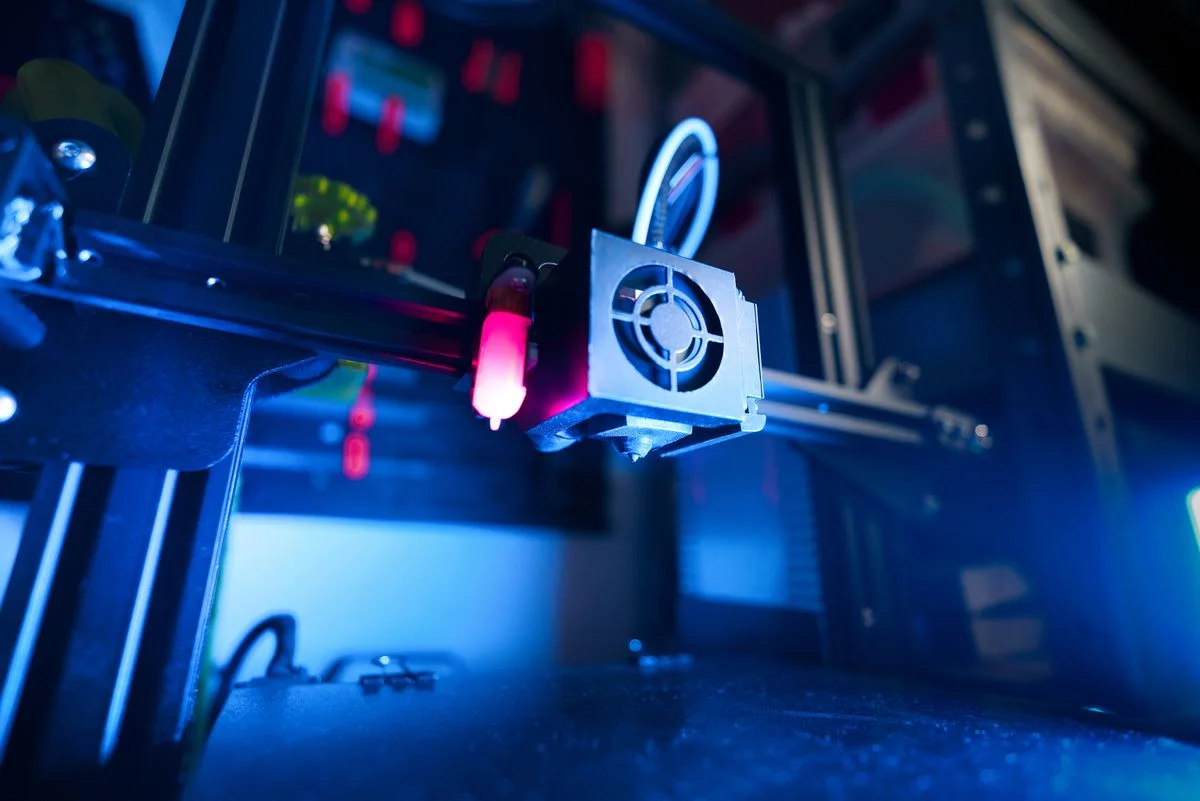
Additive manufacturing (AM) machines, commonly called 3D printers, create parts by building geometry layer by layer from digital data rather than removing material from a solid block. In plastics processing, the term covers both desktop and industrial systems that process thermoplastics, photopolymers, powders, and composite filaments, with major process families including material extrusion, vat polymerization, powder bed fusion, material jetting, binder jetting, sheet lamination, and direct energy deposition.
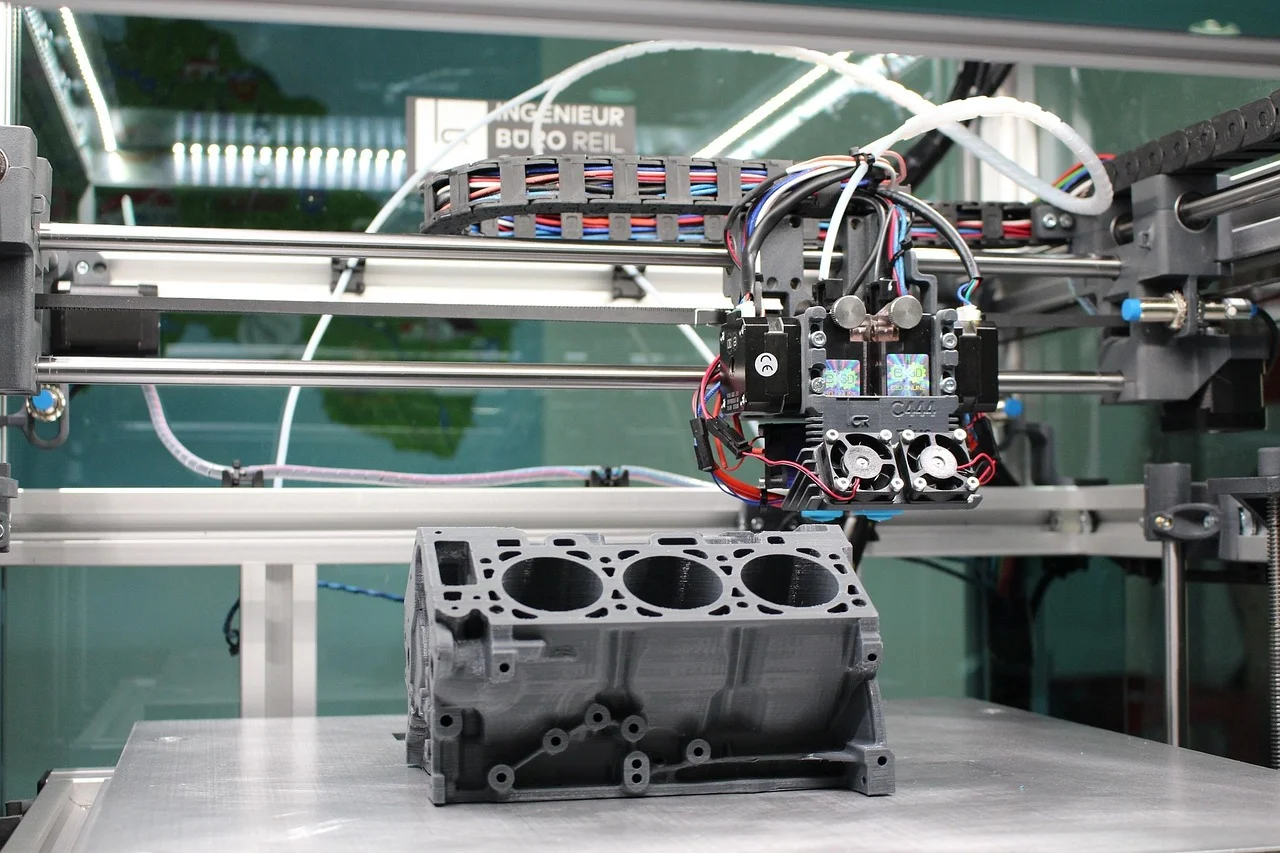
For polymer applications, AM machines are used for prototyping, tooling, fixtures, short-run production, dental and medical models, consumer products, and increasingly end-use parts that require customization or complex internal geometries. The technology has matured from a rapid-prototyping tool into a production-capable manufacturing platform, while continuing to face constraints in cost, build speed, anisotropic properties, qualification, and post-processing. Sustainability is a major theme because AM can reduce material waste relative to subtractive manufacturing, but its real environmental performance depends on machine energy use, material recyclability, scrap handling, and part utilization rates.
History and Development
Additive manufacturing emerged from the convergence of CAD, digital control, and layer-based fabrication methods that transformed a virtual model into machine instructions. Early commercial systems were developed for rapid prototyping, especially in plastics, where photopolymerization and filament extrusion offered relatively accessible entry points.
A few key milestones shaped the modern machine landscape:
- 1980s–1990s: stereolithography and fused deposition-based systems established the core idea of building polymer parts from digital layers, making AM a practical prototyping technology.
- 2010s: ASTM’s AM classification work helped standardize the field into seven process categories, improving communication across suppliers, users, and regulators.
- 2020s: industrial AM expanded into production cells, hybrid manufacturing, and more automated workflows, with production-oriented machine guides and vendor portfolios increasingly emphasizing throughput, repeatability, and quality assurance.
The market also diversified from single-machine desktop printers to integrated production platforms with material handling, monitoring, and post-processing ecosystems.
Technical Overview
AM machines differ primarily by how material is supplied and solidified.
Material extrusion
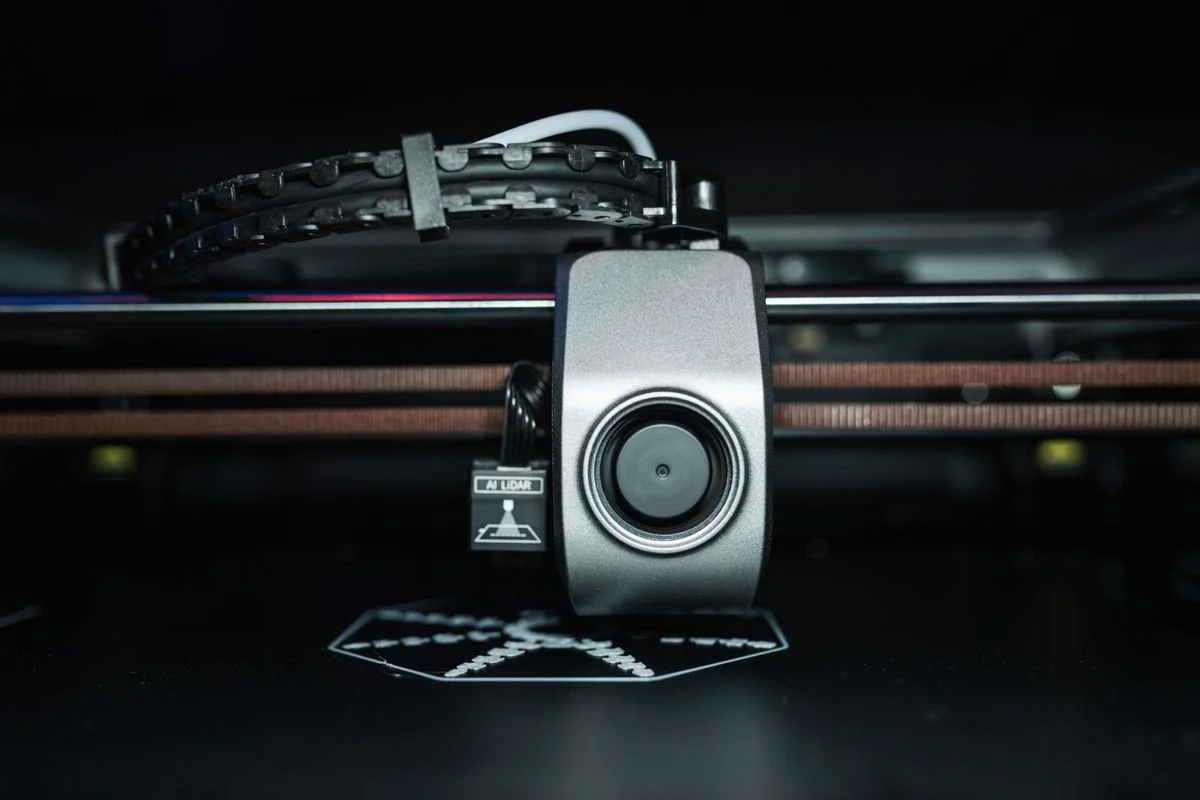
Material extrusion machines, including FDM/FFF systems, melt thermoplastic filament or pellet feedstock through a heated nozzle and deposit it in roads that fuse on cooling. Common plastics include PLA, ABS, PETG, nylon, TPU, and polycarbonate, with engineering systems also processing filled and continuous-fiber composites.
Typical performance ranges include:
- Layer thickness: about 0.1–0.4 mm in common polymer machines, with finer layers used for visible surfaces and thicker layers for faster build rates.
- Throughput: from a few hundred grams per hour in desktop devices to several kilograms per hour in industrial pellet-extrusion systems; large-format systems can exceed this for coarse structures.
- Uses: jigs, fixtures, concept models, functional housings, and low-volume end-use parts.
Vat polymerization
Vat polymerization systems, including SLA, DLP, and LCD/MSLA machines, cure liquid photopolymer resin using a light source. These machines are valued for high surface quality and fine detail, making them common in dental, jewelry, medical-model, and miniature applications.
Typical characteristics include:
- Layer thickness: often 25–100 µm
- Dimensional accuracy: commonly around ±0.05 to ±0.2 mm for many parts, depending on size and resin system
- Trade-off: excellent detail, but parts usually require washing, UV post-curing, and careful resin handling.
Powder bed fusion
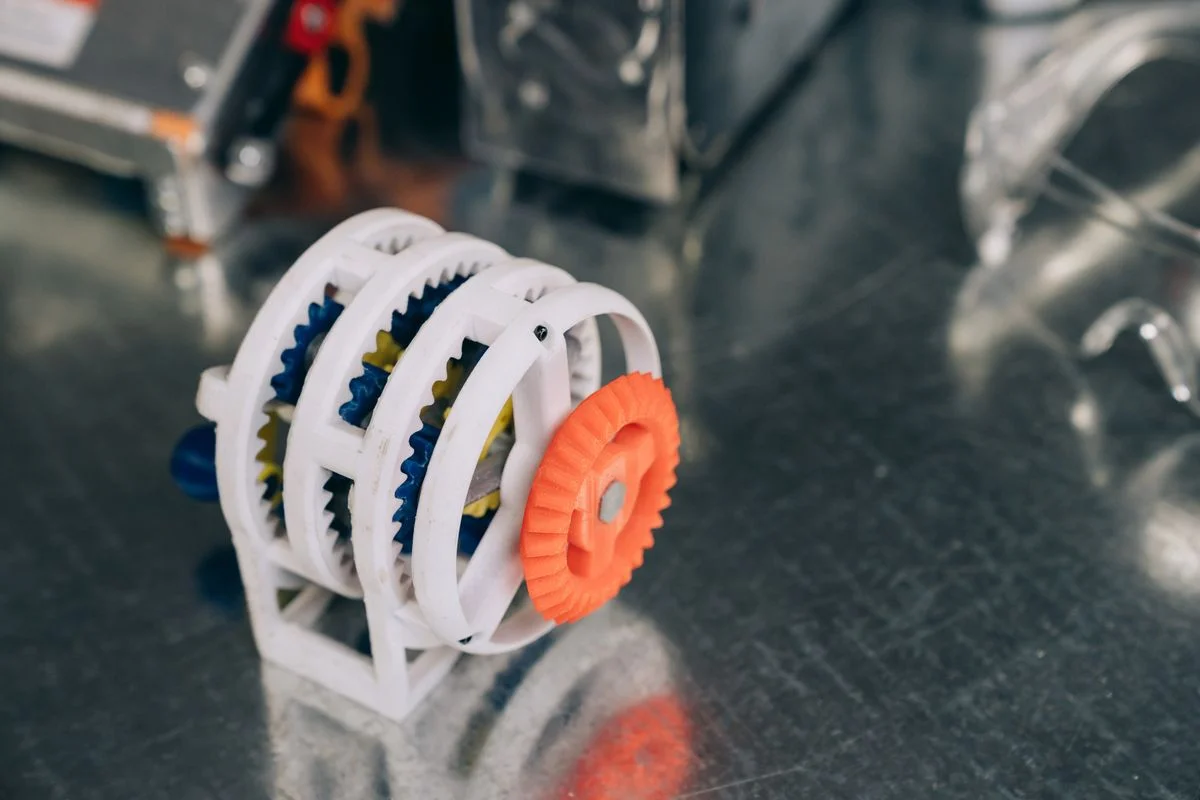
Powder bed fusion (PBF) machines spread a thin powder layer and selectively fuse it using a laser or other energy source. In plastics, SLS is the best-known polymer PBF method, typically using nylon powders for strong, support-free parts with complex geometry.
Typical engineering benchmarks include:
- Powder layer thickness: often 60–150 µm
- Build temperature control: critical for dimensional stability and warpage control
- Industrial use: functional polymer parts, ducts, enclosures, snap-fit assemblies, and production tooling.
Material jetting and binder-based systems
Material jetting machines deposit droplets of build material or jetted agents to produce highly detailed parts, often with multi-material capability. Binder jetting uses liquid binder to join powder particles before debinding and sintering in many material systems. These platforms are more prominent in industrial and specialty applications than in general plastics manufacturing.
Typical machine architecture
Most AM machines share a common digital workflow:
- CAD or scan data creation
- File conversion and slicing
- Layer-wise machine execution
- Post-processing and inspection
Industrial systems may include closed-loop monitoring, thermal management, recoaters, optics, motion systems, filtration, and integrated software for job preparation and quality tracking.
Types and Variations
| Machine class | Main material form | Strengths | Typical limitations | Common plastic-use examples |
|---|---|---|---|---|
| FDM/FFF extrusion | Filament or pellet thermoplastic | Low cost, broad material choice, large parts | Visible layers, anisotropy, support removal | Fixtures, prototypes, housings |
| SLA/DLP/LCD | Liquid photopolymer | High resolution, smooth surfaces | Resin handling, post-cure, brittleness in some grades | Dental models, jewelry patterns, detail parts |
| SLS polymer | Powdered nylon and related polymers | Support-free complex geometry, robust parts | Higher capital cost, powder management | Functional components, ducts, enclosures |
| Material jetting | Photopolymer droplets | Fine detail, multi-material capability | High system and material cost | Concept models, medical models |
| Binder jetting | Powder + binder | High throughput potential, no support structures | Debinding/sintering steps in many workflows | Specialty industrial parts |
| Large-format pellet extrusion | Pellet thermoplastic | High throughput, lower material cost | Lower resolution than filament systems | Molds, patterns, large housings |
Industrial machine portfolios increasingly span several of these classes so users can match speed, surface finish, strength, and economics to the part requirement.
Applications and Uses
AM machines are used across plastics-related manufacturing wherever design freedom, rapid iteration, or customization outweigh the advantages of conventional molding or machining.
- Prototyping and design validation: FDM and SLA are widely used for fit, form, and function checks.
- Tooling and manufacturing aids: printers produce jigs, fixtures, gauge tools, and assembly aids, especially in FDM and SLS.
- Dental and medical workflows: resin systems dominate dental models, aligner tools, surgical guides, and anatomical models.
- Aerospace and automotive: higher-performance polymers support ducts, brackets, lightweight brackets, and custom fixtures, while metal AM is used for selected high-value components.
- Consumer products and mass customization: custom eyewear, wearables, housings, and small-batch products benefit from AM’s design flexibility.
- Poor-fit use: very high-volume commodity parts with simple geometry are usually a poor match for polymer AM because injection molding typically offers lower unit cost and higher throughput.
Technological Innovations and Automation
Recent progress has focused on making AM machines more production-oriented rather than merely more capable in geometric complexity. Key developments include:
- Automated build preparation and nesting software that improves throughput and part packing
- In-situ monitoring using cameras, thermal sensors, and optical systems to detect defects during build
- Closed-loop control for temperature, extrusion, and recoating stability
- Hybrid platforms that combine additive and subtractive operations in one cell
- Digital workflow integration with MES, PLM, and traceability systems for regulated industries
The main engineering trade-off is that greater automation often raises system cost and process complexity, even as it improves repeatability and qualification potential.
Environmental and Sustainability Aspects
AM is often presented as a lower-waste manufacturing approach because material is deposited only where needed, and this can reduce scrap relative to machining. In plastics processing, the sustainability picture is more nuanced:
- Material efficiency: support-free processes such as SLS can reduce waste in complex parts.
- Recyclability: some polymer powders and filaments can be reused or reprocessed, though reuse limits depend on thermal history and property retention.
- Energy use: machine energy consumption varies widely by process; heated chambers, lasers, and post-curing can offset material savings in some cases.
- Distributed production: local manufacturing can reduce transport burdens for certain parts.
- Design for circularity: repair, remanufacture, and on-demand replacement are promising uses, especially for spare parts and tooling.
The most favorable sustainability outcomes usually occur when AM replaces wasteful low-volume production, reduces assembly count, or enables part consolidation.
Economic and Global Market Impact
AM machines have created a segmented global market spanning consumer desktop printers, professional prototyping systems, and industrial production platforms. The highest-value segments are generally industrial systems used for regulated, high-margin, or customized applications, while desktop and prosumer systems support education, small businesses, and distributed fabrication.
Recent industry coverage shows that machine vendors and editorial machine guides increasingly organize the market by process category rather than by “3D printer” as a single class, reflecting a more mature and specialized industry structure. In economic terms, AM’s value proposition is strongest where it reduces tooling lead time, enables part consolidation, or supports low-volume production without hard tooling.
Current Challenges and Innovations
AM machines still face several persistent issues:
- Part anisotropy: mechanical properties can vary by build direction.
- Quality consistency: thermal control, powder condition, and calibration strongly affect repeatability.
- Post-processing burden: support removal, curing, surface finishing, and inspection remain essential in many workflows.
- Qualification and standards: regulated industries require process validation and traceability.
- Cost structure: materials and machine time can be expensive relative to conventional molding at scale.
Current innovation is focused on better process monitoring, multi-material printing, higher-speed deposition, larger build volumes, and materials with improved heat, chemical, and fatigue resistance.
Future Outlook
The next generation of additive manufacturing machines is likely to be defined less by novelty in geometry and more by production reliability, automation, and material performance. In plastics, this points toward faster polymer powder-bed systems, higher-throughput extrusion machines, and more capable photopolymer platforms for industrial end use.
Future growth is also likely to come from:
- Greater use of recycled and recyclable polymers
- More standardized qualification workflows
- AI-assisted process control
- Hybrid additive-subtractive manufacturing cells
- Expanded use in spare parts, tooling, and localized production
As the technology matures, AM machines will remain most competitive where engineering value depends on complexity, customization, or speed to market rather than sheer part volume.
References
- •
The TCT Additive Manufacturing Machine Guide 2026. (2026, February 25). TCT Magazine. https://www.tctmagazine.com/tct-am-machine-guide/Link
- •
AM basics - Additive manufacturing. (n.d.). Additive Manufacturing. https://additivemanufacturing.com/basics/Link
- •
Comprehensive guide of AM machines. (2024, June 21). MET3DP. https://met3dp.com/am-machines-202406211/Link
- •
The 10 main types of 3D printer explained. (2024, March 25). 3DSourced. https://www.3dsourced.com/3d-printers/main-types-of-3d-printer-explained/Link
- •
Types of 3D printers: 7 technologies compared (2026). (2026, July 7). Tripo3D. https://www.tripo3d.ai/blog/types-of-3d-printersLink
- •
Типы 3D‑принтеров: технологии, материалы, применение. (2018, April 9). IQB Blog. https://blog.iqb.ru/3d-printers-types/Link
- •
3D printer types & technologies. (n.d.). Markforged. https://markforged.com/resources/learn/3d-printing-basics/3d-printing-introduction/3d-printer-types-technologiesLink
- •
www.3trpd.co.uk. (n.d.). 3T RPD. https://indico.cern.ch/event/214588/attachments/340374/475037/CERN_Kilburn_2012_no_mech_pr.pdfLink
- •
10 types of 3D printers: A comprehensive guide for 2024. (2024, December 16). Meshy. https://www.meshy.ai/blog/types-of-3d-printersLink
- •
3D printing guide: Types of 3D printers, materials, and applications. (n.d.). Formlabs. https://formlabs.com/3d-printers/Link
- •
8 types of 3D printing and its processes. (2022, July 15). Xometry. https://www.xometry.com/resources/3d-printing/types-of-3d-printing/Link
- •
7 types of 3D printer technology. (2024, May 31). Built In. https://builtin.com/articles/3d-printer-typesLink
- •
Metal 3D printer. (n.d.). DMG MORI. https://us.dmgmori.com/products/machines/additive-manufacturingLink
- •
Additive manufacturing: An overview for modern manufacturers. (2025, September 10). Hexagon Manufacturing Intelligence. https://blog.manufacturing.hexagon.com/digital-transformation-in-manufacturing/smart-manufacturing/additive-manufacturing-an-overview-for-modern-manufacturers/Link
- •
Additive manufacturing - An overview. (2021, October 30). ScienceDirect. https://www.sciencedirect.com/topics/engineering/additive-manufacturingLink
- •
Choosing your 3D printer: A deep dive into different 3D printer types. (2025, August 21). Flashforge. https://www.flashforge.com/blogs/news/choosing-your-3d-printer-a-deep-dive-into-different-3d-printer-typesLink
- •
Complete guide to SLM equipment. (2025, August 21). AM Material. https://am-material.com/news/complete-guide-to-slm-equipment/Link
- •
Types of 3D printers: Which one is right for you? (2025, September 17). Siraya Tech. https://siraya.tech/blogs/news/types-of-3d-printersLink
- •
Additive manufacturing technology overview. (2026, April 13). Scribd. https://www.scribd.com/presentation/972820044/AM-Unit-2-1Link
- •
A comprehensive overview of additive manufacturing. (2024, February 15). PMC. https://pmc.ncbi.nlm.nih.gov/articles/PMC10880673/Link
- •
Additive manufacturing, explained. (2017, December 7). MIT Sloan. https://mitsloan.mit.edu/ideas-made-to-matter/additive-manufacturing-explainedLink
- •
What are the different types of 3D printing? (n.d.). FutureLearn. https://www.futurelearn.com/info/courses/getting-started-with-digital-manufacturing/0/steps/184102Link
- •
What are the types of 3D printers and what can they do? (n.d.). Hubs. https://www.hubs.com/knowledge-base/types-of-3d-printing/Link
- •
Additive manufacturing technique - An overview. (n.d.). ScienceDirect. https://www.sciencedirect.com/topics/engineering/additive-manufacturing-techniqueLink
- •
An overview of additive manufacturing technologies—A review. (2020, September 3). PMC. https://pmc.ncbi.nlm.nih.gov/articles/PMC7504540/Link
- •
What is additive manufacturing? Technology & impact guide. (2025, April 4). Markforged. https://markforged.com/resources/blog/additive-manufacturing-101-guide-the-basicsLink
- •
Industrial metal 3D printing machine manufacturer. (n.d.). Eplus3D. https://www.eplus3d.com/products/additive-manufacturing-machine/Link
- •
An overview of various additive manufacturing technologies and processes. (2022, November 3). PMC. https://pmc.ncbi.nlm.nih.gov/articles/PMC9670698/Link
- •
Applications of 3D printing. (2017, February 24). Wikipedia. https://en.wikipedia.org/wiki/Applications_of_3D_printingLink
- •
A Deloitte series on. (n.d.). Deloitte. https://www2.deloitte.com/content/dam/insights/us/articles/the-3d-opportunity-primer-the-basics-of-additive-manufacturing/DUP_718-Additive-Manufacturing-Overview_MASTER1.pdfLink
- •
The 7 categories of additive manufacturing. (n.d.). Loughborough University. https://www.lboro.ac.uk/research/amrg/about/the7categoriesofadditivemanufacturing/Link
- •
Additive manufacturing. (2016, June 30). NIST. https://www.nist.gov/additive-manufacturingLink
- •
Additive manufacturing: A comprehensive review. (2024, April 23). PMC. https://pmc.ncbi.nlm.nih.gov/articles/PMC11085389/Link
- •
Best industrial metal and plastic 3D printers. (2017, January 16). 3D Systems. https://www.3dsystems.com/3d-printersLink