
Introduction
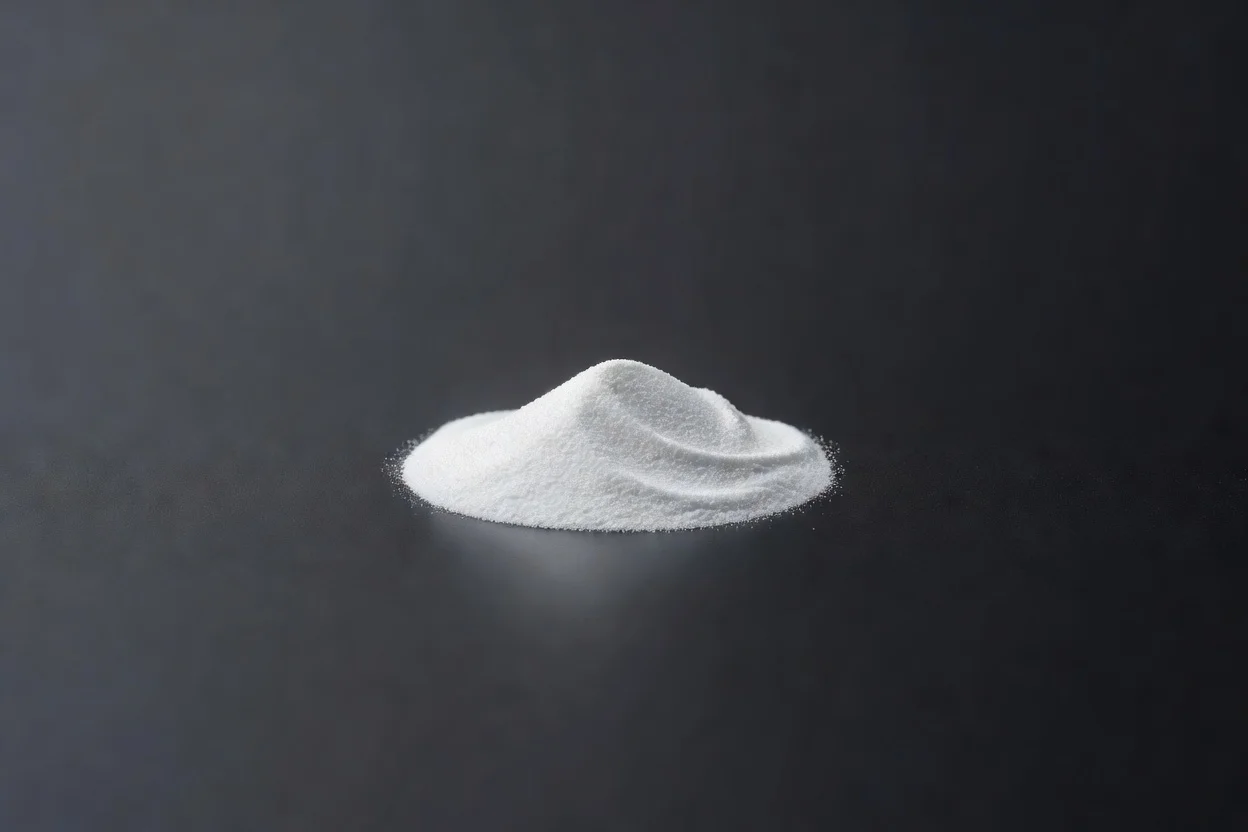
Titanium oxide in industrial practice usually refers to titanium dioxide and related titanium oxides, of which titanium dioxide is by far the most important plastics raw material auxiliary and white pigment. In the plastics value chain, it is used primarily as an opacifier, brightener, UV-screening pigment, and performance additive, and its value comes from an unusually high refractive index, chemical inertness, thermal stability, and strong light-scattering power.
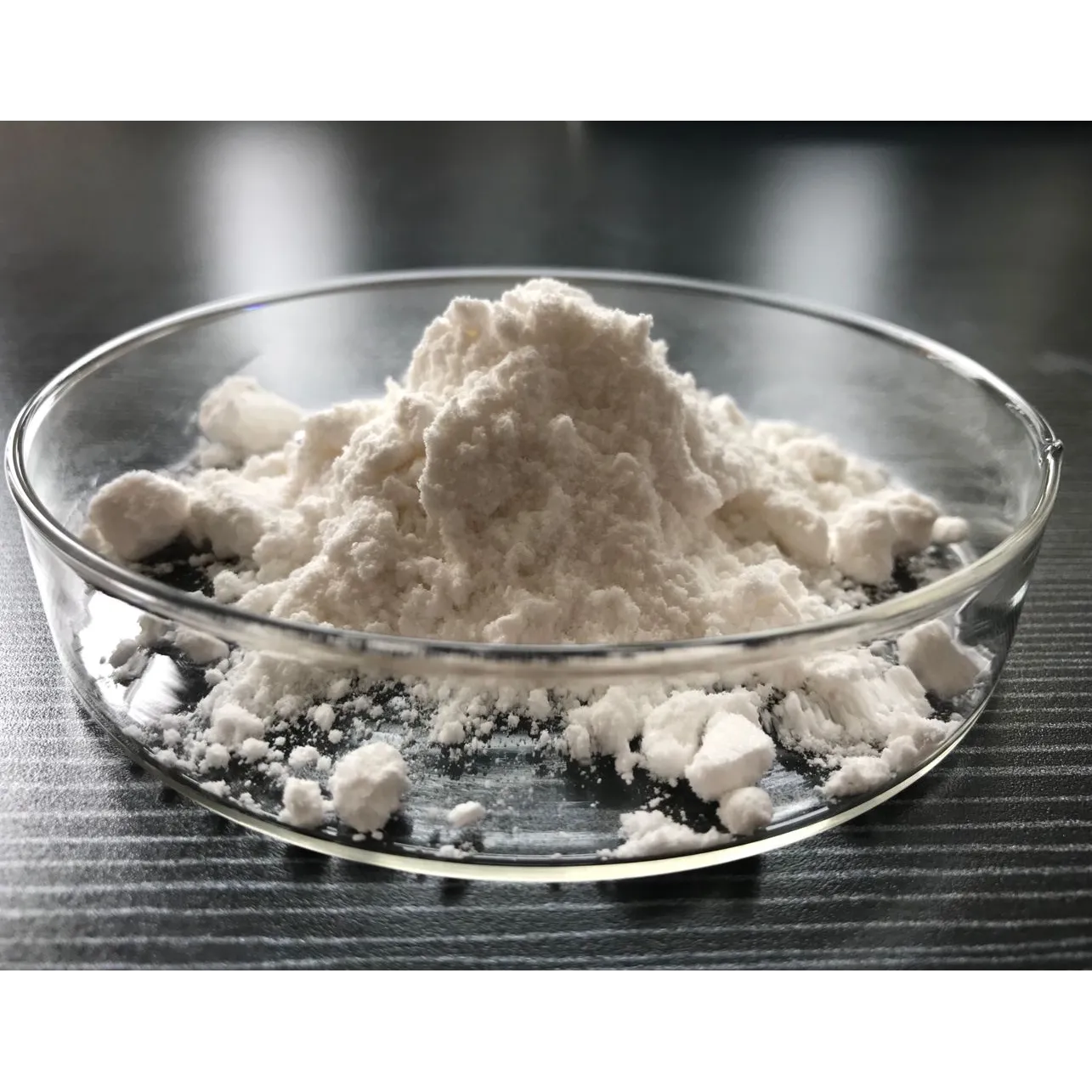
Titanium dioxide is a century-old industrial material that remains central to coatings, plastics, paper, inks, cosmetics, and selected high-performance and functional applications. The material is sold in different crystal forms, mainly rutile and anatase, and the rutile form is generally preferred for pigment applications because it scatters visible light more efficiently. At the same time, titanium oxide is no longer discussed only as a pigment: nanoscale forms, photocatalytic grades, and surface-treated products have widened its role into self-cleaning surfaces, environmental remediation, electronics, and biomedical uses.
For plastics, titanium dioxide is especially important because it enables bright white appearance, hiding power, UV durability, and color consistency in products ranging from packaging films to engineering plastics. The same properties create a notable trade-off: surface-treated pigment grades can improve durability and processing, but they also make downstream recycling and composition control more complex, so sustainability discussions now focus on recyclability, low-carbon manufacturing, and potential partial replacement by alternative whiteners or thinner-pigment formulations.
History and Development
Titanium dioxide entered industrial use in the early twentieth century as a replacement for older white pigments with poorer brightness, toxicity concerns, or weaker weatherability. Its adoption accelerated as the paint, plastics, paper, and coatings industries expanded, because it combined exceptional whiteness with chemical stability and relatively low cost compared with many alternative high-performance pigments.
The main pigment forms were historically produced through two industrial routes: the sulfate process and the chloride process. Over time, the chloride process gained importance for producing cleaner, higher-purity pigment feedstocks and better process control, while the sulfate route remained relevant in some regions and product lines. More recently, innovation has focused on particle engineering, rutile surface treatment, and nano-structured titanium dioxide for photocatalysis, UV protection, and functional coatings.
Chemical Structure and Key Properties
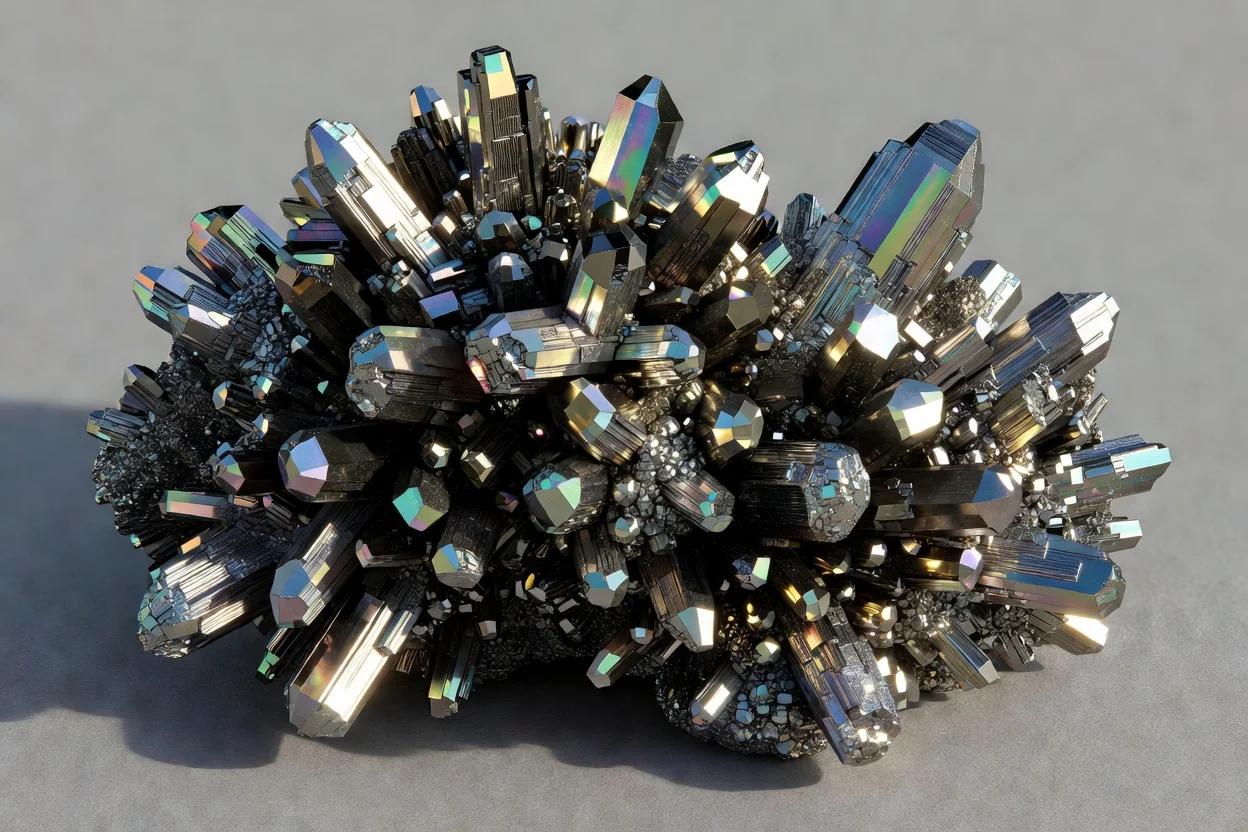
Titanium dioxide is an inorganic oxide composed of titanium and oxygen, with the most common pigment forms being rutile, anatase, and brookite. It is valued in plastics because it is white, opaque, thermally stable, poorly soluble, and highly effective at scattering visible light.
A simplified property view is shown below:
| Property | Industrial significance |
|---|---|
| High refractive index | Strong light scattering and high opacity in polymers |
| Chemical inertness | Good compatibility with many polymer systems and additives |
| Thermal stability | Suitable for melt-processing of many thermoplastics |
| UV absorption/scattering | Improves outdoor durability and color retention |
| Poor water solubility | Useful in durable products, low migration risk |
Two practical limits are especially important in plastics:
- Poor dispersion at insufficient surface treatment → causes agglomeration, streaking, and loss of opacity → workaround: use optimized milling, dispersants, and surface-treated pigment grades.
- Photocatalytic activity in some grades → can accelerate polymer oxidation and embrittlement under UV exposure → workaround: use rutile grades with alumina/silica surface treatments and proper antioxidant packages.
Two other process-relevant limits should also be noted:
- Very high loading can raise viscosity → reduces flow, increases die pressure, and can impair thin-wall molding → workaround: reduce pigment concentration, use better dispersion, or switch to masterbatch systems.
- Low surface energy of polymer-rich formulations is not a titanium oxide limitation per se, but in practice TiO2-filled plastics may still need corona or flame treatment when adhesion, printing, or coating is required → workaround: surface activation and tie-layer design.
In plastics, titanium dioxide is typically supplied as a finely milled pigment with particle engineering designed to maximize light scattering while controlling chalking, gloss, and weatherability. Anatase can be useful in some photocatalytic and specialty applications, but rutile is the dominant grade for durable plastics because it is generally more weather-resistant.
Production Processes and Raw Feedstocks
Industrial titanium dioxide production begins with titanium-bearing ores such as ilmenite, rutile, and upgraded feedstocks derived from mineral processing. The objective is to convert the titanium content into purified pigment particles with controlled size, crystallinity, and surface chemistry.
The two principal manufacturing routes are:
- Sulfate process → digests titanium-bearing feedstock in sulfuric acid, followed by hydrolysis, calcination, milling, and surface treatment.
- Chloride process → chlorinates high-titanium feedstocks to produce titanium tetrachloride, then oxidizes it to titanium dioxide, followed by finishing and surface treatment.
The chloride route is generally associated with higher-purity product streams and tighter pigment control, while the sulfate route can accommodate broader feedstock types but generates more complex waste streams. In both routes, final product performance depends heavily on particle size, crystal form, and coating chemistry, because these variables control brightness, dispersibility, weatherability, and photocatalytic behavior.
Common surface treatments include inorganic oxides such as alumina and silica, which reduce photocatalytic reactivity, improve dispersion, and enhance durability in polymers and coatings. This surface engineering is especially important for plastics used outdoors, where unprotected pigment can accelerate polymer degradation rather than merely reflecting light.
Applications and End-Use Markets
Titanium dioxide is used in plastics first and foremost as a white pigment and opacifier, but the required grade and processing method vary by end use.
| End use | Typical grade / process | Main function |
|---|---|---|
| Films and packaging | Fine rutile pigment, strong dispersion, often masterbatch-fed | Opacity, brightness, UV screening |
| Bottles and rigid packaging | Rutile pigment, low contamination, high gloss or matte control | Whiteness and brand appearance |
| Pipe and profiles | Weatherable rutile grades | Light-blocking, outdoor durability |
| Cable compounds | Stabilized rutile pigment | Color, electrical insulation aesthetics, UV resistance |
| Agriculture films | High-opacity rutile | Light control, durability, thermal management |
| Geomembranes | Heavy-duty rutile formulations | Opacity, weathering resistance |
| Rotomolding | Durable rutile pigment | Uniform color, outdoor stability |
| UHMWPE wear or medical parts | High-purity specialty grades | Color, cleanliness, controlled chemistry |
| PEX and crosslinked systems | Thermally stable pigment masterbatch | Appearance and UV screening |
| Poor-fit use: transparent optical parts | Not suitable as a major filler/pigment | TiO2 increases scattering and hides transparency |
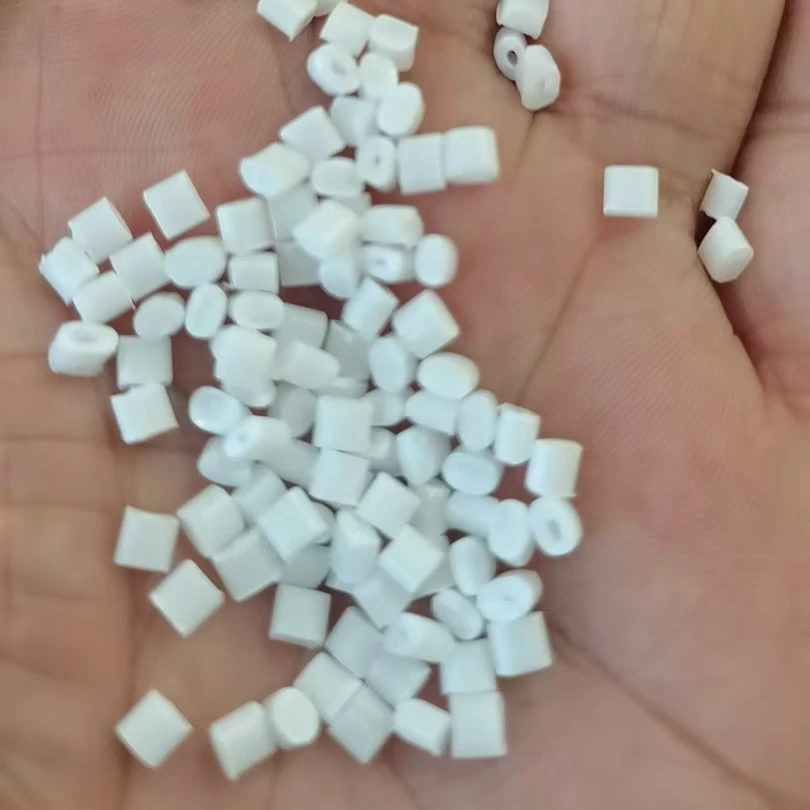
In polypropylene, polyethylene, PVC, engineering plastics, and thermoplastic compounds, titanium dioxide is often added through a masterbatch to improve dosing accuracy and dispersion. In packaging films, it improves opacity and print contrast, while in outdoor building products it can help screen UV and preserve color stability. In rigid articles, it is prized for visual uniformity, especially where a bright white appearance signals cleanliness or quality.
Typical practical dosage ranges vary by product, but in many plastics applications titanium dioxide is used at a few percent to well above ten percent by weight depending on opacity target, thickness, and polymer type; the mechanism is mainly light scattering from high-refractive-index particles dispersed within the polymer matrix. In thin films, a smaller loading can be effective because the film path length is short, whereas thicker parts may require more pigment or a different geometry to achieve the same hiding power.
Beyond conventional plastics, nano-structured titanium dioxide is used in photocatalytic coatings, self-cleaning surfaces, and specialized medical or electronic products, although those are narrower markets than pigment use.
Environmental and Sustainability Aspects
Titanium dioxide is not a polymer, but it strongly influences the sustainability profile of plastic products because it affects lifetime, recyclability, and end-of-life appearance.
Key environmental considerations include:
- Recyclability → TiO2 itself is inorganic and not a chemical contaminant in the toxicological sense, but it can complicate color sorting and reprocessing when mixed with other pigments or surface treatments.
- Durability benefit → by improving UV resistance and weatherability, it can extend product life, which may reduce overall material throughput in long-life applications.
- Footprint of manufacture → the pigment is energy- and resource-intensive to make, especially when ore upgrading, chlorination, calcination, and surface finishing are included.
- Waste management → sulfate-route residues and process effluents are important industrial concerns, encouraging tighter recovery and cleaner technologies.
Bio-based alternatives are not direct substitutes for titanium dioxide because the material performs a specific optical function, not a chemical feedstock role. However, sustainability strategies do include lighter-color designs, reduced pigment loading, improved dispersion efficiency, recycled-content compatibility, and partial replacement with alternative white fillers in less demanding uses.
Regulatory assessment is mixed by use pattern. In industrial classification, titanium dioxide is described by the American Chemistry Council as thermally stable, non-flammable, poorly soluble, and not classified as hazardous under GHS in the referenced industry overview. At the same time, inhalation of airborne TiO2 dust remains a concern in occupational settings, and the substance has been classified by IARC as possibly carcinogenic to humans when inhaled as dust. This distinction matters for plastics manufacturing, where dust control, enclosed handling, and masterbatching are important exposure-management measures.
A separate controversy concerns food and some consumer uses, where regulatory positions have diverged internationally. For plastics, the main relevance is indirect: the same pigment chemistry, particle engineering, and exposure concerns shape broader public and regulatory perceptions of titanium dioxide across industries.
Economic and Global Market Impact
Titanium dioxide is one of the most commercially significant inorganic pigments in the world, with demand concentrated in coatings, plastics, and paper. Industry reviews indicate that coatings account for the largest share of consumption, followed by paper, with plastics representing a substantial but smaller share.
The market is highly globalized and tied to ore supply, energy costs, chlorination capacity, and regional environmental regulation. Feedstock availability and process choice can strongly influence pricing, and producers with integrated ore-to-pigment systems often have a competitive advantage. Recent industry analyses also point to Asia-Pacific as the largest consumption region, reflecting the concentration of plastics converting, packaging, construction, and coating industries there.
Leading producers vary by cycle and capacity additions, but the market is commonly associated with large multinational pigment suppliers and integrated mineral processors operating across North America, Europe, China, and other major industrial regions.
Current Challenges and Innovations
The most important technical challenge is to preserve whitening and UV benefits without sacrificing processability or recyclability. In practice, that means controlling dispersion, minimizing photocatalytic side effects, and aligning pigment selection with polymer chemistry and end-of-life goals.
Current innovation themes include:
- Surface-engineered rutile pigments that reduce polymer degradation under sunlight while maintaining opacity.
- High-efficiency masterbatches that improve dosing precision and lower dust exposure during processing.
- Functional coatings that use TiO2 for self-cleaning, anti-fogging, or antimicrobial effects rather than only coloration.
- Low-carbon manufacturing through energy efficiency, process heat integration, and better waste recovery in pigment plants.
- Circularity-compatible formulations designed to retain whiteness in mechanically recycled plastics without excessive additive complexity.
A useful mechanistic example is rutile TiO2 coated with alumina and silica: the inorganic shell suppresses surface photocatalysis and improves compatibility with polymer matrices, which helps reduce embrittlement in outdoor products. Another common example is pigment masterbatch in polyolefin film, where the pigment is pre-dispersed in a carrier resin to improve feeding consistency and reduce agglomerate defects during film extrusion.
Future Outlook
Titanium oxide will remain a core material in plastics because no other additive combines its specific blend of opacity, brightness, UV function, and industrial maturity at comparable scale. The most likely future direction is not replacement but refinement: better surface treatment, lower-energy manufacturing, cleaner feedstocks, and more carefully engineered pigment systems for recycling-ready plastics.
Growth is likely to be strongest in applications where titanium dioxide adds measurable functional value beyond whiteness, such as durable outdoor goods, high-performance packaging, protective films, and specialty compounds. At the same time, sustainability pressure will keep encouraging thinner-gauge products, reduced loading, and more selective use of TiO2 where visual and durability benefits justify its environmental cost.
Summary
Titanium oxide, especially titanium dioxide, is a foundational white pigment and functional additive for plastics. Its importance comes from high refractive index, opacity, UV behavior, and thermal stability, while its main drawbacks are processing sensitivity, possible photocatalytic degradation in unmodified grades, and sustainability pressures tied to energy-intensive production and recycling compatibility.
References
- •
Racovita, A. D. (2022). Titanium dioxide: Structure, impact, and toxicity. PMC. https://pmc.ncbi.nlm.nih.gov/articles/PMC9104107/Link
- •
Titanium oxide - An overview. (n.d.). ScienceDirect. https://www.sciencedirect.com/topics/chemical-engineering/titanium-oxideLink
- •
Titanium dioxide nanoparticles: Industrial applications. (2021, October 25). AZoNano. https://www.azonano.com/article.aspx?ArticleID=5849Link
- •
Titanium dioxide (TiO₂): Uses, safety & U.S. regulation. (2026, May 18). Chemical Safety Facts. https://www.chemicalsafetyfacts.org/chemicals/titanium-dioxide/Link
- •
What is titanium dioxide. (2006, April 1). EWG Skin Deep. https://www.ewg.org/skindeep/ingredients/706561-TITANIUM_DIOXIDE/Link
- •
Everything you need to know about titanium oxides. (2025, March 12). Stanford Advanced Materials. https://www.samaterials.com/everything-you-need-to-know-about-titanium-oxides.htmlLink
- •
Stanciu, I. (2025). Study of properties and applications of titanium oxide. IntechOpen. https://www.intechopen.com/chapters/1192051Link
- •
Wu, X. (2021). Applications of titanium dioxide materials. IntechOpen. https://www.intechopen.com/chapters/77676Link
- •
Mansoor, A. (2022). Medical and dental applications of titania nanoparticles. PMC. https://pmc.ncbi.nlm.nih.gov/articles/PMC9611494/Link
- •
Titanium dioxide. (2003, May 1). Wikipedia. https://en.wikipedia.org/wiki/Titanium_dioxideLink
- •
Titanium dioxide uses: Essential industrial applications. (2025, November 11). Elchemy. https://elchemy.com/blogs/chemical-market/the-many-uses-of-titanium-dioxide-a-key-ingredient-in-global-industriesLink
- •
Haider, A. J. (2019). Review on: Titanium dioxide applications. Energy Procedia. https://www.sciencedirect.com/science/article/pii/S1876610218311287Link
- •
Titanium dioxide. (n.d.). American Chemistry Council. https://www.americanchemistry.com/chemistry-in-america-industry-innovation-impact/chemistries/titanium-dioxideLink
- •
Titanium dioxide. (2022, June 2). Safe Cosmetics. https://www.safecosmetics.org/chemicals/titanium-dioxide/Link
- •
Titanium dioxide properties. (2023, May 16). ICC - Inter-China Chemical. https://interchemic.com/titanium-dioxide-properties/Link
- •
Properties: Titanium dioxide - Titania (TiO2). (2026, August 20). AZoM. https://www.azom.com/properties.aspx?ArticleID=1179Link
- •
Parrino, F. (2021). Properties of titanium dioxide. In F. Parrino (Ed.), Titanium dioxide (pp. 2–). Elsevier. https://www.sciencedirect.com/science/chapter/edited-volume/pii/B9780128199602000018Link
- •
Chen, X. (2007). Titanium dioxide nanomaterials: Synthesis, properties, modifications, and applications. Chemical Reviews, 107(7), 2891–2959. https://pubs.acs.org/doi/10.1021/cr0500535Link