
Introduction
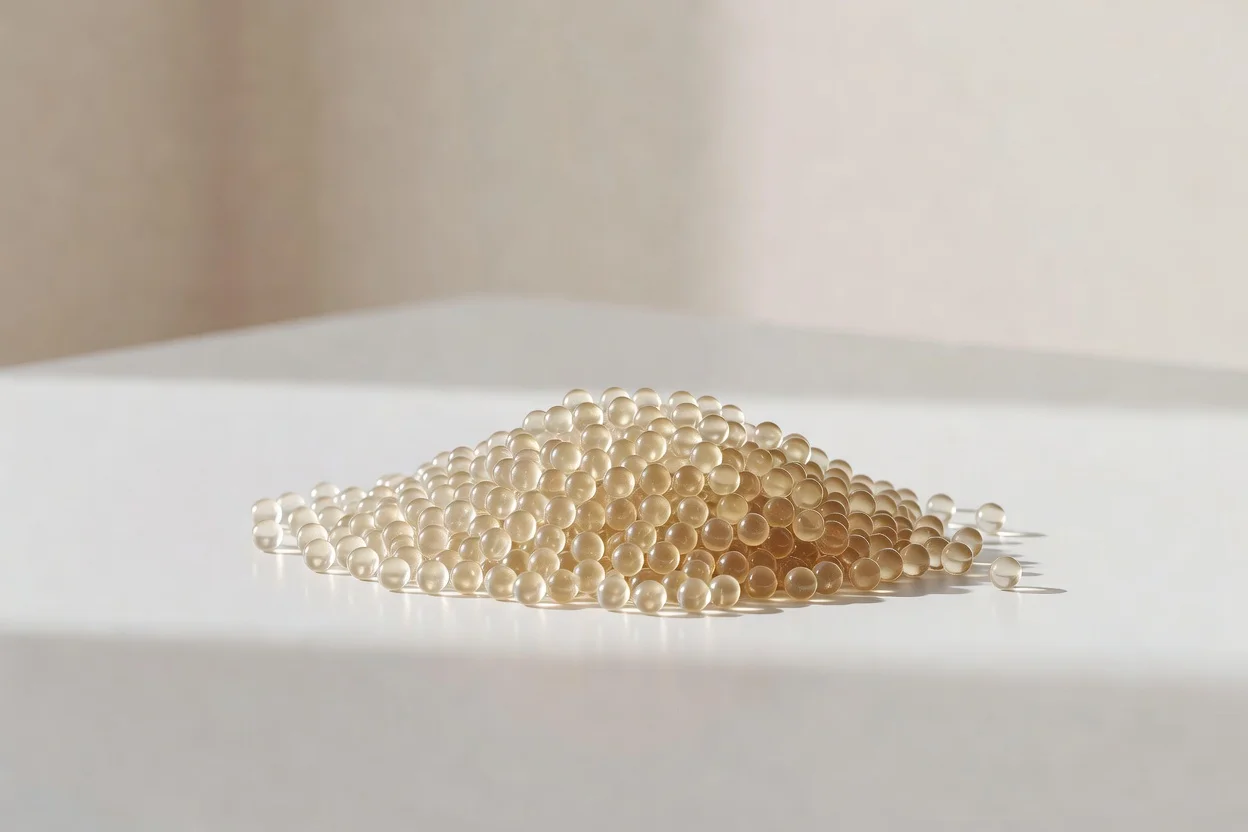
COPE, also written as TPEE or thermoplastic copolyester elastomer, is a high-performance thermoplastic elastomer family built from alternating hard polyester segments and soft amorphous segments. It bridges the property gap between rigid engineering thermoplastics and cross-linked rubbers, combining melt processability with elastic recovery, high fatigue resistance, and strong resistance to oils and many chemicals.
In industry literature, the naming is not fully uniform: COPE is a common shop-floor shorthand, TPEE is widely used in Asian and international market materials, and ISO-aligned terminology also includes TPC-ET or thermoplastic copolyester elastomer. The material is especially valued in automotive, wire and cable, industrial hose, fluid-handling, and flexible component applications where heat resistance, rebound, and long-term durability are more important than very low cost.
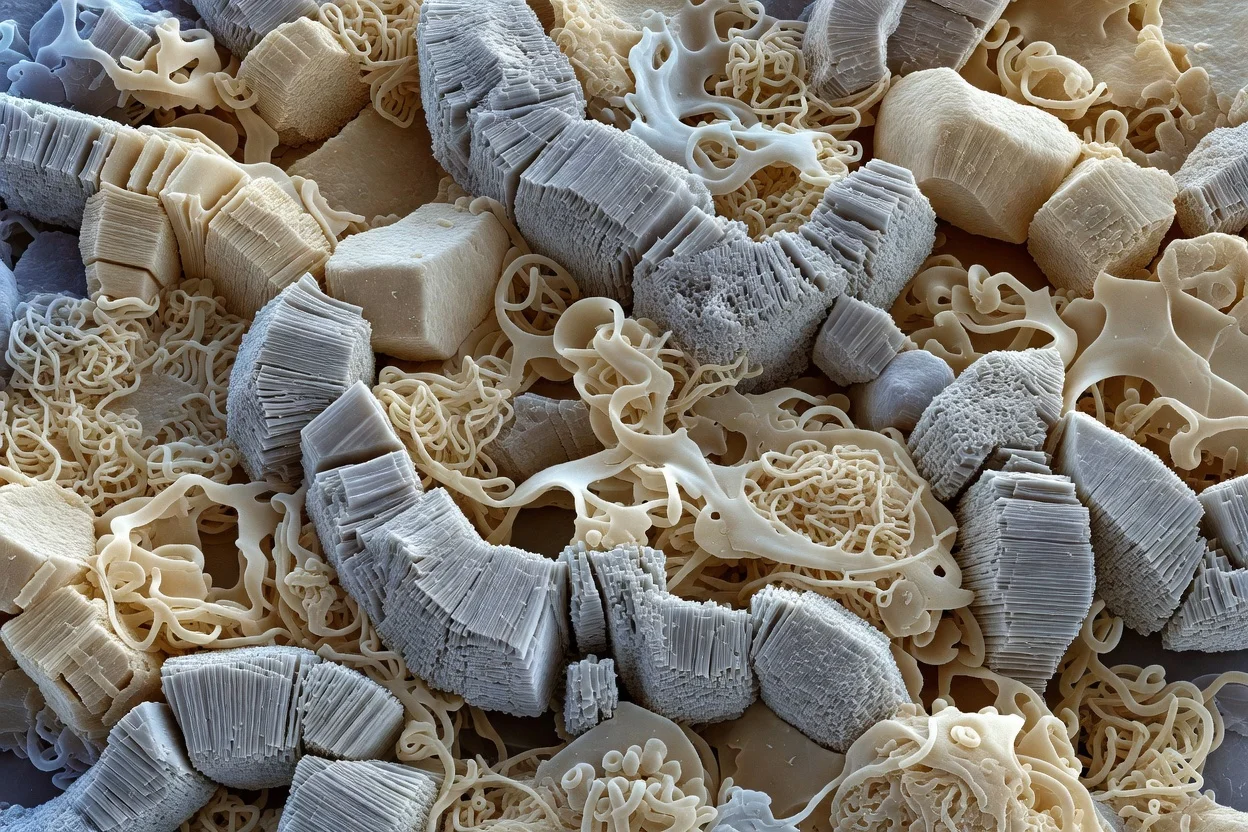
Structurally, the material is typically based on PBT-type polyester hard blocks paired with polyether or polyester soft blocks, creating a segmented block-copolymer morphology with crystalline domains acting as physical cross-links. By adjusting the hard/soft segment ratio, formulators can tune hardness across a broad range, commonly reported from Shore D32 to D80, while shifting the balance between strength, flexibility, and thermal resistance.
COPE/TPEE occupies an important niche in the broader plastics ecosystem because it can be processed by conventional thermoplastic methods such as extrusion and injection molding, yet it performs in many service environments that would otherwise require vulcanized rubber or more expensive specialty elastomers. Its sustainability profile is mixed: the material is mechanically recyclable in principle because it is thermoplastic, but its petrochemical feedstocks, demanding performance requirements, and limited collection streams constrain circularity in practice.
History and Development
Thermoplastic copolyesters emerged from the broader development of segmented block copolymers designed to combine rubber-like elasticity with thermoplastic processing. Their commercial success followed the wider adoption of polyester chemistry and the maturation of PBT-related hard segments, which provided crystalline reinforcement and thermal stability.
Industry sources describe TPEE as part of the engineering elastomer class rather than a commodity TPE, because its niche was shaped by demanding end uses such as dynamic mechanical loading, thermal cycling, and exposure to oils or solvents. Over time, alloying, reinforcement, and reactive modification expanded the material’s utility in hoses, boots, bellows, electrical components, and industrial parts.
Chemical Structure and Key Properties
COPE/TPEE is a segmented block copolymer with two functional phases.
- Hard segments: typically polyester-rich and crystalline, providing strength, heat resistance, and physical cross-linking.
- Soft segments: usually polyether or aliphatic polyester, providing elasticity, low-temperature flexibility, and rebound.
This morphology is the basis of its characteristic balance of toughness and processability. The hard domains behave like reversible anchors, while the soft domains deform and recover under load, which explains the material’s strong flex-fatigue resistance and low permanent set compared with many ordinary plastics.
| Property | Typical implication |
|---|---|
| High tensile and compressive modulus | Better load-bearing than many softer TPEs |
| Excellent flex-fatigue resistance | Suitable for repeated bending and dynamic parts |
| Good oil and chemical resistance | Useful in under-the-hood, fluid-contact, and industrial environments |
| Broad hardness tunability | Grade selection can be matched to service conditions |
| Thermoplastic melt behavior | Reprocessable and amenable to extrusion and molding |
Real-world limitations are important:
- Poor ultraviolet stability → aromatic polyester and soft-segment degradation under UV exposure can embrittle the material → use stabilizer packages, pigments, UV screens, or protective design/shielding.
- Not a universal barrier resin → typical TPEE/COPE structures do not provide high gas-barrier performance comparable with dedicated barrier polymers → use multilayer structures, coatings, or barrier tie-layer designs when oxygen or aroma retention matters.
- Performance can drop in hydrolytic or severe hot-wet conditions depending on grade → ester linkages are vulnerable under harsh moisture/heat combinations → choose hydrolysis-stabilized grades, reduce service temperature, or switch chemistry where needed.
A practical formulation example is the use of heat stabilizers and UV packages at low loading levels in outdoor or cable applications; these additives work by scavenging radicals and slowing photo-oxidative chain scission, extending service life without changing the base block-copolymer architecture. In reinforced compounds, glass fiber or mineral filler can increase stiffness and dimensional stability, but usually at the cost of flexibility and low-temperature rebound.
Production Processes and Raw Feedstocks
Commercial TPEE is produced by polymerizing polyester hard segments with flexible soft-segment diols or related intermediates, then controlling molecular weight and phase separation to obtain the desired elasticity and crystallinity. Common feedstock logic centers on polyester chemistry, with PBT-type structures frequently cited as the hard-segment basis and polyether or polyester diols used for the soft phase.
Typical manufacturing considerations include:
- Reaction precision to control block length and segment distribution.
- Vacuum finishing or melt polycondensation steps to reach usable molecular weight and remove volatile byproducts, as in standard polyester production practice.
- Compounding with stabilizers, colorants, fillers, or reinforcing agents for application-specific performance.
Because the material is thermoplastic, it can be processed by:
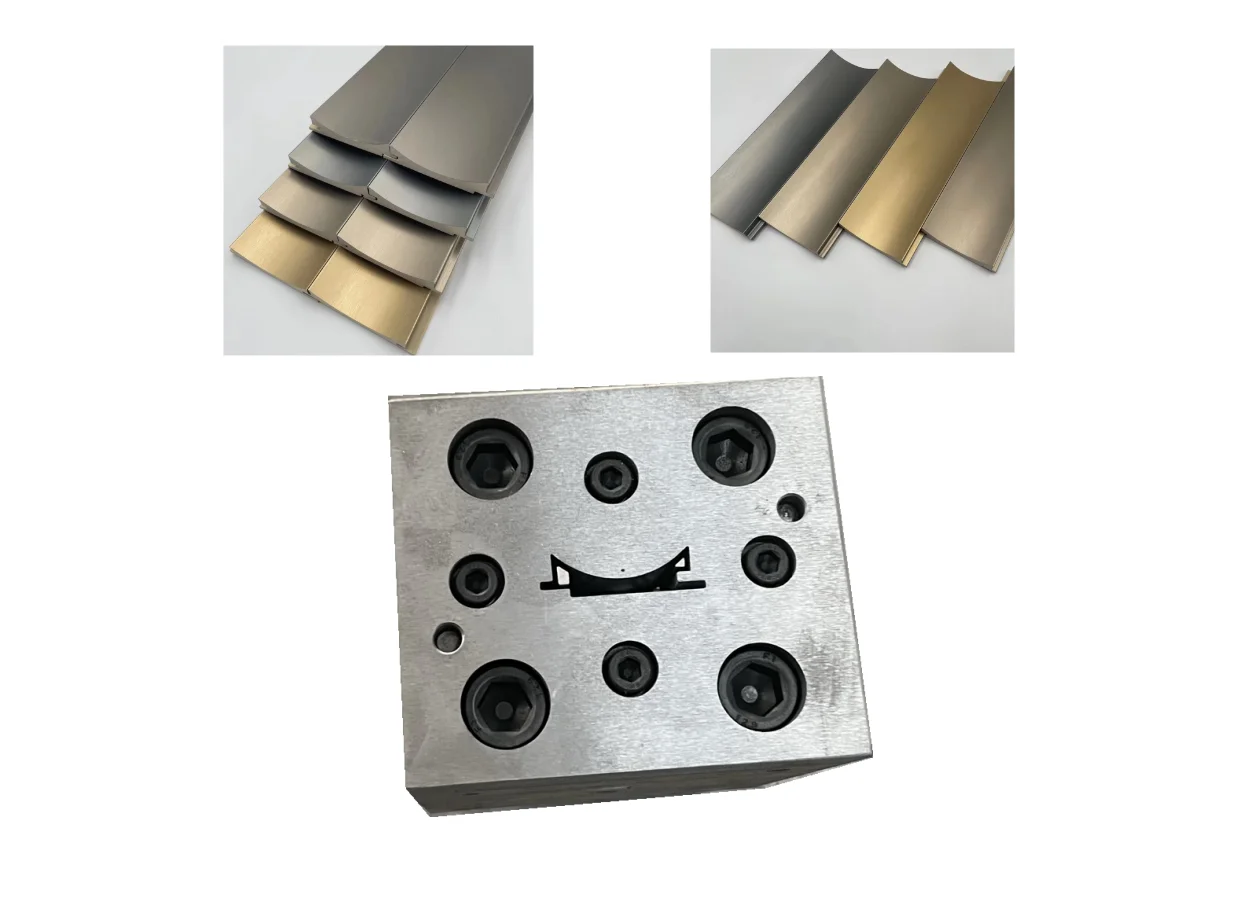
- extrusion
- injection molding
- blow molding
- melt casting
- some rotary and specialty forming operations
That processing flexibility is one reason COPE/TPEE competes strongly with TPU and thermoset rubber in certain part families.
Applications and End-Use Markets
COPE/TPEE is used where an engineer wants rubber-like resilience but also needs thermoplastic efficiency, recyclability at the plant level, or high-temperature process compatibility.
| End-use sector | Typical grade/process fit | Why it is used |
|---|---|---|
| Automotive parts | Injection-molded or extruded higher-hardness grades | Heat resistance, oil resistance, flex fatigue, dimensional stability |
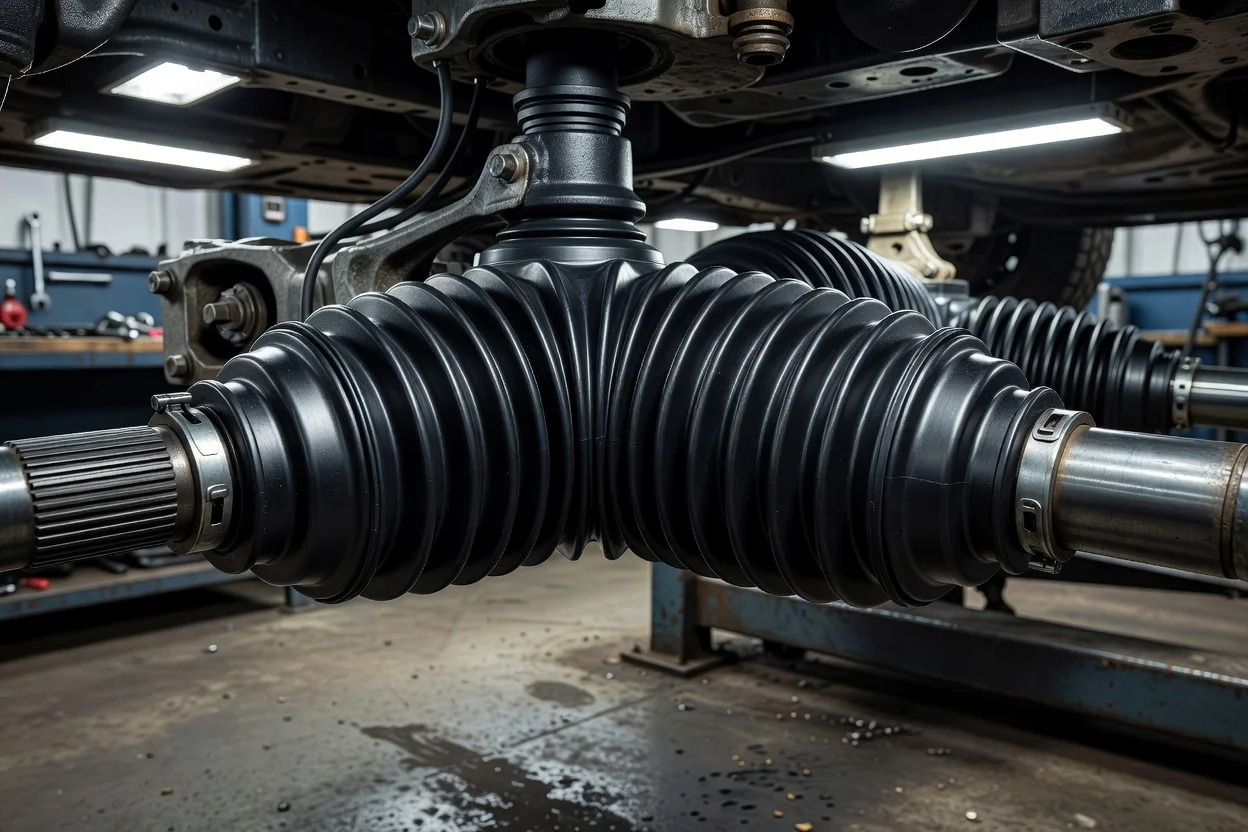
| Bellows, boots, and dust covers | Blow-molded or molded flexible grades | Repeated flexing and tear resistance |
| Hoses and fluid transfer | Extruded grades, often with stabilization | Pressure durability, chemical resistance, dynamic bending |
| Wire and cable | Extruded grades | Toughness, weathering resistance, processing stability |
| Industrial components | Reinforced or compounded grades | Load-bearing flexibility and fatigue life |
| Medical and specialty flexible parts | Clean, well-controlled grades | Elastic recovery and thermoplastic processing |
| Sports and recreation goods | Medium-hardness grades | Impact resistance and rebound |
A poor-fit use is low-cost, high-barrier packaging: TPEE is generally not chosen for commodity packaging films or barrier bottles because its cost and barrier profile are not optimized for that market.
In automotive service, the material’s combination of heat and oil resistance makes it suitable for parts exposed to thermal cycling and lubricants, while in cable and hose applications the key value is long-term flex durability under repeated movement. In medical and specialty markets, the attraction is often processability plus resilience, although qualification requirements can be stringent and grade-specific.
Environmental and Sustainability Aspects
COPE/TPEE has a more favorable end-of-life profile than thermoset elastomers in one respect: it is a melt-processible thermoplastic, so scrap can often be reprocessed within controlled manufacturing streams. However, that advantage does not automatically translate into large-scale circularity, because contaminated post-consumer collection, mixed-material assemblies, and additive packages complicate recovery.
Key sustainability points include:
- Feedstock origin: most commercial grades remain petrochemical-based.
- Recyclability: mechanical recycling is feasible, especially for clean industrial scrap, but quality retention depends on thermal history and contamination control.
- Bio-based and recycled routes: research and product development increasingly explore renewable diols, recycled polyester inputs, and lower-carbon polyester chemistry, but these options remain more limited than mainstream petrochemical grades.
- Design-for-recycling challenge: TPEE parts are often embedded in multi-material systems, which reduces recovery efficiency even when the polymer itself is technically recyclable.
The environmental profile is therefore best described as better than thermoset rubber for reprocessing, but still challenged by fossil feedstocks and collection realities. For durable applications, the material can support life-extension through long service life, which is often a more material-efficient benefit than short-lived substitutability.
Economic and Global Market Impact
Industry sources consistently position COPE/TPEE as a specialty engineering elastomer rather than a mass-volume commodity resin. Demand is driven by automotive, electrical, industrial, and high-durability consumer applications, where performance requirements justify the premium over general-purpose TPEs.
The market is internationally distributed, with strong manufacturing and consumption links in East Asia, Europe, and North America. Producer literature and commercial product guides indicate a mature global supplier base, including resin companies focused on specialty thermoplastic elastomers and compounders serving regional application niches. Because the resin competes on performance rather than scale, pricing and availability are influenced heavily by feedstock costs, grade specialization, and downstream qualification cycles.
Current Challenges and Innovations
Main technical challenges include:
- Weathering and UV resistance: outdoor durability often requires stabilization or protective design.
- Hydrolysis management: service in hot, wet environments can demand tailored grades or chemistry choices.
- Barrier limitations: applications needing oxygen or aroma retention often require multilayer or coated structures.
- Cost-performance balance: the resin is often overqualified for simple elastomeric functions and under-specified for ultra-low-cost applications.
Innovation is occurring in several directions:
- Reactive modification and alloying to improve adhesion, toughness, and process latitude.
- Reinforced compounds for higher stiffness and dimensional stability in structural parts.
- Sustainable polyester inputs through recycled or bio-derived building blocks, which may lower footprint if properties and economics remain competitive.
- Application-specific compounding for cable, automotive, and industrial fluid systems, where stabilizers and fillers are tuned to service conditions.
Future Outlook
COPE/TPEE is likely to retain a strong position in applications where durability, elastic recovery, and thermoplastic processing must coexist. The most promising growth areas are expected to remain automotive lightweighting, flexible industrial components, cable and hose systems, and specialized medical or technical parts.
Future progress will depend on three linked trends:
- Lower-carbon feedstocks and recycled content without sacrificing mechanical performance.
- Better outdoor durability, especially UV and hydrolysis resistance, through stabilizer design and polymer architecture improvements.
- Smarter circular design, including mono-material constructions and easier separation from multi-layer assemblies.
Summary
COPE/TPEE is a segmented thermoplastic copolyester elastomer that combines polyester hard segments with flexible soft segments to deliver high strength, excellent fatigue resistance, chemical resistance, and thermoplastic processability. Its core value lies in demanding applications where ordinary plastics are too brittle and thermoset rubbers are too difficult to recycle or process efficiently. Its main constraints are UV sensitivity, limited barrier performance, and the still-developing sustainability case for large-scale circular use.
References
- •
The physical and chemical properties of TPEE. (2022, December 5). https://en.tpe-sp.com/news/195.htmlLink
- •
The COPE (TPEE) with acid anhydride. (n.d.). https://graftpolymer.com/wp-content/uploads/2020/08/GRAFTALLOY-COPE-BROCHURE-2020.pdfLink
- •
열가소성 폴리에스터 엘라스토머 TPEE 및 COPE의 특성 소개 - 재료 소개 - Xiamen Keyuan Plastic Co., Ltd. (2022, August 8). https://ko.ky-plastics.com/info/introduction-to-the-properties-of-thermoplasti-73856515.htmlLink
- •
熱塑性聚酯彈性體的應用發展|石化與新材料. (2018, September 28). https://ieknet.iek.org.tw/iekrpt/rpt_more.aspx?actiontype=rpt&indu_idno=0&domain=70&rpt_idno=136475239Link
- •
The COPE (TPEE) with acid anhydride. (n.d.). https://graftpolymer.com/wp-content/uploads/2021/06/GRAFTALLOY-COPE-2021.pdfLink
- •
热塑性聚酯弹性体TPEE、COPE性能简介. (n.d.). https://www.sohu.com/a/400795655_224490Link
- •
熱塑性聚酯彈性體的應用發展|石化與新材料. (2018, September 28). https://ieknet.iek.org.tw/iekrpt/rpt_more.aspx?actiontype=rpt&indu_idno=7&domain=70&rpt_idno=136475239Link
- •
Polyether-ester block copolymer thermoplastic elastomers. (2021, September 3). RTP Company. https://www.rtpcompany.com/products/product-guide/polyether-ester-block-copolymer-thermoplastic-elastomer-cope-teee/Link
- •
熱塑性聚酯彈性體的應用發展|石化與新材料. (2018, September 28). https://ieknet.iek.org.tw/iekrpt/rpt_more.aspx?actiontype=rpt&indu_idno=0&domain=&rpt_idno=136475239Link
- •
کوپلیاسترهای ترموپلاستیک (COPE)/(TPEE). (2025, July 21). https://fa.taminkalatak.com/product/cope-tpee-thermoplastic-copolyesters/Link
- •
열가소성 폴리에스터 엘라스토머 TPEE 및 COPE의 특성 소개 - 지식 - Odin Mold Co., Ltd. (2024, April 23). http://ko.bmcmould.com/info/introduction-to-the-properties-of-thermoplasti-52458403.htmlLink
- •
TPC. (2024, January 20). Topolymer. https://topolymer.us/tpc/Link
- •
What is TPC-ET? Copolyester elastomer (TEEE) explained. (2026, August 21). https://www.patproducts.com/news/tpc-et-vs-tpuLink
- •
Einführung in die Eigenschaften des thermoplastischen Polyesterelastomers TPEE und COPE – Wissen – Odin Mould Co.,Ltd. (2024, April 23). http://de.bmcmould.com/info/introduction-to-the-properties-of-thermoplasti-52462863.htmlLink
- •
Introduction aux propriétés des élastomères polyester thermoplastiques TPEE et COPE - Connaissance - Odin Mold Co., Ltd. (n.d.). http://fr.injectmould.com/info/introduction-to-the-properties-of-thermoplasti-52450245.htmlLink
- •
مقدمة لخصائص مطاط البوليستر الحراري TPEE و COPE - المعرفة - Odin Mould Co.,Ltd. (2024, April 23). http://www.injectmould.com/info/introduction-to-the-properties-of-thermoplasti-52473215.htmlLink
- •
TPEE 热塑性聚酯弹性体的合成方法(附聚合生产商20强名录). (2026, April 3). https://www.polytpe.com/a/2492Link
- •
Thermoplastic Elastomer (TPE). (n.d.). Entec Polymers. https://www.entecpolymers.com/products/resin-types/thermoplastic-elastomer-tpeLink
- •
TPEE SKYPEL. (2024, November 1). https://dpolsonindia.com/tpee-skypel/Link
- •
Performance Polymer Team. (n.d.). https://5.imimg.com/data5/SELLER/Doc/2023/8/333340474/CF/QY/IQ/54065759/25-kg-polyester-elastomer.pdfLink
- •
TPEE| TPEE | TPC-ET | TEEE de copoliéster termoplásticos Copes - Polimeros termoplasticos,elastomeros y aditivos. (n.d.). https://www.mexpolimeros.com/files/Copoliester-termoplasticos-TPC-ET.pdfLink
- •
Термопластичный полиэфирный эластомер (TPE-E). (n.d.). http://www.barvinsky.ru/guide/guide-materials_TPEE.htmLink
- •
TPEE简介以及在鞋中底上的应用_弹性体. (2020, October 24). https://www.sohu.com/a/427048330_167954Link
- •
TPC: Thermoplastic Copolyester Elastomer. (n.d.). NETZSCH. https://analyzing-testing.netzsch.com/en/polymers-netzsch-com/thermoplastic-elastomers/tpc-thermoplastic-copolyester-elastomerLink
- •
7 Types of Thermoplastic Elastomers (TPEs). (2022, June 27). Xometry. https://www.xometry.com/resources/materials/types-of-thermoplastic-elastomers/Link
- •
열가소성 코폴리에스터 TPEE 재료 제조업체 및 공장 - 고품질 - Xiamen Keyuan Plastic Co., Ltd. (n.d.). https://ko.ky-plastics.com/tpe-thermoplastic-elastomer/thermoplastic-copolyesters-tpee-material.htmlLink
- •
TPEE : Thermoplast polyester elastomer. (2015, January 1). https://lanshantunhe.com/en/product/497.htmlLink
- •
"(COPE)/(TPEE) Thermoplastic copolyesters" Relate.... (n.d.). https://www.chinaplasonline.com/eMarketplace/allexhibitors/eng?SProds=302Link
- •
Recent advances in sustainable thermoplastic polyester.... (n.d.). https://www.sciencedirect.com/science/article/abs/pii/S003238612500864XLink
- •
Thermoplastic copolyether ester elastomer toughened.... (n.d.). https://www.sciencedirect.com/science/article/abs/pii/S0142941804000170Link
- •
Thermoplastic Polyester Elastomer Chemical Resistant. (2026, April 22). https://eureka.patsnap.com/materials/tpee-chemical-resistantLink
- •
TPEE vs. TPE: Key Differences and Applications Explained. (2024, April 4). https://www.atpchem.com/tpee-vs-tpe-key-differences-and-applications-explained.htmlLink
- •
Thermoplastic Polyester Elastomer Sheet. (2026, April 22). https://eureka.patsnap.com/materials/tpee-sheet-analysisLink
- •
Thermoplastic Elastomers TPE, TPR. (n.d.). British Plastics Federation. https://www.bpf.co.uk/plastipedia/polymers/Thermoplastic_Elastomers.aspxLink
- •
Thermoplastic elastomer. (2006, February 15). Wikipedia. https://en.wikipedia.org/wiki/Thermoplastic_elastomerLink