
Introduction
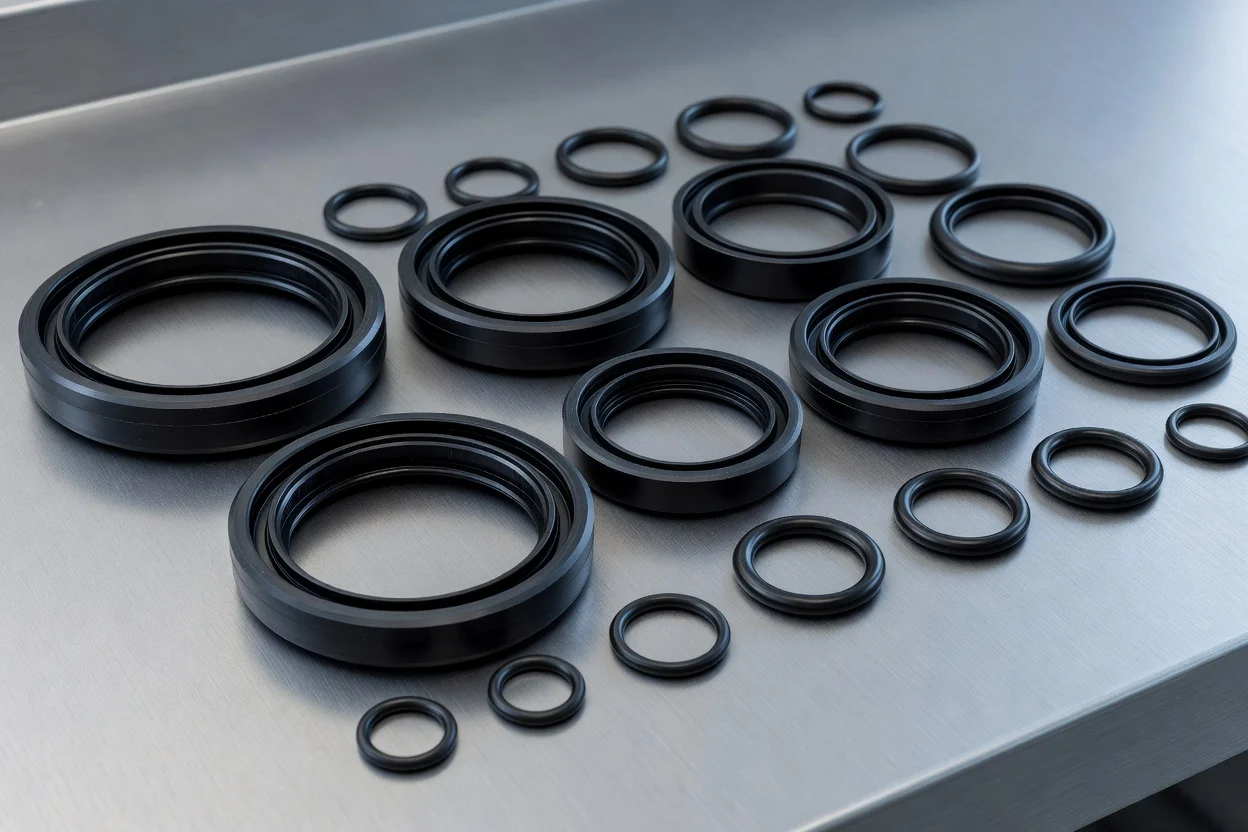
Acrylic rubber is a specialty synthetic elastomer, commonly designated ACM, used where sustained resistance to hot oils, oxidation, and elevated temperatures is required. It is most strongly associated with automotive and transportation sealing systems, especially transmission seals, O-rings, hoses, gaskets, and other under-the-hood components that must retain elastic function in prolonged contact with lubricants and heat.
In polymer terms, ACM refers to alkyl acrylate copolymers built from acrylate ester monomers and selected functional comonomers that enable vulcanization or crosslinking. The material occupies a performance niche between lower-cost oil-resistant rubbers such as nitrile rubber and higher-end elastomers such as fluororubber or silicone, offering a balance of oil/heat resistance and cost efficiency for demanding but not extreme environments.
Its main technical advantages are hot-oil resistance, oxidation resistance, ozone resistance, and low gas permeability. Its main limitations are comparatively poor low-temperature flexibility, modest mechanical strength, and weaker resistance to water, acids, and bases than many general-purpose elastomers. These trade-offs define its role in the plastics and rubber value chain: ACM is not a universal elastomer, but a targeted engineering material for lubricated, heat-loaded sealing applications.
Historically, ACM developed as part of the broader expansion of specialty synthetic rubbers for automotive systems, where rising engine temperatures, longer service intervals, and increasingly aggressive lubricant packages demanded elastomers more durable than traditional nitrile compounds. Current product development is focused on improved cold resistance, lower compression set, better processability, and formulations tailored to electric-vehicle thermal management fluids and other emerging uses.
History and Development
ACM emerged from the post-war growth of acrylate-based elastomers intended to solve a specific problem: conventional rubbers could not simultaneously tolerate hot mineral oils, oxygen exposure, and prolonged thermal aging in engine compartments. As automotive powertrains became more compact and thermally stressed, demand increased for sealing materials that would maintain integrity under continuous service near 150 °C.
Commercial ACM grades diversified through the introduction of different acrylate side chains and reactive comonomers, allowing formulators to balance heat resistance, elasticity, oil resistance, and low-temperature behavior. Over time, suppliers expanded the grade portfolio to include low-Mooney, high-temperature, cold-resistant, epoxy-functional, and carboxyl-functional variants for application-specific compounding.
Chemical Structure and Key Properties
ACM is a copolymer family based on alkyl acrylate building blocks, typically using monomers such as ethyl acrylate or butyl acrylate together with small amounts of cure-site comonomers. The absence of a highly unsaturated backbone contributes to its strong resistance to oxidative degradation and ozone attack.
| Property | Typical behavior |
|---|---|
| Heat resistance | Continuous service commonly around 150 °C, with intermittent use higher depending on grade |
| Oil resistance | Excellent in hot mineral oils, engine oils, and automatic transmission fluids |
| Ozone/weathering | Very good to excellent |
| Gas permeability | Low |
| Low-temperature flexibility | Limited relative to many other elastomers |
| Water, acid, base resistance | Weak to moderate, depending on formulation |
A practical way to understand ACM is to view it as a heat-and-oil seal elastomer rather than a broad-spectrum chemical-resistant rubber. It performs well when the primary stressors are lubricants, heat, and oxygen, but less well when the environment is wet, strongly acidic or alkaline, or very cold.
Two representative limitations are especially important:
- Low-temperature brittleness → acrylate-rich polar chains restrict flexibility at low temperature → workaround: select cold-resistant grades, reduce Tg through monomer choice, or use ACM only where the service temperature stays above the grade’s minimum.
- Poor water and base resistance → the polar ester-based structure is not optimized for hydrolysis- or alkali-rich environments → workaround: avoid continuous exposure to water, acids, or caustic media, or substitute another elastomer such as EPDM or fluorinated rubber when the duty cycle requires it.
Typical commercial compounds are available across a broad hardness range, often around 50 to 80 Shore A for many sealing applications, with tensile and elongation values depending strongly on reinforcement and cure system. Cure systems may include metal stearates, amines, or peroxide-based approaches, selected to match heat aging, compression set, and processing targets.
Production Processes and Raw Feedstocks
ACM is generally produced by copolymerization of acrylate ester monomers, often via emulsion polymerization, although suspension routes are also used in industry. Common feedstocks include ethyl acrylate, butyl acrylate, methoxyethyl acrylate, and ethoxyethyl acrylate, combined with small amounts of reactive comonomers such as vinyl chloroacetate, allyl glycidyl ether, acrylic acid, or similar cure-site monomers.
The manufacturing logic is straightforward:
- The main acrylate monomers establish the flexible polymer backbone and set the balance between heat resistance and low-temperature behavior.
- Cure-site monomers introduce reactive points that allow crosslinking during vulcanization.
- The final compound is then formulated with fillers, plasticizers, stabilizers, and curatives to meet a specific compression-set, hardness, and durability target.
Acrylic rubber is therefore not a single material but a family of tailored compounds. Small changes in monomer ratio can shift service temperature, oil compatibility, cold flexibility, and processing viscosity, which is why commercial suppliers offer multiple grades for seals, hoses, and battery-cooling systems.
Applications and End-Use Markets
ACM’s principal market is automotive and transportation, especially in powertrain and thermal-management components exposed to hot lubricants. The material is specified where nitrile rubber is insufficient but fluorinated elastomers would be unnecessarily expensive.
| End use | Typical ACM grade behavior | Why ACM is used |
|---|---|---|
| Transmission seals and O-rings | Medium-hardness sealing grades | Hot ATF resistance, low compression set |
| Engine gaskets and oil seals | Reinforced sealing grades | Heat-aging stability and oil resistance |
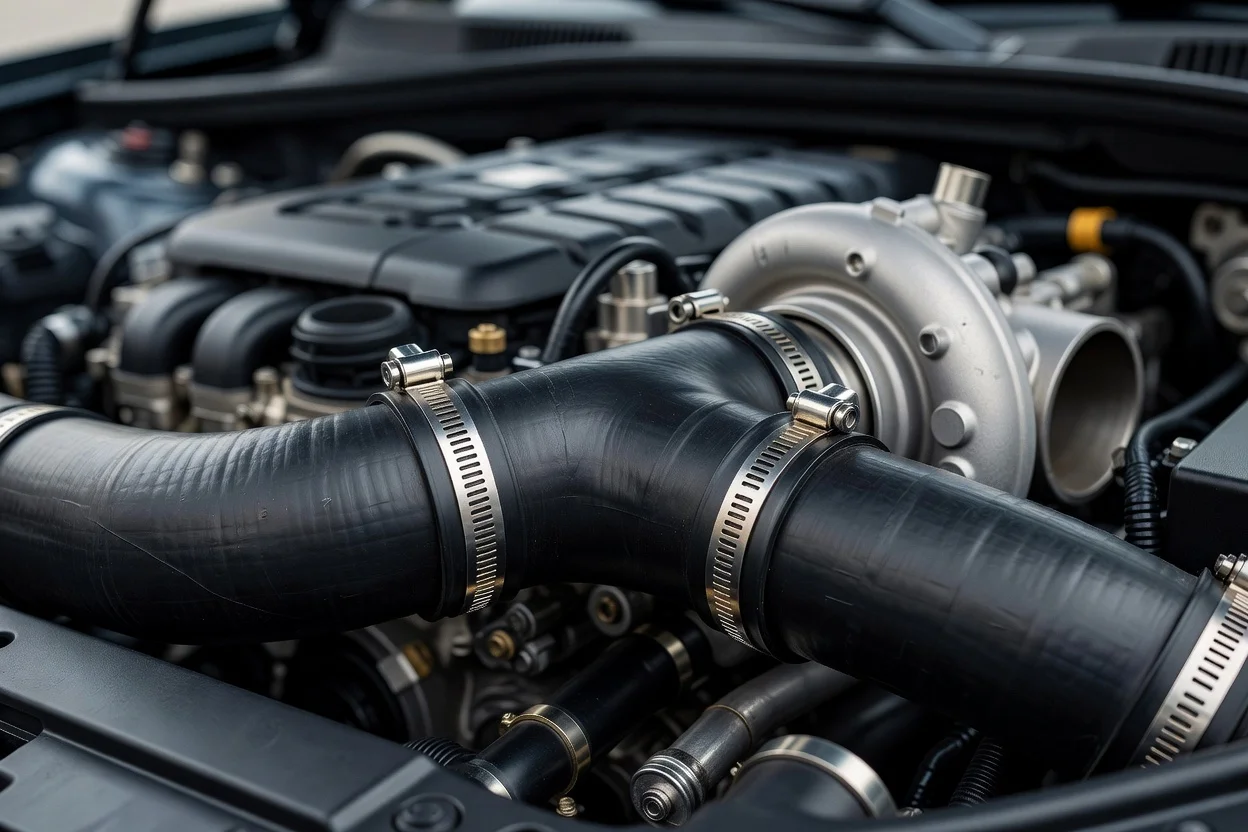
| Turbocharger and intercooler hoses | Hose grades with good heat endurance | Hot-air and oil mist exposure |
| Power steering and hydraulic seals | Oil-resistant compounds | Resistance to lubricants and thermal cycling |
| EV battery-cooling hoses | Specialty low-permeation grades | Compatibility with dielectric or thermal fluids |
| Industrial hot-oil seals | Heat-stable compounds | Long service life in lubricated equipment |
A concrete example is the use of ACM in automatic transmission seals, where the material must resist both hot fluid and long-term compression while maintaining sealing force over the vehicle lifespan. Another example is turbocharger hoses, where elevated temperature, oil vapor, and cyclic mechanical loading make ACM more suitable than standard general-purpose rubbers.
ACM is less suitable for uses that demand persistent immersion in water, very low temperature flexibility, or broad chemical resistance to acids and bases. For that reason, it is generally a poor-fit choice for cold-weather dynamic seals, wet-chemical service, or applications requiring high elasticity at subzero temperatures.
Environmental and Sustainability Aspects
From a sustainability perspective, ACM presents a mixed profile. On the positive side, its durability in hot-oil environments can extend component life and reduce premature replacement, which lowers material throughput over time. Its relatively low gas permeability and resistance to oxidative aging also support long service intervals in automotive applications.
On the negative side, ACM remains a petrochemical-derived elastomer based on acrylate monomers, so its feedstock carbon footprint is linked to fossil raw materials and energy-intensive monomer synthesis and polymerization. Like most specialty rubbers, it is not widely recycled in closed-loop form because crosslinked elastomer parts are difficult to remelt and reprocess.
Key sustainability themes include:
- Recyclability: limited in conventional vulcanized form; end-of-life management usually relies on energy recovery, downcycling, or emerging devulcanization and reclaim pathways rather than true remelting.
- Bio-based alternatives: bio-attributed or partially bio-based acrylate feedstocks are conceptually possible, but they are not yet a dominant commercial route for ACM.
- Carbon footprint: reduction opportunities are more often found in longer part life, lighter components, lower scrap during molding, and optimized cure systems than in full material substitution.
In practice, sustainability decisions for ACM are often comparative rather than absolute: the question is whether a durable ACM seal reduces leakage, maintenance, and replacement frequency enough to justify its fossil-based chemistry.
Economic and Global Market Impact
ACM is a specialty elastomer market, not a high-volume commodity polymer market, and demand is closely tied to automotive production, powertrain design, and industrial sealing consumption. Industry coverage consistently identifies automotive seals and hoses as the dominant application segment because they require a rare combination of heat resistance, oil resistance, and acceptable compression set.
Publicly visible suppliers and compounders include HEXPOL, Mitsui Plastics’ RACRESTER line, and several regional specialty rubber producers and compounders serving OEM and tier-supplier markets. Market competition is therefore shaped more by grade consistency, compounding expertise, and qualification capability than by price alone.
Current Challenges and Innovations
The central technical challenge for ACM is the same one that created its niche: improving performance in one direction often worsens it in another. Higher acrylate content and heat-resistant formulations can improve thermal stability but may reduce cold flexibility and increase cost.
Current innovation directions include:
- Cold-resistant ACM grades designed for broader temperature windows in global vehicle platforms.
- Low-Mooney processing grades that improve mixing and molding efficiency.
- EV-oriented formulations for battery-cooling and dielectric-fluid exposure.
- Improved cure-site chemistry to reduce compression set and extend seal life under dynamic loading.
- Formulation optimization using fillers, stabilizers, and cure packages to balance extrusion resistance, aging, and manufacturability.
A useful formulation example is the use of metal stearates or amine curatives in selected ACM compounds to build the crosslinked network needed for heat-aged sealing performance. Mechanistically, these systems help create a network that better preserves elastic recovery under long-term thermal stress, although the exact cure design depends on the target hardness and compression-set specification.
Future Outlook
The outlook for ACM is closely linked to three trends: powertrain thermal management, electrification, and longer service-life expectations in transportation. Although some traditional engine-compartment uses will decline as vehicle architectures change, ACM is likely to remain relevant in fluid handling, seals, and hoses wherever hot lubricants or thermal fluids are present.
Future growth is most plausible in:
- EV cooling loops and dielectric-fluid hoses.
- Hybrid drivetrains, where heat, oil, and compact packaging still favor ACM.
- High-durability industrial seals that prioritize reliability over extreme chemical resistance.
At the same time, ACM will face pressure from sustainability targets, more demanding low-temperature specifications in global markets, and competition from alternative elastomers with broader chemical windows or improved recyclability pathways.
Summary
ACM acrylic rubber is a specialty elastomer valued for hot-oil resistance, oxidation resistance, ozone resistance, and stable sealing performance at elevated temperatures. Its defining role is in automotive and industrial seals, hoses, and gaskets that operate in lubricated, heat-stressed environments.
Its main trade-offs are limited low-temperature flexibility, modest resistance to water, acids, and bases, and a generally narrow application window compared with broader-purpose elastomers. For that reason, ACM remains a highly relevant but carefully targeted material in the plastics and elastomers ecosystem: indispensable in the right duty cycle, but seldom the best choice outside it.
References
- •
ACM rubber | HEXPOL rubber compounding. (n.d.). HEXPOL. https://www.hexpol.com/rubber/high-performance-compound/high-performance-polymers/acm-rubber/Link
- •
Acrylic rubber. (2008, December 26). Wikipedia. https://en.wikipedia.org/wiki/Acrylic_rubberLink
- •
ACM (acrylic) rubber properties & applications | Rubber Mexico. (n.d.). Rubber Mexico. https://www.rubber-mexico.com/products/acrylic-rubber-acmLink
- •
Acrylic rubber (ACM). (2020, June 29). RADO Gummi GmbH. https://www.rado-rubber.com/specialities/acm/Link
- •
What is acrylic rubber (ACM) - properties & specifications - ascent sbr. (n.d.). Ascent SBR. https://www.ascent-sbr.com/knowledge/information/what-is-acrylic-rubber-acm-products-properties-structure-specifications-hs-code-molecular-property-formula-specific-density-flakes-solid-powder-pearls-liquidcrystal-liter-solution-material-molecular-property-formula-specific-density-safe-hazarous-harmful-chemical-raw-materials.htmlLink
- •
Acrylic rubber (alkyl acrylate copolymer). (2025, August 19). Hamiico. https://en.hamiico.com/knowledge-hub/articles/dummy-blog-post/Link
- •
Characteristics and wide application of acrylic rubber (ACM). (2024, October 21). Linde Polymer. https://www.lindepolymer.com/characteristics-and-wide-application-of-acrylic-rubber-acm/Link
- •
Polyacrylate rubber: Comprehensive analysis of.... (2026, February 25). Eureka PatSnap. https://eureka.patsnap.com/materials/polyacrylate-rubber-acmLink
- •
ACM rubber - acrylic rubber. (n.d.). Power Rubber. https://powerrubber.com/en/acm-rubber-acrylic-rubberLink
- •
Characteristics and market application of acrylic rubber.... (2024, November 11). LinkedIn. https://www.linkedin.com/pulse/characteristics-market-application-acrylic-rubber-acm-yori-chen-l2dncLink
- •
Our guide to ACM – acrylic rubber. (2023, May 15). Elastomer. https://elastomer.co.uk/material-guide/acm-rubber/Link
- •
Acrylic rubber (ACM). (2013, November 21). Dan Gum. https://www.dangum.pl/materialy-view/acrylic-rubber-acmLink
- •
AEM-ACM. (n.d.). Dergom. https://www.dergom.com/en/production/aem-acmLink
- •
ACM acrylic rubber. (2025, July 1). Euro Rubber. https://eurorubber.it/en/technical-compounds/acm-acrylic-rubber/Link
- •
Acrylic rubber. (n.d.). Tuecat Rubber. https://tuecatrubber.com/blogs/news/acrylic-rubberLink
- •
Acrylic rubber (alkyl acrylate copolymer). (2024, April 25). Hamiico. https://en.hamiico.com/all-blogs/dummy-blog-post/Link
- •
Polyacrylate rubber (ACM) market size, share & growth.... (2026, March 24). Prismane Consulting. https://prismaneconsulting.com/blog-details/polyacrylate-rubber-acm-market-outlook-key-drivers-and-opportunitiesLink
- •
Characteristics and applications of acrylic rubber. (2022, September 12). Accurate Prod. https://www.accurate-prod.com/blog/characteristics-and-applications-of-acrylic-rubber/Link
- •
ACM acrylic rubber properties & uses | PDF. (2025, December 23). Scribd. https://www.scribd.com/document/789664436/Acm-Rubbers-Df-Dh-Eh-j200Link
- •
Polyacrylate rubber(ACM). (2025, January 1). Sundow. https://www.sundow.com/product/780.htmlLink
- •
Acrylic rubber. (2025, April 7). Ulinco AB. https://www.ulinco.se/en/production/material/acrylic-rubber/Link
- •
RACRESTER™(ACM)– acrylic rubber. (2025, December 17). Mitsui Plastics. https://mitsuiplastics.com/racrester-acm-rubber/Link
- •
Acrylic rubber (ACM) market 2026. (n.d.). 24ChemicalResearch. https://www.24chemicalresearch.com/reports/316778/acrylic-rubber-marketLink
- •
Acrylic rubber (ACM) supplier & manufacturer | factory price. (n.d.). Ascent SBR. https://www.ascent-sbr.com/knowledge/information/acrylic-rubber-acm-chemical-buy-supplier-manufacturer-factory-price.htmlLink
- •
ACM rubber (acrylic elastomer): The “sweet spot.... (2026, February 1). Fluoropolymer Resin. https://www.fluoropolymer-resin.com/blog/acm-rubber-acrylic-elastomer-the-sweet-spot-solution-for-heat-and-oil-resistance.htmlLink
- •
Polyacrylate rubber (ACM). (n.d.). Sealand Design. https://www.sealanddesign.com/products/elastomeric-compounds/polyacrylate-material/Link
- •
Correlation between crosslinking molecular structure and.... (2024, November 18). Rubber.or.kr. http://journal.rubber.or.kr/archive/view_article?pid=ec-59-4-149Link
- •
Contact us today: 800.275.9006. (n.d.). Ames Rubber. https://www.amesrubberonline.com/wp-content/uploads/polyacrylate.pdfLink
- •
Fluoride. (n.d.). Bouling Chem. https://www.boulingchem.com/knowledge/information/acrylic-rubber-chemical-buy-supplier-manufacturer-factory-price.htmlLink
- •
Advantages of custom acrylic rubber components & parts. (n.d.). Redco. https://www.redco1.com/rubber-materials/acrylic-rubberLink