
Introduction
Plasticisers are additives used to make otherwise rigid polymers softer, more flexible, and easier to process by increasing chain mobility and lowering the glass transition temperature of the host material. In plastics manufacturing, they are most strongly associated with flexible PVC, but they are also used in rubbers, cellulose derivatives, adhesives, sealants, inks, coatings, and some specialty non-PVC formulations.
From an industrial perspective, plasticisers are not a single chemical class but a broad family of esters and related low-volatility organic compounds selected for compatibility, permanence, migration resistance, low-temperature flexibility, or food-contact and medical suitability. The best-known families include phthalates, terephthalates, adipates, citrates, sebacates, trimellitates, benzoates, and several bio-based or polymeric alternatives.
Their importance in the plastics value chain is substantial because they enable a wide range of flexible products used in construction, wire and cable, automotive interiors, medical devices, flooring, films, and consumer goods. At the same time, plasticisers are central to regulatory and sustainability debates because some traditional chemistries have been scrutinized for migration, exposure, and environmental persistence, which has accelerated substitution toward lower-migration and bio-based alternatives.
History and Development
Plasticisation as a concept predates modern polymers: early material systems were softened with oils, waxes, or other extenders to improve workability. The modern industrial use of plasticisers expanded with the rise of PVC in the twentieth century, because PVC can be formulated into either rigid or flexible products depending on additive package and processing conditions.
Phthalate esters became dominant in many markets for decades because they offered strong compatibility with PVC, efficient softening, and favorable cost-performance balance. Over time, regulatory pressure and product-stewardship requirements in food contact, toys, medical devices, and other sensitive uses led to a broad shift toward non-phthalate alternatives such as terephthalates, trimellitates, adipates, citrates, and bio-based options.
Chemical Structure and Key Properties
Plasticisers are typically low-volatility organic liquids or solids, often esters, that are incorporated into a polymer rather than chemically bonded to it. Their main function is to insert themselves between polymer chains, reduce intermolecular attraction, and increase free volume, which raises chain mobility and improves softness, elongation, and processability.
Key performance attributes
| Property | What plasticisers typically improve | Why it matters |
|---|---|---|
| Flexibility | Lower stiffness and higher elongation | Enables bendable films, cable jackets, tubing, and seals |
| Processability | Lower melt viscosity and easier shaping | Helps extrusion, calendering, molding, and coating operations |
| Low-temperature performance | Better pliability in cold conditions | Important for outdoor cable, automotive, and cold-storage applications |
| Permanence | Lower volatility and extraction | Reduces loss of properties during long service life |
| Surface feel | Softer touch and reduced brittleness | Valuable in flooring, synthetic leather, and consumer goods |
Real limitations and workarounds
- Poor O2 and grease barrier in many flexible films → caused by the inherently open, more mobile polymer matrix and the dominance of flexible PVC or similar soft formulations → workaround: use multilayer structures, barrier coatings, or alternative polymers with intrinsically better barrier performance.
- Low surface energy before treatment in some plasticised or polymer surfaces → caused by the chemistry of the base polymer and the migration behavior of additives → workaround: corona, plasma, primer treatment, or surface-functional additives to improve printability, adhesion, and coating wetting.
- Migration or extraction risk in some formulations → caused by plasticiser molecular mobility and incompatibility with aggressive media, heat, or long service life → workaround: select higher-molecular-weight, polymeric, trimellitate, or specialty grades with better permanence.
Typical dosage and mechanism examples
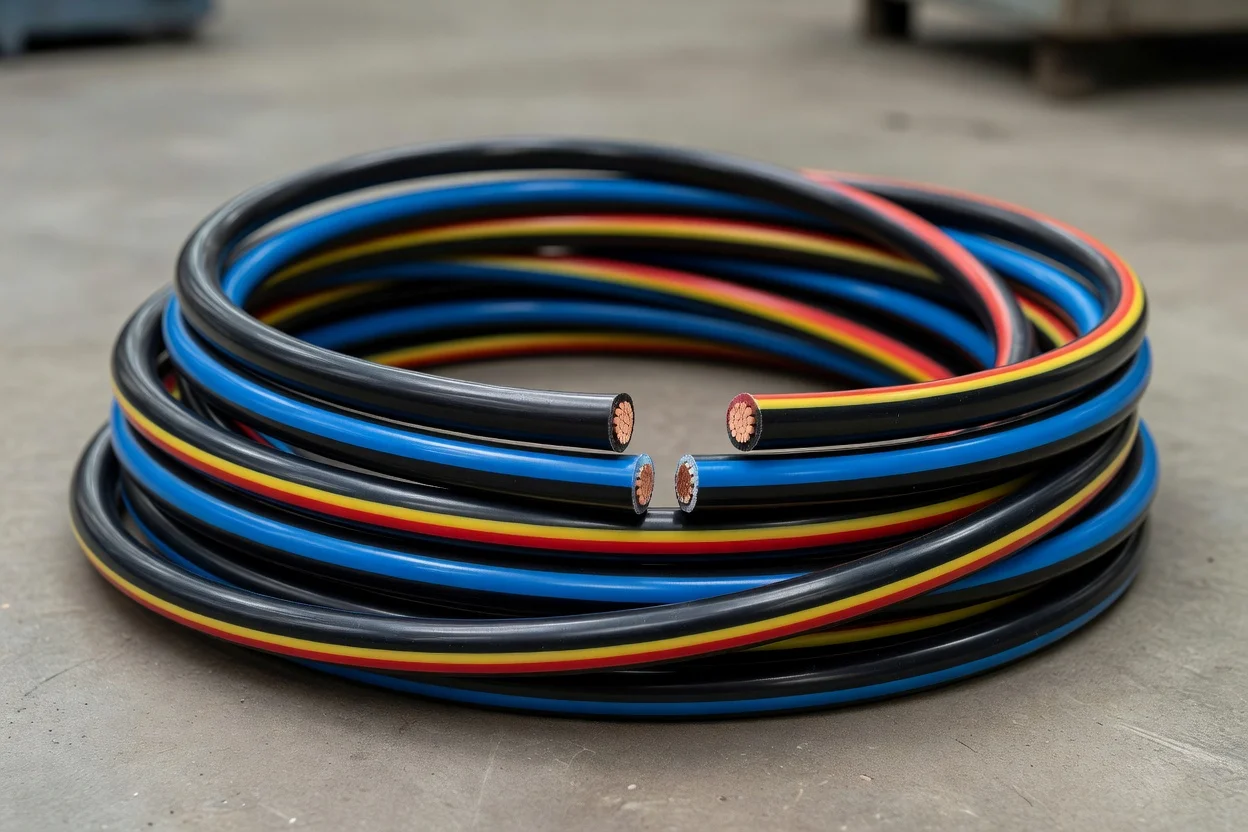
- Flexible PVC cable jacketing often uses plasticiser levels in the broad range of roughly 20–40 parts per hundred resin, depending on softness, temperature rating, and flame-retardant package; the plasticiser reduces chain–chain attraction and increases free volume, making the insulation flexible enough for repeated bending.
- Epoxidized soybean oil is often used at modest levels as a secondary plasticiser and stabilizing aid in PVC formulations; its epoxide functionality can help scavenge hydrogen chloride generated during heat exposure while also contributing some plasticisation.
Production Processes and Raw Feedstocks
Plasticisers are manufactured through chemical synthesis routes that generally start from petrochemical or renewable feedstocks and end in esterification, transesterification, epoxidation, or related reactions. The exact route depends on the target family.
Common feedstocks and routes
- Phthalates and terephthalates are generally produced from aromatic intermediates and alcohols, then purified to achieve low color, low odor, and low impurity profiles for demanding applications.
- Adipates and sebacates are produced from aliphatic diacids and alcohols and are valued for low-temperature flexibility.
- Trimellitates are chosen for higher heat resistance and low volatility, especially in cables and automotive uses.
- Citrates and bio-based plasticisers use renewable feedstocks such as citric acid derivatives or vegetable-oil-based intermediates.
- Epoxidized vegetable oils such as epoxidized soybean oil are made by epoxidation of unsaturated triglycerides and are often used as secondary plasticisers and stabilizers.
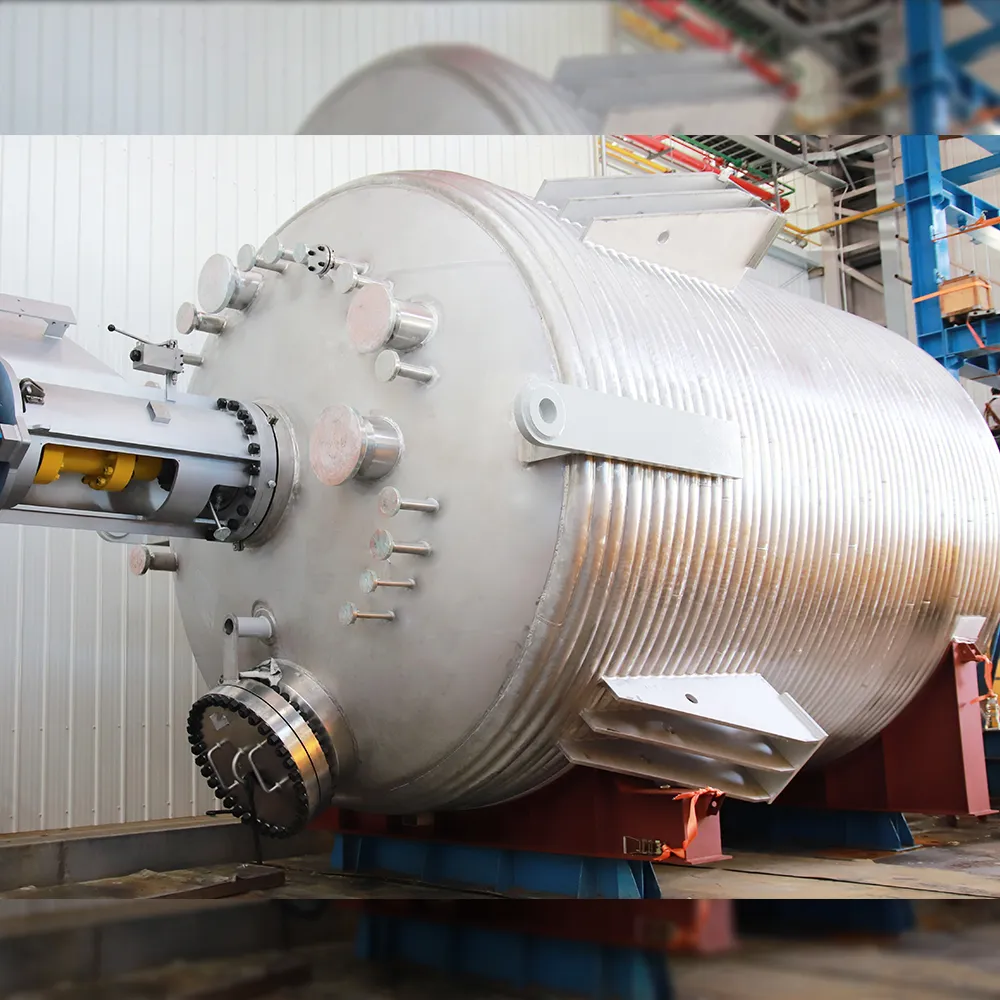
Commercial selection is driven by compatibility with the base polymer, permanence, regulatory profile, volatility, extraction resistance, and the end-use environment. In many formulations, plasticisers are blended rather than used alone to balance cost, processability, low-temperature behavior, and migration resistance.
Applications and End-Use Markets
Plasticisers are most widely used in flexible PVC, where they enable a large share of global applications. They are also used in elastomers, cellulose-based materials, and selected non-PVC products such as adhesives and coatings.
Major sectors and typical grades
| Sector | Typical products | Usual plasticiser choices | Processing notes |
|---|---|---|---|
| Construction | Flooring, wall coverings, roofing membranes, hoses, sealants, liners | DINP, DIDP, DOTP, trimellitates, adipates | Calendering, extrusion, coating, lamination |
| Wire and cable | Insulation and jacketing | DINP, DIDP, DOTP, trimellitates | Needs heat stability, electrical performance, low migration |
| Automotive | Interior trim, dashboards, seals, underbody parts | DINP, DOTP, trimellitates, specialty non-phthalates | Focus on low fogging and long-term permanence |
| Medical | Tubing, blood bags, IV components | Citrates, DINCH, trimellitates, specialty grades | Requires extraction resistance and regulatory compliance |
| Food contact | Wraps, closures, gaskets, flexible packaging | Citrates, adipates, selected non-phthalates | Requires low migration and food-contact approval |
| Consumer goods | Footwear, synthetic leather, toys, table coverings | General-purpose and non-phthalate grades | Balance of softness, durability, and appearance |
| Adhesives and sealants | Fast-fusing systems, mastics, inks | Benzoates, adipates, polyesters | Selected for viscosity control and flexibility |
A poor-fit use is high-barrier packaging where oxygen, aroma, or grease barrier is critical; plasticisation generally improves flexibility but tends to reduce barrier performance, so other polymer architectures or barrier layers are usually preferred.
Environmental and Sustainability Aspects
Plasticisers are central to debates on polymer safety, because their function depends on mobility within the polymer matrix, which can also create concerns about migration into the environment or into food and biological systems. This is one reason why regulatory authorities and industry groups distinguish carefully between different chemistries, exposure scenarios, and end uses.
Recyclability and circularity
- Plasticised PVC can be mechanically recycled, but formulation complexity, contamination, and additive carryover can complicate closed-loop recycling.
- In recyclate streams, plasticiser loss, redistribution, or contamination can change softness and performance, making consistent quality control important.
- Design-for-recycling approaches increasingly favor more stable, lower-migration formulations and better material identification.
Bio-based and lower-impact alternatives
Bio-based plasticisers derived from vegetable oils, citrates, and other renewable feedstocks are increasingly used to reduce dependence on fossil resources and to address certain toxicological or regulatory concerns. These alternatives can reduce fossil carbon input, but they do not automatically eliminate all environmental trade-offs, because performance, land use, feedstock sourcing, and end-of-life behavior remain material considerations.
Carbon footprint perspective
The carbon footprint of a plasticiser depends on feedstock origin, process energy, purification demands, and transport, as well as on whether the product enables lightweighting, durability, or material substitution in the final application. In many durable goods, the use phase and service life can be more consequential than the additive itself, especially when plasticisers enable long-lasting flexible materials that replace heavier or less durable alternatives.
Economic and Global Market Impact
Plasticisers are a large-volume additive category closely tied to PVC demand in construction, cables, flooring, automotive, and medical markets. According to recent industry and sector summaries, flexible PVC accounts for the vast majority of plasticiser consumption in Europe, and similar concentration patterns are reported globally, although regional mixes differ by regulation and end-use structure.
The market remains shaped by the following forces:
- Regulatory substitution away from some legacy phthalates in sensitive applications.
- Demand growth in construction, infrastructure, electrification, and healthcare.
- Premiumization toward specialty grades with lower volatility, better extraction resistance, and low odor.
- Supply-chain diversification toward non-phthalate and bio-based routes.
Commonly cited large-scale producers and suppliers include major petrochemical and specialty chemical groups active in Europe, North America, and Asia, with the most competitive portfolios often spanning general-purpose, specialty, and renewable plasticiser families.
Current Challenges and Innovations
The main technical challenge is achieving the right balance between flexibility, permanence, processability, regulatory acceptance, and cost. This is especially difficult in demanding uses such as medical tubing, high-temperature cable, food-contact films, and long-life outdoor products.
Key innovation directions
- Non-phthalate substitution for regulated or brand-sensitive applications.
- High-permanence plasticisers with lower volatility and lower migration for longer service life.
- Bio-based formulations using renewable raw materials and lower-fossil-carbon feedstocks.
- Polymeric plasticisers for reduced extraction and improved permanence in harsh environments.
- Multi-functional additive systems that combine plasticisation with stabilization, flame retardancy, or processing benefits.
A practical example is the use of trimellitates in high-temperature wire applications, where low volatility and thermal stability are more important than lowest cost, and citrate plasticisers in medical and food-contact products, where migration control and toxicological profile are dominant selection criteria.
Future Outlook
Plasticisers are likely to remain indispensable wherever flexible polymers are required, especially in construction, electrification, healthcare, and durable consumer goods. The future market is expected to be defined less by the question of whether plasticisers are needed and more by which chemistry best balances performance, regulation, circularity, and carbon intensity.
The strongest growth prospects are likely in:
- Specialty non-phthalates for sensitive applications.
- Bio-based and low-migration grades for sustainability-led procurement.
- High-performance formulations for cables, medical devices, and automotive interiors.
- Recycling-compatible additive systems that maintain properties in repeated processing cycles.
As material regulations tighten and circular-economy expectations rise, plasticiser innovation will increasingly focus on permanence, traceability, safer-by-design chemistry, and compatibility with recyclable polymer systems.
Summary
Plasticisers are a foundational additive class that transform rigid polymers into flexible, processable materials by increasing chain mobility and reducing intermolecular forces. They are most closely linked to flexible PVC, but they also support important applications in cables, flooring, medical devices, automotive interiors, packaging, adhesives, and coatings. Their future will be shaped by regulatory substitution, non-phthalate innovation, bio-based feedstocks, and the need to align performance with sustainability and circularity goals.
References
- •
Plasticizer - an overview. (n.d.). ScienceDirect. https://www.sciencedirect.com/topics/materials-science/plasticizerLink
- •
Plasticisers. (n.d.). Umweltbundesamt. https://www.umweltbundesamt.de/en/topics/health/environmental-impact-on-people/chemical-substances/plasticisersLink
- •
Types of plasticisers. (2024, May 31). Plasticisers.org. https://www.plasticisers.org/about-plasticisers/types-of-plasticisers/Link
- •
Science. (2025, February 24). Plasticisers.org. https://www.plasticisers.org/science/chemistry/Link
- •
Plasticizer. (2004, June 25). Wikipedia. https://en.wikipedia.org/wiki/PlasticizerLink
- •
Plasticizers: Types, uses, classification, selection & ... (2025, December 15). SpecialChem. https://www.specialchem.com/polymer-additives/guide/plasticizersLink
- •
Definition of plasticizers. (2024, August 5). Merriam-Webster. https://www.merriam-webster.com/dictionary/plasticizersLink
- •
What are the main types of plasticizers? (2018, October 3). WSD Chemical. https://www.wsdchemical.com/technical-support/type-of-plasticizer.htmlLink
- •
What are the three types of plasticizers? (2025, April 1). Jinli Chemical. https://en.jinlichemical.com/news/industry-news/what-are-the-three-types-of-plasticizers-88.htmlLink
- •
Applications of various. (n.d.). International Journal of Engineering and Modern Technology. https://www.iiardjournals.org/get/IJEMT/VOL.%2010%20NO.%201%202024/APPLICATIONS%20OF%20VARIOUS%2038-54.pdfLink
- •
Types of plasticizers: A complete guide. (2025, September 10). Bastone. https://bastone-plastics.com/blog/types-of-plasticizers-a-complete-guide/Link
- •
Types of plasticizers: A complete guide. (2025, September 10). Bastone. https://bastone-plastics.com/blogs/types-of-plasticizers-a-complete-guide/Link
- •
Plasticisers in food. (2018, June 12). Centre for Food Safety. https://www.cfs.gov.hk/english/consumer_zone/foodsafety_contaminants_DEHP_Q&A_1.htmlLink
- •
FAQ. (n.d.). Plasticisers.org. https://www.plasticisers.org/news-resources/faq/Link
- •
Where do we use plasticizers? (2025, June 9). GST-Chem. https://www.gst-chem.com/news/where-do-we-use-plasticizers.htmlLink
- •
Glossary: Plasticiser. (n.d.). European Commission. https://ec.europa.eu/health/scientific_committees/opinions_layman/en/phthalates-school-supplies/glossary/pqrs/plasticiser.htmLink
- •
A comprehensive guide to types and uses of plasticizers. (2025, April 15). Made-in-China. https://insights.made-in-china.com/A-Comprehensive-Guide-to-Types-and-Uses-of-Plasticizers_stufqLGJFmlr.htmlLink
- •
What are plasticizers and what do they do? (2025, November 22). Advanced Plastiform. https://advancedplastiform.com/blog/what-are-plasticizers/Link
- •
Plasticisers and phthalates - An introduction. (2012, October 23). AZoM. https://www.azom.com/article.aspx?ArticleID=7663Link
- •
Glossary: Plasticiser. (n.d.). European Commission. https://ec.europa.eu/health/scientific_committees/opinions_layman/products-resembling-food/en/glossary/pqrs/plasticiser.htmLink
- •
Plasticizers. (n.d.). ChemicalBook. https://www.chemicalbook.com/ProductCatalog_EN/221611.htmLink
- •
Plasticizers. (n.d.). Kinam Park. http://kinampark.com/PL/files/Plasticizers.pdfLink
- •
Understanding plasticizers & their use in various industries. (2026, April 29). Chandra Asri. https://chandra-asri.com/en/blog/what-is-plasticizerLink
- •
Rue Belliard 40, Bte 15, 1040 Brussels, Belgium. (n.d.). Plasticisers.org. https://www.plasticisers.org/wp-content/uploads/2016/10/Plasticisers_Factsheet_The-power-of-many.pdfLink
- •
Fact sheet on the power of many. Different plasticisers for ... (2025, August 12). Plasticisers.org. https://www.plasticisers.org/factsheet/fact-sheet-on-the-power-of-many-different-plasticisers-for-different-applications/Link
- •
Glossary: Plasticiser. (n.d.). European Commission. https://ec.europa.eu/health/opinions/en/phthalates-school-supplies/glossary/pqrs/plasticiser.htmLink
- •
Plasticisers. (2025, September 22). ECVM. https://pvc.org/about-pvc/pvc-additives/plasticisers/Link
- •
How to select the right plasticizer for polymers? (2019, November 15). SpecialChem. https://www.specialchem.com/polymer-additives/guide/how-to-select-the-right-plasticizer-for-polymersLink
- •
What are plasticizers? (2025, February 17). TianJin Chengyi. https://www.tjcyindustrialchem.com/news/what-are-plasticizers.htmlLink
- •
Applications. (n.d.). Plasticisers.org. https://www.plasticisers.org/plasticisers/applications/Link
- •
Plasticizers explained: Types, how they work, and how to pick ... (2026, June 3). GST-Chem. https://www.gst-chem.com/news/plasticizers-explained-types-how-they-work-and-how-to-pick.htmlLink
- •
Plasticizers (carcinogen). (2024, September 1). EBSCO. https://www.ebsco.com/research-starters/health-and-medicine/plasticizers-carcinogenLink
- •
Plasticizer - an overview. (n.d.). ScienceDirect. https://www.sciencedirect.com/topics/pharmacology-toxicology-and-pharmaceutical-science/plasticizerLink
- •
Plasticizer definition & meaning. (2026, July 25). Merriam-Webster. https://www.merriam-webster.com/dictionary/plasticizerLink
- •
Plasticizers – Benefits, trends, health, and environmental ... (2015, May 5). ChemistryViews. https://www.chemistryviews.org/details/ezine/7874391/Plasticizers__Benefits_Trends_Health_and_Environmental_Issues/Link
- •
Plasticizer - an overview. (n.d.). ScienceDirect. https://www.sciencedirect.com/topics/medicine-and-dentistry/plasticizerLink
- •
Understanding plasticizers and their uses. (2025, April 12). Rajshila. https://rajshila.com/blog/the-science-behind-plasticizers-adaptability-efficiency-and-innovationLink
- •
What are the key plasticisers used in PVC? (2023, August 2). Bisley. https://bisley.biz/news/plasticisers-used-in-pvc/Link
- •
Plasticizers derived from biomass resources: A short review. (2018, November 24). PMC. https://pmc.ncbi.nlm.nih.gov/articles/PMC6401779/Link
- •
Plasticizer definition. (n.d.). YourDictionary. https://www.yourdictionary.com/plasticizerLink
- •
Benefits. (n.d.). Plasticisers.org. https://www.plasticisers.org/about-plasticisers/benefits/Link
- •
Plasticizer - an overview. (n.d.). ScienceDirect. https://www.sciencedirect.com/topics/chemistry/plasticizerLink
- •
What is a plasticizer and how does it make plastics flexible? (2025, July 3). Eureka. https://eureka.patsnap.com/article/what-is-a-plasticizer-and-how-does-it-make-plastics-flexibleLink