
Introduction
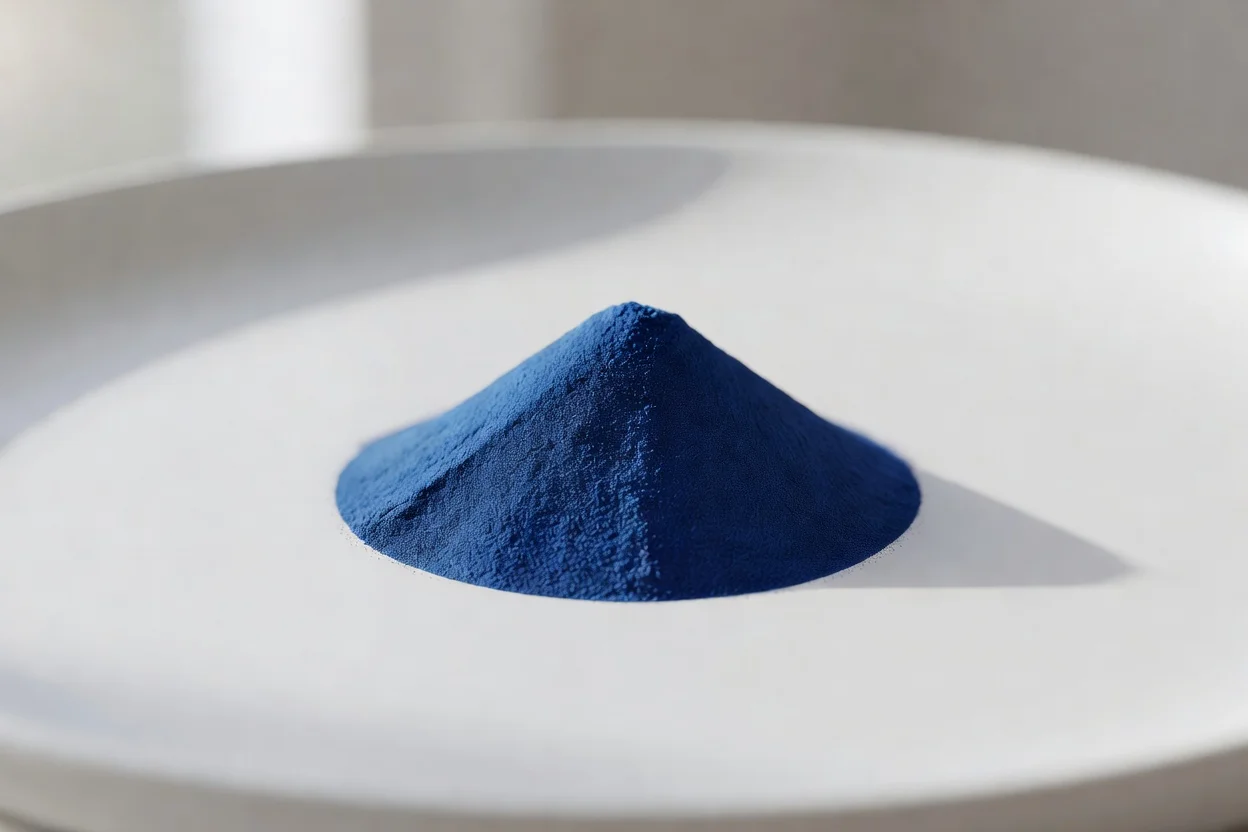
Colourants are substances added to plastics and other materials to impart, modify, restore, or standardize color, and in plastics they are typically formulated as pigments, dyes, lakes, or special-effect particles dispersed into the polymer matrix or applied to the surface. In the plastics value chain, colourants are not merely aesthetic ingredients: they influence product identification, brand differentiation, opacity, light management, UV stability, and in some cases functional performance such as concealment of recycled-content variability or protection of light-sensitive contents.
In plastics, the term usually covers pigments and dyes rather than color in a purely artistic sense, with pigments being insoluble particles dispersed in the polymer and dyes being soluble colorants that enter the substrate more uniformly. Colourants are used across packaging, consumer goods, automotive parts, construction products, medical devices, textiles, and technical plastics, and they are selected according to processing temperature, migration resistance, weatherability, transparency or opacity needs, and regulatory constraints.
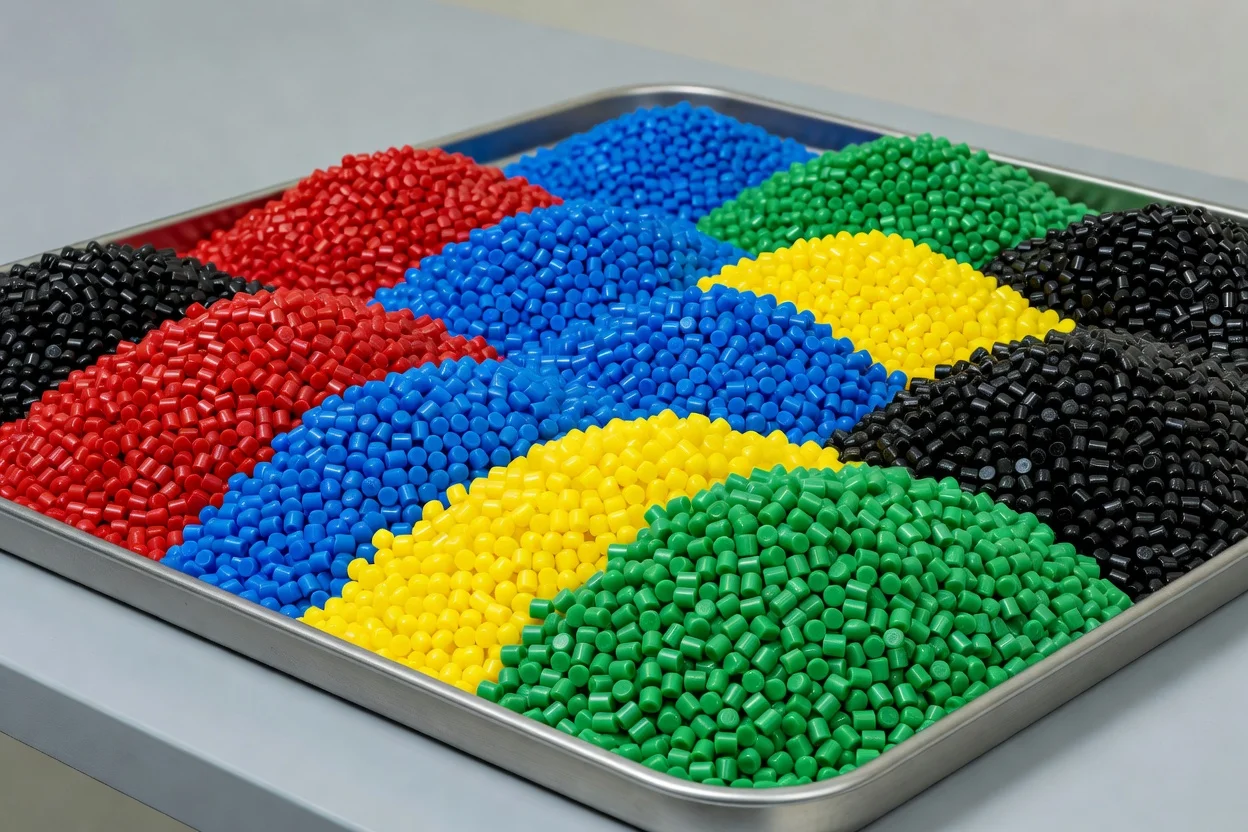
The modern colourants industry has been shaped by the expansion of synthetic organic pigments, high-performance inorganic pigments, and specialty formulations such as masterbatches, concentrates, and nanoparticle-based dispersions. Sustainability is now a major theme: formulators increasingly evaluate recyclability, heavy-metal restrictions, solvent-free processing, and the compatibility of colour systems with mechanical and chemical recycling. Future development is likely to focus on low-migration systems, improved dispersion efficiency, bio-based or biomass-balanced intermediates, and colorants designed for circular plastics rather than only for visual appeal.
History and Development
Colouring materials have been used for centuries in textiles, inks, ceramics, cosmetics, and foods, and the plastics industry later adapted these long-established chemistries for polymer coloration. As polymer processing expanded during the twentieth century, the need for stable, heat-resistant, and uniformly dispersible colour systems led to the widespread use of synthetic pigments and pre-dispersed concentrates rather than crude powders alone.
The industrialization of plastic colourants also followed the growth of mass production and brand standardization. Manufacturers required repeatable shades, resistance to thermal degradation during extrusion and molding, and compatibility with increasingly diverse resins such as polyolefins, PVC, PET, engineering thermoplastics, and elastomers. Regulatory systems became more important over time, especially for food-contact, medical, and cosmetics applications, where permitted colorants and migration limits are tightly controlled.
Chemical Structure and Key Properties
Colourants in plastics are chosen primarily by their interaction with light and by their compatibility with the host polymer. Pigments are generally insoluble particles that remain dispersed, while dyes dissolve or partly dissolve in the medium and can produce transparent coloration with high tinctorial strength.
Common classes include:
- Organic pigments, which usually provide strong chroma and a broad shade range but may be less weatherable than some inorganic systems.
- Inorganic pigments, such as metal oxides, which generally offer excellent heat and weather resistance but a narrower color palette.
- Dyes, which can provide transparent, intense color but often have poorer lightfastness or migration resistance in many plastic systems.
- Lakes, which are insoluble pigments made by precipitating a dye onto a substrate, used where brighter tones are needed than a simple inorganic pigment can provide.
- Special-effect colorants, including pearlescent, fluorescent, and metallic systems, which alter reflection, interference, or fluorescence rather than only absorption.
A few key limits are important in plastics:
- Poor O2 and grease barrier in pigmented polymers is not a primary function of colourants → the colorant mainly changes optical properties, not molecular permeability → use barrier resins, coatings, multilayer structures, or additives designed for barrier enhancement rather than relying on colorants alone.
- Low surface energy on some polymer surfaces can make color systems prone to poor wetting or adhesion before treatment → many polyolefins accept coatings and inks poorly without corona, flame, plasma, or primer treatment → use surface activation or masterbatch systems engineered for better dispersion and interfacial compatibility.
- High processing temperatures can degrade sensitive organic colorants → heat, shear, and residence time may cause shade shift, loss of brilliance, or blooming → use heat-stable pigment grades, lower-dosage concentrates, or inorganic alternatives.
Important performance properties include:
- Tinctorial strength, or how much color is produced at a given dosage.
- Heat stability, essential for extrusion, injection molding, blow molding, and fiber spinning.
- Lightfastness and weatherability, critical for outdoor goods.
- Migration resistance, important for food packaging, toys, and medical products.
- Opacity and hiding power, which often matter as much as hue in plastics.
- Dispersion quality, since agglomerates can cause streaks, specks, and weak mechanical performance.
Typical loading levels vary widely by pigment class, resin, and target shade. In practice, masterbatch or concentrate systems often place the pigment in a carrier resin at much higher concentration than the final article, which improves handling, dosing accuracy, and dispersion compared with direct powder addition.
Production Processes and Raw Feedstocks
Colourants are produced from both petrochemical and mineral or natural feedstocks, depending on the class. Synthetic organic pigments and many dyes are commonly derived from aromatic intermediates originating in the broader chemical industry, while inorganic pigments originate from mineral raw materials and metal oxides.
Main production routes include:
- Organic synthesis for azo, phthalocyanine, quinacridone, perylene, anthraquinone, and related pigment families.
- Mineral processing and calcination for inorganic pigments such as iron oxides and titanium-based whites.
- Precipitation and lake formation for converting soluble dyes into insoluble pigments.
- Dispersion and masterbatch compounding, where the colorant is dispersed into a carrier resin with additives to improve processing and end-use performance.
In plastics, the most common commercial delivery forms are:
- Powders, used where the processor has strong compounding capability.
- Liquid colorants, common for some niche applications.
- Pre-dispersed concentrates and masterbatches, which dominate many polymer conversion chains because they provide better dispersion, cleaner processing, and more consistent coloration.
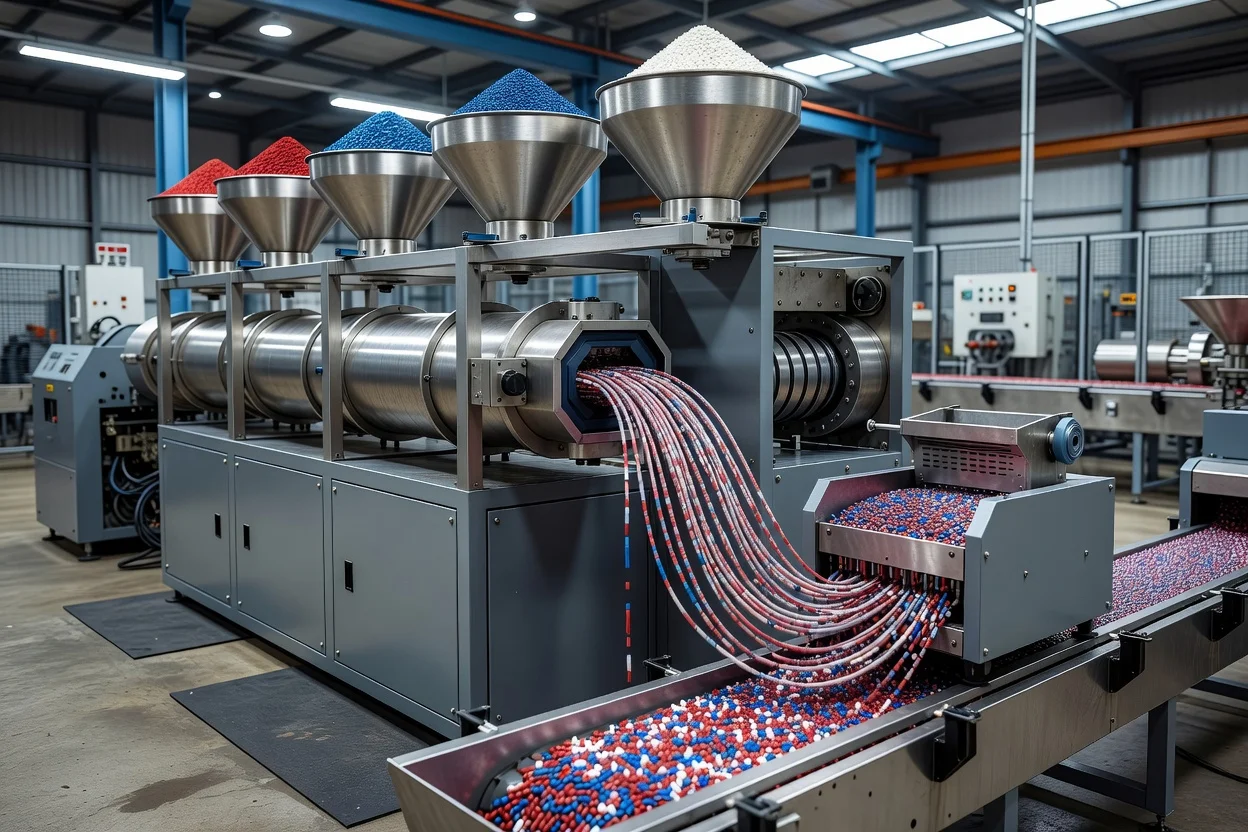
The raw feedstock profile matters for sustainability and cost. Pigments with complex synthesis pathways may have higher embodied energy and more process waste, whereas inorganic oxides are often more material-efficient but less color-flexible. The industry increasingly evaluates solvent use, by-product management, and heavy-metal elimination in line with environmental and regulatory expectations.
Applications and End-Use Markets
Colourants are used in nearly every plastics segment, but the choice of colour system differs by resin and process.
| End use | Typical colourant form | Usual process | Key requirements |
|---|---|---|---|
| Packaging film | Masterbatch, high-strength organic pigments | Blown film, cast film | Low haze, good dispersion, migration resistance |
| Bottles and closures | Pigment concentrates, sometimes dyes | Injection molding, stretch blow molding | Uniform shade, heat stability, food-contact compliance |
| Pipe and conduit | Inorganic pigments, carbon black, stable concentrates | Extrusion | UV resistance, weatherability, long-term color retention |
| Cable and wire | High-heat stable concentrates | Extrusion | Thermal stability, electrical compatibility, identification colors |
| Agriculture film | UV-stable pigments, carbon black | Film extrusion | Outdoor durability, light management |
| Geomembrane | Carbon black or durable inorganic pigments | Sheet extrusion | UV protection, long service life |
| Rotomolding | Heat-stable pigments | Rotational molding | High thermal endurance, no specking |
| UHMWPE wear and medical parts | High-purity pigments, restricted palettes | Compression molding, machining, sintering-related processes | Low contamination, biocompatibility, wear performance |
| PEX | Stable pigments, usually limited palette | Crosslinking-related pipe processing | Heat and long-term service stability |
Major market sectors include:
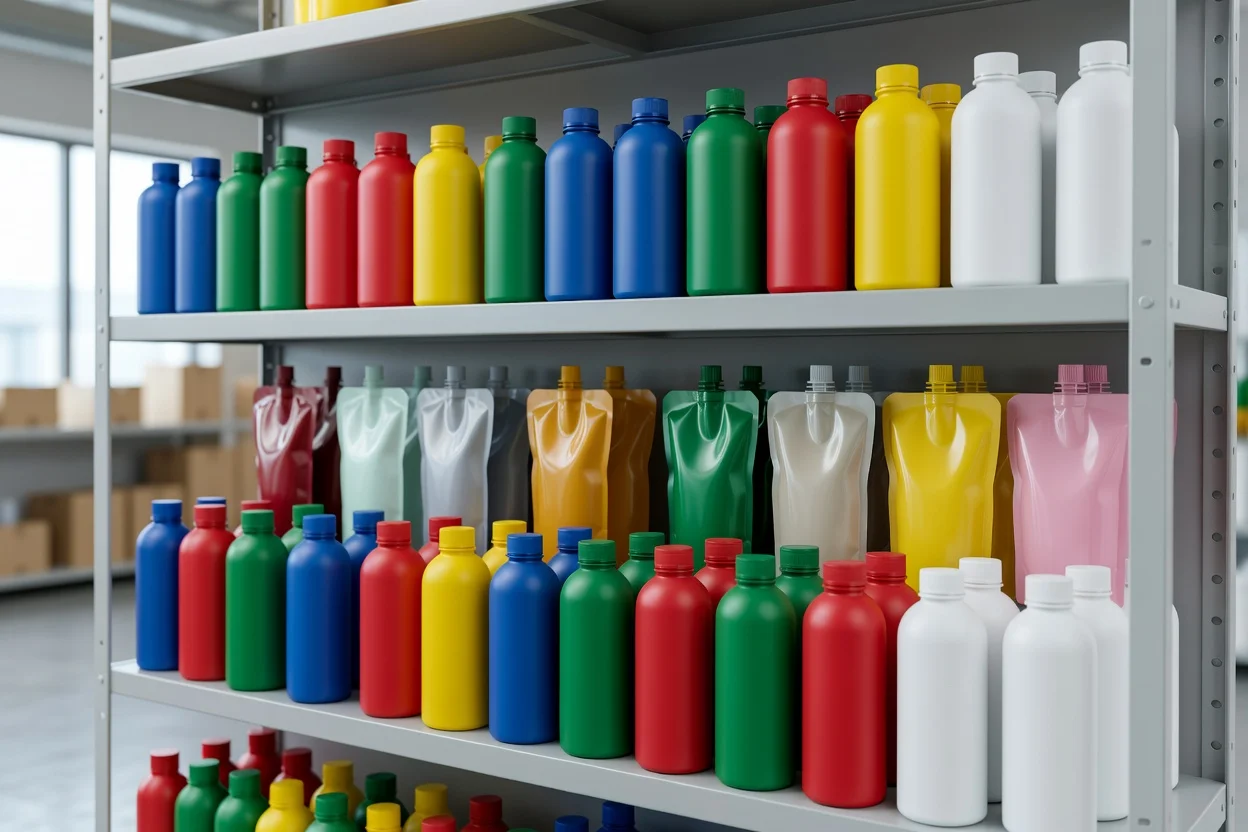
- Packaging, where color supports shelf appeal, brand identity, and code differentiation.
- Consumer goods and appliances, where aesthetics and part identification matter.
- Construction, especially profiles, pipes, siding, membranes, and sealants.
- Automotive and transport, where weatherability and surface quality are critical.
- Medical and healthcare, where purity, traceability, and regulatory compliance are essential.
- Agriculture and infrastructure, where outdoor durability often dominates over brilliance.
One poor-fit use is high-end transparent packaging when the design requires near-total clarity, because many pigments increase haze and reduce optical transparency; in such cases, processors may prefer ultra-low haze formulations, dyes, or no colorant at all.
Environmental and Sustainability Aspects
The sustainability profile of colourants depends on chemistry, dosage, process efficiency, and end-of-life behavior. Pigments that are highly stable and low in migration can be advantageous during use, but their persistence can complicate recycling if they create unwanted color contamination in recovered plastics.
Key issues include:
- Recyclability: Dark or mixed pigments can reduce the value of recycled resin streams by making sorting, color matching, or re-use more difficult.
- Food-contact and medical compliance: Low-migration systems are required where transfer into contents or the body must be minimized.
- Hazardous substances: The industry has progressively reduced or eliminated certain heavy-metal pigments and other restricted materials in response to regulation.
- Bio-based alternatives: Natural colorants and bio-derived intermediates are receiving attention, but they often face limitations in heat stability, lightfastness, and batch-to-batch consistency.
- Carbon footprint: The footprint depends on synthetic route efficiency, solvent recovery, transport, and the number of rework or rejection cycles caused by poor color consistency.
A central circular-economy challenge is that colourants must help products remain attractive and functional while not undermining mechanical recycling. This has encouraged design strategies such as:
- limiting the color palette in recyclable packaging,
- using detectable or sortable colors for better waste stream separation,
- adopting pigment systems compatible with rPET, rHDPE, and rPP,
- using color-management systems that reduce over-dosing and scrap.
Economic and Global Market Impact
Colourants represent a relatively small mass fraction of plastics products but a high strategic value because they influence consumer perception, product segmentation, and process yield. In many cases, the cost of a color system is justified by reduced scrap, better brand control, and improved product differentiation.
Market demand is closely tied to packaging, construction, automotive, and consumer goods production. The most important competitive factors are shade consistency, regulatory approval, dispersion quality, and supply reliability. Global production is concentrated among large pigment and specialty chemical suppliers, with major positions historically held by multinational producers in organic pigments, titanium dioxide, and high-performance color systems. Because the market is fragmented by chemistry and region, leadership differs by pigment family rather than by a single universal producer.
Current Challenges and Innovations
Current technical challenges include:
- Color consistency in recycled plastics, where feedstock variability can cause shade drift.
- Dispersion in high-performance polymers, especially where narrow processing windows increase the risk of specks or degradation.
- Regulatory divergence, particularly across food-contact, cosmetics, and medical applications.
- Outdoor durability, where sunlight and weathering can fade or shift the color of some organic systems.
- Compatibility with advanced recycling, including chemical recycling and closed-loop packaging systems.
Innovation is occurring in several directions:
- High-disperse masterbatches, which reduce dust, improve dosing, and enhance consistency.
- Nano-dispersed pigments, designed to improve color strength and sometimes optical effects, although they raise separate questions about safety and dispersion control.
- Low-migration and food-contact optimized systems, especially for packaging.
- Recycled-content color management, using digital shade matching and formulation control to compensate for feedstock variability.
- Natural and bio-based pigments, which are being refined for improved stability and process robustness.
- Functional colorants, such as systems that combine color with UV screening, infrared reflectance, or anti-counterfeit features.
Two practical examples illustrate how formulation works:
- Titanium dioxide at relatively low loading levels is often used to raise opacity and whiteness in plastic articles by strongly scattering light, which improves hiding power and can protect light-sensitive contents.
- Carbon black at a few percent or less in many polyethylene outdoor applications can improve UV resistance by absorbing ultraviolet radiation and slowing polymer degradation, while also producing black coloration.
Future Outlook
The future of colourants in plastics is likely to be shaped by three converging demands: aesthetics, regulation, and circularity. Demand will remain strong in packaging and consumer goods, but the highest growth potential may come from color systems designed specifically for recycled polymers, technical compounds, and regulated applications.
Expected development priorities include:
- better compatibility with mechanically recycled resins,
- lower-dose, higher-strength pigments,
- greater use of solvent-free and dust-free delivery systems,
- digitally controlled color matching,
- more durable pigments for outdoor and long-life plastics,
- increased substitution of restricted substances with safer alternatives.
Over time, colourants are likely to be judged less only by shade and more by how they support resource efficiency, brand durability, product safety, and the economics of circular plastics.
Summary
Colourants are essential plastic auxiliaries that shape appearance, identification, protection, and market value across the plastics industry. Their chemistry ranges from insoluble inorganic pigments to high-chroma organic systems and soluble dyes, each with distinct advantages and constraints in processing, durability, and regulation. The main challenge for the sector is to preserve the commercial and functional value of color while improving recyclability, lowering environmental impact, and meeting increasingly strict safety standards.
References
- •
Colourant. (2004, March 22). In Wikipedia. https://en.wikipedia.org/wiki/ColourantLink
- •
Colorant types demystified: Classification & products. (n.d.). https://www.paint-colorants.com/faq/67.htmlLink
- •
What are colorants? (2021, October 1). https://help.inksystems.com/documentation/lithographic-ink/colorants/Link
- •
Colorants. (2013, March 18). https://www.essentialchemicalindustry.org/materials-and-applications/colorants.htmlLink
- •
Colorants: What is it and where is it used? (2025, January 20). https://www.drugs.com/inactive/colorants-335.htmlLink
- •
Colourants - An overview. (n.d.). ScienceDirect. https://www.sciencedirect.com/topics/engineering/colourantsLink
- •
Classification of colorants. (2018, January 17). https://www.slideshare.net/slideshow/classification-of-colorants/86282683Link
- •
A quick guide to colourants. (2018, December 12). https://www.humblebeeandme.com/quick-guide-colourants/Link
- •
What are colourants? Classification of dyes. (n.d.). https://ebrary.net/193538/health/what_colourantsLink
- •
Explanation of colorants from SPIE Press. (2011). https://spie.org/publications/spie-publication-resources/optipedia-free-optics-information/pm105_66_colorantsLink
- •
Table 1. (2025). https://pmc.ncbi.nlm.nih.gov/articles/PMC12469493/table/foods-14-03187-t001/Link
- •
Colorant. (2026, August 11). In Merriam-Webster. https://www.merriam-webster.com/dictionary/colorantLink
- •
Customize your GlobalSpec experience. (2025). https://www.globalspec.com/learnmore/materials_chemicals_adhesives/chemicals_raw_materials/pigmentsLink
- •
The use and importance of colorants. (2017, March 18). https://koelcolours.com/the-use-and-importance-of-colorants/Link
- •
Pigments and colors: Introduction. (2021, June 7). https://www.slideshare.net/slideshow/pigments-and-colors-introduction/249111741Link
- •
Food colour additives: A synoptical overview on their ... (2022, January 28). PMC. https://pmc.ncbi.nlm.nih.gov/articles/PMC8834239/Link
- •
Colouring agents, colorants, color additives in pharmaceutical. (n.d.). https://pharmaeducation.net/colouring-agents-colorants-color-additives-in-pharmaceutical/Link
- •
Colourants: What tha heck? (2017, June 30). https://www.bodybonbon.com.au/colourants-what-tha-heck/Link
- •
Definition of colorants. (2025, November 6). In Merriam-Webster. https://www.merriam-webster.com/dictionary/colorantsLink
- •
Color additives history. (2017, November 3). U.S. Food and Drug Administration. https://www.fda.gov/industry/color-additives/color-additives-historyLink
- •
Paper No. 13 food additives. (n.d.). https://epgp.inflibnet.ac.in/epgpdata/uploads/epgp_content/food_technology/food_additives/06.colourings_for_the_food_industry_-natural_colours/et/2681_et_m6.pdfLink
- •
An overview of all the dyes currently used in food. (2023, March 17). https://www.macsenlab.com/blog/food-dyes-an-overview/Link
- •
Colourant. (2025, January 1). In Cambridge Dictionary. https://dictionary.cambridge.org/dictionary/english/colourantLink
- •
Why are colourants a critical ingredient for products? (2023, July 3). https://neelikon.com/why-are-colourants-a-critical-ingredient-for-products.phpLink
- •
Food colorants - An overview. (n.d.). ScienceDirect. https://www.sciencedirect.com/topics/food-science/food-colorantsLink
- •
Pigments and colorants in the real world: 5 uses you'll ... (2025, October 20). https://www.linkedin.com/pulse/pigments-colorants-real-world-5-uses-kcwvfLink
- •
Food chemistry. (n.d.). http://ecoursesonline.iasri.res.in/mod/page/view.php?id=90254Link
- •
Natural colourants - An overview. (n.d.). ScienceDirect. https://www.sciencedirect.com/topics/engineering/natural-colourantsLink
- •
Different types of colourants and when to use. (2019, October 10). https://n-essentials.com.au/blog/different-types-of-colourants-and-when-to-useLink
- •
Food coloring. (2003, January 3). In Wikipedia. https://en.wikipedia.org/wiki/Food_coloringLink
- •
Colorant. (n.d.). In Dictionary.com. https://www.dictionary.com/browse/colorantLink
- •
Fluorescent brightening dyes... (2026, April 18). https://fr.scribd.com/document/642263338/3Typesof-ColorantsLink
- •
Pigments vs dyes: Understanding the differences between dyes and pigments. (2023, March 28). https://www.pylamdyes.com/blog/pigments-vs-dyes-understanding-the-differences-between-dyes-and-pigmentsLink
- •
Colorants for food and beverage in the real world: 5 uses you'll ... (2025, October 15). https://www.linkedin.com/pulse/colorants-food-beverage-real-world-5-uses-youll-c5k0cLink
- •
Plant-derived colorants for food, cosmetic and textile ... (2021, June 23). PMC. https://pmc.ncbi.nlm.nih.gov/articles/PMC8269454/Link
- •
Cosmetic colorants. (2023, September 26). https://nyscc.org/blog/cosmetic-colorants/Link
- •
Colourings for the food industry – Synthetic colours. (2018, November 1). https://ebooks.inflibnet.ac.in/ftp03/chapter/colourings-for-the-food-industry-synthetic-colours-2/Link
- •
Classification of colorants and dyes. (n.d.). https://www.scribd.com/document/642263338/3Typesof-ColorantsLink
- •
Food add colorants. (2026, January 31). https://www.scribd.com/document/962962686/Food-Add-ColorantsLink
- •
Dyes and pigments | Everything you need to know. (2024, May 27). https://www.royaltalens.com/blogs/colour-stories/dyesLink
- •
List of dyes. (2008, October 8). In Wikipedia. https://en.wikipedia.org/wiki/List_of_dyesLink
- •
Making sense of food colors: What parents ... (2025, June 26). https://www.eatright.org/food/planning/smart-shopping/making-sense-of-food-colorsLink
- •
Color additives in foods. (2023, July 6). U.S. Food and Drug Administration. https://www.fda.gov/food/color-additives-information-consumers/color-additives-foodsLink
- •
The critical role of colorants in cosmetic innovation. (2025, September 16). https://bansaltrading.com/the-critical-role-of-colorants-in-cosmetic-innovationLink