
Introduction
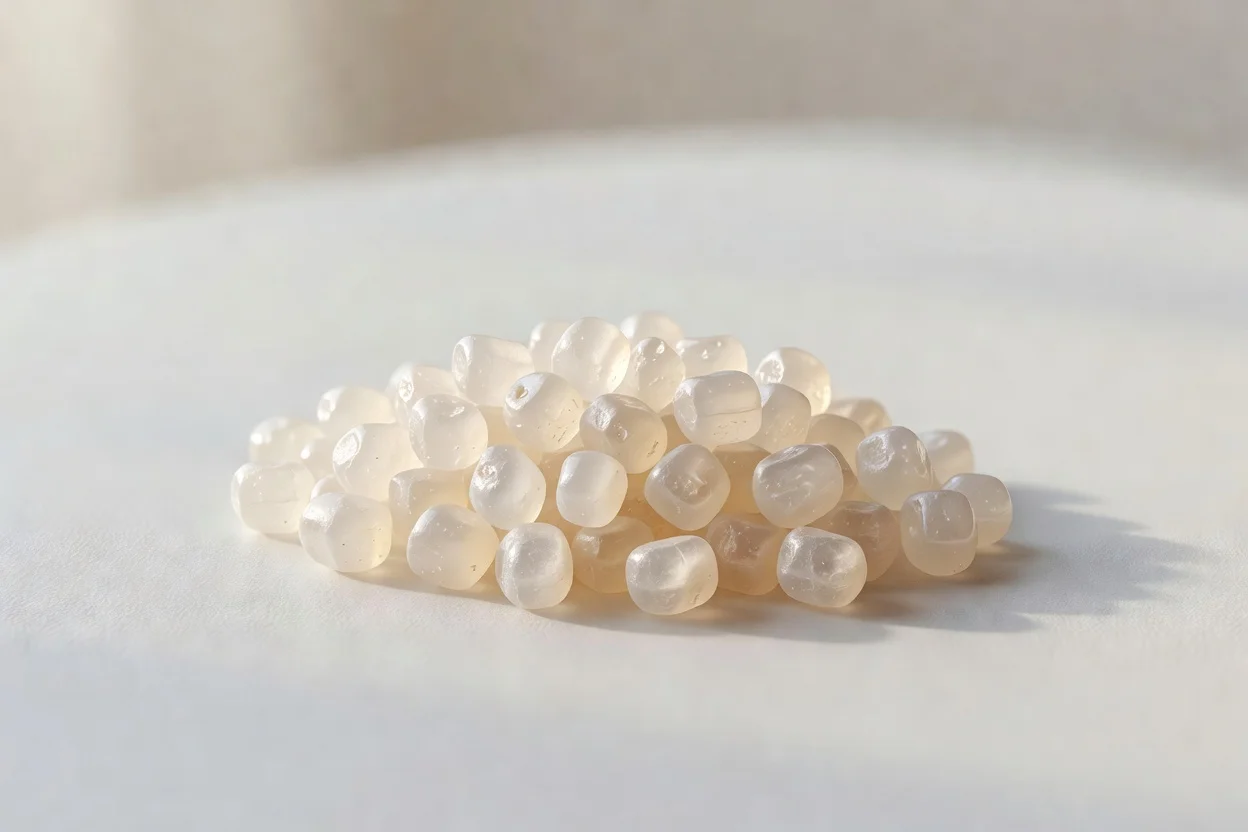
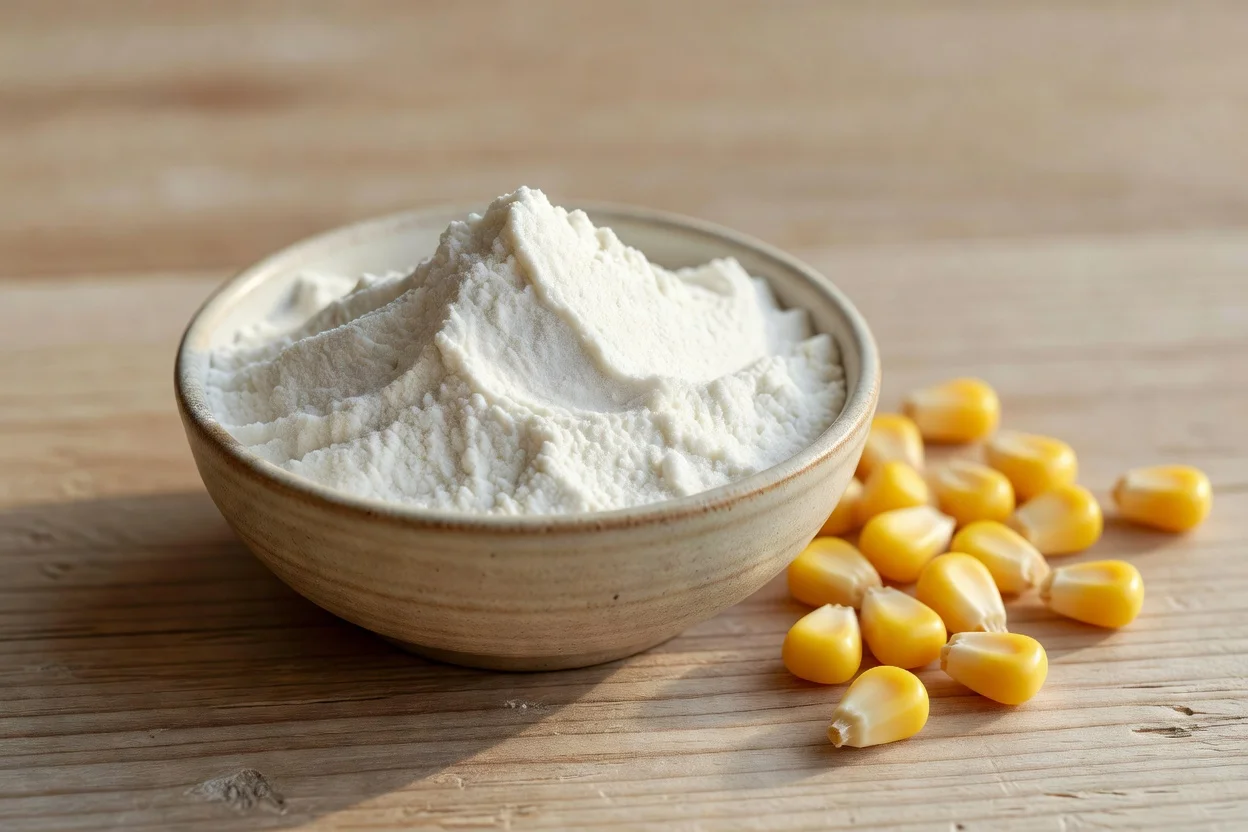
Starch-based bioplastics are a broad family of plastic materials derived wholly or partly from starch, a renewable polysaccharide obtained from crops such as corn, potato, cassava, wheat, rice, and other starch-rich biomass. In plastics engineering, starch is used either as thermoplastic starch (TPS) after plasticization and thermal processing, or as a major blend component in composites with other biodegradable polymers to improve processability, strength, and end-use performance.
Their appeal lies in a rare combination of renewability, low raw-material cost, biodegradability potential, and compatibility with conventional plastics machinery such as extrusion, injection molding, thermoforming, and film conversion. At the same time, starch-based systems remain technically constrained by moisture sensitivity, limited heat resistance, and property variability, which is why most commercial products are not pure starch but rather engineered blends and filled formulations.
Interest in starch-based bioplastics has grown alongside regulatory pressure on single-use plastics, demand for compostable packaging, and the search for lower-carbon feedstocks. Their development now spans packaging films, bags, agricultural mulch films, loose-fill foams, disposable serviceware, and specialized biomedical or active-packaging materials, with continuing innovation in crosslinking, reactive blending, nanofillers, and antimicrobial formulations.
History and Development
Starch is one of the oldest industrial biopolymers known to humans, but its transformation into a modern plastic material emerged only after the development of plasticization concepts and polymer-processing equipment. Early starch plastics were limited by brittleness and water uptake, but later work showed that starch granules could be disrupted by heat and water in the presence of plasticizers such as glycerol or sorbitol, producing a moldable material known as TPS.
Commercially relevant starch plastics advanced when starch was blended with other compostable polymers, particularly aliphatic polyesters, to combine cost reduction with improved processability and use performance. This shifted starch from a laboratory curiosity to a practical “blend component” in packaging and agricultural applications.
More recent research has focused on:
- Reactive starch derivatives, such as dialdehyde starch, for stronger network formation and self-healing behavior.
- Active packaging, where starch films carry natural antimicrobials or antioxidants.
- Natural-fiber and mineral composites, which improve stiffness, dimensional stability, and thermal performance.
- Waste-derived starch streams, including residues from food processing, to reduce feedstock competition and improve circularity.
Chemical Structure and Key Properties
Starch is composed of two major macromolecular fractions: amylose, which is mostly linear, and amylopectin, which is highly branched. This architecture is central to its processing behavior. Amylose contributes film formation and stronger intermolecular association, while amylopectin strongly influences swelling, gelatinization, and rheology.
When starch is heated in water, granules swell and lose crystallinity. If plasticizers are present, the material can become thermoplastic starch, meaning it can flow and be reshaped under heat and shear like a conventional thermoplastic. Glycerol is a common plasticizer at laboratory and pilot scale, typically used at meaningful levels to reduce brittleness by spacing polymer chains and weakening hydrogen-bond networks.
Key properties
- Renewable feedstock base
- Good film-forming ability
- Transparent or translucent films
- Useful oxygen and carbon dioxide barrier under dry conditions
- Low density
- Biodegradability under suitable biological conditions
Main technical limits
- High moisture sensitivity → strong hydrophilicity of starch chains → blending, coating, hydrophobic additives, or crosslinking.
- Poor water resistance → rapid swelling and loss of mechanical properties in humid conditions → polyester blending, acetylation, reactive compatibilizers, or multilayer structures.
- Limited thermal stability and heat resistance → starch softens or degrades before high-temperature end-use demands are met → use in low-temperature applications, reinforcement, or polyester-rich blends.
- Brittleness in neat or underplasticized formulations → strong interchain hydrogen bonding → glycerol/sorbitol plasticization or copolymer blending.
- Performance variability from feedstock composition → differences in amylose/amylopectin ratio, moisture, and residual proteins/minerals → tighter purification and formulation control.
Production Processes and Raw Feedstocks
Starch-based bioplastics begin with starch extraction from biomass sources such as corn, potato, cassava, banana peel, jackfruit seed, rice, and other agricultural residues. Feedstock choice depends on local availability, starch yield, amylose content, and economics.
Typical production route
- Extraction and purification
- Milling, shredding, blending, washing, filtration, settling, and drying are used to isolate starch granules from biomass.
- Gelatinization
- Starch is heated with water so granules swell and crystalline order is disrupted, forming a viscous paste.
- Plasticization
- Plasticizers such as glycerol or sorbitol are added to improve flexibility and processability; acidic additives may be used in some formulations to modify structure and stabilize processing behavior.
- Compounding or blending
- Conversion
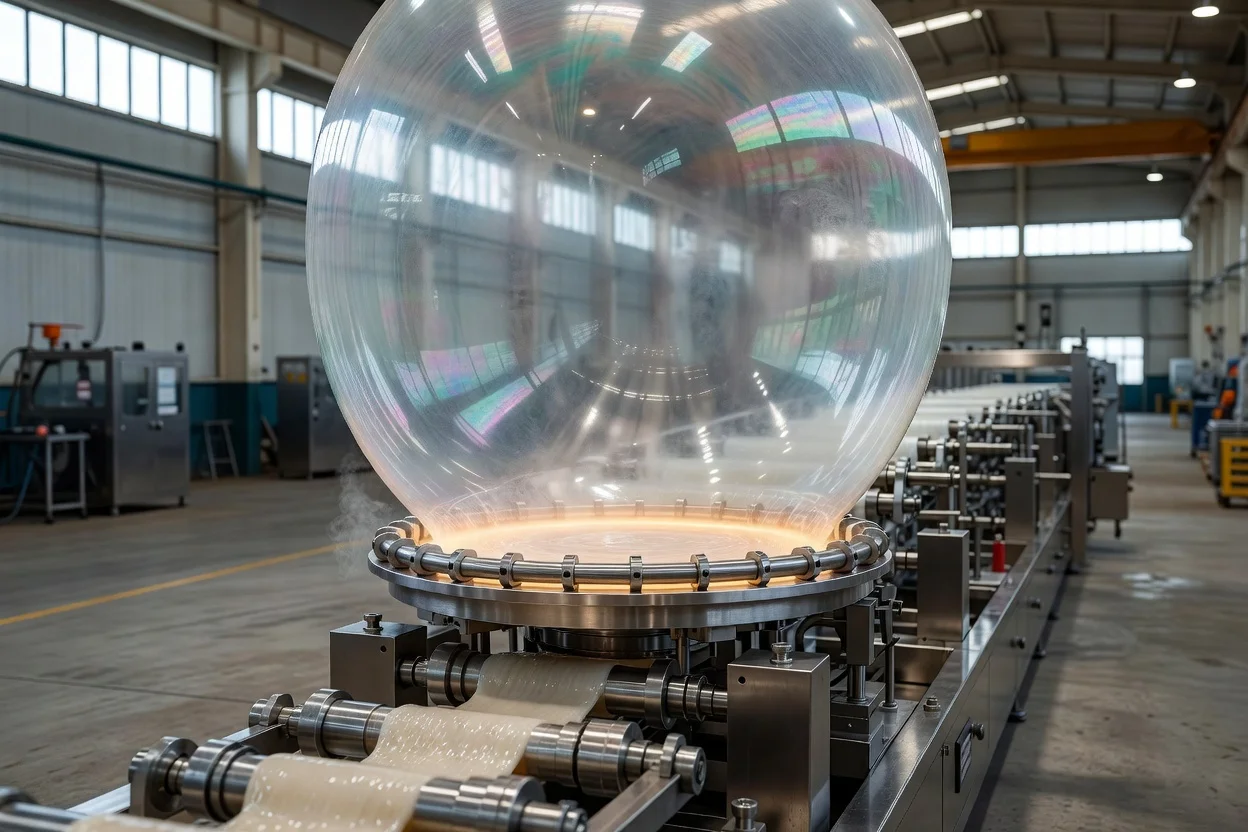
- The compounded material is processed by extrusion, blown-film extrusion, injection molding, compression molding, or thermoforming.
Common formulation strategies
- Plasticized starch alone for simple, low-cost, short-life items.
- Starch-polyester blends for packaging films and bags.
- Starch composites with calcium carbonate, natural fibers, clays, or cellulose to raise stiffness and reduce cost.
- Functionalized starch such as dialdehyde starch for stronger networks and degradable reactive materials.
Typical raw-material and additive examples
- Glycerol at low-to-moderate formulation levels acts as a chain-spacer and mobility enhancer, reducing brittleness.
- Calcium carbonate is often used as a filler to lower cost and modify stiffness, but excessive loading can reduce toughness if the interface is weak.
Applications and End-Use Markets
Starch-based bioplastics are used primarily where short service life, compostability, or renewable-content claims matter more than long-term durability.
| End-use sector | Typical starch-based form | Usual process | Performance rationale |
|---|---|---|---|
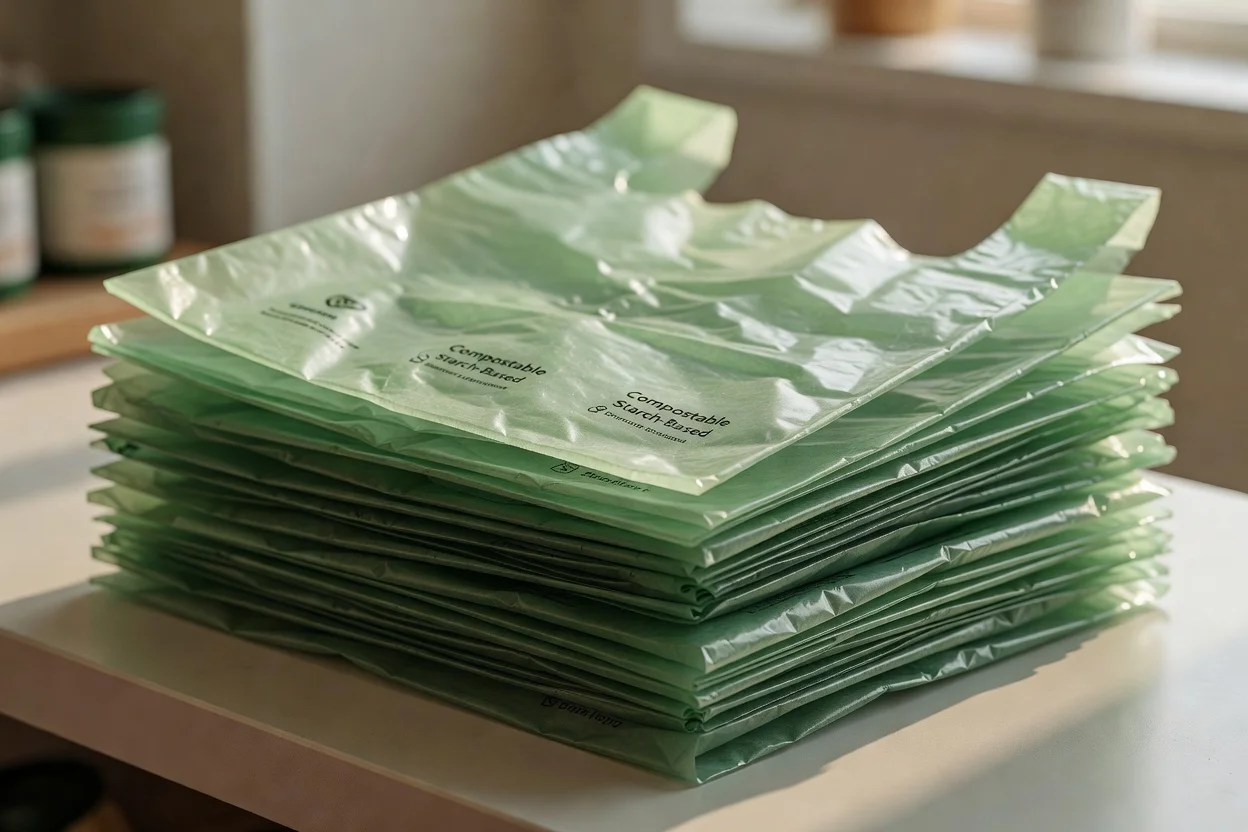
| Packaging films and bags | TPS blends, often with PLA or PBAT | Blown film, cast film | Good film formation, acceptable handling, compostability focus |
| Food packaging and wraps | Transparent starch blends, coatings, active films | Film casting, thermoforming | Oxygen barrier and short-life packaging suitability |
| Agricultural mulch films | Compostable starch blends | Blown film | Soil incorporation after use can reduce retrieval burden |
| Disposable serviceware | Starch blend compounds | Injection molding, thermoforming | Low-cost, short-use articles |
| Loose-fill foams and cushioning | Expanded starch materials | Foaming/conversion | Lightweight protective packaging |
| Paper and coatings | Starch-based coatings or binder systems | Coating application | Improved renewability and barrier functions |
| Medical and pharmaceutical uses | Highly controlled starch materials | Specialized compounding/forming | Biocompatibility and degradability in selected niches |
Major application areas
- Flexible packaging: shopping bags, produce bags, garbage liners, and wrapping films.
- Food packaging: bakery bags, fruit and vegetable packaging, stand-up pouches, and some active packaging concepts.
- Agriculture: mulch films and horticultural items where end-of-life compostability is valuable.
- Consumer goods: cutlery, trays, disposable containers, and short-life articles.
- Specialty uses: active packaging with natural antimicrobials, and advanced formulations with self-healing or antimicrobial performance.
One poor-fit use
- Hot-fill or high-temperature rigid packaging is generally a poor fit for standard starch-based materials because moisture uptake and limited thermal resistance can cause deformation or property loss; such uses usually require major blending or reinforcement.
Environmental and Sustainability Aspects
The sustainability case for starch-based bioplastics rests on three main claims: renewable sourcing, potential biodegradability, and reduced dependence on fossil feedstocks. These claims are strongest when the material is used in applications with genuine short service life and when end-of-life conditions support degradation or composting.
Recyclability and end-of-life
- Mechanical recycling is difficult for many starch-based products when they are contaminated, blended, or designed for composting rather than recycling.
- Industrial composting is the most relevant end-of-life route for many starch blend products, but performance depends on formulation, thickness, and composting conditions.
- Home composting is less predictable and should not be assumed unless the specific product is certified or demonstrated for it.
Bio-based feedstock debate
Starch is renewable, but its environmental profile depends on agricultural practice, land use, irrigation, fertilizer demand, and co-product allocation. Feedstocks derived from food crops can raise concerns about land competition, whereas waste-derived starch streams may improve the sustainability case.
Carbon footprint considerations
Starch-based materials can reduce fossil carbon demand, yet total climate impact is formulation- and system-dependent. Blends with polyester, intensive crop cultivation, or poor collection and composting systems can weaken the benefit.
Sustainability trade-offs
- Benefits
- Renewable carbon input
- Potential compostability
- Lower fossil feedstock dependence
- Compatibility with waste-organic collection in suitable systems
- Trade-offs
- Crop input and land-use burden
- Moisture sensitivity often demands blending
- End-of-life infrastructure dependence
- Risk of greenwashing if disposal pathways are unclear
Economic and Global Market Impact
According to recent industry analyses, starch-based bioplastics occupy a meaningful position in the broader bioplastics market because starch is abundant, relatively inexpensive, and easy to process. Their economics are shaped by the cost of starch feedstock, plasticizers, compatibilizers, and especially the cost premium of compostable or specialty polyesters in blended systems.
Market drivers
- Regulation limiting conventional single-use plastics
- Retail and food-service demand for compostable packaging
- Agricultural demand for mulch films that do not require retrieval
- Brand-owner interest in renewable-content materials
Market constraints
- Commodity plastics remain cheaper at scale
- Performance limitations restrict substitution in demanding applications
- Composting and labeling rules differ by region
- Feedstock price volatility can affect margins
Industry leadership
Publicly visible leadership in starch-based bioplastics is typically found not in pure starch alone, but in compostable blend systems and integrated biopolymer platforms. Major global polymer and materials companies have contributed through proprietary compostable resin families, while starch ingredient suppliers and agricultural processors provide the upstream feedstock base. Academic and industrial literature also highlights growing interest in regional starch sources such as cassava, potato, and residue-derived starch, particularly in Asia and Latin America.
Current Challenges and Innovations
Key challenges
- Water sensitivity
- Mechanical brittleness without plasticization
- Narrow processing window
- Variable feedstock quality
- End-of-life confusion between biodegradable, compostable, and recyclable claims
Active innovation themes
- Dynamic covalent chemistry
- Dialdehyde starch crosslinked with diamines has been used to create rehealable and degradable systems, showing how starch can move beyond simple disposable packaging into advanced functional materials.
- Natural antimicrobial packaging
- Starch films combined with natural antimicrobials are being explored for active packaging that can extend shelf life while remaining bio-based.
- Hybrid composites
- Mineral fillers, fibers, and nanofillers are used to tune stiffness, barrier properties, and dimensional stability.
- Blend engineering
- Waste valorization
- Starch extracted from food-processing waste streams can improve circularity and reduce reliance on dedicated food crops.
Future Outlook
Starch-based bioplastics are likely to remain most competitive in short-life, low-to-moderate performance applications, especially packaging, bags, agricultural films, and disposable items. Their future growth will depend on whether the industry can improve water resistance, thermal stability, and consistency without sacrificing compostability or affordability.
The most promising directions are likely to be:
- More sophisticated blends with targeted performance profiles
- Waste-derived and non-food starch feedstocks
- Reactive and self-healing networks
- Active packaging with antimicrobial or antioxidant functionality
- Better end-of-life integration with industrial composting and certified collection systems
If these advances continue, starch-based bioplastics will not replace all conventional plastics, but they are likely to strengthen their role as a strategically important class of renewable plastics auxiliaries and packaging materials within a broader circular materials economy.
Summary
Starch-based bioplastics are renewable, processable materials built from one of the world’s most abundant biopolymers, but they are best understood as a family of engineered systems rather than a single material. Their value lies in low-cost renewable feedstock, compostability potential, and adaptability to packaging and agricultural uses, while their main weaknesses remain moisture sensitivity, limited heat resistance, and dependence on well-designed formulations and disposal systems.
References
- •
Starch-derived bioplastics: Pioneering sustainable solutions for ... (2025, April 11). https://pmc.ncbi.nlm.nih.gov/articles/PMC12028573/Link
- •
Recent advances in starch-based blends and composites for ... (2022, October 27). https://pmc.ncbi.nlm.nih.gov/articles/PMC9657003/Link
- •
Starch-based bioplastics and natural antimicrobials: A sustainable alternative for active packaging (2025, October 17). https://www.sciencedirect.com/science/article/abs/pii/S2212429225019637Link
- •
Synthesis and characterization of starch based bioplatics ... (2020, December 17). https://pmc.ncbi.nlm.nih.gov/articles/PMC7938205/Link
- •
Sustainable plastics from renewable resources: A review on ... (n.d.). https://aet.irost.ir/article_1598_1512f87eac6736b849b51504addfd4f3.pdfLink
- •
PRODUCTION OF STARCH BASED BIOPLASTICS AND THEIR (n.d.). https://jusst.org/wp-content/uploads/2022/12/Production-of-Starch-Based-Bioplastics-and-Their-Applications-in-Food-Packaging.pdfLink
- •
Development of carrageenan and starch-based bioplastics ... (2025, October 22). https://pmc.ncbi.nlm.nih.gov/articles/PMC12571531/Link
- •
Starch-based rehealable and degradable bioplastic enabled by dynamic imine chemistry (2022, June 17). https://pubs.acs.org/doi/10.1021/acssuschemeng.2c02537Link
- •
Starch bioplastic (n.d.). https://materialmemorystudio.com/research/starch-bioplasticLink
- •
[PDF] Sustainability and performance of starch-based ... (n.d.). https://bioresources.cnr.ncsu.edu/wp-content/uploads/2026/07/BioRes_21_3_9221_Phuah_ASA_Sustainabl_Perform_Starch_based_Bioplastics_Review_25866.pdfLink
- •
S t a r c h - b a s e d (n.d.). https://irp.cdn-website.com/300acafa/files/uploaded/4_-_Starch-based_bioplastic-99f5c06a.pdfLink
- •
Development and characterization of starch bioplastics as a ... (2025, May 1). https://pmc.ncbi.nlm.nih.gov/articles/PMC12046032/Link
- •
Development and characterization of starch bioplastics as a sustainable alternative for packaging (2025, May 1). https://www.nature.com/articles/s41598-025-00221-0Link
- •
Starch based bio-plastics: The future of sustainable packaging (2018, May 30). https://www.scirp.org/journal/paperinformation?paperid=84926Link
- •
Applications of starch biopolymers for a sustainable modern agriculture (2022, May 17). https://www.mdpi.com/2071-1050/14/10/6085Link
- •
Types of bioplastic from starch: How starch based bioplastic works? (2025, September 25). https://eupegypt.com/all-types-of-bioplastic-from-starch/Link
- •
Characterization and parametric study on mechanical ... (2022, January 11). https://pmc.ncbi.nlm.nih.gov/articles/PMC8778006/Link
- •
Homemade starch-based bioplastic guide (2026, March 8). https://www.scribd.com/document/736165841/SIP-bioplasticsLink
- •
Development of starch‐based bioplastic from jackfruit seed (n.d.). https://onlinelibrary.wiley.com/doi/10.1155/2022/6547461Link
- •
Starch‐based polymer composites for sustainable food ... (2025, September 1). https://onlinelibrary.wiley.com/doi/10.1002/star.70092Link
- •
Starch-based biodegradable plastics: Methods of ... (n.d.). https://www.sciencedirect.com/science/article/abs/pii/S2214799320301107Link
- •
Cassava waste starch as a source of bioplastics (2025, January 3). https://pmc.ncbi.nlm.nih.gov/articles/PMC11719490/Link
- •
Bioplastic (2005, August 29). https://en.wikipedia.org/wiki/BioplasticLink
- •
Starch based bioplastic (2023, September 18). https://ecoclicky.com/en/starch-based-bioplastic/Link
- •
Produce starch-based bioplastic from different renewable ... (2022, December 28). https://www.clinhypertensionjournal.com/journals/ach/ach-aid1032.phpLink
- •
Properties and applications of compostable starch-based plastic material (n.d.). https://www.sciencedirect.com/science/article/pii/S0141391097001687Link
- •
Sustainable bioplastics for food packaging produced ... (2023, September 14). https://pmc.ncbi.nlm.nih.gov/articles/PMC10534797/Link
- •
Valorization of starch to biobased materials: A review (2022, May 30). https://pmc.ncbi.nlm.nih.gov/articles/PMC9183024/Link
- •
Fabrication and characterization of corn starch based ... (n.d.). https://www.sciencedirect.com/science/article/pii/S2590048X2500007XLink
- •
A review of biodegradable thermoplastic starches, their blends ... (2022, November 14). https://pubs.rsc.org/en/content/articlehtml/2022/gc/d2gc02169bLink
- •
Synthesis and characterization of starch based bioplatics using ... (n.d.). https://www.sciencedirect.com/science/article/pii/S1319562X20306707Link
- •
The utility of starch-based plastics (2023, March 8). https://www.greendotbioplastics.com/starch-based-plastics/Link
- •
Starch based biodegradable plastics: Expert guide (2026, January 29). https://salesplastics.com/starch-based-biodegradable-plastics/Link
- •
Bioplastic made from starch as a better alternative to commercially ... (2021, November 28). https://www.academia.edu/89948707/Bioplastic_made_from_starch_as_a_better_alternative_to_commercially_available_plasticLink
- •
Starch-based bioplastic may be as toxic as petroleum ... (2025, May 13). https://www.reddit.com/r/science/comments/1kln8wt/starchbased_bioplastic_may_be_as_toxic_as/Link