

Introduction
Lignin-based bioplastics are a class of bio-based materials that use lignin, a major aromatic biopolymer from wood and other lignocellulosic biomass, as a feedstock, modifier, filler, or structural component in plastics. They are attracting strong industrial and scientific interest because lignin is abundant, renewable, and capable of imparting useful functions such as UV shielding, antioxidant behavior, stiffness, and flame resistance, while also offering a pathway to reduce dependence on fossil-derived polymers.
In practice, the term covers several material families: lignin blended with established biopolymers such as PLA or PBS, lignin chemically modified into thermoplastic or thermoset components, and lignin-derived monomers or oligomers converted into fully new polymers. Research progress has been rapid, but the field still faces persistent challenges in processability, brittleness, phase compatibility, odor/color control, and the variability of industrial lignin streams.
History and Development
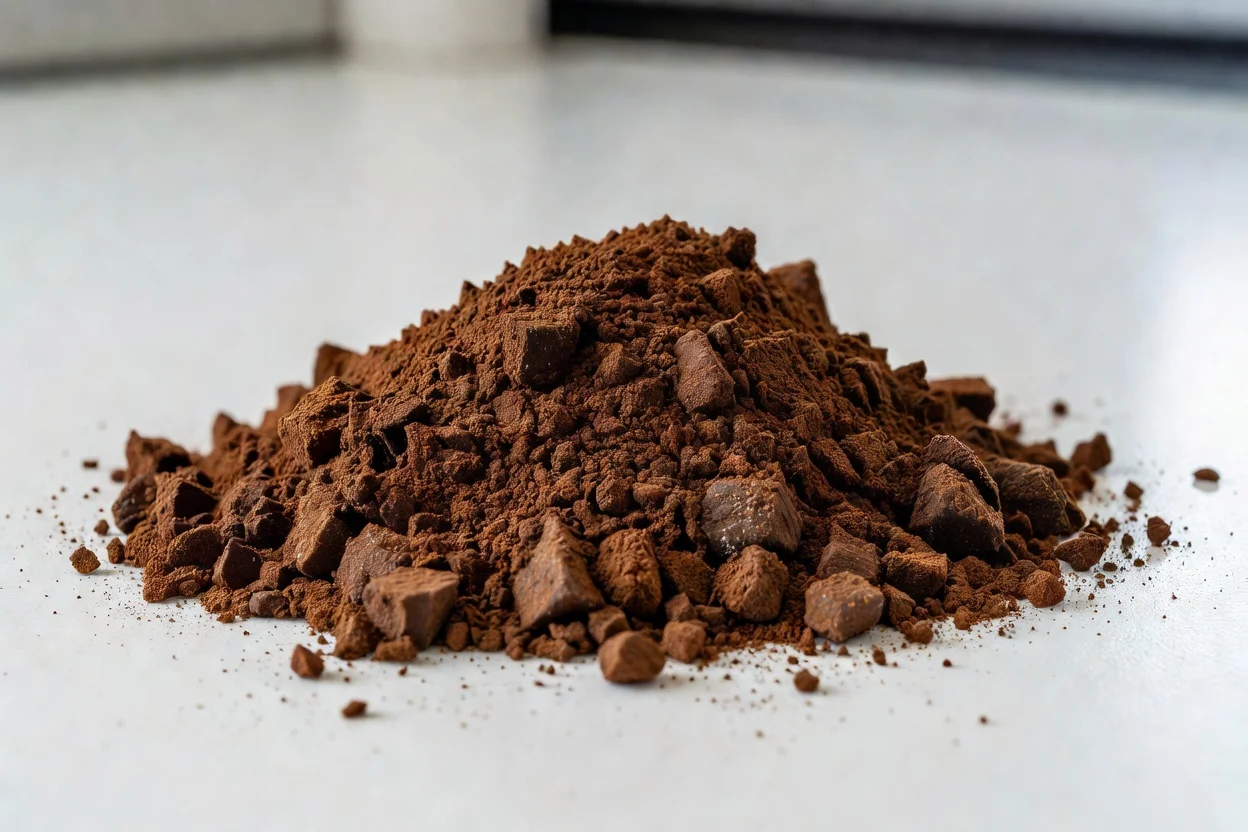
Lignin has long been treated as a low-value by-product of pulping and biomass processing, often burned for energy recovery rather than upgraded into materials. Interest in lignin for plastics grew as polymer scientists recognized its aromatic structure, high carbon content, and multifunctional reactivity as useful assets for composite reinforcement, polymer modification, and aromatic polymer synthesis.
More recently, the field has shifted from exploratory blending to more deliberate molecular engineering. Published work has described lignin-based thermoplastics, lignin-graft polyesters, lignin-containing biodegradable polyester plastics, and lignin-to-biopolyester conversion routes, reflecting movement from proof-of-concept to application-oriented design. Industrial activity has also increased, with patented lignin-based bioplastic materials and commercial efforts such as thermoplastic lignin-oil blends positioned as lower-carbon alternatives to conventional plastics.
Chemical Structure and Key Properties
Lignin is a heterogeneous, irregular polyphenolic macromolecule built from phenylpropanoid units. Its composition depends strongly on botanical source and extraction process, which is why kraft, sulfite, organosolv, and other technical lignins can differ substantially in molecular weight, functional group content, reactivity, and purity.
Key property advantages include:
- Aromatic richness, which can improve rigidity, char formation, and thermal stability.
- Phenolic and aliphatic hydroxyl groups, which enable esterification, etherification, urethane formation, and grafting reactions.
- Intrinsic UV absorption and antioxidant behavior, useful in packaging, coatings, and outdoor materials.
- Potential flame-retardant effect, linked to high char yield during thermal degradation.
Important limitations are equally significant:
- Brittleness and reduced elongation → caused by lignin’s rigid aromatic structure and poor phase compatibility with many polymers → workaround: plasticization, compatibilizers, grafting, or reactive blending.
- Processing instability and narrow formulation window → caused by variable molecular weight, residual ash, and moisture in technical lignins → workaround: fractionation, purification, controlled drying, and feedstock standardization.
- Dark color and odor → caused by chromophores and residual process-derived compounds → workaround: hydrogenation, de-ashing, bleaching, or use in non-appearance-critical products.
A practical formulation example is lignin used at low to moderate loading as a reinforcing or functional additive in biodegradable polyester matrices, where it can improve stiffness and UV resistance while requiring a compatibilizer to avoid severe toughness loss. In another route, esterification of cellulose and lignin with long-chain fatty acids has been used to create a fully biobased bioplastic with improved processability through combined physical entanglement, crosslinks, and hydrogen bonding.
Production Processes and Raw Feedstocks
The starting feedstocks for lignin-based bioplastics are generally:
- Wood residues from kraft pulp, sulfite pulp, or organosolv processing
- Agricultural residues such as straw and other lignocellulosic biomass
- Dedicated plant biomass in some emerging supply chains
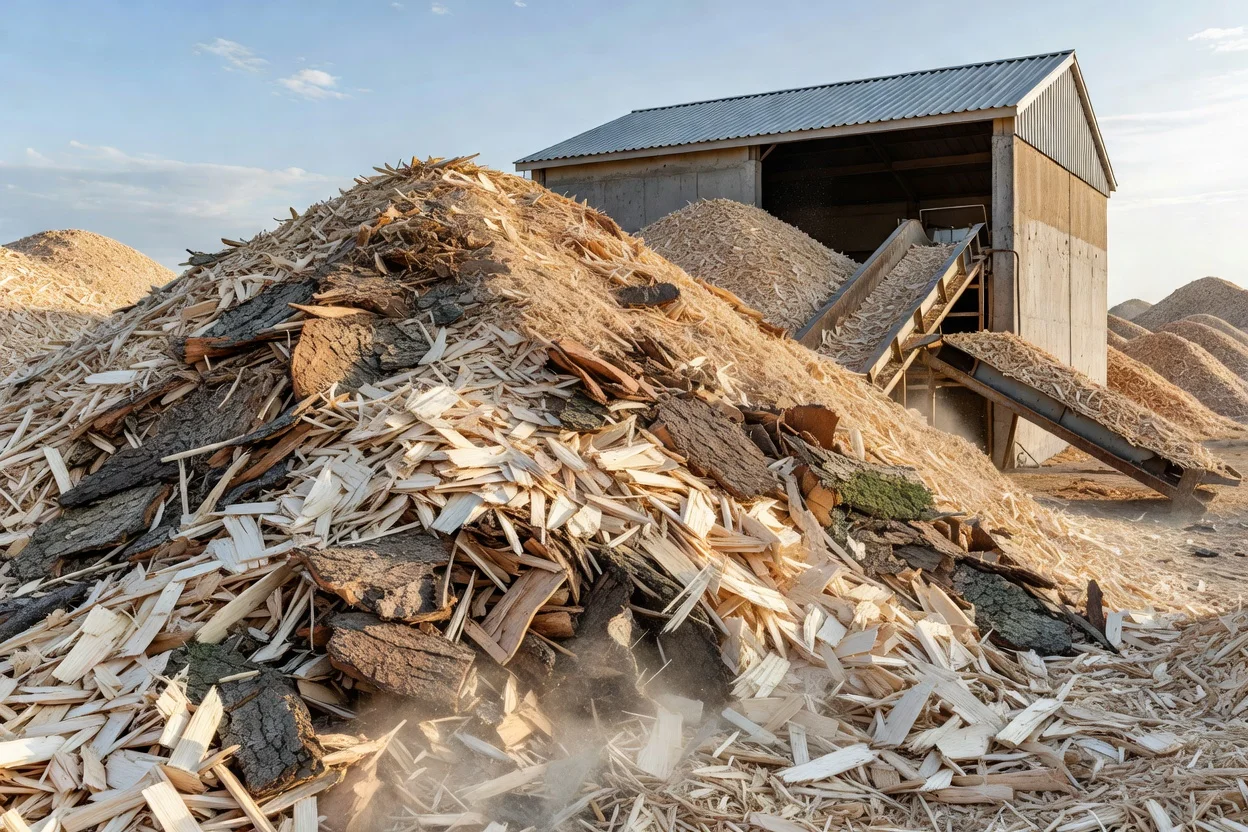
Typical process routes include:
- Direct blending of lignin with PLA, PBS, PBAT, or starch-based systems to reduce cost and modify performance.
- Reactive compatibilization, such as esterification, grafting, or epoxidation, to improve dispersion and interfacial adhesion.
- Depolymerization and upgrading into aromatic oligomers or monomers for new polyesters and other polymers.
- Thermoplastic formulation with bio-oils or other plasticizers to improve melt flow and reduce brittleness.
A notable technical development is the use of room-temperature esterification of cellulose and lignin to produce a processable, high-strength bioplastic with a triple-interlocking structure. Another route is the transformation of technical lignin into thermally reprocessable materials that combine thermoset-like performance with recyclability in processing.
Applications and End-Use Markets
Lignin-based bioplastics are best suited to applications where sustainability, stiffness, UV resistance, and cost reduction matter more than optical clarity or extreme ductility.
| End-use sector | Typical lignin role | Usual matrix or format | Fit level |
|---|---|---|---|
| Packaging films | Reinforcing filler, antioxidant, UV barrier component | PLA, PBS, starch blends | Strong |
| Food-contact and paper coatings | Functional additive, barrier modifier | Coatings, composites | Moderate to strong |
| Agriculture | Mulch films, controlled-degradation materials | Biopolyester blends | Strong |
| Automotive interiors and trim | Stiffness and heat-aging improvement | Thermoplastic composites | Moderate |
| Construction and outdoor products | UV stabilization, flame resistance | Composite profiles, panels | Strong |
| 3D printing and specialty resins | Bio-based resin precursor or modifier | Reactive formulations | Emerging |
| Foams and adhesives | Phenolic replacement or partial substitution | Thermosets and hybrid resins | Emerging |
| Carbon-fiber precursors | Aromatic precursor stream | Stabilized fibers | Emerging |
| Transparent medical packaging | Limited use | Most lignin systems | Poor fit |
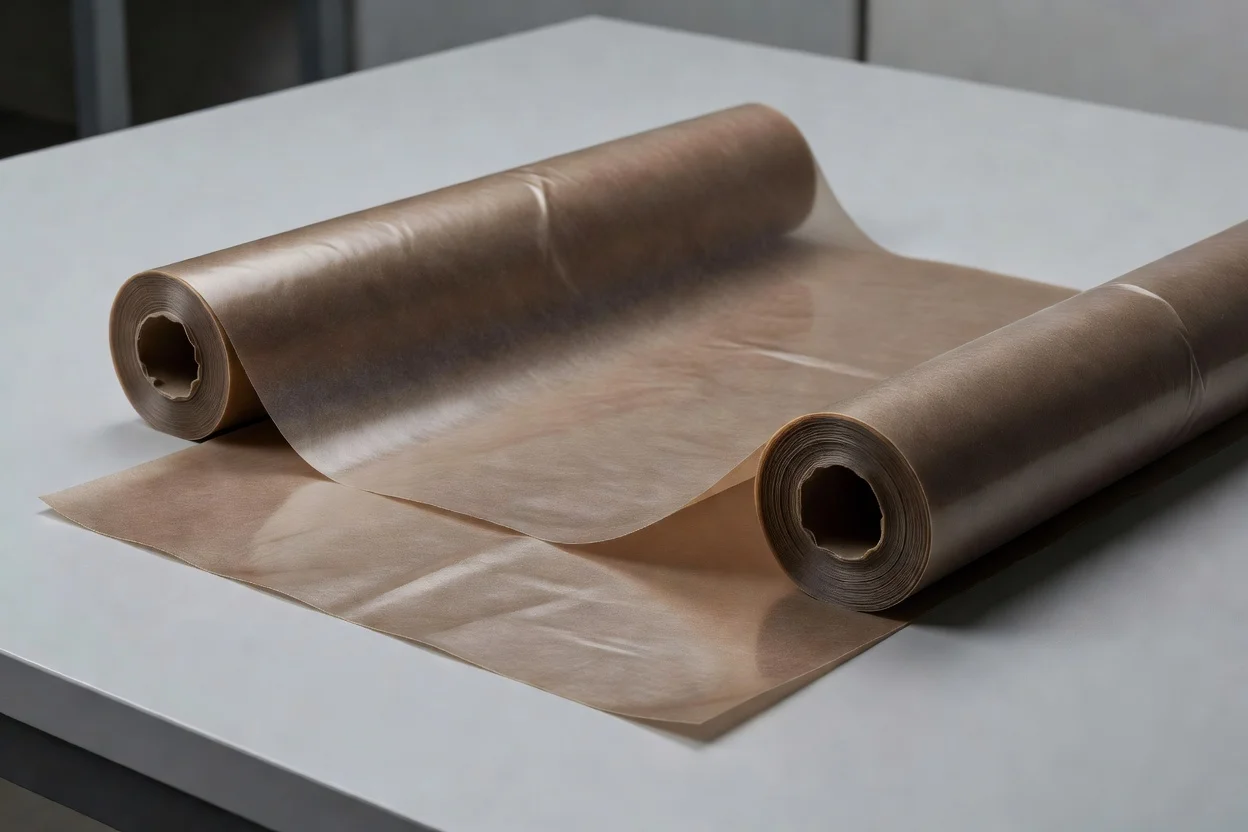
Packaging is one of the most active areas because lignin can improve thermal stability and tensile strength in biopolymeric films while also providing antioxidant and UV-protective benefits. Agriculture is another promising market, especially for biodegradable films and controlled-life products, and patent literature explicitly mentions lignin-based bioplastic materials intended for agricultural use. In contrast, applications requiring high clarity, very low odor, or excellent impact toughness remain challenging for unmodified lignin formulations.
Environmental and Sustainability Aspects
The sustainability case for lignin-based bioplastics rests on three main arguments:
- Renewability: lignin is derived from biomass, not fossil hydrocarbons.
- Resource efficiency: valorizing a pulp or biorefinery by-product can improve overall biomass utilization.
- Functional substitution: lignin may partially replace petroleum-derived polymers, fillers, antioxidants, or UV stabilizers.
However, environmental performance depends heavily on formulation and end-of-life pathway. A lignin-containing material is not automatically biodegradable or compostable; biodegradation depends on the entire polymer system, crystallinity, additives, and disposal conditions. Some lignin-based systems are designed to be compostable, while others are better described as bio-based but not readily biodegradable.
Recycling compatibility is also formulation-specific. Lignin can sometimes be blended into polyolefins or polyester systems without preventing mechanical recycling, but excessive incompatibility can reduce recyclate quality. Bio-based feedstock does not eliminate the need for life-cycle scrutiny, because chemical modification, purification, and transport can materially affect carbon footprint and economics.
Economic and Global Market Impact
Lignin is attractive economically because it is often available at low cost relative to virgin polymer feedstocks, especially when sourced from existing pulp mills and biomass processing streams. This has encouraged interest in lignin as both a cost-reducing filler and a value-added polymer precursor.
Industrial leadership is still emerging rather than consolidated. Notable contributors include:
- Lignin Industries, which has developed thermoplastic lignin-oil granules marketed as a bio-based plastic alternative.
- UPM-Kymmene-related patent activity, reflecting large-pulp-sector interest in lignin-based bioplastic materials.
- Forest-products and biorefinery research organizations such as U.S. national laboratories and university centers that are advancing lignin-to-plastic conversion pathways.
- Specialty material developers exploring lignin-modified packaging films, composites, and reprocessable materials.
Recent industry and research commentary suggests that commercialization is advancing, but large-scale adoption still depends on feedstock consistency, compounding economics, and performance parity with established plastics.
Current Challenges and Innovations
The main technical barriers are:
- Batch-to-batch variability in technical lignins
- Poor compatibility with many polymer matrices
- Limited toughness without additives or reactive modification
- Dark coloration and odor
- Scaling of fractionation and upgrading technologies
Current innovations are addressing these issues through:
- Fractionation and purification to narrow property distributions.
- Reactive grafting and esterification to improve interfacial adhesion.
- Catalyst-free or low-toxicity chemistries for greener processing.
- Depolymerization to aromatic oligomers for more uniform polymer synthesis.
- Hybrid composite design that combines lignin with cellulose fibers, bio-oils, or other biopolymers.
A useful dosage example is low-percent lignin loading in biodegradable polyester films, where lignin often functions as a multifunctional additive rather than a major structural polymer; the mechanism is typically stiffness enhancement, UV shielding, and radical-scavenging behavior, but only if dispersion is sufficiently uniform.
Future Outlook
The most plausible near-term future for lignin-based bioplastics is not a single universal replacement for petroplastics, but a portfolio of application-specific materials. Packaging, agricultural films, outdoor products, coatings, and composite parts are likely to lead commercialization because these sectors can tolerate lignin’s color and stiffness profile while benefiting from its sustainability and functional attributes.
Longer term, the highest-value opportunity may lie in two directions:
- High-performance lignin-derived polymers, where lignin is converted into defined aromatic building blocks for tunable bioplastics.
- Hybrid bioeconomy materials, where lignin acts as both a performance modifier and a carbon-rich platform for circular manufacturing.
The field will likely advance fastest where process control, feedstock standardization, and end-of-life design are integrated from the outset rather than added late in development.
Summary
Lignin-based bioplastics represent one of the most promising routes for turning a major biomass by-product into useful plastics and plastic-like materials. Their appeal comes from a rare combination of abundance, aromatic functionality, UV and antioxidant activity, and potential cost advantage, but their broader adoption depends on overcoming brittleness, variability, and processing challenges through chemical modification, blending, and better feedstock control.
References
- •
Applications of lignocellulosic fibers and lignin in bioplastics.Link
- •
Ultratough, processable bioplastics enabled by triple interlocking.Link
- •
Lignin-derived biomaterials for environmental application, advancements in sustainable leather and bioplastic production: A review.Link
- •
Lignins as promising renewable biopolymers and bioactive compounds.Link
- •
Lignin: An adaptable biodegradable polymer used in different applications.Link
- •
Lignin upgrading for sustainable materials and chemicals.Link
- •
Prospects and challenges of using lignin for thermoplastic materials.Link
- •
Lignin-derived biomaterials for environmental application.Link
- •
Technical lignins in polymer materials: A sustainable approach.Link
- •
A perspective of lignin processing and utilization technologies for composites and plastics.Link
- •
Sustainable solutions for plastics: The future role of lignins.Link
- •
The forest byproduct lignin can play a key role in new sustainable materials.Link
- •
Lignin-based bioplastic material, processes for preparing the same and uses in agriculture.Link
- •
Lignin-based bioplastic material.Link
- •
Lignin-based biodegradable plastic.Link
- •
Harnessing plant lignin for sustainable materials and chemicals.Link
- •
Sustainable bioplastic using lignin extracted from Neolamarckia cadamba.Link
- •
Sustainability through lignin valorization: Recent innovations and emerging applications.Link
- •
Lignin valorization to bioplastics with an aromatic hub.Link
- •
Lignin-based smart materials.Link
- •
Lignin-based Renol out to eliminate fossil-based plastics.Link
- •
A comprehensive mini-review on lignin-based nanomaterials for food packaging, antimicrobial, and agricultural applications.Link
- •
From synthesis methods to applications of lignin-graft-polyester.Link
- •
A review on the lignin biopolymer and its integration in the elaboration of sustainable materials.Link
- •
Utilization of lignin in biopolymeric packaging films.Link
- •
Lignin Industries' next-gen bioplastic solution.Link
- •
Lignin-sourced aromatics for biodegradable flexible copolyesters.Link
- •
Exceptional performance, sustainable functionality, and application perspectives of lignin in bioplastic food packaging: A review.Link
- •
Technical lignin valorization in biodegradable polyester-based plastics (BPPs).Link
- •
Industrial polymers now sustainably made from lignin.Link
- •
Unprofitable lignin to become valuable plastic.Link
- •
New lignin based material to replace fossil plastics and adhesives.Link
- •
Lignin reinforcement in polybutylene succinate copolymers.Link
- •
Lignin beyond the status quo: Recent and emerging composite applications.Link
- •
Transformation of kraft lignin into a biodegradable biopolymer.Link
- •
Cleaner, greener plastics from wood.Link
- •
A trashed treasure: Lignin could become a large and renewable source of organic compounds.Link
- •
UIC engineers develop plant-based plastic alternative for use in shopping bags.Link
- •
Recent strides toward transforming lignin into plastics and aqueous flow batteries.Link
- •
Lignin Industries.Link
- •
Scientists have demonstrated that it is possible to efficiently turn industrially processed lignin into high-performance plastics.Link
- •
Recent strides toward transforming lignin into plastics and aqueous flow batteries.Link