
Introduction
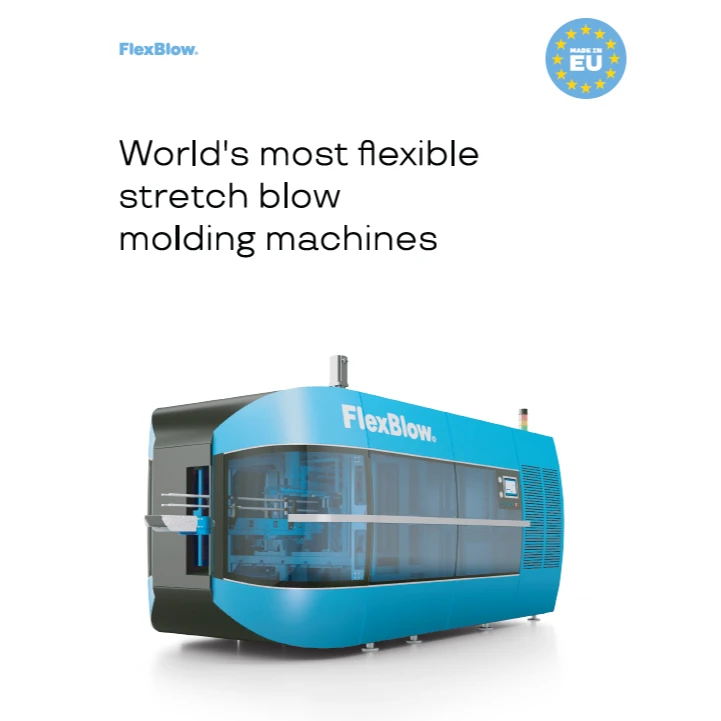
Injection stretch blow molding machines are specialized plastics-processing systems used to manufacture high-clarity, lightweight, and dimensionally precise hollow containers, most commonly PET bottles and jars. The process combines injection molding, biaxial stretch blow molding, and ejection in a single integrated cycle in one-step machines, or in a separated preform-plus-reheat sequence in two-step production systems.
These machines are central to premium packaging markets because stretching the preform in both axial and hoop directions aligns polymer chains, improving strength, clarity, barrier performance, and material efficiency compared with non-stretched blow molding. They are widely used for beverage, pharmaceutical, personal care, and food packaging, while also supporting specialty containers made from PET, PP, PC, PLA, PETG, and related thermoplastics in selected machine platforms.
From an engineering perspective, injection stretch blow molding has evolved toward faster rotary indexing, more precise servo control, hot-runner preform systems, energy-saving all-electric drives, and higher automation for inspection and downstream handling. Its future is shaped by sustainability demands, including lightweighting, recycled-content processing, heat-set packaging, and lower specific energy consumption, alongside persistent challenges such as drying-sensitive resins, mold cost, and process window sensitivity.
History and Development
The process developed from earlier injection blow molding and stretch-blow concepts, which established the advantage of forming a preform by injection before expanding it in a blow mold. The key technical advance was the introduction of stretching before inflation, which improved molecular orientation and enabled stronger, clearer containers with better gas-barrier properties.
A major industrial milestone was the spread of single-stage ISBM machines, in which preform molding, conditioning, stretching, and blowing occur on one platform without full cooling and off-machine storage. This architecture was particularly important for high-value containers, specialty shapes, and production environments requiring tight control over neck finish and hygiene-sensitive packaging.
A further development was the adoption of four-station rotary layouts, hot-runner preform molds, and servo-driven motion systems, which improved cycle consistency and reduced energy use. More recent machine generations have emphasized all-electric actuation, multi-cavity capability, and compatibility with broader material sets, including rPET and engineering polymers for niche containers.
Technical Overview
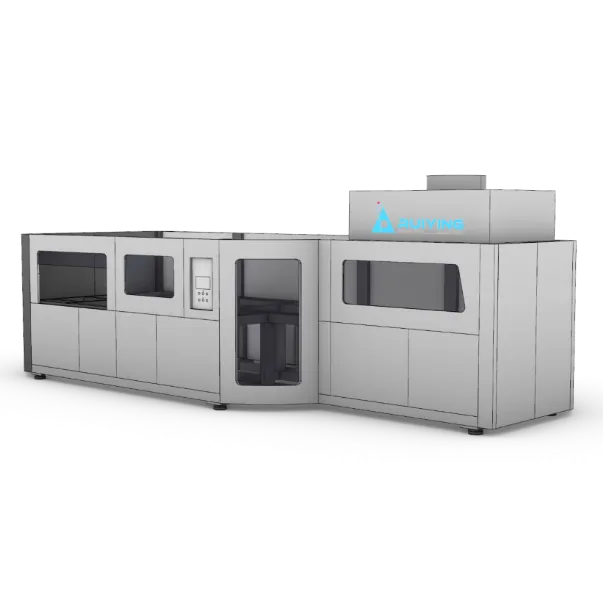
Injection stretch blow molding machines typically include an injection unit, preform mold, conditioning or reheating section, stretch rod, blow mold, clamping system, and ejection station. In one-step machines, these functions are integrated into a rotary or linear transfer system; in two-step systems, preforms are molded separately, stored, then reheated and blow molded later.
The process sequence is generally:
- Injection of the preform into a precision mold to form the neck finish and thick-walled tube-like blank.
- Thermal conditioning so the preform reaches a stretchable temperature window without losing dimensional stability.
- Axial stretching with a rod, which orients polymer chains and improves mechanical performance.
- Biaxial blowing with compressed air that expands the preform against the cavity walls.
- Cooling and ejection to lock in shape and dimensional accuracy.
Typical operating and performance benchmarks
- Air pressure during blowing: commonly about 85 to 120 psi \(approximately 586 to 827 kPa\) in stretch-blow systems described in technical training material.
- Rotor or indexing architecture: common one-step machines use 3-station or 4-station rotary layouts, with four-station systems allowing separated injection, conditioning, stretching/blowing, and stripping operations.
- Material temperature window: PET preforms are generally processed after careful drying and reheating; one technical source places melt preparation for PET or PC in the 260°C to 300°C range for certain systems, though actual machine settings depend heavily on resin and design.
- Container sizes: commercial one-step systems are offered from very small formats such as 10 mL up to about 2.5 L, depending on cavity count and neck design.
- Throughput: industrial machines vary widely by cavity count and container size, ranging from specialty low-volume units to high-output multi-cavity systems; vendor literature commonly emphasizes multi-cavity production rather than a single universal throughput figure.
Material behavior and product quality
The key mechanism is biaxial orientation. Axial stretch by the rod and radial expansion by air pressure cause polymer chains to align, which increases stiffness, transparency, and resistance to creep and pressure loss. This is why ISBM is especially associated with carbonated beverage bottles, where burst resistance, gas barrier performance, and optical quality matter.
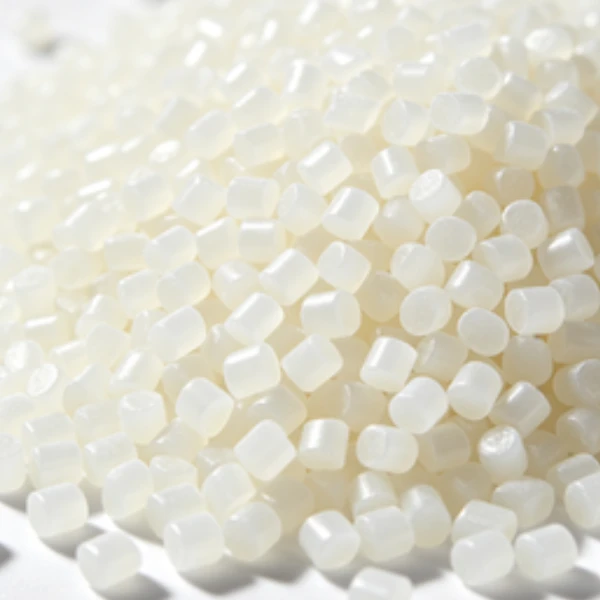
PET remains the dominant resin because it combines good processability, food-contact suitability, and favorable orientation response, but some machines also run PP, PC, PLA, PETG, TRITAN, and rPET depending on the product and machine design. Materials with high moisture sensitivity, especially PET, require careful drying to avoid haze, hydrolysis, and loss of intrinsic viscosity.
Types and Variations
| Type | Description | Typical advantages | Typical limitations |
|---|---|---|---|
| Single-stage ISBM | Preform injection, conditioning, stretching, blowing, and ejection occur in one machine. | Best process control, high clarity, suited to specialty and high-value packaging. | Higher machine complexity and capital cost. |
| Two-stage ISBM | Preforms are injection molded separately, stored, then reheated and blow molded later. | Flexible logistics, easier decoupling of preform and bottle production. | Requires preform inventory and reheating energy. |
| 3-station rotary machines | Common in compact one-step layouts with injection, blow, and strip functions. | Simpler footprint, efficient for smaller product ranges. | Less separation between process zones than 4-station systems. |
| 4-station rotary machines | Separate injection, conditioning, stretching/blowing, and stripping stations. | Better thermal control and cycle organization. | Larger and more mechanically complex. |
| All-electric ISBM machines | Servo-driven axes replace or supplement hydraulic drives. | Lower energy use, cleaner operation, high repeatability. | Higher upfront cost and more demanding electrical integration. |
Applications and Uses
Injection stretch blow molding machines are most strongly associated with premium packaging where transparency, neck precision, and barrier properties are important.
- Beverage packaging: water bottles, carbonated soft drink bottles, juice containers, and specialty drink packaging.
- Pharmaceutical packaging: bottles for oral liquids, eye drops, and other health-related containers requiring consistent finish quality.
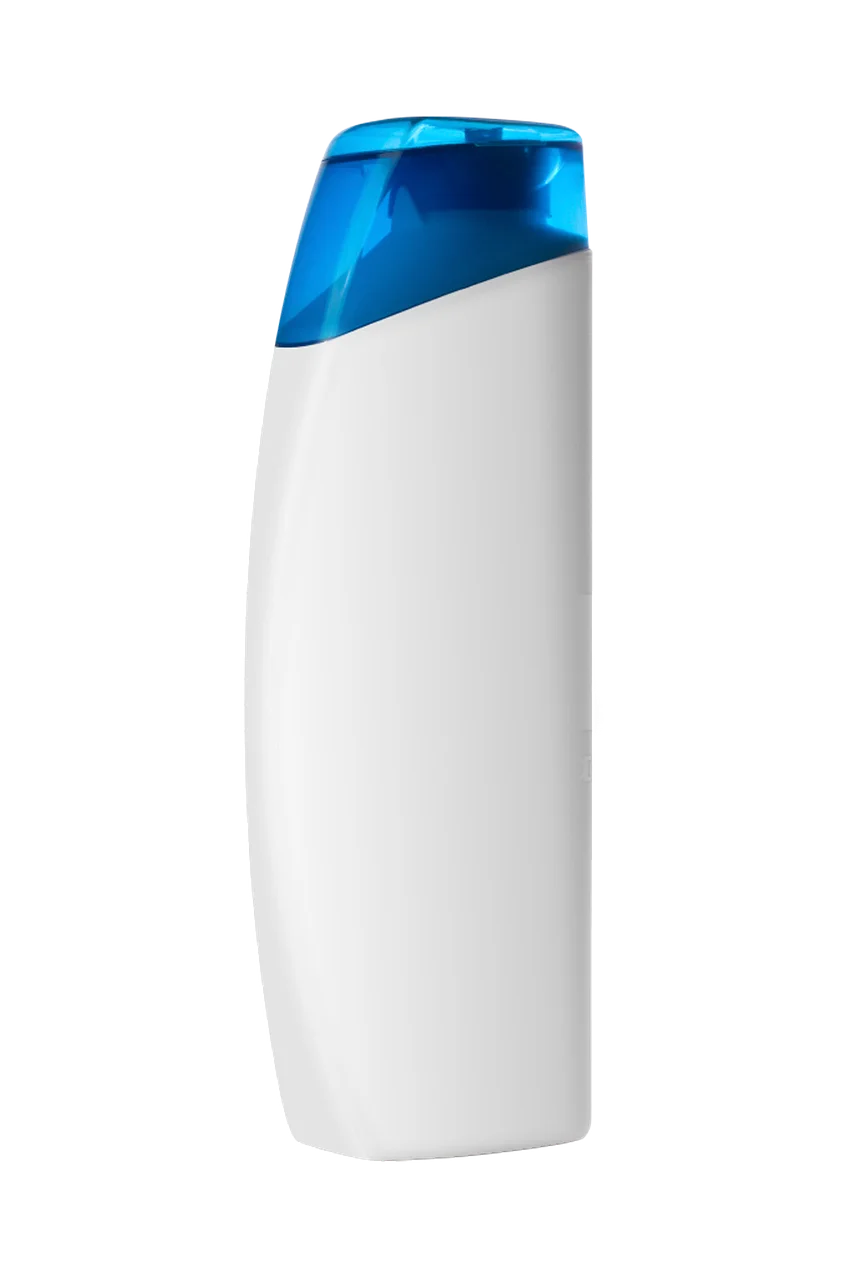
- Personal care and cosmetics: shampoo bottles, cosmetic jars, perfume-related packaging, and visually demanding branded containers.
- Food packaging: edible oil bottles, condiment containers, food jars, and heat-set containers for hot-fill applications.
- Household and industrial packaging: cleaners, disinfectants, chemical containers, and selected technical bottles.
A weaker fit is large, low-cost, heavily opaque industrial packaging, where extrusion blow molding or injection molding may be more economical than ISBM because the aesthetic and orientation benefits of stretch blow molding are less valuable.
Technological Innovations and Automation
Modern ISBM systems increasingly rely on servo motion control, hot-runner preform molds, and closed-loop thermal management to improve repeatability and reduce scrap. Automated transfer, integrated ejection, and inline inspection also reduce manual handling and contamination risk in food, beverage, and pharmaceutical applications.
Manufacturers have also expanded the process envelope with multi-cavity tooling, heat-set capability for hot-fill bottles, and support for more challenging polymers and recycled-content streams. In practice, automation improves output consistency, but it also raises system complexity and requires tighter preventive maintenance, especially for stretch rods, heaters, mold cooling circuits, and preform handling.
Environmental and Sustainability Aspects
The main environmental advantage of ISBM is lightweighting: stretched containers can achieve required performance with less material than non-oriented alternatives, lowering polymer use and transport mass. This makes the process strategically important for beverage and consumer packaging, where even small weight reductions scale significantly across high-volume production.
Energy performance is improving through all-electric drives, optimized heating, and more efficient rotary layouts. At the same time, sustainability performance depends heavily on resin choice, because PET is highly effective in ISBM but also sensitive to moisture, drying energy, and thermal history.
Recycling compatibility is a major focus. Machines that can process rPET or recycled-content blends support circular packaging strategies, although recycled feedstocks often impose tighter control over contamination, viscosity variation, and color consistency. Heat-set ISBM also supports higher-temperature filling applications, which can extend container utility and reduce the need for secondary packaging materials.
Economic and Global Market Impact
ISBM occupies a high-value niche in the plastics machinery sector because it serves packaging markets that demand both aesthetic quality and functional performance. Beverage and personal-care packaging are especially significant because they combine high unit volumes with strong brand sensitivity to transparency, shape precision, and shelf appeal.
From a manufacturing standpoint, the process economics depend on a trade-off between tooling cost, machine complexity, cavity count, and material savings. Single-stage systems often justify their cost in specialty or premium products, while two-stage systems are attractive when preform production and bottle conversion are separated across different sites or time windows.
The global market is shaped by regional specialization in machine design, especially in Asia, Europe, and North America, where suppliers compete on energy efficiency, cycle time, automation, and compatibility with food- and pharma-grade packaging requirements.
Current Challenges and Innovations
The process remains sensitive to temperature uniformity, preform quality, and material moisture. Small deviations can cause haze, uneven wall distribution, weak base areas, or poor top-load performance, especially in lightweight bottles.
Other challenges include:
- High capital cost for precision molds and multi-station machines.
- Drying burden for PET and some other hygroscopic polymers.
- Process window narrowness, especially in thin-wall and high-clarity packaging.
- Complex maintenance in rotary, servo-driven, multi-cavity systems.
- Recycled-content variability, which can affect color, haze, and stretch response.
Current innovations are focused on better recipe control, faster machine changeovers, improved cavity balancing, and design-for-recycling packaging formats. Machine builders are also pushing toward lower-energy heating systems and broader polymer compatibility for specialty packaging.
Future Outlook
Injection stretch blow molding machines are likely to remain important wherever premium lightweight packaging is required. The strongest growth drivers are expected to be sustainable beverage packaging, pharmaceutical containers, and personal-care formats that demand high optical quality and stable dimensional performance.
Future technical development will likely emphasize higher recycled content, improved control of orientation in lightweight preforms, more efficient all-electric platforms, and tighter integration with digital monitoring and quality assurance. The competitive advantage of ISBM will continue to rest on its ability to combine appearance, mechanical performance, and material efficiency in a single manufacturing system.
Summary
Injection stretch blow molding machines are advanced container-forming systems that transform thermoplastic resin into high-quality hollow packaging through injection, stretch orientation, and blow expansion. They are especially important for PET bottles and similar containers because the process delivers clarity, strength, and efficient material use, while modern machine designs increasingly support automation, energy efficiency, and recycled-content strategies.
References
- •
Integrated ISBM Container Production Equipment- JASU. (2026, July 23). https://www.jasuisbmmachines.com/injection-stretch-blow-molding-machine.htmlLink
- •
How Does a One-Step ISBM Machine Work? The Full Process from ... (2026, March 17). https://onestepblowmachine.com/application/how-does-a-one-step-isbm-machine-work-the-full-process-from-resin-to-finished-bottle-explained/Link
- •
Injection Stretch Blow Molding - Global Plastics. (2021, October 31). https://www.global-plastics.com/injection-blow-molding/blow-molding/Link
- •
Injection Blow Molding Machine -BLOWPLAS TECHNOLOGY. (2024, November 1). https://www.blowtech.com.tw/en/products/One_Stage_Injection_Stretch_Blow_Molding_Machine.htmlLink
- •
Injection Blow Molding Machines. (2025, January 1). https://www.prm-taiwan.com/category/Injection-Blow-Molding-Machines.phpLink
- •
Injection Stretch Blow Molding Machine. (2025, November 1). https://lianxinmachinery.com/pcat/injection-stretch-blow-molding-machine/Link
- •
Injection Blow Molding Machine_Injection Stretch Blow Molding Machine_Injection Blow Mold_Injection Stretch Blow Mold. (1999, January 1). http://www.cn-keli.com/en/ProductView.Asp?SortID=1&ID=3Link
- •
How Injection Stretch Blow Molding Machines Work - LinkedIn. (2025, October 13). https://www.linkedin.com/pulse/how-injection-stretch-blow-molding-machines-zywjfLink
- •
Injection Stretch Blow Moulding. (n.d.). https://www.bpf.co.uk/plastipedia/processes/Injection_Stretch_Blow_Moulding.aspxLink
- •
ISBME Series All Electric Injection Stretch Blow Molding ... - Zhongya. (2021, October 25). https://en.zhongyagroup.com/product/55.htmlLink
- •
ISBM Series Automatic Injection Stretch Blow Molding ... (2021, October 25). https://en.zhongyagroup.com/product/56.htmlLink
- •
ASB-12M - Injection-stretch blow molding machine. (2025, May 7). https://www.directindustry.com/prod/nissei-asb-machine-co-ltd/product-74412-1433579.htmlLink
- •
Injection Stretch Blow Molding Machine. (n.d.). https://isbmmachine.net/injection-stretch-blow-molding-machine/Link
- •
Automatic PET Injection Stretch Blow Molding (ISBM) Machinery. (2002, January 1). http://www.plasticimpex.com/PlasticMachinery/AutomaticInjectionStretchBlowMoldingMachinery.htmLink
- •
Blow molding - Wikipedia. (2005, June 12). https://en.wikipedia.org/wiki/Stretch_blow_moldingLink
- •
Injection Stretch Blow Machinery. (2024, January 24). https://hitech-machinery.com/injection-stretch-blow-machinery/Link
- •
PET/PC One Stage Injection Stretch Blow Molding Machine. (2025, March 27). https://www.full-shine.com/pet-pc-one-stage-injection-blow-molding-machine-fs-btLink
- •
Guide to Injection Stretch Blow Molding: Advantages and Applications. (2025, July 29). https://www.full-shine.com/guide-to-injection-stretch-blow-molding-advantages-and-applicationsLink
- •
ASB-70DPH 1-Step Injection Stretch Blow Molding Machine. (n.d.). https://docs.tuyap.online/FDOCS/27793.pdfLink
- •
SINGLE-STAGE Injection Stretch Blow Molding Machine. (n.d.). https://www.chumpower.com/en/product/PET_Stretch_Blow_Molding_Machine_onestage.htmlLink
- •
Stretch Blow Molding 101. (2026, January 14). https://www.oberk.com/packaging-crash-course/stretch-blow-molding-101Link
- •
Injection Stretch Blow Molding Machine: ISB Series. (2018, January 25). https://www.golfang.com/en/products_i_single-stage-injection-stretch-blow-molding-machine.htmlLink
- •
BLOWPLAS TECHNOLOGY CO., LTD. (2021, January 1). https://www.blowtech.com.tw/en/products.htmlLink
- •
Blow Molding. (n.d.). https://encyclopedia.che.engin.umich.edu/blow-molding/Link
- •
[PDF] Injection Blow Molding with FDM - Stratasys. (n.d.). https://www.stratasys.com/siteassets/3dlc/high-school/injection-blow-molding.pdf?v=48f5f3Link
- •
injectionstretchblowmolding.com: HOME. (2026, February 11). https://injectionstretchblowmolding.com/de/Link
- •
Injection Blow Molding Applications. (n.d.). https://www.moldingmachinetepai.com/resources/injection-blow-molding-applications.htmlLink
- •
Everything You Need to Know About Stretch Blow Molding and Its ... (2023, April 7). https://www.yelkenciler.com/everything-you-need-to-know-about-stretch-blow-molding-and-its-many-benefits/Link
- •
Molding Technologies | Comar. (2023, October 19). https://www.comar.com/packaging-solutions/capabilities/molding-technologies/Link
- •
What is Injection Stretch Blow Molding Machines? Uses, ... (2025, September 10). https://www.linkedin.com/pulse/what-injection-stretch-blow-molding-machines-k76lcLink
- •
Types of Plastic Blow Molding: Choosing the Right Process. (n.d.). https://jwellanhui.com/types-of-blow-molding-machine-guide-to-technology-and-applications/Link
- •
Injection Stretch Blow Molding Process: Step-by-Step Guide - BOYI. (2024, September 19). https://www.boyiprototyping.com/injection-molding-guide/injection-stretch-blow-molding/Link
- •
Blow Molding. (2021, December 31). https://www.3ds.com/make/guide/process/blow-moldingLink
- •
Preform Blow Moulding: A Deep Dive into the Process, ... (2025, February 19). https://www.packserve.co.uk/knowledgebase/preform-blow-moulding-a-deep-dive-into-the-process-advantages-and-industry-applications/Link
- •
Nissei ASB 150 series brochure. (2025, May 4). https://www.scribd.com/document/692870448/Nissei-ASB-150-series-brochureLink
- •
Where can injection stretch blown plastic bottles be used? - Maypak | Maypak. (2023, June 25). https://www.maypakcn.com/news-detail-3300050Link
- •
Guide to Blow Molding. (n.d.). https://formlabs.com/blog/blow-molding/Link
- •
Exploring the Power of Injection Blow Moulding Machine. (2023, September 16). https://www.daobenmachinery.com/power-of-injection-blow-moulding-machine/Link
- •
Blow Molding Machines Manufacturer | EBM, PET & Injection ... (2026, June 23). https://blowpacker.com/products/blow-molding-machines/Link
- •
Everything You Should Know About Extrusion Stretch Blow Molding ... (2025, August 28). https://isbmmachine.net/everything-you-should-know-about-extrusion-stretch-blow-molding-in-2025/Link
- •
Which Blow Molding Process is Right for Your Bottle? (2021, April 6). https://www.drugplastics.com/resource-hub/blog/four-distinct-blow-molding-processes-for-plastic-bottlesLink
- •
Manufacturing Process: Blow Molding. (2025, March 27). https://www.lumafield.com/article/manufacturing-process-blow-moldingLink
- •
Injection Stretch Blow Molding Machine - Flexcraft. (2026, May 26). https://flexcraft.com/capabilities/injection-stretch-blow-moldingLink