
Introduction
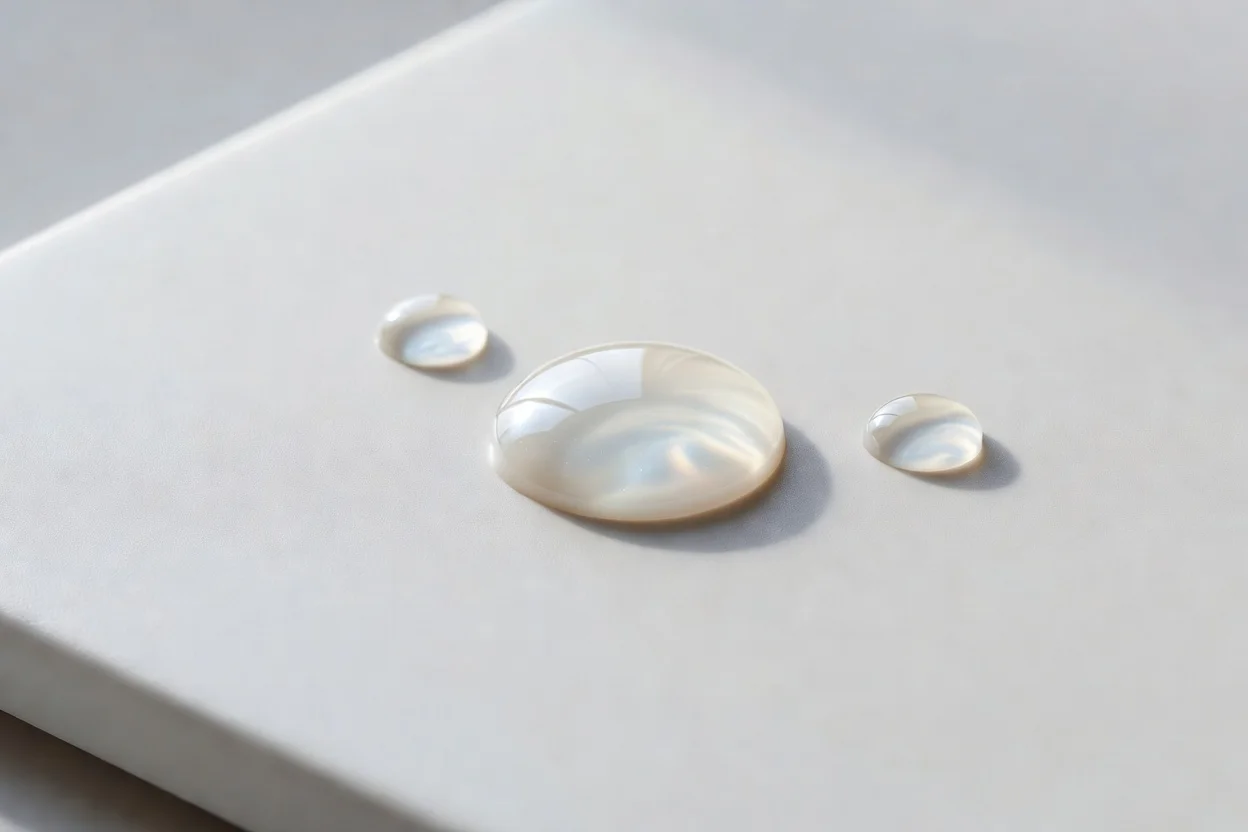
Dispersion adhesives are water-based adhesive systems in which polymer particles are finely dispersed in water and coalesce into a continuous film as water evaporates. They are an important class of thermoplastic adhesives and are often called white glues or dispersion glues, with major chemistries including PVAc, EVA, acrylic, styrene-butadiene, natural rubber latex, and polyurethane dispersions.
These materials occupy a central position in the plastics and polymer value chain because they combine relatively low VOC emissions, broad substrate compatibility, and high-speed processability with an adjustable balance of tack, flexibility, cohesion, and water resistance. Their development is closely linked to the shift from solvent-borne systems toward safer, cleaner, and more regulation-friendly waterborne formulations, while current innovation focuses on faster drying, improved heat and water resistance, and better performance on difficult substrates.

History and Development
The modern industrial history of dispersion adhesives is tied to the commercialization of synthetic latexes and emulsion polymers during the twentieth century. PVAc-based white glues became the archetypal product category, especially in woodworking, bookbinding, paper converting, and general assembly applications.
Over time, the technology expanded from simple PVAc systems to copolymers and specialty dispersions designed for more demanding uses such as foam bonding, textile lamination, automotive interiors, and construction sealing. This evolution reflects both materials science progress and market pressure for solvent-free, lower-emission bonding systems.
Chemical Structure and Key Properties
Dispersion adhesives are heterogeneous systems: the binder is not dissolved in water but exists as finely distributed polymer particles stabilized by surfactants, emulsifiers, and protective colloids. When applied, the aqueous phase is removed by evaporation and/or absorption into a porous substrate, after which the particles deform, pack closely, and fuse into a cohesive adhesive film.
Main chemical families
| Family | Typical characteristics | Common use profile |
|---|---|---|
| PVAc dispersions | Economical, easy film formation, strong on porous substrates | Wood, paper, carton, bookbinding |
| EVA dispersions | Improved flexibility and processability | Packaging, general assembly |
| Acrylic dispersions | Better weathering and tunable adhesion | Labels, tapes, coatings, specialty bonding |
| Styrene-butadiene dispersions | Good flexibility and toughness | Paper, construction-related bonding |
| PUDs | Higher mechanical performance and heat resistance | Footwear, textiles, automotive interiors |
Key technical properties
- Waterborne formulation: enables low-VOC or solvent-free systems.
- Film formation: depends on particle size, solids content, substrate porosity, and minimum film-forming temperature (MFFT).
- Thermoplastic behavior: many dispersion adhesives soften at elevated temperature, which can reduce cohesive strength.
- Adjustable viscosity: suited to brushing, rolling, spraying, bead application, or machine coating.
- Substrate dependence: many grades work best when at least one bonding partner is absorbent, because water removal is part of curing.
Practical limits and workarounds
- Poor water resistance → hydrophilic polymer matrix and residual water sensitivity → crosslinking, copolymer design, or specialty water-resistant dispersions.
- Reduced heat resistance → thermoplastic softening above service temperature → use of crosslinkers, higher-Tg copolymers, or polyurethane dispersions.
- Need for absorbent substrates in many grades → curing relies on water loss into the joint → use porous carriers, longer press times, or formulations with faster film formation.
- Potential low initial tack on nonporous surfaces → particles need time and water removal to coalesce → add tackifiers, optimize particle size, or use spray-coagulation systems.
Formulation examples
- Film-forming agents such as butyl diglycol acetate, triacetin, or propylene carbonate may be added to lower MFFT and improve film formation at ambient conditions.
- Crosslinking agents are used in some systems to raise water and heat resistance by creating covalent or ionic bridges between polymer chains after drying.
Production Processes and Raw Feedstocks
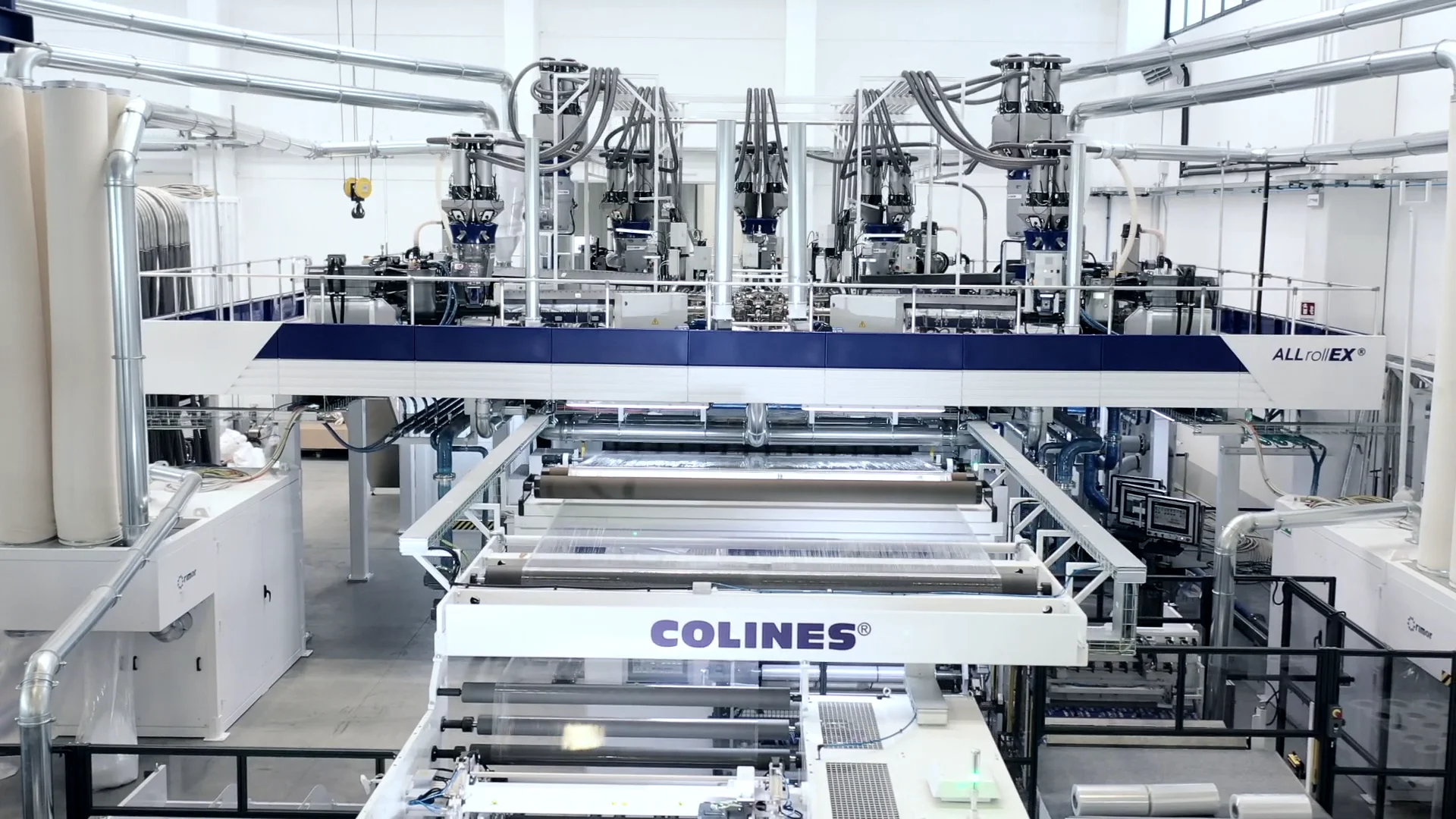
Dispersion adhesives are typically produced by emulsion polymerization or related dispersion processes in which monomers are polymerized in water to generate a stable latex or polymer dispersion. In PVAc systems, vinyl acetate is a common base monomer, and copolymerization with ethylene, acrylates, or other monomers is used to tailor flexibility, tack, and durability.
Main raw feedstocks
- Monomers: vinyl acetate, ethylene, acrylic esters, styrene, butadiene, chloroprene, and urethane precursors.
- Stabilizers: surfactants, emulsifiers, protective colloids, and dispersing agents.
- Functional additives: defoamers, thickeners, plasticizers, preservatives, film-forming aids, pH regulators, and crosslinkers.
- Fillers and extenders: minerals and rheology modifiers in certain construction and tile adhesive grades.
Process logic
- Monomers are emulsified in water with stabilizers.
- Polymerization produces dispersed particles.
- The dispersion is adjusted for solids, pH, viscosity, and stability.
- Additives are blended to control storage stability, application behavior, and final bond performance.
Applications and End-Use Markets
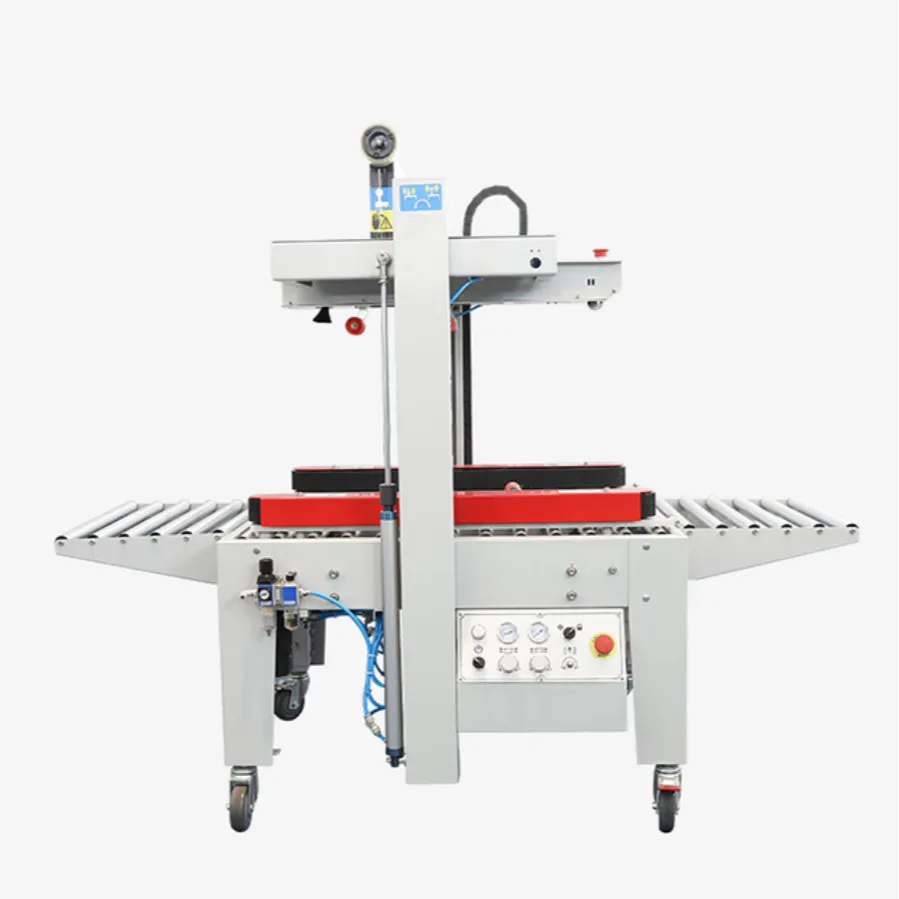
Dispersion adhesives are used across packaging, woodworking, paper converting, construction, furniture, footwear, textiles, automotive interiors, and specialty assembly markets.
| End-use sector | Typical dispersion chemistry | Usual process |
|---|---|---|
| Woodworking and furniture | PVAc, PVAc copolymers, PUD | Cold pressing, roll coating, bead application |
| Packaging and paper | PVAc, EVA, acrylic | High-speed gluing, carton sealing, label adhesion |
| Construction | Special dispersions, polymer-modified systems | Tile adhesives, sealing, interior bonding |
| Footwear | PUD, polychloroprene dispersions | Lamination, spray-coagulation, assembly |
| Textiles and laminates | PUD, acrylic dispersions | Film lamination, fabric bonding |
| Automotive interiors | PUD, specialty dispersions | Trim, dashboards, fabric/film composites |
Notable use patterns
- Packaging: especially carton sealing, case sealing, label gluing, and bag closing, where speed and clean processing are important.
- Furniture and woodworking: classic PVAc grades remain dominant for porous substrates and economical assembly.
- Foam bonding: polychloroprene and polyurethane dispersions are used for foam-to-foam and foam-to-substrate bonding in mattresses and upholstered furniture.
- Footwear: PUDs are established in demanding industrial applications due to their combination of flexibility and mechanical performance.
- Interior construction and renovation: used in flooring, wall coverings, sealing, and airtight bonding applications.
Poor-fit use
Dispersion adhesives are generally a poor fit for bonding two nonporous substrates when rapid, high-strength, heat-resistant bonding is required, because curing depends heavily on water removal and many systems remain thermoplastic after drying.
Environmental and Sustainability Aspects
Dispersion adhesives are widely viewed as a lower-emission alternative to solvent-borne adhesives because they are typically water-based, solvent-free, and easier to clean up with water before drying. This makes them attractive in regulated indoor applications and in manufacturing environments seeking reduced VOC emissions.
However, sustainability performance is not uniform across all formulations.
- Positive aspects: lower VOC emissions, reduced flammability, easier handling, and potential compatibility with high-speed, energy-efficient production lines.
- Trade-offs: drying still requires water evaporation, which can consume energy; some grades rely on fossil-based monomers; and certain products may use preservatives or additives with regulatory scrutiny.
- Recyclability and repulpability: some paper and packaging-grade dispersions are designed to be repulpable or water-soluble under specific conditions, supporting circularity in fiber-based packaging streams.
- Bio-based and circular options: industry interest is growing in bio-attributed feedstocks, recycled content, and lower-carbon monomer routes, although these are not yet universal.
Economic and Global Market Impact
Dispersion adhesives are a large commercial segment because they serve high-volume uses such as packaging, furniture, construction, and consumer goods. Recent industry analyses indicate that packaging is typically the largest application area, with construction and automotive also representing significant demand centers.
The market is supported by global producers and formulators that supply PVAc, acrylic, EVA, and polyurethane dispersion platforms, including major chemical companies and specialty adhesive manufacturers. Competitive differentiation is increasingly based on drying speed, bond performance, regulatory compliance, and sustainability credentials rather than price alone.
Current Challenges and Innovations
The most important technical challenge is to preserve the environmental advantages of waterborne systems while narrowing the performance gap with solvent-based or reactive alternatives in demanding applications.
Current innovation directions
- Lower-MFFT formulations for better ambient curing and improved film formation.
- Crosslinked and hybrid dispersions to improve water and heat resistance.
- Polyurethane dispersion technology for higher strength, flexibility, and industrial durability.
- Spray-coagulation and foam-bonding systems for soft-substrate assembly.
- Additive optimization to balance open time, wet tack, rheology, and storage stability.
Future Outlook
Dispersion adhesives are likely to remain a core technology in waterborne bonding because they align with industrial demands for cleaner processing, lower VOC emissions, and broad application versatility. Future growth is expected to come from higher-performance specialty dispersions, improved sustainability profiles, and expanded use in lightweight assembly, flexible packaging, interior construction, and technical textiles.
The main strategic direction is clear: formulation innovation will increasingly determine whether dispersion adhesives remain the default choice for porous-substrate bonding and whether they can move further into applications that now favor solvent-borne, hot-melt, or reactive adhesive technologies.
Summary
Dispersion adhesives are water-based polymer adhesive systems whose performance depends on particle stabilization, water removal, and film formation. Their importance comes from the combination of low emissions, industrial versatility, and strong commercial relevance in packaging, woodworking, construction, footwear, textiles, and automotive interiors.
Their limitations are equally important: many grades are thermoplastic, moisture-sensitive, and substrate-dependent, which has driven continuous innovation in copolymer design, crosslinking, polyurethane dispersions, and additive packages.
References
- •
Industrieverband Klebstoffe e.V. (n.d.). Dispersion adhesives. https://www.klebstoffe.com/wp-content/uploads/2024/09/TKH-03-Dispersion-Adh-2024-09-16.pdfLink
- •
Dispersion adhesives. (2021, September 8). Intercol. https://intercol.de/en/dispersionsklebstoffe/Link
- •
Dispersion adhesives - basic knowledge. (2025, September 1). Ostermann. https://www.ostermann.eu/en_GB/advice/services/expert-advice/adhesives-cleaners/dispersion-adhesivesLink
- •
Industrieverband Klebstoffe e.V. (n.d.). TKH-Technical briefing note 8 failure prevention in solid.... https://www.klebstoffe.com/wp-content/uploads/2024/03/TKH-MB-8-Fehlerverm-Massivholzkleb-Dispklebst-engl-2023-09-07.pdfLink
- •
Dispersive adhesion. (2008, April 1). Wikipedia. https://en.wikipedia.org/wiki/Dispersive_adhesionLink
- •
Dispersion adhesives - detail. (n.d.). Stauf. https://stauf.de/en/info-centre/adhesive-wiki/detail/dispersion-adhesives/Link
- •
Various dispersion adhesives. (2021, September 9). Intercol. https://intercol.de/en/verschiedene-dispersionsklebstoffe/Link
- •
What is a dispersion adhesive? Uses. (n.d.). Lux-x. https://lux-x.com/en/novosti/shho-take-dispersijnij-klej-sferi-zastosuvannya/Link
- •
Coating A-Z: dispersions. (2025, August 11). Neschen. https://www.neschen.de/en/coating-a-z-dispersions/Link
- •
Adhesive technology. (n.d.). Creartec. https://www.creartec.de/fileadmin/creartec/downloads/creartec_artidee_adhesive_technology.pdfLink
- •
Dispersionsklebstoff - Klebstoff auf Wasserbasis. (2023, August 14). Robos-labels. https://robos-labels.com/lexikon/dispersionsklebstoff/Link
- •
Glossar - Dispersion - Dispersionsklebstoff. (2006, March 17). Ottozeus. https://www.ottozeus.com/glossary/entry/Dispersion+-+DispersionsklebstoffLink
- •
Dispersion adhesives - PUR hot melt adhesives. (n.d.). Purhotmelt. https://www.purhotmelt.com/2018/12/28/dispersion-adhesives/index.htmlLink
- •
Kleje - Dispersions PVAc, EVA, PU, acrylic. (2024, September 3). Adsystem. https://adsystem.com.pl/en/kleje/dispersions-pvac-eva-pu-acrylic/Link
- •
What is Dispersion Glue - Waterbased adhesives. (2021, April 14). Intercol. https://www.intercol.info/what-is-dispersion-glue/Link
- •
Adhesives essentials: Formulating with resin dispersions. (2006, April 1). Adhesivesmag. https://www.adhesivesmag.com/articles/86608-adhesives-essentials-formulating-with-resin-dispersionsLink
- •
What is adhesive dispersions? Uses, how it works & top.... (2025, September 10). LinkedIn. https://www.linkedin.com/pulse/what-adhesive-dispersions-uses-how-works-top-companies-nitoeLink
- •
Dispersion adhesives for your industry. (2024, July 11). Tytan. https://industry.tytan.com/en/produkt/dispersion-adhesives/Link
- •
Dispersion adhesive. (2020, January 17). Intercol BV. https://adhesive.intercol.eu/en/dispersielijm/index.htmlLink
- •
June 2022 Rev 5. (n.d.). BASF. https://dispersions-resins-products.basf.us/files/technical-datasheets/Acronal_DS_3502_TDS_Adhesives.pdfLink
- •
Dispersion adhesives / glues. (n.d.). Weiss-chemie. https://www.weiss-chemie.com/en/adhesives/adhesive-systems/dispersion-adhesives/Link
- •
ABSRTACT PhD THESIS AQUEOUS ADHESIVE.... (n.d.). Unibuc. https://www.chimie.unibuc.ro/images/teze_de_doctorat/2012-arhiva/Alexandrescu-en.pdfLink
- •
Reference number. (n.d.). Iteh. https://cdn.standards.iteh.ai/samples/54597/c16fde8967fb4e1882a0437877fb8db0/ISO-13007-1-2010.pdfLink
- •
How dispersion adhesives works — In one simple flow.... (2025, October 12). LinkedIn. https://www.linkedin.com/pulse/how-dispersion-adhesives-works-one-simple-flow-2025-blue-echo-labs-q9cpcLink
- •
Resin-based dispersion glues. (1997, April 22). Google Patents. https://patents.google.com/patent/EP0832165B1/enLink
- •
INFLUENCE OF PARTICLE SIZE AND PHASE DISTRIBUTION ON.... (n.d.). Icams. https://icams.ro/icamsresurse/2014/full_papers/1_Materials/01.pdfLink
- •
Dispersion adhesives. (2022, January 1). Jowat. https://www.jowat.com/en-US/adhesives/dispersion-adhesives/Link
- •
Adhesive technologies. (2023, September 21). Adhesives.org. https://adhesives.org/adhesives-sealants/adhesives-sealants-overview/adhesive-technologies/Link
- •
Top 5 uses of polymer dispersions in 2025 | Integration note. (2025, October 20). LinkedIn. https://www.linkedin.com/pulse/polymer-dispersions-real-world-5-uses-youll-actually-wfe9eLink
- •
Select dispersing agents for adhesives and sealants. (2025, July 4). Specialchem. https://www.specialchem.com/adhesives/guide/select-dispersing-agents-for-adhesives-and-sealantsLink
- •
What is Dispersion Glue - Waterbased adhesives. (2021, April 14). Intercol. https://www.intercol.info/index.php/what-is-dispersion-glue/Link
- •
Innovative solutions for adhesives applications. (n.d.). BASF. https://www.basf.com/dam/jcr:b7ad4fde-2270-35e1-8a29-ebdb7ab8bba6/basf/www/us/documents/en/general-business-topics/dispersions/adhesives/2024_BASF_Adhesives_Brochure_8-5x11_DIGI.pdfLink
- •
Acrylic resin dispersion: Comprehensive analysis of.... (n.d.). Patsnap. https://eureka.patsnap.com/materials/acrylic-resin-dispersionLink
- •
USE OF DISPERSION ADHESIVES FOR FOAM BONDING. (n.d.). Justia. https://patents.justia.com/patent/20220411683Link
- •
Dispersion adhesives market analysis & forecast 2035. (2024, August 24). Wiseguyreports. https://www.wiseguyreports.com/reports/dispersion-adhesives-marketLink
- •
Study and evaluation of surfactants for aqueous dispersions. (n.d.). Fenix. https://fenix.tecnico.ulisboa.pt/downloadFile/1689244997255591/Extended%20Abstract.pdfLink
- •
Polyurethane dispersion vs water-based: Adhesion.... (n.d.). Patsnap. https://eureka.patsnap.com/report-comparison-study-of-adhesion-properties-between-polyurethane-dispersion-and-water-based-systemsLink
- •
Polyurethane adhesive & sealants - properties, uses & PU.... (2025, June 30). Specialchem. https://www.specialchem.com/adhesives/guide/polyurethane-resinsLink
- •
Dispersion adhesives, a process for preparing them and use thereof. (2011, October 7). Google Patents. https://patents.google.com/patent/US8772387B2/enLink
- •
Dispersion adhesive and use of a dispersion adhesive. (2009, August 27). Google Patents. https://patents.google.com/patent/EP2166054A1/enLink
- •
EP3628695A1 - Dispersion adhesives. (2018, September 27). Google Patents. https://patents.google.com/patent/EP3628695A1/enLink
- •
Dispersion adhesive and use of a dispersion adhesive. (2009, August 27). Google Patents. https://patents.google.com/patent/EP2166054B1/enLink
- •
Dispersion adhesive | Adhesive & glue for bookbinding. (n.d.). Schmedt. https://www.schmedt.com/material/glue/dispersion-adhesive/Link
- •
Structural and adhesion properties of waterborne.... (n.d.). ScienceDirect. https://www.sciencedirect.com/science/article/pii/S0143749623000210Link