
Introduction
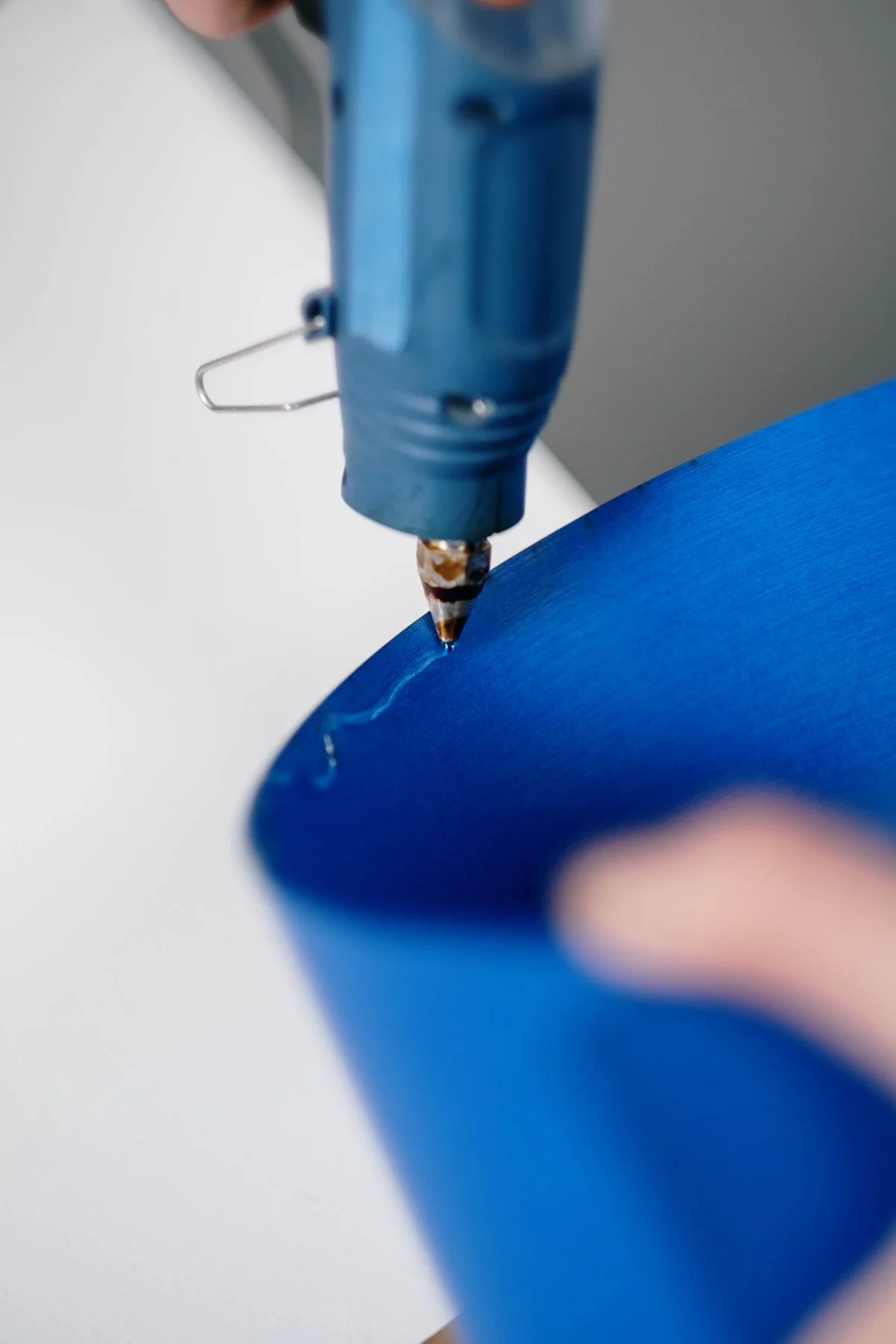
Contact adhesives are a class of bonding materials designed to create an immediate bond after both coated surfaces are allowed to dry and are then brought together under pressure. They are widely used because they provide fast handling strength, good shear resistance, and reliable bonding on large-area assemblies where clamping time would be impractical.
In industrial practice, contact adhesives are most often formulated from elastomeric polymers such as polychloroprene, styrene-butadiene rubber, natural rubber, acrylics, or polyurethane systems, carried in solvent or water-based media. The best-known traditional type is the solvent-based neoprene or “contact cement” formulation, but water-based systems have become increasingly important because they reduce volatile organic compound emissions and flammability risks.
Within the broader plastics and auxiliaries ecosystem, contact adhesives are important enabling materials for laminates, flooring, automotive interiors, footwear, furniture, insulation, and diverse composite assemblies. Their technical significance lies in the combination of rapid tack development, flexibility, and strong adhesion to varied substrates, including many plastics, although certain low-surface-energy materials remain difficult to bond without surface treatment.

History and Development
Contact adhesives developed as practical high-speed bonding systems for woodworking, laminating, upholstery, and shoe manufacture, where instant handling strength was especially valuable. Solvent-based polychloroprene formulations became the classic industrial standard because they offered a useful balance of elasticity, strength, and resistance to heat and water.
Over time, formulation chemistry expanded beyond neoprene-based products to include SBR, acrylic, and other elastomeric systems, as well as water-based latex dispersions. This evolution was driven by performance needs, occupational safety concerns, and environmental regulation, especially restrictions on VOC emissions from solvent-based adhesives.
Chemical Structure and Key Properties
Contact adhesives are physically setting adhesives: their bond forms primarily as the carrier evaporates and the polymer films on both surfaces coalesce under pressure, rather than through a lengthy chemical cure. In many systems, the adhesive remains tacky after flash-off, which enables rapid joining and immediate service handling.
Typical performance characteristics include:
- Fast bond formation after flash-off and contact pressure.
- High shear resistance, especially on smooth, broad surfaces.
- Flexibility, which helps tolerate vibration, peel stress, and thermal movement.
- Broad substrate compatibility, including wood, leather, laminates, foam, and some plastics.
Common limitations and practical workarounds are:
- Poor heat and water resistance in lower-grade formulations → caused by insufficient polymer cohesion or plasticizer balance → workaround: use polychloroprene, acrylic, or crosslinkable systems for higher service temperatures and moisture exposure.
- Difficulty bonding polyethylene and polypropylene → caused by very low surface energy → workaround: corona, flame, plasma, or primer treatment before bonding.
- Strong solvent odor and VOC exposure in solvent-based grades → caused by volatile carrier solvents → workaround: switch to water-based formulations or improve extraction and ventilation.
A practical formulation note is that contact adhesives are often used as two-way-stick systems, meaning adhesive is applied to both substrates and allowed to dry to a tacky state before assembly. In many industrial products, the elastomer concentration and tackifier package are tuned to balance open time, initial grab, and final bond strength.
Production Processes and Raw Feedstocks
Contact adhesive manufacture generally begins with an elastomeric base polymer, tackifiers, fillers, stabilizers, and solvents or water dispersions, followed by controlled mixing to achieve the desired viscosity and application behavior. Solvent-based products typically dissolve rubber polymers in volatile organic solvents, whereas water-based systems disperse latex particles in water.
Common raw-material classes include:
- Polychloroprene or other synthetic rubbers for elasticity and cohesive strength.
- Tackifiers to improve wetting and initial grab.
- Resins and plasticizers to tailor flexibility and peel behavior.
- Antioxidants and stabilizers to improve storage stability and aging resistance.
- Solvents or water as the delivery medium.
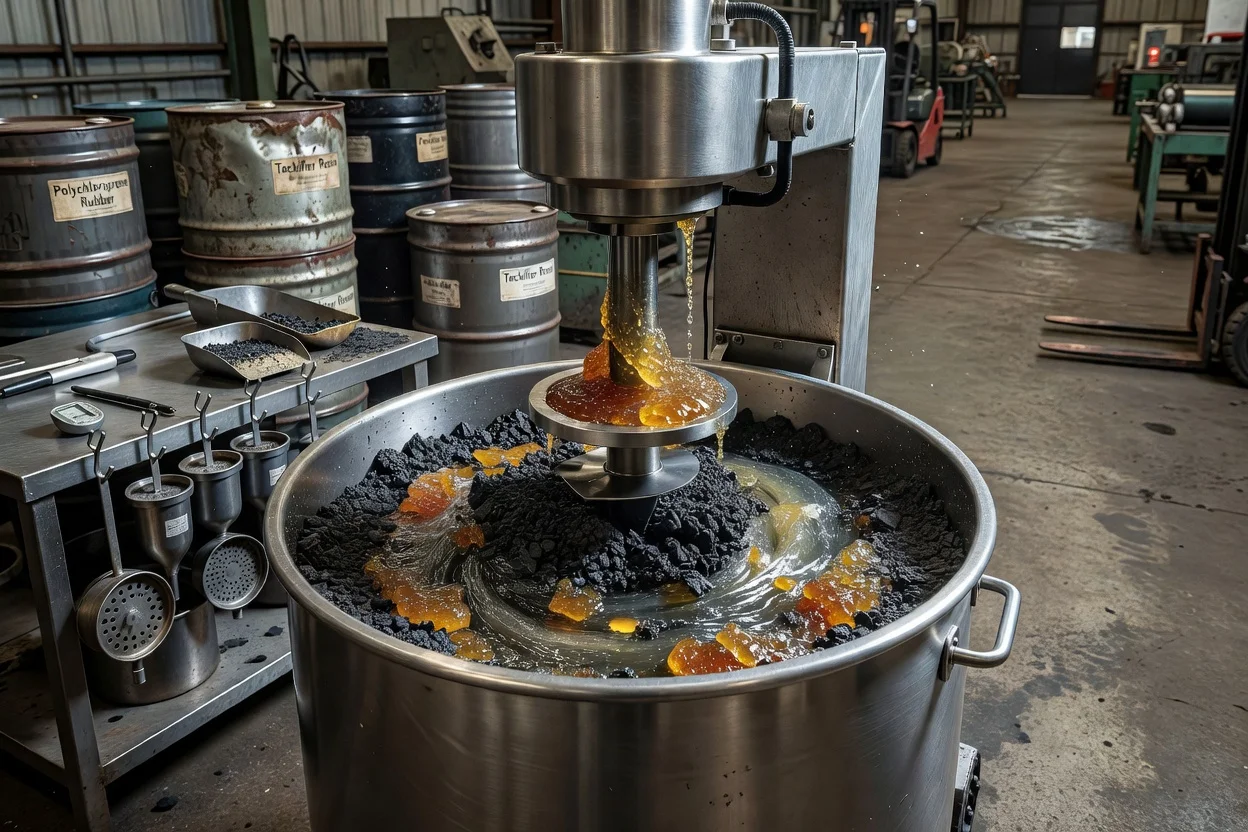
Application methods vary by product design and end use:
- Brush or roller application for woodworking and upholstery.
- Spray application for large-area laminating and flooring jobs.
- Aerosol systems for convenient field use and repair work.
Typical process performance depends on flash-off time, coating weight, substrate porosity, and pressure at assembly. In practice, contact adhesives are formulated to reach a tacky, “dry-to-touch” stage before contact, allowing near-instant bonding without prolonged clamping.
Applications and End-Use Markets
Contact adhesives are valued where rapid assembly, wide-area bonding, and flexible joints are needed. Major application sectors include:
| Sector | Typical use | Common grade or system | Why it fits |
|---|---|---|---|
| Furniture and laminates | Veneers, countertop laminates, decorative panels | Solvent-based neoprene or water-based contact adhesive | Fast bonding on broad surfaces and good shear resistance |
| Footwear | Sole-to-upper bonding, linings, repairs | Polychloroprene-based systems | Flexibility, abrasion tolerance, and immediate handling strength |
| Construction | Flooring, wall coverings, insulation panels, trim | Solvent-based, water-based, or spray grades | Efficient installation and reliable adhesion on large surfaces |
| Automotive interiors | Headliners, trim, panels, insulation | Heat-resistant contact adhesive | Flexible bonds that tolerate vibration and temperature cycling |
| Upholstery and crafts | Foam, fabric, leather, repair work | Water-based or solvent-based grades | Easy application and strong tack on mixed substrates |
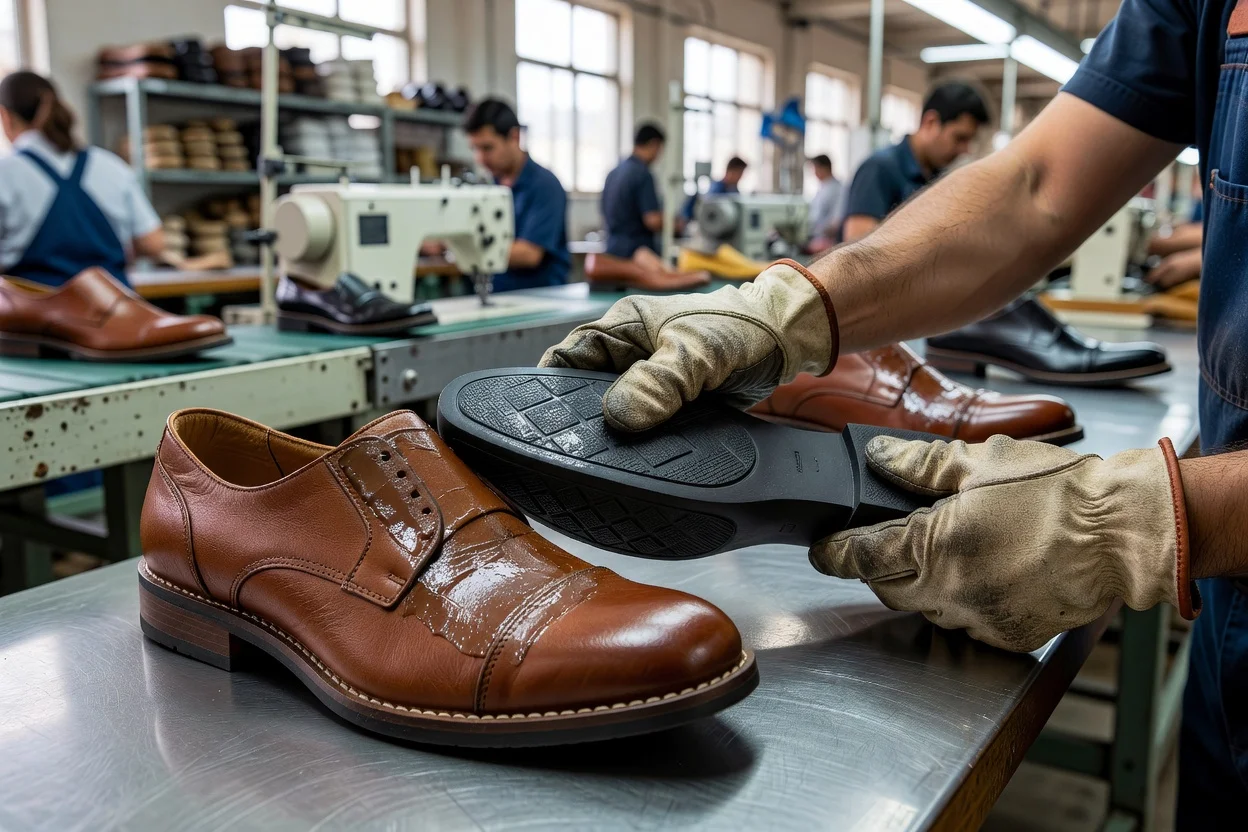
Contact adhesives are also used in packaging, appliance assembly, and some marine or repair applications, particularly where immediate bond strength reduces assembly time. A notable poor-fit use is bonding polyethylene or polypropylene without surface preparation, because these polymers are difficult to wet and adhere to with conventional contact adhesive chemistry.
Environmental and Sustainability Aspects
Environmental performance depends strongly on whether the product is solvent-based or water-based. Solvent-based contact adhesives are often effective and durable, but they can emit VOCs and may pose flammability and occupational exposure concerns. Water-based contact adhesives reduce VOC emissions and odor and are generally considered the more environmentally favorable option, although some grades may sacrifice ultimate strength or water resistance depending on formulation.
From a circularity perspective, contact adhesives present both opportunities and challenges. They can enable repair, refurbishment, and long-life product assembly, which may extend service life in furniture, footwear, and interior components. At the same time, they can complicate mechanical recycling when they are used as persistent layers on multilayer composites or laminated substrates, especially when disassembly is not designed into the product.
Bio-based and lower-impact alternatives are emerging, but their market role remains formulation-dependent. In practice, sustainability improvements usually come from:
- Lower-VOC or water-based carriers.
- Reduced solvent content and better capture systems.
- More efficient coating weights and application methods.
- Design for repair and easier disassembly in bonded assemblies.
Economic and Global Market Impact
Contact adhesives occupy a mature but strategically important niche in the adhesives market because they solve problems that structural adhesives or mechanical fasteners cannot address as efficiently. Demand is closely tied to furniture production, flooring, footwear, building renovation, and interior assembly, making the product category sensitive to construction cycles and consumer durables manufacturing.
The market is highly fragmented, with numerous regional producers and private-label suppliers offering solvent-based, water-based, aerosol, and specialty grades. In formulation terms, the leading systems remain those based on polychloroprene and related elastomer technologies, although acrylic and water-based technologies are gaining share where regulation and indoor-air-quality requirements are stricter.
Current Challenges and Innovations
The main technical challenges are balancing speed, strength, safety, and environmental compliance. This balance is especially difficult because improving one attribute often worsens another, such as replacing solvents with water while maintaining the same immediate tack and heat resistance.
Current innovation directions include:
- Water-based high-performance contact adhesives with improved early tack and heat resistance.
- Lower-VOC solvent systems with optimized solvent blends and better process controls.
- Crosslinkable contact systems for better thermal and chemical resistance, while retaining contact-bonding behavior.
- Formulations for difficult substrates using primers or surface-treatment-compatible chemistries.
- Application engineering, including spray systems and controlled coating lines to reduce waste and improve consistency.
A useful formulation example is the inclusion of tackifier resins at modest loading levels to improve wetting and immediate grab; at the molecular level, these resins increase the adhesive’s surface interaction and delay full cohesive set just enough to improve assembly success. Another common approach is the use of polychloroprene or SBR blends to tune flexibility and cost, with neoprene generally offering better heat and environmental resistance than lower-cost rubber systems.
Future Outlook
Contact adhesives are likely to remain essential in applications requiring fast assembly and flexible, large-area bonding. The strongest growth prospects are in lower-VOC and water-based formulations, along with specialty grades for flooring, automotive interiors, and industrial laminates where performance and regulatory compliance must coexist.
Longer term, the most important innovation themes will be:
- Better adhesion to low-surface-energy plastics through primers and surface activation.
- Higher-performance water-based systems that approach solvent-based bond quality.
- Formulations designed for recycling-compatible disassembly or targeted debonding.
- Lower-carbon raw material chains, including reduced solvent intensity and more efficient manufacturing.
Summary
Contact adhesives are elastomer-based bonding systems that work by applying adhesive to both surfaces, allowing carrier evaporation, and then creating an immediate bond under pressure. They remain important in furniture, footwear, construction, automotive interiors, and laminating because they combine speed, flexibility, and strong shear performance.
Their central trade-off is clear: solvent-based formulations usually offer the most established performance, while water-based systems generally offer better environmental characteristics. As the plastics and manufacturing sectors continue to emphasize lower emissions, repairability, and circular design, contact adhesives will likely evolve toward cleaner carriers, better substrate compatibility, and more application-specific high-performance formulations.
References
- •
Contact adhesive. (2002, February 12). CAMEO. https://cameo.mfa.org/wiki/Contact_adhesiveLink
- •
Contact adhesives: Improving performance through .... (2026, April 13). SpecialChem. https://www.specialchem.com/adhesives/guide/contact-adhesivesLink
- •
Contact adhesive. (2026, June 24). Britannica. https://www.britannica.com/technology/contact-adhesiveLink
- •
Knowledge Center. (2025, January 1). Gluespec. https://www.gluespec.com/blog/contact-adhesivesLink
- •
3. Footwear Production. (2025, September 20). LinkedIn. https://www.linkedin.com/pulse/contact-adhesives-real-world-5-uses-youll-actually-see-varvcLink
- •
Contact Adhesives: Properties & Applications. (n.d.). DELO. https://www.delo-adhesives.com/academy/glossary/contact-adhesive/Link
- •
Contact Adhesive Use. (2024, April 11). Anglo Adhesives & Services Ltd. https://www.anglo-adhesives.co.uk/blog/adhesive/contact-adhesive/Link
- •
Introduction To Contact Adhesive. (2000). FasterCapital. https://fastercapital.com/topics/introduction-to-contact-adhesive.htmlLink
- •
How To Use Contact Adhesive.... (2022, June 2). Sanvo Chemicals. https://www.sanvochemicals.com/what-is-contact-adhesive-and-its-usages/Link
- •
The Basics of Contact Adhesive: What it is and How it Works. (2024, June 6). CEF. https://www.cef.co.uk/library/contact-adhesiveLink
- •
What is Contact Adhesive? Uses, How It Works & Top Companies ... (2025, October 1). LinkedIn. https://www.linkedin.com/pulse/what-contact-adhesive-uses-how-works-top-companies-2025-growthgrove-zjukcLink
- •
What Is Contact Adhesive? | Blog- Monroe Aerospace. (2024, May 7). Monroe Aerospace. https://monroeaerospace.com/blog/what-is-contact-adhesive/Link
- •
What Is A Contact Adhesive? - Ureka. (n.d.). Ureka. https://thenamethatsticks.com/how-to-advice/best-application-process-using-high-performance-contact-adhesive/Link
- •
Contact Adhesives For Strong Bonds. (2025, March 3). Forza Built. https://forzabuilt.com/blog/contact-adhesives/Link
- •
Contact adhesive Definition: 223 Samples | Law Insider. (2025, July 24). Law Insider. https://www.lawinsider.com/dictionary/contact-adhesiveLink
- •
What Is Contact Adhesive and How Does It Work. (2026, August 10). Benna. https://www.benna.com.sa/post/what-is-contact-adhesive-and-how-does-it-workLink
- •
Impact glue. (2020, September 18). Wikipedia. https://en.wikipedia.org/wiki/Impact_glueLink
- •
What can contact adhesives do? - WEICON. (n.d.). WEICON. https://www.weicon.us/products/product-solutions/what-can-contact-adhesives-do/Link
- •
Contact adhesives – for most materials and surfaces - Biltema.se. (2026, April 3). Biltema. https://www.biltema.se/en-se/construction/adhesives/contact-adhesive/Link
- •
How to Choose and Use Contact Cement Without Ruining the Bond. (2026, August 13). Glueportal. https://www.glueportal.com/blog/contact-adhesivesLink
- •
[PDF] Contact Adhesives. (n.d.). Richelieu. https://static.richelieu.com/documents/imageBanniere/1090058/pdf_1_An.pdfLink
- •
Types Of Contact Adhesive. (2000). FasterCapital. https://fastercapital.com/topics/types-of-contact-adhesive.htmlLink
- •
Types of adhesives - UHU. (n.d.). UHU. https://www.uhu.com/en-en/glue-advice/adhesive-typesLink
- •
Contact adhesive | Uzin, United States. (n.d.). Uzin. https://us.uzin.com/knowledge/application-videos/contact-adhesiveLink
- •
Adhesive. (2001, October 30). Wikipedia. https://en.wikipedia.org/wiki/AdhesiveLink
- •
Contact adhesive. (2025, January 20). Alibaba. https://www.alibaba.com/showroom/contact-adhesive.htmlLink
- •
Impact glue. (2020, September 18). Wikipedia. https://en.wikipedia.org/?title=Contact_cementLink
- •
Unleash the Strength of Contact Adhesive Glue Mastery. (2024, September 25). Superbond. https://superbond.co.in/mastering-the-art-of-bonding-the-power-of-contact-adhesives-glue/Link
- •
Contact adhesive | PPTX. (2016, April 27). SlideShare. https://www.slideshare.net/slideshow/contact-adhesive-61412679/61412679Link
- •
Solvent-based, contact - A.D. System. (2024, September 3). A.D. System. https://adsystem.com.pl/en/kleje/solvent-based-contact/Link
- •
Industrial Adhesive Types: Complete Guide. (2026, May 3). Aims Industrial. https://aimsindustrial.com.au/blogs/product-guides/industrial-adhesive-types-guideLink
- •
Adhesive Types And Their Applications - Ureka Global. (2024, March 25). Ureka Global. https://thenamethatsticks.com/how-to-advice/a-simple-guide-to-all-adhesive-types-and-their-applications/Link
- •
Adhesive Contact - an overview | ScienceDirect Topics. (n.d.). ScienceDirect. https://www.sciencedirect.com/topics/engineering/adhesive-contactLink
- •
The Critical Role of Contact Adhesives in Industrial Success. (2023, December 14). Forza Built. https://forzabuilt.com/blog/the-critical-role-of-contact-adhesives-in-industrial-success/Link
- •
Leave a Reply Cancel reply. (2021, March 13). Handmadology. https://handmadology.com/what-is-contact-adhesive/Link
- •
WHAT ARE THE DIFFERENT TYPES OF ADHESIVE & .... (2023, June 21). Kohesi Bond. https://www.kohesibond.com/what-are-the-different-types-of-adhesive-their-applications/Link
- •
Types of Glue and Adhesives. (2023, September 7). The Home Depot. https://www.homedepot.com/c/ab/types-of-glue-and-adhesives/9ba683603be9fa5395fab901eed55df7Link
- •
Industrial Contact Cement & Spray Adhesives. (2022, April 30). Chemical Concepts. https://www.chemical-concepts.com/product-category/adhesives/contact-cement-adhesives/Link