
Introduction
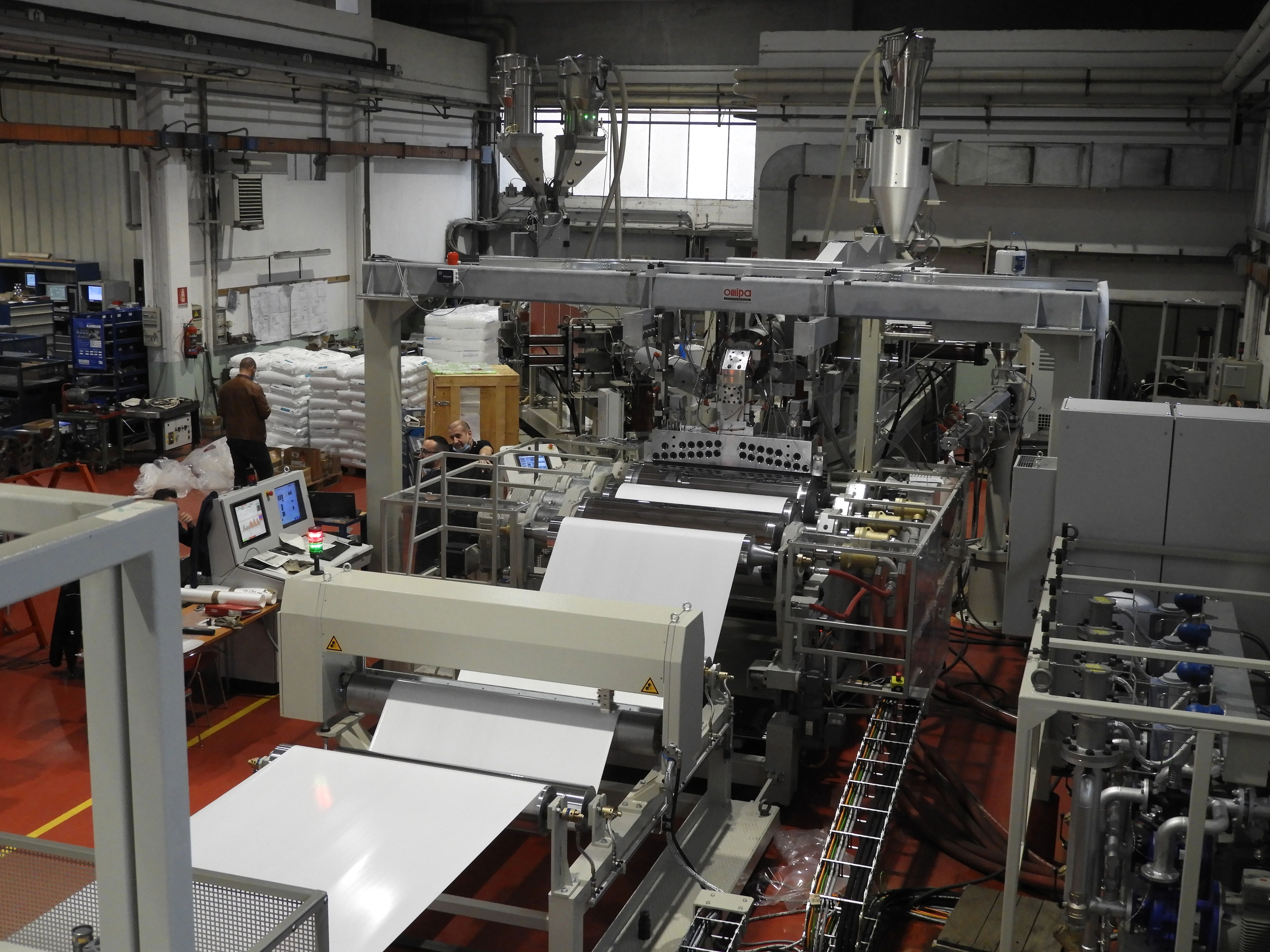
Machinery for processing and post-processing of foam and parts comprises the equipment used to convert polymeric foams and foam-based blanks into finished or semi-finished products through cutting, shaping, profiling, bonding, laminating, finishing, recycling, and part assembly. In industrial practice, this machinery serves a broad range of materials, including EPS, EPP, XPS, PU, EPE, EVA, and related flexible or rigid foam systems, and it is central to producing insulation components, protective packaging, comfort goods, automotive trim, and technical parts.
The topic spans both primary conversion machinery, such as CNC wire cutters, routers, profilers, shredders, crushers, and laminators, and secondary finishing systems, such as die-cutting presses, oscillating-knife cutters, waterjet machines, bonding stations, and automated handling equipment. In the foam industry, these machines are often selected not only for geometric precision but also for low-dust processing, minimal thermal distortion, stable throughput, and compatibility with recycling loops and digital production control.
Historically, foam conversion began with manual or semi-manual block cutting and simple trimming, then progressed to dedicated horizontal and vertical cutters, and later to CNC-controlled contour systems, 3D routers, and automated recycling lines. Contemporary systems increasingly integrate servo motion, vacuum fixturing, recipe control, and part tracking, while sustainability priorities have pushed the industry toward material recovery, densification, rebonding, and energy-efficient cutting and handling. Future development is likely to emphasize higher automation, finer process monitoring, better scrap utilization, and lower-energy, lower-emission production workflows.
History and Development
Early foam post-processing relied on manual sawing, heated wires, and basic slicing equipment, which were adequate for simple blocks and sheets but limited in repeatability and surface quality. As foam production volumes rose, machine builders introduced dedicated horizontal and vertical foam cutters, profile cutters, and band-knife systems for more consistent conversion of buns and slabs into industrial parts.
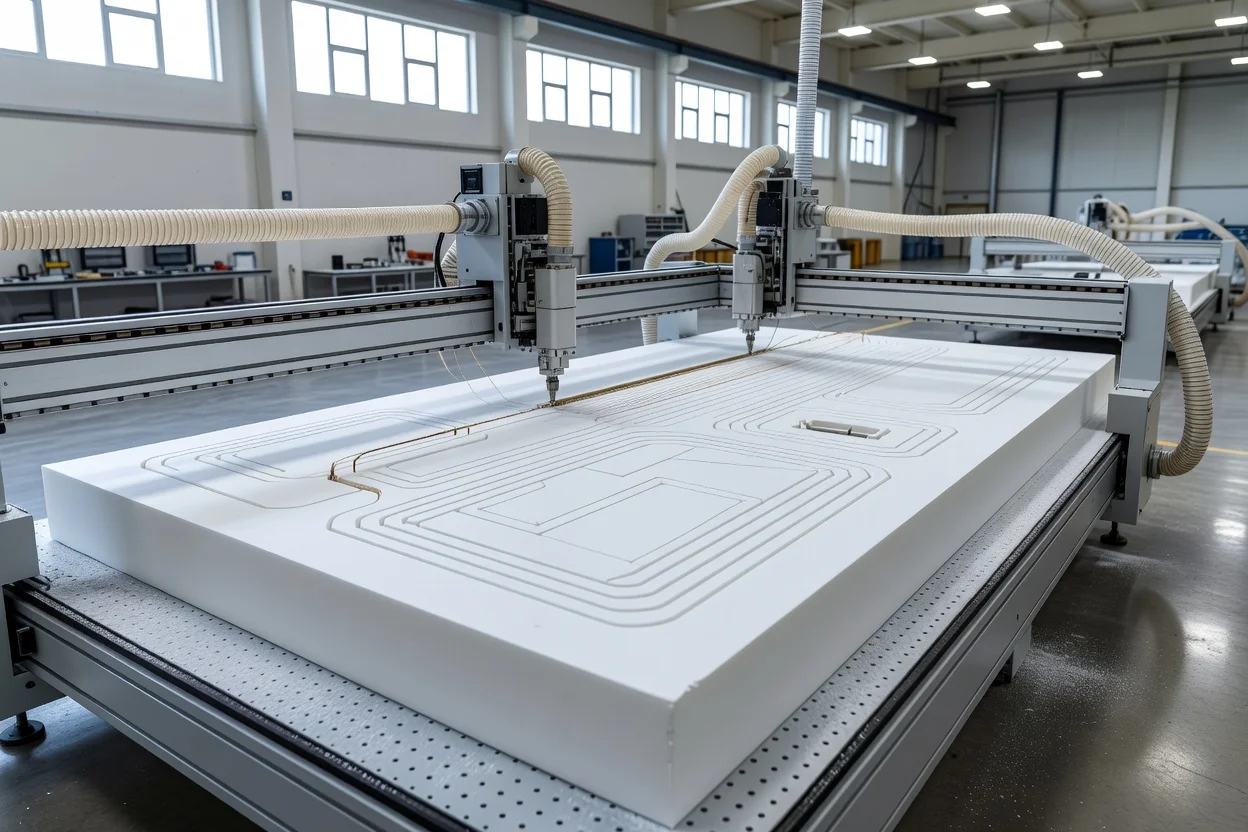
A major milestone was the adoption of CNC foam cutting and routing, which enabled repeatable contour cutting, nested part layouts, and 2D/3D shaping of lightweight compressible materials. This development made it practical to manufacture custom packaging inserts, insulation shapes, mattress components, and complex technical forms at scale.
A second milestone was the expansion of foam recycling machinery, including shredders, crushers, balers, and densifiers for EPS and EPE waste. These systems helped foam processors reduce storage volume, improve scrap logistics, and feed rebonding or reprocessing streams.
A third milestone was the spread of integrated finishing lines, combining cutting, lamination, flame or heat bonding, embossing, printing, and automated material handling in one workflow. This shift reflected the growing importance of value-added conversion rather than foam production alone.
Key Characteristics and Technical Overview
Foam-processing machinery is engineered around the low density, compressibility, and thermal sensitivity of cellular polymers. Unlike rigid-plastic machining, foam conversion must control tearing, dust, melting, burn marks, cell collapse, and dimensional rebound.
Core machine functions
- Cutting and contouring: horizontal cutters, vertical cutters, circular saw systems, oscillating-knife cutters, hot-wire cutters, CNC routers, and 5-axis profiling machines.
- Shaping and finishing: peeling, milling, drilling, grinding, polishing, embossing, and edge profiling.
- Bonding and lamination: flame lamination, heat sealing, adhesive lamination, and composite backing of foam parts.
- Recycling and volume reduction: shredders, crushers, compactors, balers, and densifiers for scrap and offcuts.
- Forming and molding: particle-foam molding systems and specialized insert-molding equipment for EPS/EPP part production.
Typical technical parameters
- Hot-wire cutting is widely used for EPS and XPS because it produces smooth edges and low dust; suppliers describe it as efficient for clean surface finish and controlled shaping.
- CNC contour cutters are commonly used for shaped foam processing and can cut blocks and sheets into specified geometry using programmed paths.
- 3-axis and 5-axis routers are used where undercuts, deep cavities, and complex 3D forms are required, especially for prototypes, molds, and technical parts.
- Foam crushing and shredding systems are used to prepare waste for rebonding or compaction; compactors for EPS and EPE can significantly reduce handling volume.
Quantitative benchmarks
Industry sources indicate that foam processors commonly handle throughputs from small-batch shop equipment to high-volume industrial lines, with some custom foam fabrication systems reporting 200–1,000 units per hour for die-cutting and related operations. Foam cutting and conversion machinery may range from compact workshop units to large-format CNC systems for full blocks and buns, while recycling machines are described as high-capacity systems for large-scale waste processing.
For flexible PU fabrication, one supplier reports cutting foam from 12 kg/m³ to 200 kg/m³ in thicknesses from 3 mm upward, showing the broad density window that post-processing machinery must accommodate. In particle-foam molding, machine systems are specified for EPS processing up to 1.5 bar processing pressure in one product family, illustrating the pressure sensitivity of some molding applications.
In foam recycling and compaction, centrifugal or mechanical dewatering is more often associated with wet washing or reclaim systems than with standard dry foam cutting; where dewatering is used, the objective is typically to reduce moisture before densification or reuse. The provided sources do not give a universal residual-moisture benchmark for foam post-processing, so any figure would be process-specific rather than general.
Process-control considerations
Key engineering variables include:
- Blade or wire temperature
- Feed speed
- Rotor or cutter speed
- Vacuum hold-down
- Dust extraction
- Tool path optimization
- Part nesting and yield
- Thermal distortion control
- Material recovery rate
The best machine choice depends on foam chemistry, density, cell structure, thickness, and tolerances. For example, hot-wire cutting is effective for EPS and XPS sheets, while oscillating knife cutters and routers are better suited to PU, EVA, and denser composite foams where heat can damage the material.
Types and Variations
| Machine class | Main function | Typical strengths | Typical limitations |
|---|---|---|---|
| Hot-wire cutters | Cut EPS/XPS and similar foams using heated wire | Smooth surfaces, low dust, efficient for simple contours | Limited for dense foams and complex undercuts |
| Horizontal cutters | Slice buns and blocks into sheets or slabs | High productivity, common in slabstock conversion | Less flexible for intricate geometry |
| Vertical cutters | Cut blocks into strips, profiles, and panels | Compact layout, useful for dimensional trimming | More limited for deep 3D forms |
| CNC contour cutters | Programmed cutting of shaped parts | Repeatability, nesting, complex profiles | Higher capital and programming needs |
| CNC routers / milling machines | Machine foam into 3D forms and cavities | Best for complex shapes and prototypes | Generates more dust; tooling wear must be managed |
| Oscillating-knife systems | Cut flexible and semi-rigid foams with minimal heat | Good edge quality, low thermal damage | Less suited to extremely thick or abrasive parts |
| Peeling and profiling machines | Produce foam sheets, rolls, and continuous profiles | Efficient secondary processing | Usually specialized to certain foam types |
| Shredders, crushers, densifiers | Reduce scrap volume and prepare recycling feedstock | Supports circularity and logistics | Requires downstream reuse or compaction route |
| Lamination and bonding lines | Join foam to films, fabrics, foils, or other foams | Adds function and durability | Adhesive selection and cure control are critical |
| Molding systems for particle foam | Produce molded EPS/EPP parts | Net-shape capability, good packaging efficiency | Requires mold design and steam/pressure control |
Applications and Uses
Foam post-processing machinery is used wherever foam must be transformed from bulk stock into precise components, assembled products, or recoverable scrap streams.
- Packaging and protective inserts: CNC cutters, die-cutters, and routers produce cushioning inserts, corner protectors, trays, and custom transport packaging.
- Building insulation: hot-wire and contour machines shape EPS/XPS panels, pipe insulation, and architectural insulation components.
- Furniture and bedding: horizontal cutters, band knives, and profile systems convert PU blocks into mattress cores, cushions, bolsters, and upholstery parts.
- Automotive and transport: CNC routing, lamination, insert molding, and bonded assemblies are used for trim, energy-absorbing parts, and acoustic components.
- Medical and cleanroom packaging: precision cutting and low-dust processing support sterile or sensitive packaging inserts.
- Sports, filtration, and consumer goods: shaping, perforating, and laminating systems are used for pads, filters, comfort products, and specialty components.
A less suitable application is highly abrasive or metal-cutting-style machining, because foam-processing tools are optimized for low-force cutting and would not be appropriate for rigid metals or heavily filled thermoplastics.
Technological Innovations and Automation
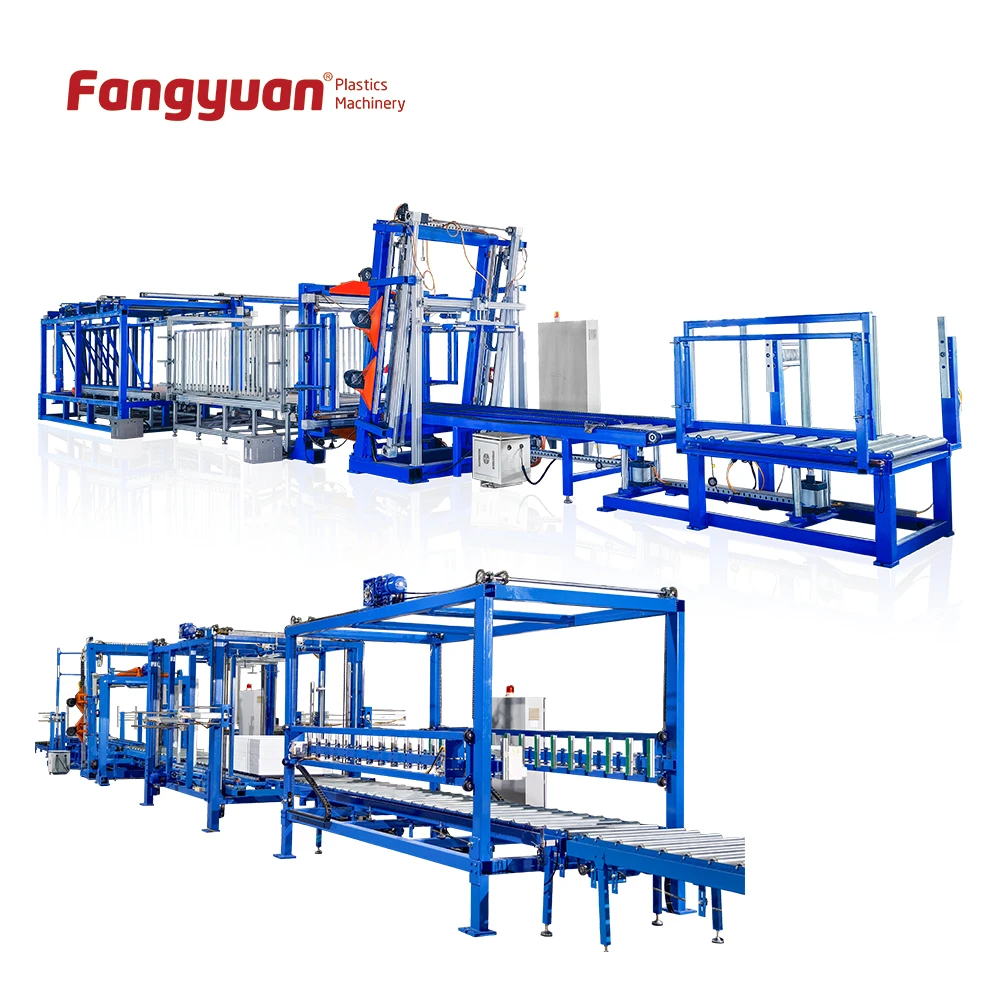
Automation has become a defining feature of modern foam conversion. CNC motion control, servo drives, digital recipes, and automated nesting improve repeatability and material utilization. Several suppliers also highlight integrated conveyors, transport carts, drying stations, and handling systems that reduce manual intervention.
Recent innovations include:
- 5-axis routing for complex 3D shapes and undercut geometries.
- Vacuum table material holding for lightweight, compressible foam sheets.
- Integrated recycling compactors for EPS/EPE waste management.
- Multi-tool heads for knife, routing, and profile operations within one platform.
- Digital line integration linking cutting, lamination, and inspection steps.
Automation improves throughput and consistency, but it also increases software complexity, maintenance requirements, and operator training needs. In foam processing, the trade-off is often between maximum flexibility and maximum standardized efficiency.
Environmental and Sustainability Aspects
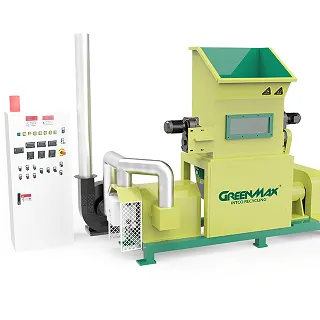
Sustainability is a major driver in foam machinery development because foam manufacturing and conversion can generate significant scrap volume. Recycling systems such as shredders, crushers, balers, and densifiers help reduce transport volume and support reuse pathways for EPS and EPE waste.
Key sustainability benefits include:
- Waste reduction through optimized nesting, contour cutting, and yield-driven programming.
- Volume reduction through densification and compaction of scrap.
- Material recovery through rebonding and secondary processing of offcuts.
- Lower process emissions when energy-efficient cutting methods replace high-loss manual or thermal methods.
One supplier of foam extrusion lines states that its sheet production can reduce the CO₂ footprint by more than 1 kg per 1 kg of PE foam produced, reflecting how process design and material efficiency can influence climate performance. While such claims are process- and product-specific, they illustrate the direction of industry development toward lower-impact conversion.
Economic and Global Market Impact
The foam-processing machinery segment is supported by several end markets: insulation, automotive, packaging, furniture, consumer goods, and recycled-foam conversion. Demand is shaped by regional construction activity, e-commerce packaging growth, lightweighting in transport, and the expansion of recycled and rebonded foam products.
Small and mid-sized processors often purchase flexible CNC cutters, band saws, and laminators to serve custom orders, whereas larger plants invest in integrated lines with automated handling and recycling systems. The economics of foam machinery are strongly influenced by labor savings, scrap reduction, tool life, energy use, and the ability to switch quickly between product types.
Companies mentioned in this segment are typically differentiated by machine class or application focus rather than by universal market share. Examples include firms specializing in foam CNC cutting, EPS/EPP particle-foam molding, recycling compactors, or multi-process foam fabrication systems.
Current Challenges and Innovations
The sector faces several persistent challenges:
- Cut quality versus speed: faster processing can increase roughness, heat damage, or dimensional drift.
- Dust and emissions control: routing and grinding require effective extraction and containment.
- Variable foam behavior: differences in density, cell size, and resilience affect cut stability and repeatability.
- Recycling economics: scrap recovery is valuable only when collection, compaction, and downstream reuse are integrated.
- Labor and skill requirements: advanced CNC and multi-axis systems demand programming and maintenance expertise.
Current innovations are addressing these issues through better control software, hybrid cutter platforms, improved vacuum support, and more integrated post-processing cells.
Future Outlook
Future foam-processing machinery is likely to move toward greater digitalization, more compact production cells, and stronger circular-economy integration. The most competitive systems will probably combine high geometry flexibility with lower energy consumption, better scrap recovery, and easier recipe changes.
Expected directions include:
- More robot-assisted handling and automated stacking
- Smarter toolpath optimization for yield and cycle time
- Expanded use of 5-axis and hybrid cutting systems
- Better integration of recycling, rebonding, and densification
- More process data for quality assurance and traceability
- Growing compatibility with lightweight composites and multi-material foam parts
As foam products diversify across insulation, comfort, packaging, and engineered components, machinery for processing and post-processing will remain a strategic enabler of both product performance and manufacturing efficiency.
References
- •
Naman Technologies. (n.d.). PU foam machines. https://www.namantechnologies.net/pu-foam-machines.htmlLink
- •
BauGrupp. (2025, April 21). Machines. https://www.bau-grup.com/baumachinesLink
- •
Demand Machinery. (n.d.). CNC foam cutting machines. https://www.demandmachinery.com/Link
- •
SmartFoam Machinery. (2025, January 1). SmartFoam Machinery. https://www.foam-expo.com/smartfoam-machineryLink
- •
Confortchem. (2025, December 12). PU foaming & production machinery. https://confortchem.com/en/production-line/Link
- •
Vulcan Group. (n.d.). Foam molding equipment. https://www.vulcangroup.com/product-category/lost-foam/foam-molding-equipment/Link
- •
Sabtech Machine. (2025, December 10). Understanding PU foam manufacturing machines. https://www.sabtechmachine.com/a-understanding-pu-foam-manufacturing-machines-processes-and-applications.htmlLink
- •
Edge-Sweets Company. (n.d.). Foam cutting equipment. https://www.edge-sweets.com/Link
- •
Xycorp Inc. (n.d.). EPS foam cutting machines. https://www.xycorpinc.com/eps-foam-cutting-machines/Link
- •
ASMC. (2026, July 25). Foam industry. https://asmc-us.com/die-cutting-machinery/foam-industry/Link
- •
Technical Foam Services. (2025, June 12). Foam machinery. https://technicalfoamservices.co.uk/about-us/machinery/Link
- •
Sabtech Machine. (2024, July 25). PU foam cutting machinery manufacturers. https://www.sabtechmachine.com/foam-cutting-machinery.htmlLink
- •
Chuangbo. (2024, July 17). Foam extrusion line. https://www.cbextrusion.com/foam-extrusion-line/Link
- •
Infinity Foam Machinery. (2026, March 8). Infinityfoammachinery. https://www.infinityfoammachinery.com/Link
- •
A.S. Enterprises. (n.d.). Processing machinery. https://www.foamplant.com/Link
- •
Foamcutting-machines.com. (n.d.). Quality PU foam cutting machine factory. https://www.foamcutting-machines.com/Link
- •
Sabtech. (2024, July 25). Pu foam machine manufacturer. https://www.sabtechmachine.com/products.htmlLink
- •
FSI. (n.d.). Foaming equipment. https://fsi.co/products/foaming-equipment/Link
- •
Kurtz Ersa. (n.d.). Kurtz POLY FOAMER shape moulding machines. https://kurtzersa.com/products/particle-foam-processing/shape-moulding-machines/kurtz-poly-foamerLink
- •
Sabtech. (2025, November 8). CNC foam cutting machine (SAB-CNC13). https://www.sabtechmachine.com/cnc-foam-cutting-machine-sab-cnc13.htmlLink
- •
Fincorpest. (2016, January 1). Foam production. https://www.fincorpest.com/foam-productionLink
- •
Daltons. (n.d.). Foam & rubber processing machinery. https://www.daltonsmachines.com/materials/foam-rubberLink
- •
Deming Machine. (n.d.). China foaming equipment manufacturers factory. https://www.demingmachine.com/foaming-machine/foaming-equipment/Link
- •
Soundcoat. (n.d.). Manufacturing. https://soundcoat.com/manufacturingLink
- •
Kurtz GmbH & Co. KG. (2025, November 27). Particle foam molding machine - ROTO. https://www.directindustry.com/prod/kurtz-gmbh-co-kg/product-51738-2026861.htmlLink
- •
Croma. (2025, December 1). World leader in the manufacture of hot wire foam cutter. https://www.croma-foamcutter.com/en/Link
- •
Machinio. (n.d.). New & used foam cutting machines for sale. https://www.machinio.com/cat/foam-cutting-machinesLink
- •
General Plastics. (2026, August 14). CNC foam machining services. https://www.generalplastics.com/cnc-machining-servicesLink
- •
Alemo. (2026, May 26). Extrusion lines. https://alemo.eu/Link
- •
Fill. (2025, September 17). Particle foam and polyurethane manufacturing systems. https://www.fill.co.at/en/news-and-events/news/particle-foam-and-polyurethane-manufacturing-systemsLink
- •
Heubach Corporation. (n.d.). Foam fabrication. https://heubachcorp.com/foam-fabrication/Link
- •
Msgmainan. (2026, July 9). EVA foam manufacturing equipment. https://msgmainan.com/a/eva-foam-manufacturing-equipment-modern-factory-tech-guide.htmlLink
- •
Made-in-China.com. (n.d.). China ICF, ICF wholesale, manufacturers, price. https://www.made-in-china.com/products-search/hot-china-products/Icf.htmlLink
- •
Neckog. (n.d.). Applications & solutions. https://neckog.com/applicationsLink
- •
Sunkist Machinery. (2025, September 30). Foam making machines. https://www.sunkist-machinery.com/Link
- •
Hennecke. (n.d.). Molded foam lines. https://www.hennecke.com/en/solutions/machines-and-production-systems/molded-foam-linesLink
- •
McMaster-Carr. (n.d.). Foam cutters. https://www.mcmaster.com/products/foam-cutters/Link
- •
Cnpufoammachine. (n.d.). Foam machine. https://www.cnpufoammachine.com/Link
- •
Made-in-China.com. (2026, April 28). Unlock complex designs. https://insights.made-in-china.com/Unlock-Complex-Designs-A-Guide-to-5-Axis-CNC-Routers-for-Foam-Milling_PtXfUzGhRxDW.htmlLink
- •
Made-in-China.com. (2026, September 16). Foam machinery. https://www.made-in-china.com/products-search/hot-china-products/Foam_Machinery.htmlLink
- •
Henghuipu1776.en.made-in-china.com. (2009, October 29). German technology high pressure PUR polyurethane PU processing foaming machines. https://henghuipu1776.en.made-in-china.com/product/dQfYIbujCMVl/China-German-Technology-High-Pressure-PUR-Polyurethane-PU-Processing-Foaming-Machines.htmlLink
- •
Alibaba. (2025, January 20). Polyurethane foam making machine. https://www.alibaba.com/showroom/polyurethane-foam-making-machine.htmlLink
- •
Alibaba. (2024, August 7). Polyurethane steering wheel foaming equipment. https://www.alibaba.com/showroom/polyurethane-steering-wheel-foaming.htmlLink
- •
Santechfoammachines. (2025, April 23). Types of foam machines. https://santechfoammachines.com/different-types-of-foam-machines/Link
- •
Packprintmatrix. (2026, January 25). Foam box machine. https://packprintmatrix.com/packaging-machinery/how-does-a-foam-box-machine-workLink
- •
General Plastics. (2026, August 19). High density polyurethane molded foam. https://www.generalplastics.com/molded-foamLink
- •
Alibaba. (2026, March 8). EPE foam manufacturing machine explained. https://www.alibaba.com/product-insights/epe-foam-manufacturing-machine.htmlLink
- •
Norco Plastics. (2025, July 17). 2800 ton injection molding. https://norcoplastics.com/equipment/large-tonnage-injection-molding/Link
- •
Accio. (2025, August 5). Premium foam machinery solutions. https://www.accio.com/plp/foam-machineryLink
- •
General Plastics. (n.d.). Production services [PDF]. https://www.generalplastics.com/wp-content/uploads/2019/02/Product-Services-Brochure.pdfLink
- •
Deming Machinery. (2025, August 25). How does a foam machine work. https://www.demingmachinery.com/news/how-does-a-foam-machine-work-85190009.htmlLink
- •
Google Patents. (2016, August 5). Device for producing a particle foam part (Patent DE202016104341U1). https://patents.google.com/patent/DE202016104341U1/enLink
- •
Yongjiapu. (2026, April 30). Complete PU foam production line guide. https://www.yongjiapu.com/complete-pu-foam-production-line-guide/Link
- •
Foam Equipment & Consulting Co. (n.d.). Foam equipment. https://www.foamequipment.com/Link
- •
Engel. (2022, August 22). Foam injection molding. https://www.engelglobal.com/en/us/products/injection-molding-processes/foam-injection-moldingLink
- •
Foam Molders. (2026, August 7). Custom foam products. https://foammolders.com/products/Link