
Introduction
Antifog agents are surface-active additives or coatings used to prevent condensation from forming as visible droplets on transparent or translucent surfaces, thereby preserving clarity, light transmission, and safety. In plastics, they are especially important in food packaging, agricultural films, optical items, medical devices, and other applications where moisture condensation would otherwise scatter light and obscure the view.
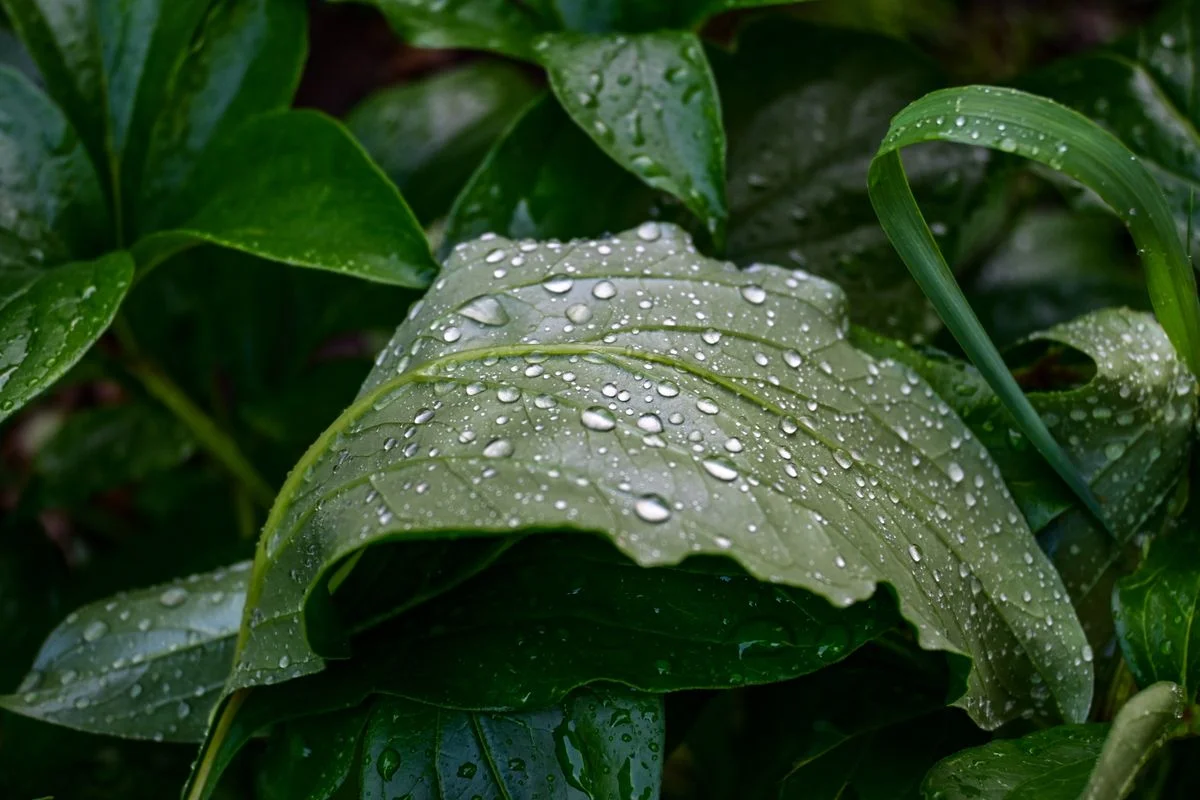
In polymer systems, antifog performance is usually achieved by making the surface more hydrophilic so condensed water spreads into a thin, uniform, transparent film instead of beading into droplets. This is commonly accomplished with surfactant-type additives that migrate to the surface, although coatings and permanent hydrophilic surface treatments are also used.

The topic sits at the intersection of formulation chemistry, polymer processing, and end-use performance. Commercial products range from masterbatches for films to liquid coatings for optics and medical products, and antifog technology is evolving under pressure from sustainability requirements, migration limits in food contact, and the need for longer-lasting, lower-impact solutions.
History and Development
Antifogging technology developed alongside modern transparent plastics, particularly as polyethylene, polypropylene, PVC, and PET films became widespread in packaging and agriculture. Early commercial systems relied mainly on non-ionic surfactants and related surface-active compounds that could be incorporated into the polymer or applied afterward as coatings.
As food packaging and greenhouse films grew in importance, antifog formulations were refined to deliver controlled migration, better compatibility with specific resins, and improved persistence under humid or heated conditions. More recent development has focused on multilayer films, coated surfaces, bio-based additives, and surface-engineering approaches that extend service life while addressing regulatory and sustainability concerns.
Chemical Structure and Key Properties
Antifog agents are not a single chemical family but a functional class. The most common materials are surface-active substances such as non-ionic surfactants, fatty acid esters, ethoxylated compounds, polyethers, polyhydric alcohol esters, and related hydrophilic molecules. Many are designed with a dual structure: a hydrophobic segment compatible with the polymer and a hydrophilic segment that orients toward water at the surface.
Their key performance mechanism is to reduce the surface tension at the water/polymer interface. As a result, condensed water spreads into a continuous film, which is optically less disruptive than discrete droplets. In packaged foods or greenhouse films, this reduces fogging, maintains visibility, and helps preserve light transmission.
Typical material-level characteristics include:
- Hydrophilicity at the surface after migration or coating
- Controlled migration from bulk to surface in incorporated systems
- Compatibility with specific resins, especially polyolefins and plasticized PVC
- Optical clarity retention under humid or refrigerated conditions
Real limits and practical workarounds:
- Limited durability → many additive-based antifogs are depleted over time by migration or washing → use a higher-retention coating, multilayer structure, or reformulated additive package.
- Food-contact migration risk → low-molecular surfactants can migrate into packed goods if not properly selected → use compliant food-grade grades, barrier layers, or immobilized surface treatments.
- Temperature sensitivity → some systems perform differently in cold-fog versus hot-fog conditions → match the chemistry to the use temperature and humidity profile.
A practical formulation example is a non-ionic surfactant package used at approximately 2 to 4 phr in plasticized PVC films, where the additive migrates to the surface and creates a moisture-wettable layer. Another common approach is a hydrophilic coating containing surface-active substances in a carrier matrix, used for medical optics and similar surfaces.
Production Processes and Raw Feedstocks
Antifog agents are produced from conventional surfactant and specialty-chemical feedstocks, including alcohols, fatty acids, ethoxylates, polyols, and ester intermediates. The exact synthetic route depends on whether the product is intended as an internal additive, a concentrate, or an external coating.
In plastics, the main incorporation routes are:
- Masterbatch addition during extrusion or compounding, where a concentrated pellet is diluted into the base resin.
- Direct compounding into the polymer formulation before film blowing, casting, or molding.
- Post-application coating on finished transparent surfaces such as lenses, shields, or medical optics.
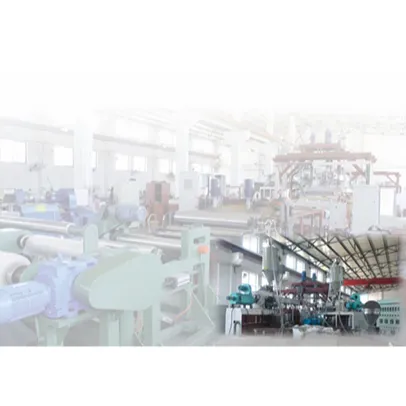
Processing behavior matters because the additive must often migrate in a controlled way to the surface after processing. In film applications, this migration is the functional mechanism; however, excessive migration can shorten service life or affect sealing, printing, or slip behavior.
Applications and End-Use Markets
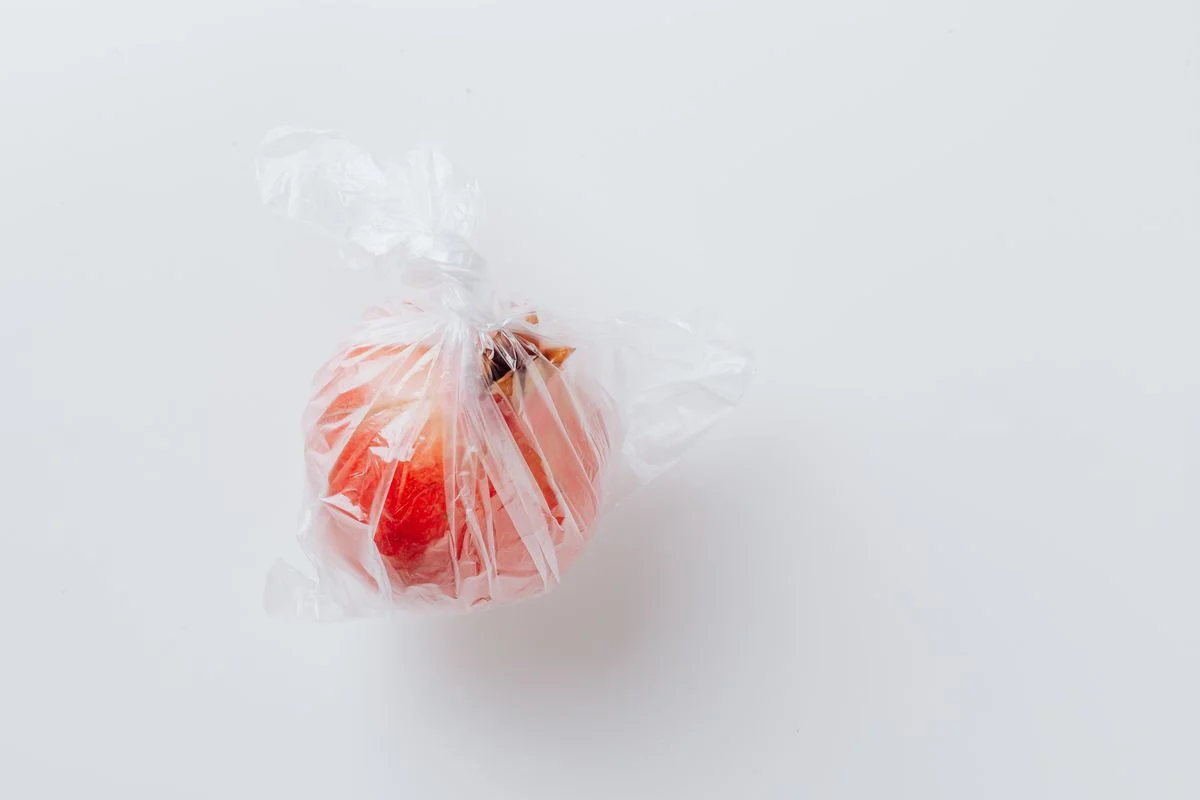
Antifog agents are used wherever moisture condensation would reduce visibility or functional performance. The largest and most established use is in food packaging films, where refrigerated produce, meats, fresh herbs, and ready meals must remain visible under cold and humid conditions.
Major application areas include:
- Food packaging films: usually polyethylene, polypropylene, or PVC films using migratory surfactants or masterbatches; the goal is clear visibility in chilled display and storage.
- Agricultural films and greenhouse covers: usually polyethylene films with controlled light transmission; antifogging helps reduce droplet formation that can distort sunlight and create drip-related issues.
- Medical and protective optics: liquid coatings or surface treatments on lenses, face shields, and medical optics for high humidity or temperature swings.
- Industrial protective covers and technical films: transparent covers for equipment, electronics, and components stored in humid environments.
- Consumer and safety products: eyewear, goggles, visors, mirrors, lighting fixtures, and similar transparent surfaces.
A useful process-to-application match is shown below:
| End use | Typical substrate or resin | Usual antifog format | Functional requirement |
|---|---|---|---|
| Refrigerated food film | PE, PP, PVC | Internal additive or masterbatch | Clear product visibility, reduced condensation |
| Greenhouse film | PE | Internal additive | Stable light transmission and droplet control |
| Medical optics | Glass or plastic lens materials | Liquid coating | Fog resistance in high-humidity environments |
| Protective face shields | PC, PET, PMMA | Coating or treatment | Rapid clarity recovery after breathing or temperature swings |
| Industrial covers | Polyolefin films | Internal additive or coating | Visibility and temporary moisture control |
One poor-fit use is long-life outdoor transparent glazing exposed to frequent washing or abrasion, where simple migratory antifog additives may be too short-lived; more permanent hydrophilic coatings are usually more appropriate.
Environmental and Sustainability Aspects
Antifog agents contribute to sustainability in an indirect but meaningful way by reducing food spoilage, preserving crop-light management in greenhouses, and improving safety and usability in transparent products. In packaging, clearer films can help reduce product waste by improving consumer visibility and display performance.
At the same time, conventional antifog systems raise sustainability questions:
- Migratory surfactants may have limited durability and can raise food-contact or odor/taste concerns if poorly selected.
- Single-use packaging films remain the dominant application, so the environmental profile is tied to the broader plastic substrate and end-of-life system.
- Surface coatings can improve performance but may complicate recycling if they are not compatible with mechanical recycling streams.
Bio-based and lower-impact directions include additive chemistries derived from renewable fatty acid or polyol feedstocks, as well as coatings designed for lower migration and better recyclability. Research also continues on superhydrophilic surfaces, multilayer structures, and more durable inorganic-organic hybrid systems that aim to reduce additive loss.
Economic and Global Market Impact
The economic importance of antifog agents is closely tied to food packaging, agriculture, and healthcare-related transparency applications. Recent market analyses identify food packaging as the dominant end use, followed by agricultural films and other moisture-prone transparent applications.
Demand is supported by several structural drivers:
- growth in chilled and convenience food packaging
- expansion of greenhouse cultivation
- continued need for fog-free safety and medical transparent products
- processing compatibility with high-volume film lines
The supplier landscape is fragmented and includes specialty additive producers and polymer-additive companies offering branded antifog systems and masterbatches. Commercial differentiation typically comes from migration control, food-contact compliance, clarity retention, and processability rather than from raw chemical uniqueness alone.
Current Challenges and Innovations
Current technical challenges include balancing fog resistance with sealability, antiblock behavior, slip, printability, and long-term clarity. In many film systems, the antifog additive must migrate enough to work but not so much that it harms processing or depletes too quickly.
Key innovation directions include:
- multilayer films that localize the antifog function near the surface
- surface coatings with stronger and longer-lasting hydrophilicity
- hydrophilic silane-based systems and other hybrid chemistries for glass and plastic optics
- food-grade and lower-migration formulations for packaging safety
- combined additive packages that integrate antifog with antistatic, antiblock, or slip performance
From a mechanism perspective, the most important innovation is to control how the surface wets after condensation. The leading approaches do this either by surface migration of surfactants or by creating a durable hydrophilic layer that keeps condensed water as a continuous film rather than discrete droplets.
Future Outlook
The future of antifog agents is likely to be shaped by three forces: higher-performance packaging, tighter regulatory expectations, and stronger sustainability demands. In practical terms, this points toward more durable, more selective, and more recyclable antifog systems.
Likely development paths include:
- lower-migration additives with better retention in film applications
- renewable-source surfactants and bio-based esters
- long-life coatings for reusable optics and medical devices
- compatibility with recycling streams and multilayer design strategies that minimize contamination
As transparency remains a functional requirement across food, agriculture, healthcare, and industrial packaging, antifog technology will continue to play a small but strategically important role in enabling visibility, product quality, and consumer acceptance within the plastics value chain.
References
- •
Antifog. (2026, January 13). Ingenia Polymers. https://www.ingeniapolymers.com/products/antifog/Link
- •
Antifog. (n.d.). Macropol. https://macropol.com.mx/2021/08/antifog/Link
- •
Anti-fog. (2007, July 12). In Wikipedia. https://en.wikipedia.org/wiki/Anti-fogLink
- •
Anti-fogging agents for plastic compounds: Overview. (2026, September 1). SpecialChem. https://www.specialchem.com/polymer-additives/pf-anti-fogging-agentsLink
- •
How does the anti-fog additive work? (2021, February 8). Ampac Packaging. https://ampacpackaging.com/technology/antifog/anti-fog-additive-how-it-works/Link
- •
Antifog agents for PVC films. (n.d.). Kanademy. https://kanademy.com/antifog-agents-for-pvc-films/Link
- •
Anti-fog. (n.d.). Cargill. https://www.cargill.com/bioindustrial/polymer-additives/anti-fogLink
- •
ULTRASTOP antifog agent. (n.d.). SigmaPharm. https://sigmapharm.at/de/wp-content/uploads/sites/3/2022/01/ifu-utrastop-ustp-v11-en-1.pdfLink
- •
ANTIFOG MULTILAYER FILM (EP 3666520 A1). (n.d.). European Patent Office. https://data.epo.org/publication-server/rest/v1.2/publication-dates/20200617/patents/EP3666520NWA1/document.pdfLink
- •
AntiFog agents. (2025, October 11). TK Group. https://taminkalatak.com/product/antifog-agents/Link
- •
Antistats, antifogs & slip agents. (n.d.). Chemyork. https://chemyork.com/antistats-antifogs-slip-agents.htmlLink
- •
MECOSTAT-3/747 surface coating agent. (n.d.). Mecostat. https://www.mecostat.com/wp-content/uploads/DB-M3-747-E.pdfLink
- •
THE SCIENCE OF SAFETY: Anti fog formulation. (n.d.). HubSpot. https://cdn2.hubspot.net/hub/15969/file-13307495-pdf/docs/whitepaper-science_of_safety.pdfLink
- •
How do anti-fog additives work in plastic packaging? (2017, July 13). Impact Plastics. https://blog.impactplastics.co/blog/how-do-anti-fog-additives-work-in-packagingLink
- •
How exactly do "anti-fog" agents work? (n.d.). Reddit. https://www.reddit.com/r/askscience/comments/15l1fy/how_exactly_do_antifog_agents_work/Link
- •
ANTI-FOG AGENT (EP 3245864 A1). (n.d.). European Patent Office. https://data.epo.org/publication-server/rest/v1.2/publication-dates/20171122/patents/EP3245864NWA1/document.pdfLink
- •
What is anti-fog made of? (n.d.). Lens.com. https://www.lens.com/questions-answered/what-is-anti-fog-made-of/Link
- •
How do anti-fog sprays work? (n.d.). McGill University Office for Science and Society. https://www.mcgill.ca/oss/article/technology-you-asked/how-do-anti-fog-sprays-glasses-workLink
- •
Antifogging agents. (n.d.). Mecostat. https://www.mecostat.com/en/antifogging-agents/Link
- •
Antifog additives - SaboStab® - SaboFog®. (n.d.). Biesterfeld. https://www.biesterfeld.com/en/bg/product/antifog-additives/Link
- •
Antifog additives. (n.d.). Biesterfeld. https://www.biesterfeld.com/en/at/product/antifog-additives/Link
- •
Heat sealable antifog film materials. (2005, November 15). Justia Patents. https://patents.justia.com/patent/20060105126Link
- •
Biobased plastic additives from Danisco. (n.d.). https://cfile239.uf.daum.net/attach/163341414DA7C5EA2C1C8CLink
- •
What's in anti fog cleaner? Breaking down the ingredients. (2025, July 7). KleerVu. https://www.kleervu.com/whats-in-anti-fog-cleaner/Link
- •
Antifog coating. (n.d.). BYC United. https://www.bycunited.com/en/antifog-coating.htmlLink
- •
Anti-fog spray formulation guide. (2026, September 4). Scribd. https://www.scribd.com/document/829752542/Glass-Care-Anti-Fog-Spray-Formula-Lodp6wLink
- •
Improved antifog properties for polyethylene sealable lids. (n.d.). Tampere University. https://trepo.tuni.fi/bitstream/handle/123456789/24924/Juvonen.pdf?sequence=4&isAllowed=yLink
- •
How do anti fog coatings work? & are they effective? (2023, October 10). Stoggles. https://stoggles.com/blogs/the-public-eye/anti-fog-for-glassesLink
- •
The science behind anti-fog spray: How it keeps your lenses clear. (2025, December 24). Oreateai. https://www.oreateai.com/blog/the-science-behind-antifog-spray-how-it-keeps-your-lenses-clear/844a6c1b77bf1d4b4fc297a1cfd41fdfLink
- •
Anti-fog solution spectacle cases lens cleaning cloths. (n.d.). Evershine Optical. https://evershineoptical.com/anti-fog-solution/Link
- •
Antifog masterbatch. (n.d.). China Colours. https://chinacolours.com/antifog/Link
- •
MAXITHEN® PP 75770 AFAB. (n.d.). Gabriel Chemie. https://gabriel-chemie.svenso.dev/storage/antifog_en.pdfLink
- •
HT masterbatch - antifogging article. (2019, April 9). Calameo. https://www.calameo.com/books/00533405046bf0b589937Link
- •
Improve performance and vision with anti-fog. (2019, June 27). Global Construction Supply. https://globalconstructionsupply.net/blogs/news-safety-blog/improve-performance-26-vision-with-anti-fogLink
- •
Polymer additives – innovative solutions for industry. (n.d.). PCC Group. https://www.products.pcc.eu/en/blog/additives-for-polymers-enhancing-performance-in-diverse-applications/Link
- •
Fundamentals of antifogging strategies, coating techniques and properties of inorganic materials. (n.d.). Wikimedia Commons. https://upload.wikimedia.org/wikipedia/commons/0/0f/Fundamentals_of_antifogging_strategies,_coating_techniques_and_properties_of_inorganic_materials.pdfLink
- •
The path to anti-fog lenses. (2012, May 24). 20/20 Magazine. https://www.2020mag.com/article/the-path-to-anti-fog-lensesLink
- •
Fundamentals of antifogging strategies, coating techniques and properties of inorganic materials. (n.d.). ScienceDirect. https://www.sciencedirect.com/science/article/pii/S2238785423000157Link
- •
Antifogging agents for films market outlook to 2035. (2026, September 3). IndexBox. https://www.indexbox.io/blog/antifogging-agents-for-films-market-outlook-to-2035/Link
- •
Antifog additives market size, growth, forecast till 2032. (n.d.). ReportPrime. https://www.reportprime.com/antifog-additives-r20648Link
- •
Anti fog coatings. (2026, August 5). Exxene. https://exxene.com/anti-fog/Link
- •
US020200362213A120201119. (n.d.). Patent Images. https://patentimages.storage.googleapis.com/f4/22/41/6d0473861f03b2/US20200362213A1.pdfLink