
Introduction
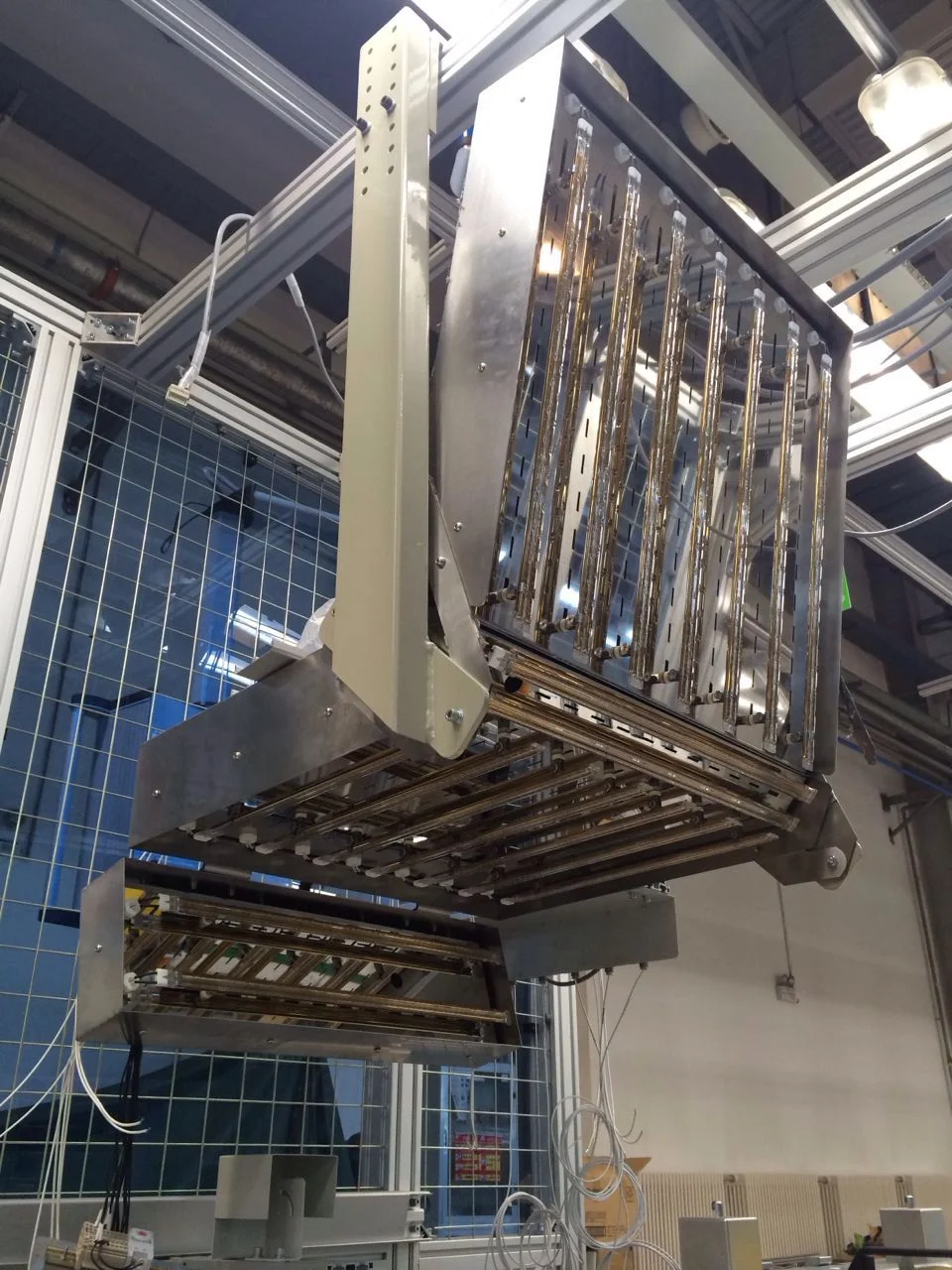
Infrared welding machines are non-contact plastics joining systems that use infrared radiation to heat thermoplastic surfaces immediately before fusion, producing clean, strong, and often hermetic welds. They are especially valued where contamination control, surface aesthetics, repeatability, and low flash formation matter, and they are widely used in high-purity piping, automotive assemblies, medical components, appliances, and selected large-area parts.
The technology sits within the broader family of thermal welding processes and is closely related to hot-plate welding, but it replaces direct tool contact with radiant heating. That distinction reduces tool fouling and particulate generation, enables targeted heating with masks or reflectors, and makes infrared welding attractive for difficult-to-weld polymers and demanding cleanliness-sensitive applications. Modern machines range from compact systems for pipe and fitting fusion to large vertical or rotary platforms for instrument panels, air ducts, fluid reservoirs, and other complex assemblies.
History and Development
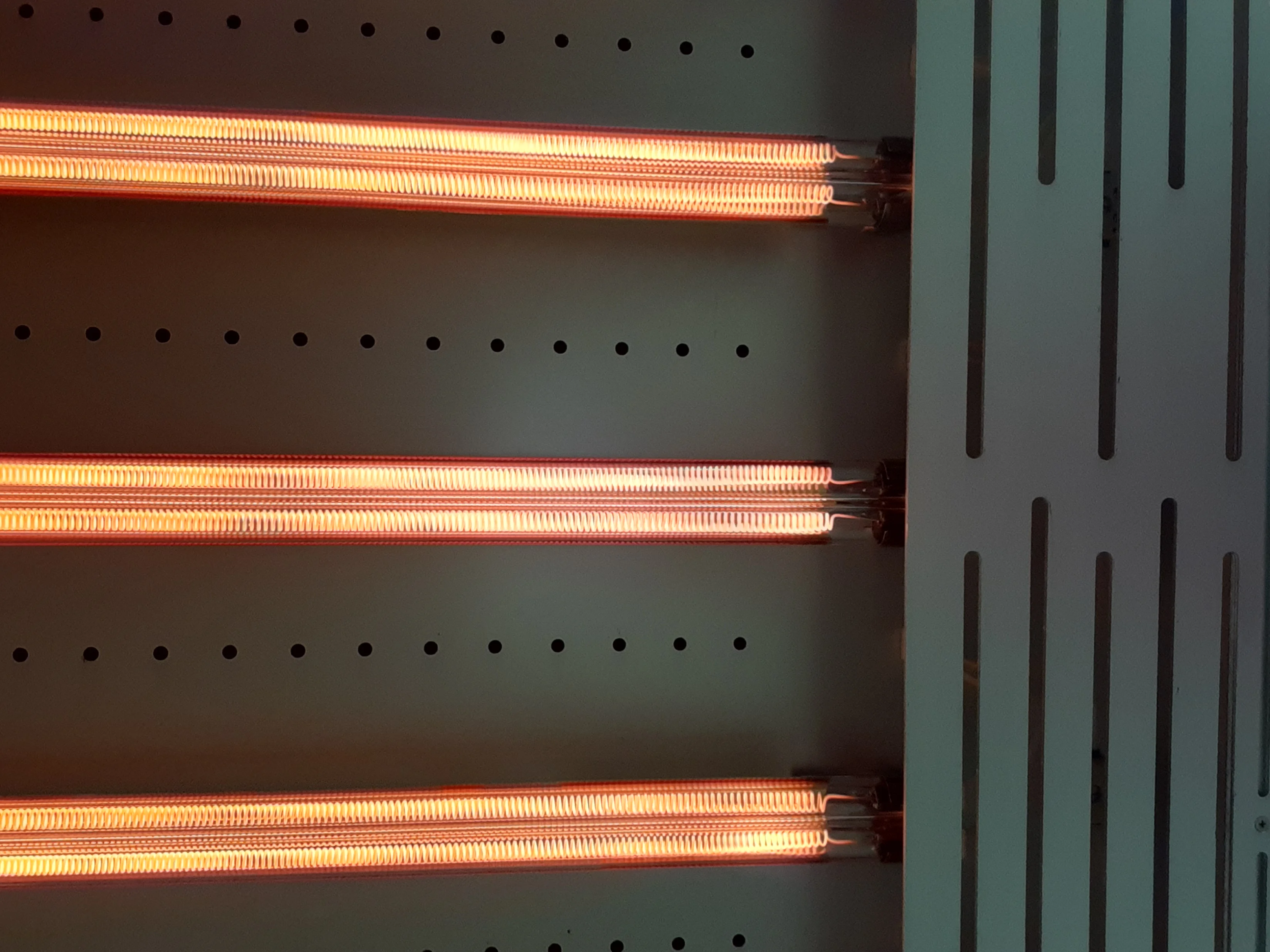
Infrared joining developed as plastics processors sought a cleaner alternative to contact heating for thermoplastics. Early industrial IR systems adapted halogen and ceramic emitters, reflector geometries, and shadow masks to concentrate heat on the joint zone while protecting adjacent surfaces.
A second milestone was the expansion of the process into high-purity piping and beadless fusion. In these applications, the ability to avoid tool contamination and reduce internal bead formation made infrared welding especially valuable for chemical, pharmaceutical, semiconductor, and ultra-pure water systems.
A third milestone was the move toward higher automation, shorter cycle times, and tighter process control. Recent machine generations combine servo-controlled motion, improved emitter management, and software-guided recipes to improve repeatability and reduce cycle time. One rotary infrared platform, for example, is marketed for cycles as fast as 8 seconds, compared with conventional infrared systems at roughly 30–40 seconds per cycle in comparable applications.
How Infrared Welding Works
Infrared welding uses electromagnetic radiation to raise the temperature of the faying surfaces until a thin molten layer forms. The emitter is then withdrawn, the parts are pressed together under controlled force, and the joint solidifies under pressure.
The process typically follows these steps:
- Part preparation Components are cleaned, aligned, and clamped in precision fixtures.
- Radiant heating An infrared emitter, often a lamp, platen, or reflector-based module, heats the joint area without touching it.
- Changeover The heater retracts or moves away once the target melt condition is reached.
- Fusion The softened surfaces are brought together under controlled pressure, allowing molecular interdiffusion at the interface.
- Cooling under load The joint remains under pressure until it cools and stabilizes, limiting distortion and preserving alignment.
Technical Overview
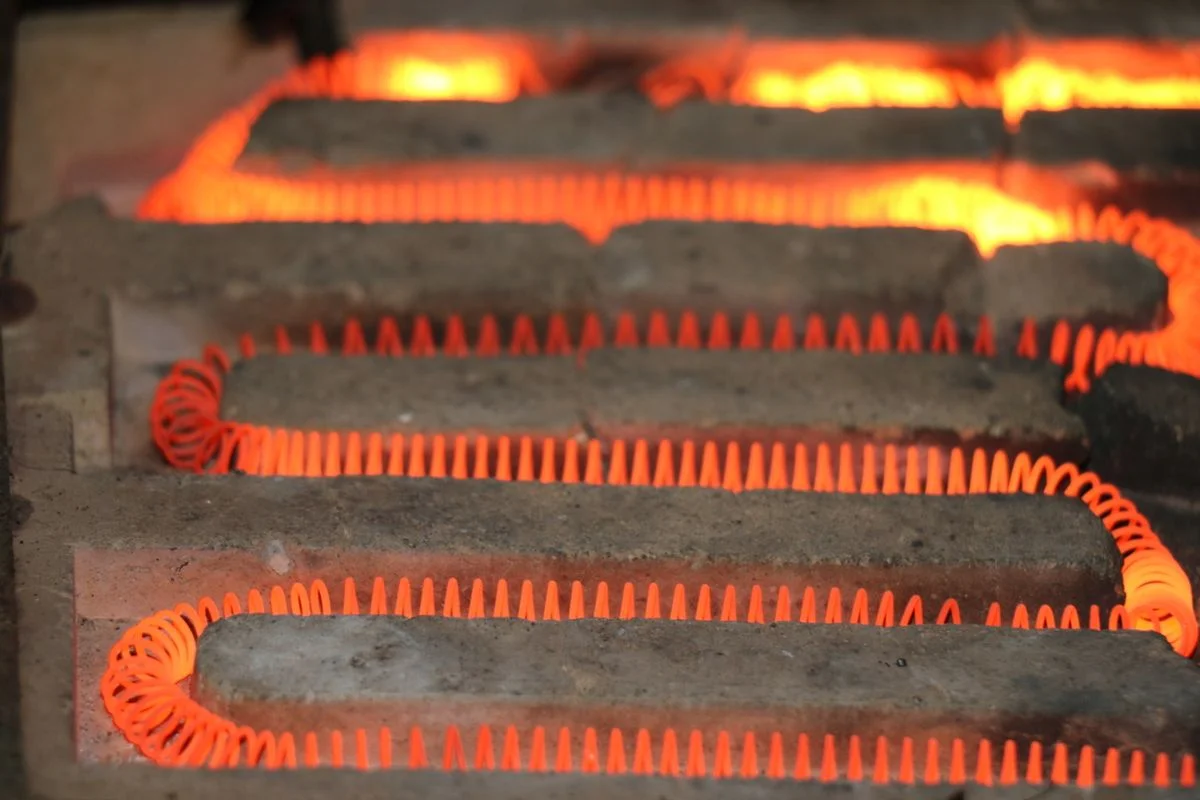
Infrared welding is a surface-controlled thermal process, so machine design, emitter spectrum, part geometry, and polymer absorptivity are decisive. The most commonly cited wavelength ranges for plastics are short-wave infrared at about 0.78–2 µm and medium-wave infrared at about 2–4 µm, with the optimal choice depending on the polymer’s absorption behavior and surface color.
Typical machine architecture
- Infrared emitters Glass-encased lamps, halogen sources, or panel emitters supply radiant energy.
- Reflectors and masks Reflectors direct energy to the weld zone, while shadow masks block heating of non-joint areas.
- Precision fixtures Rigid clamping and hard-stop positioning ensure alignment and repeatability.
- Motion system The heater may be fixed, retractable, oscillating, or rotary depending on part geometry and cycle-time targets.
- Control system Temperature, time, spacing, force, and cooling are managed through programmable recipes and monitoring.
Typical performance ranges
- Weld-interface heating time: often only a few seconds for many small to medium parts, with large-area components taking longer depending on thermal mass.
- Cycle time: roughly 10–25 seconds for some through-transmission systems, and 30–40 seconds for conventional infrared machines in certain applications; specialized rotary systems can run near 8 seconds.
- Material displacement: in some particulate-free thermoplastic welding systems, total displacement is reported around 0.030 in (about 0.76 mm), with approximately half from each side during fusion/seal formation.
- Heating selectivity: targeted masks and reflectors allow only the intended weld zone to be heated, reducing over-melt and cosmetic defects.
Engineering advantages
- No direct tool contact during heating, which reduces contamination risk.
- Low flash and clean weld beads, especially important for visible parts and internal flow passages.
- High repeatability when fixture rigidity, emissive spectrum, and part absorption are well matched.
- Efficient heat delivery because energy is concentrated on the joint area rather than on a heated platen.
Types and Variations
Infrared welding machines are commonly grouped by part geometry and process layout.
| Type | Typical use | Notable characteristics |
|---|---|---|
| Pipe and fitting infrared fusion machines | Chemical piping, ultra-pure water, PVDF/PP/PVC-U systems | Focus on alignment, bead control, and internal cleanliness |
| Vertical infrared welders | Large assemblies, appliance housings, reservoir-like parts | Good for gravity-supported loading and large joint areas |
| Rotary infrared systems | High-throughput repeated assemblies | Lower cycle times and automated indexing |
| Through-transmission IR systems | Transparent or translucent-to-opaque plastic combinations | Uses transmission through one part and absorption in another |
| Particulate-free precision welders | Medical, semiconductor, and aesthetic consumer parts | Prioritize cleanliness, seam quality, and process control |
The piping segment is particularly associated with beadless or near-beadless fusion, while the assembly segment emphasizes cosmetic quality and low contamination.
Applications and Uses
Infrared welding machines are used where weld cleanliness, chemical resistance, or dimensional control are central.
- High-purity piping Semiconductor, laboratory, pharmaceutical, and ultra-pure water systems rely on smooth bores and low contamination risk.
- Chemical and process piping Infrared fusion is used for PVDF, ECTFE, and related thermoplastic systems in corrosive service.
- Automotive assemblies Large-area instrument panels, ducts, and housings benefit from low flash and clean visible joints.
- Medical and life-science components The process supports clean, repeatable joints in device housings and fluid-management parts.
- Consumer and appliance parts Cosmetic surfaces and tight sealing requirements favor non-contact heating.
- Food and beverage equipment Cleanability and contamination avoidance make the process useful in selected piping and enclosure applications.
- Less suitable application It is generally a poor fit for low-cost, high-volume joints where a simple hot-plate, ultrasonic, or vibration weld can achieve acceptable quality at lower capital cost, especially when cosmetic cleanliness is not critical. This limitation follows from the more complex emitter, fixture, and control hardware required for infrared systems.
Materials and Weldability
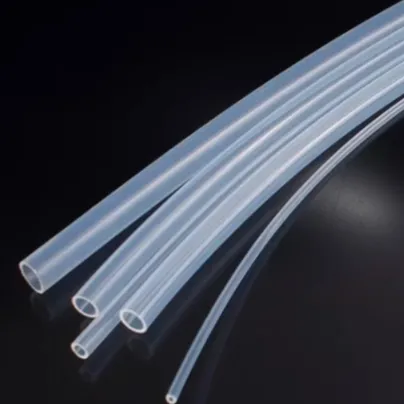
Infrared welding is used primarily with thermoplastics, not thermosets. Performance depends on the material’s infrared absorptivity, melting behavior, and thermal stability.
Commonly welded polymers include:
Filled grades, especially glass-fiber-reinforced materials, can be welded successfully when the emitter spectrum and joint design are properly matched, although absorptivity and melt flow differ from unfilled grades.
Technological Innovations and Automation
Recent development has focused on making infrared welding faster, cleaner, and more data-driven.
- Dual-station and rotary platforms shorten idle time by separating heating and joining functions.
- Improved emitter control allows tighter spectral matching to polymer absorption behavior.
- Recipe-based automation improves repeatability across different pipe diameters and part families.
- Integrated monitoring records temperature, force, displacement, and cycle data for quality assurance.
- Clean-room-oriented designs reduce particulate release and support regulated manufacturing environments.
Some systems also combine infrared with other joining or preheating concepts, especially where process windows are narrow or where part geometry is difficult to heat uniformly.
Environmental and Sustainability Aspects
Infrared welding can support sustainability goals when evaluated across production efficiency, scrap reduction, and product life.
- Lower contamination risk can reduce rejects and rework in high-purity and visible-part applications.
- Targeted heating reduces unnecessary thermal load compared with broad contact heating.
- No consumable adhesives or fasteners are required for the weld itself, which can simplify assemblies.
- Energy efficiency depends strongly on emitter design, insulation, cycle time, and how well the radiation spectrum matches the polymer.
At the same time, the technology is not automatically the lowest-energy option in every plant. High-performance emitters, precision motion systems, and long fixture dwell times can increase electricity demand if the process is poorly optimized. The sustainability advantage is therefore strongest when the machine is tuned for short heating windows, efficient changeover, and low scrap rates.
Economic and Global Market Impact
Infrared welding machines occupy a specialized but strategically important segment of plastics processing. Demand is tied to industries that value purity, leak integrity, and repeatability more than lowest initial machine cost.
- Piping and infrastructure suppliers use IR fusion to address clean-service and corrosive-duty markets.
- Medical, semiconductor, and pharmaceutical manufacturers value contamination-free joints and process traceability.
- Automotive and appliance producers adopt IR systems where appearance and part integrity justify the investment.
Machine suppliers with recognized roles in this segment include GF Piping Systems in fusion equipment, Branson in plastics joining, Dukane in particulate-free infrared systems, FRIMO in infrared welding for assembly applications, and Simtech in high-purity pipe joining.
Current Challenges and Innovations
Several engineering challenges continue to shape the technology:
- Material sensitivity Different polymers absorb infrared energy differently, so wavelength selection and emitter geometry must be matched carefully.
- Process window control Too little heating produces weak fusion; too much causes degradation, sagging, or discoloration.
- Fixture precision Misalignment can compromise weld strength and leak tightness, especially in pipe systems.
- Capital cost Infrared systems are typically more complex than hot-plate alternatives, which can limit adoption in commodity parts.
- Part geometry constraints Highly irregular surfaces may need specialized reflectors, masks, or bespoke tooling.
Innovation is therefore concentrated in emitter efficiency, closed-loop control, faster changeover, and machine architectures that expand the range of geometries that can be welded reliably.
Future Outlook
Infrared welding machines are likely to gain further ground in applications where cleanliness, automation, and repeatability outweigh simple tool cost. The strongest growth prospects are in ultra-pure piping, life-science equipment, semiconductor infrastructure, and high-quality automotive or appliance assemblies.
Future systems are expected to emphasize:
- More compact and energy-efficient emitter modules
- Better spectral matching for filled and specialty polymers
- Greater use of servo motion and digital recipe management
- Inline inspection and data logging
- Integration with Industry 4.0 quality systems
The broader trajectory suggests that infrared welding will remain a high-value process rather than a universal one: technically compelling where purity and precision matter, but selective where simpler joining methods remain economically sufficient.
References
- •
Infrared Welding - FRIMO. (n.d.). https://www.frimo.com/en/infrared-weldingLink
- •
Infrared technology - Cemas Elettra. (n.d.). https://www.cemaselettra.com/en/products/infraredLink
- •
Infrared welding machine - GVX-3HR - Branson Ultrasonics. (2025, October 14). https://www.directindustry.com/prod/branson-ultrasonics/product-5555-1950568.htmlLink
- •
An Overview of Infrared (IR) Welding. (2024, May 1). Asahi/America. https://www.asahi-america.com/about-us/news/inner-circle/an-overview-of-infrared-ir-welding/Link
- •
Infrared Welding | Vertical Infrared Welders. (n.d.). Forward Technology. https://www.forwardtech.com/plastic-assembly/infrared-weldersLink
- •
IR and WNF welding. (n.d.). FRANK GmbH. https://www.frank-gmbh.de/en/products/welding-technology/IR-and-WNF-welding.phpLink
- •
Professional Infrared Welding Machine - MM-Tech. (n.d.). https://www.hbmmtech.com/product-category/infrared-welding-machine/Link
- •
Rotary Infrared Welding with Dual Heat Stations Overview - Dukane. (n.d.). https://www.dukane.com/products/particulate-free-welding/particulate-free-welding/rotary-infrared-weldingLink
- •
IR welding. (2019, January 7). Wikipedia. https://en.wikipedia.org/wiki/IR_weldingLink
- •
Infrared Welder - CHINA.Zhejiang Zhenbo Precision Machinery Co. (n.d.). https://www.mp-sonic.cn/welder-category/infrared-welder/Link
- •
IR-110 Infrared Welding Machine 20-110mm(1″-4″IPS) - MM-Tech. (2026, February 3). https://www.hbmmtech.com/product/ir-110-infrared-welding-machine-20-110mm1%E2%80%B3-4%E2%80%B3ips/Link
- •
Infrared welding for plastic and thermoplastic materials. (2024, May 29). Sonimat. https://sonimat.com/en/plastic-welding/technologies/infrared-plastic-welding/Link
- •
Infrared Plastic Welding - Branson (Emerson). (2026, February 1). https://www.branson.emerson.com/en/infrared-plastic-weldingLink
- •
Infrared Welding Machine. (2024, July 5). https://jfortunemachine.com/infrared-welding-machine/Link
- •
Hot plate welding machine - IR - KLN Ultraschall AG. (2023, March 31). https://www.directindustry.com/prod/kln-ultraschall-ag/product-24575-2277591.htmlLink
- •
InfraWeld - Through-Transmission IR Welding. (2026, February 27). Extol. https://www.extolinc.com/technology/infraweld/Link
- •
What is Infrared Welding Equipment? Uses, How It Works & ... (2025, October 16). LinkedIn. https://www.linkedin.com/pulse/what-infrared-welding-equipment-uses-amigeLink
- •
Infrared Welding | Through-Transmission IR Welding Tech. (2024, December 5). Petron Thermoplast. https://petronthermoplast.com/services/welding/infrared-ir-welding/Link
- •
Products l ROTHENBERGER (Wuxi) Pipe Technologies Co., Ltd. (2025, November 5). https://en.rothenbergerchina.com/products/ir_non-contact_infrared_welding_machine/Link
- •
About Infrared Welding. (n.d.). Forward Technology. https://www.forwardtech.com/plastic-assembly/infrared-welders/about-infrared-weldingLink
- •
IR-63 M Infrared Fusion Machine. (n.d.). GF Piping Systems. https://www.gfps.com/com/en/products-solutions/innovation/ir-63-m.htmlLink
- •
Infrared Welders. (2005, July 1). Emerson. https://www.emerson.com/en-us/catalog/infrared-weldingLink
- •
GF Piping Systems introduces the new IR-63 M fusion machine for optimized infrared welding. (2024, February 26). Cision. https://news.cision.com/gf-piping-systems/r/redefine-tomorrow--gf-piping-systems-introduces-the-new-ir-63-m-fusion-machine-for-optimized-infrare,c3935559Link
- •
Welding Large-area Components with Infrared Radiation (IR). (n.d.). https://res.cloudinary.com/sternwald-systems/raw/upload/v1/hugoprd/ARTIKEL_ATTACH/002433DE_3F4EAFD29D95/a0386ef19694c58bde9b64b0e77de7d91a5e57e4/PE_2006_10_Joining-Technology-Welding-Large-area-Components-with-Infrared-Radiation.pdfLink
- •
IR-63 M Infrared Fusion Machine - GF Piping Systems. (n.d.). https://www.gfps.com/en-us/products-solutions/innovation/ir-63-m.htmlLink
- •
Laser welding machine - 3I - infrared / semi-automatic / for plastics. (2024, September 9). https://www.directindustry.com/prod/branson-ultrasonics/product-5555-54528.htmlLink
- •
Infra Red/High Purity Welding Machines - Simtech. (n.d.). https://www.simtechusa.com/products-and-services/piping-systems/welding-equipment/infra-red-high-purity-welding-machinesLink
- •
Infrared Plastic Welding: Process, Benefits & Applications. (2026, June 22). Fannon Infrared. https://fannoninfrared.com/feeds/blog/infrared-plastic-weldingLink
- •
Infrared welding process. (n.d.). Sonimat. https://sonimat.com/wp-content/uploads/sites/9/2024/05/Infrared-welding-process.pdfLink
- •
Infrared welding 4Pages. (2025, January 1). KLN Ultraschall AG. https://pdf.directindustry.com/pdf/kln-ultraschall-ag/infrared-welding/24575-913492.htmlLink
- •
Page 1 of 5. (n.d.). Extol. https://info.extolinc.com/hubfs/Downloads/Papers/InfraWeld_Through_Beam_Welding_at_the_IR_Spectrum_2012.pdfLink
- •
What is IR Welding? | Welding of Welders. (2023, July 15). https://weldingofwelders.com/what-is-ir-welding/Link
- •
What Is Infrared Welding of Thermoplastics? | Learn More - Dukane. (n.d.). https://www.dukane.com/resources/our-processes/infrared-weldingLink
- •
Application of infrared welding machine in high-purity water pipeline. (2025, December 1). MM-Tech. https://www.hbmmtech.com/infrared-welding-machine-high-purity-water-pipeline-application/Link
- •
Plastic Fabrication Methods: IR Welding - Fusion Australia. (2025, August 13). https://fusionaus.com/news/plastic-fabrication-methods-ir-welding/Link