
Introduction
Integrated automation in plastics processing refers to the coordinated connection of machines, controls, software, sensors, and plant-level data systems into a single operating architecture. In the plastics industry, the term is often used for fully integrated production environments in which molding, extrusion, material handling, inspection, and logistics are linked through PLCs, SCADA, MES, and enterprise software to improve consistency, traceability, and productivity.
In practical terms, integrated automation is less a single machine than a system concept that unifies equipment and information flow across the factory. Within plastics processing, this concept is used to reduce manual intervention, improve quality control, shorten changeovers, and support Industry 4.0 functions such as remote diagnostics, predictive maintenance, energy monitoring, and production data analytics.
The idea has become especially important as plastic processors face pressure to raise throughput, lower energy use, improve material efficiency, and adapt to more frequent product changeovers. Its future development is closely tied to digital engineering, industrial networking, machine connectivity, and circular-economy goals such as better scrap recovery and more stable processing of recycled feedstocks.
History and Development
Integrated automation emerged from earlier stages of factory automation, where discrete machines were progressively linked by conveyors, controllers, and centralized supervision. Over time, the industry moved from isolated machine control toward end-to-end integration of field devices, control cabinets, software, and higher-level management systems.
Several milestones shaped the concept:
- PLC-based automation established reliable machine-level control for repetitive industrial tasks, allowing plastics machines to run with programmable logic rather than purely electromechanical control.
- SCADA and networked control systems enabled supervisory monitoring, alarm management, and remote operation across larger plants, including utilities and industrial facilities that later influenced plastics manufacturing architectures.
- Integrated platforms such as Siemens TIA formalized the idea of a consistent automation ecosystem spanning controllers, HMI, drives, software, and services, making multi-machine integration more practical and scalable.
In plastics processing, integrated automation expanded as molders and extruders adopted coordinated material feeding, robot take-out, vision inspection, central recipe management, and factory-wide data collection. Trade exhibitions for plastics machinery increasingly place integrated automation equipment alongside extrusion, injection molding, blow molding, and recycling systems, reflecting its role as a core enabling technology rather than a separate niche.
Key Characteristics and Technical Overview
Integrated automation in plastics processing is defined by interoperability: machines and subsystems share operating data, coordinate actions, and respond to central logic in real time. A typical architecture combines field instruments, PLCs, drives, sensors, safety circuits, HMI panels, SCADA software, and sometimes MES or ERP interfaces.
Core technical characteristics include:
- Central coordination of feeders, dryers, hoppers, conveyors, molds, robots, granulators, and inspection systems.
- Unified communication standards that reduce interface problems between equipment from different vendors.
- Closed-loop process control using temperature, pressure, flow, torque, vibration, vision, and energy data.
- Traceability through batch records, alarm logs, quality data, and production histories.
- Remote diagnostics and maintenance through networked monitoring and condition-based alerts.
In plastics processing lines, integrated automation often governs:
- resin conveying and drying,
- gravimetric or volumetric dosing,
- melt-temperature and pressure control,
- robot take-out and part sorting,
- inline inspection,
- scrap handling and regrind return,
- palletizing and warehouse interfacing.
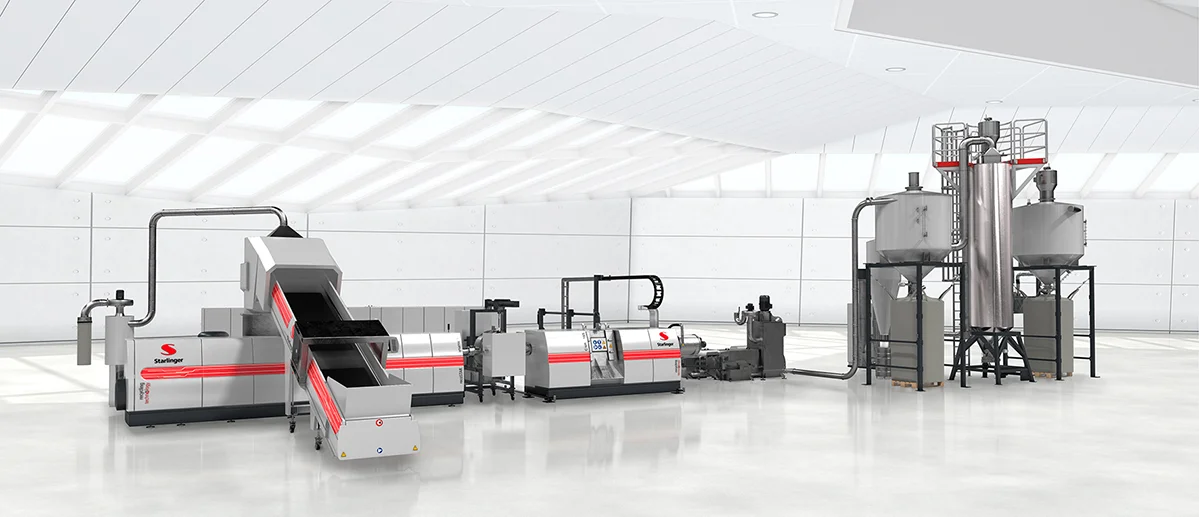
For recycling and reprocessing lines, the integrated system may also supervise size reduction, washing, dewatering, drying, and extrusion. In such lines, centrifugally dewatered flakes may reach low residual moisture levels suitable for downstream drying, while granulators and shredders are selected according to throughput and desired flake geometry. Typical plastic flake produced in recycling systems is often in the roughly 6–12 mm range, though actual dimensions depend on screen size, rotor design, and feedstock condition; high-throughput lines may range from hundreds of kilograms per hour to several tonnes per hour, while rotor speeds vary widely by machine class.
Specific energy consumption is a major engineering metric in integrated systems. The value depends heavily on process type, but integrated control can reduce wasteful idle running, improve motor loading, and lower energy per kilogram processed by coordinating drives, auxiliaries, and thermal equipment more tightly than standalone operation.
Types and Variations
Integrated automation in plastics processing can be classified by plant scope and function.
| Type | Main function | Typical plastics use |
|---|---|---|
| Machine-level integration | Links one processing machine with auxiliaries | Injection molding cell with dryer, robot, and conveyor |
| Cell-level integration | Coordinates several machines and shared auxiliaries | Multi-station extrusion or thermoforming line |
| Plant-level integration | Connects production lines to supervisory software | Centralized management of multiple molding cells |
| Enterprise-level integration | Links production to MES/ERP and analytics | Order tracking, scheduling, traceability, and quality reporting |
Common configurations include:
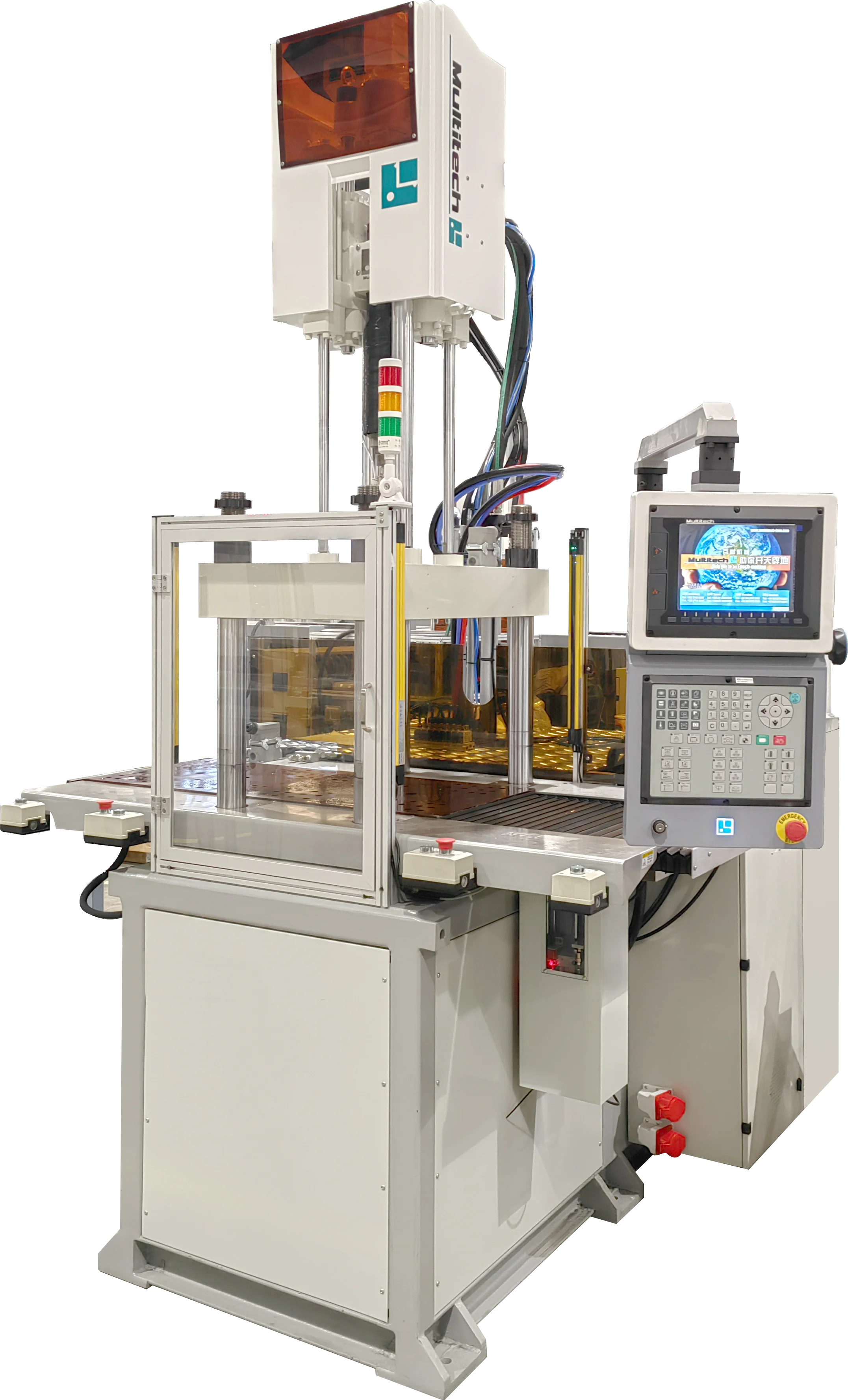
- Injection molding cells with robot take-out, mold temperature control, hot-runner supervision, and vision inspection.
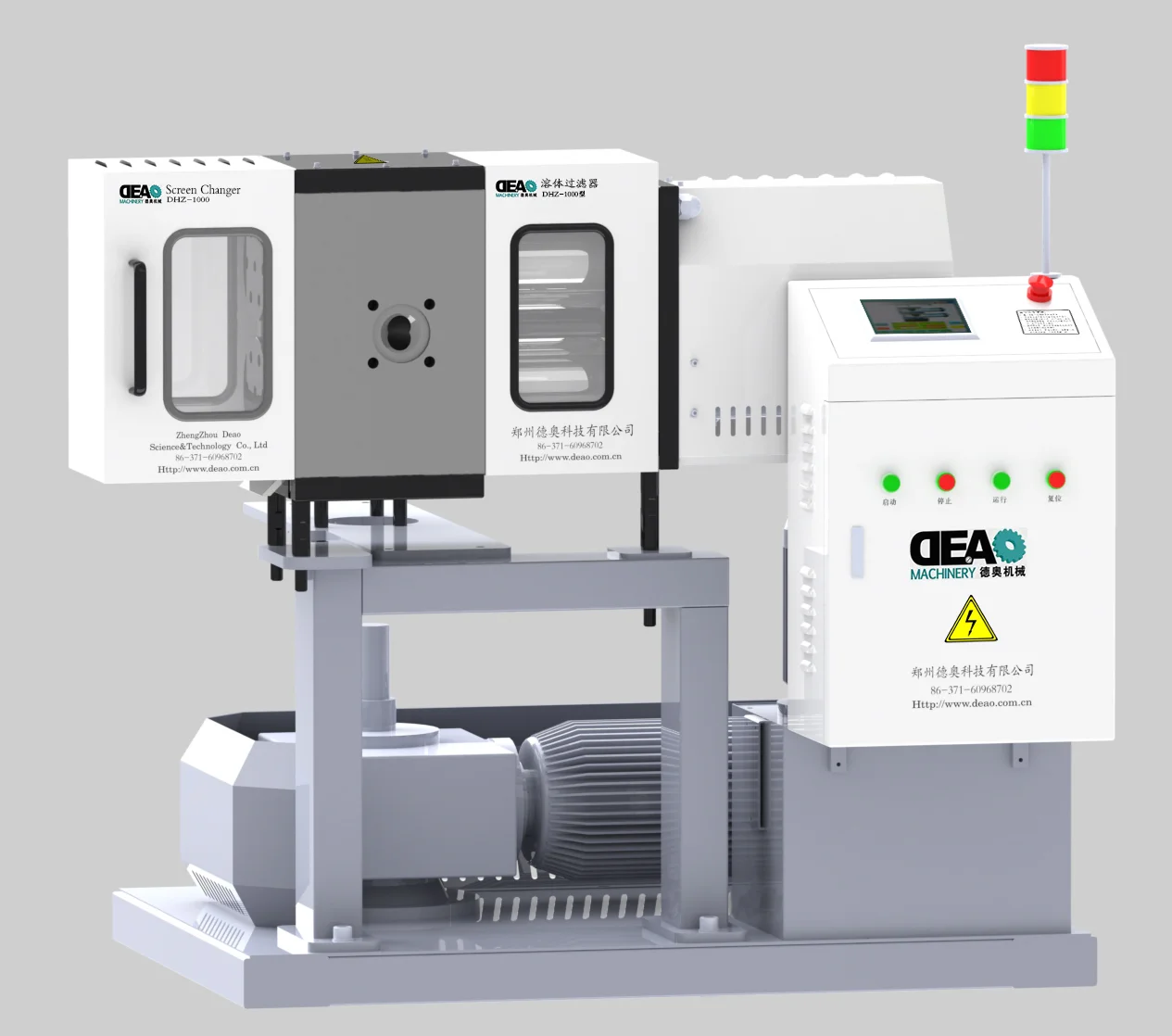
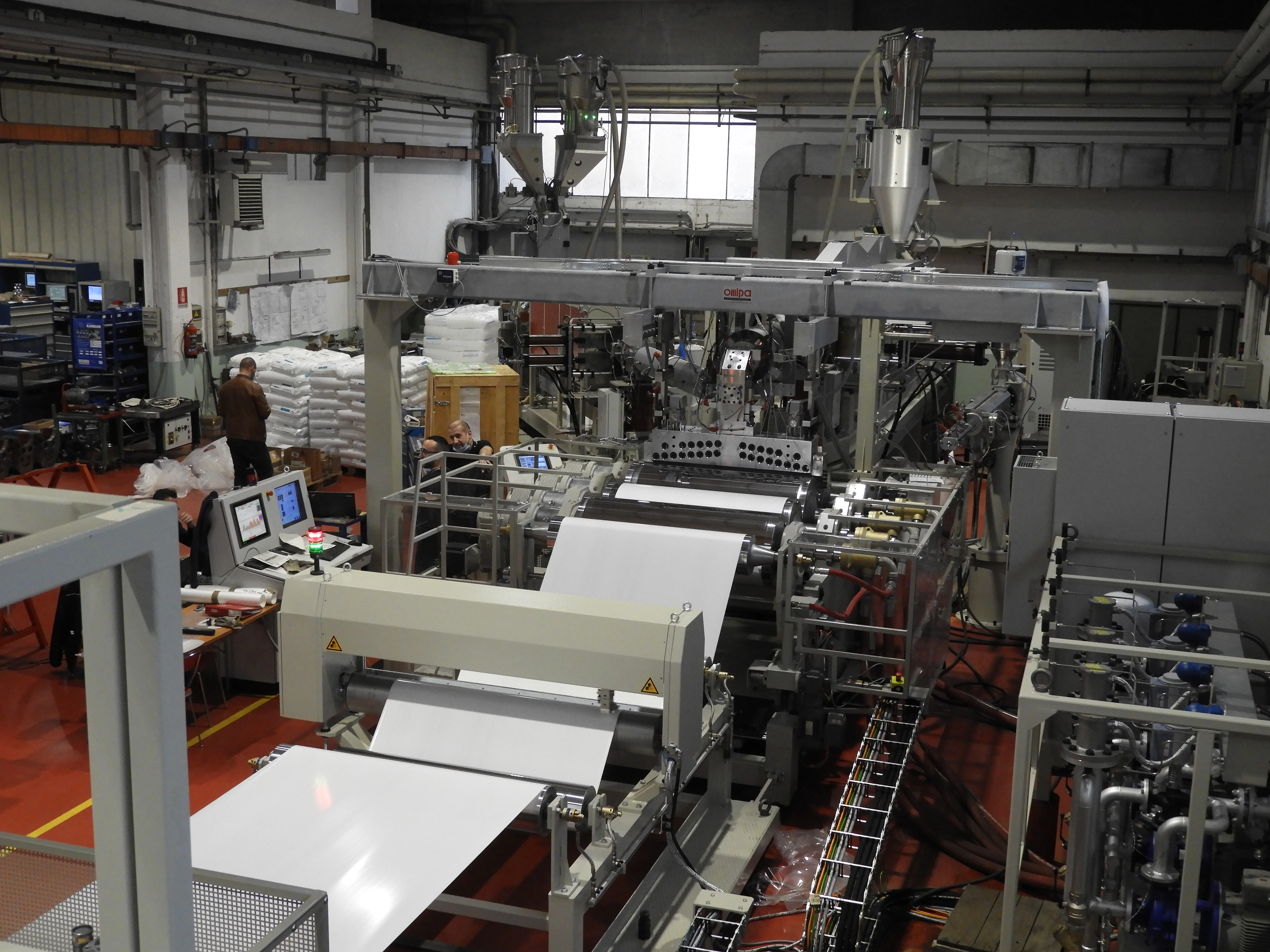
- Extrusion lines with gravimetric dosing, melt-pressure feedback, automatic screen changers, and downstream haul-off synchronization.
- Blow molding systems with coordinated parison control, leak testing, trimming, and packaging.
- Thermoforming lines with sheet feeding, heating-zone control, forming, trimming, stacking, and scrap return.
- Recycling and compounding lines with shredding, washing, flotation, drying, melt filtration, extrusion, pelletizing, and in-line quality monitoring.
A particularly strong use case is the plastics recycling plant, where material variability is high and process coordination is essential for stable output. A poor-fit use case is very small, low-volume workshops that change products infrequently and do not justify the cost or complexity of networked control and data infrastructure.
Applications and Uses
Integrated automation is used across nearly every major plastics sector where repeatability, traceability, and throughput matter.
- Packaging: high-speed injection molding, blow molding, and film lines benefit from synchronized motion control, quality inspection, and OEE tracking.
- Automotive: part traceability, robot handling, and in-process quality checks are common in interior, under-hood, and structural component production.
- Medical and pharmaceutical: controlled environments, serialization, and process validation favor integrated data capture and alarm management.
- Consumer goods and appliances: centralized scheduling and quick recipe changes support high-mix production.
- Construction and infrastructure: extrusion of pipe, profiles, and cable products often uses integrated thermal and dimensional control.
- Recycling: sorting, washing, drying, extrusion, and pelletizing lines depend on coordinated automation to manage feedstock variability.
In plastics plants, integrated automation is especially valuable when product quality depends on tight process windows. For example, injection molding of thin-wall packaging requires stable melt conditions, repeatable clamp motion, and rapid response to deviations. By contrast, a relatively poor-fit application is a low-speed, manual batch process with minimal quality risk, where the automation overhead may outweigh the productivity gain.
Technological Innovations and Automation
Recent development has emphasized Industry 4.0 connectivity, digital twins, smart sensors, and software-driven optimization. Major industrial automation vendors now position integrated systems as a way to connect machines, devices, and enterprise software through consistent engineering environments and standardized data models.
Important innovations include:
- IIoT connectivity for live data capture from drives, motors, sensors, and power systems.
- Predictive maintenance using vibration, current, temperature, and alarm trends.
- Advanced robotics for part handling, packing, inspection, and palletizing.
- Vision systems and machine learning for inline defect detection and sorting.
- Central recipe and parameter management to reduce setup errors and improve repeatability.
- Digital engineering platforms that shorten commissioning and simplify lifecycle support.
In plastics processing, these tools are particularly effective when combined with closed-loop control of material feeding, melt quality, cooling, and take-out. Integrated systems can also reduce operator dependence by automating alarm handling, job changeovers, and quality documentation.
Environmental and Sustainability Aspects
Integrated automation supports sustainability primarily by improving energy efficiency, material utilization, and process stability. When control systems coordinate drives, heaters, pumps, and auxiliaries, they can reduce unnecessary idling, overfeeding, rework, and scrap generation.
Key sustainability benefits include:
- Lower material waste through better dosing accuracy and fewer start-up rejects.
- Improved scrap recovery by feeding regrind back into the process under controlled conditions.
- Reduced energy intensity through load matching and optimized motor control.
- Better process stability for recycled or variable materials.
- Data-backed ESG reporting through energy and production monitoring.
At the same time, integrated automation introduces its own sustainability trade-offs: higher electronics content, more software maintenance, and greater dependence on networking infrastructure. For processors, the environmental benefit is greatest when the system is designed to improve uptime, reduce scrap, and support circular-material flows rather than simply add complexity.
Economic and Global Market Impact
Integrated automation has become a strategic investment for plastics processors competing on cost, quality, and delivery speed. By linking machines and software, manufacturers can raise throughput, reduce operator intervention, and improve utilization of expensive assets such as injection molding machines, extrusion lines, and recycling plants.
Its economic impact is strongest in:
- high-volume packaging,
- automotive and technical parts,
- medical manufacturing,
- multi-shift plants,
- recycling and compounding operations with variable feedstocks.
International plastics exhibitions and industrial product portfolios show that integrated automation is now treated as a core category alongside machinery, tooling, and auxiliaries, not as an optional add-on. Global automation suppliers such as Siemens, Rockwell Automation, Schneider Electric, Honeywell, Mitsubishi Electric, Delta, and Eaton all position integrated control, drive systems, and connected software as central to modern manufacturing platforms.
Current Challenges and Innovations
The main challenges are not mechanical alone but systems-level:
- Interoperability between equipment from different suppliers.
- Cybersecurity as plants become more connected.
- Commissioning complexity when many subsystems must operate as one.
- Skill requirements for operators, maintenance teams, and control engineers.
- Data overload when plants collect information without clear decision workflows.
- Retrofit integration in older plants with legacy controls.
Current innovation is focused on simplifying integration rather than merely expanding it. This includes standardized interfaces, modular control architectures, cloud-assisted diagnostics, and software tools that help engineers design, simulate, and validate complete production systems before installation.
Future Outlook
The future of integrated automation in plastics processing is likely to be shaped by greater autonomy, more flexible data architectures, and tighter coupling with sustainability goals. Systems will increasingly combine local machine intelligence with cloud-based analytics, allowing plants to optimize not only speed and quality but also energy use, scrap rate, and maintenance scheduling.
Likely directions include:
- broader use of AI-assisted process monitoring,
- more digital twin deployment for line design and commissioning,
- stronger integration of recycling streams into primary production,
- more open communication standards,
- higher use of autonomous quality inspection and self-correcting control loops.
For plastics processors, the strategic value of integrated automation will continue to lie in its ability to unify process control, material flow, and information flow into one coherent production system.
Summary
Integrated automation is a plant-wide control concept that links plastics machinery, auxiliaries, software, and enterprise systems into a coordinated production environment. In plastics processing, it improves productivity, quality, traceability, and sustainability while supporting the transition toward connected, data-driven, and more circular manufacturing.
References
- •
About - Integrated Automation, Inc. (2026, June 25).Link
- •
Services. (2026, September 4).Link
- •
Integrated Automation (IA). (n.d.).Link
- •
Integrated Automation, Inc. - Talents by Vaia. (n.d.).Link
- •
Integrated Automation Solutions Manufacturer. (2026, July 16).Link
- •
Automation Technology NZ - Motion Control Auckland. (2025, December 12).Link
- •
Industrial Automation: Types. (2026, March 13).Link
- •
Integrated Automation, Inc. | Fuji Electric Corp. of America. (2016, June 29).Link
- •
Industrial Automation Software | Autodesk. (2026, May 13).Link
- •
Totally Integrated Automation (TIA) - Siemens. (n.d.).Link
- •
Productivity | Rockwell Automation | US. (2024, October 18).Link
- •
RD3000综合自动化系统-珠海瑞捷电气股份有限公司. (n.d.).Link
- •
变电站常见的二次设备都有哪些,主要功能是什么_控制_进行_电流. (n.d.).Link
- •
[PDF] product news 2/2020 - Digital Asset Management - Siemens. (n.d.).Link
- •
Hệ thống tự động hóa công nghiệp SIMATIC - Siemens. (n.d.).Link
- •
电厂ct设备,变电站二次设备有哪些_CT资讯_HUAZHONGXING. (n.d.).Link
- •
变电站综合自动化系统|. (n.d.).Link
- •
水电站综合自动化监控系统、控制系统、装置、二次设备元件价格. (n.d.).Link
- •
Industrial Automation | Honeywell. (n.d.).Link
- •
【自动化】车间自动化十大必备装置!. (2024, March 10).Link
- •
深圳市中电电力技术股份有限公司. (2026, September 9).Link
- •
110kV变电站工程验收工作用到的调试仪器_测试. (2021, March 30).Link
- •
公司介绍_天津梅江会展中心. (n.d.).Link
- •
Products - Industrial Automation - Delta Electronics. (2026, June 2).Link
- •
内蒙古能源化德、磴口县、巴林左旗储能项目35kV及以下设备(含预制舱)采购招标公告-毕节今日招标-毕节招标采购信息服务平台. (2025, August 11).Link
- •
技术文章-深圳市中电电力技术股份有限公司. (2026, September 14).Link
- •
TB 10009-2016.pdf - 智慧安全大数据. (2021, May 5).Link
- •
Factory Automation Systems. (2024, December 19).Link
- •
变电站综合自动化系统解决方案-钛能科技_水利和农业. (2024, January 1).Link
- •
邀请函. (2025, April 10).Link
- •
Automation Solutions for Industry | Schneider Electric India. (2025, June 24).Link
- •
Industrial controls | Drives | Automation and sensors | Eaton. (n.d.).Link
- •
首页- 中国国际塑料橡胶工业展览会. (2026, June 28).Link