
Introduction
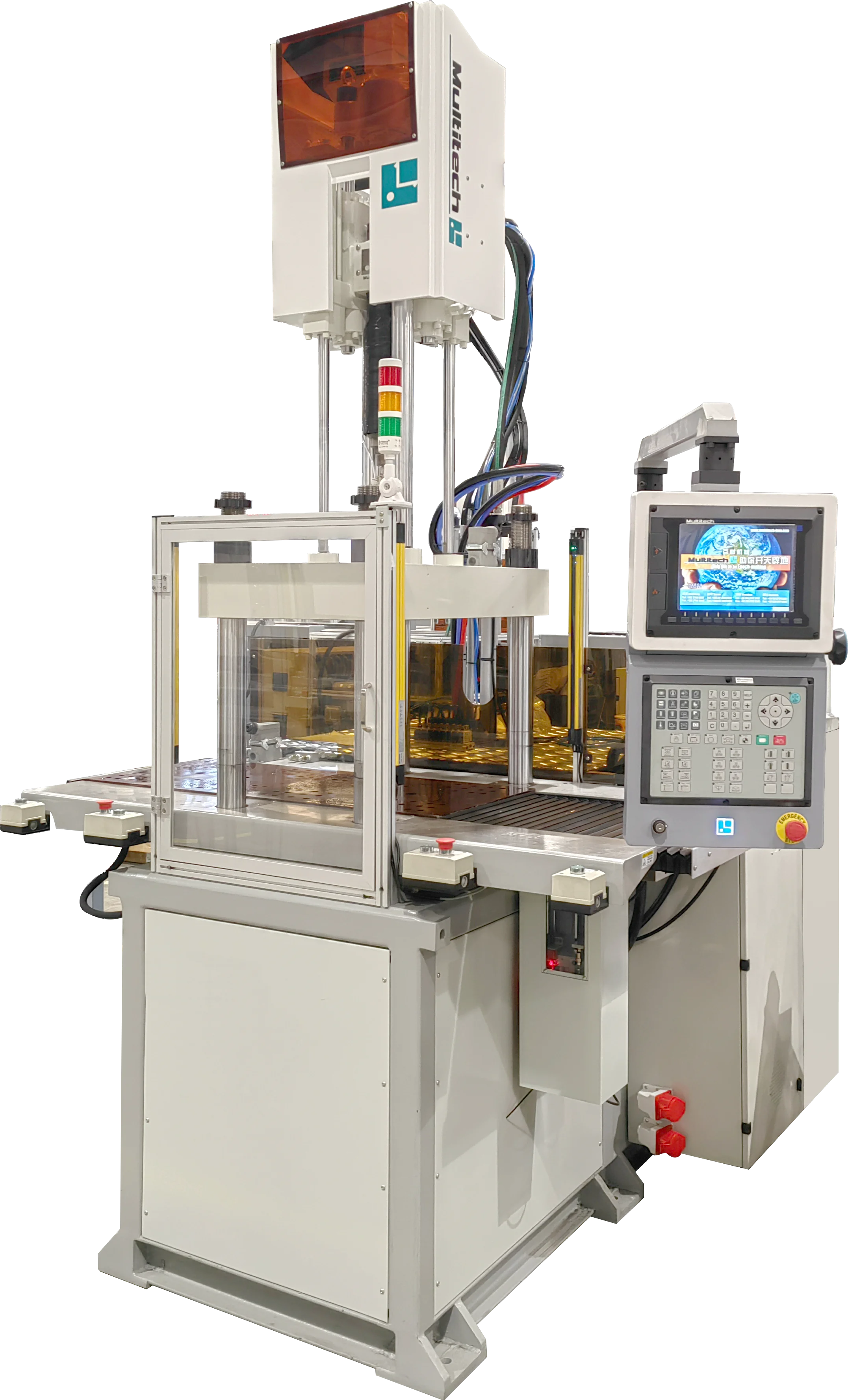
Injection molding machines for thermosets are specialized molding systems designed to process thermosetting compounds into permanently cured parts under heat and pressure. Unlike thermoplastic machines, these systems are built to manage a material that flows briefly during plasticization but then undergoes irreversible cross-linking in the mold, making precise temperature control, wear-resistant plasticizing components, and robust venting essential.
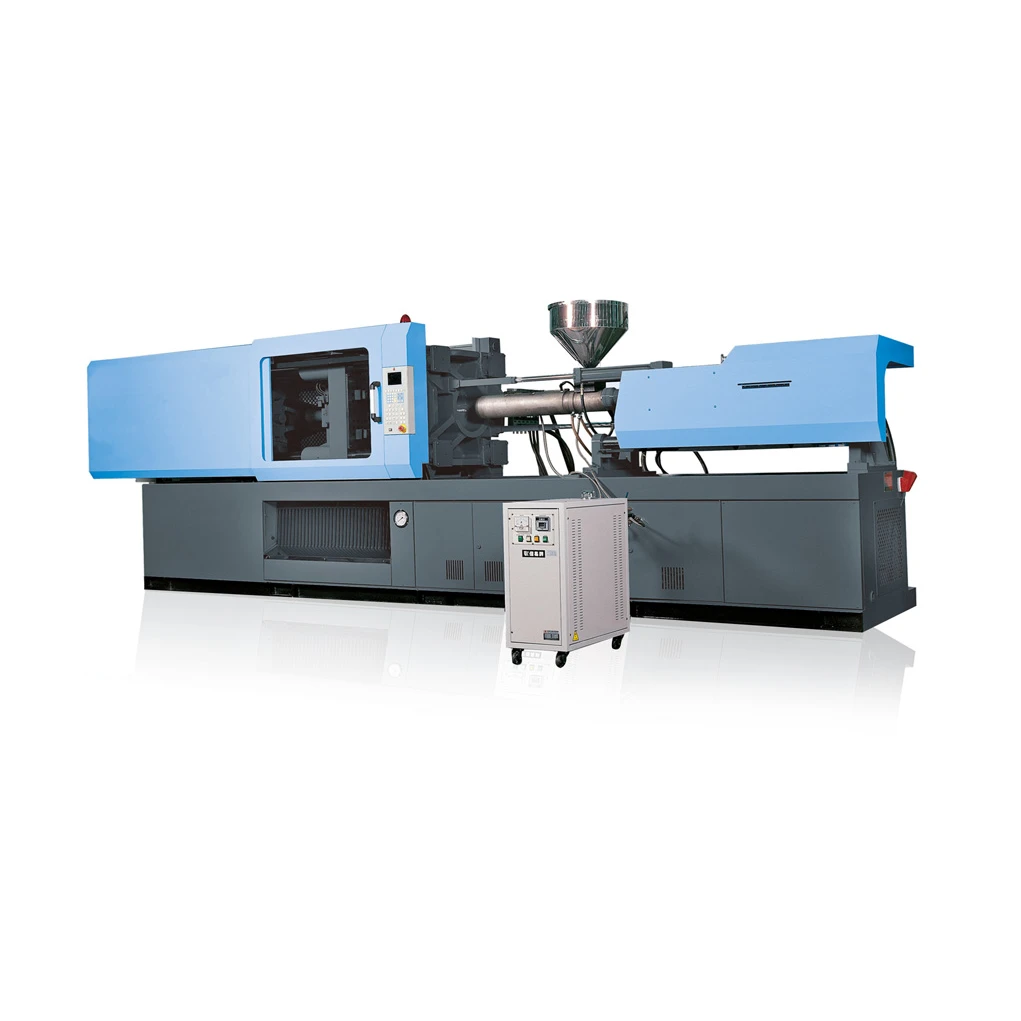
In industrial practice, thermoset injection molding is used for phenolics, epoxy compounds, melamine, urea-formaldehyde, bulk molding compound (BMC), and related reinforced formulations, with machine architectures ranging from hydraulic horizontal presses to vertical and electro-mechanical configurations. The technology is valued for short cycle times, dimensional stability, heat resistance, and electrical insulation performance, while its process window is narrower than that of thermoplastics because premature curing in the barrel or runner system can cause scrap and downtime. Recent development has focused on reproducible dosing, improved venting, injection-compression capability, and automation for demolding and flash removal, alongside efforts to reduce energy use and material waste.
History and Development
Thermoset molding predates modern injection molding, with early production relying heavily on compression molding and transfer molding for phenolic and other heat-reactive compounds. As screw injection machinery matured, processors increasingly adapted general-purpose injection platforms by changing the screw, barrel, and nozzle to thermoset-specific designs.
Several practical milestones shaped the present machine class:
- Conversion of thermoplastic injection platforms into thermoset-capable machines became common once manufacturers proved that standard horizontal clamp machines could be fitted with thermoset plasticizing units.
- Specialized screw and barrel packages were introduced to reduce residence time, limit shear heating, and resist abrasion and corrosive fillers present in compounds such as BMC and reinforced phenolics.
- Injection-compression and venting functions were integrated into thermoset machine controls to improve cavity filling, reduce flash, and stabilize molded electrical and structural parts.
Current industrial systems reflect this evolution: they combine the rapid cycle of screw injection with heated molds that complete the curing reaction, allowing production speeds that are generally faster than conventional presses for comparable geometries.
Technical Overview
Thermoset injection molding machines operate on a sequence that differs fundamentally from thermoplastic molding. The compound is plasticized at controlled barrel temperatures, injected into a heated mold, and then cured by cross-linking until the part can be ejected in a permanently set state.
Working principle
A typical cycle includes:
- Feeding and plasticization of granular or preform thermoset material in the hopper and barrel.
- Metering under low-to-moderate back pressure to stabilize shot weight and flow consistency.
- High-pressure injection into a mold maintained at curing temperature.
- Chemical curing in the cavity, during which the material becomes irreversibly cross-linked.
- Ejection while still hot, often assisted by robots for complex or delicate parts.

Typical machine and process parameters
Commonly reported operating ranges include:
- Barrel temperature profile: about 65–90 °C in the feed section and 90–110 °C near the nozzle for many thermoset compounds.
- Melt or mass temperature at the nozzle: roughly 110–120 °C in continuous processing.
- Mold temperature: commonly 150–190 °C, with some guides citing up to about 204 °C depending on formulation.
- Injection pressure: often around 900–2,200 bar, with some industrial systems reaching approximately 2,430–2,470 bar.
- Back pressure: about 40–100 bar to reduce feed fluctuations.
- Screw design: low-compression screws, commonly around 1:1.2 compression ratio, with L/D ratios of about 15–19.
- Machine capacity examples: industrial thermoset platforms have been documented with clamping forces from small vertical presses to systems around 5,500 kN and dosage volumes near 792 cm³.
Process control considerations
Thermoset machines require unusually tight control of:
- Residence time, because curing in the barrel can block the screw and nozzle.
- Venting, because volatile by-products and trapped air can cause burns, short shots, or voids.
- Material temperature stability, since the compound must stay moldable long enough to fill the cavity but not begin premature cross-linking.
- Mold temperature uniformity, because curing rate directly affects part quality, cycle time, and demolding behavior.
Quantitative handling notes for recycled thermoset compounds
Thermoset injection systems processing BMC or similar compounds frequently rely on fiber granular feedstock rather than homogeneous pellets. In practice, granules are often pre-compacted to improve feed consistency, and downstream de-flashing or trimming is commonly needed because thermoset parts may exhibit flash at parting lines. Unlike thermoplastic regrind, cured thermoset scrap is not remeltable, so process stability is especially important for waste reduction.
Types and Variations
Thermoset injection molding machines are available in several major configurations:
| Type | Characteristics | Typical use |
|---|---|---|
| Horizontal hydraulic machines | High clamp force, robust thermoset plasticizing units, widely used for BMC and phenolic parts | Electrical, automotive, appliance components |
| Vertical thermoset machines | Small footprint, gravity-assisted insert loading, useful for precise insert molding | Electrical inserts, compact technical parts |
| Electro-mechanical thermoset machines | Fast positioning, energy-efficient drives, stable repeatability in certain shot-size ranges | Precision applications and high-cycle production |
| Injection-compression systems | Material is injected into a partially open mold and compressed during filling, reducing stress and flash | Large-area electrical and structural parts |
| Dedicated BMC machines | Designed for abrasive, fiber-filled bulk molding compound with enhanced wear protection | Switchgear, housings, insulation parts |
A practical distinction is whether the machine is purpose-built for thermosets or converted from a thermoplastic base platform with a thermoset unit. Conversion is technically feasible, but dedicated systems usually offer better wear resistance, thermal isolation, and process stability for high-volume production.
Applications and Uses
Thermoset injection molding machines are used wherever parts must combine heat resistance, electrical insulation, dimensional stability, and chemical resistance.
Major application areas include:
- Electrical and electronics: circuit breakers, sockets, switches, connectors, insulators, relay bodies, coil formers, and switchgear components.
- Automotive: engine-adjacent components, electrical housings, couplings, sensor bodies, reflectors, and functional composite parts.
- Appliances and consumer goods: handles, knobs, appliance housings, cookware-related parts, and heat-resistant structural inserts.
- Industrial and heavy equipment: corrosion-resistant housings, high-durability brackets, insulation components, and exterior guards.
- Aerospace and transportation: lightweight, heat-stable interior and electrical components where fire performance and stability matter.
- Medical and laboratory equipment: selected housings and technical parts where thermal stability and dimensional consistency are important.
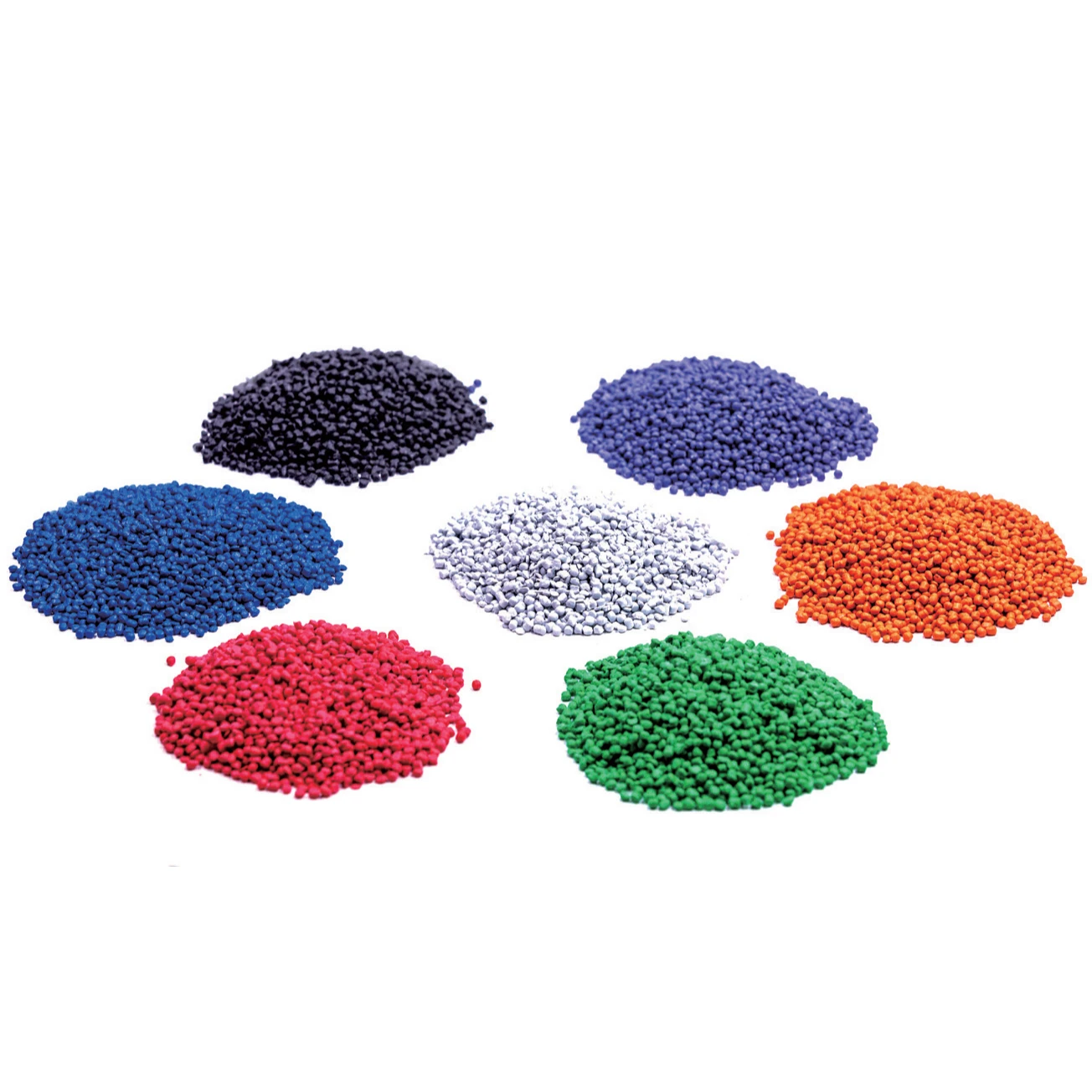
A poor-fit use is highly visible, cosmetic, large-area consumer parts that require easy remelting, frequent color changes, or extensive post-consumer recycling, because thermoset scrap cannot be remelted and the curing process narrows the processing window.
Material and Process Compatibility
Thermoset machines are tuned for compounds with very different rheology from common thermoplastics. Frequently processed materials include:
- Phenolic resins
- Epoxy systems
- Melamine-formaldehyde
- Urea-formaldehyde
- BMC and SMC-related compounds
- Thermoset elastomer and rubber-like formulations in specialized applications
Compatibility depends on:
- Viscosity range, which can vary widely across compounds.
- Fillers and reinforcements, especially glass fiber or mineral-filled grades that increase wear.
- Cure kinetics, which determine mold temperature, cycle time, and safe residence time.
- Venting and gate design, since thermosets often demand better air evacuation than thermoplastics.
Technological Innovations and Automation
Recent development in thermoset injection machinery has centered on process reproducibility and automation. Examples include:
- Mechanical back-twist lock plasticizing systems for constant shot weight and repeatability.
- Enhanced controller functions for venting and injection-compression molding.
- Wear-resistant cylinder modules and special screws to extend service life under abrasive, fiber-filled compounds.
- Robotic part removal to handle hot, cured parts and minimize handling damage.
- Integrated insert loading and demolding systems for vertical and precision applications.
Automation is especially valuable because the process is unforgiving: small deviations in temperature, pressure, or curing time can create flash, short shots, voids, or incomplete cure.
Environmental and Sustainability Aspects
Thermoset injection molding has both advantages and constraints from a sustainability perspective.
Positive aspects
- High durability can extend product life, reducing replacement frequency in demanding applications.
- Light weighting can reduce material use versus metal in selected parts.
- Efficient cycle times can outperform compression molding in many production settings.
Constraints
- No remelting after cure, which limits mechanical recycling options for production scrap and end-of-life parts.
- Flash and runner waste can be significant if tooling and process control are not optimized.
- Energy demand for heated molds can be substantial, especially in high-cavitation or long-cure applications.
Sustainability trends
Current sustainability work focuses on:
- Reducing scrap through better process control
- Improving cavity venting and shot reproducibility
- Using higher-efficiency drive systems
- Optimizing mold design to shorten cure time without impairing properties
Economic and Global Market Impact
Thermoset injection machines occupy a specialized but important segment of the global plastics machinery market. Demand is concentrated in industries that value electrical performance, thermal endurance, and dimensional stability, particularly automotive electrical systems, appliances, industrial equipment, and electronics.
The machine market is shaped by several structural factors:
- Niche but stable demand for technical parts that thermoplastics cannot easily replace.
- Regional production clusters serving electrical, appliance, and automotive supply chains.
- Equipment replacement and retrofit demand, since many thermoplastic platforms can be adapted for thermosets with appropriate hardware.
- High value of uptime and reproducibility, because scrap in thermoset production is less recoverable than in thermoplastic operations.
Suppliers with established thermoset offerings include firms known for purpose-built packages, vertical solutions, or process-specific machine controls.
Current Challenges and Innovations
The main technical challenges are well established:
- Premature curing in the barrel or nozzle
- Wear from glass-filled and mineral-filled compounds
- Flash control, especially in thin-wall or high-precision parts.
- Balancing flow and cure rate, which is critical for tight dimensional tolerances.
Active innovation is focused on:
- More stable thermal zoning
- Improved screw geometries for low-shear plasticization
- Better cavity pressure monitoring
- Automation of demolding, trimming, and part handling
- Injection-compression strategies for large, low-stress parts
Future Outlook
Thermoset injection molding machines are likely to remain important where performance outweighs remeltability. Growth prospects are strongest in electrification, high-voltage components, appliance safety parts, and selected structural composites, all of which favor thermosets for heat resistance and stability.
Future machine development is expected to emphasize:
- Higher reproducibility at lower scrap rates
- More efficient thermal management
- Greater integration with robotics and closed-loop monitoring
- Better adaptation to fiber-reinforced and low-emission compounds
- Hybrid machine platforms that can handle both thermoset and thermoplastic workflows in limited production contexts
As sustainability regulation and material circularity expectations intensify, the most competitive thermoset machines will be those that reduce waste at the source, improve energy efficiency, and maintain tight control over curing and part quality without sacrificing throughput.
Summary
Injection molding machines for thermosets are specialized systems engineered for compounds that cross-link permanently during curing rather than melting and solidifying reversibly. Their key strengths are heat resistance, dimensional stability, and electrical performance, while their principal limitations are a narrow process window and limited recyclability of cured scrap.
References
- •
Thermosetting Injection Molding Machine. (n.d.). https://www.sodick.co.jp/en/product/injection/catalog/pdf/ThermosettingLineup_en.pdfLink
- •
Thermoset injection molding: Process, benefits & .... (2025, February 14). https://www.huarong.com.tw/page/news/en/company_news/detail/126/Link
- •
Thermoset injection molding | ARBURG solutions. (n.d.). https://www.arburg.com/en/us/solutions/by-technology/thermoset-injection-moulding/Link
- •
Equipment list for thermoset and thermoplastic molding. (n.d.). https://woodlandplastics.com/equipment-list/Link
- •
Thermoset production and processing. (2025, March 18). https://bat-duro.com/en/thermoset-production-processing/Link
- •
Injection molding of thermosets. (n.d.). https://link.springer.com/chapter/10.1007/978-1-4615-7604-4_8Link
- •
Processing of thermoset materials. (n.d.). https://www.dr-boy.de/images/downloads-en/Mic/Thermoset.pdfLink
- •
Plastics Eng - Injection Moulding-Thermosets | PDF. (2025, November 16). https://www.scribd.com/document/534040748/Plastics-Eng-Injection-Moulding-ThermosetsLink
- •
Bakelite thermoset injection molding machine India thermo plastic .... (2018, September 25). https://www.dmeindia.net/thermoset-injection-moulding-machine/Link
- •
Thermoset injection molding machines - Molding application. (2021, July 7). https://www.negribossi.com/en-us/technologies/thermoset-injection-molding/Link
- •
CHINA custom BMC vertical thermoset injection molding machine supplier-HONLED. (2025, November 14). https://www.hydsjmachinery.com/BMC-Vertical-thermosetting-injection-molding-machine.htmlLink
- •
Inj moulding of thermoset materials | PDF. (2025, September 9). https://www.scribd.com/document/352869665/inj-Moulding-of-Thermoset-MaterialsLink
- •
Thermoset injection and transfer molding. (n.d.). https://www.ict.fraunhofer.de/content/dam/ict/en/documents/media/pe/sf/250039_Thermoset-injection-and-transfer-molding.pdfLink
- •
Thermoset injection moulding machine. (2025, December 26). https://www.shibauramachine.co.in/thermoset-injection-moulding-machine/Link
- •
Elastomer/rubber and thermoset injection molding - ENGEL. (2022, August 22). https://www.engelglobal.com/en/us/products/injection-molding-processes/elastomer-thermoset-injection-moldingLink
- •
Applications and examples of thermoset molding. (2025, January 12). https://www.mcmusa.net/applications-and-examples-of-thermoset-molding/Link
- •
DuroSet technology | KraussMaffei Group. (n.d.). https://www.kraussmaffei.com/en/our-processes/duroset-technologyLink
- •
BMC injection molding machines – HMC series. (2024, October 11). https://www.huarong.com.tw/page/product/en/injection-molding-machine/special-injection/detail/bmc-molding/Link
- •
A guide to thermoset plastic injection molding. (2025, April 22). https://www.southwestplastics.com/articles/guide-to-thermoset-plastic-injection-moldingLink
- •
Mesin cetak injeksi thermosetting (Seri HN-U). (2024, October 18). https://id.fcs.com.tw/products_i_thermoset-injection-molding-machineLink
- •
Thermoset injection moulding guide. (2022, March 1). https://get-it-made.co.uk/resources/thermoset-injection-moulding-guideLink
- •
Thermoset injection molding process: A comprehensive guide. (2025, March 16). https://www.mold7.com/thermoset-injection-molding-process-guideLink
- •
Injection moulding. (2003, September 23). https://en.wikipedia.org/wiki/Injection_mouldingLink
- •
Thermoset Bakelite injection molding machine manufacturers | Indian Trade Bird in Pune. (2025, March 31). https://www.indiantradebird.com/pune/thermoset-bakelite-injection-molding-machine/ITB-AA76DF12Link
- •
Brief introduction to injection molding of thermosetting .... (2022, October 7). http://www.gudmould.com/news/883.htmlLink
- •
Thermoset injection molding services. (n.d.). https://www.mcmusa.net/capabilities/thermoset-injection-molding-services/Link
- •
Thermoset injection molding machines | Meadoworks. (2026, January 1). https://www.meadoworks.com/equipment/injection-molding-machinery/type/thermosetLink
- •
Thermoset injection molding machine market size 2025- .... (2025, September 12). https://www.360iresearch.com/library/intelligence/thermoset-injection-molding-machineLink
- •
Used injection molders - thermoset type. (n.d.). https://machinerycenter.com/types/23799-injection-molders-thermoset-typeLink
- •
Vertical thermoset injection moulding machine. (2016, August 3). https://www.indiamart.com/proddetail/vertical-thermoset-injection-moulding-machine-20572578697.htmlLink
- •
Thermoset injection moulding machine in Pune. (n.d.). https://www.alvincorp.com/thermoset-injection-moulding-machines.phpLink
- •
Thermoset injection moulding | ARBURG solutions. (n.d.). https://www.arburg.com/en/gb/solutions/by-technology/thermoset-injection-moulding/Link
- •
Pros and cons of thermoset injection molding. (2016, September 8). https://blog.mar-bal.com/blog/pros-and-cons-of-thermoset-injection-moldingLink
- •
Thermoset molding processes: Injection vs. compression. (2020, June 15). https://woodlandplastics.com/thermoset-molding-processes-injection-vs-compression/Link
- •
17. Thermoset injection molding. (2025, May 3). https://www.scribd.com/presentation/720835620/17-THERMOSET-INJECTION-MOLDINGLink
- •
Thermoset vs. thermoplastic injection molding. (2017, October 26). https://www.micronsolutions.com/blog/thermoset-vs-thermoplasticLink
- •
Custom molding with thermoset plastics at work: Heavy .... (2025, December 2). https://www.osborneindustries.com/news/custom-molding-with-thermoset-plastics-at-work-heavy-machinery-industry-edition/Link
- •
Thermoset molding. (2025, September 8). https://woodlandplastics.com/thermoset-injection-molding/Link