
Introduction
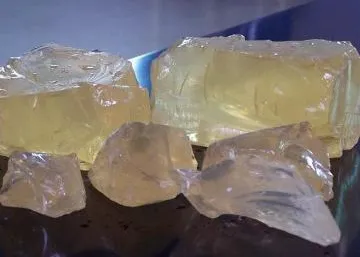
Phenol-formaldehyde resins (PF resins), also called phenolic resins or phenoplasts, are thermosetting polymers produced by the condensation of phenol and formaldehyde. They were the first fully synthetic polymers to reach industrial commercialization, with Bakelite becoming an early landmark material in the 20th century, and they remain important today in wood adhesives, molded parts, coatings, friction materials, foundry binders, insulation, and high-performance composites.
PF resins are valued for heat resistance, flame retardance, electrical insulation, chemical durability, and strong adhesion to lignocellulosic substrates such as wood. Their industrial chemistry is typically divided into resoles and novolacs, which differ in catalyst system, formaldehyde-to-phenol ratio, and curing behavior. At the same time, the family faces persistent sustainability pressure because conventional production relies largely on petrochemical phenol and formaldehyde, both of which are linked to fossil carbon use and, in the case of formaldehyde, regulatory and occupational exposure concerns.
Recent research has therefore focused on bio-based phenol substitutes, bio-derived aldehydes, lignin, tannins, cardanol, and other renewable feedstocks, while industrial innovation is also targeting lower-emission curing, reduced free-formaldehyde content, and higher-performance formulations for demanding applications.
History and Development
PF resins are historically significant because they marked the transition from natural or semi-synthetic materials to fully synthetic thermosets in mass production. Their development was closely tied to early electrical and mechanical applications, where a rigid, heat-resistant, and electrically insulating plastic was needed for parts such as housings, switches, and molded components.
Over time, the dominant commercial center of gravity shifted from consumer molded goods to industrial uses, especially wood adhesives for plywood, particleboard, oriented strand board, and structural lumber products. This transition reflected PF chemistry’s exceptional resistance to moisture and heat, which is difficult to match with many alternative adhesives in exterior-grade wood products.
Chemical Structure and Key Properties
PF resins are made by step-growth polycondensation between phenol and formaldehyde, creating a crosslinked three-dimensional network upon curing. Under basic conditions, the product is usually a resole, which contains methylol groups and can self-cure when heated; under acidic conditions, the product is usually a novolac, which is thermoplastic until a formaldehyde donor or curing agent is added.
Key properties
- High thermal stability: cured PF networks retain useful strength at temperatures where many thermoplastics soften or creep.
- Flame resistance: aromatic, highly crosslinked structures char rather than drip, improving fire performance.
- Electrical insulation: PF resins have long been used in insulating parts and laminates.
- Chemical resistance: cured networks resist many solvents, acids, and water better than many alternative binder systems.
- Strong wood bonding: PF resins bond effectively to wood because the resin can interact chemically with lignin-rich surfaces.
Important limitations
- Poor reprocessability → cured PF is a thermoset, so crosslinks prevent remelting or reshaping → workaround: design for machining, use molding before cure, or select recyclable thermoplastic systems where reuse is essential.
- Brittleness → high crosslink density improves heat and chemical resistance but reduces ductility → workaround: use reinforcement, blending, fillers, or formulation modifiers in composite and adhesive systems.
- Formaldehyde-related emission and handling concerns → unreacted formaldehyde and curing byproducts require control → workaround: optimize stoichiometry, cure schedule, scavengers, and low-emission resin formulations.
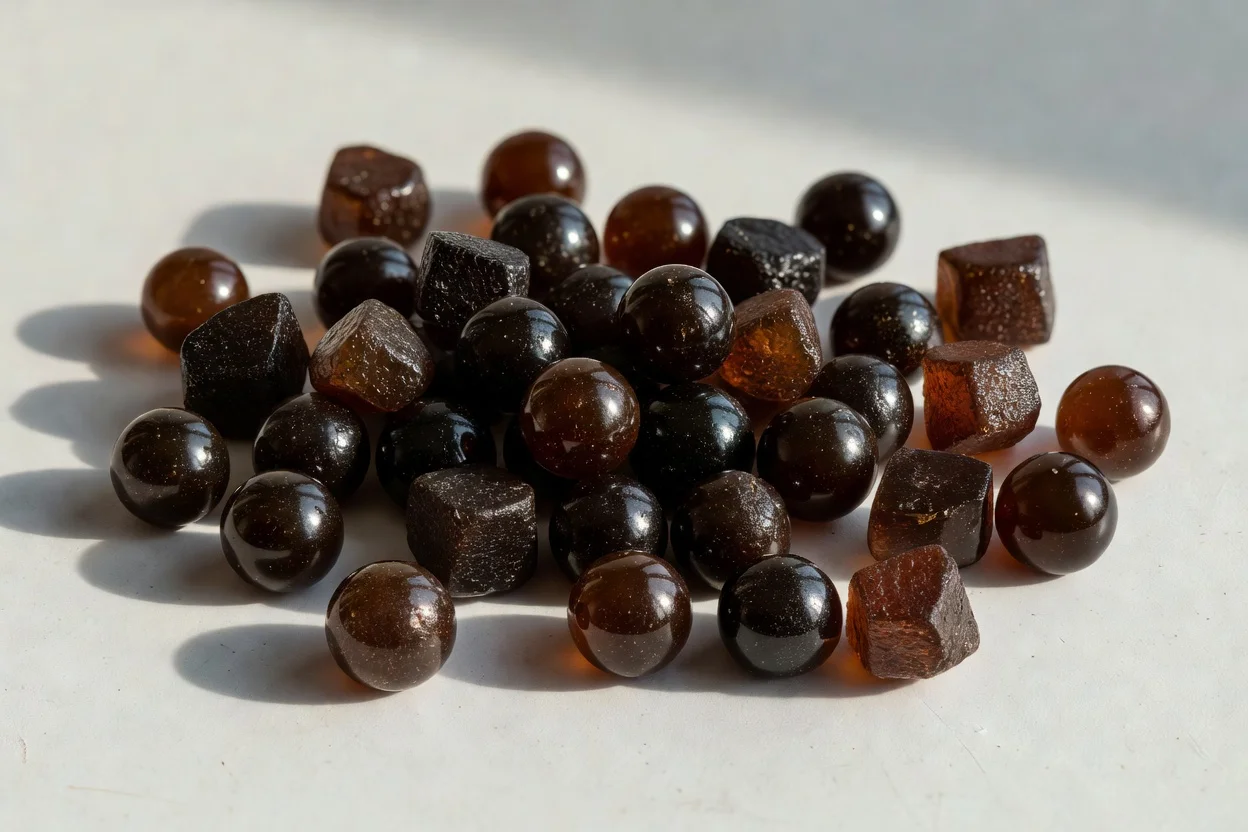
- Not ideal for clear or light-colored consumer goods → PF resins are usually amber to dark brown and opaque → workaround: use in structural, industrial, or dark-colored applications rather than transparent aesthetics-driven products.
Common formulation logic
- Resole PF: phenol-rich or formaldehyde-rich under alkaline catalysis; self-curing at elevated temperature, widely used in wood adhesives and molding compounds.
- Novolac PF: phenol excess under acidic catalysis; requires curing agents such as hexamethylenetetramine or related formaldehyde donors.
Typical performance-related formulation examples
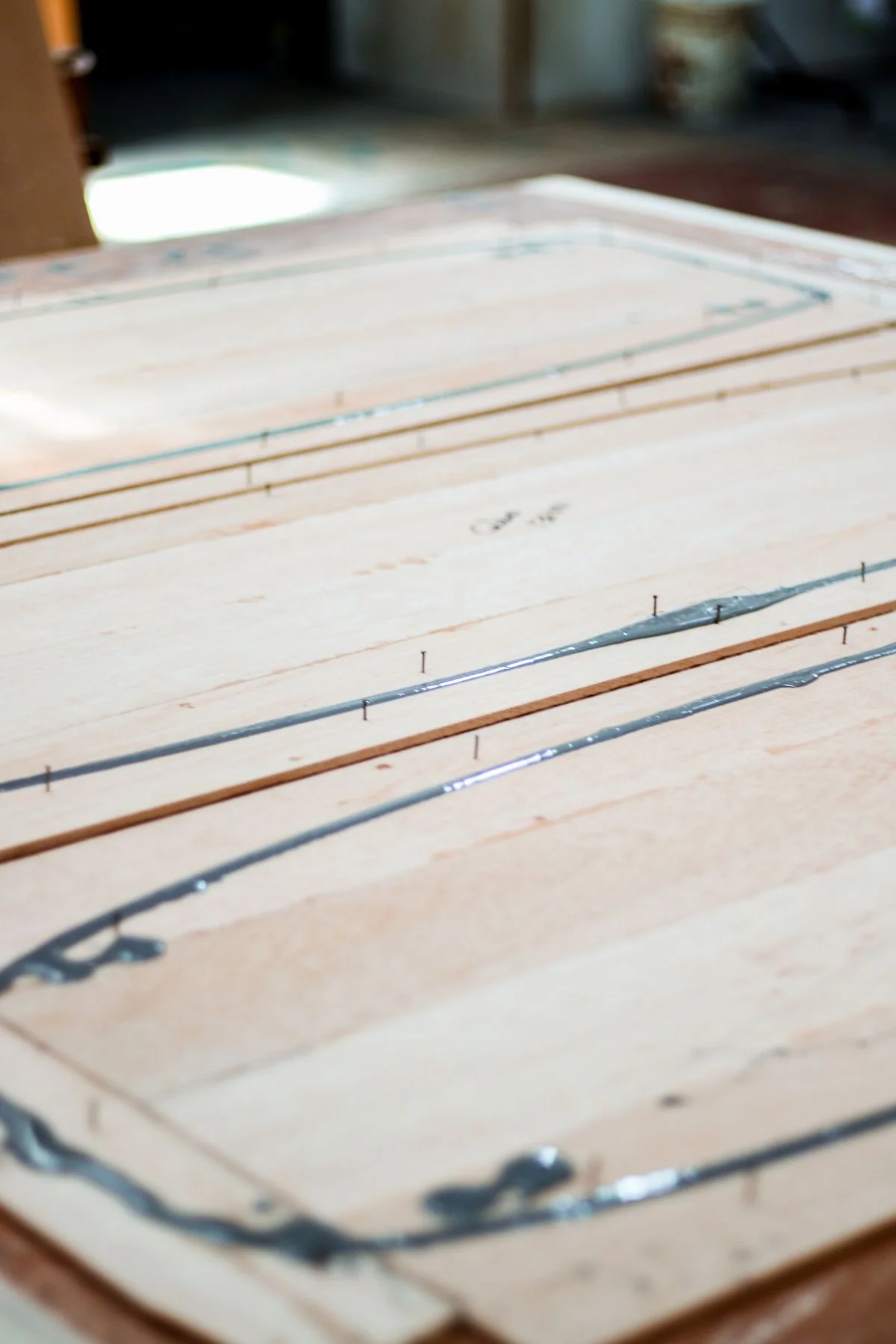
- Wood adhesives often use PF as a structural binder at relatively low resin solids, where cure chemistry forms methylene bridges that create water-resistant bonds in plywood and OSB.
- In rubber and friction applications, phenolic resins may serve as crosslinking or reinforcement aids, improving adhesion and heat resistance in systems such as tires, brake linings, and clutch facings.
Production Processes and Raw Feedstocks
Industrial PF production begins with phenol and formaldehyde, both traditionally derived from petrochemical routes. The reaction is normally carried out under either acidic or alkaline catalysis, with temperature, pH, and molar ratio controlling the resin structure and final curing behavior.
Main process stages
- Feed phenol and formaldehyde into a reactor under controlled temperature and catalyst conditions.
- Drive methylolation and condensation to form oligomeric resin species.
- Adjust the resin to target viscosity, solids content, and reactivity for downstream use.
- Cure the resin during end use by heat, pressure, or catalyst-triggered crosslinking.
Raw feedstocks and emerging alternatives
- Conventional phenol is usually fossil-derived.
- Conventional formaldehyde is usually produced from methanol oxidation and supplied as aqueous formalin.
- Bio-based phenol substitutes include lignin, tannin, cardanol, and bark-derived phenolics.
- Bio-based or alternative aldehyde chemistry has been studied to reduce reliance on formaldehyde, though commercial substitution remains limited in many applications.
Process variants and modifiers
- Cure accelerators can significantly increase condensation rates in PF systems.
- Nanofillers and reinforcement additives are being investigated to improve mechanical, thermal, or barrier performance.
- Resin formulations may be delivered as aqueous solutions, powders, or other application-specific forms.
Applications and End-Use Markets
PF resins serve a broad industrial portfolio, but their most important role remains as structural adhesives and binders.
| End use | Usual PF type / form | Why PF is used |
|---|---|---|
| Plywood, particleboard, OSB, LVL | Resole, aqueous adhesive | Water resistance, exterior durability, lignin-compatible bonding |
| Laminates and industrial boards | Resole or modified phenolic systems | Heat resistance, dimensional stability |
| Molding compounds and electrical parts | Novolac or reinforced phenolic molding compounds | Rigidity, electrical insulation, flame resistance |
| Brake linings, clutch facings, friction parts | Reinforced phenolic binder | Heat tolerance, wear control, friction stability |
| Foundry binders | Phenolic binders and cured systems | Green strength and dimensional stability in molds |
| Coatings for metal packaging and industrial equipment | Phenolic coatings | Chemical resistance and barrier performance |
| Insulation foams and panels | Phenolic foam systems | Low smoke, fire performance, thermal insulation |
| Rubber compounding and tackification | Phenolic crosslinkers or tackifiers | Adhesion reinforcement and heat durability |
Major sectors
- Wood products: PF is the standard high-performance adhesive family for exterior-grade structural panels because it offers moisture resistance and durable bonding.
- Transportation: phenolic binders are used in friction materials and some molded components that must withstand heat and mechanical stress.
- Electronics and electrical: PF’s dielectric strength and thermal resistance suit insulating parts, laminates, and certain coatings.
- Packaging and industrial coatings: phenolic coatings can provide corrosion resistance and chemical durability on metal packaging and process equipment.
- Construction and insulation: phenolic foams and resin-bonded insulation materials are used where fire performance and low smoke generation matter.
One poor-fit use
PF resins are a poor fit for transparent, food-contact, or highly aesthetic consumer goods that require colorlessness, easy recyclability, or remelt processing, because cured PF is opaque, thermoset, and usually dark amber to brown.
Environmental and Sustainability Aspects
PF resins are often described as performance-efficient materials, but their sustainability profile is mixed. The main environmental issues are fossil feedstock dependence, formaldehyde exposure management, and end-of-life limitations associated with thermosets.
Recyclability and end of life
- Cured PF cannot be remelted like a thermoplastic, so mechanical recycling is limited compared with polyolefins or PET.
- Reuse pathways are more realistic for bonded wood products than for the resin itself, though some composite recovery and energy recovery routes exist.
- Design-for-disassembly is difficult in many PF applications because the resin is intended to create permanent crosslinks.
Bio-based alternatives
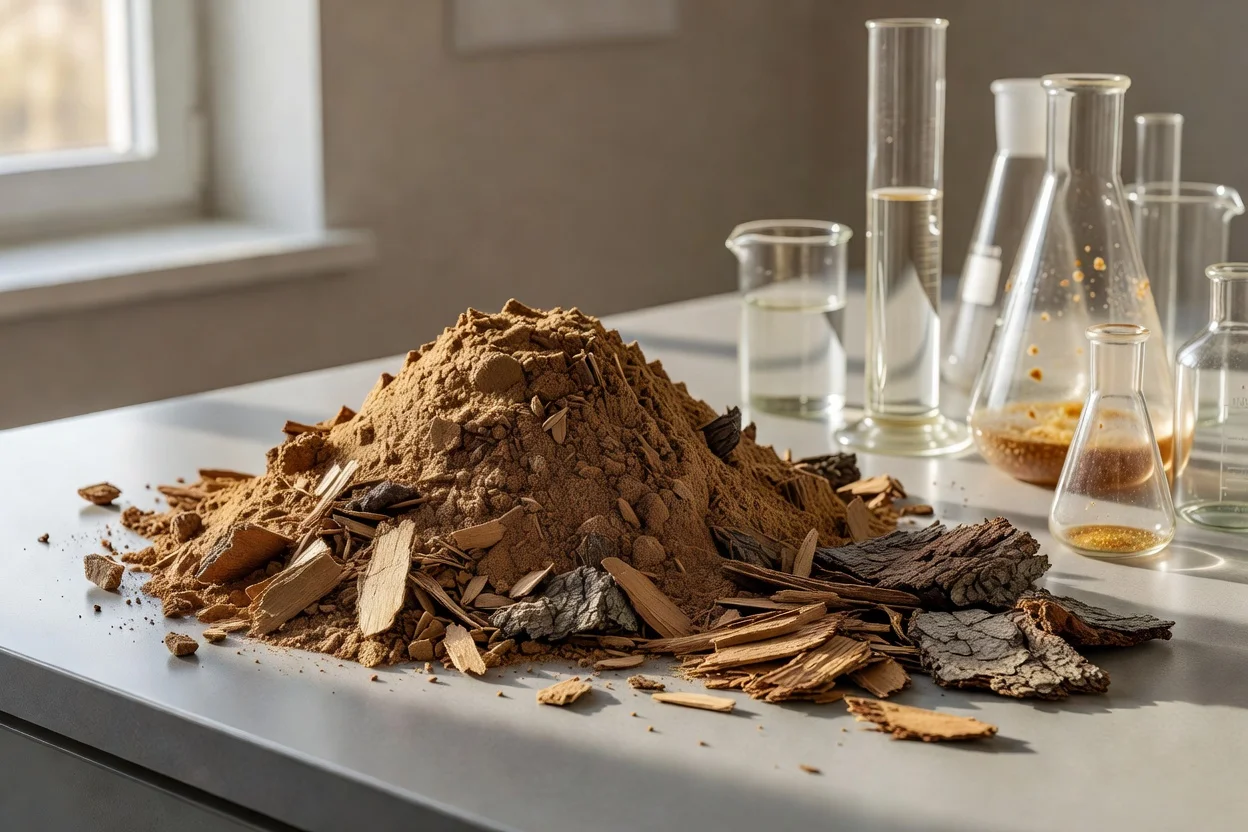
- Researchers have demonstrated PF variants based on lignin, tannin, bark extractives, cardanol, and other renewable sources.
- Bio-based resin development can reduce fossil carbon intensity, but performance consistency, cost, and supply-chain scale remain barriers to broad substitution.
Carbon and exposure considerations
- Conventional PF relies on petrochemical phenol and formaldehyde, so the carbon footprint is tied to fossil feedstocks and energy-intensive chemical production.
- Formaldehyde is a central occupational and product-stewardship concern, which has pushed producers toward low-emission grades and tighter process control.
- In many durable applications, PF may still be favored because long service life can offset some upstream impacts, especially when it replaces less durable bonding systems.
Economic and Global Market Impact
PF resins remain commercially important because they are deeply embedded in large-volume sectors such as engineered wood products, construction, and industrial composites. Their value lies not only in resin sales but also in enabling high-performance downstream materials with long service life and demanding specifications.
Leading producers include diversified resin and coatings companies such as allnex and other global specialty chemical manufacturers serving wood adhesives, coatings, and industrial binders. Regional production is closely linked to the availability of phenol, formaldehyde, and large wood-products manufacturing bases.
Market demand is strongly influenced by:
- construction activity and housing starts,
- engineered wood consumption,
- transportation and industrial refurbishment cycles,
- emissions regulation affecting formaldehyde and indoor air quality,
- substitution pressure from alternative adhesive chemistries.
Current Challenges and Innovations
Key challenges
- Lowering free formaldehyde and meeting emission standards in bonded wood and industrial products.
- Improving toughness and impact resistance without sacrificing the heat and chemical resistance that define PF performance.
- Reducing dependence on fossil phenol and formaldehyde.
- Increasing compatibility with recycled content and bio-based feedstocks while preserving cure reliability.
Innovation directions
- Bio-phenolic formulations using lignin, tannins, bark extracts, or cardanol to partially replace petrochemical phenol.
- Cure acceleration and control using specialized accelerators and optimized cure profiles.
- Nanofiller reinforcement to improve mechanical properties, thermal stability, and sometimes barrier behavior.
- Low-emission adhesive systems for wood panels and interior products to meet stricter indoor-air requirements.
- Hybrid formulations that balance PF’s thermal and water resistance with improved toughness or lower environmental burden.
Future Outlook
PF resins are likely to remain strategically important in applications where moisture resistance, heat resistance, and structural reliability outweigh the disadvantages of thermoset processing. The most realistic growth path is not broad replacement by a single alternative, but gradual specialization: lower-emission wood adhesives, higher-performance industrial coatings, improved friction systems, and more renewable-content phenolic resins.
The sector’s long-term competitiveness will depend on three pressures converging at once: tighter emissions regulation, customer demand for lower-carbon materials, and the need to preserve PF’s distinctive performance in demanding environments. As a result, future PF chemistry is likely to become more formulation-driven, with greater use of bio-based building blocks, advanced catalysts, and engineered additives rather than simple one-to-one substitution.
Summary
PF resins are foundational thermosetting binders that combine high heat resistance, fire performance, chemical durability, and strong adhesion, making them indispensable in wood products, coatings, molded parts, friction materials, and insulation. Their main weaknesses are thermoset irreversibility, brittleness, and fossil/formaldehyde-related sustainability concerns, but ongoing innovation in bio-based feedstocks, low-emission formulations, and performance modifiers is keeping the technology highly relevant.
References
- •
NETZSCH Analyzing & Testing. (n.d.). PF: Phenol-formaldehyde resin. https://analyzing-testing.netzsch.com/en-US/polymers-netzsch-com/thermosets/pf-phenol-formaldehyde-resinLink
- •
Britannica. (2026, July 24). Phenol-formaldehyde resin. https://www.britannica.com/science/phenol-formaldehyde-resinLink
- •
ScienceDirect. (n.d.). Phenol formaldehyde - An overview. https://www.sciencedirect.com/topics/earth-and-planetary-sciences/phenol-formaldehydeLink
- •
Xometry. (2023, March 9). About phenol formaldehyde resin. https://www.xometry.com/resources/materials/phenol-formaldehyde-resin/Link
- •
Scribd. (2025, September 20). Applications of phenol formaldehyde resins [PDF]. https://www.scribd.com/presentation/859017450/Presentation-1Link
- •
SlideShare. (2018, May 10). Preparation of phenol-formaldehyde resin [PPTX]. https://www.slideshare.net/slideshow/preparation-of-phenolformaldehyde-resin/96604525Link
- •
Christine DeMerchant. (n.d.). Phenol formaldehyde glue. https://www.christinedemerchant.com/adhesive-glue-phenol-formaldehyde.htmlLink
- •
Allnex. (n.d.). Phenolic resins & crosslinkers. https://allnex.com/en/technologies/phenolic-crosslinkersLink
- •
PubChem. (n.d.). Phenolic resin. National Center for Biotechnology Information. https://pubchem.ncbi.nlm.nih.gov/compound/Phenolic-resinLink
- •
Wikipedia. (2003, December 13). Phenol formaldehyde resin. https://en.wikipedia.org/wiki/Phenol_formaldehyde_resinLink
- •
ChemAnalyst. (2025, September 30). Breaking down phenolic resin: Uses, benefits, and what's next. https://www.chemanalyst.com/Blogs/breaking-down-phenolic-resin-uses-benefits-and-whats-next-15Link
- •
Zhang, W., et al. (2012, November 16). Biobased phenol formaldehyde resins derived from beetle-killed pine bark. ACS Sustainable Chemistry & Engineering, 1(1), 91–101. https://pubs.acs.org/doi/10.1021/sc3000459Link
- •
Sajid, M., et al. (2020, September 28). Bio-based alternatives to phenol and formaldehyde for the production of phenol-formaldehyde resins. Polymers, 12(10), 2237. https://pmc.ncbi.nlm.nih.gov/articles/PMC7599631/Link
- •
Kamarudin, N., et al. (2020). Synthesis of phenol formaldehyde resin with modified lignin. IOP Conference Series: Materials Science and Engineering, 778, 012024. https://iopscience.iop.org/article/10.1088/1757-899X/778/1/012024/pdfLink
- •
ScienceDirect. (n.d.). Formaldehyde resin - An overview. https://www.sciencedirect.com/topics/engineering/formaldehyde-resinLink
- •
Conner, A. H., & Lorenz, L. F. (n.d.). Accelerated cure of phenol-formaldehyde resins: Studies with model compounds. U.S. Forest Service. https://research.fs.usda.gov/treesearch/8581Link
- •
U.S. Environmental Protection Agency. (n.d.). Health effects of selected chemicals 3. Phenol formaldehyde resin. https://hero.epa.gov/reference/1256174/Link
- •
Kumar, A., et al. (2022, September 24). A comprehensive review on phenol‐formaldehyde resin‐based nanocomposites. Polymer Composites. https://4spepublications.onlinelibrary.wiley.com/doi/10.1002/pc.27059Link