
Introduction
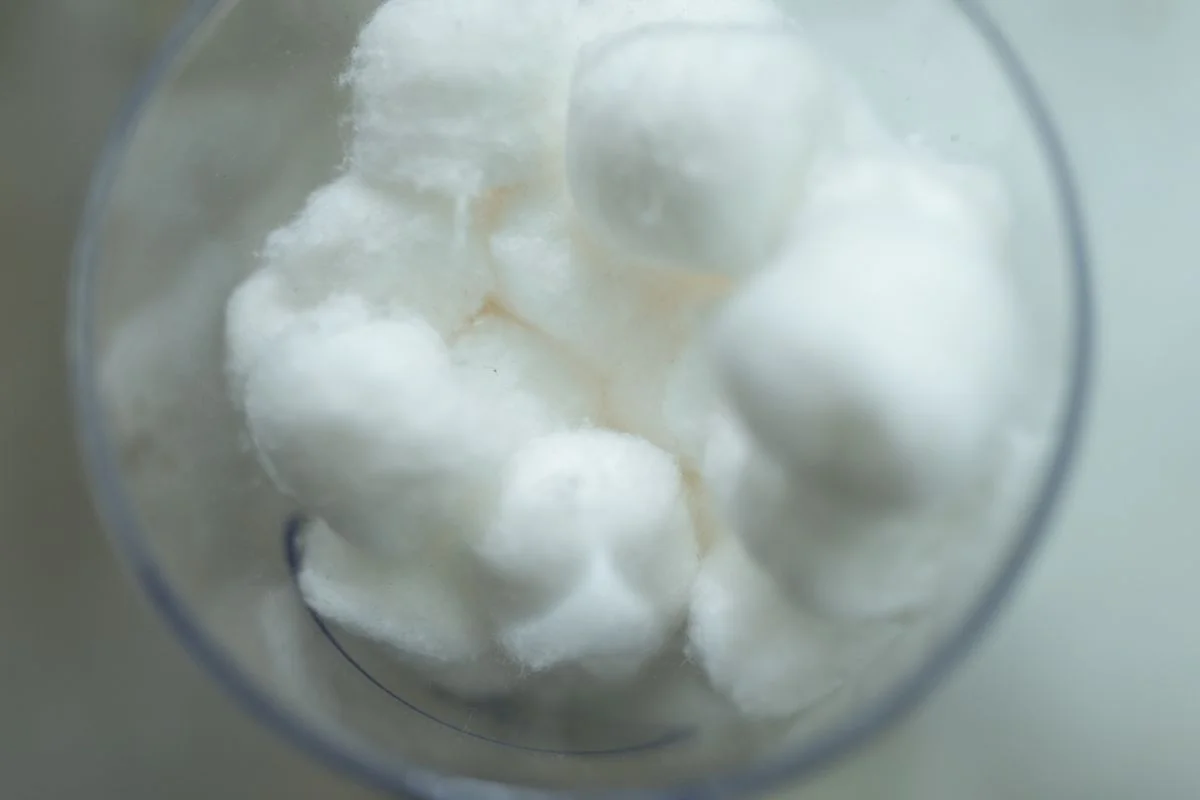
Absorbent materials are substances engineered to take in and retain liquids or gases within a porous, fibrous, or polymeric structure rather than merely holding them on a surface. In the plastics and auxiliaries sector, the term is most often associated with sorbent products for spill control and with superabsorbent polymers used in hygiene, medical, agricultural, and industrial applications.
In industrial practice, “absorbent” is a broad category rather than a single chemistry: it includes natural fibrous materials, mineral sorbents, synthetic nonwovens, and crosslinked hydrogel polymers. These materials differ in mechanism, with some relying mainly on capillary uptake and pore filling, while others swell as liquid penetrates their molecular network. Their importance extends well beyond cleanup products, because absorbent performance affects workplace safety, packaging integrity, healthcare outcomes, water management, and product design across the plastics value chain.
The field has developed from simple natural materials such as cotton, wood pulp, and clay into highly engineered polymer systems, especially superabsorbent polymers, which can retain many times their own mass in aqueous fluids. At the same time, environmental scrutiny has increased, pushing the market toward reusable formats, bio-based feedstocks, and better end-of-life strategies.
History and Development
Early absorbents were largely natural and local: straw, sawdust, cotton, wool, peat, clay, and diatomaceous earth were widely used for spill cleanup, moisture control, and hygiene before the rise of modern polymers. These materials were inexpensive and widely available, but they often had limited selectivity, variable performance, and disposal disadvantages.
The modern phase began with the development of synthetic polymer-based sorbents and, later, superabsorbent polymers. Crosslinked hydrophilic networks enabled a major jump in fluid retention, especially for aqueous solutions, and became central to disposable hygiene products such as diapers, sanitary pads, and incontinence products. Parallel to that, industrial nonwoven absorbents based on polypropylene became common for oil-only spill response because they combine low density, hydrophobicity, and good handling properties.
More recently, absorbent technology has expanded into precision applications in healthcare, agriculture, food packaging, and environmental remediation. In these sectors, the focus has shifted from simple uptake capacity toward selectivity, retention under pressure, chemical compatibility, dust control, and sustainability.
Chemical Structure and Key Properties
Absorbent performance is governed by porosity, surface chemistry, liquid affinity, and internal structure. A useful distinction is between:
- Absorption, where liquid enters the bulk or interior of the material.
- Adsorption, where liquid or molecules remain primarily on the surface.
In plastics-related absorbents, several structural families dominate:
- Fibrous nonwovens, often polypropylene or polyester, which use capillary channels to draw liquids into the web.
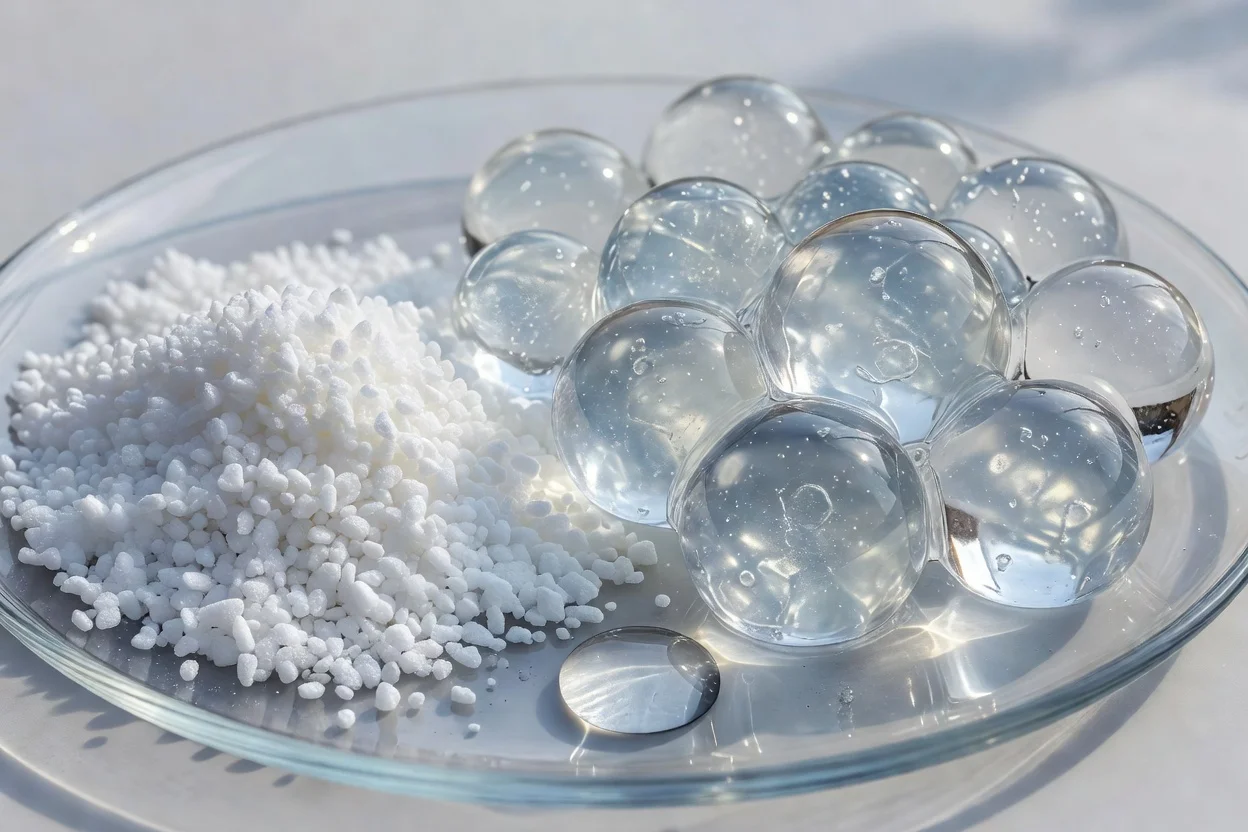
- Hydrogel polymers, especially superabsorbents, which swell as water diffuses into a crosslinked ionic network.
- Mineral absorbents, such as clay or vermiculite, which rely on pore volume and surface texture.
- Cellulosic absorbents, such as wood pulp and cotton, which combine capillarity with hydrophilicity.
Key performance metrics
| Property | What it means | Why it matters |
|---|---|---|
| Absorbency | Amount of liquid taken up relative to mass or volume | Determines capacity |
| Absorption rate | Speed of uptake | Important for spills and hygiene |
| Retention | Ability to hold liquid under load | Prevents leakage or rewetting |
| Selectivity | Preference for oil, water, or chemicals | Essential for spill response |
| Chemical compatibility | Resistance to degradation or reaction | Important for hazardous liquids |
| Mechanical strength | Integrity during handling and saturation | Affects usability and safety |
Real limits and workarounds
- Poor oil-only selectivity in universal absorbents → broad hydrophilic surface or mixed chemistry → use oleophilic, hydrophobic polypropylene sorbents or purpose-formulated oil-only pads.
- Reduced water uptake in saline or ion-rich fluids → ionic shielding lowers swelling pressure in superabsorbent polymers → use optimized crosslink density, copolymer design, or different absorbent classes for brines and body fluids.
- Low structural integrity when fully saturated → loss of mechanical strength in fibrous or loose-fill materials → use laminated pads, reinforced nonwovens, or containment formats such as socks and pillows.
Typical formulation examples
- Polypropylene meltblown pads often function with no added chemistry beyond fiber geometry; their oleophilicity and hydrophobicity make them suitable for oil-only spill control on water and land.
- Superabsorbent polymer systems typically use crosslinked sodium polyacrylate-type networks; the crosslinks prevent dissolution while allowing large swelling, which is the mechanism behind their high liquid retention.
Production Processes and Raw Feedstocks
Absorbents are produced through several distinct industrial routes:
- Nonwoven fabrication for pads, rolls, socks, and wipes, usually by spunbond, meltblown, carded, or laminated structures.
- Polymer synthesis for superabsorbents, generally by polymerization of acrylic monomers followed by crosslinking and drying.
- Mineral processing for clay, vermiculite, perlite, and similar granular sorbents.
- Cellulosic processing for wood pulp, fluff pulp, cotton-based formats, and blended natural products.
Raw feedstocks depend strongly on product class:
- Petrochemical feedstocks for polypropylene, polyethylene, and acrylic monomers.
- Biogenic feedstocks for cellulose, cotton, straw, cork, sawdust, and coir.
- Mineral feedstocks for clay, vermiculite, diatomaceous earth, and glass wool.
Production choices directly shape performance. For example, spunmelt polypropylene creates thin, lightweight, oil-attracting webs, while fluff pulp blended with superabsorbent polymer creates high-retention cores for hygiene products. In spill-response products, packaging formats matter as much as chemistry: pads suit small leaks, socks and booms contain spread, and pillows handle localized high-volume spills.
Applications and End-Use Markets
Absorbents serve several major end-use markets, each with distinct performance requirements and usual product formats.
| Sector | Typical absorbent type | Usual format | Key requirement |
|---|---|---|---|
| Industrial spill response | Polypropylene, universal blends, mineral granules | Pads, rolls, socks, booms, granules | Fast uptake, safety, disposal control |
| Oil spill cleanup | Oleophilic, hydrophobic synthetic sorbents | Pads, booms, socks | Floatation and oil selectivity |
| Chemical handling | Hazmat absorbents, inert mineral sorbents | Pads, pillows, granules | Chemical compatibility |
| Hygiene and personal care | Superabsorbent polymers with fluff pulp | Diapers, pads, briefs | High retention under pressure |
| Medical and wound care | Hydrogel and absorbent composites | Dressings, pads | Fluid management and skin protection |
| Agriculture | Water-retentive hydrogels | Soil additives, root-zone products | Moisture retention |
| Food packaging | Cellulosic and laminated absorbents | Meat pads, tray liners | Exudate control and hygiene |
Major sectors
- Film and packaging
- Absorbent pads and tray liners are used in meat, fish, and produce packaging to manage exudate and maintain appearance and hygiene.

- Bottles and containers
- Desiccant-type absorbent systems are used where moisture control is needed in packaging, although these are often adsorption-focused rather than true bulk absorption.
- Pipe, cable, and industrial maintenance
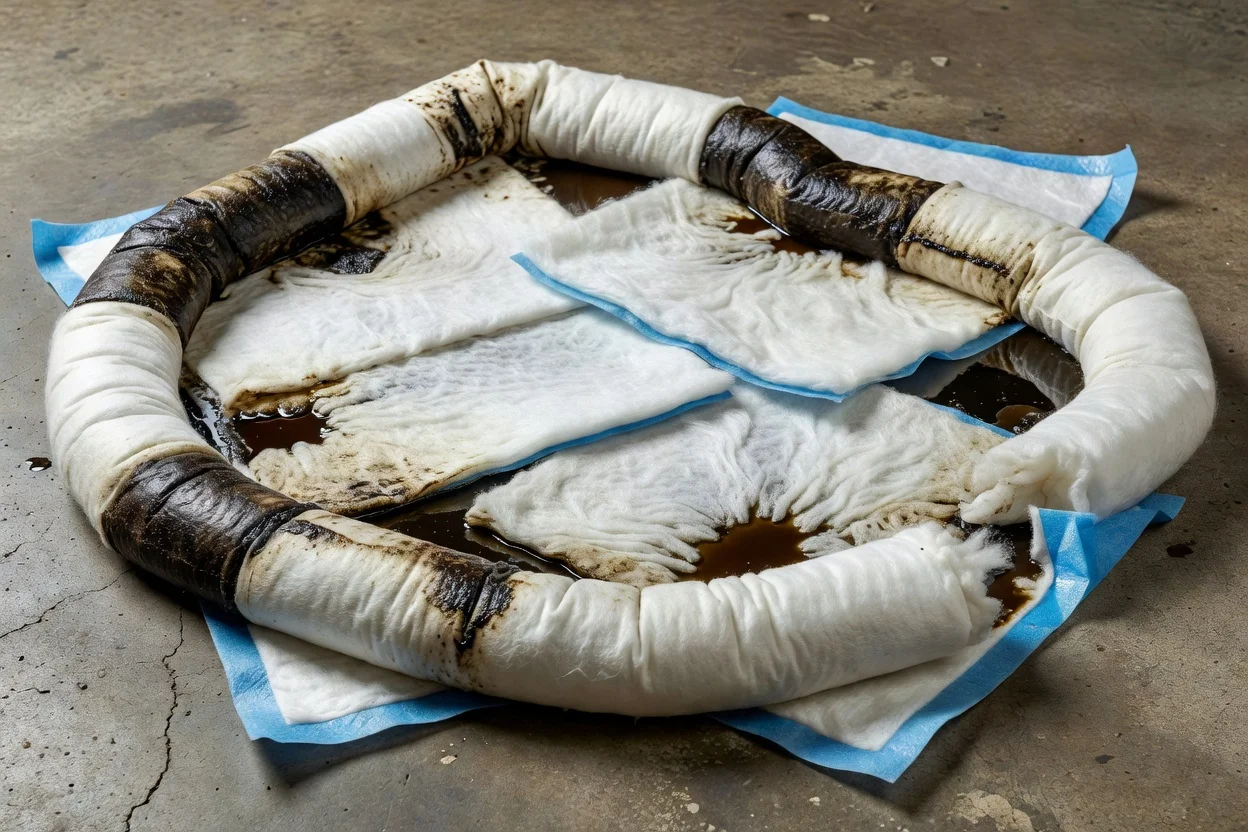
- Absorbent pads, rolls, and socks are used around leaks, maintenance bays, and storage areas to capture oils, coolants, and solvents before they spread.
- Agriculture
- Water-absorbing polymers are used for soil moisture retention and controlled water availability, especially where irrigation efficiency is critical.
- Geomembrane and environmental containment
- Spill absorbents are deployed in secondary containment and remediation to reduce migration of oils and chemicals into soil and water.
- Rotomolding and molded articles
- Less common as a direct end-use, but absorbent-related additives or liners may be integrated into specialty containers, liners, and protective systems.
- UHMWPE wear and medical
- Absorbent systems appear in medical dressings and protective products more than in structural wear parts; here the main role is fluid handling rather than load bearing.
- PEX and plumbing-related systems
- Absorbents are not a natural fit for pressure piping itself; however, they may be used for leak detection, maintenance, and packaging protection rather than as a functional pipe material. This is a poor-fit use because pressure systems require impermeability, not uptake.
Typical spill-response product forms
- Pads and mats for routine drips
- Rolls for large surface coverage
- Socks and booms for perimeter control
- Pillows for localized pooling
- Loose absorbents for irregular surfaces
- Granules for hazardous or uneven areas
Environmental and Sustainability Aspects
Absorbents create a clear sustainability trade-off: they can prevent larger environmental releases, yet many are single-use and made from fossil-based polymers. The environmental balance therefore depends on use case, contamination level, and disposal pathway.
Recyclability and disposal
- Polypropylene sorbents are often effective but usually contaminated after use, which limits mechanical recycling in real-world spill response.
- Cellulosic and natural sorbents may offer simpler disposal routes and lower fossil content, but they can be less selective and may degrade in storage or under harsh conditions.
- Mineral sorbents can be chemically robust, but they are heavier and generate more spent waste by mass.
Bio-based alternatives
Natural absorbents made from cellulose, straw, sawdust, coir, cork, and other renewable materials are often promoted as lower-impact options. However, lower environmental burden is not automatic: transport, processing, contamination, and disposal method can outweigh feedstock advantages in some cases.
Carbon footprint considerations
- Fossil-based absorbents carry upstream petrochemical emissions.
- Bio-based absorbents may lower feedstock impact but can require land, water, and agricultural inputs.
- Reusable absorbents reduce material throughput, but only if cleaning and decontamination are practical and safe.
Circular economy pressures
The main sustainability direction in the sector is toward:
- Higher durability and reusability where contamination permits
- Improved source segregation after use
- More recyclable nonwoven architectures
- Bio-based polymers and blends
- Targeted use of absorbents only where they prevent larger environmental damage
Economic and Global Market Impact
Absorbents occupy an important but fragmented niche within plastics and industrial auxiliaries. Demand is driven by manufacturing safety, logistics, healthcare, hygiene, food packaging, and environmental compliance.
The largest commercial volume is associated with hygiene absorbents, particularly superabsorbent polymers used in diapers, sanitary pads, and incontinence products. Industrial spill-control absorbents are smaller in volume but strategically important because they reduce downtime, workplace accidents, and environmental liabilities.
According to recent industry analyses, the strongest global production base for absorbent-related polymers and nonwovens remains concentrated in regions with large petrochemical and hygiene-manufacturing capacity, especially North America, Western Europe, East Asia, and parts of the Middle East. Leading producers vary by product segment, with major groups active in polypropylene nonwovens, acrylic monomers, superabsorbent polymers, and specialty hygiene materials. Because the market is segmented, leadership is better understood by product class than by a single consolidated absorbent industry.
Current Challenges and Innovations
The sector is being reshaped by several technical and commercial pressures:
- Selective performance
- A major challenge is designing absorbents that can distinguish oil, water, and aggressive chemicals without losing speed or retention.
- Contamination and disposal
- Used absorbents are often hazardous waste after spill cleanup, which complicates recycling and raises disposal cost.
- High-saline and complex fluids
- Superabsorbent systems can lose capacity in saline environments, motivating new polymer architectures and composite cores.
- Microplastic concerns
- Synthetic fiber shedding and polymer residues are under greater scrutiny, especially for disposable products.
- Performance under pressure
- Hygiene and medical products must retain fluid under load, not only in free-swelling tests, which has driven multilayer cores and advanced crosslink control.
Innovation directions
- Bio-based and partially bio-based superabsorbents
- Reusable industrial absorbent formats
- Hybrid absorbents combining cellulose, polymer, and mineral phases
- Smarter spill products with color coding and chemical specificity
- Lower-dust granules and cleaner nonwoven manufacturing
- Composite structures that improve retention under compression
Future Outlook
Absorbents are likely to become more specialized, not less. The industrial market is moving away from generic “one-material-fits-all” sorbents toward application-specific systems for oils, water, solvents, acids, bases, and hygiene fluids. In parallel, sustainability requirements are likely to accelerate demand for renewable feedstocks, lower-waste product designs, and better recovery systems.
In hygiene and medical markets, future growth will be tied to better fluid management, thinner product profiles, and improved comfort at lower material intensity. In industrial and environmental markets, the emphasis will be on safety, compliance, and contamination control, with absorbents continuing to serve as a practical first-response tool where prevention alone is not sufficient.
Summary
Absorbent materials are a diverse class of porous, fibrous, mineral, and polymeric products that take up and retain liquids or gases by capillarity, swelling, or network-based fluid immobilization. Their most important roles in the plastics industry are spill control, hygiene, medical fluid management, packaging, and moisture regulation, with polypropylene nonwovens and superabsorbent polymers representing the dominant synthetic technologies.
Their future will be shaped by the same forces that define the broader plastics sector: performance pressure, regulatory scrutiny, waste reduction, and the search for lower-carbon materials and better circularity.
References
- •
ScienceDirect. (2016, October 14). Absorbent material - an overview. https://www.sciencedirect.com/topics/engineering/absorbent-materialLink
- •
U.S. Environmental Protection Agency. (n.d.). Sorbents. https://archive.epa.gov/emergencies/content/learning/web/html/sorbents.htmlLink
- •
Technologystudent.com. (2018). Properties of materials. https://technologystudent.com/joints_flsh/property3.htmlLink
- •
Ktechsorb. (n.d.). Absorbent basics & selection. https://ktechsorb.com/pages/absorbent-basics-and-selectionLink
- •
Oil Spill Products. (n.d.). Oil spill products | Oil and chemical absorbents. https://oilspillproducts.co.uk/blogs/news/oil-spill-products-guide-to-oil-and-chemical-absorbentsLink
- •
Absorbentsonline. (2024, June 14). Comparing the efficacy of different water-absorbent material. https://www.absorbentsonline.com/spill-containment-blog/comparing-the-efficacy-of-different-water-absorbent-materials/Link
- •
Ideas.us. (2024, June 23). Exploring absorbent. https://ideas.us.com/blogs/educational-resources/exploring-absorbentLink
- •
Homesteady. (2010, December 31). 10 common types of absorbents. https://homesteady.com/13419548/10-common-types-of-absorbentsLink
- •
Tradesafe. (2025, January 15). What are absorbents? Types, uses & examples. https://trdsf.com/blogs/news/absorbentsLink
- •
Flyriver. (n.d.). Use of absorbent materials. https://www.flyriver.com/g/use-absorbent-materialsLink
- •
Racklify. (2026, July 14). Selecting absorbent packaging for chemicals. https://racklify.com/encyclopedia/material-science-selecting-absorbents-for-chemical-compatibility/Link
- •
ForeverYard. (2026, January 4). What soaks up water fast? Understanding the properties of absorbent materials. https://foreveryard.com/what-soaks-up-water-fast/Link
- •
LinkedIn. (2025, October 3). Liquid absorbent material in the real world: 5 uses you'll actually.... https://www.linkedin.com/pulse/liquid-absorbent-material-real-world-5-uses-youll-actually-f3pzfLink
- •
SpillPro. (2018, December 20). Choosing the best spill absorbent for your needs. https://spillpro.com.au/information-and-news/choosing-the-best-spill-absorbent-for-your-needsLink
- •
Serpro Ltd. (2024, October 14). A beginner's guide to absorbents: Types and uses. https://www.serpro.co.uk/blog/a-beginners-guide-to-absorbents-types-and-usesLink
- •
Twinkl. (n.d.). What are absorbents? https://www.twinkl.com.au/teaching-wiki/absorbentLink
- •
Huanawell. (n.d.). Tips for using the most common absorbent materials safely. https://huanawell.com/10-most-common-absorbent-materials-practical-applications/Link
- •
SewGuide. (2024, November 22). 14 most absorbent fabrics. https://sewguide.com/best-absorbent-fabrics/Link
- •
Sapgels. (2025, July 22). Everything you should know about water-absorbing materials. https://sapgels.com/everything-you-should-know-about-water-absorbing-materials/Link
- •
Huanawell. (2026, March 22). What causes some materials to soak up liquids more.... https://huanawell.com/what-makes-a-material-absorbent-the-science-behind-absorption/Link
- •
Mecanum. (2022, October 6). What is an acoustic absorbent material? https://mecanum.com/what-is-an-acoustic-absorbent-material/Link
- •
Semantic Scholar. (n.d.). Review article. https://pdfs.semanticscholar.org/0b15/bf995b2224fc59dbd5400cdce40d346aa422.pdfLink
- •
Spillfix. (2014, April 25). Different types of spill absorbent materials. https://spillfix.com/blog/absorbent-material-types/Link
- •
Earthsafeca. (2024, March 27). Industrial absorbents: Absorbent pads, spill kits, oil spill solutions. https://earthsafeca.com/blogs/news/industrial-absorbentsLink
- •
Scribd. (n.d.). Absorbent properties of nonwovens. https://www.scribd.com/document/270010613/Absorption-Properties-Absorbent-MaterialsLink
- •
Gelsap. (2025, February 26). Absorbent and water. https://gelsap.com/en_ca/absorbent-and-water/Link
- •
Szphfm. (2025, January 11). The science behind flexible absorbent material and how it.... https://www.szphfm.com/2023/06/08/the-science-behind-flexible-absorbent-material-and-how-it-works/Link
- •
Libguides.blog. (2025, January 11). Absorbent materials: Applications and properties. https://libguides.blog/absorbent-materials-applications-properties/Link
- •
Racklify. (2026, May 20). Absorbent material: Improve supply chain safety. https://racklify.com/encyclopedia/absorbent-material-how-it-improves-supply-chain-safety-and-efficiency/Link
- •
Wikipedia. (2005, December 19). Sorbent. https://en.wikipedia.org/wiki/SorbentLink
- •
MyHealth Alberta. (2025, April 9). Absorbent products for urinary incontinence. https://myhealth.alberta.ca/Health/pages/conditions.aspx?hwid=hw220210Link
- •
ScienceDirect. (2013, October 15). Personal care product. https://www.sciencedirect.com/topics/materials-science/personal-care-productLink
- •
Airseacontainers. (2019, October 4). The ultimate guide: 7 common types of absorbents and.... https://airseacontainers.com/blog/ultimate-guide-types-of-absorbents/Link
- •
LinkedIn. (2025, September 10). What is industrial absorbent? Uses, how it works & top.... https://www.linkedin.com/pulse/what-industrial-absorbent-uses-how-works-top-companies-v6xjcLink
- •
LinkedIn. (2025, September 18). Absorbent pads in the real world: 5 uses you'll actually see (2025). https://www.linkedin.com/pulse/absorbent-pads-real-world-5-uses-youll-qnpufLink
- •
Springer. (n.d.). Properties and valuable applications of superabsorbent polymers: A comprehensive review. https://link.springer.com/article/10.1007/s00289-023-05068-xLink
- •
Absorbentsonline. (2026, May 20). Chemical absorbents 101: What you should know. https://www.absorbentsonline.com/spill-containment-blog/chemical-absorbents-101-what-you-should-know/Link
- •
Wikipedia. (2006, December 5). Superabsorbent polymer. https://en.wikipedia.org/wiki/Superabsorbent_polymerLink
- •
Nature. (2026, March 23). Performance of woven fabrics for absorbent applications. https://www.nature.com/articles/s41598-026-41834-3Link
- •
ScienceDirect. (2014, October 18). Absorbent core. https://www.sciencedirect.com/topics/engineering/absorbent-coreLink
- •
Cornell University. (n.d.). 5.4.2 Spill absorbent materials. https://ehs.cornell.edu/research-safety/chemical-safety/laboratory-safety-manual/chapter-5-emergency-preparation/54-2Link
- •
Rockoilrefining. (n.d.). Absorbent materials / information. https://rockoilrefining.com/absorbents/Link
- •
PMC. (2005, July 1). Use and evaluation of disposable absorbent products for.... https://pmc.ncbi.nlm.nih.gov/articles/PMC3114878/Link
- •
Continence Product Advisor. (n.d.). Absorbent products for women. https://www.continenceproductadvisor.org/absorbentproductsforwomenLink
- •
NAFC. (2026, April 3). Adult absorbent incontinence products. https://nafc.org/adult-absorbents/Link
- •
Denios-us. (2020, July 30). 3 steps to choosing the right absorbent for spill cleanup. https://www.denios-us.com/resources/denios-magazine/3-steps-to-choosing-the-right-absorbentLink
- •
Absorbentsonline. (2025, May 14). Top 5 industrial uses for absorbent pads. https://www.absorbentsonline.com/spill-containment-blog/top-5-industrial-uses-for-absorbent-pads/Link
- •
Cochrane. (2007, April 18). Absorbent products for light urinary incontinence in women. https://www.cochrane.org/evidence/CD001406_absorbent-products-light-urinary-incontinence-womenLink